Carol Ellison
Carol Ellison Facebook ad: “I was shocked by the findings”

Ran for 13 days, from July 23 to August 5, 2026, the last day Crush saw it.
Run by Carol Ellison on Facebook. Crush is not the advertiser and does not verify its claims. See this ad in Meta's Ad Library(opens in a new tab)
Want an ad like this for your product?
Crush makes new ad images for your product from this ad: your logo, your product photo, your offer.
Trials from $19.95 USD, then $79.95 USD a month. Cancel anytime.
About this ad
- Meta Ad Library ID
- 1997900880888249
- Platforms
- Facebook, Instagram, Audience Network, Messenger, WhatsApp and Threads
- Relaunches
- 0
Ad text
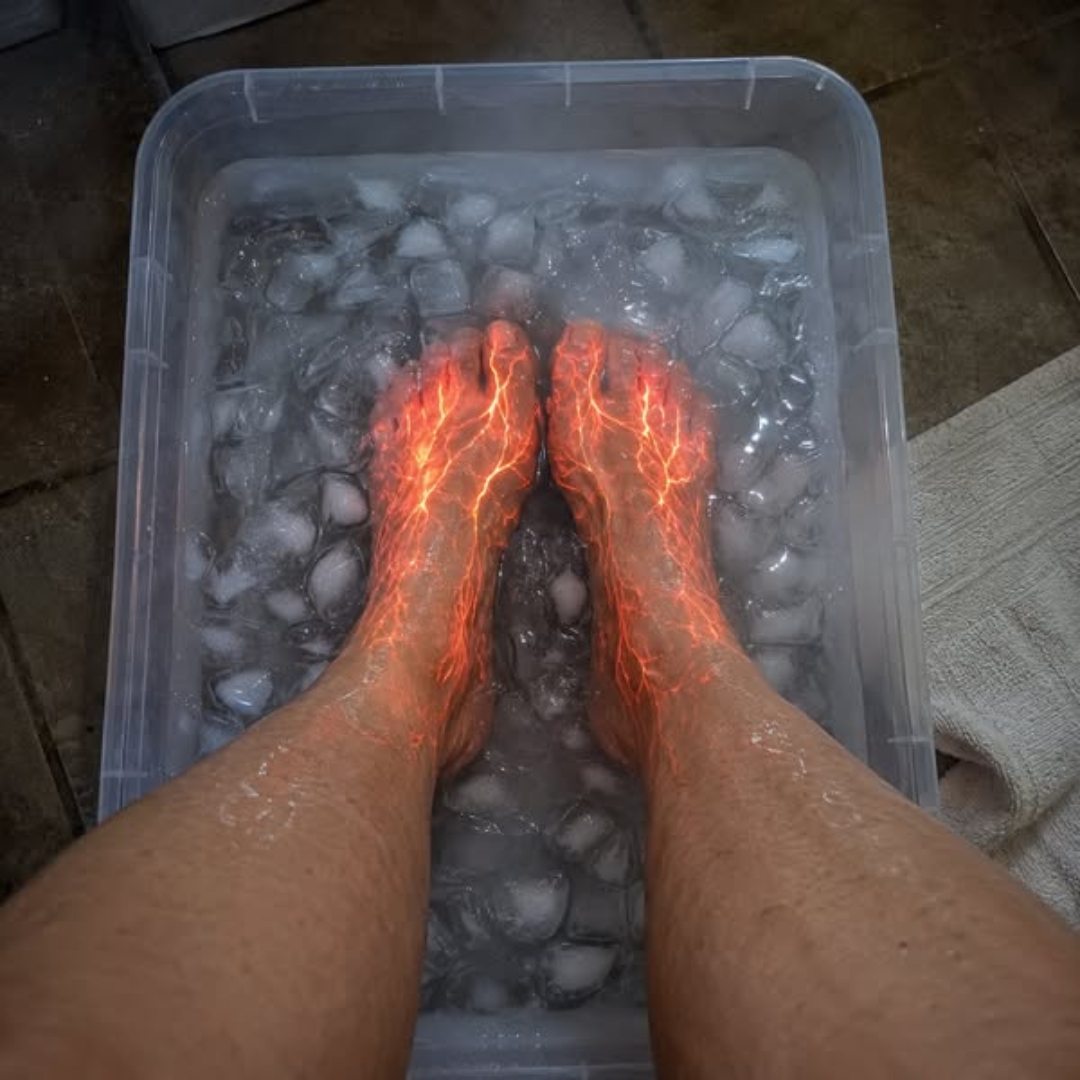
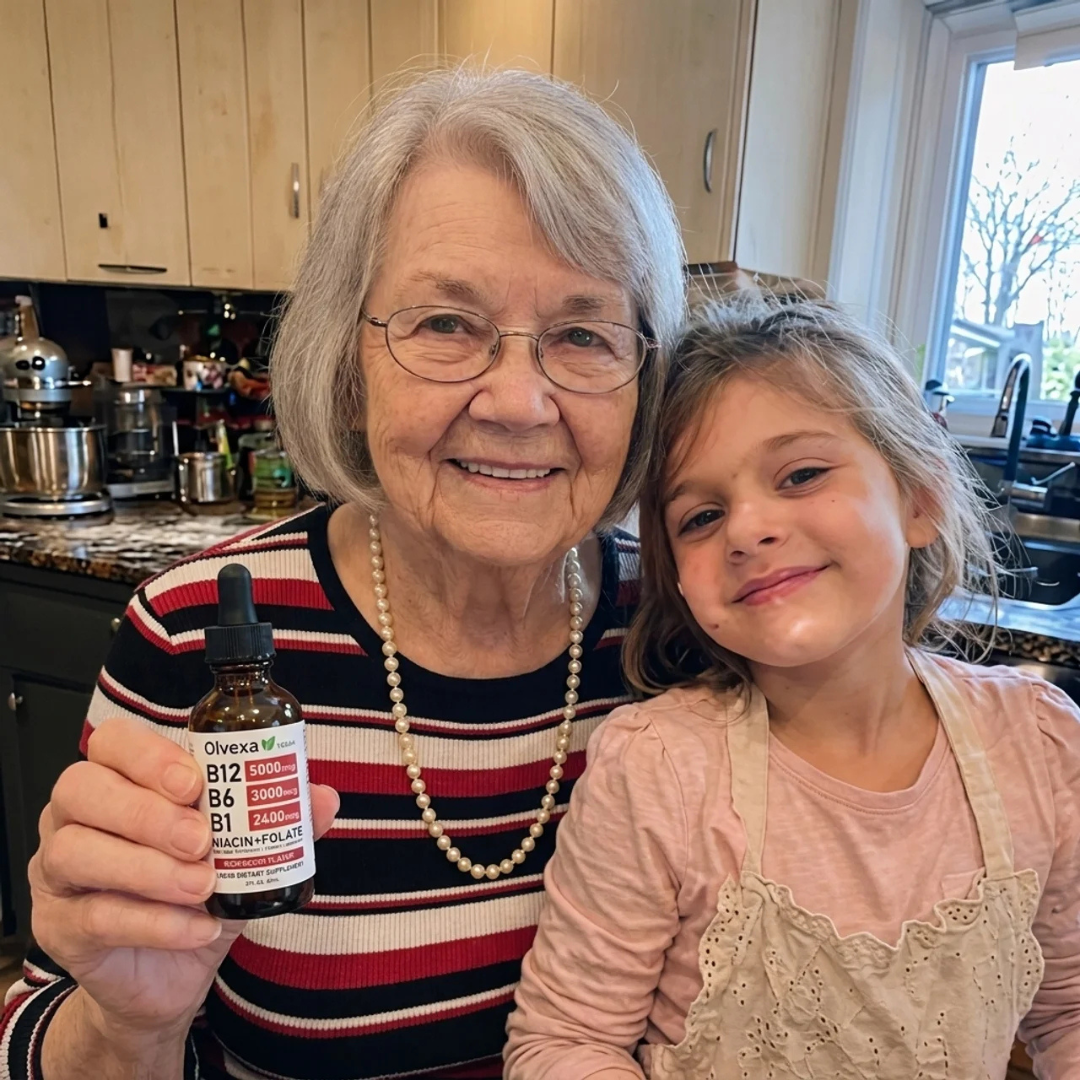
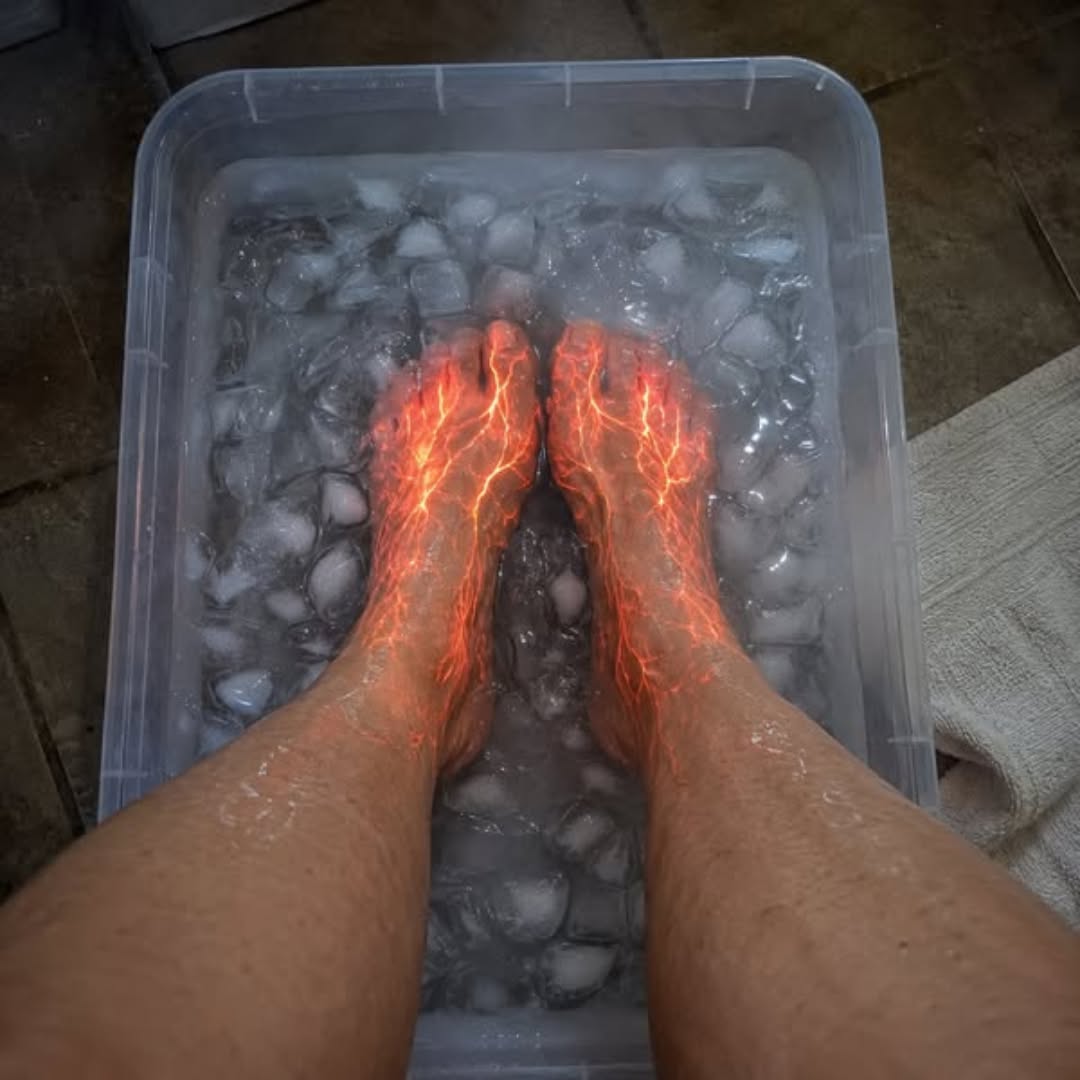
I just spent £14,000 on a nerve clinic in the Swiss Alps. Four weeks. And the thing that actually helped my feet had nothing to do with the doctors or the scans or the mountain air. I need to back up because this is going to sound ridiculous. I've been dealing with my feet for about eight years. Not the kind of thing where you can't walk. I walk fine. I'm on them all day. But then 3AM comes and my feet start burning like they're sitting on a hot stove. Nothing touching them. Just this deep electrical burn that shows up every single night like clockwork. And underneath it, the numbness, spreading a little further up my foot every year, so I've stopped trusting where the floor is. I've tried everything. B12 from the chemist in every dose from 100mcg all the way up to 1,000. Alpha lipoic acid. Capsaicin cream. A TENS machine that buzzed and did nothing. Foot soaks. Special socks. Insoles. Two rounds of physio. I even paid £300 for an online neuropathy programme that told me to do daily foot exercises and keep a symptom diary. I did the exercises. I kept the diary. Still woke up at 3AM with my feet on fire. And the numb patches. God, the numb patches. Standing on a stone in the garden and not feeling it until I saw the mark that evening. Watching my own feet on the stairs like a toddler learning to walk. My GP fitted me for special shoes. I still couldn't feel the ground through them. Eight years of this. You stop telling people about it after a while. You just hold the banister with both hands and hope nobody notices you looking down at your feet. So when my friend Karen told me she was going to a nerve clinic in Switzerland I thought she was joking. She said no. A real clinic. In the Alps. Run by actual neurologists. Four weeks residential. They do nerve conduction studies. Bloodwork. Circulation testing. Gait analysis. Daily therapy. Temperature-controlled rooms. Everything calibrated to assess and rehabilitate peripheral nerve damage properly, over enough time to actually measure whether anything has changed. She said it's where people go when nothing else has worked. The last resort for people who've tried everything. £14,000 for four weeks. Not a spa. Not a retreat. A medical facility with mountain views and a price tag that made my stomach hurt for a week before I paid it. But eight years. I'd already spent hundreds on things that didn't work, and I was watching my own feet go quiet a bit more every year. What was one more. I flew into Zurich and took a train into the Alps. The clinic was in a small village at about 4,000 feet. Clean air. Dead quiet. Snow on the peaks even in late spring. The building looked like a cross between a hospital and a smart hotel. White walls. Enormous windows. Everything precise and calm in that very Swiss way. Week one they ran every test you can think of. Blood panel. Nerve conduction studies on both legs. The filament test, that thin strand pressed against the sole of your foot at ten points. I felt it on four. Circulation scans. They mapped my entire nerve function like it was an engineering problem, and then they did it again at the end of the month so there'd be something to compare. The rooms were temperature controlled. Blackout blinds. A gentle stimulation programme for the lower legs. A protocol for the feet before bed, every night. I thought okay, this is serious. This is science. This is going to work. The first week, nothing. Woke at 3AM with the burning as usual. Lay there for an hour. Fell back asleep around 4. Woke at 6:30 feeling the same as always. I wasn't surprised. I'd been told not to expect anything early. Week two something shifted. I woke up at 5:45. Not 3AM. 5:45. And my feet weren't burning. If you've had this you know how big that is. Every night for years your feet just burn. You hang them out of the side of the bed. You lie there doing the maths on how many hours you've got left. You don't even realise how braced you are until one morning you're not. That was week two. I woke up and my feet were quiet. I lay there and touched the sole of my foot and it felt like a foot. I almost didn't trust it. I figured it was the therapy. The daily protocol. The altitude. The air in the Alps is different. Thinner. Cleaner. I thought maybe my body was finally responding to a clinically optimised environment. By week three the burning had mostly stopped coming. I'd go to bed at 9:30 and wake at 6:15 with pale morning light through the blinds, and lie there for a minute trying to work out what was different. Then I'd realise the burning never came. Not at 3AM. Not at all. I thought this is it. The science works. The nerve studies. The therapy rooms. The altitude. The clinical approach. This is what I needed. A real facility with real doctors treating this like the medical problem it is. But then at breakfast in week three I was sitting next to a woman named Diane. Late 50s. CFO of a tech company in London. She looked like someone who had been running on fumes for years and had finally been allowed to stop. She leaned over and said, "Can I ask you something? Are your feet quiet here? Actually quiet?" I said, "For about a week now. First time in eight years." She closed her eyes for a second like she was relieved she wasn't imagining things. She said, "Six years. Six years I've woken up at 3AM with my feet on fire. I've had nerve conduction studies at home. I've seen three neurologists. I've been to a private clinic in London that cost me £4,000. Nothing worked. And I've slept through most of this week." She said, "I assumed it was the altitude. The therapy rooms. The monitoring. But I'm starting to wonder if it's something else, because this feels different from anything clinical I've ever done. This feels like something in my body changed. Not my environment." I got chills because I'd been thinking exactly the same thing. We started comparing notes right there at breakfast. Both of us with quiet feet for the first time in years. Both of us waking without the burning. Both of us feeling this calm in our legs that didn't match how we normally felt. Like someone had turned down the volume. Diane said, "Maybe it's the altitude. Thinner air. Better circulation." I said, "I've been to the mountains before and my feet never did this." She said, "The therapy rooms?" I said, "Maybe? But I've had physio at home for months and it never did this." We couldn't work it out. That afternoon I went back to my room to rest and I noticed something I hadn't really paid attention to in three weeks. On the bedside table there was a small tray. It had been there every night since I arrived. A glass of water. A small card from the clinical team. And a little dark bottle with a dropper. I'd been using it every night without thinking about it. It was just part of the evening protocol. The nurse came in each night to set the room and check the therapy settings and the tray was just there when I got into bed. I'd put the drops under my tongue and drink the water and go to sleep. Didn't read the card. Didn't think about what it was. It was part of the routine. Like everything else in this place. I picked up the card. It said, "Evening Protocol. Active B12, methylcobalamin, sublingual, with full B complex. Administered as part of your nerve restoration programme." I stared at it. B12. I almost laughed. Because I've taken B12. I took B12 for three years and it never did a single thing for my feet. Not once. I went to find the clinic's director. His name was Dr. Kessler. He had a corner office on the second floor with floor-to-ceiling windows looking out at the Alps. I told him what was happening. The nights. The quiet feet. And that I'd just found out about the bottle on the bedside table. He smiled like he'd had this conversation a hundred times. He said, "Every patient. Every single one. They come here expecting the technology to fix them. The nerve conduction studies. The therapy rooms. The circulation scans. The altitude. And those things matter. But they're maybe 20% of what's happening." He said, "The drops are doing 80% of the work." I said, "But I've taken B12. For three years. It did nothing." He said, "What form?" I told him. B12 tablets from the chemist. Good reviews. Nice label. High strength, it said. He said, "Go to your room. Pull that product up on your phone. Don't look at the front of the box. Look at the ingredients on the back. Read what form it actually is. Tell me if it says cyanocobalamin." I went straight back to my room and pulled it up. And there it was. "Vitamin B12 (as cyanocobalamin)." Just sitting there in brackets. Not telling you it's the cheap synthetic form. Not telling you your body has to convert it before a nerve can touch it. Not telling you that after fifty, on metformin, you can barely do that conversion at all. Just the word B12 in big letters on the front and the truth hiding in a bracket on the back. Three years. I took that every single night for three years telling myself B12 doesn't work for me. And it was the form my body couldn't use, swallowed into a stomach that stopped absorbing it years ago. I was getting almost nothing from it. Three years of expensive nothing. I went back to Dr. Kessler the next morning. He sat me down and explained. He said, "I am a neurologist. I have spent my career studying why nerves stop working. I have every tool available. Nerve conduction studies. Circulation imaging. Gait analysis. All of it." He said, "And the single most effective thing in this entire clinic is a bottle of drops on a bedside table." He said, "Every nerve running down to your feet is wrapped in a living coating. Think of the insulation on a wire. It carries the signal and it keeps the nerve alive. Your body rebuilds that coating every single day, and it rebuilds it with B12 more than anything else." "Without enough, the coating thins. The bare nerve misfires. That's your 3AM burning. Nothing is touching your feet. They burn because the wire is exposed." "Then the signal stops getting through at all. That's the numbness. That's the patch on your sole you can stand on a stone and not feel." He said, "Most patients who come to this clinic have tried B12. And most of them were taking cyanocobalamin without knowing it. The front of the box says B12 in big letters and the back has the form hiding in a bracket." "Your body barely converts it and your gut barely absorbs it. So you take it for years and feel nothing and you decide B12 doesn't work for you. And then you fly to Switzerland and spend fourteen thousand pounds to find out you were taking the wrong form." He said, "The form I use here is methylcobalamin. It's the active form. Already converted. Your body doesn't have to do anything to it, which matters, because the conversion is exactly what a diabetic on metformin can't do well." "And I give it under the tongue, not swallowed, so it goes straight into the blood through the tissue in your mouth and skips the stomach that stopped absorbing B12 years ago." "Once it's in, it does two things. First it gives the nerve the raw material to rebuild the coating." "Second, and this is why I never give B12 on its own, the rest of the B vitamins alongside it settle the misfiring, fuel the repair, open the tiny vessels that feed the nerve, and finish the job." "B12 alone stalls halfway. That's why a few drops on a bedside table are doing more for you than three years of the tablets you bought at the chemist." Then he said the thing I've thought about every day since. He said, "And I'll tell you the part that makes me angry. If you're diabetic and you're on metformin, and most people with your feet are, your own medication has been draining your B12 the entire time you've been on it." "It's printed in the drug's own information. It's been known for decades. As many as one in three long-term users run short." "You must keep taking your metformin, it's doing its job and you never stop it. But nobody tells you to put back what it's taking out." "So the nerve starves, quietly, for years, while every test says your diabetes is well controlled." He said, "I build it into the evening protocol because if I just told patients to take active B12 they'd say they already take B12 and it doesn't work." "Patients don't believe me. They want the nerve studies and the therapy rooms and the science. So I give them all of that. And I put the drops on the bedside table." "By the second week the burning starts to settle. By the third they think the technology fixed them." He paused and looked out the window at the mountains. He said, "I have a fourteen thousand pound clinical programme. I have equipment that costs more than most cars. And the most important thing in this entire building is a small bottle on a bedside table." "That's either the funniest thing in medicine or the saddest. I haven't decided." Then he said one more thing, and this is the part I needed to hear. He said, "Don't expect four weeks here to be the whole story. The burning settles first, because you've stopped the nerve being starved. The feeling coming back is slower." "The coating rebuilds over months, not weeks. Most of what you'll get, you'll get in your second and third month, not your first. So don't stop when you get home and tell yourself it didn't work." I sat there in a nerve clinic in the Swiss Alps realising that eight years of my life had just been explained in five minutes. By a doctor surrounded by hundreds of thousands of pounds of equipment pointing at a bottle of drops. At the end of the month they repeated the filament test. I'd felt four of the ten points when I arrived. I felt six. Six isn't a miracle. But it was the first time in eight years that a test of my feet had moved in the right direction, and Dr. Kessler told me to keep going, because the month I'd just paid for was the start of it, not the end. When I got home I threw away the box I'd been taking for three years. The nice label. The good reviews. The word B12 on the front hiding cyanocobalamin on the back. I found the one Dr. Kessler uses at the clinic. Active methylcobalamin, 5,000 micrograms, the full B complex alongside it, sublingual liquid. No cheap form. No token dose. No hiding in brackets. It's called Olvexa. Ordered it the night I landed. And I kept taking my metformin every morning, exactly as prescribed, because you never stop your diabetes medication. I just put back what it had been draining. That was four months ago. The burning hasn't come back. I go to bed and I wake up in the morning and there's nothing in between. No 3AM. No hanging my feet out of the bed. But the part I didn't expect is the feeling coming back. Around week six at home I stood on the cold bathroom tiles and felt them under a patch of my foot that had been quiet for years. Week ten I felt the seam of my sock across my sole. Month three I walked round the block without watching my feet once and didn't realise I'd done it until I got home. I went back to my own GP and asked her to repeat the filament test. Nine of the ten. She did it twice and asked me what I'd changed. My husband noticed in the first month home. He said, "You're not hanging your feet out the bed at night anymore. You just sleep." He said, "You seem like you again." I told Diane. She ordered it the day she flew back to London. She texted me a fortnight later and said, "I'm furious. I have spent over £20,000 on specialists and clinics in six years. Twenty thousand pounds. And this is what I needed? Drops that were sitting on my bedside table?" Yeah. Same. I found the one Dr. Kessler uses at the clinic. Active methylcobalamin, 5,000 micrograms, the full B complex, sublingual, so it actually gets in. Not the cheap form hiding in a bracket on the back of a box. I've sent it to basically everyone I know because I'm still angry nobody told me this years ago. Here it is. It's what I wish someone had handed me before I spent fourteen thousand pounds and flew to Switzerland to find out the answer was sitting on my bedside table the whole time. 👉 https://tryolvexa.com/products/olvexa-vitamin-b-complex
Where the ad sends people
tryolvexa.com
I was shocked by the findings
Eight years of burning feet. Four doctors. A clinic in the Alps. And the thing that actually worked was sitting on the bedside table the whole time.
Learn more: tryolvexa.com(opens in a new tab)