Arthritis Support Community
 Facebook ad: “Feel Like Yourself Again”
Ran for 25 days, from October 9 to November 3, 2026, the last day Crush saw it.
Run by Arthritis Support Community on Facebook. Crush is not the advertiser and does not verify its claims. See this ad in Meta's Ad Library(opens in a new tab)
Make your own version of this ad
Crush makes it, launches it in your own Meta ad account, scales the winners and pauses the losers.
About this ad
- Meta Ad Library ID
- 2046802922688685
- Platforms
- Facebook, Instagram, Audience Network, WhatsApp and Threads
- Relaunches
- 0
Ad text
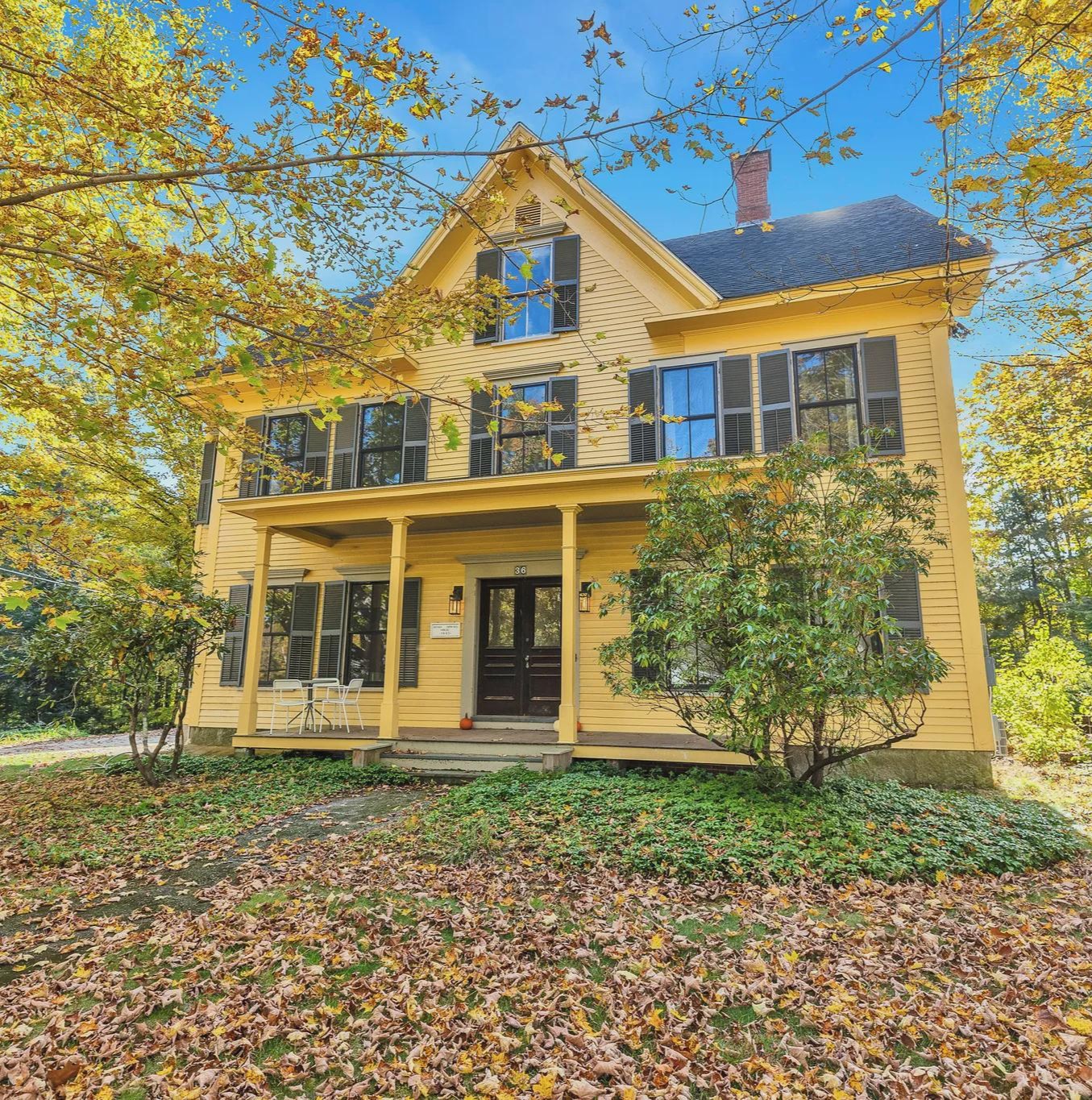
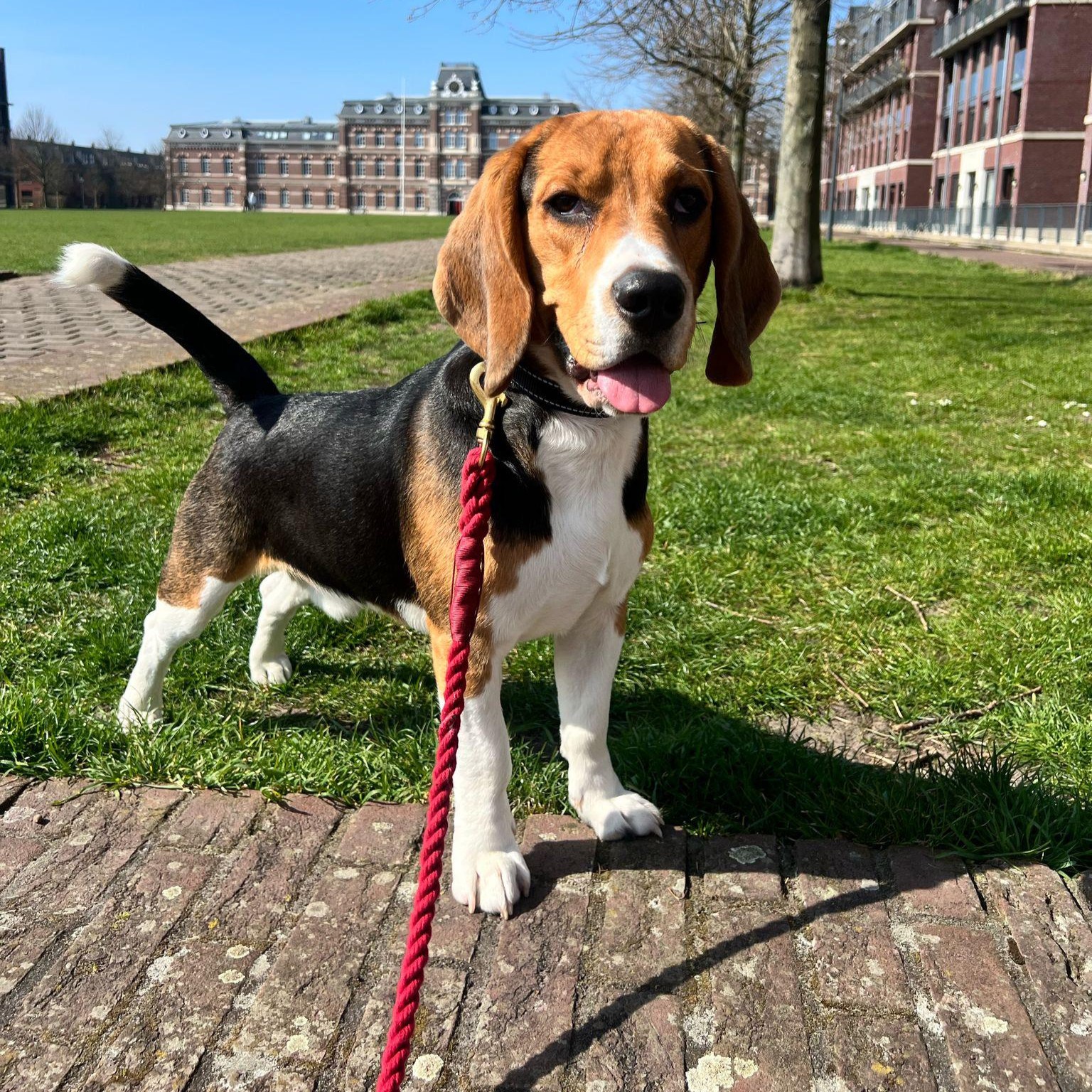
I have sat in the choir loft of First Baptist Tuscaloosa for 38 years and the Sunday after Easter is the first time I ever watched my husband sit in the back row. He didn't tell me he was going to do it. I was tying my robe at the back of the sanctuary when I looked out and saw the top of his head exactly where it shouldn't have been. Last pew. Aisle seat. The seat where the older men who can't sit through a whole service without getting up sit. Owen has sat in the third pew from the front for 41 years. Third pew, left side, on the aisle, so he can stand up at the offering plate without making anyone shuffle their knees. That's his pew. The Crenshaw kids know it. The ushers know it. Pastor Ed used to make a joke about it from the pulpit when he first started, said if he ever didn't see Owen Mahoney in that third pew he'd assume the rapture had come and he'd been left behind. That Sunday I watched him sit in the back row with his hands on his knees and his shoulders rolled forward like he was bracing for something. And I knew. I knew he couldn't kneel anymore. I knew he didn't want anyone to see. I sang the whole service that morning and I couldn't tell you a single word of a single hymn. I just kept looking at the back of my husband's head and feeling something in my chest collapse in slow motion. My name is Loretta. I'm 63. I've been married to Owen for 41 years and we live in a yellow brick ranch on a cul de sac off Hargrove Road in Tuscaloosa, Alabama, two miles from the church we got married in. Owen is 64. He's been a deacon at First Baptist since he was 31. He helped pour the foundation of the fellowship hall in 1996. He's served on every committee that exists and a few they invented just because he kept showing up. He is the most reliable man I have ever known. When something needs doing at that church, Owen does it. He doesn't wait to be asked. He doesn't make a fuss about it. He just shows up early and stays late and goes home and doesn't tell anyone what he did. The kneeling thing started in the spring of last year. It was small at first. He'd come up from the kneeler at the end of communion and grip the back of the pew in front of him like he was steadying himself in a boat. He'd do that thing men do where they pretend it's nothing. Roll the shoulders. Stretch the neck. Crack the knuckles. Like he just chose to grip the pew. I noticed. He noticed I noticed. Neither of us said anything. By August it was bad enough that he'd started skipping the kneeling altogether. He'd bend forward and put his elbows on the back of the pew in front and bow his head and pretend he was praying that way on purpose. I'd watch him out of the corner of my eye and I'd know what was happening, but I wouldn't say a word, because Owen Mahoney is a proud man and I have been married long enough to know that telling a proud man you've noticed his pride is hurting is the fastest way to lose him. By Christmas he was getting up out of his recliner the same way. Both hands on the armrests. A long breath. A push. A pause halfway up to let the knees catch up. I'd hear him in the morning before I came out of the bedroom. The chair creaking. The little grunt. The pause. Then his footsteps going slow to the kitchen. He turned 64 in February. We didn't do anything big. He said he didn't want a fuss. I made his mama's pound cake and we sat at the kitchen table and he told me his knees felt like there was sand in them. That's the word he used. Sand. Said it felt like every joint in his body was full of fine grit that ground when he moved. I asked if he'd talked to Dr. Henley about it. He said he had. He said Dr. Henley had told him that at 64 you start to feel things you didn't feel at 50, and that as long as he was managing it with Tylenol and staying active, there wasn't much else to do. He said Dr. Henley had used the word "wear and tear." I have come to hate that phrase. Wear and tear. Like Owen is a tire on the side of the road. Like the man I married, the man who built the back deck on this house with his own two hands, the man who carried my mama up two flights of stairs the night she fell, the man who has knelt in that third pew every Sunday for 41 years asking God to bless our daughters and our grandbabies and the strangers in the back row, is just a worn out part on a machine that's run too many miles. That's not aging. That's surrender. And the doctor was handing it to him in a paper cup. After his birthday he started doing something that broke my heart in a quiet, daily way. He stopped going out to the workshop. Owen built a workshop in our backyard in 1998. It's a 12 by 16 shed with a peg board wall and a workbench his daddy built him as a wedding gift. He's been out there every Saturday morning of our marriage building cradles for the grandbabies, fixing chairs for ladies in the church, sharpening blades, oiling hinges. After his birthday he just stopped. He'd walk past the window in the kitchen, look out at the shed, and keep walking. I asked him about it one Saturday in March. He was sitting in his recliner with the morning paper on his lap and he wasn't reading it. He was just holding it. I sat on the arm of the chair and I said, "Honey, you haven't been out to the shop in a month." He folded the paper very neatly in half and set it on the side table. "I can't get down on the floor anymore, Lor. I dropped a chisel last week and I stood there for ten minutes trying to figure out how I was going to pick it up. I had to use the broom to slide it over to the workbench so I could grab it without bending down." He looked at me. His eyes were tired in a way I hadn't seen before. "A man who can't pick up his own chisel doesn't belong in a workshop." I sat on the arm of that chair and I held his hand and I didn't say anything because there wasn't anything to say. The chair creaked when he shifted his weight. I could hear the clock on the mantle. I could hear our beagle Buster snoring on the rug. I thought about the wedding bench he built for our oldest daughter Maribeth when she got married in 2007. Hand carved. Took him eight months. Sits at the foot of her bed in Birmingham. I thought about the chair he built for our granddaughter Pearl when she was three and decided she needed a chair "just her size." She's 11 now and the chair sits in the corner of her room with a stuffed elephant on it. I thought about how, in 41 years, that man has never once not been able to pick something up off the floor. And the Sunday after Easter he sat in the back row of the church. That's where things stood when Tabitha invited me to coffee. Tabitha is the new associate pastor's wife. They moved down to Tuscaloosa from Birmingham in January when Pastor Ed brought her husband Wesley on as a second pastor to help with the youth ministry and the visitation. She's 41, has three kids under ten, and the kind of energy I had when I was 41 and have absolutely forgotten how to access. She also notices things. I think that's what struck me about her from the first time I met her in the church kitchen. She watches people. Not in a judgmental way. In a way that makes you feel seen. She'd noticed me, I guess, because the Tuesday after Easter she sent me a text and asked if I'd meet her at the Heritage House café off University Boulevard. Just to talk. I almost said no. I'm glad I didn't. We sat in a booth by the window. She ordered a chai. I ordered a coffee. She let me settle in for about five minutes of small talk before she put her cup down and looked at me and said: "Loretta, I watched Owen on Sunday. Is he okay?" I felt my eyes fill up before I could even answer. She didn't rush me. She just slid a paper napkin across the table and waited. I told her everything. The kneeling. The back pew. The workshop. The chisel on the floor. The way he'd started getting out of his chair like an old man instead of like Owen. The doctor and his wear and tear. The sand in his joints. The way he'd stopped picking up his grandbabies when they came over and was leaving that to me now, which felt like such a small thing and was the biggest thing. She listened. The whole time. When I ran out of words she sat back in the booth and folded her hands around her chai and looked out the window for a minute. Then she said, "My daddy went through the same thing four years ago." She told me her daddy was a finish carpenter in Hoover. Worked his whole life with his hands. Started having the same problem with his knees in his early 60s. Same conversation with the same kind of doctor. Same wear and tear. Same Tylenol. Same slow shutting down. "He was about to retire early because he couldn't get up the ladder anymore," she said. "And then my sister Janelle, who's a hospital pharmacist in Mountain Brook, came home one weekend with something she'd been reading about. She'd been reading about how joints actually work. Like, at the cellular level. The thing my daddy's doctor never once explained to him." I sat there with my coffee getting cold and I listened. "She told my daddy that the cells in his joints needed energy to do their job. They need energy to maintain cartilage, to manage inflammation, to stay lubricated. And the place cells get energy from is something called mitochondria, which she said were like little power plants inside every single cell in your body." I'd heard the word mitochondria before. From a high school biology class 47 years ago. That was about as far as it went for me. "She said as we get older, and with all the processed food and stress and chemicals we live with now, those little power plants in our cells start to wear down. They don't make energy the way they used to. And the cells in our joints, which need a lot of energy to keep up with all the maintenance they do, are some of the first cells to feel it." She leaned forward. "She said it was like trying to deliver lumber to a construction site that didn't have any power. The lumber is sitting in the driveway. The crew is standing around. But nothing is getting built, because there's no power to run the saws." I just stared at her. Because I understood that. I understood that in a way I had never understood a single thing a doctor had ever told Owen. His joints weren't worn out. The cells inside them weren't getting enough power to do their job. "All the things my daddy had tried," she said, "the glucosamine, the fish oil, the turmeric capsules, the cream you rub on, the cortisone shot, none of it touched the power plant. They were all trying to fix the lumber. Or move the lumber around. Or grease the lumber. They weren't doing anything about the power." She took a sip of her chai. "Janelle told him about something called amla. Indian gooseberry. She'd been reading about it in pharmacy research forums she belongs to. She said in the research, amla helps support a pathway in your body called AMPK, which is one of the main switches your body uses to keep those little power plants running properly." She said when AMPK gets activated, the mitochondria can start making energy more efficiently again. The way they used to. And when energy starts flowing back into the cells in your joints, those cells can finally get back to work, doing what they're designed to do. Maintaining the cartilage. Managing the inflammation. Supporting mobility. "She told him amla also has one of the highest antioxidant profiles of anything that's ever been measured in a food. So while it's helping the power plants run again, it's also protecting them from the oxidative stress that wore them down in the first place." She smiled. "In the old Ayurvedic tradition, they call amla 'the nurse.' Because it doesn't push the body to do anything. It just supports what the body is already designed to do." I sat in that booth and I felt something I hadn't felt in a year and a half. I felt hope. Not the kind of hope where you talk yourself into believing something might work. The kind of hope where, for the first time, somebody has explained the problem in a way that makes sense, and the solution they're describing actually matches the problem. Owen's joints weren't broken. They were starved. Tabitha pulled out her phone and showed me the bottle her daddy had been taking for three years now. It was a brand called Auniva. The bottle was dark green. The label said Amla Superfruit Extract. "He gets it from their website," she said. "Two capsules a day with water. He's been on it since the spring of 2022. He retired last year, but he retired because he wanted to, not because his body forced him to. He's out in his shop right now building a rocking chair for my newest baby. He's 67." She wrote the website on the back of a napkin and slid it across the table. auniva.co/amla/33 I sat with that napkin in my purse for two days before I ordered. I don't know why. Maybe because I'd watched my husband try so many things and not one of them had moved the needle and I didn't think I could stand to watch one more bottle line up next to all the other ones on the shelf above the kitchen sink. But that Thursday, after dinner, I sat on the edge of our bed with my phone and I ordered a bottle. It came on a Tuesday. A 30 day supply. Two capsules per serving. I didn't tell Owen what it was when I gave it to him. I told him a friend from church had given it to me and said it was good for energy and the joints and that it was just a berry from India. I told him he didn't have to take it if he didn't want to. He took it because he loves me and because I'd already opened the bottle. The first week, nothing. I'll be honest with you. I was watching him like a hawk and I didn't see anything. He went to work. He came home. He sat in his chair. He read the paper. The chair creaked when he got up. The second week, something small. It was a Wednesday morning. I came out of the bedroom and Owen was already in the kitchen pouring his coffee. That's not unusual. What was unusual was that he was standing flat footed at the counter, both feet planted, not leaning on anything. For the last year, when he made his morning coffee, he had been leaning his left hip into the edge of the counter to take the weight off his right knee. Every morning. Without thinking about it. So consistent that there was a faint shiny spot on the trim where his belt buckle had worn the paint. That Wednesday he was standing up straight. I didn't say anything. I just got my own cup and kissed his cheek and went and sat at the table. Week three I caught him in the backyard. He'd gone out to take Buster to do his business and 20 minutes had passed and he hadn't come back in. I went to the kitchen window to look. He was standing in the open doorway of the workshop. The doorway he hadn't crossed since March. He had his hands on his hips and he was looking at the workbench like he was trying to remember how to be the man who used to stand there. I didn't go out. I let him have that moment alone. I went back to the kitchen and I cried at the sink. He came back in 30 minutes later and didn't say anything about it. But that Saturday I heard the workshop door open and close, and I heard a saw running, and at lunchtime he came in with sawdust on his forearms and a small wooden box in his hands. About the size of a recipe card box. Pine. Hand cut dovetails. Not finished yet. Just the box. He set it on the kitchen table. "For Pearl," he said. "She's been wanting one for her hair ribbons." He sat down at the table and ate a sandwich and he didn't make a big deal out of it. I made a big deal out of it inside. By week five he was kneeling again. Sunday morning. Communion. I was up in the choir loft and I watched him come down out of the pew, the third pew from the front, his pew, and lower himself onto the kneeler and bow his head over his folded hands. He came up on his own. No hand on the back of the pew in front. He just stood up. The way Owen Mahoney stands up. I sang "Be Thou My Vision" with tears running down my face and the lady next to me, Mrs. Patterson, leaned over and asked if I was alright and I just nodded because there were no words. By the end of the second month he was out in the workshop every Saturday again. He built Pearl's hair ribbon box. He built a step stool for our youngest granddaughter Hattie. He started on a porch swing he says he wants to give to our daughter Maribeth for her birthday in November. He picked up Hattie at Easter dinner this year. Carried her on his hip into the dining room. She's three and a half and she's been ours to spoil since the day she was born, and I had not seen Owen carry that child in over a year. He sat her on his knee at the table and fed her cornbread out of his hand. His knees don't have sand in them anymore. He didn't say that. He doesn't talk about it directly, the way men of his generation don't talk about things directly. But the other night he was getting up out of his recliner and he just stood up, no hands on the armrests, no pause, no grunt, and he caught my eye and gave me a little half smile and said, "Well, look at that." That was as close as he'll ever come to telling me. I have not had to lift a grandbaby up to him in months. I want to tell you something, and I want to tell you carefully, because I know how the world is. I'm not telling you Auniva's Amla is a miracle. I'm not telling you it's a cure for anything. I'm telling you that my husband has been on it for almost five months now, and the man I had been quietly grieving is back in his pew, back in his workshop, back on the floor with his grandbabies. I'm telling you that for the first time in two years, somebody explained to me why his joints were giving out in a way that actually made sense. That his cells were running out of power. That the maintenance crew was still inside him, still ready to work, but the lights were off and the saws weren't running. And that there's something that can help turn the lights back on, gently, the way the body is already designed to. I'm telling you that amla is "the nurse" and that's exactly what it has felt like in our house. Quiet. Steady. Showing up every day. Not pushing. Just supporting. If your husband is doing the chair grunt. If he's leaning on the counter when he pours his coffee. If he's stopped going out to the shop, or the garage, or the boat, or the yard. If he's started sitting in the back row. If your doctor has told you it's wear and tear and to take a Tylenol and move along. I'd ask you to do what I did, which is sit with it for two days and then order one bottle. auniva.co/amla/33 It's a 30 day supply. Two capsules a day with water. It's a small company and they have a 90 day money back guarantee, which I didn't even know about until I went to reorder and saw it on their site. If it doesn't do anything for him in three months, you return it and they refund you. That's it. No questions. No subscription you have to call and cancel. Just send it back. I have ordered Owen's third bottle. I keep a spare on the shelf above the kitchen sink, right next to all the bottles that didn't work, like a little trophy. P.S. Tabitha and Wesley had us over for dinner last month. Her daddy was visiting from Hoover. He pulled into our driveway in a white pickup truck with a porch swing in the bed that he had built for Tabitha as a housewarming gift. He's 67. He carried that swing into the backyard by himself. Owen helped him hang it. The two of them stood there afterward looking at it, two old finish carpenters with sawdust on their forearms, and I watched them from the kitchen window and I thought about how close we'd come to never having that afternoon. P.P.S. The 90 day money back guarantee is the part I keep coming back to. Owen was on Tylenol for a year. Nobody offered him his money back when his knees didn't get better. The doctor didn't refund the copay when "wear and tear" turned out to mean "we don't know what to tell you." A company that will give you 90 days to decide if something is working for your husband is a company that believes in what's in the bottle. That's not how the system works. That's how Auniva works. P.P.P.S. I'd order sooner rather than later. When I went to reorder Owen's third bottle two weeks ago, the site had a notice up that they were running low on one of the sizes. They make it in small batches because they standardize the amla extract carefully, which Tabitha's sister said was the whole point, that most amla on the shelves at the drugstore isn't standardized and you have no idea what you're getting. Auniva is. If you're looking at this and your husband is in the back pew or the recliner or the spare room because he can't make it up the stairs anymore, don't wait until Sunday. Order tonight. The first bottle comes in about a week. The first morning he stands flat footed at the counter, you'll know. 👉 auniva.co/amla/33
Where the ad sends people
auniva.co
Feel Like Yourself Again
"This actually worked, thank you so much." - Emily T.
Learn more: auniva.co(opens in a new tab)