
Inactive· since Jun 13, 2026
- 15
- days it ran
- 0
- relaunches
Ad copy
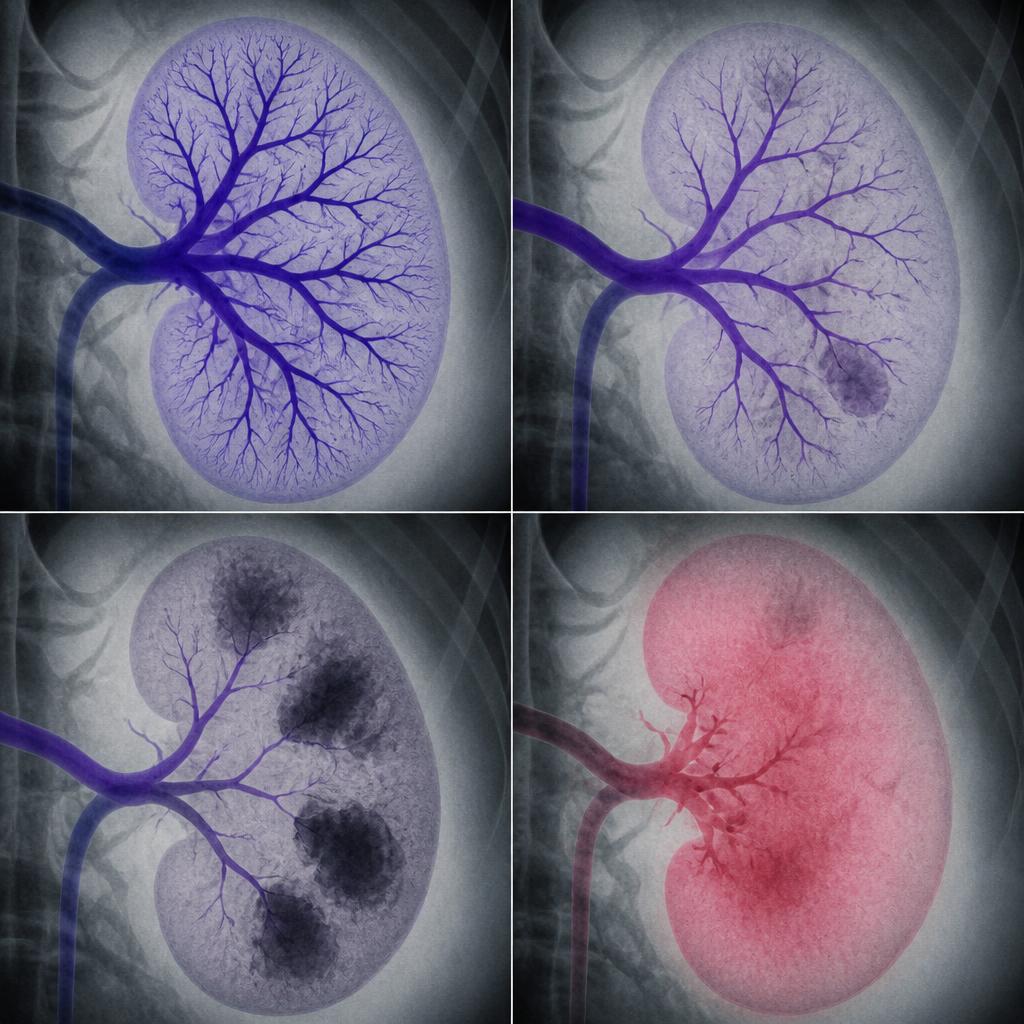
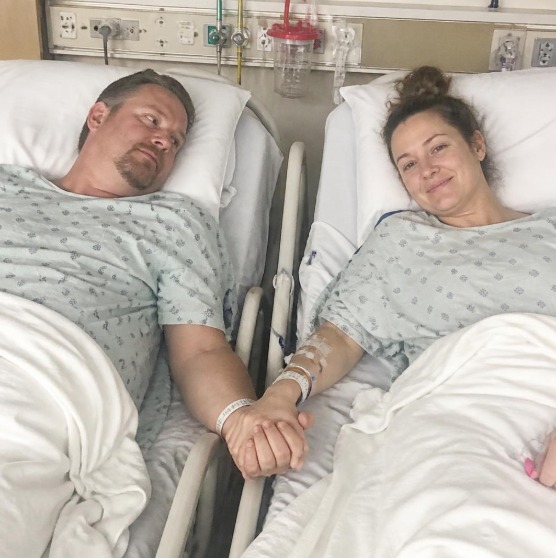
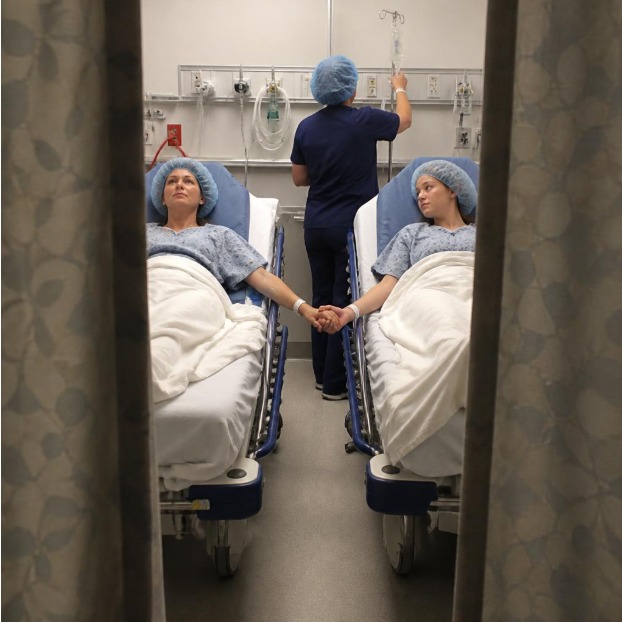
I gave a kidney to a fourteen-year-old girl I'd known for three weeks. She was my niece — the daughter of the brother who stole $87,000 from me and vanished twelve years earlier. I know how that sounds. I know what you're thinking. Nobody gives an organ to the child of the person who destroyed their life. Not after twelve years of silence. Not after rebuilding from nothing. Not after spending a decade teaching yourself that family is just a word people use before they betray you. But I did. And I need to tell you why. Not because of what I gave — because of what it cost me after. I need to tell this in order.. My name is Jess. I'm 43. I manage rental properties — eight units across two towns. I handle everything. Tenant calls at midnight. Maintenance emergencies. Lease negotiations. Turnover weekends where I'm scrubbing grout on my hands and knees because the cleaning crew didn't show and the new tenant moves in Monday. I built this from nothing. And I mean nothing. Because when I was thirty-one years old, my older brother Nate — the person I trusted more than anyone alive — withdrew $87,000 from the business savings account I'd added him as a signer on when I was twenty-six and still believed that family meant something. He took it over two weeks. Clean withdrawals. Professional. Like he'd planned it. Then he vanished. No note. No call. No voicemail. No "I'm sorry" scrawled on a napkin and left on my counter. Just a zeroed-out account and a sister standing in a bank lobby being told the withdrawals were authorized because his name was on the signature card. Brothers are supposed to protect you. Mine cleaned out everything I had while I was working double shifts trying to build a life for my three-year-old daughter. I filed a police report. Hired a skip tracer with money I didn't have. Spent two years looking for him. Eventually stopped — not because I forgave him, but because anger is expensive when you're a single mother with no savings and a toddler who needs things. My daughter Chloe is fourteen now. She's never met her uncle. She knows the short version — he stole from me and left. That's all anyone needs to know. I rebuilt everything he took. Eleven years. First property at thirty-four. Second at thirty-six. By forty I had five. Now eight. Every lease, every account, every key is in my name only. Nobody gets access to anything I've built. Not anymore. That's the life he texted into on a Tuesday morning in March. I didn't respond for three days. I'd pick up the phone. Read the message. Put it down. Pick it up again. My thumb would hover over the reply field and then I'd set it on the counter and walk away. On the third night, Chloe was asleep. I was at the kitchen table with a glass of wine I hadn't touched. The phone was in front of me. I typed: "Give me one good reason I should talk to you." The three dots appeared immediately. Like he'd been waiting for three days too. "I owe you more than a reason. I owe you the truth. You're an aunt, Jess. Her name is Sophie. She's fourteen. And right now she's not doing well." I stared at that message until the screen went dark. An aunt. A niece I'd never met. Fourteen — the same age as Chloe. And something in those last four words — "she's not doing well" — that wasn't the voice of the brother who stole from me. That was the voice of a father who was scared. I typed back: "What kind of help?" "I need to tell you that in person. I'm coming to town this weekend. Dinner. Wherever you want. I'll bring everything — the truth, all of it. You can walk out whenever you want. You can scream at me. You can throw a drink in my face. I deserve all of it. But please let me sit across from you and explain what I did and why." I almost said no. Every muscle in my body wanted to say no. The wall I'd built for twelve years was doing exactly what walls are supposed to do — keeping the thing that hurt me on the other side. But he said she was fourteen. And he said her name was Sophie. I said yes. Saturday evening. A restaurant I chose — the Italian place on Elm where I take Chloe for her birthday every year. My territory. My table. I got there twenty minutes early. Sat in the booth. Ordered water. Watched the door. He walked in at 6:02 and I almost didn't recognize him. Nate was forty-six but he looked sixty. Not old — worn. The kind of aging that doesn't come from time. It comes from something carried. His face was thinner than I remembered. His shoulders pulled forward. Dark circles so deep they looked permanent. The thick forearms I remembered from our twenties — the ones that used to carry me on his back through the waves at Lake Erie — were thinner now. He moved carefully, like a man conserving energy he didn't have enough of. He saw me. Stopped walking for a second. Just looked at me from across the restaurant. Then he walked over and sat down. Neither of us said anything for a long time. The waiter came. Nate ordered water. The waiter left. Nate reached into his bag and set a thick manila envelope on the table between us. "That's yours. All of it. Every dollar I took." He pushed it toward me. "I gradually put money into an investment account with your name on it the year after Sophie's treatment. I never touched it, only added. It's been sitting there for eleven years. The account grew — good investments, compound interest. It's worth more now than what I took. But that was always your money. I just held it longer than I should have." I didn't touch the envelope. "I don't want your money, Nate. I want to know why." He told me. Sophie. His daughter. A relationship that ended before Sophie was born — a woman Nate had loved briefly, who moved to Columbus, who called him eight months later to tell him he had a daughter. He drove to Columbus every other weekend for three years. Changed diapers. Learned lullabies. Fell in love the way fathers fall — slowly, then all at once, then irreversibly. I never knew. He never told our family. He wasn't hiding her — he just wasn't ready to share her yet. She was his. The one good, uncomplicated thing. Sophie was diagnosed with a congenital kidney condition at two. Her kidneys were failing. She needed treatment — aggressive, specialized, expensive. The best program was in Germany. Insurance covered nothing. The cost: $74,000 for the first round. I looked at the number. Nate took $87,000. The difference was flights, lodging, medications not covered by the facility. "I was going to pay it back within a year," he said. His voice was flat. Rehearsed. Like he'd practiced this sentence in the mirror ten thousand times over twelve years. "I had a plan. I had a timeline. I just needed to borrow it for six months." "You didn't borrow it, Nate. You stole it." "I know." The treatment worked. Sophie survived. Her kidneys stabilized — not healed, but functional. Managed. She grew up knowing she was fragile in a way other kids weren't. Careful with her body. Aware of it. But Nate didn't come back. The guilt of the theft, the impossibility of explaining, the conviction that I was better off believing he was a thief than knowing he was a father who'd stolen for a daughter I'd never met — it froze him. Every month he deposited money. Every month he picked up the phone to call me. Every month he put it down. "For twelve years?" "For twelve years." I sat with that. The waiter came back. Neither of us ordered food. "Why now?" Nate's face changed. The rehearsed composure cracked. What was underneath was something I recognized — not from Nate, but from the mirror. From the face I saw every morning during the years I was rebuilding from nothing. The face of a parent who is terrified. "Sophie's kidneys are failing again. The condition that almost killed her at two — it progressed. She needs a transplant. She's been on the waiting list for eleven months. The average wait is three to five years." He looked at the table. "She doesn't have three to five years, Jess. Her GFR is dropping. She's on dialysis twice a week. She's fourteen years old and she spends eight hours a week hooked to a machine while her friends are at soccer practice." "What about you? Can't you —" "I'm not a match. I got tested the day she was listed. Wrong blood type." His voice broke on the last word. "Her mother isn't a match either. Nobody in her mother's family is compatible. I've tested everyone I can find." The sentence he hadn't said yet was filling the space between us. "Jess. I know I have no right to ask you anything. I know what I did. I know what it cost you. But Sophie is fourteen. She's your blood. And you might be a match." I looked at the envelope. Every dollar he took, returned — plus whatever eleven years of growth had added to it. He'd built a cleaning business from nothing while carrying the weight of what he'd done. And the first thing he did with a dollar he didn't owe to Sophie was put it somewhere with my name on it. But I couldn't separate the money from the man. Not yet. Not in a restaurant over water neither of us had touched. "No," I said. He closed his eyes. Nodded. Like he'd expected it. "I can't, Nate. You disappear for twelve years and then sit across from me and ask for a kidney? That's not how this works. That's not how any of this works." "I understand." "You don't understand. You have no idea what the last twelve years cost me." I left the envelope on the table. Walked out. Drove home. Sat in the driveway for twenty minutes with the engine running before I went inside. I said no. And I meant it. For four days, I meant it. But I couldn't stop thinking about her. Not Nate — her. Sophie. Fourteen. The same age as Chloe. Sitting in a hospital in Columbus hooked to a dialysis machine twice a week while her friends are at soccer practice. Reading survival stories because her life is one. I'd lie awake at 2 AM and think about Chloe asleep down the hall. Healthy. Whole. Both kidneys working. And somewhere in Columbus, a girl with the same blood was hooked to a machine because nobody in her family was a match. On the fifth morning, I got in my car before Chloe woke up. Left a note on the counter: "Had to drive to a property inspection. Back by dinner." Columbus was two and a half hours. I didn't turn on the radio. Nate had mentioned the hospital at dinner — Columbus Regional, the transplant wing. He'd said it the way parents say the name of the place their child is being kept alive. Like the words had been in his mouth so many times they'd lost their shape. I didn't tell him I was coming. This wasn't about him. The front desk directed me to the third floor. Room 314. I told the nurse I was family. She looked at my ID, checked something on her screen, and let me through. Sophie was sitting up in bed reading a book. Thin. IV in her left arm. Dark hair pulled back. She looked up when I walked in and I stopped in the doorway because the resemblance hit me like something physical. She had Nate's jaw. Nate's eyes. But she also had something else — a steadiness. The kind you see in kids who have been sick long enough that fear has turned into patience. She wasn't scared. She was waiting. "Hi," she said. Then, carefully: "Are you Jess?" Nate had told her about me. Not that I was coming — he didn't know. Just that I existed. That she had an aunt somewhere who might not ever want to meet her. He'd left it as a fact, not a promise. Because he understood that I might never show up, and he didn't want his daughter to lose something she'd never been given. "Yeah," I said. "I'm your aunt." She smiled. Not big — small, careful. A smile that's learned not to expect too much. I sat in the chair next to her bed. We talked for two hours. About her school — she's in ninth grade, she likes biology and hates gym because she can't do what the other kids do. About her mom. About the dialysis schedule that eats eight hours of her week. About the book she was reading — something about a girl who survives alone on an island. She said she liked survival stories. I understood why. She asked about Chloe. I showed her photos on my phone. Sophie's face changed when she saw them — not jealousy. Longing. The face of a girl who wants a cousin. Who wants to be part of something bigger than a hospital room. Before I left, she said: "My dad told me what he did to you. He told me everything. I'm sorry." "You don't need to be sorry for anything, Sophie." "I know. But I'm sorry anyway. Because he did it for me. And I've had to carry that." She was fourteen. She was carrying the weight of a theft she didn't commit and a silence she didn't choose and a body that was failing her for the second time in her life. And she was apologizing to me. I walked out of that hospital and sat in my car in the parking garage and cried the way you cry when the anger you've been holding for twelve years cracks open and what's underneath isn't rage anymore. It's something that doesn't have a name. Something between grief and love and the realization that the girl in Room 314 is the reason for everything — the theft, the silence, the twelve years — and she's dying. I drove home. Two and a half hours. Didn't turn on the radio. The next morning I called the transplant coordinator. Got tested that afternoon. Then I called Nate. Kept it short. "I'm getting tested. This isn't for you. Don't call me until the results come back." He didn't say thank you. He didn't say anything for a long time. Then, quietly: "Okay." Four days later, the results came back. I was a match. I told Chloe that night. We were on the couch. She was doing homework. I turned off the TV. "Mom, what's wrong?" "Nothing's wrong. I need to tell you something." I told her about Nate. About Sophie. About the money. About why he took it. About Sophie in the hospital bed reading a survival book with an IV in her arm. About the test results. Chloe is fourteen. Old enough to understand what a kidney donation means. Old enough to be scared. "Will you be okay?" "I'll be fine. People live with one kidney every day." "Will it hurt?" "Yes." She was quiet. Then: "Why are you doing this?" I thought about it. "Because she's your age. And if you were in that bed, I'd want someone to say yes." Chloe was quiet for a long time. Then she leaned against me and said: "Do it." The surgery was scheduled for three weeks later. Nate drove to the hospital. He sat in the waiting room for six hours. I didn't see him before I went under — that was my choice. This wasn't for him. The surgery was five hours. I woke up in recovery with a pain in my left side that felt like my body had been opened and something irreplaceable taken out. Because it had. Recovery was the hardest thing I've ever done. Harder than rebuilding from nothing. Harder than the years after Nate left. Because this time the pain was physical — a deep, surgical soreness that radiated through my torso every time I breathed too deeply or turned wrong or tried to stand up too fast. Chloe brought me water without being asked. Made herself dinner. Did her homework alone. Checked on me from the doorway the way I used to check on her when she was little and had a fever. My fourteen-year-old was taking care of me because I'd given an organ to save a girl she'd never met. Six weeks before I could lift anything heavier than a coffee mug. Eight weeks before I could walk my properties without stopping to rest. Three months before I felt like myself again. Even then, something was off. A tiredness behind the tiredness. A fog that would settle over me at 2 PM and not lift until morning. I blamed it on being 43 and running eight properties on one kidney. That seemed like enough of an explanation. But Sophie's numbers climbed. Her GFR rose. The kidney was working. The transplant team called it a textbook recovery. Nate called me from the hospital the day they told him, and for the first time in twelve years, I heard my brother cry. What I didn't expect was my own body keeping a tab. It started six months after the surgery. Small things I explained away. Tiredness that sleep didn't fix. I blamed the recovery. I blamed the stress of giving away an organ and rebuilding my property management routine at the same time. Of course I was exhausted. Then the fog. I'd be at my desk reviewing a lease and realize I'd read the same clause three times without absorbing it. I'd drive to a property and miss the turn I'd made a hundred times. I'd stand at a lockbox punching in a code I've known for years and draw a blank. Recovery brain. Post-surgery fatigue. That's what I told myself. Then the swelling. My ankles, mostly. By the end of the day they'd be puffy enough that the strap marks from my shoes stayed indented for an hour. I bought compression socks. Then I bought flats a half size up. Told myself it was from being on my feet at properties all day. One evening — Chloe was at a friend's house — I sat down on the couch at 7:30 to watch something on TV. I woke up at 2 AM. The TV was still on. I'd slept through six hours without moving. No alarm. No awareness of time passing. I sat there in the dark and felt, for the first time, genuinely afraid. Not of anything I could name. Of my body. Of something wrong inside me that I'd been explaining away for months. I called my transplant nephrologist and made an appointment. Dr. Chen pulled up my labs and I watched her face change. "GFR 58. Down from 71 three months after the donation. Down from 64 at your six-month check." She turned the screen toward me. I could see the line — each dot lower than the last. A downward slope. "Jess. Your remaining kidney is compensating — it's doing the work of two. But it's under strain. The hyperfiltration is causing damage to the tissue faster than I'd like." "What kind of damage?" She leaned forward. Drew a small circle on her notepad. "Your kidney has millions of tiny filtration units called glomeruli. Think of them like a water filter — like a Brita filter, but microscopic. Millions of them, inside your one kidney, constantly filtering waste from your blood." She tapped the circle. "When you had two kidneys, the workload was split. Each filter handled its share. But with one kidney, every single filter is working double duty. And when they're under that kind of strain, your body produces more hydroxyl radicals — the most destructive free radicals we know of." "What do they do?" "Think of them as bleach running through your water filter. They corrode the mesh. They eat tiny holes in the filtration membrane. At first you don't notice — your kidney still works. But the holes get bigger. More waste slips through. Your GFR drops. And the damage accelerates because the more damaged the filters get, the harder the remaining ones have to work, which produces more radicals, which —" "Which corrodes more." "Exactly. It's a cycle. And once it's accelerating, it's very difficult to slow down." I sat with that. "The tiredness. The fog. The swelling. Is that —" "Yes. That's your kidney struggling to filter properly. The waste products that should be getting cleared efficiently are building up. Not at a dangerous level yet. But enough that you're feeling it." Everything I'd blamed on recovery. The exhaustion. The fog. The ankles. It wasn't post-surgery fatigue. It wasn't stress. It was my kidney failing to do a job it was never supposed to do alone. "So what do we do?" She exhaled. "I can manage your blood pressure with medication. That reduces the workload on the filters — turns down the water pressure, essentially. And I can monitor your GFR every six months." "But?" "But I don't have anything in my toolkit that stops the corrosion itself. The oxidative damage is happening at a level my medications can't reach. I can turn down the pressure. I can't neutralize the bleach." I sat in the car afterward. Engine off. Hands on the steering wheel. She'd told me exactly what was killing my kidney. Named it. Drew me a picture. Explained why I'd been exhausted and foggy and swollen for months. And then told me she couldn't stop it. That night I sat at the kitchen table. The same table where I'd read Nate's text. Where I'd told Chloe I was giving a kidney to a cousin she'd never met. Where I'd sat for eleven years rebuilding from zero. I did math on a napkin. GFR dropping 6 to 7 points every six months. Stage 3b in a year. Stage 4 in two and a half. Dialysis in three. Chloe would be seventeen. I gave a kidney to save my niece. And now the kidney I have left is failing because of the one I gave away. I pressed my palms flat on the table and stared at those numbers until they blurred. I gave up an organ for Sophie. I'd do it again. But I was not going to let that sacrifice cost Chloe her mother. I did what I've done my entire adult life when the world falls apart. I researched. I joined three Facebook groups for single-kidney donors and people with chronic kidney disease. Scrolled through them late at night after Chloe was asleep — hundreds of posts about GFR numbers, medication side effects, dialysis logistics. Most of it was people in the same situation I was in. Asking the same questions nobody was answering. Somebody's always pushing something in those groups — kidney detox tea, alkaline water, turmeric, cranberry capsules. None of it ever came with a mechanism that made sense. Then one night I saw a post that stopped me. A woman — single kidney, living donor like me — wrote that her GFR had stabilized after fourteen months of steady decline. She posted her labs. Before and after. The decline had stopped and reversed by three points. She said the only thing she'd changed was adding molecular hydrogen. I almost scrolled past it. I'd been disappointed too many times to trust a stranger's supplement claim. But her numbers were specific. Her timeline was specific. And her situation — one kidney, no backup, GFR in the fifties and dropping — mirrored mine too closely to ignore. I started reading. Not the wellness blogs. The actual studies. Kidney research from Japan showing molecular hydrogen reducing oxidative markers in renal tissue. Korean studies documenting improved GFR in patients with chronic kidney disease. And the mechanism papers that explained how it works at the cellular level. Molecular hydrogen is the smallest molecule in existence. Smaller than oxygen. Smaller than water. It crosses every biological barrier — cell membranes, mitochondrial walls — and penetrates kidney tissue at a level nothing else can reach. And it selectively neutralizes hydroxyl radicals. Only the destructive ones. The bleach Dr. Chen told me she couldn't stop. It leaves the beneficial free radicals — the ones the immune system needs — completely alone. I read that three times. This was what Dr. Chen said didn't exist in her toolkit. Something that could reach the corrosion at the cellular level. Something that could neutralize the bleach before it ate through more of the mesh. I printed out four studies and brought them to my next appointment. Dr. Chen read through them at her desk. Turned pages. Went back to the first one. Read a section again. I sat in the chair across from her and waited. She looked up. "Where did you find these?" "A kidney donor support group. And then the journals." She was quiet for a moment. "The mechanism is sound. H2 selectively targets hydroxyl radicals — that's well-documented. It crosses the blood-kidney barrier at the cellular level. There are no contraindications with your current medications." She set the papers on her desk. "I can't prescribe this. It's not a pharmaceutical. But the research is compelling, and I don't see a downside for you." "If I find the right product — what should I look for?" "Concentration. The studies you found used doses far higher than what most commercial supplements deliver. If you find something that matches those concentrations, I want to see your labs in six weeks." That night I sat at the kitchen table again. The same thoroughness I use for vetting tenants, reviewing contractor bids, and running property comps — I turned it on molecular hydrogen. Tabs open until 1 AM. The first product I found was on Amazon. Top-selling molecular hydrogen supplement. Over four thousand reviews. 4.6 stars. Clean white packaging. The label said "high concentration molecular hydrogen." I added it to my cart. Then I did what most people don't. I searched the brand name plus "independent lab test." Three pages into the results, I found a forum where someone had sent a sealed bottle to a third-party lab. The real hydrogen concentration at the point of absorption was a fraction of what the label claimed. Not even close. The reviews were real — people genuinely believed it was working. But they were drinking a trace amount of hydrogen and attributing every good day to the supplement. I closed the tab. Removed it from my cart. I have one kidney. One filter. I was not going to pour a trace amount of anything at the corrosion that was destroying it and hope for the best. Then I researched hydrogen water — the machines, the bottles, the pouches. The idea is simple: dissolve hydrogen in water, drink the water. But molecular hydrogen is the smallest molecule in existence. It escapes through plastic, metal, even glass. By the time you pour it and lift the glass, half the hydrogen has already risen into the air. You're drinking water with a memory of hydrogen in it. Not hydrogen itself. I eliminated that entire category. What the clinical studies actually used was magnesium-based tablet technology. Drop the tablet in water. Drink immediately while the reaction is still happening. The hydrogen generates in your stomach and absorbs directly into your bloodstream through your stomach lining. No time to escape. No concentration loss. The full dose reaches your cells. And every tablet delivers 80 milligrams of bioavailable magnesium — the mineral required for over 300 enzymatic processes, including kidney function and blood pressure regulation. The mineral nobody had ever checked since my donation. I narrowed my search to magnesium-based effervescent tablets. And found that most of them still delivered only 1 to 2 parts per million — a fraction of what the Japanese and Korean studies had used. Low enough that the hydrogen reaching your kidneys would be negligible. Three weeks into the research, I found one that delivered 12 parts per million. Six times the concentration of everything else I'd tested. Effervescent tablet, dissolves in under 90 seconds. And unlike the Amazon product that lied on its label, this one published its third-party test results. Real numbers from a real lab. I pulled up the Amazon product's claimed concentration and compared it side by side. It wasn't close. PrimeCell H2. No fillers. Made in the USA. The magnesium-based delivery system matched what the clinical studies had used. I ordered it that night. Same kitchen table where I'd told Chloe about the surgery. Same seat. Different math. The bottle arrived on a Tuesday. I dropped the first tablet in a glass of water that evening. Watched it fizz. Chloe was doing homework in her room. The house was quiet. I drank it and waited. I didn't expect anything. I'd given away an organ. I'd been disappointed by my own body for months. Expecting nothing was safer. About twenty minutes later, I felt something. A lift. Subtle. Like someone had turned up the contrast on my thoughts. The low-grade heaviness behind my eyes — the one I'd assumed was just the permanent weight of being a 43-year-old single mother with one kidney and eight rental properties — it lightened. I sat very still. Waiting for it to fade. It didn't. I went to bed that night and slept through until morning for the first time in weeks without waking at 3 AM. The next morning I woke before my alarm. Not dragging myself out of sleep. My eyes opened and my mind was already running. Clear. The first week, the exhaustion changed. Not vanished — I still managed eight units and a teenager. But the bone-deep, cellular tiredness was different. I was tired at the end of the day. Not drained at the beginning. The fog lifted gradually. I read a lease agreement start to finish without rereading a single clause. Punched in every lockbox code on the first try. Small things. But I hadn't done that in months. The swelling took longer. About two weeks before I noticed my ankles looked normal at the end of the day. I put on the shoes — the ones I'd had before I bought the half-size-up pair. They fit. I stared at them for a long time. But I didn't trust any of it. Not yet. Bodies can lie. Good days don't mean good trends. The numbers were what mattered. Six weeks. Follow-up labs. I sat in Dr. Chen's waiting room and counted tiles on the floor. My hands were cold. I'd done this before — the waiting room, the fear of a number on a screen. Except before, it had been Sophie's numbers. Sophie's chart. Sophie's future. Now it was mine. Dr. Chen pulled up my chart. "GFR: 58." The same as my last reading. Not higher. But not lower. She scrolled back through my history. The post-donation baseline. The decline. Each dot lower than the last. And then — a flat line. A hold. "For the first time since your donation, the decline has stopped." I nodded. My throat was too tight to speak. "Your creatinine has stabilized. Oxidative markers are trending down. The hyperfiltration stress appears to be reducing." She looked at me. "This is encouraging, Jess. I want to see you again in six weeks." I made it to the parking lot before I cried. Three months from my first dose. Follow-up labs. I sat in the waiting room and this time I didn't count tiles. I read a text from Sophie — she'd sent me a photo of her report card. Straight A's. A smiley face emoji. The kidney I gave her was working. The girl I gave it to was thriving. Dr. Chen pulled up the chart. Stared at it. Scrolled back. GFR: 61. A three-point increase. She ran the test again. Left the room. Came back twenty minutes later. "61. Confirmed." She sat down across from me. "Your oxidative markers are down significantly. Creatinine is improving. The filtration function is — it's trending the right direction." She looked at me with the careful, measured expression of a doctor who is seeing something she didn't predict and doesn't want to overstate. "Whatever you're doing — keep doing it." She didn't say "molecular hydrogen." She didn't endorse a supplement. She looked at my chart and told me to keep going. That was enough. Last Saturday, Chloe had a volleyball game. Morning. Cold. Six months ago I would have sat in the car with the heater running. Too tired to stand on the sideline. Too foggy to follow the plays. Present in body. Absent in everything else. Last Saturday I stood on the sideline the entire game. Yelled when she got a kill. Groaned when she served into the net. Sophie was there too — her first game since the transplant. Standing next to me. Screaming louder than I was. Two cousins who didn't know each other existed a year ago, one cheering from the sideline she almost never reached. After the final whistle, Chloe jogged over. Smiled at me. Not the careful smile she gave me during recovery — the one where she was checking if I was okay. Just a smile. The kind a fourteen-year-old gives her mom when her mom is standing where she's supposed to be. Sophie high-fived her. "Your serve is terrifying." "Thanks. Your immune system is weird." They both laughed. The way cousins laugh. Like they've known each other their whole lives instead of eight months. I stood there between them and felt something I don't have a word for. The cost of what I did was real — a kidney gone, a body that pays a price every day, a GFR I'll track for the rest of my life. But the return was standing next to me. Two girls, same age, both upright, both laughing, both here. I'm not writing this because of Nate. Or because of the money. Or because of the twelve years of silence that turned out to be twelve years of a man trying to make something right the only way he knew how. I'm writing this because I gave a kidney to save a fourteen-year-old girl. And then my body started failing because of that sacrifice. And nobody — not my doctor, not the transplant team, not a single follow-up appointment — had a tool to stop the damage. If your kidneys are under strain — whether you donated like I did, or you have two kidneys being worn down by blood pressure medication, or diabetes, or just the wear of decades — I need you to hear this. Your kidneys don't scream. They don't send pain signals. They just quietly filter harder and harder until one day they can't. And by the time you feel it — the exhaustion, the fog, the swelling — the filtration damage has been building. The mesh is corroding. The holes are getting bigger. You blame the exhaustion on your age. The fog on your stress. The swelling on your shoes. I did the same thing for months. It wasn't any of those things. It was my kidney losing a fight I didn't know it was in. I gave a kidney to save Sophie. Now I'm protecting the one I have left. — Jess https://track.getamalahealth.com/5548c06d-d9c3-4785-b466-fec64a6fdb28 P.S. — The supplement I take is called PrimeCell H2, made by a company called Amala Health. It's a molecular hydrogen tablet — you drop it in water, it fizzes for about 90 seconds, and you drink it. That's it. No pills to swallow, no complicated routine. It delivers 12 parts per million of molecular hydrogen — six times the concentration of most products I found during three weeks of research at my kitchen table. And 80mg of bioavailable magnesium per tablet — the mineral required for kidney function, blood pressure regulation, and over 300 enzymatic processes nobody checked for after my donation. Third-party tested. No fillers. Made in the USA. P.P.S. — Here's what I'd tell you to do. Drop one tablet in a glass of water. Watch it fizz — that's the magnesium reacting, generating hydrogen gas that absorbs directly through your stomach lining. Drink it within the first 90 seconds while the concentration is highest. Set a timer for 20 minutes. You'll feel something shift — a clarity, a lift, like someone turned up the contrast on a screen you didn't know was dim. That's not placebo. That's the smallest molecule in existence crossing into kidney tissue for the first time. Something your medications have never done and never will. The GFR improvement takes weeks to show up on bloodwork. But that first-day clarity? That's your body telling you: finally — something that actually reaches where the corrosion is happening. P.P.P.S. — PrimeCell has a 90-day money-back guarantee. If your numbers don't improve, every penny back. No questions asked. I gave away an organ for free. Nobody offered a money-back guarantee on the surgery. Nobody offered to refund the six months of recovery or the exhaustion or the fog. Protecting the kidney I have left costs less than one month of the dialysis I was heading toward. The system doesn't do refunds. PrimeCell does. P.P.P.P.S. — PrimeCell is a small lab company. They sell out. I learned this when I tried to reorder and had to wait 8 days for a restock. I keep two bottles now — one for me, one as backup because I will not run out. They have a buy 3 get 2 free deal I used to stock up. If your next bloodwork is in 30 to 60 days and you want to walk in with real numbers instead of the same declining line — check availability now. Not next week. Now. Every day without addressing the oxidation is another day the hydroxyl radicals are eating through the mesh. I have one kidney. One filter. I can't afford another day of the bleach running unchecked. Neither can you. (I ended up depositing Nate's cheque. Not because I wanted the money — I didn't need it anymore. But he'd built a commercial cleaning business from scratch while carrying twelve years of guilt, put every dollar he owed me into an account he never touched, and let it grow until he could hand it back whole. He said it was the least he could do. He was right. It was the least. But it was also the most he knew how to give without using words. Sometimes that's enough.) P.P.P.P.P.S. — I know this reads as a woman's story. It's not. The oxidative damage I described — the hydroxyl radicals corroding the glomeruli, the bleach eating through the filter mesh — that has nothing to do with gender. Kidneys are kidneys. The corrosion doesn't care who it belongs to. If your GFR is trending in the wrong direction, or you've been told your kidneys are "under strain," or you're on medications that list kidney function decline as a side effect — the damage is happening whether you feel it or not. Men are at higher risk for kidney decline because they're statistically less likely to get tested until something is already failing. If your husband's numbers are declining and nobody's addressing the oxidation — this is for him too. P.P.P.P.P.P.S. — Sophie texted me last night. A photo of herself and Chloe at the mall. Both of them making stupid faces at the camera. Two girls who didn't know the other existed a year ago. One carrying my kidney. One carrying my heart. I plan to be here for both of them for a very long time. Don't forget PrimeCell's 90-day money-back guarantee. https://track.getamalahealth.com/5548c06d-d9c3-4785-b466-fec64a6fdb28
Fix Yourself at the Cellular Level
PrimeCell H2 is a next-generation molecular hydrogen tablet formulated to support your body's natural antioxidant defenses — helping you feel sharper, more energized, and more like yourself.
LEARN MORELike this ad? Make it yours.
Crush rebuilds this exact creative around your product — your brand, your colors, your offer — in about a minute.