
Inactive· since Jun 24, 2026
- 22
- days it ran
- 1
- relaunches
Ad copy
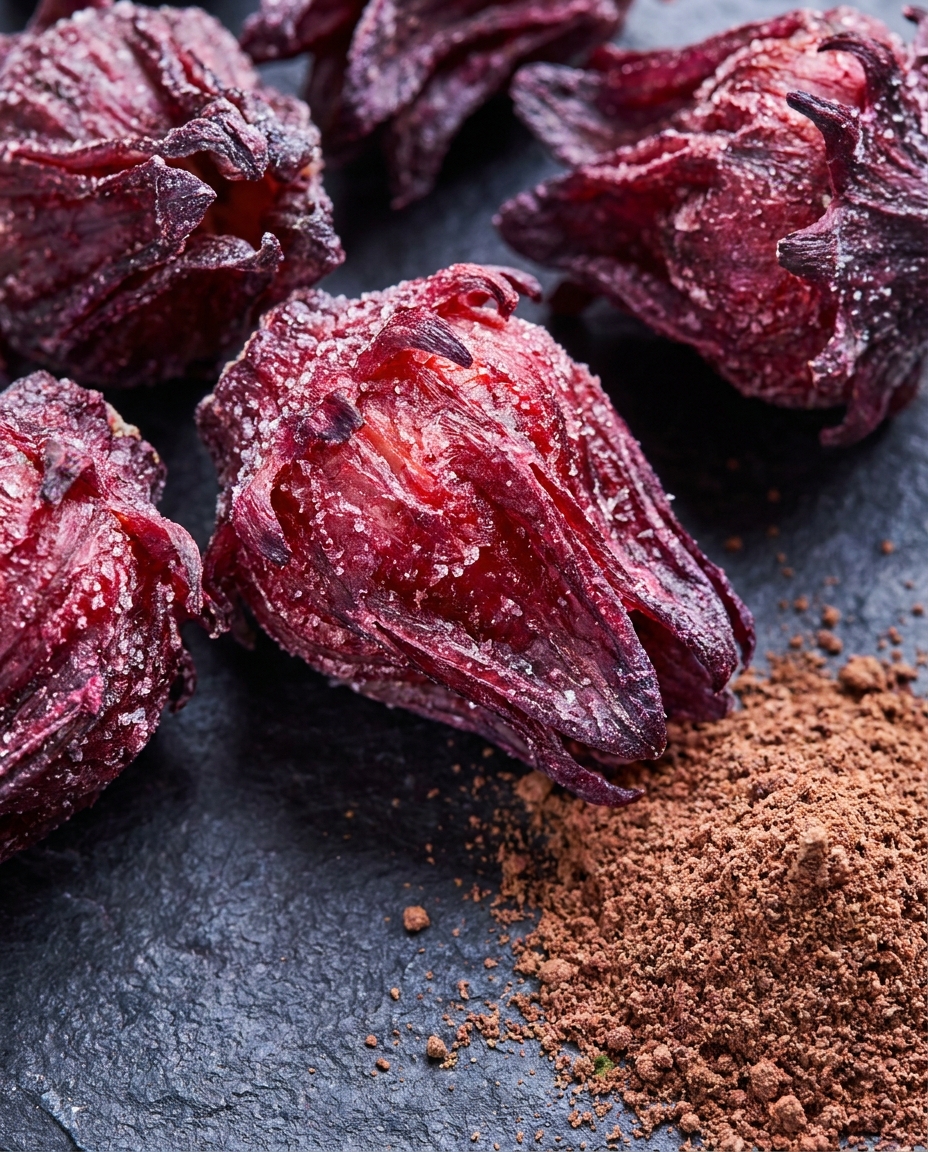
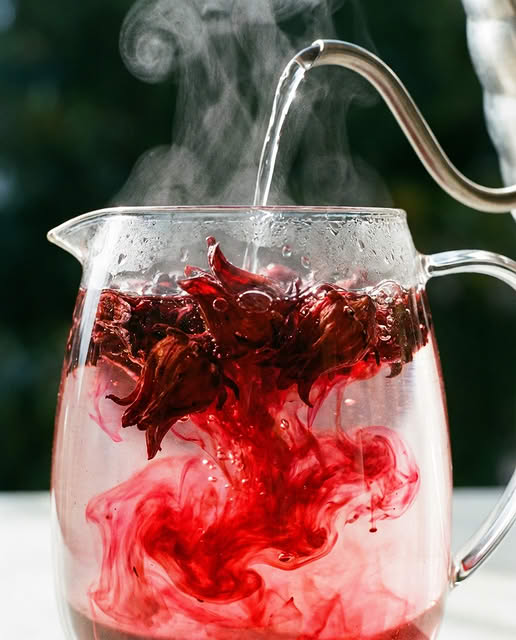
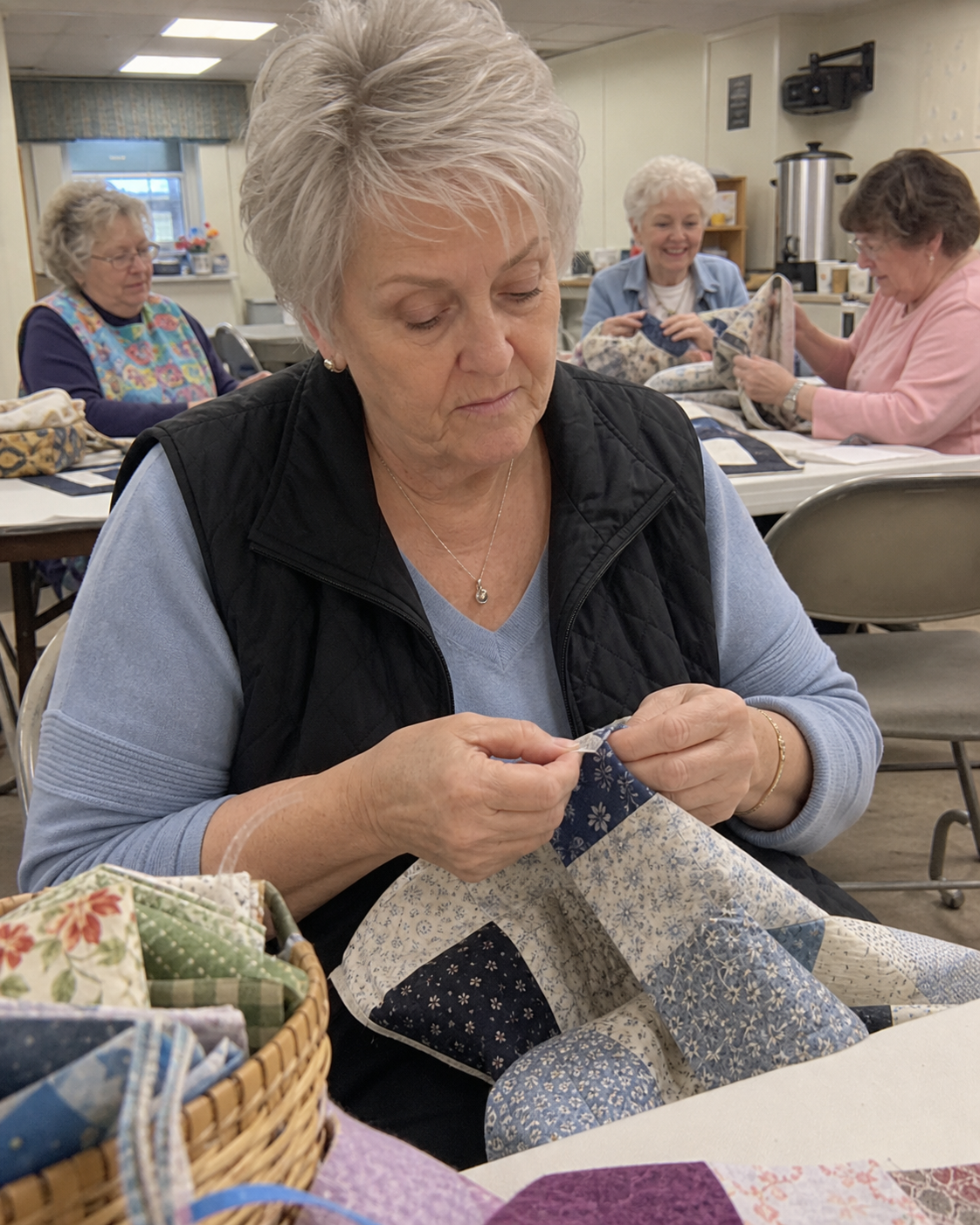
Every Tuesday for four months, I drove the same woman to her quilting circle. And every Tuesday, there was a little less of her. Her doctor called it her age. The women at the circle called it grief. I might have believed them — I was twenty-four, I drove for the senior center one day a week, I was nobody anyone had a reason to listen to. But I was the one in the car with her every week, close enough to watch it happen. And what I was watching didn't look like age, and it didn't look like grief. It looked like a woman disappearing in plain sight. And it looked like I was the only one who could see it. My name is Hannah. I started driving after my grandmother died — I couldn't stand the thought of someone's grandmother stuck alone in a house with no one left to take her anywhere. Most of the people I drove, I drove once and never again, a ride to a clinic and a ride home. But there was one I picked up every Tuesday, all summer long. That first morning, she was already out on the porch before I'd come to a stop — a canvas bag of fabric in her lap, her purse balanced on top of it, like she'd been ready for an hour and was a little put out that I was thirty seconds late. Her name was Susan. Sixty-six years old, widowed since the spring, and the finest quilter in the county — that last part she told me herself, the first morning, so flatly I couldn't tell if it was a joke. It wasn't. She'd been making them for fifty years. Half the grown adults in that town had come home from the hospital wrapped in one of hers. Every Tuesday I drove her to the quilting circle in the basement of the Methodist church. Twenty minutes each way. By the third week she'd decided I didn't eat enough and started sending me off with things — a hard-boiled egg, cookies folded in wax paper, once a whole slice of pound cake wrapped in foil and balanced on my dashboard. By the fifth week she was telling me things. About the daughter in Oregon who didn't call enough. About which women at the circle she actually liked and which she only tolerated. Never about her husband, though — she steered around him every time, and I learned not to ask. I looked forward to Tuesdays. She reminded me of my grandmother — the same trick of saying something kind and dressing it up as an insult — and for an hour and a half a week, I got a little of that back. I found out about her husband from one of the women at the circle. Her name was Carol — kind-faced and sharp-eyed, the sort who ran the coffee and noticed everything. One Tuesday I came in early and Susan was still gathering up her things, and Carol caught me by the door and walked me out to the lot. "I'm glad it's you driving her," she said. "I've been hoping she'd take to somebody." And then she told me about Bill. Forty-one years they'd been married. He'd been a mechanic — forty years at the same garage out on the highway, the kind of man who came home smelling of motor oil with his name stitched over the pocket. By every account a good, steady man who thought the sun came up on Susan. The two of them were the kind of married where you never saw one without the other. He used to drive her to the circle himself and sit out in the lot the whole two hours with the radio on, because he'd rather wait on her than go home without her. He died in April. His heart, in the end — fast, no warning at all. Fine in the morning, gone by the afternoon. And Susan hadn't been the same after. She shut everyone out — wouldn't get on the phone, wouldn't let a one of them through the door. Carol had brought a casserole by in May; Susan thanked her through the screen and never opened it. Forty years of friends, and she'd closed the door on all of them. "But not you." Carol looked at me. "She took to you. I think it's that you didn't know her before — you're not one more old friend looking at her like she's broken. We didn't think we'd get her back here at all. When you first started bringing her, she'd quilt with her head down, hardly a word to any of us, and never join us for coffee after — but that's been changing. Last week she sat with us for coffee. Told the whole table a story and had them laughing." She smiled. "She talks about you. Says you take her the long way round so she can see the lake. First thing I've heard her say she liked since Bill died." I didn't know what to say. I'd thought I was just the help. "Keep showing up," Carol said, and squeezed my arm before she let go. "That's the whole thing. She lost the one person who never once let her be alone." She looked at me. "Just keep showing up." She asked me in for the first time in August. I'd dropped her after the circle and she didn't get out of the car. She sat there a second, looking at her own front door, and then said — not quite at me — "Come in and have a glass of tea. I've got something for you, and I'm tired of you running off before I can hand it over." The house was small and full of her. Quilts everywhere — folded over the back of the couch, stacked on a blanket chest, one framed on the wall like a painting. Baskets of fabric in the corners. The whole place smelled like coffee and cotton and, faintly, like a church. It was full of Bill, too, though she still didn't say his name. His recliner left angled at the television. A pair of reading glasses on the side table that weren't hers. A wall of photographs going up the stairs — the two of them young, the two of them grey, two kids who'd grown and gone, grandchildren stair-stepped by age. Forty years of it, hanging exactly where it had always hung. She'd made me a quilt. She brought it out folded over both arms and set it in mine before I could get a word out — blues and greens, stitches so small and even you'd think a machine had done them, my initials worked into one corner where I nearly missed them. She'd had to have started it weeks before. She watched me hold it with a look that dared me to make a fuss. "Everybody I love has one," she said, like that closed the matter, and went to put the kettle on. That was when I saw the other one. It was set up on a wooden frame in the corner by the window, half-pieced, and it was nothing like the rest of her work. The others were bright — stars, flowers, careful patterns. This one was made of shirts. Men's work shirts, the heavy kind, blues and washed-out reds and one grey one gone soft at the collar, cut down into squares. Some of the squares still had the pocket on them. One of them still had a name stitched above the pocket. Bill. She came back in with the tea and caught me looking at it. "I started that one in May," she said, setting the cups down. "His shirts. Forty years of the same shirt, near enough — I never could get that man into anything else. After the funeral I couldn't give them to the Goodwill, and I couldn't stand to see them hanging in the closet either. So I thought I'd make him into something I could keep." She looked at it a while. "Can't seem to finish it, though." She said it the way you say a thing you've decided not to feel in front of company — and then she picked up her tea and asked whether I'd ever learned to sew, and I let her change the subject, because by August I'd learned that much: you take the part of it she hands you, and you don't reach for the rest. She started asking me in now and then after that — a glass of tea, a plate she'd made too much of. The quilt was always there on its frame in the corner, half-finished. I got so used to seeing it that I stopped seeing it. I think about that now — how a thing can sit half-done right in front of you, month after month, and you never once stop to ask what it is that's keeping her from finishing it. It was September that she started to slip. The porch steps went first. She'd always been quick down them, out before I'd stopped the car — and then one morning she came down them one at a time, a hand on the rail, watching her feet the whole way. By the time she reached the car she was breathing hard. I asked if she was all right. She said the cold was coming early this year. It was sixty-five degrees. Then it was her hands. She'd ride with them in her lap, working them open and closed, rubbing at the knuckles. One Tuesday her quilting bag sat on her knees the whole way and she never opened it — said she'd forgotten her good glasses. The next week, the same thing. After that she stopped bringing the bag at all. Carol caught me in the lot when I came to collect her. "She's stopped joining us for coffee," she said, low. "Last week she did her square wrong, pulled it out three times, then put it away and just sat there. Thirty years I've quilted next to that woman. I have never once seen her do a square wrong." She looked at me like I might know something. I didn't. Some mornings she got in the car like she hadn't slept at all. She'd lose the middle of her own sentences — stop, and go hunting for a word that should have been right there. She asked me twice in the same month whether I had any brothers or sisters. I'd told her in June. One Tuesday she didn't have me take her to the circle. She had a doctor's appointment that morning, and asked me to run her there instead. I sat in the waiting room with a year-old magazine while she went back. She came out maybe forty minutes later, folding a sheet of paper into her purse, and on the drive home she told me what he'd said. Her blood pressure was good. 128 over 76. Right where he wanted it. Her kidney number was a little low, but not low enough to do anything about yet. "We'll watch it," he'd said. Recheck in three months. And the rest of it — the tiredness, the hands, the forgetting — well, she'd lost her husband in the spring, and she was sixty-six, and grief sits in the body longer than people think. The kindest thing she could do was be patient with herself. "So that's good," she said, looking out the window. "He says I'm fine." She didn't sound glad about it, and she didn't sound like she meant to argue with it either. I think she'd lost enough that year to be done fighting things. I didn't know what to make of any of it. All I had was a feeling I couldn't shake and couldn't explain — that the woman I was picking up in September wasn't the woman I'd picked up in June, and that I seemed to be the only one bothered by it. So I did the only thing I knew how to do. I kept showing up. And then, in October, she stopped answering the door. The first Tuesday she didn't answer, I told myself she was sleeping. I knocked, waited, knocked again. The blinds were down and her car was in the drive. I left a note in the door and drove off telling myself she'd call. She didn't call. The next Tuesday the note was gone but the blinds were still down, and nobody came. Carol hadn't seen her at the circle in three weeks. Nobody had. I called the senior center, and they told me she'd canceled her standing ride — left a message that she didn't need it anymore. I went back on a Thursday, on my own time. I couldn't have told you what I meant to do about it. I just couldn't stand the picture of her in that house with the curtains drawn and no one looking in on her. I knocked a long while. I was about to give up when the door opened, and for a moment I didn't know the woman standing in it. She was grey in the face, and she'd gone small somehow, folded down into herself. Her hair hadn't been done in days, and there was no light in her face at all. Behind her the house was dark in the middle of the afternoon. She looked at me the way you'd look at a stranger who'd come to the wrong house. And then I understood it was Susan, and that was worse than not knowing her. It was her face — but the sharp eyes, the mouth always half-set to say something dry, all of it had gone out of her. "There's nothing here for you," she said. It was her voice — the one thing about her that hadn't changed. And she started to close the door. I don't know what made me put my hand flat against it. I just knew that if I let it shut, I'd drive home and let her disappear behind it. "Susan." I kept my hand where it was. "It's all right." She didn't argue. That was almost the worst of it — the Susan I knew would have argued. She just took her hand off the frame and turned and went back inside, and left the door open behind her. The house I'd had tea in all summer had the curtains drawn in every room and the close, stale smell of a place that hadn't had a window opened in weeks. A few days of dishes in the sink. Mail she hadn't opened. Bill's recliner still angled at a dark television. And the work-shirt quilt on its frame in the corner, exactly where it had been in August — not one square further along. She sat down in her chair, and the brightness she'd handed me a little at a time all summer just wasn't in her anymore. She looked worn through. "I didn't want you seeing me like this," she said. I asked what was going on. When she'd last eaten. Whether anyone had been by. She waved most of it off. "I saw the doctor. You know what he told me. There's nothing the matter with me." She almost smiled. "So I suppose this is just what's left, honey. I'm tired. I've been tired since the spring, and it isn't the kind of tired that lifts." I didn't argue with her. You can't argue somebody out of being tired. What I did was get up and start a pot of coffee and open the curtains over the sink, because I couldn't think what else to do with my hands and I wasn't ready to leave. While the water ran I started clearing the counter — the mail, the unopened bills, a week of glasses — and that's when I saw the folder by the sink. It was the same sheet she'd folded into her purse after the doctor. Only there were more of them now, clipped together in order, with a little spiral notebook beside them where she'd written her blood pressure readings. I wasn't snooping. I was moving them out from under the faucet, and the top page slid sideways just enough for me to see the number. eGFR 47. She'd been watching me from the table. "That's my kidney number," she said. "Bill had the same thing. Years and years of watching it." I looked down at the folder again. There were four pages clipped together. I don't know what made me do it. Maybe the way she'd said years and years. Maybe the way that one number sat there, too calm for how bad she looked. I slid them apart on the counter. Last October: 61. January: 56. May: 51. This October: 47. Each one had some version of the same note. Recheck in three months. Each one by itself looked calm enough for a recheck. Lined up, they were not calm. They were a line. And the line only went one direction. She looked at the pages under my hand. "His doctor used to say his blood pressure was textbook. Perfect numbers. He'd shake Bill's hand over them." She was quiet a moment. "And then one spring they started talking about dialysis access. A fistula. That's what they called it. Bill came home and sat in that chair for three hours without turning the television on." She looked toward the recliner. "His kidneys had been slipping for years, and then his heart gave out in April." She said the next part slowly, like she wasn't sure she believed it herself. "Some days I wonder if this is just the same road. But the doctor says my pressure is good, and he'll watch the kidney number. I try not to dwell on it." I stood there with the folder in my hand and the water running, and I couldn't move. Because I knew that number — eGFR. I'd grown up hearing it. It had sat on a windowsill exactly like this one, in the kitchen where my grandmother raised me, written on lab sheets that nobody in the house understood until it was too late. She raised me from the time I was six. My mother wasn't able, and there wasn't anybody else, and my grandmother just took it on, the way her whole life she took things on. She never sat still. She was always doing — her garden, her house, somebody else's house if hers was already done. As a girl I don't think I ever once saw her in a chair with her hands empty. And in the last years of her life I watched her go still. It came on slow. She started sitting down in the afternoons, which she had never in her life done. She let the garden go — a woman who'd put up tomatoes every August for forty years, and one summer she just didn't. She'd get muddled about what day it was. Her ankles left deep rings above her socks by dinner. She started getting up in the night, every night, and in the morning she'd say she hadn't slept. And under all of it she was tired, a deep kind of tired that sleep never touched, and that was the part that frightened me most, because in all my growing up I had never once seen my grandmother tired. I was still a teenager. Old enough to see it. Too young to know what I was looking at. We took her to the doctor more than once. And every time, he read her chart and told us her blood pressure was wonderful. Her kidney number was low, but stable enough to monitor. Come back in three months. This was just what getting older looked like, and we ought to be glad her pressure was so good. She died the winter I was nineteen. Her heart, in the end — the thing they said the pressure medicine was supposed to protect while the kidneys kept sliding underneath. Her blood pressure was perfect the week she died. I have thought about that more times than I can count. They had a beautiful number for her, right up to the day her heart stopped. But now I was standing in Susan's kitchen with the same kind of lab sheet in my hand, watching the same thing take the same kind of woman, with the same doctor saying the same words. And this wasn't like my grandmother. It was my grandmother — the same story running again in a different kitchen. The tiredness. The swelling. The recheck in three months. The white coat telling her to be patient. I'd been a teenager the first time, too young to know what I was looking at. I knew exactly what I was looking at now. And Susan was still here. I didn't say all of that to her right then. She was too worn down to hear it, and I wasn't going to dump it on her in the state she was in. What I did first was take care of her. I made her eat something. I opened the curtains in every room she'd let me. I washed the dishes and carried out the mail and sat with her until a little color came back into her, and before I left I told her one thing, plain. "My grandmother had what you have," I said. "The same low kidney number, the same blood pressure everyone kept praising, the same doctor telling her not to worry — and they were wrong. This isn't your age, Susan, and it isn't grief. I'm going to find out what it really is. I just need you to hang on and let me." She looked at me a long moment. "You're a sweet girl," she said — which is what people say when they don't believe you but love you for trying. I'd carried the question about my grandmother for five years. How a person could do everything right and lose her kidneys anyway. I'd never gone looking for the answer; what was the use, she was already gone, and I didn't think I could stand it. Now there was somebody it wasn't too late for. So I went home and sat down at my kitchen table with my laptop, and I typed in the only question I had: why do people with good blood pressure still lose kidney function. And I read. Past midnight that first night, and the next, and the night after that — four nights straight, after work, when I should have been sleeping. And what it came down to was this. Blood pressure medicine can lower the number on the cuff. Lisinopril. Amlodipine. Water pills. All of them push the number down in different ways. The cuff reads 128 over 76. The doctor says "great." But the cuff on your arm does not measure what's happening inside the kidney's smallest vessels. And those tiny vessels are where kidney function is lost. I read that, and I thought about Bill — textbook blood pressure right up until the spring day they were talking about dialysis access. About my grandmother, five years gone, with beautiful cuff readings written in a notebook beside a kidney number that kept going down. About Susan in her kitchen, holding those printouts, with the same steady blood pressure and the same tired body folding itself smaller every week. An eGFR isn't a feeling. It's an estimate of how well your kidneys are filtering waste from your blood. One low number can look like nothing. A little low. Something to watch. I kept seeing Susan's papers laid out on that kitchen counter the way I wished somebody had laid out my grandmother's. Last October, 61. January, 56. May, 51. This October, 47. Each one by itself had looked calm enough for a recheck. Lined up, they were not calm. They were a line. And the line only went one direction. The kidney is not one big thing. It is millions of tiny filters, and each one depends on tiny blood vessels thinner than anything you can imagine. When those vessels are under pressure and oxidative stress long enough, they scar. They leak. They shut down. And the part that made me nearly close the laptop and throw it across the room was this: the filters you lose do not grow back. Not like skin. Not like hair. Gone. Every month you wait, every "we'll recheck in three months," can cost filtration you don't get again. That's what the beautiful blood pressure readings were hiding. Bill's, my grandmother's — the cuff held down on paper while the filters underneath kept taking damage, year after year, until the heart had to carry what the kidneys couldn't. Then I found the part that explained the rest of it. The hands. The tiredness. The fog. When the kidneys can't filter cleanly, waste and fluid don't leave the way they should. The body works around it until it can't. The ankles swell. Sleep breaks into pieces. The mind gets dull around the edges. Energy turns into something you spend before noon and never get back. Susan's hands, that couldn't hold a needle anymore. My grandmother's, that hadn't been still a day in her life, gone quiet in her lap. The bottomless tired in both of them — Susan winded on the walk to the car, my grandmother sinking into a chair every afternoon. The words lost in the middle of a sentence. The day of the week, gone. That's not just age. That's not just grief. That's a body trying to keep up while its filters are losing ground. And here's the part that breaks the whole thing open. Damaged filters can push blood pressure higher, and higher pressure can damage the filters more. A vicious circle the cuff number doesn't fully explain — because the cuff is only the number you can see. The damage is smaller than that. Quieter than that. Happening in vessels too tiny to feel. I sat there with all of it in front of me and finally understood what I'd been looking at for five years. The second night, I went looking for what a person could actually do about it. The first thing I learned was that most of the answers everyone reaches for weren't built for this. Cranberry capsules. Kidney detox teas. Dandelion. Apple cider vinegar. The whole shelf of things people take because someone once told them they were "good for the kidneys." I read about all of them — and most of them were doing the same thing the labels always do, talking around the problem instead of touching it. Flushing. Cleansing. Supporting. Words on a bottle. Not one of them made sense for the thing that had scared me: oxidative damage in the tiny vessels and filters Susan still had left. Then I found the research on hibiscus anthocyanins. Anthocyanins are the deep red pigments in hibiscus flowers. Not a flavor. Not the tartness. The red itself — the color that stains the cup when the flower steeps. And they do something blood pressure medicine can't do, and was never built to do. They help protect the lining of the small blood vessels from oxidative stress, the thing that scars and stiffens and wears those vessels down before a person feels anything. They help the blood vessels relax. They support the pressure without making the kidneys work harder. And in the studies I could understand, daily hibiscus was tied to better blood pressure numbers and markers that mattered to the kidneys. In one twelve-week trial I found, daily hibiscus brought systolic blood pressure down by about 7 points and diastolic by about 3. In another kidney-focused paper, the people taking the high-anthocyanin hibiscus preparation held their eGFR steady while the control group slipped. Not by forcing fluid out. Not by pretending the body needed a "cleanse." By helping neutralize the oxidative stress that does the actual damage. The pressure medicine chases the number. The anthocyanins go after the stress underneath it. I read that part over and over, thinking about my grandmother's chart, and the wonderful blood pressure, and the heart that quit anyway. So I did the least dramatic thing possible. I went to the grocery store. I'm not someone who orders strange health things off the internet because one article scared me. I was twenty-four and broke and still had enough sense to start with the simple thing. The tea aisle had three kinds of hibiscus. Red Zinger, the one with the cartoon flower on the box. A Bigelow blend. The store brand. I bought the Red Zinger because it was cheap enough that I bought two boxes without thinking, and it said hibiscus, and at that point I wanted the answer to be that simple. I drove it to Susan the next morning. I didn't dress it up. I set it on the kitchen table between us, next to the same coffee she always made too strong, and told her what it was. Hibiscus. The red compounds that seemed to do the thing her blood pressure pills couldn't — support the vessel health and oxidative balance her kidneys depended on. I told her about the studies, and the numbers, and somewhere in there I could hear myself starting to talk too fast, the way you do when you need somebody to believe you. She let me finish. Then she looked at the box the way you'd look at one more thing somebody was promising would help. "Tea," she said. "Tea," I said. She almost smiled. "Honey, I've taken pills every morning for years that a man with a medical degree swore by, and look at me." She pushed it an inch back across the table with one finger. "I don't think I've got the heart left to get my hopes up over tea." I'd known she'd say something like that. I'd thought about it the whole drive over. So I didn't argue the science again. "Then don't," I said. "Don't get your hopes up. Humor me for four weeks. If nothing happens, you can call me a foolish girl and I'll never say another word about it." She was quiet a moment. "All right," she said. "Four weeks." For four weeks she drank it. One cup in the morning and one after dinner. The first Tuesday, I didn't see much. She said it was tart and made her mouth feel dry. The second Tuesday, her blood pressure had moved a little. 130/80 instead of 132/82. Not nothing. Not enough. The fourth Tuesday, the rings above her socks were still there by evening. She was still asleep in the chair before eight. The work-shirt quilt still sat in the corner, exactly where it had been. I wanted it to be enough. I wanted the grocery-store box to be the answer because that would have been simple and cheap and easy, and I could have gone to Susan with both hands clean. Then her next lab posted. eGFR 46. Down one more point. Susan set the Red Zinger box on the table between us and looked at me with a kindness that hurt worse than if she'd been angry. "I told you, Hannah," she said. "Tea." I went home angry enough to read the studies properly this time. Not the summaries. Not the wellness articles. The methods. And that's when I realized I had made the same mistake everybody makes. I thought hibiscus was hibiscus. It isn't. The studies weren't using fruit tea dust mixed with rosehips and flavoring. They were using high-anthocyanin hibiscus preparations. Whole flower. Peak color. Dried without cooking the red compounds out of it. Enough of the actual flower to matter. I turned the Red Zinger box over. Hibiscus. Rosehips. Lemongrass. Peppermint. Natural flavor. I had given Susan the word hibiscus. Not the thing the research was studying. Then I read the catch. The hibiscus tea you buy at the grocery store is usually made for flavor — fruit tea, rosehips, lemongrass, peppermint, natural flavor, little red pieces in a paper bag. Most of it is broken petals and dust. It sits in warehouses and on shelves. The red compounds break down with heat and air and time. You could drink it every day and still not get close to what the studies were using. Except for whole-flower hibiscus prepared the old way. I wrote five things on a yellow legal pad: whole flower, high red color, peak harvest, low heat, organic. There's a small company called PiPi Tea that sources whole hibiscus flowers grown for their deep red anthocyanin content — not scraps blended into fruit tea. The flowers are picked at peak color, kept whole, grown at altitude where the plant makes more of the red compounds to protect itself, and dried at low temperature so the anthocyanins survive into the cup. Not red dust. Not flavoring. Not a tea bag with hibiscus somewhere in the ingredient list. Whole flower. Deep red. Organic. The thing the research was actually pointing at. And the more I read, the more it held up — studies on hibiscus, blood pressure, oxidative stress, kidney markers, doctors in countries where people had been drinking the whole flower for generations. I ordered one box that night. For Susan. Not because I believed. Because I needed to know whether hibiscus had failed her, or whether I had failed her by buying the wrong kind. The box came three days later, and I drove it straight over. I set it on the kitchen table between us, and told her I had been wrong the first time. Whole-flower hibiscus. The red compounds that do the thing her blood pressure pills couldn't — support the vessel health and oxidative balance her kidneys depended on. I told her about the studies, and the numbers, and the whole flowers. She let me finish. "Tea again," she said. "Different tea," I said. "You already tried tea." "I tried grocery tea," I said. "I don't think I tried what the study was talking about." She almost smiled, but not all the way. "Honey, I've already let you get my hopes up over one box of tea." She pushed it an inch back across the table with one finger. "I don't know if I've got the heart to do that twice." "I know," I said. "I know I'm asking more of you this time, because I already got it wrong once. I'm not asking you to pretend that didn't happen. I'm asking you to let me fix the mistake. Drink this one for me. If nothing happens, you can call me a foolish girl twice and I'll never say another word about it." She was quiet a moment. "All right," she said. "For you." The first Tuesday after that, I didn't see much. She seemed a little more rested. She'd slept from 10:15 to 4:40 without getting up, she said, which she hadn't done since the spring. Small. The second Tuesday, the tiredness had a bottom to it again. That's the only way I know to say it. For months it had been a hole with nothing under it. Now she got tired the regular way — from doing something — and a chair and a cup of coffee put it right. Her home cuff that week had three readings under 130: 128/76, 126/78, 129/77. The grey had gone out of her face. The third Tuesday, she was on the porch with the fabric bag in her lap. She hadn't brought it in weeks. She came down the steps with one hand near the rail but not gripping it, and neither of us said a word about it. She told me the rings above her socks were lighter by evening. Not gone. Lighter. She'd written it in the margin of her BP notebook beside 124/76. She remembered things again, too — asked me about somebody I'd mentioned back in August and hadn't since, caught me out on a detail I'd gotten wrong and was pleased with herself about it. When I picked her up after, Carol walked her to the car and gave me a look over Susan's head that I won't forget — like she'd seen something she couldn't account for and was afraid to say it out loud and jinx it. By the fifth Tuesday, it was her hands. I came up the walk and she was in her porch chair with a hoop in her lap and a needle going. Not fast. But going. Her thumb didn't shake. She drew the thread through and set the next stitch and drew it through again, and I stood at the bottom of the steps and watched a woman do the thing she'd told me in September she might never do again. She caught me staring. "Don't," she said, not looking up. "You'll make me drop it." But she was smiling at the cloth. Her cuff log that morning said 122/74. Not a miracle. But not worse. I'm not going to pretend the hibiscus was the only thing that turned it. She'd started getting up. She was eating because she had the energy to cook. One thing feeds the next at that age — you start moving and the moving keeps you moving. But she'd been sinking the same way for half a year, one thing dragging down the next, and the doctor had looked at all of it and called it her age and her grief. Now she was climbing back out. I knew what had turned her around, even if I couldn't have proved it to anybody in a white coat. She had bloodwork due, and that Tuesday I drove her to the doctor's instead of to the circle. I sat in the chair by the door while he pulled her results up on the screen, and I watched his face do a thing I'd been waiting a long time to see a face like his do. After the grocery tea failed, her kidney numbers had been the kind he'd called watchful — not emergency, not good, just watchful. Blood pressure, 132/82 in the office. eGFR, 46. Creatinine, 1.6. Urine albumin-creatinine ratio, 68. He read the new ones twice. I could tell, because his eyes ran down the screen and then jumped back to the top. Blood pressure, 124/76. eGFR, 49 — up from 46. Creatinine, 1.5, down from 1.6. Urine albumin-creatinine ratio, 60, down from 68. Not cured. Not new kidneys. But the line had stopped going down. He asked her — careful, the way you ask when the ground has moved under you — what she'd been doing differently. "I drink a flower," Susan said. I waited for him to argue. To call it a coincidence, or her diet, or to tell her it couldn't possibly matter. He looked at the screen. Then he looked at her — really looked, maybe for the first time, at the woman and not the chart. And whatever he saw there, he didn't reach for the prescription pad. "Well," he said. "Keep doing what you're doing." That was all. After years of every visit ending with the same recheck-in-three-months, this one ended with him saying the line had stopped falling. In the car after, Susan was quiet for a while. Then she said, "He never once looked up from that screen before today." She didn't say it angry. She said it almost gently, like she felt a little sorry for him. "All that time. He was watching the numbers. Nobody was watching me." By spring she was herself. Not a careful, recovering version of herself — herself. She'd taken back the coffee at the circle. She'd put something in the flower bed by her steps. She fed me too much and insulted me the whole time she did it. And one Tuesday in May I came to pick her up and she wasn't ready, which had never once happened, so I let myself in. She was in the front room, in the last of the afternoon light coming sideways through the window, and she had a quilt across her lap. The one made out of Bill's old work shirts. The one she'd told me back in August she couldn't bring herself to finish. She was finishing it. I stood in the doorway and didn't say anything. The light was doing that thing it does at the end of a long spring day, turning everything gold and a little unreal, and she was bent over the cloth working the last of the binding, and her hands were sure. Steady. Fifty years of knowing exactly what to do, all of it back in her fingers. There was a square near the middle, a faded blue one, with BILL stitched over where the shirt pocket used to be. She'd worked the edge all the way around to it and past it. She knew I was there. She didn't look up. "I couldn't do it in the fall," she said. "I let you believe that was grief. And at the start, it was — I couldn't bear to finish it. But by the fall it was my hands. I couldn't hold the needle anymore, and I couldn't stand to ruin it with bad work." She set another stitch. "I didn't want the last thing of his to be the one thing I botched." She tied off the thread, bit it, and smoothed the whole quilt flat across her knees with both hands. Then she looked up at me, and for a second — in that light, with that look on her face — I swear I saw the woman she must have been at forty. Whole. Busy. Sure of her hands. Twenty years rolled right off her. "There," she said. "Done." I should have been nothing but happy standing there, and mostly I was. But there's a thing nobody warns you about: watching somebody get saved can open right back up the place where you didn't get to save somebody else. Because I'd stood in a room like that one before, in light like that, with a woman like that. Only I'd been too young to know what I was looking at, and there'd been no four nights of reading, and no box on the table, and no Tuesday where it turned around. There'd just been the slow going-still, and the wonderful blood pressure, and then the winter I was nineteen. Susan was still here. And the woman who raised me had been five years gone, and nothing about Susan's good afternoon could reach back and touch that. I let myself feel it for a minute. Then I folded it up and put it away, the way you learn to, and I helped Susan up out of her chair, and we left the finished quilt folded over the back of it in the gold light, and I drove her to the circle. I think about how close it came to going the other way. If I'd believed the doctor, the way everybody around her believed the doctor, I'd have driven past that house all winter telling myself she was just getting old, just grieving. If I'd let that door close on the Thursday — and I almost did, my hand was already coming off it — I'd have gotten in my car and gone home, and read about her in the church bulletin a few months later. If I hadn't been clearing her counter. If I hadn't laid those lab pages out in order. If my grandmother hadn't taught me, by dying, exactly what that slow going-still looks like. None of it was sure. Every piece of it could have tipped the other way, and in most kitchens, with most people, it does. That's the part that stays with me. Not that Susan got saved — that it was so close, and that the only thing standing between her and the way it usually goes was one person who happened to be paying attention. Which is why I'm telling you any of this. Because you're reading this for a reason. Maybe there's somebody in your life who's gone quiet and still, tired in a way sleep doesn't fix, while a doctor keeps telling you the blood pressure looks wonderful and the kidney number is only something to watch. Maybe that somebody is you. And I want to tell you the thing it took me far too long to learn — the thing that came too late for the woman who raised me. The doctor is reading a chart. He's looking at a number, and the number looks fine enough, so he tells you everything's fine enough — and he means it. But you see what the chart can't show him: the hands that won't do what they used to, the chair they're asleep in by seven, the way they've started folding themselves smaller. He's watching the chart. You're watching the person. You're closer to the truth. You always were. So watch the person, not the number. Watch for the things everybody is trained to wave off as age: the tiredness that a full night's sleep doesn't touch, the hands that fumble what they've done easily for fifty years, the stairs that leave them winded and the rail they never used to need, the thread of a sentence dropped and the day of the week gone, the sock marks that stay in the ankles by evening, and the things they always did, every season, that this year they just — didn't. And underneath all of it, blood pressure that keeps coming back wonderful while the kidney number quietly makes a line in the wrong direction. That last part isn't a coincidence. It's the whole point. A good cuff reading is exactly what the medicine is built to produce — and it can sit there, beautiful, in the notebook of someone whose filters are still losing ground. My grandmother's was perfect the week she died. If any of that sounds like someone you love — or like you — then let me tell you the rest of what I found that night at my kitchen table. The thing I set on Susan's table. The first thing I set there wasn't enough. The second one was different. The reason her line stopped falling, and her hands came back, and there's a finished quilt folded over a chair in her front room that almost never got finished. It's called PiPi Tea. It's the one I ordered that night, and the one Susan still drinks every morning and after dinner. It isn't grocery-store hibiscus in a paper bag. It starts with whole hibiscus flowers grown for the deep red anthocyanins — the compounds I kept seeing in the research on blood pressure, oxidative stress, and the tiny vessels the kidneys depend on. And every batch is dried at low temperature instead of blasted with heat, so the anthocyanins actually survive into the cup. Whole flower. Deep red. Organic. Not red dust. Not fruit flavoring. The living thing. What it does is the thing the cuff never could. The anthocyanins help support the lining of the small vessels and neutralize the oxidative stress that would wear them down — before another filter scars, before another filter leaks, before another piece of kidney function is gone for good. The blood pressure medicine chases the number on the cuff. PiPi Tea goes after the stress underneath it. No number propped up in a notebook while the person underneath goes still. No hands that can't hold a needle. No good woman folding herself smaller every year while a doctor calls it age. That's the difference between a chart that looks good and a person who is good. So here's what it comes down to — the same fork I stood at in Susan's kitchen. One path is the one almost everybody takes. You keep trusting the chart. You keep waiting for the next lab. You keep telling yourself the tiredness, the hands, the folding-smaller are just age, because that's what you've been told — and you watch the person you love fade while the cuff numbers stay wonderful right to the end. That isn't anyone's fault. It's just what happens in most kitchens, with most people. It's what almost happened in Susan's. The other path is the one I took on a Thursday with my hand flat against a door. You stop trusting the number and start watching the person. You support the vessel health and oxidative balance your kidneys depend on, instead of waiting for the chart to count the damage after it's done. And you give someone the chance Susan got — the chance the woman who raised me never did. If you want to do for somebody you love — or for yourself — what four nights at my kitchen table let me do for Susan, this is where it starts. PiPi Tea, direct from the source: https://shop.pipitea.com/hbt/kd/sp-nm P.S. If part of you is reading this thinking you might be imagining the whole thing — the tiredness, the hands, the slow fade nobody official will put a name to — you're not. The research underneath all this is real and it's deep: studies on hibiscus anthocyanins, blood pressure, oxidative stress, and the vessel health your kidneys depend on. But you never needed a study to know something was wrong. You needed someone to tell you that you were right to trust what you were seeing. You were right. P.P.S. Susan is well. She's back to running the coffee at the quilting circle and telling me I don't eat enough. And she's not quiet about why she's back. Two of the women at the circle have started making it for their husbands since, and they've stopped asking me what it is and started asking where to get more. The work-shirt quilt is finished, folded over the chair in her front room, and last time I was there she'd started cutting squares for a new one — for her daughter in Oregon, the one who's going to get a phone call about all of this whether she wants one or not. She still drinks PiPi Tea. She still calls it "my red flower." P.P.P.S. Here's what I'd actually tell you to do the first morning. Steep one cup of the whole-flower hibiscus until the water goes deep red, drink it, and write down the things the chart won't write down for you. Blood pressure. Sleep. Bathroom trips. The rings above your socks by evening. Whether the fog lifts at all after breakfast. Do it morning and night for seven days before you decide you know what is or isn't happening. The kidney number and the oxidative stress — the work that actually matters — take weeks, and Susan's numbers didn't move until her next bloodwork. But those first small notes matter, because they teach you to watch the person again. P.P.P.P.S. You don't have to believe me — the same way Susan didn't have to believe me. PiPi Tea backs it with a full 90-day money-back guarantee. Drink it for those 90 days — which, not by accident, is about how long it takes for the real work to show up in your bloodwork. Watch the person you love, or watch yourself. If the change you're hoping for doesn't come, use the guarantee and get your money back. And think about what that guarantee tells you. Susan kept going to appointments for years while the line moved down and no one ever offered her a penny back. That system came with a lifetime of rechecks and no promise at all. This comes with a promise. That's the difference between something sold by people who are sure of it, and something sold by people who are only sure you'll keep waiting. The only thing you can't get back is the time you've already spent being told everything's fine. P.P.P.P.P.S. One honest warning: there isn't an unlimited amount of this. Whole hibiscus flowers picked at peak color and dried slowly are not the same as red dust swept into a tea bag. You can't rush the drying, and you can't make high-anthocyanin flowers out of low-quality scraps — so when a batch is gone, it's gone until the next one is ready. I found that out when I went to reorder Susan's — it took nine days to come back in stock, and I spent every one of them worried she'd run dry before it did. If the page is still taking orders when you get there, I wouldn't sit on it. P.P.P.P.P.P.S. And remember — you risk nothing by finding out. Ninety days, fully guaranteed. The only real risk is the one you're already living with: another season of wonderful cuff numbers while someone you love goes quietly out like a light on a dimmer, and everyone keeps telling you it's nothing. You're closer to the truth than that. Go see what I found. You won't find this one in the grocery tea aisle. The shelf is where the red dust lives. The real thing — the whole-flower, high-anthocyanin hibiscus dried low and slow — comes straight from PiPi Tea, and you can get it here: https://shop.pipitea.com/hbt/kd/sp-nm
Natural Relief in Weeks
LEARN MORELike this ad? Make it yours.
Crush rebuilds this exact creative around your product — your brand, your colors, your offer — in about a minute.