Luke Harris
Luke Harris Facebook ad: “This tool would have saved eleven calves”
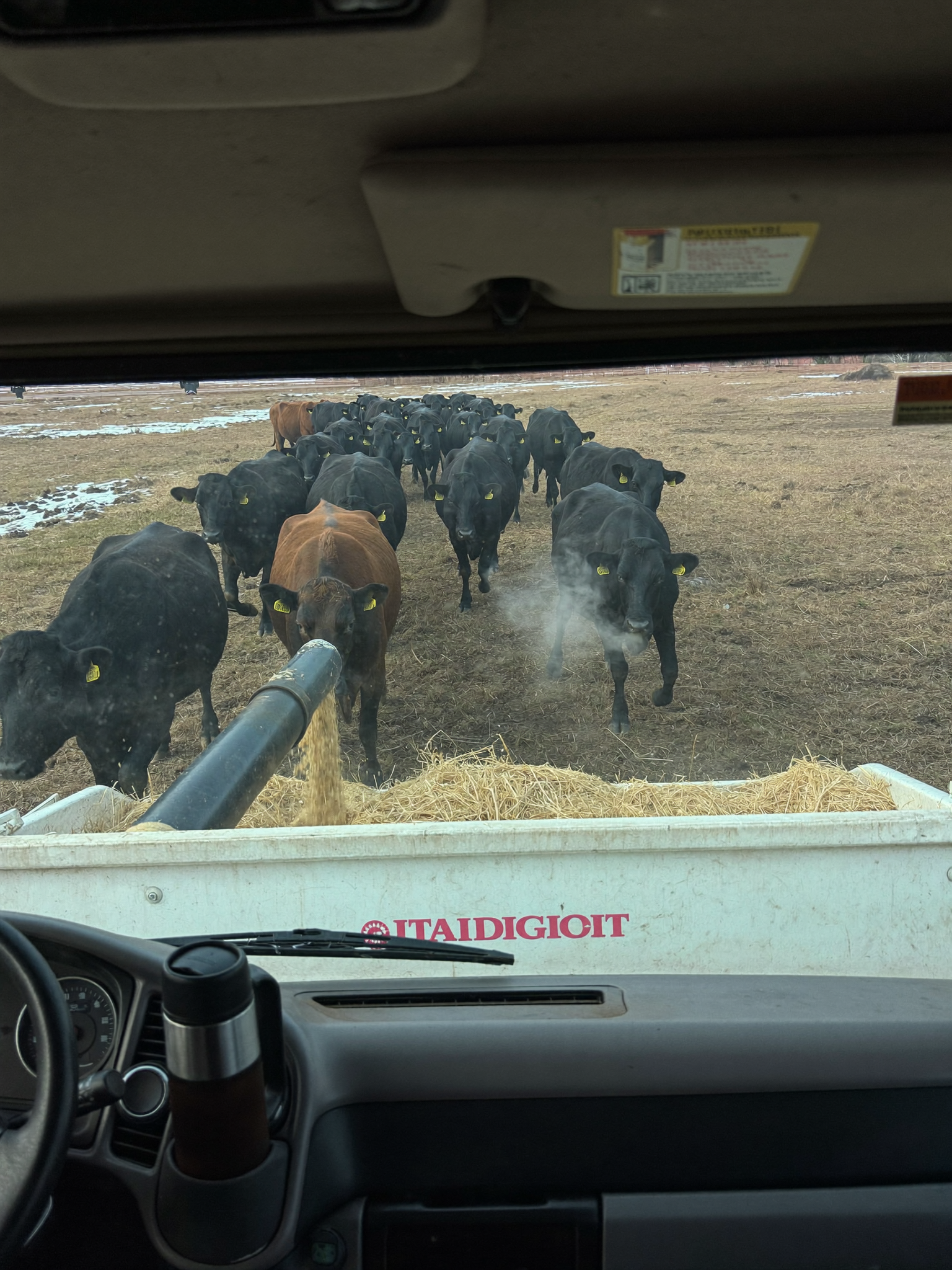
Ran for 23 days, from February 23 to March 18, 2026, the last day Crush saw it.
Run by Luke Harris on Facebook. Crush is not the advertiser and does not verify its claims. See this ad in Meta's Ad Library(opens in a new tab)
Want an ad like this for your product?
Crush makes new ad images for your product from this ad: your logo, your product photo, your offer.
Trials from $19.95 USD, then $79.95 USD a month. Cancel anytime.
About this ad
- Meta Ad Library ID
- 2065393590970802
- Platforms
- Facebook, Instagram, Audience Network, Messenger and Threads
- Relaunches
- 0
Ad text
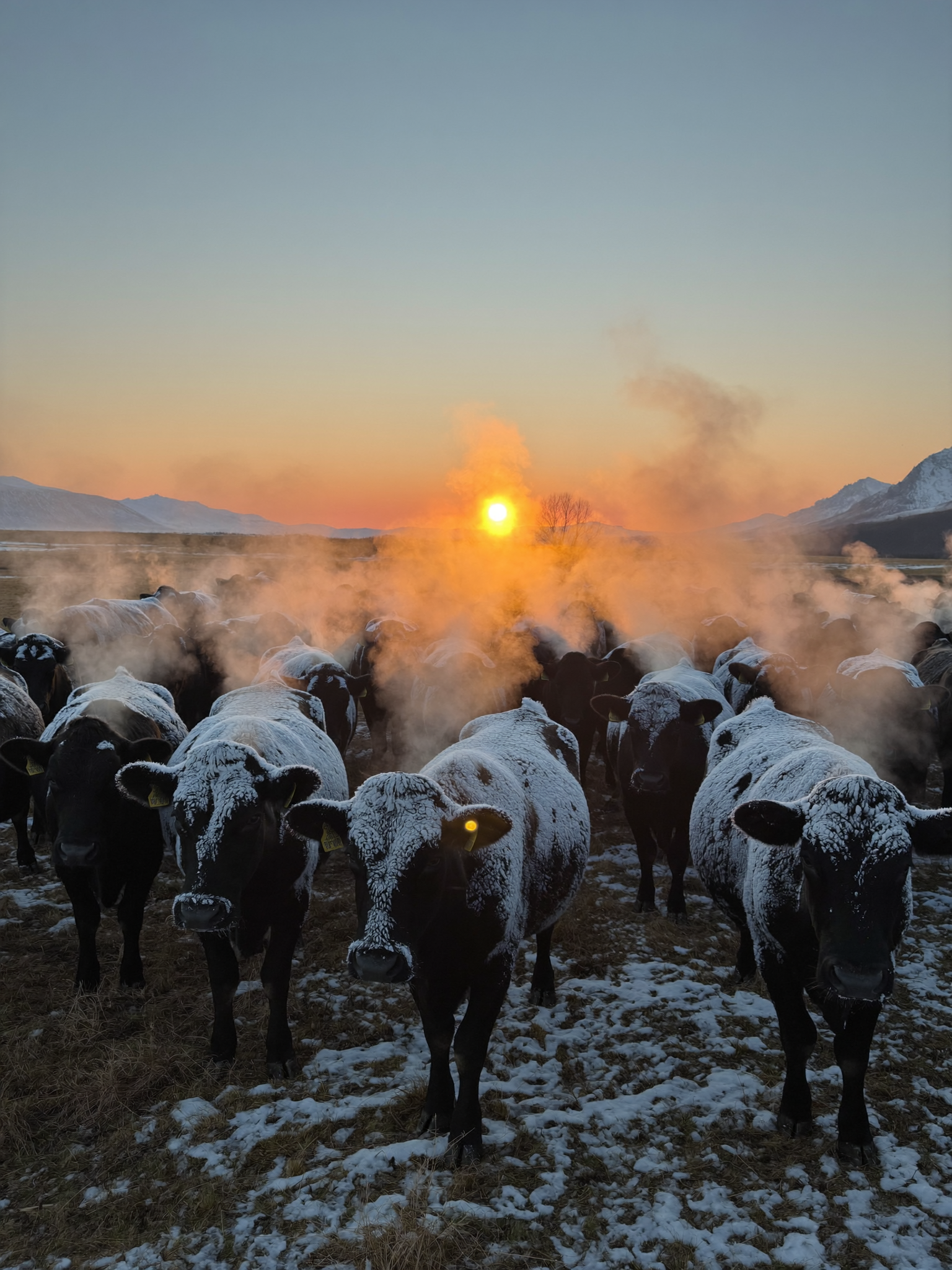
A cow that hasn't eaten in twenty four hours at fifteen below doesn't produce enough milk to keep a newborn calf alive. The feed keeps the cows going. The cows keep the calves alive. You break that chain and calves die. Our feed truck went down on a Wednesday morning with an arctic front hitting Thursday. One bolt. Two inch gap. Four hours in frozen mud. Couldn't reach it. Twenty eight cows went unfed for thirty six hours in the worst of it. Eleven calves never made it. Let me explain. We run about 400 head of commercial Angus cows on a ranch north of Sheridan, Wyoming. Second generation. My dad bought the first 160 acres in 1971 with VA loan money and sixty borrowed cows. I've been running it since he passed in '09. My son Mason came home last year after two years welding pipeline in the Bakken up in North Dakota. Making good money. Sixty hour weeks. Bank account fuller than any twenty one year old rancher's kid has a right to. But he said he was tired of building something that rusted in a ditch when the oil company was done with it. Said he wanted to build something that lasted. Said he wanted to come home and ranch. His mother told him the ranch couldn't match pipeline wages. He said he knew. Didn't care. So he came home. And I will tell you this. Watching your son choose your life when he's already proven he can do something easier is the proudest and most terrifying thing a father can feel. Last February we were three weeks into calving. Running first calf heifers and mature cows on separate lots. Heifers calving in the barn lot where Mason could watch them at night. Cows out on the meadow pasture with a windbreak and hay. Everything was going smooth. Calves hitting the ground strong. Scour count was low. Mason was checking heifers every two hours through the night without being told. Just set his alarm and went. Pipeline discipline. Get up. Do the work. Don't talk about it. Then the weather service updated the forecast on a Tuesday. Arctic front dropping out of Alberta. Temperatures falling from the mid twenties to fifteen below zero by Thursday morning. Wind chills to forty below. Blowing snow. Two to three day duration. A newborn calf can survive cold. A newborn calf cannot survive forty below wind chill without its mother's milk and a bellyful of colostrum in the first six hours. And a cow that hasn't eaten in twenty four hours doesn't produce enough milk to keep a calf alive at fifteen below. The feed keeps the cows going. The cows keep the calves alive. You break that chain and calves die. Two days to get every cow fed heavy and every lot stocked with extra hay before the front hit. We could do it. If the feed truck ran clean. Wednesday morning, Mason was loading the feed truck in the dark. The truck is an old F 350 flatbed with a Harsh reel mixer mounted on the back. We mix cake, chopped hay, and supplement in the mixer, then auger it out into the bunks and feed troughs across the ranch. The auger drive gearbox seized at 5 AM. Not the auger. Not the PTO. A bearing retainer bolt on the gearbox housing had backed out just enough to let the bearing walk and bind against the housing wall. He could see the bolt head. Could reach it with his fingertip. But the gearbox sat recessed between the mixer frame rail and the PTO driveline shield. Maybe two inches of clearance. Steel walls on every side. And everything was coated in frozen cake dust and old grease that had turned to something like cold cement in the February air. I got there with every wrench, ratchet, and extension I owned. Standard ratchet. Handle jammed against the mixer frame before the socket seated. Stubby ratchet. Too short to reach the depth. My fingers were already going numb at twelve degrees. Flex head. Flexed into the PTO shield. No purchase. Wobble extension. Couldn't hold angle in the frozen grease. Socket kept sliding off. Universal joint adapter. Torque went everywhere. Couldn't feel what the bolt was doing through two layers of gloves. Crow foot. Wrong profile. Hit the frame rail three sixteenths short of the bolt. I laid under that feed truck for four hours in the frozen mud. Cut my forearm on the mixer frame. Bruised both elbows on the driveline shield. Stripped the skin off my knuckles through my gloves because I finally pulled them off to try to feel the bolt and worked barehanded on steel at twelve degrees until the blood froze on my fingers. Never moved that bolt. Called the truck shop in Sheridan. "We're stacked up all week. Everyone's trying to get equipment ready before this cold snap. Maybe Monday." The arctic front was hitting Thursday morning. Called two mobile mechanics. One was already out on a ranch near Dayton pulling a transmission. The other was elk hunting in the Bighorns and had his phone off. My son stood at the back of the feed truck watching me bleed on frozen steel. Didn't say anything. Hands in his Carhartt pockets. Jaw set. The same look he probably wore on the pipeline when something went wrong at forty below and complaining about it wouldn't make the weld hold. That's when Gerald Tully's stock truck pulled into the yard. Gerald is seventy six. Ran cattle on the creek south of us for forty eight years before his knees quit and his daughter moved him to town. Still drives out to check on things. Still knows every piece of equipment in the county by sound. Heard at the feed store that morning that we were down. Drove out without calling. That's how it works out here. He walked over slow in that way old cattlemen walk on frozen ground, careful, deliberate, reading the ice. Looked at the gap. Looked at the frozen grease and cake dust packed around the bolt. Didn't say much. Walked back to his truck. Came back with something I'd never seen before. Flat. Maybe 15 inches long. Thin as a ruler almost. Socket drive on one end. Square drive on the other. Some kind of chain mechanism inside. "Offset extension," he said. "Fella at the ranch supply in Billings told me about it a couple years back. Slide it in there." It went into that two inch gap like it was made for it. Past the mixer frame. Under the PTO shield. Through the frozen grease. Socket seated on the bolt head first try. "Crank it." I turned the drive end. Felt the bolt move through the frozen cake dust. Forty seconds. Forty seconds for a bolt I couldn't reach in four hours. We had the bearing reseated and the auger spinning by noon. But we'd lost the entire morning. Six hours of feeding time gone. Wednesday. The front arriving Thursday. We ran hard the rest of Wednesday. Fed every lot double. Stocked extra hay in the windbreaks. Bedded the heifer lot deep with straw. Got most of the ranch fed heavy before the wind hit Wednesday night. But we couldn't get to the south meadow cows. Twenty eight head on the farthest pasture. Road was already drifting by the time we finished the close lots. By Thursday morning the road was gone. Two foot drifts across the ridge. Fifteen below. Wind chill forty two below. Those twenty eight cows went without supplemental feed for thirty six hours in the worst of it. They had hay in the windbreak from the week before but no cake, no supplement, no energy feed when they needed it most. Seven of them calved during the storm. Eleven calves lost. Four born dead. Three froze before the cows could get them dry in the wind. Two born weak from cows that hadn't eaten enough to produce adequate colostrum. Two more died within the week from scour that hit the weakened calves hardest. Eleven calves at roughly $800 fall value each when they'd have hit the sale ring in October. Call it $8,800 in direct calf loss. Another $2,200 in vet bills on the cows and surviving calves. Roughly $11,000 total. From one bolt I couldn't reach for four hours on a Wednesday morning while the arctic front dropped out of Alberta. That weekend, I ordered the same tool Gerald had used. Ordered five. One for the feed truck. One for the tractor. One for the stock trailer. One for the squeeze chute (there's a headgate cylinder bolt that's been mocking me for three years). One for the shop wall, mounted on a bracket Mason welded from a piece of angle iron. Eighty nine dollars each. Adapters not included. Runs a standard half inch drive. You use your own sockets. Since then, we've used them more than I want to admit. Twice on the feed truck. That same auger gearbox bolt again in November. A mixer chain tensioner bolt buried behind the discharge chute housing where the cake dust builds up an inch thick. Once on the tractor. Loader valve bolt wedged between the valve bank and the frame rail on our 7810 where John Deere apparently thinks ranchers service equipment in heated shops with hydraulic lifts. Once on the squeeze chute. That headgate cylinder bolt. Three years of working around it. Mason did it in about two minutes on a Tuesday afternoon and looked at me like I was crazy for putting it off. Once on Mason's truck. Oil pan drain plug on his old Cummins tucked behind the front differential crossmember. Same bolt every Dodge owner has cursed since the factory put it there. Once on the stock trailer. Brake actuator bolt recessed behind the axle plate where road grime and manure had essentially welded it into the frame. And two weeks ago, a young guy leasing his grandmother's place east of us called the house. First year running cows on his own. Twenty three years old. His cake feeder's auger drive bolt had seized. Cows bawling at the bunk. Cold snap in the five day. His voice was shaking. Mason didn't ask questions. Grabbed the wrench off the shop wall. Drove over. Bolt seated in under a minute. The kid stood there watching the auger turn. Then looked at Mason. Then back at the auger. "Where do you even find something like this?" Mason pulled out his phone and texted him the link. Didn't say much else. Pipeline efficiency. Fix it. Move on. The kid ordered four that night. Here's what nobody tells you when you start ranching. The equipment isn't designed for you to fix in the field anymore. It's designed for climate controlled service bays with specialty tooling and $200 an hour technicians who are booked solid during the exact weeks when your cows are calving and the weather is trying to kill everything that was just born. Every bolt is buried. Every repair is "dealer recommended." Every breakdown during calving is a race between your wrench and the weather forecast. But when you've got something that actually fits into those impossible gaps. Something thin enough to slide between the frame and the housing. Strong enough to transfer real torque through a chain drive without losing a thing. Something that works in frozen grease and cake dust and twelve degree air when your fingers are numb and the wind is picking up and the forecast says fifteen below by morning. Those "bring it to the shop" breakdowns become field fixes. And field fixes during calving season mean your cows get fed. And fed cows mean live calves. The tool is called the PRO Offset Extension Wrench. About 15 inches long. Half an inch thick. Chain drive inside so it turns where ratchets can't swing. Adapters not included. Runs a standard half inch drive. You use your own sockets. Eighty nine dollars. Less than a bag of calf supplement. Less than half an hour of shop labor. Less than one percent of what those eleven calves would have been worth at the October sale. I'm not going to tell you this tool will save your calving season. But I will tell you this. There's going to come a morning. Probably the coldest morning of the worst week of calving. When your son calls you, or your hired man calls you, or you're standing there alone in the dark at the feed truck staring at some bolt you can see but can't turn. And everything. The cows, the calves, the cold, the feed. Is riding on whether you can reach it. When that morning comes, you either have the tool or you don't. I didn't. Now I do. And so does my son. If you run cattle out here. Feed trucks, mixers, tractors, trailers, squeeze chutes. If you're one breakdown away from a cold front that doesn't care about your calving schedule. Put one of these in every machine you own. Not because I'm telling you to. Because I'm telling you what it cost me to not have one. Link's below. I hope you never need it the way I did. But if the wind picks up and something locks up, at least you and your kid won't be standing in the frozen mud wondering why nobody told you this thing existed.
Where the ad sends people
thesavary.com
This tool would have saved eleven calves 👆
Savary
Shop now: thesavary.com(opens in a new tab)