
Inactive· since May 29, 2026
- 32
- days it ran
- 0
- relaunches
Ad copy
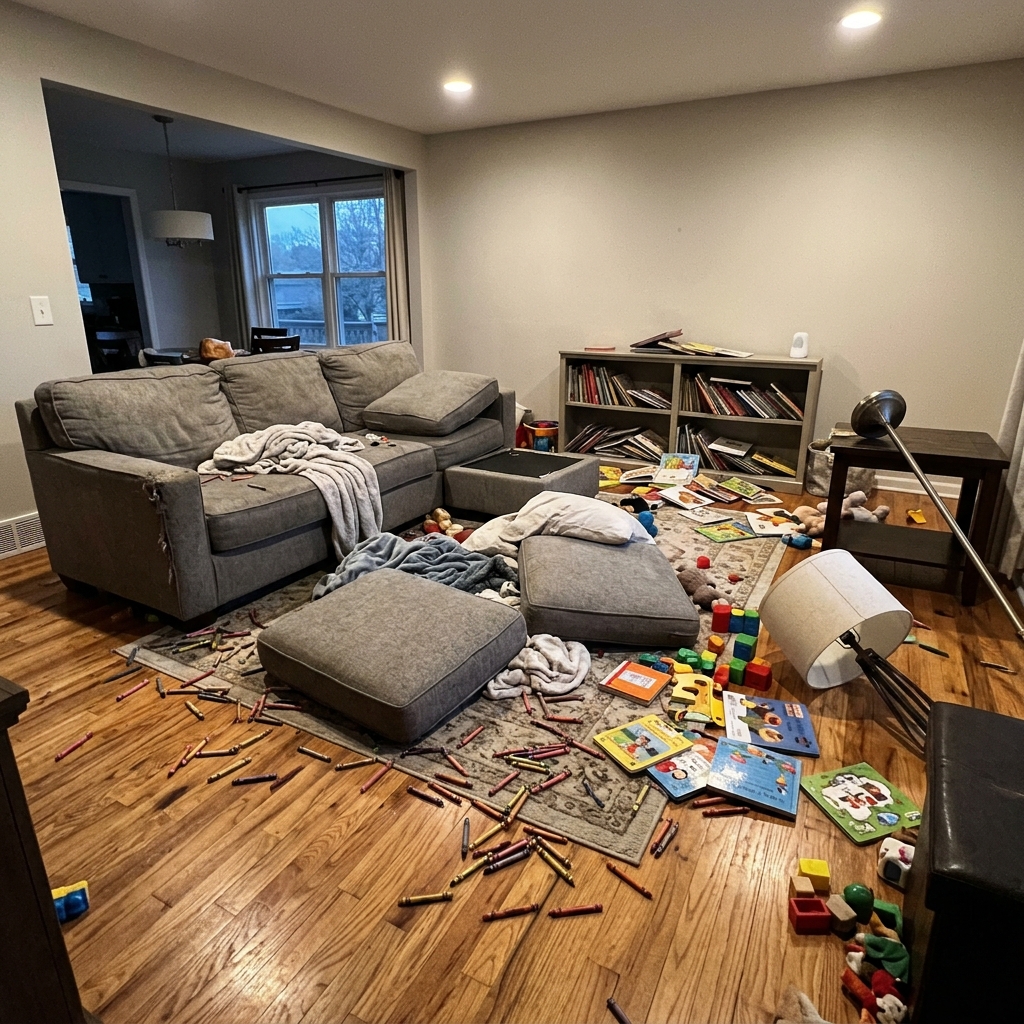
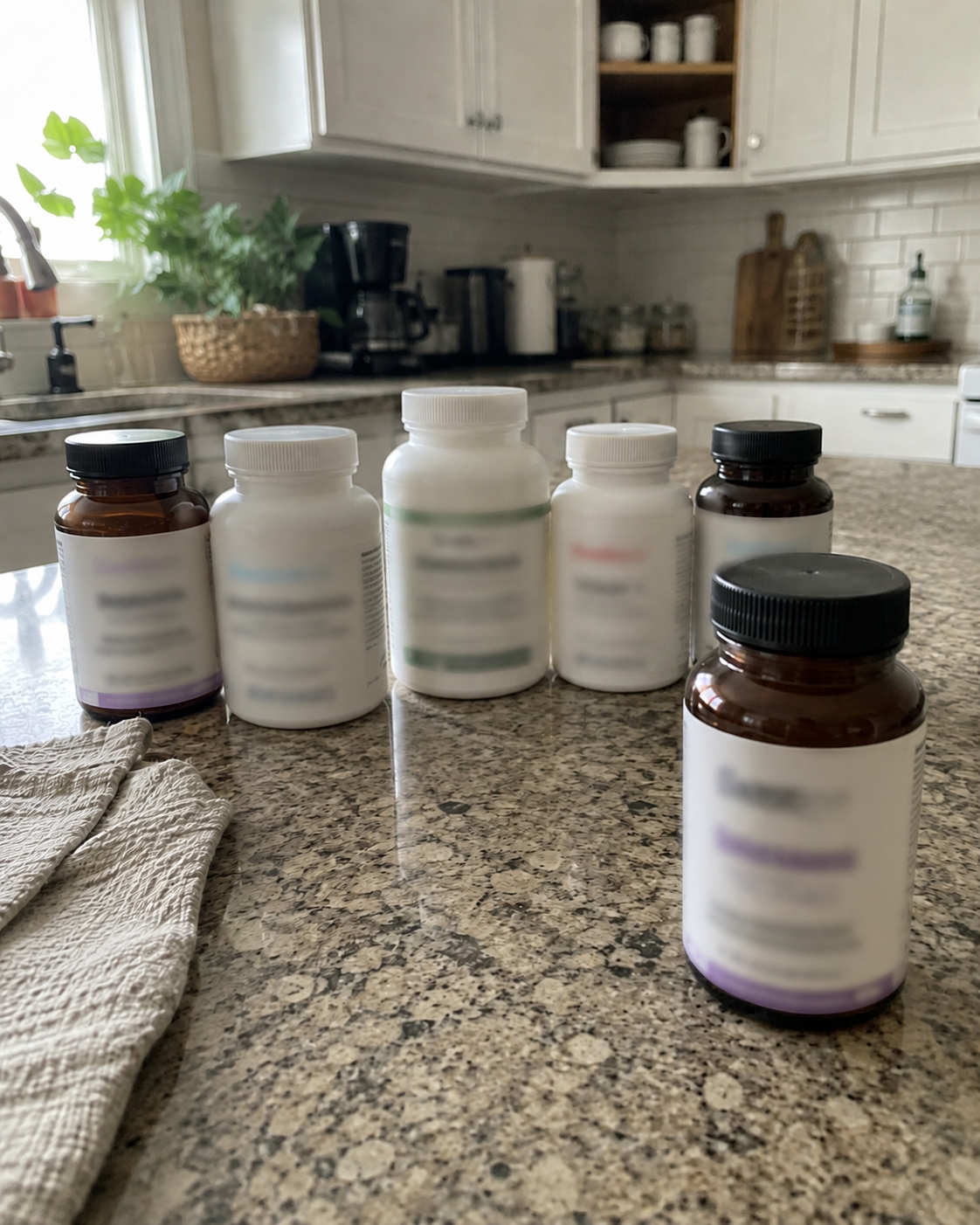
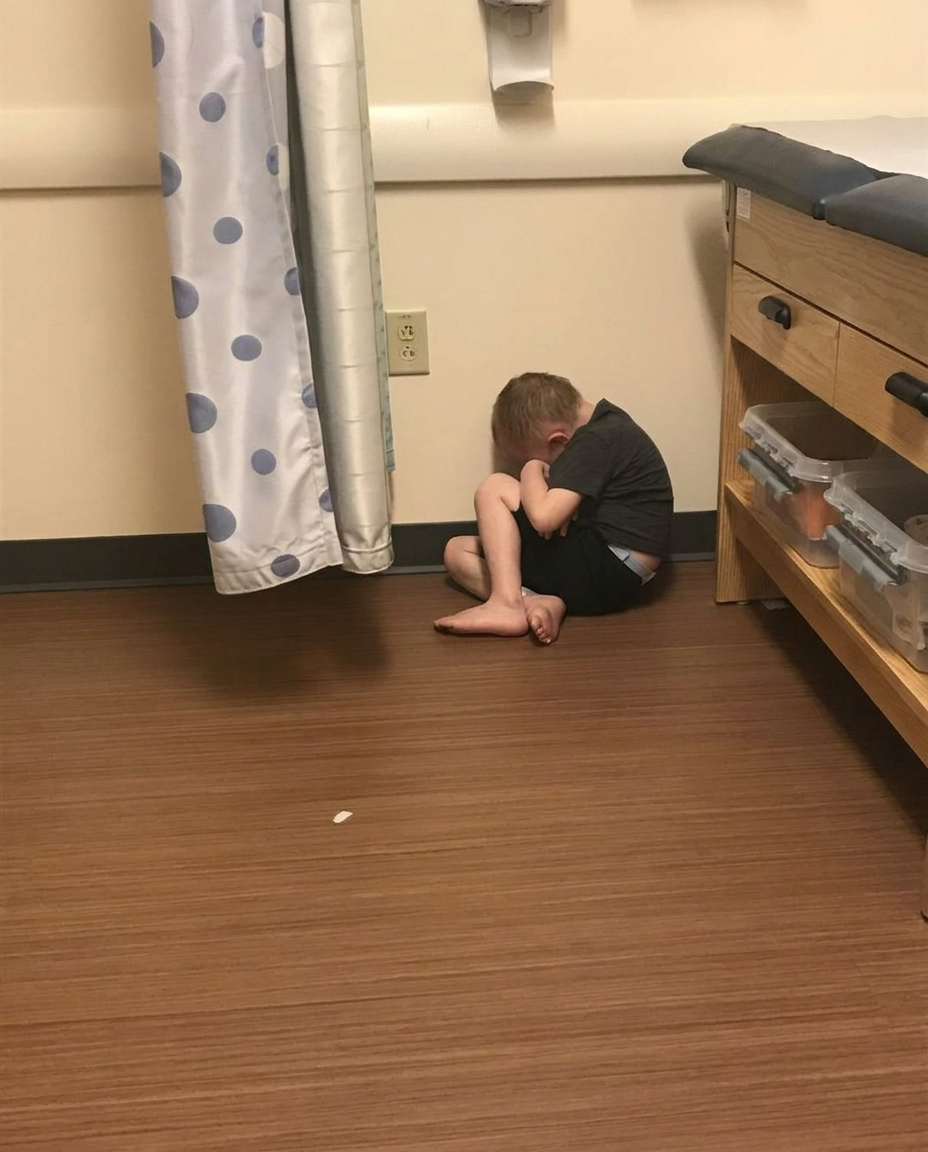
Nobody told me my son's meltdowns had nothing to do with behavior and everything to do with what his brain was missing. I need to tell you something I haven't told many people. Because for a long time, I was too ashamed to say it out loud. I used to lock myself in the bathroom after his meltdowns. Not to cry, at first. Just to breathe. Just to get thirty seconds where nobody needed anything from me. But then one night — a Tuesday, I think, maybe six months into the worst stretch of it — I sat down on the cold bathroom floor and I just... fell apart. My son had screamed for forty-seven minutes because I put his cup on the wrong side of the plate. Forty-seven minutes. And I sat there on that tile thinking: What am I doing wrong? Every single day I try so hard. And every single day it gets worse. What is wrong with me? That thought — what is wrong with me — was the thought I lived in for almost two years. Let me back up. My son, Eli, was diagnosed with ADHD at six. I was relieved when we got the diagnosis. Finally, a name for it. Finally, something I could research, tackle, fix. I am not the kind of person who gives up. I want you to know that. I cut out artificial dyes inside the first month. Every meal was clean, labeled, intentional. I kept a food journal for him for eleven weeks straight. I made a behavior chart with a laminator I bought at eleven-thirty at night from a Walmart that was forty minutes away. We did the therapy. Every Tuesday at four PM, a woman with a diffuser running and soft carpet and a voice like she'd been trained to slow people down. Thirty-two sessions. I drove there in traffic with a kid who'd already had three meltdowns before noon. I bought magnesium. Then fish oil. Then a zinc chewable that he'd eat one day and throw across the kitchen the next. I read three parenting books — one about the explosive child, one about sensory processing, one about gentle discipline — and I tried every single strategy in all three of them. None of it worked. Not "didn't work great." Not "helped a little." None of it worked. And the mornings kept coming. The meltdowns kept coming. The calls from his teacher kept coming. And that quiet, terrible question kept coming with them: Is this my fault? I don't know how to describe what it feels like to love someone more than you've ever loved anything and still feel like you are ruining them. But if you have a kid with ADHD, you might already know. The thing that changed everything happened at a birthday party. Not online. Not from a Reddit thread. Not from a therapist. From my friend Dana, who I've known since before either of us had kids, while we were standing near a folding table stacked with paper plates. She asked how Eli was doing and I gave her the usual answer. "We're managing. It's a lot. He's a great kid." She looked at me for a second too long. "Can I tell you something?" she said. "Something I almost didn't tell you because I didn't want to overstep?" I said yes. She told me she'd been going through something similar with her daughter. Seventeen months of the same story — the meltdowns, the guilt, the failed supplements, the feeling of drowning in plain sight. And then she found out something. She didn't lead with a product. She didn't lead with a miracle. She just said: "There's a nutritional piece that most doctors never test for. And once I understood what was actually happening in her brain — not the behavior, but the chemistry behind the behavior — everything made more sense." I remember my jaw was tight when she said it. I'd heard things like that before. I'd been burned by things like that before. But something in the way she said it — the way she wasn't selling me anything, the way she looked a little tired and a little relieved at the same time — made me keep listening. She explained what she'd learned. That for a lot of kids with ADHD, the meltdowns and the inability to focus aren't just behavioral. They're biological. That the brain needs specific nutrients to produce dopamine — the chemical that controls focus, impulse regulation, emotional balance. And that kids with ADHD are often severely depleted in the exact nutrients that make that dopamine production possible. Iron. Zinc. Magnesium. B12. Not depleted like "a little low." Depleted like the system is running on fumes. She said: "Eli's brain isn't misbehaving. It's malnourished. And when the brain can't make enough dopamine, it can't regulate. It physically cannot. It doesn't matter how good your behavior chart is." I stood there next to the paper plates and I felt something shift. Not the good kind of shift, at first. The uncomfortable kind. Because if that was true — if the cause was a nutritional gap, not a parenting gap — then I'd spent two years solving the wrong problem. And all those Tuesday drives to therapy, all those laminated charts, all those mornings I sat on the bathroom floor wondering what was wrong with me... None of it could have fixed what was actually broken. Not because I failed. Because nobody told me what to look for. I almost didn't follow up on what Dana said. Old habit. Protect yourself. Don't hope again. But I couldn't sleep that night. I was on my phone at 2:19 AM, doing the kind of research you do when you're too tired to be skeptical and too desperate to stop. And everything I found pointed to the same thing she'd described. Study after study. Deficiencies in iron, zinc, and magnesium correlating directly with the severity of ADHD symptoms. Dopamine production requiring specific micronutrients as raw material. The brain of an ADHD child burning through those nutrients faster than a neurotypical brain. Dana had mentioned something called Bloomwise — something she'd been using with her daughter for a few months. She hadn't led with it. She'd almost mentioned it as an aside, the way you'd mention any ordinary habit. "Oh, and there's this thing we started. I don't want to make it sound like a magic pill — it's not. But once I understood what the brain actually needed, it was the piece that finally made sense to add." I looked it up that night. I wasn't expecting much. We started Eli on it and I want to be careful about how I say this next part. Because I've been burned by "week two everything changed" stories. I don't have one of those. What I have is this: There was a morning — I couldn't tell you exactly when, maybe five or six weeks in — where he asked for breakfast without any prompting and sat down and ate most of it without a single incident. I stood at the counter with my coffee and didn't know what to do with the quiet. That was it. That was the first thing. Then there was a night where we got through homework — all of it — in under forty minutes. And I said goodnight to him and he said goodnight back and that was the whole exchange. No escalation. No residue. It didn't happen every day. It still doesn't. But something had shifted. The frequency of the explosions was different. The recovery was different. He came back from the edge faster. And one morning he was coloring at the kitchen table — not because I asked him to, just because — and he looked up and said, "Mom, I feel good today." I went to the living room so he wouldn't see my face. What I know now that I didn't know for two years: The meltdowns were never about his behavior. They were about a brain that didn't have the raw material to regulate itself. Not a character flaw. Not a parenting failure. Not a "difficult child." A biological gap that none of the doctors, therapists, or parenting books ever pointed at directly. Once I understood that, I stopped asking what am I doing wrong. And I started asking: What does his brain actually need to work the way it's supposed to? That question led somewhere different. I'm not sharing this because I have it all figured out. I don't. I'm sharing it because I was sitting on a cold bathroom floor two years ago, fully convinced I was failing my son. And I want you to know: if that's where you are right now — that thought isn't the truth. It was never about you. It was about something underneath it that nobody told you to look for. If any part of what I described sounds familiar — the meltdowns, the exhaustion, the failed solutions, the slow quiet erosion of believing you're doing enough — please just look up what I looked up that night. Start with the nutritional piece. Understand what the ADHD brain actually needs to make dopamine. And if you want to know specifically what we use, it's Bloomwise. Dana didn't oversell it and I won't either. It's not magic. It's just the right fuel for a brain that was running empty. And for Eli — for our mornings — that made all the difference. Click below to learn more.
Like this ad? Make it yours.
Crush rebuilds this exact creative around your product — your brand, your colors, your offer — in about a minute.