Active· since Jun 4, 2026
- 99
- days running
- 0
- relaunches
Ad copy
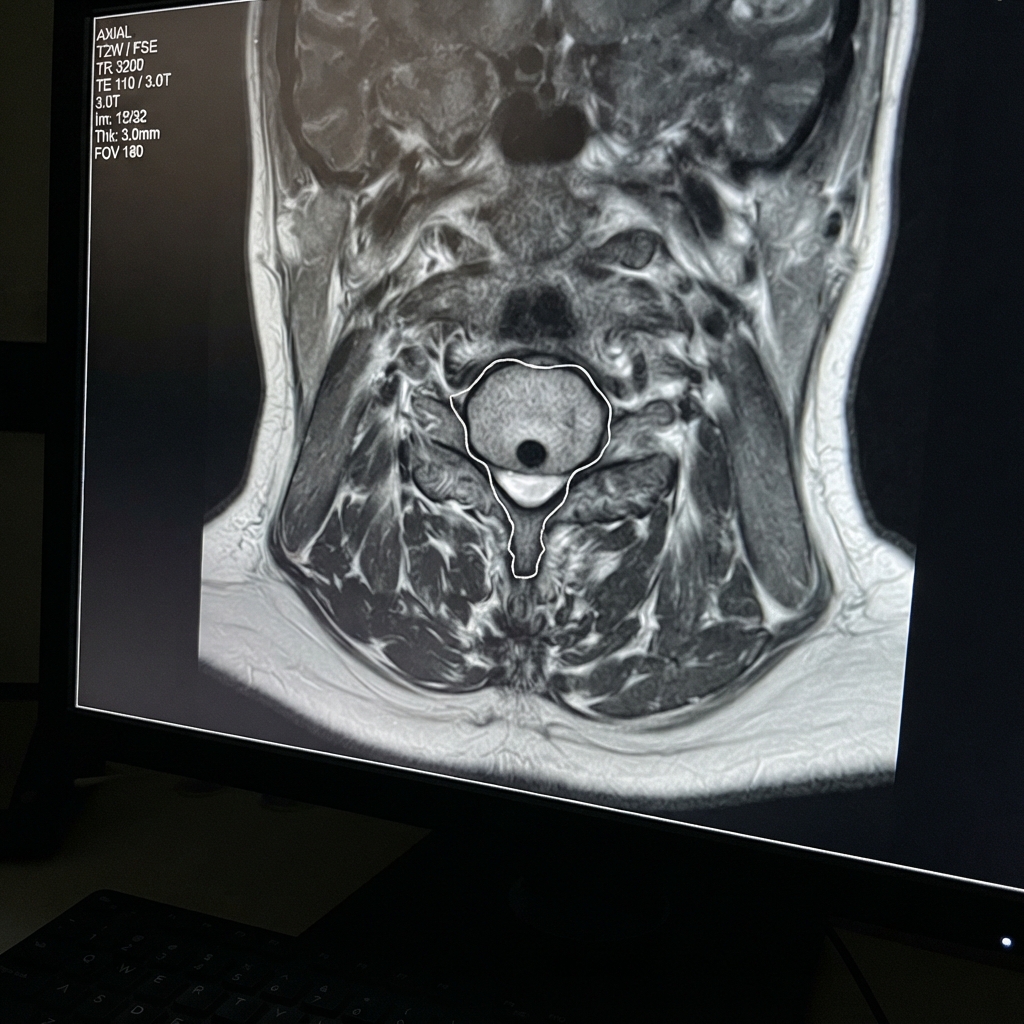
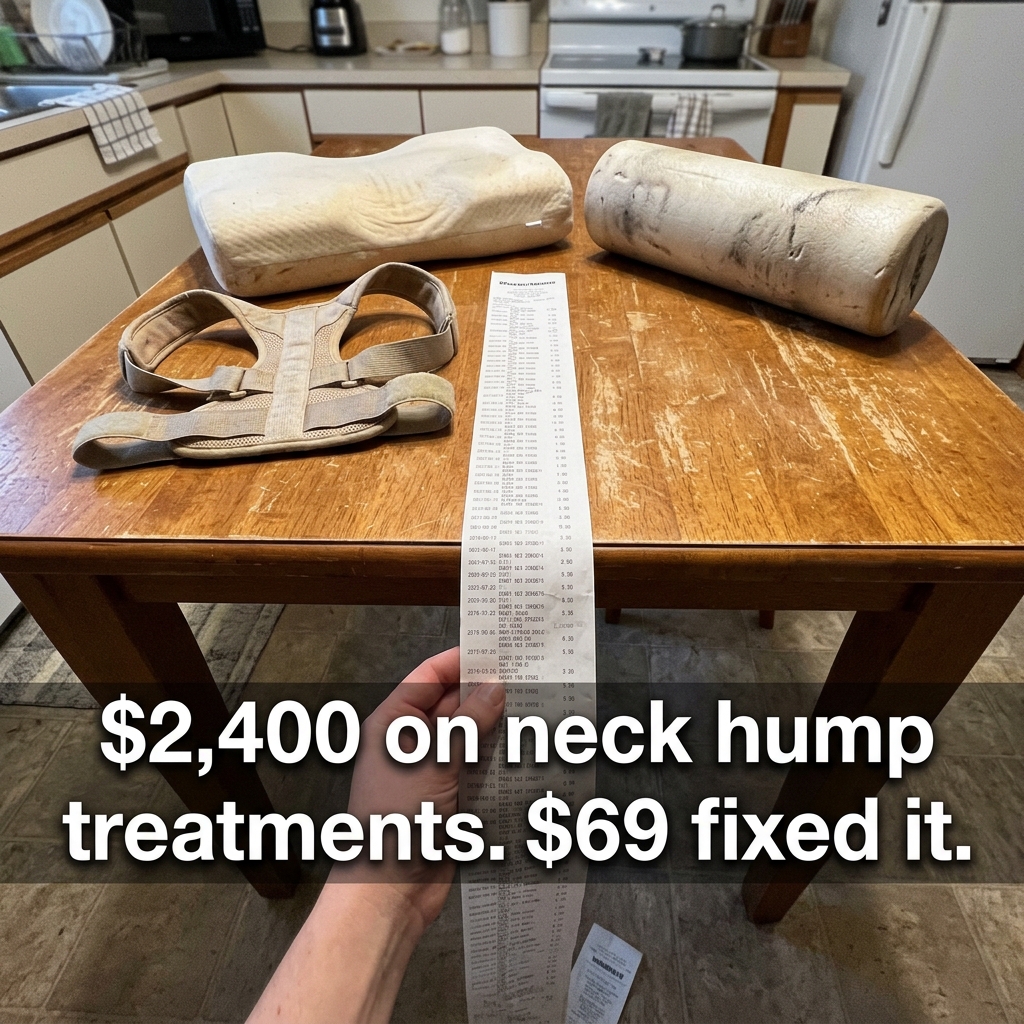
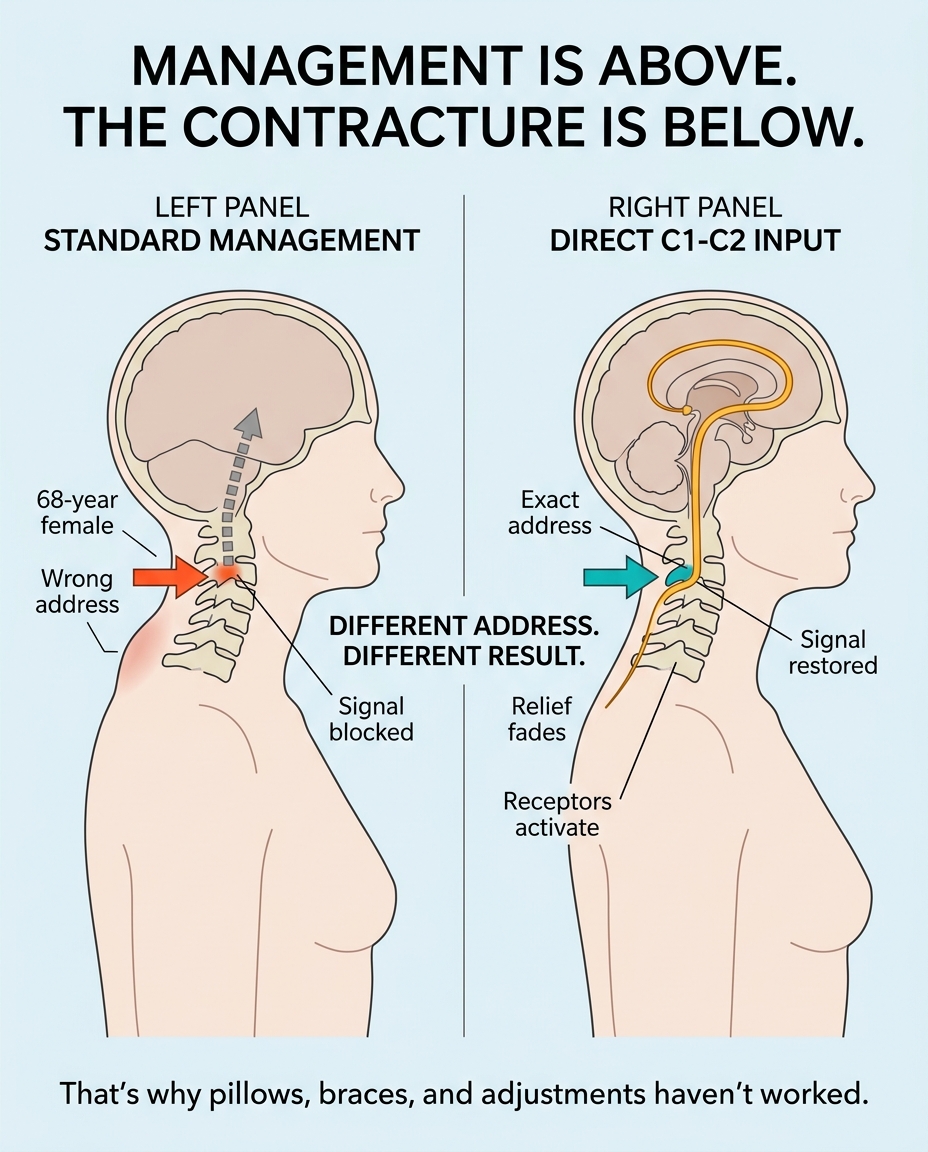
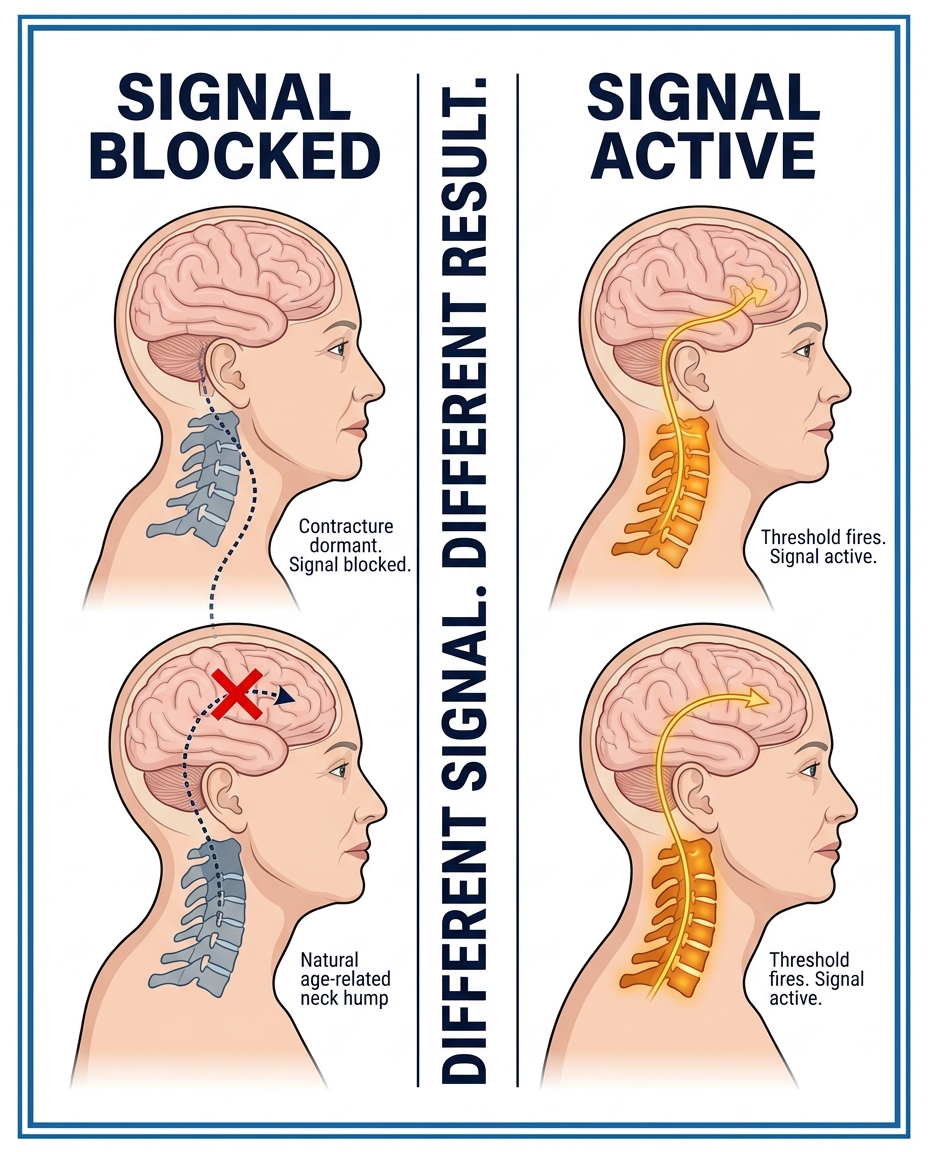
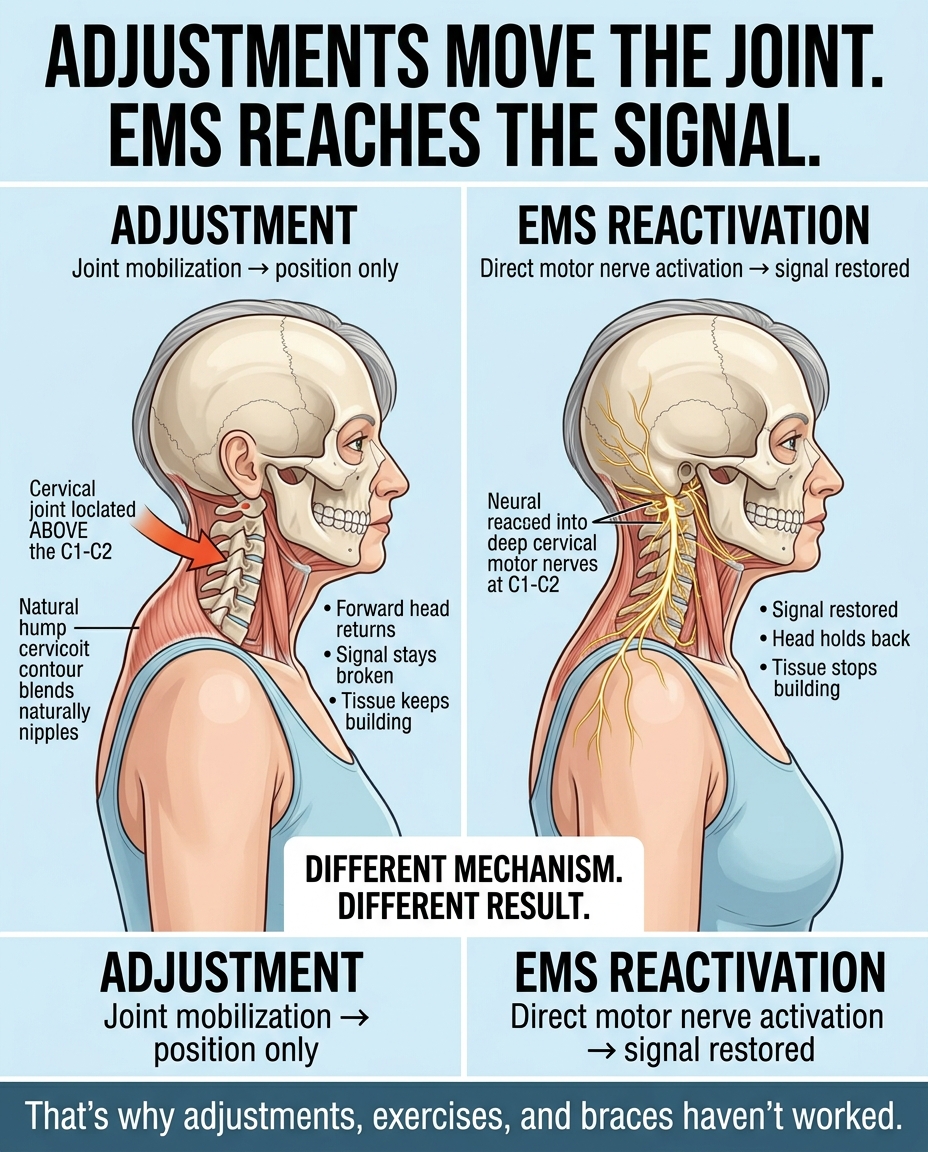
I'm an elementary school teacher. Was. I taught fifth graders for 28 years. I taught at four different schools across two districts. I had 28 kids in front of me every day, no camera, no filter, just my presence carrying across a classroom of 11-year-olds for six hours a day. I stood at the board. I walked the rows. I leaned over desks. I stood in photographs. I appeared at assemblies. I was at the front of every class photo for 28 years. My presence was my whole job. Then 18 months ago, it started leaving me. Not all at once. Slowly. The way a candle gutters before it goes out. First it was just in the photographs. I'd appear at the edge of the class photo instead of the center. By the end of the first term I was the one holding the camera. The kids in the front row started looking behind them to find me. Then it started in the morning. I'd stand at the wardrobe for twenty minutes before school. Calculating. Which outfit would work. Which angle I could stand at. Which wall I could put my back to during assembly. Then the stepping back came. Quiet. Automatic. Worse during school events. Worse at parent nights. A retreat that interrupted the classroom, the staffroom, the school gate. The parents started asking my teaching partner if I was all right. I'm 56 years old. I have never had bad posture in my life. I do yoga three mornings a week before school. I follow every recommendation a teacher who lives by her presence is supposed to follow. And I was building a neck hump like someone who had been hunched over a desk since high school. Let me tell you about the practitioners. I went to my GP first. She looked at my cervical measurements. Stable. "Probably postural habits from classroom work." Sent me home with posture awareness exercises. I waited. It kept building. I went back. She referred me to a physiotherapist. Assessment — mild forward head translation. "That's probably it." Prescribed a home exercise program and a cervical pillow. I bought the pillow. Did the exercises. Did the program every morning before school. The tissue kept building. I went to a chiropractor. Cervical assessment — normal. He said, "It might be thoracic restriction from years of classroom posture." Adjusted my mid-back twice a week and gave me a foam roller protocol. I rolled religiously for three months. The hump didn't change. Not even a little. He added a second protocol. Then a third. Then said, "Some cervical progressions are just hard to manage." Some cervical progressions are just hard to manage. That's what months of specialist sessions gets you. I went to a manual therapist. She assessed my deep cervical muscle activation. Said it was significantly reduced. "Consistent with neuromuscular inhibition." I said, "But I've been doing everything right." She said, "That's the problem with neuromuscular inhibition. You can do everything right above it and still have ongoing tissue buildup. The exercises ask the inhibited muscles to respond to a signal that isn't reaching them. The adjustments mobilize the joint above without restoring the signal below. You don't address the joint above. You restore the signal directly." 18 months. Four practitioners. Posture habits, thoracic restriction, cervical pillows, three protocols. And it was neuromuscular inhibition the whole time. She put me on direct cervical reactivation. Twice weekly sessions. "Give it nine months." I gave it nine months. The tissue reduced maybe 20%. The forward pull went from constant to frequent. The morning calculation went from twenty minutes to most mornings. 20% after nine months of twice-weekly specialist sessions. She added a home brace. Added traction. Told me to limit forward head activities, stop screen time after eight, avoid all trigger positions. I did everything. Everything. I followed the protocol to the letter like my career depended on it — because it does. I'm a teacher. I stand in front of 28 children every day. I appear in photographs. I lead assemblies. I stand at the front of the room for six hours and my presence is the instrument I teach with. And I was doing it all with a visible tissue accumulation that made me calculate every angle, step back from every photograph, and stand at the back of every assembly lineup. Nine months of maximum management and I was still building. Still calculating. Still stepping back. She assessed me again. Same tissue readings. She said, "Neuromuscular inhibition is notoriously difficult to address through surface approaches. Management helps some patients. Others don't respond as fully. The tissue accumulation is driven by the broken brain-muscle signal — and that signal can persist even when the joint above is being mobilized regularly." Then she said, "You may want to think about adjusting how you position yourself in the classroom. Maybe a role with less frontal visibility requirement. Some teachers move into curriculum design or administration when their cervical progression affects their confidence." A role with less frontal visibility requirement. I was 56 years old. I had two and a half years until retirement. I was going to lose those years. I was going to lose the kids. I was going to lose the part of my identity that had stood at the front of a classroom for 28 years. I drove home that day and didn't say anything to my husband all evening. Here's what living with a building neck hump actually looks like — the part the practitioner doesn't see: You start positioning yourself at the back of every staff photograph because every frontal angle makes you calculate. You tell yourself you prefer to be at the back. The other teachers stop asking why. You stop standing at the front of the classroom for long stretches. You used to walk the rows and then stand at the board and be visible from every seat — 28 years of that — and you can't do it anymore the same way. You find yourself staying at the side, back to the window, where the angle is kinder. You stop volunteering for assembly speeches. You stop volunteering for parent night presentations. You stop signing up to represent the school at district events. You stop everything that requires your full visible presence in front of more than ten people. You become the teacher who "prefers to be behind the camera." You see the look on the school photographer's face when you step back again. You see the look on the principal's face when you ask if there's a possibility of a less front-facing role. You become the woman in the staffroom who adjusts her collar forty times before she walks into a room. Your teaching partner asks if you're cold. You say yes. You're not cold. Your career — the thing you built from age 22 until now — is being taken from you one backward step at a time. And the only plan is "do your management, adjust your positioning, consider a different role." For the next eight months, I tried every tool the cervical forums and health threads recommended. Cervical traction device — used it daily. No lasting change. The signal stayed broken. The tissue kept building by morning. Postural brace — wore it for three months. Held the position while I wore it. The moment I took it off the head drifted forward again. Eight hours of bracing, zero hours of retained signal change. McKenzie protocol — followed it precisely. Improved range of motion temporarily. Back to baseline within 48 hours. My practitioner called it "normal for inhibition cases." Cervical pillow — supported the curve overnight. The tissue was still building by the time I got to school. Foam roller — reached the thoracic spine. The inhibited deep cervical motor nerves? Never even touched. Dry needling — targeted the surface muscle tension. The deep cervical fibers where the inhibition was actually occurring? Not reached. I added it up. $2,400 over eight months. Eleven half-used tools in a basket in the spare room. Every tool had the right idea. Wrong target. Every traction device addressed the joint. Every brace held the position externally. Every exercise asked inhibited muscles to respond to a signal that wasn't reaching them. Every foam roller worked on the thoracic spine, not the deep cervical motor nerves. Nothing directly activated the inhibited signal. Nothing forced the inhibited muscles to fire. Then a teacher in my district — a woman named Carol who had retired from second grade two years before I had planned to retire — pulled me aside at our union meeting and said five words I will never forget. "I had what you have." I stared at her. She told me she had been on management for two years. Her presence was gone. She had taken early retirement at 58 because she could not make it through a school day without stepping back from everything. Her career ended on a Tuesday in March. Then she had found something that "actually restored the signal." She said the words "restored the signal" like they were a miracle. She showed me the device. Cevera. She showed me the specifications. Direct electrical muscle stimulation. Motor nerve pathway targeting. 8 unique programs for different stages of inhibition. 19 adjustable intensity levels. 15 minutes, whenever it suits you. Engineered specifically for the deep cervical musculature. Every parameter. Every specification. Everything I had read about in the research forums but never found in a single device I could use at home. This wasn't a brace. It wasn't a traction device. It wasn't asking the inhibited muscles to respond. It bypassed the broken signal entirely. It delivered gentle electrical pulses directly to the inhibited motor nerves and forced them to activate regardless of what the brain was or wasn't sending. Carol said, "I'm subbing again. Three days a week. I made it through six full days last month. Front of the room. Every day." I ordered it from the parking lot of the union hall. Right there. I didn't tell my husband. I didn't tell my principal. I didn't tell my manual therapist. I had told too many people about hope already and I was tired of disappointment. I figured this was my last try. After this I would start the paperwork for a different role. I literally thought that. First session, that evening. I used it for 15 minutes the way the instructions said. The sensation was the first thing I noticed. Targeted. Reaching. A depth that no surface approach had ever touched. I could feel it working in a layer I had never felt anything reach before — the deep cervical layer where the inhibition was actually occurring. The electrical pulses had a quality — precise, penetrating, activating something that had been quiet for 18 months. I had never felt a device do anything like that. Day 2: I walked into school and stood at the front of the room for morning meeting without calculating my angle once. My teaching partner didn't ask if I was okay. Day 5: I stood at the front of the classroom for a full read-aloud for the first time in five months. Thirty minutes. Standing. Visible from every seat. My neck felt different. The kids in the back row didn't move closer. They didn't need to. I went into the supply closet afterward and cried for ten minutes. Day 9: I appeared in the staff photograph. Front row. I haven't done that in seven months. The photographer looked at me and said, "There you are." Week 3: The morning calculation was gone. Not shorter — gone. The twenty-minute wardrobe calculation that had been part of my mornings through 18 months. I lay in bed Sunday night thinking about the week ahead and didn't calculate a single angle. I cried again. I'm not someone who cries. Week 6: I made it through a full parent night — three hours, frontal visibility, group photographs at the end — without stepping back from a single one. Not even at the end when I was tired and it would have been easy to drift to the edge. Week 9: My manual therapist assessed me. She looked at the readings, then at me, then at the readings again. She said, "Your tissue is measurably different. Your forward head position has reduced from 2.9cm to 1.8cm. What changed?" I showed her the device. She looked at the specifications for a long time. Then she said, "Direct EMS to the deep cervical motor nerves. That makes complete physical sense for neuromuscular inhibition. Surface approaches and joint mobilization miss it entirely. I don't know why nobody has engineered this specifically for home use before." I said, "Neither do I." I ordered four more from her parking lot. I'm not running out of this. Ever. Carol is still subbing. Three days a week. She says she might pick up a permanent role next year. I told my teaching partner Patricia. She has had the same forward pull for four years — managed as "postural fatigue" after a difficult year. She started Cevera last month. Week three she sent me a message: "I stood at the front of the room for an entire assembly without checking my reflection once. I haven't done that since 2022." I told my sister-in-law. She has been on management for six years for "cervical progression" that no one could fully address. Started two weeks ago. Yesterday she called me and said, "Why didn't you tell me sooner?" We are fans for life. I didn't intend to write something this long. But I'm a teacher, and teachers explain things. We don't trust short answers. We trust the long version with all the parts. I spent two and a half years being told to "manage it." To "consider a different role." To attend sessions that helped 20% and use tools that physically could not reach the signal that was driving the progression. Cevera is the first thing that restored the signal. Because it delivers direct electrical activation to the inhibited motor nerves. And direct electrical activation is the only approach that makes sense when the failure is in the signal, not the position. Thank you for giving me my classroom back. For giving me my presence back. For letting me retire on my own terms — not because a neck hump forced me to the back of every room. It still genuinely amazes me that 15 minutes a day did what two specialists, eleven tools, and twenty-four months of effort could not. — Margaret 👉 Try Cevera Risk-Free: https://trycevera.com/pages/adv2-womens-wellness-report 🛡️ 90-Day Money-Back Guarantee ⚡ 8 unique programs · 19 intensity levels · Direct cervical EMS 💡 15 minutes — direct motor nerve activation for deep cervical reactivation
Like this ad? Make it yours.
Crush rebuilds this exact creative around your product — your brand, your colors, your offer — in about a minute.