Cristina Smith
 Facebook ad: “Read this if you blank on words”
Ran for 81 days, from August 19 to November 8, 2026, the last day Crush saw it.
Run by Cristina Smith on Facebook. Crush is not the advertiser and does not verify its claims. See this ad in Meta's Ad Library(opens in a new tab)
Make your own version of this ad
Crush makes it, launches it in your own Meta ad account, scales the winners and pauses the losers.
About this ad
- Meta Ad Library ID
- 2113807049211242
- Platforms
- Facebook, Instagram, Audience Network, Messenger and Threads
- Relaunches
- 0
Ad text
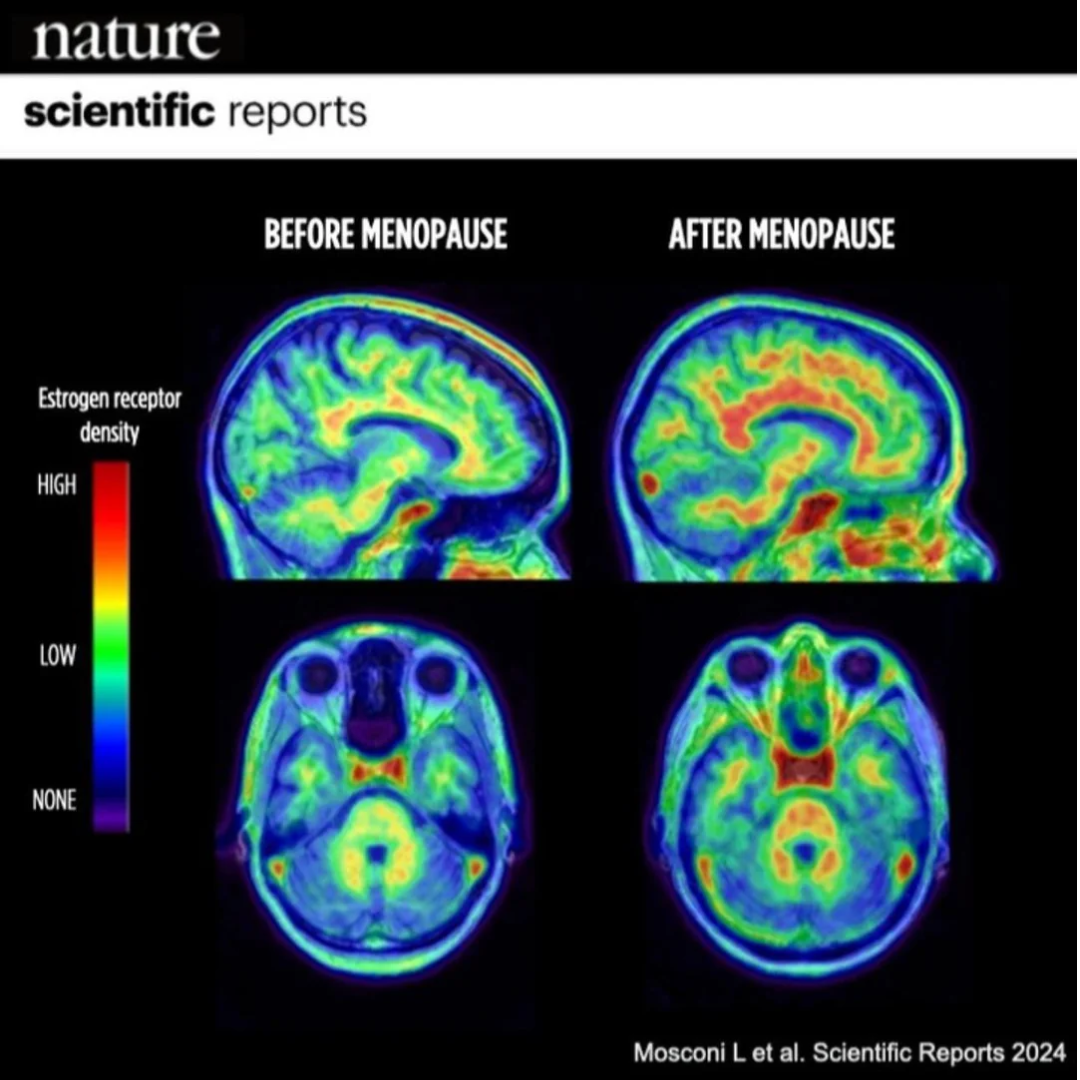
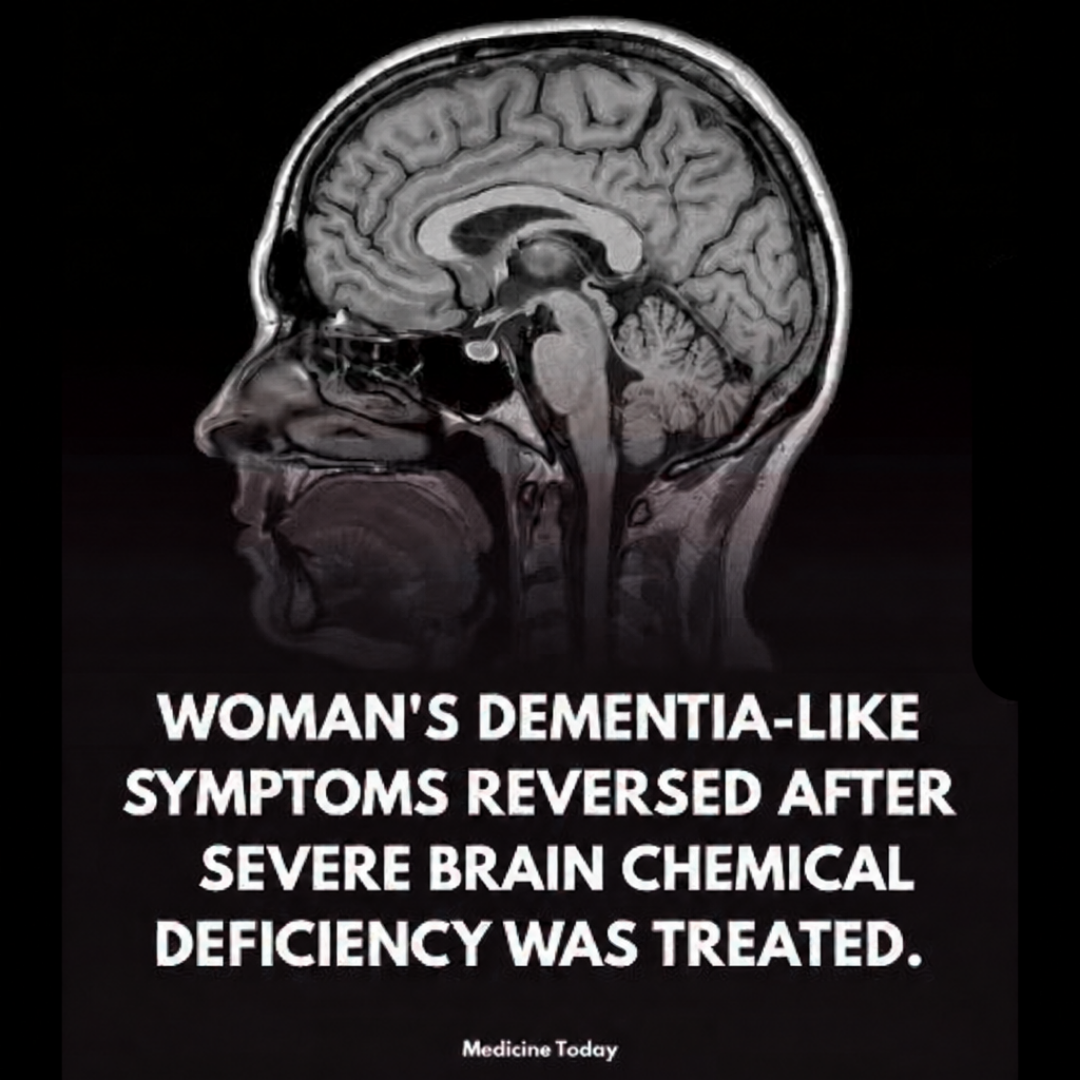
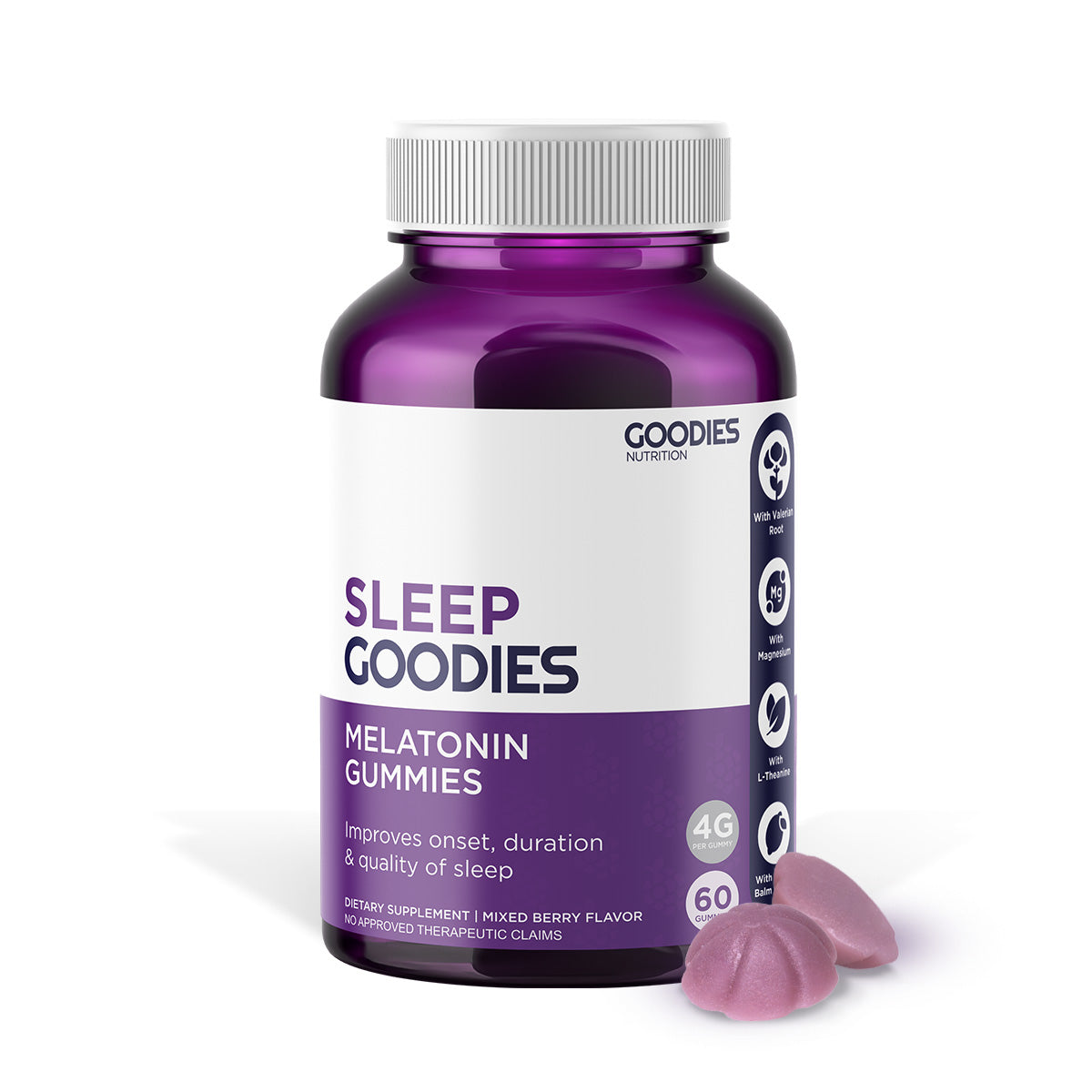
After 23 years as an OB-GYN, the hardest thing I've had to admit is this: the HRT my patients trust most was never designed to touch the brain fog that's threatening their careers. Let me explain. But before I do, I need to describe what's been walking into my office for the last five years. And I want you to tell me if it sounds familiar. She's mid-sentence — a sentence she's said a hundred times — and the word just isn't there. She can feel the room waiting. She's keeping secret notes on her phone. Names she should know. Details she confirmed yesterday. Things she used to carry effortlessly. A coworker she's worked with for years. She's looking right at her. The name is gone. She re-reads every email three times before sending. Not for typos. Because she doesn't trust her own sentences to make sense anymore. She's using ChatGPT to draft messages she used to write in two minutes. Then editing the output so nobody knows it wasn't hers. She's working twice as hard to produce half of what she used to. Burning her evenings compensating for gaps that keep widening during the day. She's turning down projects she would have jumped at two years ago. Not because she lost ambition. Because she no longer trusts her brain to deliver when it matters. She's sitting in her car in the parking lot. Engine off. Hands on the wheel. Unable to remember if she's arriving or if she already went inside and came back out. She's lying awake at 2am, phone in hand, Googling "early onset dementia symptoms." Because what if this isn't menopause. What if this is permanent. What if this is just who she is now. And there's a sentence she's said to herself that she hasn't said out loud to anyone. Not her husband. Not her sister. Not her doctor. "I don't feel like the person I used to be." If you just recognized yourself in my patients' words — what I'm about to share is the answer I couldn't give them for the first twenty years of my career. My name is Dr. Blackwell. I'm an OB-GYN with 23 years in practice, most of them focused on menopause and hormonal health. For the better part of two decades, I prescribed HRT with total confidence. Estrogen patches. Progesterone capsules. Bioidenticals. My patients came back within months, smiling. Hot flashes softened. Night sweats stopped. Sleep returned. I thought I was solving the problem. Then, roughly 8 to 14 months later, the same women started coming back. Not with the old symptoms — those were handled. With something new. The fog. The blanks. The word retrieval failures. A look in their eyes I hadn't seen before HRT — not frustration. Fear. I adjusted doses. Ran more bloodwork. Told them to give it time. The fog didn't move. Last spring, a patient I'd treated for nearly a decade came in for a follow-up. Rachel. Late forties. Led a team of twenty people. She'd been on HRT for fourteen months. Estrogen stable. Hot flashes gone. Sleep restored. Every marker I tracked looked exactly right. She didn't look right. "I got my first performance flag last month." She said it flat. "Eighteen years. Not one flag in eighteen years. Now I'm the one they're worried about." She told me about the blanks. The processing speed that felt like pushing through sand. Follow-through falling apart in places she'd never fallen apart. Then she went quiet. Looked down at her hands. "I need you to tell me the truth." Her voice dropped. "I've been reading about early-onset dementia. I've looked up every symptom. I have all of them. Is that what this is? Because if my brain is going to keep getting worse, I need to plan for that. I need to tell my family." I knew it wasn't dementia. Her bloodwork was clean. Her hormonal picture was textbook. But when I told her — "It's not dementia, Rachel" — I heard how hollow my own words sounded. Because I couldn't explain what it actually was. I couldn't tell her why her estrogen was stable and her brain was still failing her. "It's not dementia" without an answer for what it is doesn't help a woman who's already rehearsing how to tell her children. She thanked me. Smiled the way patients smile when they know you didn't have the answer. And she left. I went home that night and couldn't stop thinking about her face. The steadiness when she said dementia. The calm when she said "I need to plan for that." She wasn't panicking. She was preparing. That was worse. And I realized what I'd been doing for years. Celebrating the wins — hot flashes resolved, sleep restored, mood stabilized — while my patients were quietly losing the thing that mattered most. Their sharpness. Their professional identity. The thing that made them, THEM. I'd been treating the body and missing the brain. That night, I started asking a question nobody trained me to ask. HRT stabilized the hormones. So why was the brain fog still there? That question followed me home. I pulled up research I hadn't touched since residency — not the HRT protocols I'd been trained on, but the neuroscience underneath them. The relationship between estrogen and the brain that I'd never had a reason to look at closely. Until now. What I found reframed everything I thought I understood about why my patients were still struggling. Estrogen isn't just a reproductive hormone. It's directly responsible for delivering THREE specific chemicals in the brain — the chemicals that control word retrieval, calm under pressure, and mental energy. During perimenopause, as estrogen destabilizes, those three chemicals drain. Slowly at first. Then completely. The first chemical is acetylcholine. Acetylcholine carries words from storage to speech. When the brain runs out of it, the word doesn't disappear — the signal that retrieves it goes dead. The word is still in there. It's just unreachable. I thought about every patient who'd described the same thing — mid-sentence, the word gone, the room waiting. The women keeping notes documents on their phones just to hold onto details they used to know without thinking. I'd been hearing this for years. I just didn't know what it was. The second is GABA. GABA is what keeps the nervous system steady when she's under cognitive pressure. When it's depleted, the brain floods with stress chemicals instead. She doesn't just lose focus. She locks up. Freezes. I thought about Rachel. Sitting across from her boss while a performance flag landed on the desk. Eighteen years of exceeding expectations, and at the moment she needed her brain most, it went completely silent. That wasn't weakness. That was a chemical deficit. The third is dopamine. Dopamine is what makes thinking feel possible. When it runs low, every task takes twice the effort it should. She's not lazy. She's not burned out. Her brain is trying to run without fuel. I thought about the women telling me they'd started using ChatGPT to draft emails they used to write in seconds. Not because they didn't know what to say — because their brain could no longer generate the effort to say it. They weren't losing intelligence. They were losing the chemical that powers it. Three chemicals. All three depleted during the years estrogen was destabilizing. All three still depleted after HRT got it back on track. Here's how I explain it to my patients now. Think of estrogen as a delivery truck. Every day, for decades, it carried these three essential chemicals to your brain. Reliably. Automatically. You never had to think about it because the truck always showed up. Then perimenopause shut the truck down. Not all at once — some days it arrived, some days it didn't, some days it showed up half-empty. For months, sometimes years, those deliveries were failing before anyone noticed. By the time HRT got the truck running again, the chemicals it was supposed to deliver were already gone. HRT fixed the truck but nothing restocked what was on it. That was the gap. That was what I'd been missing. That was what nobody taught me in medical school, and what I hadn't been telling my patients for over two decades. That's why the hot flashes stopped but the fog didn't. The truck is running. There's nothing left to deliver. And that patient sitting in my exam room — the one who asked me if she had dementia, the one already rehearsing how to tell her children — she wasn't losing her mind. She was running on empty. You're not crazy. You're not developing early-onset dementia. Your brain has been operating without three chemicals it cannot function without. That's not decline. That's a depletion. Once I understood the three-chemical depletion, something else clicked — I finally understood why my patients kept coming back frustrated after trying supplement after supplement on their own. They weren't making bad choices. They were trying to solve the right problem with the wrong tools. I heard the same list from nearly every patient. Creatine was the most common. Women on Reddit swearing by it. Five grams of creatine monohydrate every morning. A few of my patients felt a lift in the first two weeks — a little more energy, a little less heaviness. But creatine supplies general cellular energy. It doesn't supply the three specific chemicals the brain is missing. It's like putting gas in a car when the battery is dead. The engine still won't start. Lion's Mane was next. Good science behind it — it repairs the connections between brain cells. But if the chemicals aren't there, if nothing is traveling on those connections, repaired wiring doesn't help. They rebuilt the roads. There was nothing driving on them. Nootropic blends. Stimulants designed for young men who want to code faster. They flood the brain with adrenaline. Wired but still foggy, now with a racing heart. Her brain didn't need more stimulation. It needed the three chemicals back. Ashwagandha and magnesium. It helped her feel calmer. Maybe sleep a little better. But calmer didn't fix the blanks. Calmer didn't bring the words back. None of it was wrong. But none of it was enough. Because none of it addressed the actual problem — the three chemicals were depleted, and nothing she'd taken had restocked them. So if HRT or these supplements didn’t restock the three chemicals, what did? I went deeper into the research. And the same three compounds kept appearing. Two decades of clinical trials. Real cognitive outcomes. Real doses. Not new science. Just science nobody had been applying to menopause. Citicoline — restocks acetylcholine. The signal that went dead. L-Theanine — regulates GABA. The one that stops the freeze. N-Acetyl L-Tyrosine — supplies dopamine. The fuel her brain has been running without. Those three compounds put the chemicals back on the truck. I could have stopped there. Three chemicals depleted. Three compounds to restock them. Problem matched to solution. But the research kept showing me something else. While the brain was running without those three chemicals, damage was building. The connections between brain cells wore down from disuse. Inflammation settled in where the chemicals should have been. And every public failure — every blank, every freeze, every moment she couldn't perform — triggered a stress cycle that compounded the depletion and made the damage worse. Restocking the three chemicals is essential. But if the pathways they travel on are degraded, the chemicals can't do their full job. Both layers have to be addressed — the fuel and the infrastructure it runs on. I started looking for a formula that matched the diagnosis. All three compounds at clinical doses, plus ingredients that address the pathway damage. One formula. Complete. What I found was disappointing. Citicoline on its own. L-Theanine buried in a sleep formula alongside melatonin. Tyrosine in a pre-workout stack designed for twenty-something men at the gym. "Brain health" blends with one or two of the three at doses too low to do anything, hidden inside proprietary blends that wouldn't tell me the actual amounts. Then I looked at the menopause supplements. Hot flash formulas. Black cohosh. Pink labels. Soft language about "finding your calm" and "hormonal balance." Not one of them designed for a woman whose estrogen is already stable and whose brain is still falling apart. Two categories of products. One built for brains but not for menopause. The other built for menopause but not for brains. Nothing built for the specific problem I'd spent months identifying. Then, during a late-night research session, I came across a formula I almost scrolled past. I opened the supplement facts panel the way I open a research paper — expecting underdosed compounds, proprietary blends, another product built for a problem that isn't the one I'm treating. Citicoline at 250mg. The clinical dose. The compound that restocks acetylcholine — the word retrieval signal that went dead. L-Theanine at 100mg. GABA regulation. The chemical that keeps her steady under pressure instead of freezing. Not in a sleep formula. Standalone. Clinical dose. N-Acetyl L-Tyrosine at 175mg. Dopamine. The chemical that makes thinking feel possible. Not in a pre-workout. Not paired with stimulants. The dose the research supports. Then the second layer. Lion's Mane at 500mg, the clinical dose, not the 200mg in the tinctures that did nothing. For rebuilding the connections that wore down during the depletion. Phosphatidylserine for the stress cycle. Maritime Pine Bark for the inflammation. Rhodiola Rosea for the stress system running on overdrive. B-vitamins as the enzymatic tools that assemble the raw materials into functional chemicals. Every layer of the problem I'd been mapping. The three chemicals restocked. The pathway damage addressed. The stress cycle interrupted. In one formula. At clinical doses. I started recommending it to patients. Cautiously. I told them what it addressed, what to watch for, and to track what they noticed. The results started coming back. Week 1. Subtle. Patients describing it the same way — like the static in their heads had turned down a notch. The thick heaviness behind the eyes, lighter. Nothing dramatic. Just quieter. Week 3. Words coming back faster. Not perfect — but faster. One patient mentioned she'd gotten through an entire day without opening her notes document. Week 6. Processing speed returning. Patients leading conversations they would have avoided a month earlier. Confidence showing up before they realized it was back. Week 12. I run patients through the same cognitive assessment I do on their first visit. Word recall. Processing speed. The tests confirmed what they already knew three months ago — that their brain wasn't working. The improvement wasn't subtle. It was measurable. Across the board. Then Rachel came back. I noticed it before she said anything. She wasn't bracing herself. The performance concerns had been lifted. She'd volunteered for a project she would have turned down three months ago. She wasn't keeping the notes document anymore. And then she said it. "I feel like myself again." From the woman who sat in that same chair and asked me if she had dementia — those five words carried a weight I don't have a clinical term for. The formula I now recommend to my patients is called Brain Bloom. It's the only one I've found that restocks the three depleted chemicals and addresses the pathway damage in one formula, at the doses the research supports. You might be right where my patients were. On HRT. Estrogen stable. Hot flashes handled. Night sweats gone. And still blanking in conversations you used to lead. Still re-reading emails. Still keeping a notes document just to hold onto things you used to carry without thinking. Still wondering, quietly, if this is just who you are now. Here's what I now tell every patient who sits across from me with stable hormones and a brain that still isn't working. HRT did its job. It stabilized the delivery system. But the three chemicals it was supposed to deliver have been gone for months, sometimes years. And every week they stay depleted, the damage deepens. The connections continue wearing down. The inflammation doesn't clear. The stress cycle keeps running — every blank feeding the cortisol conditions for the next one. The biology doesn't wait while you decide. Now, I want to be honest with you about something. I don't believe in one-size-fits-all, and I'm not going to pretend this is a magic bullet. For some women it doesn't click. For the majority of the ones I've pointed toward it, it has quietly become the most important thing in their medicine cabinet. They also offer a 90-day money-back guarantee. That's enough time to track what you notice — whether the words come back faster, whether the fog lifts, whether the blanks slow down. Give it an honest trial. After the months and the money you've already spent on supplements that never addressed the real problem, 90 days of zero risk is the most rational next step. You're not looking for a new version of yourself. You're looking for the woman who was there before the fog took over. The one who didn't need notes to survive a conversation. Who didn't re-read every email three times. Who didn't hesitate before speaking up. She's not gone. Her brain just needs what HRT couldn't give it. I put the link below.
Where the ad sends people
getavellon.com
Read this if you blank on words ☝️
You didn't lose your drive. You didn't lose your edge. You just lost your brain — and you know it. The words that used to come easily. The focus that kept you sharp in every room. The version of you that fired on all cylinders. She's still in there. Brain Bloom is a daily cognitive support supplem...
See details: getavellon.com(opens in a new tab)