The Healthy Pet Parent
The Healthy Pet Parent Facebook ad: “Fast Relief for Itchy Ears and Skin”

Ran for 1 day, from June 2 to June 3, 2026, the last day Crush saw it.
Run by The Healthy Pet Parent on Facebook. Crush is not the advertiser and does not verify its claims. See this ad in Meta's Ad Library(opens in a new tab)
Want an ad like this for your product?
Crush makes new ad images for your product from this ad: your logo, your product photo, your offer.
Trials from $19.95 USD, then $79.95 USD a month. Cancel anytime.
About this ad
- Meta Ad Library ID
- 2115646665674778
- Platforms
- Facebook, Instagram, Audience Network, Messenger and Threads
- Relaunches
- 0
Ad text
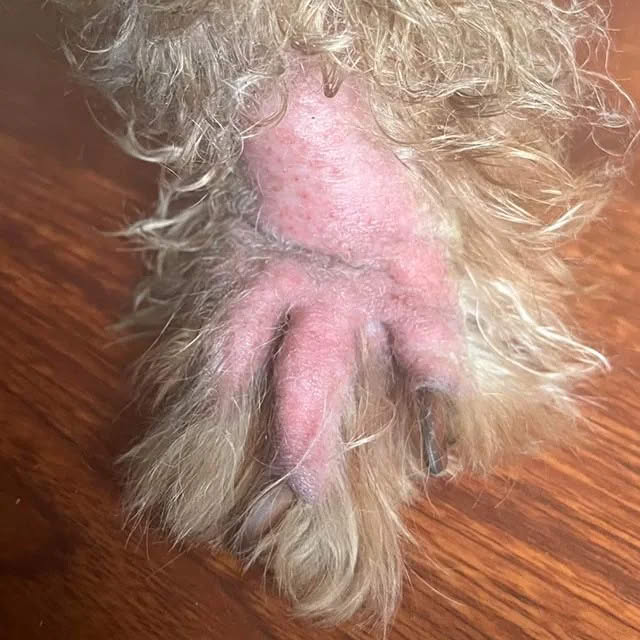
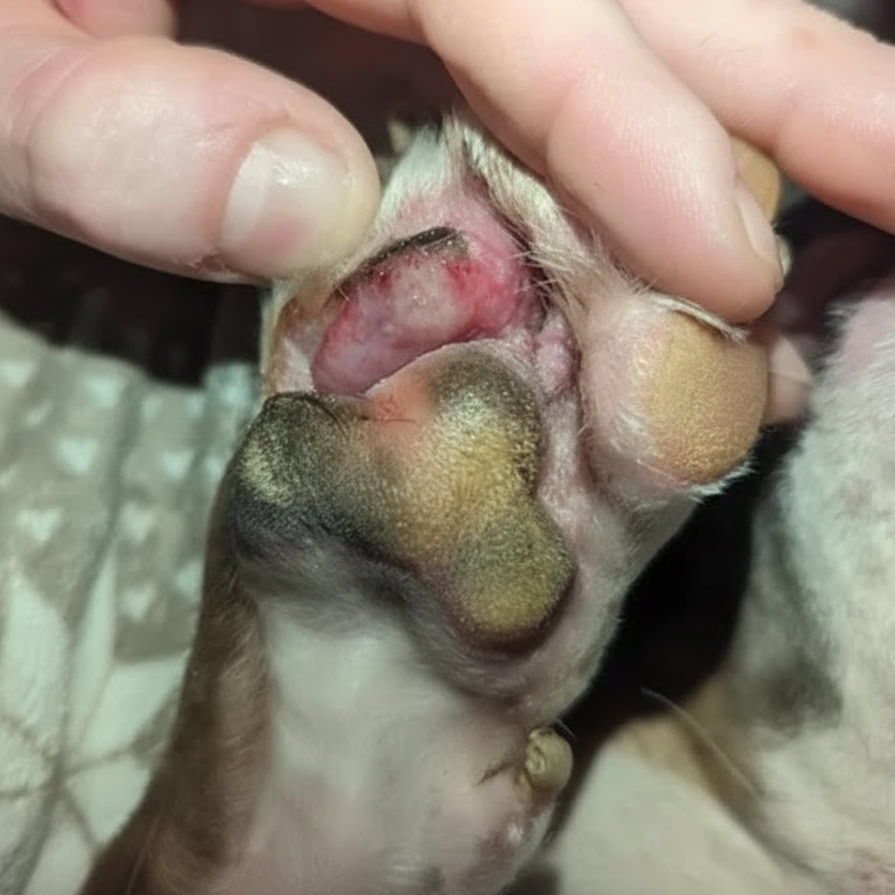
Please stop giving your dog supplements for their paw licking, itching and allergies. I know how that sounds. But every time you buy another "probiotic," another allergy chew, switch to another expensive kibble, or order another "miracle" pot off Amazon, there's a good chance you're paying for something that never goes near the root of what's actually happening. I used to be exactly like you. I'd stand in the pet aisle reading the back of allergy chews, hoping the £35 ones would do something the £22 ones hadn't. Ordering yet another bag of "limited ingredient" food online, mixing it with pumpkin and bone broth because the reviews swore it "finally stopped the scratching." Tracking every single thing my boy ate in a notes app. Cutting out chicken, then grain, then beef, then salmon — because everyone in the dog allergy Facebook groups kept telling me it was "definitely a food thing." Watching my bank account drain while he kept chewing his paws raw. I'd tried everything. I mean everything. Every supplement the groups recommended. Every "this saved my dog" comment I could find. I did exactly what I was told. And his paw licking got worse. Not better. Worse. The fur between his toes went darker — those brown stained paws you can't scrub out. The raw spots got redder. The 2am licking got louder. Every single night, that same wet, rhythmic sound from his bed. That frantic scratching at 3am that woke the whole house. I spent the best part of a thousand pounds on vet visits, specialist food and supplements in six months. His bloods came back normal. His allergy panel said "mild environmental sensitivities." My vet called it "manageable." None of which mattered when I looked at his paws and saw raw pink skin where the fur used to be. I was finally doing everything "right." Grain-free food. Limited ingredients. Salmon oil. Probiotics. Oatmeal baths twice a week. I felt like I was being the best dog mum I could be. But I'd still wake at 2am to that sound every single night. That constant licking. That desperate scratching. Every morning I'd check his paws and they looked worse than the day before. Every time I caught him at his feet, my heart broke a little more. I started putting socks on him at night, even though he hated them. Keeping him on the tiles where I could wipe his paws. Avoiding the park because I was embarrassed by the state of his feet. The worst part? I felt like I was failing him. Hundreds of pounds a month. Every bit of advice from the internet and the vet, followed to the letter. And all I could do was watch him suffer. But it wasn't failure. It was grief. I was watching my best mate be miserable every single day and I didn't know how to stop it. Three months in, I got desperate enough to try Apoquel. I thought, maybe if I just give him the tablet, the licking stops. Maybe everyone's right — maybe he just needs the "real stuff." For six weeks I gave him a tablet every single day. Watched his paws like a hawk. Checked every morning for any sign of improvement, inspected his fur, lay there at night listening for the licking. The licking eased a little. But it didn't stop. And then I started noticing other things. He seemed more tired. Less himself. The vet had mentioned the side effects — that it works by quietening the immune system, the raised infection risk, the questions over long-term use. I read the leaflet properly and couldn't sleep that night. Honestly, Apoquel just scared me. I didn't want my boy on something like that for the rest of his life, not knowing what it was doing under the bonnet. So I stopped it after six weeks. What choice did I have? The licking came roaring back, worse than before. The red spots returned. The frantic scratching. All of it, like we'd never left. I felt trapped. Like I was being forced to choose between medicating him into a fog or watching him suffer. Between long-term side effects and his quality of life right now. Between staying on something that barely worked and doing nothing at all. I booked a veterinary dermatologist. Told her everything. She did more testing — skin scrapes, cultures, another allergy panel. The lot. It came back mostly normal. A bit of yeast on his paws. "Mild atopic dermatitis." Nothing that explained why he was this wretched. "His skin looks inflamed but not infected," she said, with a shrug. "Some dogs are just itchier than others. We can try a higher dose, or move to injections." I wanted to scream. If everything was "normal," why was my boy chewing himself raw? I posted in a Facebook group again, desperate. The replies were the same as ever: "It's environmental, nothing you can do but manage it." "You're probably feeding him something he reacts to, even if the tests don't show it." "It's seasonal. Pollen and grass." "Have you tried salmon oil? Coconut oil? Apple cider vinegar?" But here's what kept nagging at me: if it was just environmental, why didn't the antihistamines work? If it was food, why did cutting out everything change nothing? Why did Apoquel barely help, then stop helping altogether? Nothing added up. And I was running out of hope. Then one night — 2:47am, I remember the exact time because I'd been lying awake listening to him for hours — I'd had enough. I grabbed my phone and started searching. Not the same searches I'd done a hundred times. This time I typed something different: "Why don't allergy supplements work for dogs" That's when I found an article that changed everything. It wasn't about the ingredients. It was about how most pet supplements are actually built. What's really in them versus what the label implies. The article explained that the vast majority of dog supplements — especially the popular allergy chews — are mostly inactive ingredients. Fillers. Binders. Flavourings. Glycerine. Pea flour. Palm oil. The stuff that makes a chew taste nice and hold its shape, but does nothing for your dog's skin. And here's the part that made my stomach drop: when only a small fraction of what you're handing your dog is actually doing anything, you're never giving them enough of the thing that matters to make a real difference. I'd never thought about it like that. I kept reading. It went on to explain that dogs with chronic itching and paw licking aren't just dealing with surface allergies. There's something deeper going on. The gut-skin connection. When a dog's gut is out of balance — when the bacteria are off, when the gut lining is compromised, when inflammation is running riot from the inside — it shows up on the outside. On the skin. On the paws. In the ears. That was why my boy was licking his paws. Not just allergies attacking from outside. Inflammation, from inside. And suddenly it all made sense. That's why the allergy chews did nothing — they were mostly filler, so he was barely getting any of the active stuff. And what little was active wasn't nearly enough to settle what was wrong underneath. That's why switching foods did nothing — because the problem wasn't what was going into his gut. It was what was happening inside it. That's why Apoquel only worked for a while. It was quietening the signal — the itch — without touching what was driving the inflammation in the first place. Like sticking tape over the warning light instead of looking at the engine. That's why his tests were "normal." Standard bloods don't measure gut health, or cellular inflammation, or whether his microbiome is completely out of kilter. I wasn't mad. I wasn't a bad dog mum. His body was dealing with inflammation and gut imbalance that had nothing to do with which food he ate or which chew I'd grabbed off the shelf. For the first time in months, I could breathe. Because if the problem was internal — gut and inflammation — then maybe there was a solution I simply hadn't tried yet. Something that addressed what was actually happening, not just the bits I could see. I spent the rest of that night reading everything I could find on the gut-skin axis in dogs. On what actually helps when inflammation and gut imbalance are the real problem, not just pollen. That's when I started finding the specific ingredients that target the root, not the symptom. Not symptom-masking antihistamines or a generic multivitamin — compounds that support gut health and a calm inflammatory response directly. Probiotics kept coming up — but not just any. Specific, named clinical strains that actually colonise the gut and help restore balance, rather than vague "probiotic blends" that list nothing. Quercetin appeared in study after study. Some researchers nickname it "nature's antihistamine" because of how it supports the body's histamine response — but it works with the body rather than just sedating it. Omega-3s from fish oil came up constantly — but at meaningful levels, not the token sprinkle in most chews. Proper EPA and DHA to help support the skin barrier from the inside. And turmeric — specifically a high-concentration curcumin extract — kept appearing. One of the most studied natural ingredients for supporting a normal inflammatory response. But the thing I kept seeing, over and over: you need something that supports the gut and inflammation together — not just the skin on the surface. Because if your dog's gut is struggling and his body's inflamed, tipping salmon oil on his dinner won't fix it. It's like watering a plant with rotting roots. You have to sort out what's happening underneath first. That's when someone in one of the forums mentioned a chew made specifically for dogs with chronic skin trouble. Not a generic allergy chew. Something built around the gut-skin connection. I was sceptical. I'd wasted so much already on things that did nothing. But I was also desperate — and for the first time, what I was reading actually matched what was happening in my dog's body. It had a named, multi-strain probiotic blend to support the gut. Quercetin at a meaningful level for histamine support. Omega-3s for the skin barrier. Turmeric for inflammatory support, formulated so it's actually absorbed. [VERIFY against real formula] But here's what got my attention: it was almost entirely active ingredients — not the mostly-filler chews I'd been wasting money on. [VERIFY: confirm Nutripet's active-ingredient figure before publishing any percentage] It wasn't a prescription drug — just a supplement made from ingredients that support your dog's own healing. I could give it alongside anything else without it clashing with what the vet had prescribed. And — this mattered to me more than it probably should — there was no subscription trap. I'd been stung before by brands that made it almost impossible to cancel. This one was one tap to cancel, no phone calls, no "are you sure?" loops, no small print. I ordered it. Told myself not to get my hopes up. I'd been let down too many times. It arrived a couple of days later. The instructions said to give it daily. The first couple of weeks, nothing dramatic. Same licking at night. Same pinkish paws in the morning. I started thinking, here we go, another expensive mistake. But I'd bought it, so I kept going. What did I have to lose? Many dogs see a change within the first few weeks, and around week three is when I noticed the first one. So subtle I nearly missed it. One morning I woke up and realised I hadn't heard him licking at 2am. I'd actually slept through. I told myself I was imagining it, that I wanted it to work so badly I was seeing things that weren't there. But the next night, same. And the one after. By week four I wasn't imagining it. The raw pink between his toes looked less angry. He wasn't waking me anymore. He still licked sometimes — but it felt normal. Like a dog cleaning his paws, not a dog trying to chew them off. Week six is when my partner noticed. Didn't say anything at first, then I caught him looking at the dog's paws while we watched telly. "Is it me," he said, "or do his feet look better?" I lifted his paw, gently. Looked between his toes. Checked the spots that had been red for months. He was right. The fur was growing back. The skin looked healthy — properly healthy, not just "less raw." The staining was lighter. That's when I started to believe this might actually be it. By week eight there was new white fur coming through where he'd licked it bald. The pads looked normal. I took a photo to compare against one from three months earlier. The difference was undeniable. Around month three our groomer said something without me even raising it. She was doing his nails — I'd finally felt confident enough to let someone else near his paws — and she stopped and said, "Whatever you're doing, keep doing it. His feet look brilliant compared to last time. And his coat's so much softer." It's been five months now. I still give it to him every morning. His paws aren't perfect — he still has the odd lick, like any dog — but the obsessive, frantic, raw-paw chewing? Gone. The 2am scratching that woke the house? Gone. The embarrassment at the park? Gone. More than that, he's himself again. More playful. More energy. He sleeps through — and so do I. His coat is shinier than it's been in years. We're both finally sleeping. And I'm not lying awake worrying I'm just masking something, or fretting about long-term side effects. I didn't have to choose between his comfort and his health anymore. If you're reading this and you see yourself in it — if your dog is chewing his paws raw and everyone keeps telling you it's "just allergies" or "just a food thing," but nothing you try actually works — I need you to understand something. It might not be coming from the outside at all. It might be coming from the inside. From the gut. From inflammation. And if that's the case, all the allergy chews and limited-ingredient diets and salmon oil in the world won't fix it. They're not addressing what's actually causing it. And most of those chews are mostly filler anyway — your dog isn't getting enough of anything to make a real difference. I wasted months trying to fix an allergy problem that wasn't really an allergy problem. Months cutting out foods he never needed to avoid, buying supplements that were mostly padding, watching him suffer while everyone told me to "be patient" and "give it time." But the moment I supported the root — gut health and inflammation — with something concentrated enough to matter? Everything changed. I'm not a vet. I can't tell you what's going on with your specific dog. But I can tell you what happened with mine. And I can tell you that if you've tried everything and your boy is still chewing his paws raw, maybe it's time to ask a different question. Not "what is he allergic to?" but "what's happening inside his body?" That's when I started reading about the one thing nobody had explained to me properly: the skin barrier. Everyone had told me "give him salmon oil." So I had. A squirt on his dinner every night for months. And it did nothing. I'd written omegas off completely — assumed they were another bit of internet advice that didn't work. But here's what the article explained, and what no one had ever told me: it's not whether you give omegas. It's how much, which ones, and in what balance. And almost everything I'd been doing wrong came down to those three things. Here's what I learned about why it matters — and why a daily squirt of oil was never going to be enough. A dog's skin is a barrier — and when it's weak, the itch never settles. Think of healthy skin like a brick wall: the cells are the bricks, and the fats between them are the mortar holding it watertight. When that mortar runs low, the wall gets leaky. Allergens — pollen, grass, dust — get in more easily. Moisture leaks out, so the skin dries and irritates. And a leaky, dry, irritated barrier itches. That was my boy. Not a mystery food allergy. A barrier that had nothing left to hold itself together. The fats that rebuild that mortar are omega-3 and omega-6 — and the dose has to be real. This is where my nightly squirt fell down. A token amount does nothing measurable. The skin needs a proper, consistent level of these fatty acids, every day, before the barrier can actually start rebuilding. That's the difference between "I added some salmon oil" and a supplement dosed to do the job. EPA and DHA — the calming omega-3s. These two come from fish (salmon oil, in this case). EPA in particular is the one researchers point to for supporting a normal, healthy inflammatory response in the skin — it helps the body keep its own reactions in proportion rather than running hot. DHA supports the skin and overall condition alongside it. These are the ones that were missing at any meaningful level from what I'd been doing. ALA — the omega-3 from plants. Alpha-linolenic acid comes from flaxseed oil. It's the omega-3 your dog's body can draw on to support the skin and coat, and it works alongside the marine omega-3s rather than instead of them. Having both plant and fish-sourced omega-3 is part of why the balance matters. Linoleic acid — the omega-6 that does the actual waterproofing. This was the bit I'd never understood. Linoleic acid is an omega-6, and it's the fatty acid most directly involved in keeping the skin barrier sealed and stopping water escaping through it. A dog low in it gets a dry, flaky, leaky coat — exactly what I was looking at. You can pour omega-3 in all day, but without enough of this, the wall still won't hold. The balance is the whole point. This is the part that finally made sense of everything. It's not omega-3 or omega-6. It's having all of them — EPA, DHA, ALA and linoleic acid — together, at proper levels, so the barrier has every material it needs to rebuild at once. My salmon-oil squirt gave him a trickle of two of them. It was like handing a builder one bag of sand and expecting a wall. That was the difference. Not a miracle ingredient. Not a magic cure. Just the actual building blocks his skin had been short of the whole time — finally given to him properly, every day, instead of a splash on his dinner I'd hoped would be enough. The chew I found is called Nutripet. It's made here in the UK It supports your dog's skin and gut from the inside — it's not a drug, and it's not meant to replace anything your vet has prescribed. You can give it alongside their existing care. There's a money-back guarantee, so if it doesn't suit your dog, you're not stuck with it. I'm sharing this because I spent too many nights lying awake at 2am, convinced I was the only one whose dog's itching didn't fit the usual explanations. I don't want anyone else to waste months the way I did, trying to fix something that was never broken in the way they kept telling me. Your dog's food might be fine. Your elimination diet might be fine. His body might just need help settling the gut and calming the inflammation nobody's been addressing. Tap below to read why addressing the root made all the difference for us. → You don't have to choose between strong medications with side effects and watching your dog suffer. You just have to address what's actually causing the problem. For us, that changed everything.
Where the ad sends people
nutripetlabs.com
Fast Relief for Itchy Ears and Skin
Help your pet find relief from allergies, itching, and skin irritation with NutriPet Allergy + Itch Relief. Vet-friendly formula for dogs and cats. $39.95.
Learn more: nutripetlabs.com(opens in a new tab)