
Active· since Jun 26, 2026
- 84
- days running
- 2
- relaunches
Ad copy
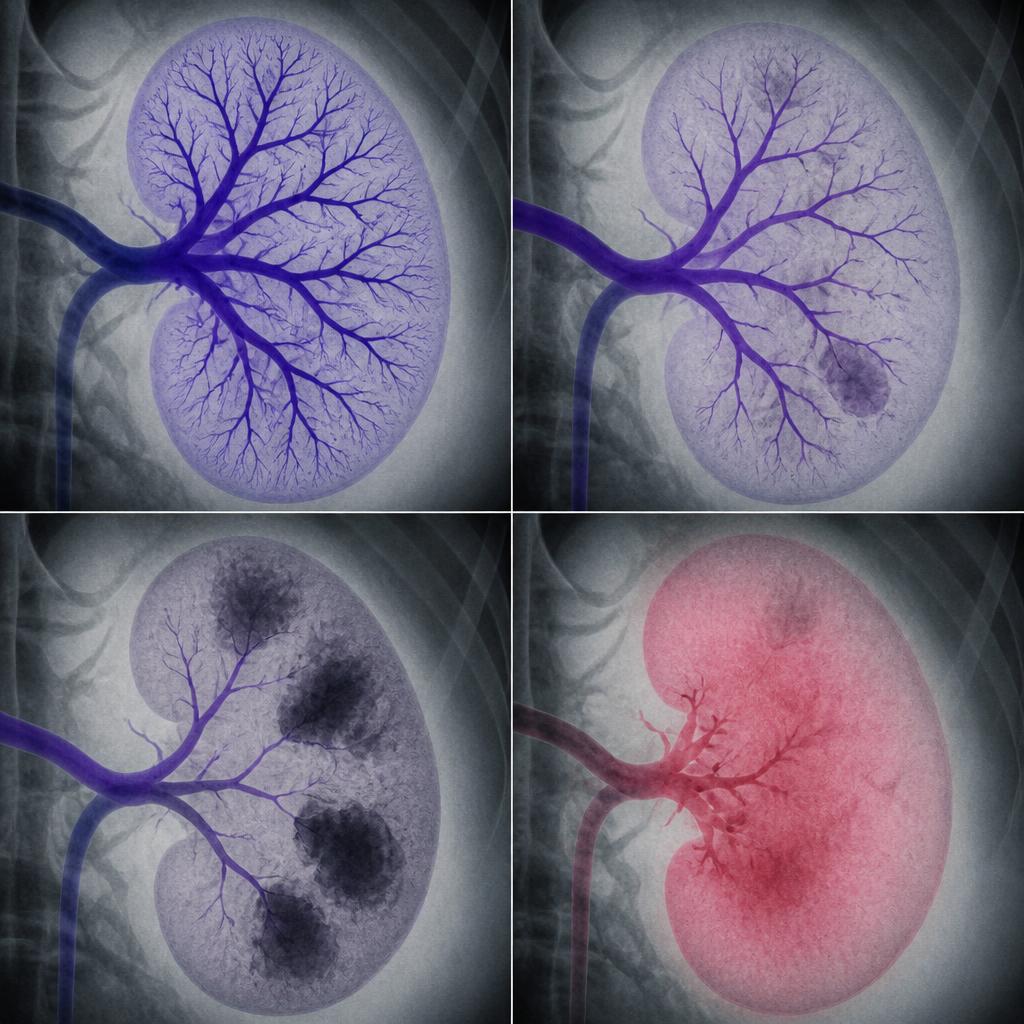
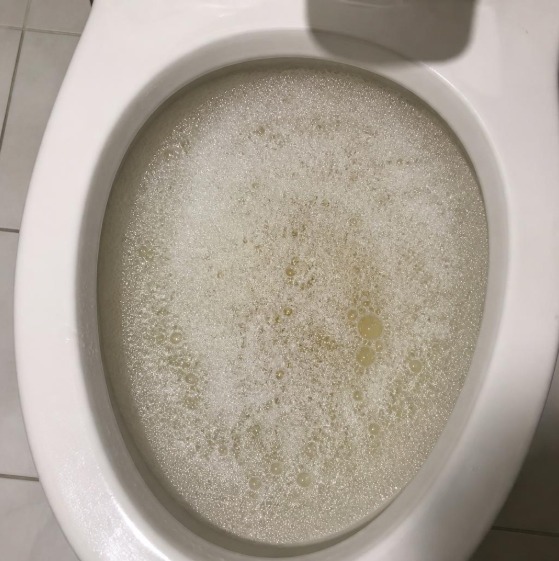
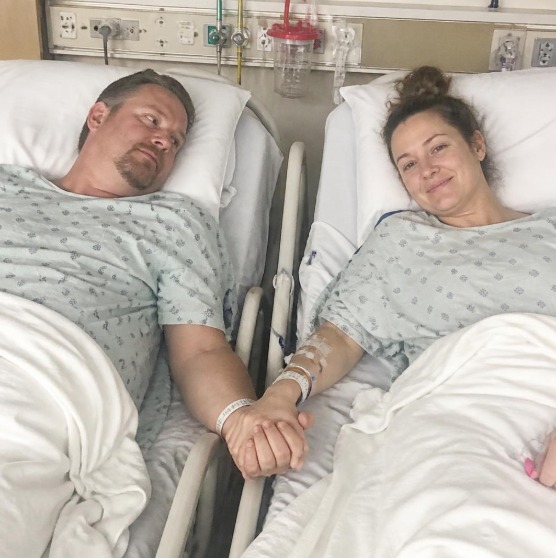
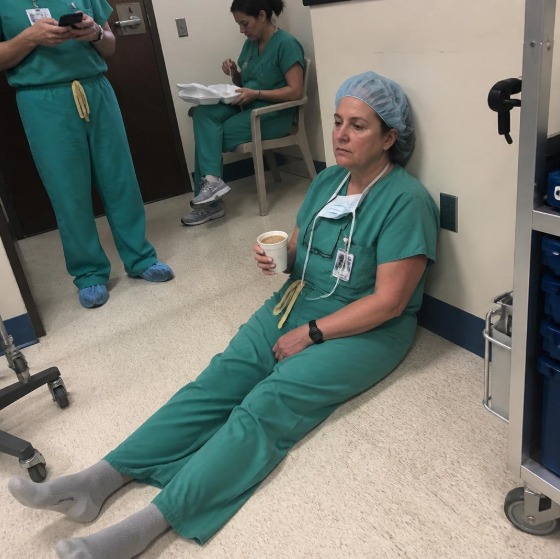
I refused dialysis prep for 14 months. Then my eGFR hit 41 and my colleague said, "We need to talk about a transplant list." I'm a nephrologist. I've been treating kidney disease for 22 years. I've sat across from patients and said the same words Dr. Weiss said to me. Prepare. Plan. Start thinking about access for dialysis. Get a fistula consultation. I've said it hundreds of times. Calmly. Compassionately. Professionally. I never understood how those words actually felt until they were pointed at me. My eGFR had been declining for over a year. I'd watched it slip — the way I've watched it slip in patient after patient, except this time the chart had my name on it. The first abnormal panel put me at 56. Stage 3A. Mild. Manageable. The kind of number I'd tell a patient not to panic about. But Dr. Weiss brought it up at my next visit. Casually. The way colleagues do — not as doctor and patient, but as two people who understand the math. "Elaine. If this keeps trending down, at some point we need to talk about long-term planning. Fistula timelines. Transplant evaluation windows." I told him it was premature. He brought it up again at 52. I said not yet. At 48, I stopped deflecting and started fighting. That's when I ran the panel myself, sat in my office, and stared at the screen long enough for the screensaver to kick in. Creatinine: 1.7. Stage 3B. More than half my kidney function — gone. And I understood what that number meant in a way my patients never do. Not from reading pamphlets in a waiting room. Not from googling survival rates at midnight. I understood because I've walked patient after patient through this trajectory. I've watched eGFR numbers tick down quarter after quarter like a clock nobody can stop. 48 becomes 42. 42 becomes 36. 36 becomes 28. And then you're sitting in a dialysis chair while a machine does what your kidneys can't do anymore. I've walked past our hospital's dialysis unit twice a day for two decades. I've seen what it looks like. The needle going into the fistula — the surgically created access point in the forearm, thick as a garden hose under the skin. Three times a week. Four hours each session. The patients staring at the ceiling. The slow mechanical hum of a machine cycling your blood through a filter because the ones God gave you stopped working. I've watched patients walk out of those sessions. Hollowed out. Like the machine took something out of them that blood can't carry back. I've watched their calendars shrink. Monday, Wednesday, Friday — gone. Blocked. Permanent. Every vacation planned around where the nearest dialysis center is. Every holiday scheduled between sessions. One patient told me she hadn't eaten dinner with her family on a weeknight in three years because the exhaustion after treatment put her in bed by 5 PM. I've watched spouses sit in the waiting room. Holding a magazine they weren't reading. Watching the clock. I was on the same path. And I knew it the way only a specialist can — not as a fear, but as a forecast. The foam in my urine confirmed what the bloodwork was already showing. I'd flush and watch it sit on the surface — thick, persistent, the kind that doesn't dissipate. Proteinuria. Protein leaking through damaged filters. I'd taught patients to watch for that sign my entire career. Then the ankle swelling. Subtle at first — a tightness in my shoes by evening that I blamed on long clinic days. By month four I was wearing compression socks under my scrubs and hoping nobody noticed. The lower back ache. Not muscular — deeper. The dull, constant pressure that sits right at the kidney line and never fully lets up. The itching at night. No rash. No visible cause. Just an unbearable crawling under the skin that wakes you at 2 AM clawing at your shins. Uremic pruritus. I'd prescribed antihistamines for it more times than I can count. Now I was the one standing in my bathroom in the dark, scratching until my skin was raw. The brain fog. Mid-afternoon, every day, like someone slowly dimmed the lights behind my eyes. I'd be reviewing a patient chart and realize I'd read the same paragraph three times without absorbing a word. My patients depend on me to catch things other doctors miss. And I couldn't hold a thought past 2 PM. Steven noticed before I told him. My husband of 31 years. He found me one morning sitting on the edge of the bed, compression socks in my hands, just staring at the wall. "Elaine. What's wrong." It wasn't a question. He already knew something was wrong. He'd watched me come home exhausted for months. Watched me scratch my legs raw. Watched me push food around my plate because my appetite had vanished. "My kidneys are failing." I said it the way I'd said it to patients. Flat. Clinical. Like the words belonged to someone else's chart. He sat down next to me. Didn't say anything. Just put his hand on my back. That was worse than if he'd panicked. Because his silence meant he understood. I did everything my training told me to do. Everything I prescribe to my own patients. Protein restriction — dropped to 0.6 grams per kilogram. Measured every meal. No red meat. Limited dairy. Sodium elimination. Reading labels like a detective. Anything over 140mg per serving was out. Discontinued NSAIDs completely. No ibuprofen. No naproxen. Nothing that could add filtration stress. Hydration protocols. Precise fluid intake. Not too much, not too little — damaged kidneys can't handle either extreme. Blood pressure management. Already on a low-dose ACE inhibitor. Adjusted timing and dosage. I followed my own protocols with the discipline of someone who knows exactly what happens when you don't. Three months later I ran my panel again. eGFR: 44. Creatinine: 1.8. Worse. Four points in three months despite doing everything right. I adjusted everything I could. Tightened the protein restriction further. Cut sodium to near zero. Added potassium monitoring. Ran urine protein-to-creatinine ratios weekly. Three more months. I went to the lab on a Monday morning before clinic. Sat in the phlebotomy chair and watched my own blood fill the tube and thought: this is what my patients feel. This dread. This knowing that the number is going to be lower and there's nothing you can do to stop it. eGFR: 41. Creatinine: 1.9. Seven points in six months. The slope was steepening. That afternoon Dr. Weiss pulled me aside in the hallway between patients. This time he wasn't casual. "Elaine. Your last panel. We need to talk." "I saw the numbers." "We're past long-term planning. I want to get you on the transplant evaluation. Wait times are—" "David. My eGFR is 41. Dialysis prep starts at 20. You wouldn't be having this conversation with a patient at 41." He looked at me the way I've looked at patients who argue with their own chart. "I'm not reading the number, Elaine. I'm reading the slope. Seven points in six months. If that trajectory holds, you'll be below 30 in eighteen months. Stage 4 in a year. I'd rather start planning now than scramble later." He was right. I would have said the same thing to any patient declining that fast. The number wasn't the emergency. The rate of decline was. "Not yet." He didn't push. But the look on his face said everything. He'd seen this before — the patient who refuses to accept the trajectory. Except this patient was his colleague. And she was supposed to know better. I walked into my office. Closed the door. Sat in the chair where I sit when I tell patients their kidneys are failing. And for the first time in my career, I didn't know what to do. For three days I went through the motions. Saw patients. Reviewed charts. Prescribed the same protocols that were failing in my own body. Adjusted ACE inhibitor dosages for people whose eGFR was declining just like mine. Told them to restrict protein. Eliminate sodium. Monitor. Manage. The same words. The same plan. The same trajectory I couldn't stop in myself. That Tuesday afternoon, something happened that changed everything. I was reviewing charts before clinic. Routine. Patient files I've managed for years. Checking lab results, adjusting treatment plans. I opened Mr. Hartley's chart. Gerald Hartley. 72 years old. Stage 3B chronic kidney disease. I'd been managing him for almost four years. His trajectory was textbook — the kind I could map with my eyes closed. Every quarter, his eGFR dropped. Creatinine climbed. Slowly, predictably, the way CKD almost always progresses. I'd started having the dialysis conversation with him six months ago. His daughter Angela had been in the room, taking notes, asking questions I could tell she'd prepared the night before. I'd watched Angela's face when I explained what a fistula is. What dialysis actually involves. What the next two years would look like. I opened his latest labs expecting to see 29. Maybe 27. The next step down. His eGFR was 47. I closed the chart. Opened it again. I checked the date on the panel. Current. Checked the patient ID. Gerald Hartley. Checked the lab that ran it. Our standard reference lab. I scrolled to creatinine. 1.2. Down from 1.9 six months ago. I sat back in my chair. In my entire career, I have almost never seen an eGFR climb 15 points in a CKD patient outside of a resolved acute injury. Chronic kidney disease progresses. That's what it does. The nephrons die. They don't regenerate. The trajectory goes one direction. Gerald Hartley's trajectory had reversed. I pulled up his medication history. No changes. Same ACE inhibitor. Same dosage. No new prescriptions. No procedures. I pulled up his dietary notes. No significant changes reported. I pulled up his visit history. He'd missed his last quarterly appointment. Hadn't been in for six months. Something had changed. Something I couldn't see in the chart. I picked up the phone and called him. Angela answered. Gerald was napping, she said. He naps now — not the exhausted kind, she told me. The normal kind. The kind where he reads the paper after lunch and falls asleep in his chair because he's comfortable, not because his body is shutting down. I told her I was calling about his labs. That his numbers looked remarkably improved. That I wanted to understand what had changed. She was quiet for a moment. Then she said: "It's the hydrogen tablets." "I'm sorry?" "Molecular hydrogen. It's a tablet he dissolves in water. I found it when I was researching after his last appointment with you. The one where you talked about dialysis." I didn't say anything. I was trying to reconcile "hydrogen tablets" with a 15-point eGFR improvement in a 72-year-old man with four years of progressive CKD. Angela continued. She'd spent weeks reading about kidney disease after that appointment. She said she found studies — published, in medical journals — showing that there's a type of molecule in the body that attacks the kidney filters from the inside. "The way I understood it," she said, "the damage isn't coming from overwork. It's coming from something toxic inside the body that's burning through the filters. And there's a molecule — hydrogen — that's small enough to get inside the kidney cells and stop it at the source." She paused. "I know that probably sounds like something off the internet. But look at his numbers, Dr. Morrison." I was looking at his numbers. I'd been looking at them for twenty minutes. I thanked Angela. Told her I'd want to see Gerald for a full workup. Hung up. And then I did something I hadn't done since medical school. I sat at my desk at 9 PM, opened PubMed, and started reading like a student. Molecular hydrogen. Kidney. Oxidative stress. Glomerular damage. The studies were there. Published. Peer-reviewed. Journals I recognized. I read for three hours. Then I drove home and sat at the kitchen table. Steven was still up. He'd been waiting. He set a cup of tea in front of me. Sat down across the table. Didn't ask. Just waited the way he always does when I bring the hospital home with me. "I think I've been treating kidneys wrong." He didn't flinch. He just said: "Tell me." I pulled up a diagram on my phone and slid it across the table. "See these?" I pointed to the tiny capillary structures. "Imagine the smallest blood vessels you can picture. Smaller than a hair. Thousands of them bundled together into little filtering units called nephrons. Your kidneys have about a million of them. Each one is a filter. And they're incredibly delicate — multiple layers of membrane designed to let waste through while keeping blood cells and proteins behind." He nodded. "Every day, your body produces free radicals. Some of them are useful — your immune system needs them. But the most destructive ones — hydroxyl radicals — attack the walls of these tiny blood vessels. They oxidize the lining. Cause inflammation. Scar tissue forms. The nephron dies. Permanently. And once it's dead, it doesn't come back." "And the surviving nephrons pick up the extra work." "Which generates more oxidative stress. Which produces more hydroxyl radicals. Which kills more nephrons. It's a cycle. Grinding. Relentless." Steven looked at the diagram for a long time. Then he asked: "But the things you've been doing — the protein restriction, the sodium, the medication. What are they actually doing if they're not stopping the damage?" My throat tightened. Because that's the question. The one I'd been sitting with for three hours at my desk. "The protein restriction reduces the waste load on the surviving filters. Less to process, less strain. But it does nothing to stop the oxidative attack on the filter walls. I'm lightening the workload while something is burning the factory down." "And the sodium?" "Sodium elimination reduces fluid retention and blood pressure. Less mechanical pressure on the capillaries. But the hydroxyl radicals are still attacking from the inside. Reducing the water pressure in a pipe doesn't help if the pipe is being eaten from within." "What about the ACE inhibitor? The blood pressure medication?" "It dilates the blood vessels feeding the nephrons. Reduces the pressure differential across the filter. Buys time. But it can't neutralize a single free radical. It can't stop a single nephron from being destroyed." Steven sat back. He wasn't looking at the diagram anymore. He was looking at me. "So everything you've been doing — everything every nephrologist does—" "Manages the aftermath. Slows the collapse. But never addresses the thing causing it." He was quiet for a long time. Then: "You've been mopping the floor while the pipe's still burst." I almost laughed. But it was exactly right. "Molecular hydrogen — H2 — is the smallest molecule in existence. Smaller than water. Smaller than oxygen. It passes through cell membranes. Reaches the mitochondria inside kidney cells. And because it's so small, it penetrates through the layers of the filter wall — the barriers that block every other antioxidant from reaching the site of damage. It gets to the exact spot where hydroxyl radicals are destroying the capillary lining. And it neutralizes them. Selectively. Only the destructive ones. Leaves the beneficial free radicals your immune system needs completely alone." "And nothing you've been using can do that?" "Nothing. Vitamin C can't get through the filter membrane. Vitamin E. NAC. CoQ10. They circulate in the bloodstream but they never reach the capillary walls where the damage is actually happening. It's like trying to put out a fire inside a wall by hosing down the outside of the house." Steven looked at me with an expression I couldn't quite read. Relief. And something else — the look of someone who's been watching his wife disappear into a disease and just heard, for the first time, that there might be a door she hasn't tried. "So try it." The next morning I ordered molecular hydrogen tablets from Amazon. A brand with good reviews. Claimed to produce hydrogen-rich water. Took them every day. After a week, I noticed small shifts. The back ache eased slightly. Sleep was a little deeper. The brain fog thinned in the mornings — still there, but less dense. I came home on day nine and told Steven I thought it might be working. He was standing at the kitchen counter and he turned around and his face did something I hadn't seen in months. The tension around his eyes loosened. He didn't smile — Steven doesn't smile at hope, he softens. Like he'd been bracing against a wall and someone told him he could let go. "Really?" "I think so. I feel different. Clearer. The back pain is better." He nodded. Didn't push. But I could see it — he was letting himself hope. And that was more frightening to me than my own hope, because if this didn't work, I wasn't just failing my kidneys. I was failing his. Two weeks. I ran a basic metabolic panel. Creatinine: 1.75. Barely moved. I sat in my office staring at those numbers and felt something close to grief. Not for my kidneys. For Steven's face at the kitchen counter. For the softening I'd put there that I was about to take back. I drove home. He was in the living room. "Labs came back?" "Creatinine barely moved." The tension came back. Just the eyes. The slight tightening. The wall going back up. He didn't say anything. He just nodded. I almost stopped. But something nagged at me. Angela had said "hydrogen tablets" the way someone says it when they've tried more than one kind. And the studies I'd read used specific concentrations — measured in parts per million. Therapeutic doses. Not trace amounts. I went back to PubMed. Pulled up the kidney studies again. This time I wasn't reading for mechanism — I was reading for protocol. Concentrations. Dosages. Delivery methods. The studies showing kidney tissue protection used hydrogen at concentrations of 8-12 PPM minimum. I went back to my Amazon purchase. Buried in the fine print: 2-3 PPM hydrogen concentration at dissolution. I was taking a fraction of what the research called for. As a nephrologist, I know better than anyone — dose matters. You don't give a patient a quarter dose of an ACE inhibitor and expect full renal protection. Pharmacology doesn't work on partial doses and good intentions. But knowing my tablets were underdosed raised a different question. Which product actually delivers what the research requires? PubMed doesn't name consumer brands. Clinical studies don't review retail products. I needed real patients comparing real products at specific concentrations. I found a chronic kidney disease support group online. Thousands of members. Many of them in the same eGFR range I was in. I searched for "hydrogen." The threads were long. One woman — a CKD patient in her 60s, eGFR in the low 30s — described trying four different hydrogen products over three months. Her eGFR didn't budge on any of them. Then she explained what she'd learned, and the pattern became clear. Hydrogen water bottles: the H2 escapes through the container. By the time you open the cap, most of the hydrogen is gone. You're drinking expensive water with trace amounts of dissolved gas. Electrolysis machines: they generate H2, but it rises out of the glass while you pour. Someone in the thread had tested this with a dissolved hydrogen meter — by the time they drank the water, concentration had dropped below 1 PPM. Pre-made hydrogen water: same escape problem. Bottled at 3-4 PPM by the manufacturer. Fractions of a part per million by the time it ships, sits on a shelf, and reaches your kitchen. Generic effervescent tablets: some generate hydrogen, but at low concentrations. 2-3 PPM. Slow dissolution that allows hydrogen to escape into the air before you drink it. Exactly what I'd been taking. I wrote down the criteria that separated what worked from what didn't: Concentration: 12 PPM minimum — the threshold used in published research. Not 2. Not 3. Twelve. Delivery: magnesium-based effervescent tablet that dissolves in under 90 seconds. Generates hydrogen in your stomach so it absorbs directly through your stomach lining before it can escape into the air. Third-party tested: verified concentration AND heavy metal content. This mattered to me more than any other criterion. Kidneys filter everything. Every toxin, every contaminant, every heavy metal in a cheap supplement passes straight through the kidneys. A kidney patient taking an untested supplement is adding to the very burden that's destroying them. Bioavailable magnesium: 80mg per tablet. CKD patients are almost universally magnesium-deficient. The kidneys lose the ability to reabsorb magnesium efficiently as function declines. A hydrogen tablet that also delivers bioavailable magnesium addresses two upstream problems with one dose. I went through every hydrogen product I could find and measured them against those four criteria. Most failed on concentration alone. Others failed on testing. A few had decent concentration but no magnesium and no published third-party results. One product met all four. PrimeCell H2. Part of me resisted. I've spent my career telling patients to be skeptical of supplements sold online. I've seen patients waste years and thousands of dollars on products that promise everything and deliver nothing. I've sat across from people holding bottles of things they bought because a Facebook ad told them it would save their kidneys, and I've had to explain why it didn't. And now I was about to order a supplement from a website because a support group and a process of elimination pointed me to it. But I went back to my criteria. Ran PrimeCell against each one. Concentration: 12 PPM — published, verified. Delivery: magnesium-based effervescent, sub-90-second dissolution. Third-party testing: results published for both hydrogen concentration and heavy metal content. Bioavailable magnesium: 80mg per tablet. Everything else had fallen away. Every other product failed on at least one criterion. PrimeCell was the only one standing. Not because of marketing. Because of elimination. I called Angela to confirm. She said that's the one. The same product Gerald had been taking for six months. The one four other CKD patients in the support group had independently landed on through the same process. I ordered it that night. The bottle arrived in three days. I dropped the first tablet in a glass of water before bed. Watched it fizz — fast, aggressive, nothing like the slow dissolve of the generic tablets I'd been taking. The reaction was over in 60 seconds. I drank it while it was still active. Sat on the edge of my bed. Waited. Fourteen minutes. That's when I felt it. A clarity. Like someone had cleaned a window I didn't know was dirty. The low-grade mental haze that had been sitting behind my eyes for months — it thinned. The edges of my thoughts sharpened. As a clinician I wanted to dismiss it as placebo. As a patient with an eGFR of 41 and a colleague planning her dialysis access — I didn't care what it was. I could think. Day three: the itching stopped. I woke up and realized I'd slept through the night. No clawing at my shins at 2 AM. No antihistamines. No standing in the dark bathroom scratching until my skin was raw. Just sleep. Seven uninterrupted hours. I lay there for a few minutes, waiting for the itching to start. It didn't. Day five: I looked down at my ankles in the shower and stopped. Stood there with the water running. The swelling had receded — my ankles had contours again. I could see the bones. I pressed my thumb into the skin above my ankle the way I assess edema in patients. The indentation barely held. I stood in the shower staring at my own ankles and felt tears I wasn't expecting. One week: the back ache was fading. I noticed its absence the way you notice silence after a refrigerator shuts off. You didn't hear the hum until it stopped. Two weeks: I stood at the toilet in the morning the way I'd done every morning for months — watching. Waiting for the foam. The thick, persistent foam that told me protein was leaking through my filters. Gone. Not thin. Not dissipating slowly. Gone. Clear urine. Normal surface tension. I flushed. Watched the bowl refill. Stared at the water. My hands were shaking. Not from fear. From the weight of what that meant. The protein was staying where it belonged. Behind the filters. In the blood. The glomerular capillaries were holding. Week three: I was reviewing a patient chart after lunch — Mrs. Okafor, 64, Stage 3A — and I noticed something. Her phosphorus had been trending upward over three quarters. Quietly. Steadily. The kind of drift that's easy to miss if you're scanning instead of thinking. Six weeks ago, I would have missed it. The fog would have blurred it. I would have read the chart, noted the eGFR, adjusted the ACE inhibitor, and moved on. The phosphorus trend would have stayed invisible until it became a crisis. I caught it. Ordered additional testing. Adjusted her treatment plan before the trend became a problem. I sat at my desk after Mrs. Okafor's file was closed and thought about every chart I'd reviewed in the last several months while the fog was thick. Every subtle trend I might have missed. Every patient whose care depended on a doctor who couldn't hold a thought past 2 PM. The clarity wasn't just back for me. It was back for them. Week four: Steven came home from work and I was cooking dinner — something I hadn't done in weeks because the fatigue had been putting me on the couch by 6 PM. He stood in the kitchen doorway and watched me for a minute. "You're not wearing the compression socks." I looked down. He was right. I'd gotten dressed that morning and hadn't reached for them. Because I didn't need them. And I hadn't even registered the absence until he said it. "No. I'm not." He didn't say anything else. But his eyes went glassy and he turned away and I heard him take a breath in the hallway that told me everything about how scared he'd been. And how long he'd been holding it. Week six: I ran a comprehensive metabolic panel through an independent lab. Numbers I couldn't second-guess. eGFR: 49. Up from 41. Eight points. Creatinine: 1.4. Down from 1.9. My trajectory had been going one direction for over a year. Down. Every quarter. Without exception. It had reversed. I ran it again the next morning. Different lab. Same result. At 90 days I ran a full panel. eGFR: 54. Creatinine: 1.25. Albumin-to-creatinine ratio nearly normal. Electrolytes balanced. Numbers I hadn't seen in two years. The foam — gone. Ankles — normal. Back ache — gone. Itching — gone. Sleeping through the night. Mental clarity I hadn't felt since my 40s. I sat with those results for a full day. Let them sink in. Ran them against every clinical explanation I could think of. Spontaneous improvement? Not in a patient who'd been declining for 14 months. Lab error? Three labs. Three consistent results. Placebo effect on bloodwork? Bloodwork doesn't have a placebo response. The numbers were real. The trajectory had reversed. I walked into Dr. Weiss's office with my lab results. The same office where he'd told me to start planning for a transplant list four months ago. He opened the results on his screen. Stared at them. Scrolled up. Scrolled down. Clicked on the trend line. Watched the graph that had been falling for over a year suddenly curve upward. Looked at me. Looked at the screen. Refreshed the page. "Elaine. What happened?" "My eGFR is 54." "I can see that. How?" I told him. Molecular hydrogen. The oxidative stress research. The hydroxyl radical mechanism. The glomerular capillary damage that every standard nephrology protocol fails to address. I talked for fifteen minutes. He listened without interrupting. When I finished, he was quiet for a long time. Then he said: "Your eGFR hasn't been 54 in two years." "I've been staring at these results since yesterday." Another pause. He closed the chart. Opened it again. "I need to read these studies. But Elaine — whatever you're doing, don't stop." He didn't say PrimeCell was a miracle. He didn't endorse it. He didn't write it on a prescription pad. He said don't stop. From the same man who'd been measuring my arm for a fistula consultation four months ago. I walked out of that office and sat in my car in the parking lot. Called Steven. "My eGFR is 54." Silence. "Steven?" "Say it again." "54. Up from 41." I heard him exhale. A long, shaking breath. The kind you hold for months without realizing you've been holding it. "You're not going on dialysis." "I'm not going on dialysis." Neither of us said anything for a while. Just sat there — him in his office, me in a hospital parking lot — holding the phone and breathing. That night I sat on the edge of the bed. Same bed. Same spot where I'd held the compression socks in my hands and stared at the wall and told him my kidneys were failing. Steven came in. Sat down next to me. Put his hand on my back. Same gesture. Same position. Same silence. But everything it meant had changed. I'm telling you this because I know what you're living through. If your eGFR has been dropping every quarter and your doctor keeps saying "we'll monitor it" while the number gets worse — I've been on both sides of that conversation. The side that says it and the side that hears it. Neither one has an answer. If you've restricted protein until every meal feels like punishment and your creatinine still climbed — I measured every gram. Weighed every portion. Eliminated red meat. Cut dairy. And my numbers got worse. If you've eliminated sodium so aggressively that food has no taste and your labs still moved in the wrong direction — I read every label. Cooked every meal from scratch. And the slope steepened. If you've seen the foam and stood there watching it, knowing what it means, feeling completely powerless to stop it — I stood there every morning for months. If you've been told to "keep managing" while the thing that's actually destroying your kidneys goes completely unaddressed — that's not your failure. It's a gap in the framework. The same gap I spent my career not seeing. Protein restriction doesn't neutralize hydroxyl radicals. Sodium elimination doesn't neutralize hydroxyl radicals. ACE inhibitors don't neutralize hydroxyl radicals. Nothing in the standard nephrology toolkit addresses the oxidative damage that's grinding through your glomerular capillaries one nephron at a time. Molecular hydrogen does. But only if the concentration is high enough to matter. And only if the delivery format gets it into your body before it escapes into the air. You're standing at a crossroads right now. One path looks like this: your eGFR drops another 3-4 points next quarter. Your doctor notices the slope. Starts the conversation you've been dreading. Then the fistula consultation — a surgeon creates an access point in your forearm, a thick bulge under the skin that you'll feel every time you rest your arm on a table. Then the scheduling call from the dialysis center. Monday, Wednesday, Friday. Four hours in a chair. A needle into the fistula that never stops being a needle no matter how many times they tell you you'll get used to it. The exhaustion afterward that puts you in bed before dinner — not tired, emptied. The diet restrictions that turn every meal into a calculation. The vacations you stop planning because every city requires finding a dialysis center first. The look on your spouse's face in the waiting room. Holding a magazine they'll never finish. Watching the clock. Doing the math on how many months this has been and how many more it will be. I've managed patients on that path for two decades. I've walked beside them as their lives got smaller and their calendars got emptier. I almost walked it myself. Another path looks like this: you address the upstream cause. You drop a tablet in a glass of water. You drink it. And you wait. You stand at the toilet one morning and the foam is gone. You realize you forgot to put on the compression socks — because you didn't need them. You sleep through the night without scratching your own skin raw. You sit at dinner and realize you're hungry for the first time in weeks. You walk into your next appointment and watch your doctor's face when the eGFR comes back higher than last quarter. Not lower. Higher. For the first time. PrimeCell has a 90-day money-back guarantee. If your numbers don't improve, you get every penny back. No questions. No hassle. Compare that to the trajectory you're on right now — which comes with no guarantee, no reversal, and an endpoint you don't want to think about. I chose the second path. Dr. Weiss told me not to stop. I'm not stopping. https://track.getamalahealth.com/5548c06d-d9c3-4785-b466-fec64a6fdb28 P.S. — Here's my challenge. Drop one PrimeCell tablet in a glass of water tonight. Set a timer for 20 minutes. If you don't feel the fog start to lift — that clarity returning like someone turned the lights back on behind your eyes — then maybe this isn't for you. But if you feel it — and almost everyone does — that's not placebo. That's molecular hydrogen crossing your blood-brain barrier for the first time and neutralizing the hydroxyl radicals that have been attacking your brain cells alongside your kidney tissue. The kidney benefits take weeks to show up on bloodwork. But that first-day clarity is your body telling you something has changed at the cellular level. I felt it at fourteen minutes. Angela told me Gerald felt it before his first glass was empty. P.P.S. — If you're a man reading this and wondering whether a woman's results apply to you — I treat more men with CKD than women. It's more common in men. The mechanism doesn't care about gender. Hydroxyl radicals damage glomerular capillaries the same way in everyone. Gerald Hartley is 72 and male. His eGFR climbed 15 points. My results are not a female-only phenomenon. They are a kidney phenomenon. P.P.P.S. — PrimeCell has a 90-day money-back guarantee. I'll say it again because kidney patients are the most careful supplement buyers I know — and they should be. Your kidneys filter everything. Every contaminant in a cheap, untested supplement goes straight through your kidneys and adds to the burden that's destroying them. PrimeCell is third-party tested for both hydrogen concentration and heavy metal content. Verified purity. Verified potency. I eliminated every other product on the market before I landed on this one — not because of marketing, but because it was the only one that passed every criterion the research demanded. Compare that to the generic tablets I wasted two weeks on. No testing data. No published concentration results. No refund when they didn't work. Your kidneys can't afford guesswork. P.P.P.P.S. — They currently have a buy 3 get 2 free deal. I'm mentioning it because kidney improvement isn't a 10-day experiment. My numbers moved meaningfully at six weeks and substantially at 90 days. Gerald's moved over six months. You need enough supply to run two full metabolic panels and see your own trajectory change. Five bottles gives you five months. That's enough time to stop wondering and start knowing. When I reordered, I bought five bottles. I wasn't guessing anymore. I'd seen my labs. P.P.P.P.P.S. — PrimeCell is a small company. They sell out. I'm not saying that to rush you — I'm saying it because I tried to reorder and had to wait nine days. Nine days where I had nothing to take. Nine days where the hydroxyl radicals had no opposition and my nephrons had no protection. If your next metabolic panel is in 30 to 60 days and you want to walk into that appointment with real numbers instead of the same declining trajectory — check if they have stock now. Not next week. Now. Every day without addressing the oxidative damage is another day your filters are grinding down. I waited 14 months before I found this. Don't wait the way I waited. P.P.P.P.P.P.S. — Do not forget about their 90-day money-back guarantee. https://track.getamalahealth.com/5548c06d-d9c3-4785-b466-fec64a6fdb28
Fix Yourself at the Cellular Level
PrimeCell H2 is a next-generation molecular hydrogen tablet formulated to support your body's natural antioxidant defenses — helping you feel sharper, more energized, and more like yourself.
LEARN MORELike this ad? Make it yours.
Crush rebuilds this exact creative around your product — your brand, your colors, your offer — in about a minute.