
Active· since Jun 10, 2026
- 95
- days running
- 0
- relaunches
Ad copy
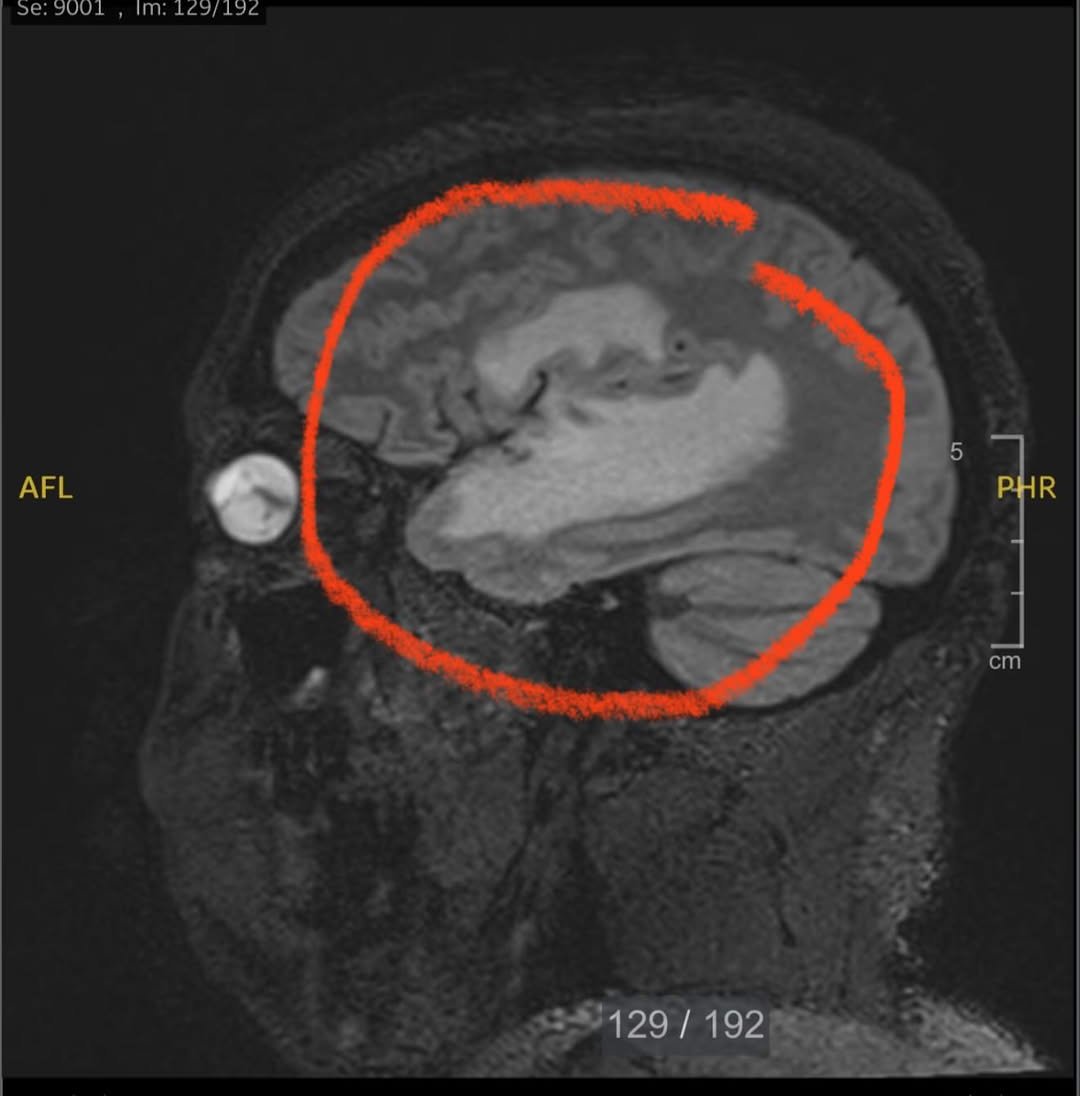
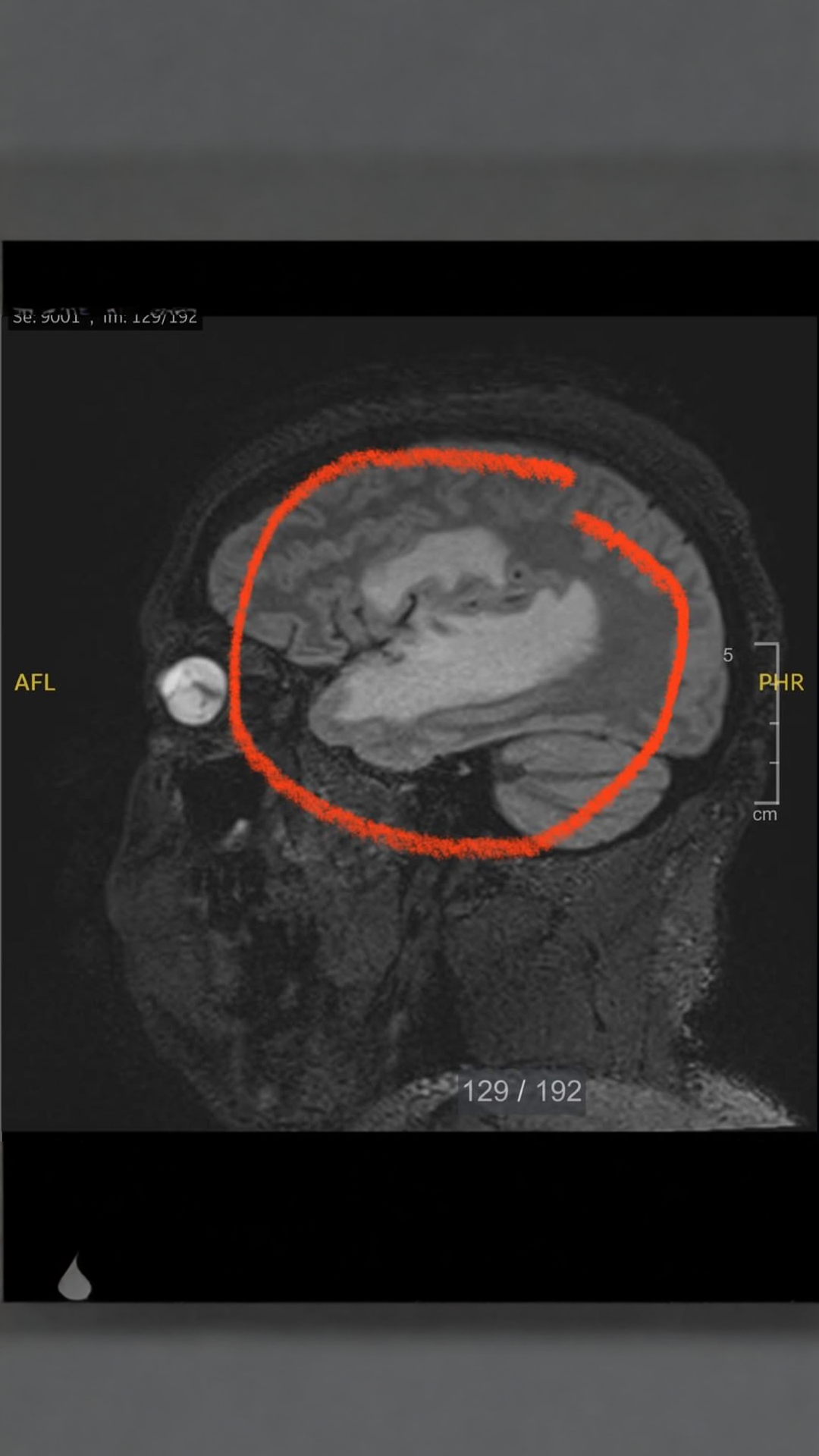
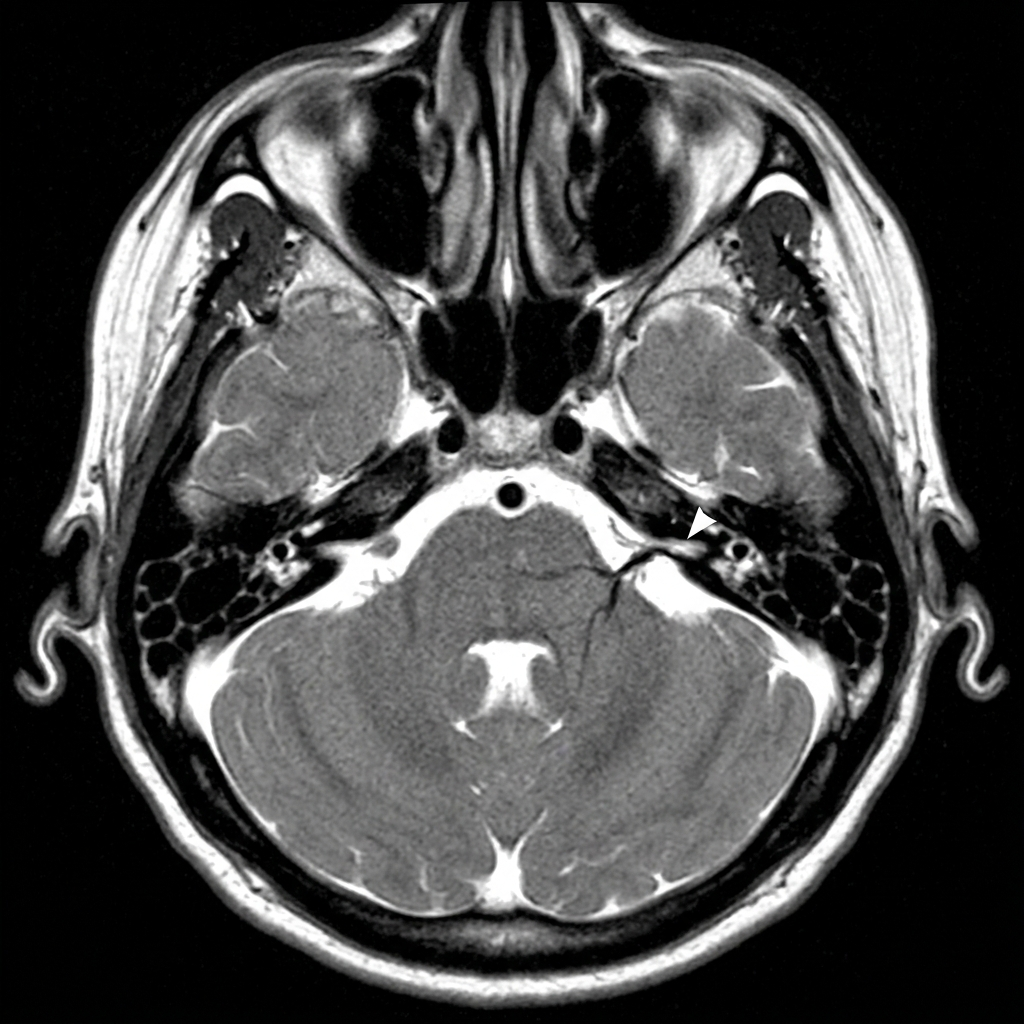
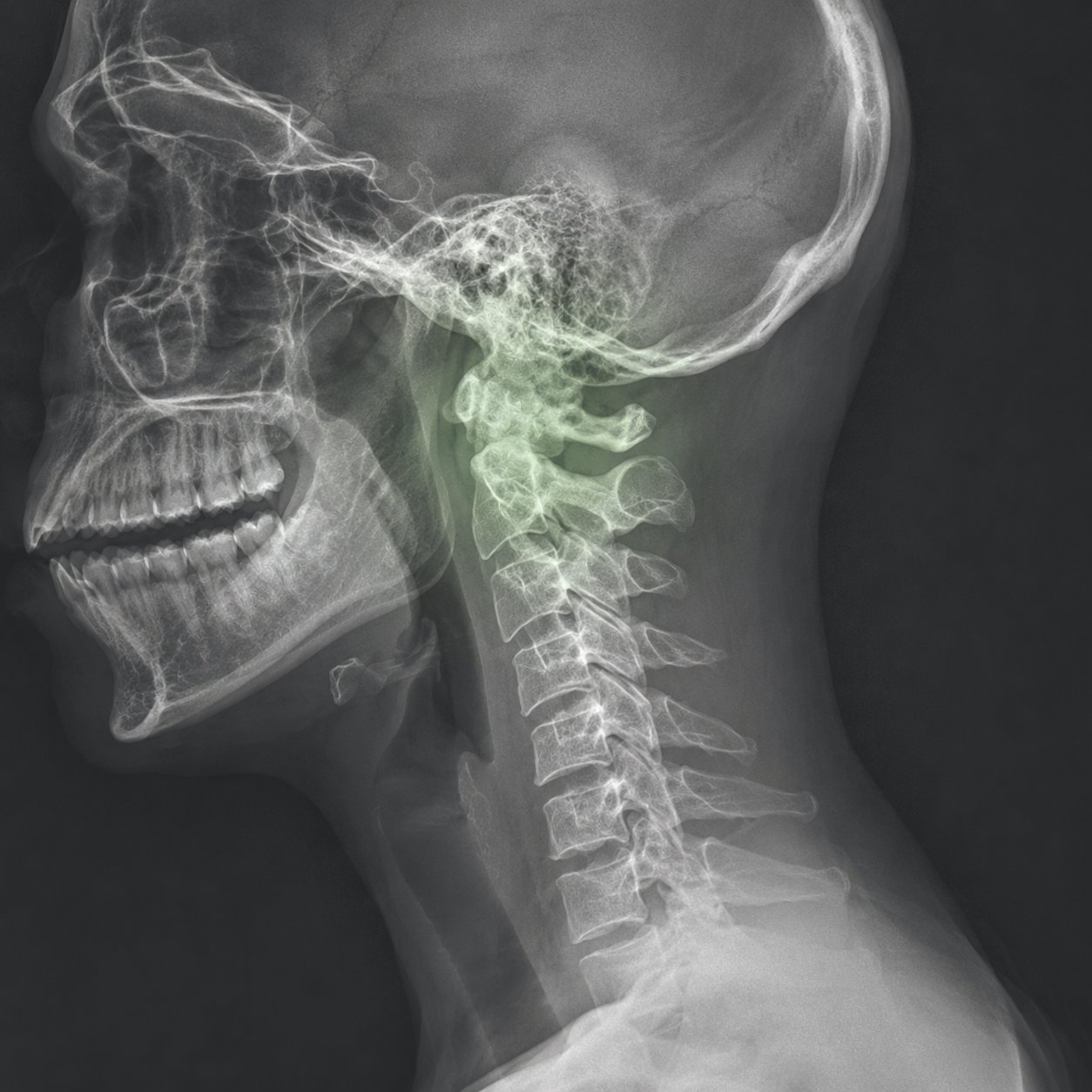
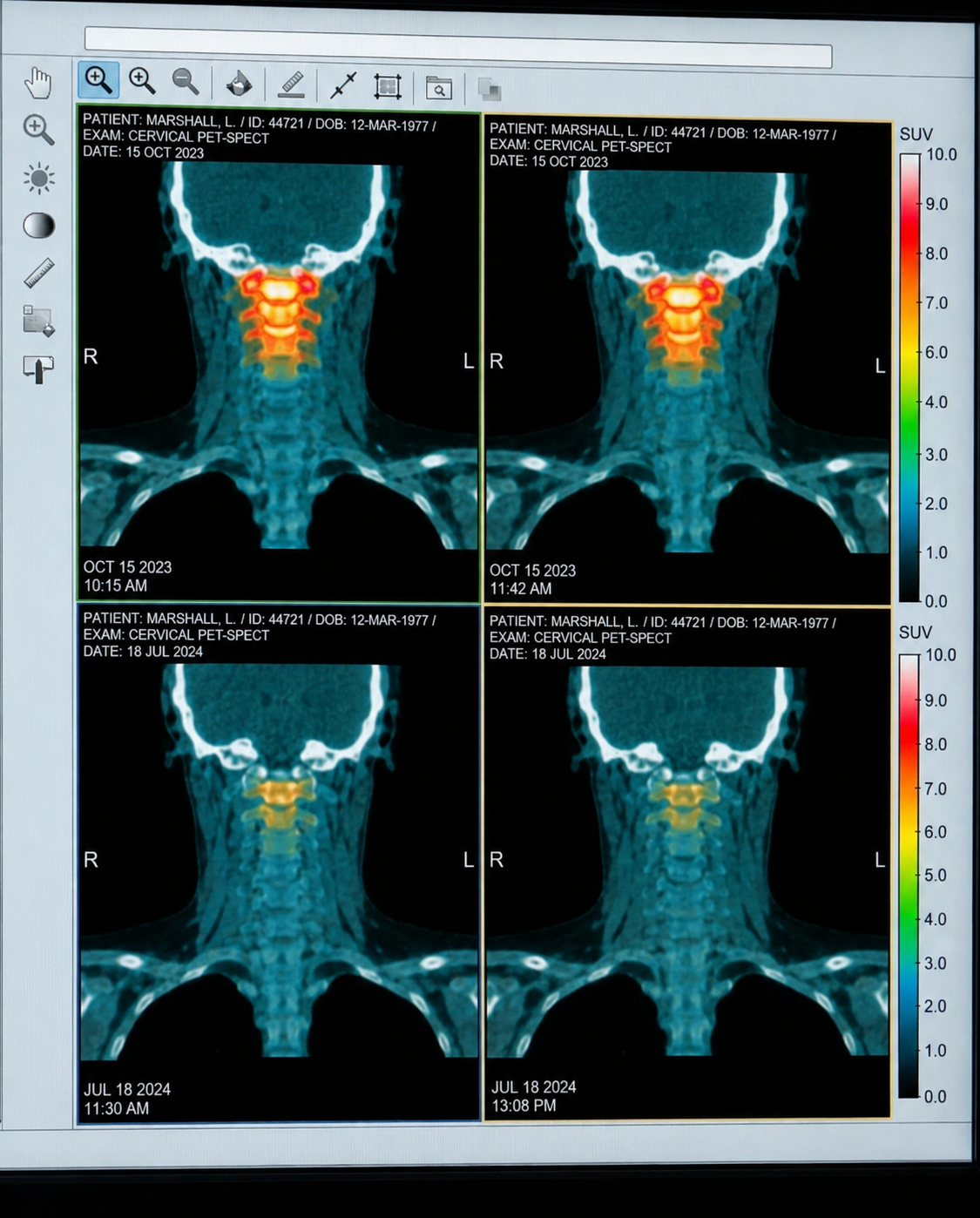
I was promoted to VP at 38. I stepped down at 41. I told the board it was for family reasons. What I did not tell them was that I had been excusing myself from morning meetings for four straight years to vomit in the executive bathroom and reapply concealer over my eye sockets before the 11am board prep. My mother is 71 years old now. She lives in a memory care facility in Tempe, Arizona. She had her first chronic migraine MRI in 1996. Her imaging came back unremarkable. So did mine when I had one last year. Last Saturday I drove the 90 minutes from Phoenix to see her. I sat with her for three hours. She thought I was her sister Dorothy for the first hour and her cousin Margaret for the second. The third hour she did not look up. On the drive home I had to pull over twice. Once because my own migraine was too bad to keep driving. Once because I was crying and I do not cry in the car. I am writing this because my mother had her first chronic migraine MRI in 1996. She was 43 years old. The radiology report said her imaging was unremarkable for her age. Her neurologist adjusted her preventive and told her to come back in six months. She came back in six months. And every six months for the next twenty-eight years. Today, at 71, she does not know my name reliably anymore. The cervical compression nobody bothered to image in 1996 was what was destroying her brain the entire time. I know that now. The radiologists in 1996 could not see it because they were not looking for it. The neurologists between 1996 and 2024 could not address it because their training did not include it. I am 41 years old. I have had chronic morning migraines since I was 32. My most recent MRI says the same thing my mother's said in 1996. Unremarkable for age. My neurologist suggested I might want to try Aimovig at $790 a month as my next step. I am not writing this for myself. I am writing this for the women between my mother and me. The women in their mid-forties and early fifties who are sitting in front of their neurologists right now hearing the same phrase my mother heard in 1996. The women who still have a window my mother does not have anymore. If that is you, please keep reading. Let me tell you what nobody told my mother. In the last six months I have read every paper on cervical compression and chronic migraine I could find. Bragatto and Bevilaqua-Grossi, Journal of Headache and Pain, 2023 — sustained cervical decompression at C1 through C3 reduced chronic morning migraine frequency by more than 50 per cent in 84 per cent of patients within 30 days. A 2024 review showing chronic migraine sufferers accumulate white matter lesions in the exact same pattern early-onset Alzheimer's patients show on autopsy. Same mechanism. Same damage. Same window of intervention. I have read enough to understand exactly what is happening at the base of my own skull every night I sleep. And exactly what was happening at the base of my mother's skull for the 28 years between 1996 and now. Here is the mechanism. The trigeminocervical complex is a nerve junction at the base of your skull where the cervical nerves from C1 through C3 share the same signaling pathway as the trigeminal nerve in your face. They converge. They feed the same pain circuit. When your head settles on a pillow that does not hold your cervical curve, those nerves are compressed for eight hours every single night. Not eight minutes. Eight hours. By morning the complex has been firing for hundreds of cycles before your alarm even goes off. You are not waking up with a migraine. You are waking up at the end of one your spine generated overnight. That is what we call "morning migraine." But that is just the surface. The same compression that triggers the morning migraine also restricts your vertebral artery flow at the cervical junction. The same restriction researchers now link to white matter lesions. The same lesions found on autopsy in early-onset dementia patients. And the same compression closes off your overnight glymphatic drainage. Your brain has a built-in cleaning cycle that flushes inflammatory waste during deep sleep — but the cycle only completes when the cerebrospinal fluid pathways at your cervical junction stay open. When C1 through C3 compress, the drainage stalls. The waste accumulates. Night after night. Year after year. That is what was happening to my mother for 28 years while five separate neurologists called her imaging "unremarkable for her age." She did not die of Alzheimer's. She is not dying of Alzheimer's now. She is living the end of 28 years of nightly cervical compression that the medical system was not trained to look at. I remembered something three weeks after I started the pillow. My mother in 1989, when I was six years old, sitting on the edge of my bed in the morning to wake me up for school. Her right thumb pressed against the base of her own skull. I had not thought about it in thirty-five years until one morning I woke up at 4:14 and noticed my own right thumb was already in the same place on my own neck before I had fully opened my eyes. I learned the routine from her without either of us knowing what we were doing or why. She has been doing it longer than I have been alive. This is what made me sit on my kitchen floor. My mother's story has a Year 5, Year 8, Year 11, Year 14, Year 24, Year 28. She is 28 years past her first unremarkable MRI. Year 5 her migraines became daily. Year 8 her MRI showed white matter lesions her neurologist called "common at her age." Year 11 her cognitive screening flagged early word retrieval deficits. Year 14 she stopped knowing the names of the produce clerks she had been buying tomatoes from for twenty years. Year 24 she got the formal Alzheimer's diagnosis at 67. Year 28 my father called me on a Tuesday in April and said we have to move her. I am nine years into my own version of her timeline. I have the same first MRI report in my own file. Same word. Unremarkable. The difference between my mother and me is that I know what she did not. I know there is a 28-year pathway from a "normal" cervical MRI to a memory care facility in Tempe. I know it runs through the trigeminocervical complex. I know that every year I spend compressing C1 through C3 for eight hours every night is another year of glymphatic drainage failure and vertebral artery restriction and accumulated damage I cannot undo later. I do not have to be 28 years from now where she is today. I found the Éloura CerviSoft six months ago. It is the only cervical pillow I have come across that delivers all three of the inputs the upper cervical region actually requires for sustained nightly decompression. Anatomical contouring at C1 through C3 specifically — not the general cervical spine, not "around" the area, the specific vertebrae where the nerve convergence happens. Sustained alignment through the full eight-hour sleep cycle — not a settle-and-shift, the cervical curve held for the entire window of nightly damage. Adaptive fiber technology that does not collapse under head weight by 3am the way memory foam collapses after ninety minutes — the support has to be present at 5am, not just at 10pm when you went to bed. I tried three other pillows in the eight months before I found this one. A memory foam contour from Target. A Tempur-Pedic from a department store. A buckwheat traditional from a wellness shop in Scottsdale. $340 spent. None of them held through the night. My follow-up imaging showed identical compression at C1 through C3. The Éloura CerviSoft arrived three days after I ordered it. $57.95. 90-night money-back guarantee. After my mother's twenty-eight years of preventives and Botox and elimination diets and trigger journals, $58 was the cheapest experiment in my family's history. The first night I felt a specific holding at the base of my skull I had never felt before. Like the bones were finally being held in alignment instead of falling into the same compression pattern I had been correcting in my sleep for nine years. Week 1 I stopped reaching for the triptan bottle before opening my eyes. Week 4 I made coffee one morning without doing the body scan first. I noticed three hours later that I had not done it. Week 8 I went back for a follow-up PET-SPECT scan. The radiologist pulled up the side-by-side. Pre-treatment and post-treatment. Bright orange-red at C1 through C3 versus soft yellow at the same location. The inflammation had reduced by approximately 65 per cent. He looked at the screen for a long time. He said: I do not often see this kind of change without surgical intervention. What did you do? I told him about the pillow. He wrote it down. I drove to Tempe the following Saturday to see my mother. I did not need a triptan in my purse for the drive for the first time in seven years. That was four months ago. My migraine frequency went from twelve mornings a month to two. My cognitive screening last month showed measurable improvement in word retrieval. My right thumb still goes to the base of my skull in the morning. But it does not find anything to press on anymore. My mother is still in memory care. She still does not know my name reliably. There is no walking back twenty-eight years of cervical compression damage by introducing a properly-engineered pillow at the end of it. That window closed. But the window has not closed for you. If you are between 44 and 58, if your MRI keeps coming back "unremarkable for your age," if you have been waking up at 4am for years pressing the base of your skull with your right thumb wondering when somebody is finally going to see it, if your aunt or your mother had migraines that became Alzheimer's, if you have spent thousands on Botox and triptans and preventives that target your brain while the actual trigger is happening six inches lower every single night for eight hours — please hear me. Your trigeminocervical complex has never been decompressed. That is the root. Nothing your neurologist has prescribed addresses it. The Éloura CerviSoft delivers the three simultaneous inputs the upper cervical region requires for sustained nightly decompression. C1 to C3 anatomical placement. 8 hour sustained alignment. Adaptive fiber that holds through the full sleep cycle. My PET-SPECT inflammation reduced 65 per cent. My migraines went from 12 a month to 2. My mother did not get this chance. You do. 90-night money back. If your mornings do not change, every dollar back. No questions.A P.S. Three things. My mother does not remember she had migraines. I asked her last month. She looked at me with the expression she now uses for difficult questions and said: I do not think so, dear. Éloura is a small company. They have run out of inventory twice this year. I do not own any part of this company. I am writing this because I cannot give my mother back the years she lost and I am trying to give them to women who can still have them. If you are between 44 and 58 right now, my mother was you in 1996. You can be someone else in 2052. I cannot save my mother. I am writing this because you can still save yourself. — Hannah Reilly, 41 Daughter Phoenix, AZ
Like this ad? Make it yours.
Crush rebuilds this exact creative around your product — your brand, your colors, your offer — in about a minute.