
Inactive· since Jul 11, 2026
- 5
- days it ran
- 0
- relaunches
Ad copy
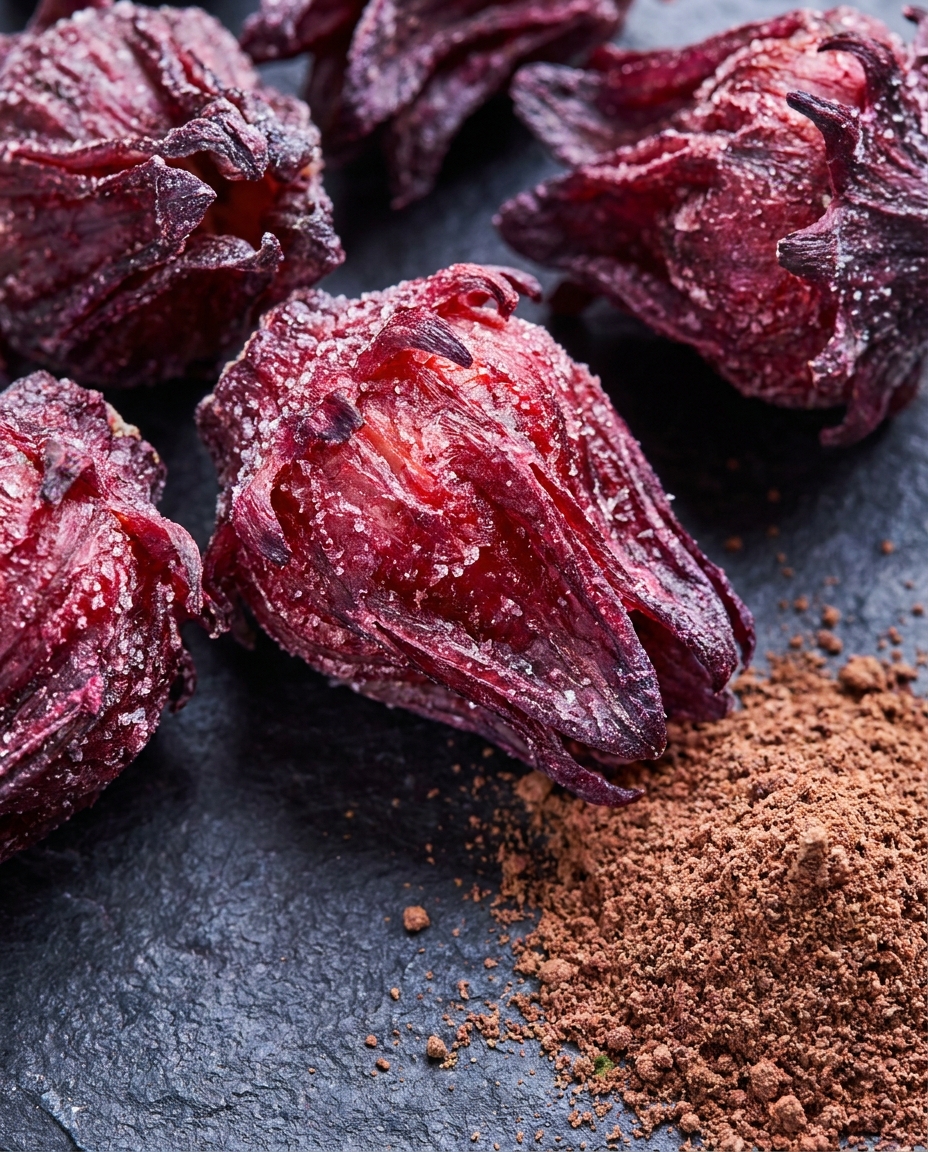
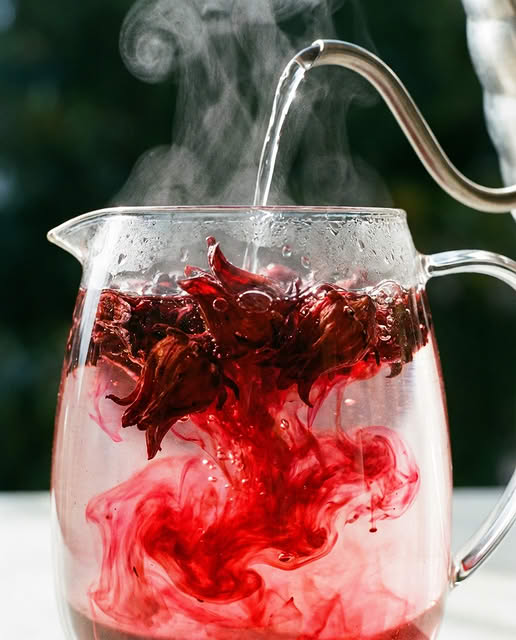
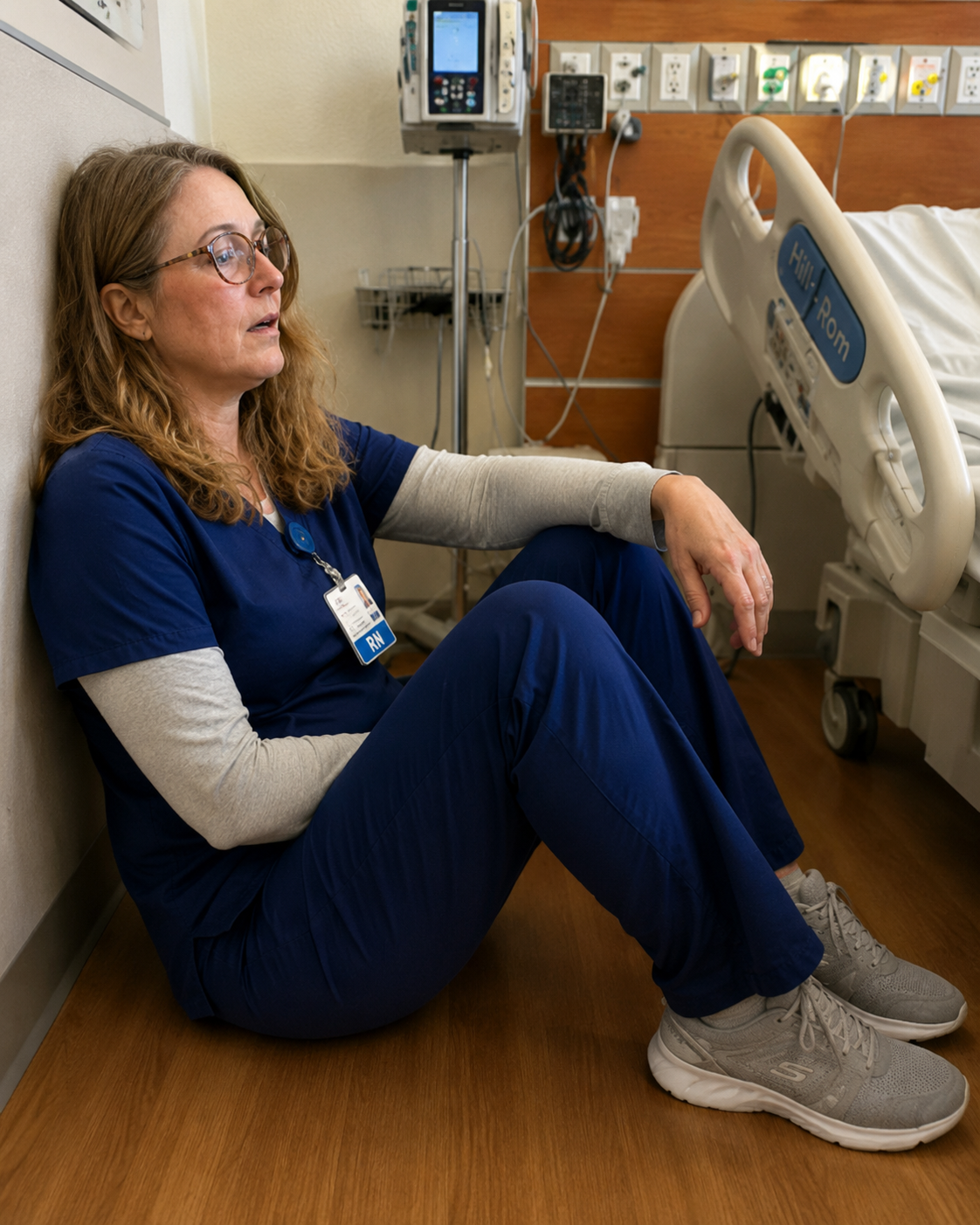
A 61 year old man died in my dialysis unit last week. Three years ago his eGFR was 54. Stable. Recheck in three months. Numbers any doctor would glance at and move on from. He did everything right. I've been a dialysis nurse for 22 years and I've watched this happen hundreds of times. Patients have heart attacks right on the dialysis chair, who were told years ago that their kidney function was "stable." That their eGFR was "holding steady." That they should "keep an eye on it and we'll recheck the numbers." I've read their charts. I've seen the notes. "eGFR stable." "Continue monitoring." "Routine follow-up in three months." Textbook management. And I've sat beside that chair watching a machine do the work their kidneys used to do, while their spouse sits in the waiting room learning what the rest of their life is going to look like. For years I kept my mouth shut. I'm a nurse, not a nephrologist. It's not my place to question the protocol. But when MY own eGFR came back at 49 and MY doctor told me to just keep an eye on it with a recheck in three months, I couldn't keep quiet anymore. I refused to just wait and watch. My coworkers thought I'd lost my mind. "You're a NURSE and you won't follow the standard protocol?" 12 weeks later my eGFR went from 49 to 61. My creatinine came down from 1.6 to 1.2. I crossed back over the stage 3 line. Without dialysis. Without a crash diet. Without white-knuckling my way through the kidney aisle. And what I found instead is something I wish I'd known 20 years ago. Because for 20 years I watched patients do everything their doctors told them and still end up in my chairs, and I never had an answer for why. Now I do. If your doctor just told you that your eGFR is low and the plan is to monitor and watch, keep reading. If you've already been put on watch-and-wait and you've been feeling the fatigue, the brain fog, the sleep that never leaves you rested that everyone tells you is "just aging," keep reading. If you've been cutting sodium and protein for years and your number still keeps sliding no matter what you eat, keep reading. Because after 22 years and thousands of patients, I finally understand why kidney decline silently destroys people who think they have time. And what I found instead has more real evidence behind it than most of the kidney supplements sitting in your cabinet right now. In the dialysis unit, we don't see the crisis. We see the aftermath. The person who used to garden now too tired to stand. The husband who drives his wife three days a week and waits in the parking lot. The woman who cried the first time she saw the machine and now barely looks at it. But the cases that haunted me, the ones I'd think about on the drive home, were the ones who never should have ended up in that chair. Not the ones you'd expect. Not the lifelong diabetic who ignored every warning. Those are tragic, but they're not surprising. The ones that haunted me were the GOOD patients. The 63 year old retired teacher whose eGFR had been "stable" in the low 50s for six years. Her nephrologist called her a "model patient." She walked every morning. Watched her salt. Made every three-month appointment. Never missed a lab draw. Then one quarter her number was 44. The next it was 38. By the time they marked her arm for the access, she couldn't understand how it happened so fast. The decline that her monitoring had been "watching" for six years had been quietly compounding the whole time while her numbers told everyone she was fine. She sits in chair four now. The 58 year old contractor. Caught on a routine physical years earlier. eGFR 56. His doctor told him to just keep an eye on it. He was a contractor. He was in better shape than most 40 year olds. His number held in the mid-50s for years and everyone, including him, thought there was nothing to do but wait. Then it started dropping. 51. 47. 42. His arteries and his kidneys had both been quietly taking damage the entire time even while his labs looked fine. He got his fistula last spring. His wife learned to drive the highway to the clinic because he was too wiped out after sessions. The 66 year old grandmother. Monitored for over a decade. Followed every piece of advice her nephrologist gave her. Cut her protein. Watched her potassium. Her eGFR sat in the low 50s and her doctor praised her. Then it slid. 48. 43. 39. Her cardiologist told her family later that her heart gave out before her kidneys fully failed, which is what happens to about half the people who reach that chair. He said he didn't understand. He called her a "compliance success story." She has a 10 year old grandson who used to help her in the garden. I started keeping a mental count. Not officially, just in my head. Every time a patient sat down in one of my chairs who'd been "stable" and monitored for years. After 5 years I stopped counting. There were too many. And every single time, the attending physician would look at the chart, see the eGFR history, and say some version of the same thing: "I don't understand. The numbers were stable." After the 50th time I heard "I don't understand," I realized something that changed everything for me. Kidney disease is dangerous. Nobody in medicine disputes that. 50 million American adults have it right now, and 90% of them don't even know. It leads to fluid overload, cardiovascular disease, dialysis, and death. Five-year survival on dialysis is roughly 40%. That's real. But if the approach that's supposed to manage it, the "monitor your eGFR, recheck in three months, we'll keep an eye on it" protocol, is what every single one of these patients followed, and they still ended up in my chairs, then watching the number isn't the same as protecting the kidney. Monitoring measures the loss. It does nothing to slow it. Something else is happening inside the body that nobody is addressing. I carried that question with me for years. But I never acted on it. I'm a nurse. I follow protocol. I chart. I run the machines. I don't question the nephrologist. Then last spring, I was between patients during a slow shift when the hospital ran its annual wellness screening for staff. Quick blood draw. Vitals check. Routine panel. I almost skipped it. Busy day. But the tech caught me in the hallway and I figured why not. She drew the blood. Sent it to the lab. The results were back before the end of my shift. eGFR: 49. Creatinine: 1.6. I stared at the screen. Pulled up the reference range I'd looked at ten thousand times for other people. Stage 3 starts under 60. I was in it. The doctor on duty that day, Dr. Reeves, a man I respected but barely knew outside of shift handoffs, pulled me aside after he saw the results in the system. "Jessica, you know the drill. This is stage 3, but it's early. Cut the sodium, watch your protein, stay hydrated. I want to see you back in three months for a recheck. We'll keep an eye on the number." He handed me a lab requisition for the recheck. The same kind I'd seen tucked into the folders of every patient I'd watched slide from that chair-free waiting room into the chair itself. I folded it. Put it in my scrub pocket. And never spent those 90 days just watching. Not because monitoring is wrong. The number matters. I'd tracked that number in thousands of patients over 22 years. But because I knew something he didn't. I knew that "watch your diet, stay hydrated, we'll recheck in three months" was the exact protocol sitting in the medical history of every patient I'd watched slide into that chair. They watched their diet. They cut the salt. Their numbers looked stable. Everyone thought there was nothing to do but wait. And they still ended up under my care. That told me something important. The standard approach was doing part of the job. It was measuring the number on paper. But it was leaving the most dangerous part of the picture completely untouched. I wasn't going to become one of my own patients. Instead, I did what I should have done years ago. I stopped following protocol and started following the research. What I found in 3 weeks of reading made 22 years of dialysis shifts suddenly make sense. And it made me furious. Because the research wasn't hidden. It wasn't classified. It was sitting right there in the journals, published and peer reviewed, and not a single protocol in my hospital reflected any of it. Here's what they taught us in nursing school: kidney function means how well your kidneys filter waste out of your blood. Your eGFR estimates it. As it drops, filtration drops. Watch the number, restrict your diet, slow the decline. Simple. And that first part has some truth. The number matters. Your diet matters. But here's what they DIDN'T teach us about why kidney decline is actually so relentless in the first place, and it changes everything. You were born with a finite number of nephrons. Those are the tiny filters inside your kidneys. Around a million per kidney, and here's the part nobody tells you. Your body cannot make new ones. Ever. The nephrons that are gone are gone. By the time you hit 60, roughly 40% of that reserve is already lost or scarred over. Think of it like a kitchen strainer that's been catching debris for sixty years. Over time the holes seal over with buildup. And once a hole seals, you cannot open it back up. That's how it works while you're aging normally. Slow. Quiet. Under the surface where you never feel it. But here's the part that broke my brain when I read it. It's not the diagnosis that takes your kidneys. It's the quiet oxidative damage that compounds every day between the moment you find out and the moment dialysis stops being optional. Decades of processed food, high blood pressure, high blood sugar, medications, environmental stress, just getting older. All of it fills your blood with unstable molecules called free radicals. And those free radicals attack the delicate filtering tissue in the nephrons that are still working. They damage it. A damaged nephron scars. A scarred nephron stops filtering. And here's the cruelest part. Every time a nephron scars over and quits, its share of the work doesn't disappear. It gets pushed onto the nephrons that are still standing. Now the survivors are doing more than they were built to do. Overworked filters wear out and scar faster. Which pushes even more work onto even fewer survivors. A cycle that feeds itself. The longer it runs, the faster the number falls. That's why your eGFR was "a little low" a couple years ago, lower last year, and lower again at your last draw. That's not just aging. That's a cycle accelerating beneath the surface where a blood test can't see it. An eGFR tells you how much filtration you have left today. It doesn't tell you how fast the damage is compounding. It doesn't tell you how many nephrons already scarred over this year. It's a snapshot of one number on one day, and it misses the full picture almost every time. And if that cycle keeps running, the damage doesn't stay contained as a number on a chart. It escalates. More nephrons scar. The survivors get overloaded. The number falls faster. And one day the recheck comes back and you've crossed a line you can't cross back over. That's the appointment where they mention the access. That's the surgeon marking your arm. This isn't something that might happen someday. The cycle is running right now. Every day it goes unaddressed, more filtering tissue takes oxidative damage, more nephrons scar, and the body moves one step closer to the chair. Now here's why nothing you've tried has stopped it. Your doctor put you on watch-and-wait. Cut the sodium, watch the protein, come back in three months. And those things matter. But none of them touch the oxidative damage that's scarring your surviving nephrons right now. The free radicals are still attacking the filtering tissue. The survivors are still overloading and wearing out. The protocol never plays defense. It just measures the loss. Measuring the loss doesn't slow the loss. It just watches it happen on paper. That's why patients cut their salt, watch their number hold for years, and still end up in my chairs. The protocol tracked the decline. Nothing addressed the damage driving it. And here's the part that explains how you've been feeling. When your filtration slows, waste products and inflammation build up in your blood in amounts too small to feel like anything specific. Just a heaviness. A fog. A tiredness that sleep doesn't fix. Your heart works harder. Your brain runs on dirtier fuel. That's the bone-deep fatigue. That's the brain fog. That's the "I feel like I aged 20 years overnight." That's not aging. That's what your blood chemistry does when filtration slows. I've charted those exact complaints for 22 years. I've watched doctor after doctor write "consistent with early kidney disease, continue monitoring" and move on. The patients weren't imagining it. Their blood was quietly getting harder to keep clean. The symptoms were predictable. And the cruelest part is this. Watching the number wasn't even slowing the underlying problem. It was just recording it. The damage kept running underneath. So the patient ended up trapped in a protocol that took more from them every quarter, for a problem that was never actually addressed. It's not just the protocol. I looked into everything else patients try. Cranberry helps with some urinary tract issues. That's real. But it doesn't stop the oxidative damage scarring your nephrons. It's calming one thing while the actual cycle keeps running. Water-loading, drinking gallons to "flush the kidneys," does nothing for the survivors and can actually strain them. It's working on a myth. Kidney detox teas are mostly mild diuretics. They make you urinate more. They don't reach the damage. Astragalus. Baking soda. Every "kidney cleanse" blend on Amazon. I've watched patients try every one of them. Every single thing they tried worked downstream, or did nothing at all. None of them reached the oxidative damage that was scarring the surviving nephrons in the first place. None of them addressed the actual cycle. That's the gap. That's the blind spot. That's what I watched hurt people for 22 years. The answer came from a doctor I've worked with for years. Dr. Pham. Nephrologist. Not the kind who reads lab results from behind a desk and writes another recheck date. The kind who reads the biopsies. Who has looked at scarred kidney tissue under a microscope for thousands of patients. He's seen what oxidative damage does to a nephron up close. He knows what "stable" actually looks like from the inside, in ways most doctors never will. After I got my results, I mentioned to him casually during a slow shift that I wasn't going to just wait and watch for 90 days. He didn't lecture me. He didn't tell me I was being irresponsible. He was quiet for a second. Then he said: "Do you know why patients with stable numbers still end up in your chairs?" I looked at him. "I've been wondering that for 22 years." "Because the eGFR on the panel isn't the full picture. The surviving nephrons are getting attacked by oxidative stress, and once tissue scars, it's gone. Monitoring doesn't touch that part. It just records the number. Nobody plays defense on the damage. Nobody addresses the cycle." He paused. "There's one thing I've found that actually reduces that oxidative and inflammatory burden. The anthocyanins in whole-flower hibiscus. The evidence on what they do for oxidative stress is real. I drink it every morning myself." Let me say that again so it lands. A nephrologist. A man who reads the biopsies for a living. Who has spent his career seeing what oxidative damage does to a kidney when the cycle progresses past the point of no return. Telling me, quietly, between rounds, that he drinks it every morning himself. I went home that night and started pulling research. Hibiscus. I'd heard of it, of course. Most people have. It's the deep red flower in half the herbal teas on the grocery shelf. My first instinct was to be skeptical, because I've watched patients waste money on every kidney trend that came along. But I kept reading. Because Dr. Pham doesn't say things casually. If he told me the evidence was real, there was evidence. The first thing I found was the history. People have used hibiscus for kidney and blood pressure support for centuries. But what stopped me was the modern research. It's one of the most antioxidant-dense plants studied, loaded with anthocyanins, polyphenols, flavonoids, and organic acids. And the reason that matters is exactly the mechanism Dr. Pham described. Those antioxidants neutralize the free radicals that are attacking the filtering tissue. Not by forcing the kidneys to work harder. By reducing what's attacking them, so the surviving nephrons can filter the way they're supposed to. But here was the critical detail I almost missed. The antioxidant content is everything. And it varies wildly. The anthocyanins are the deep red pigment. They're also the active compounds. And they are fragile. High heat destroys them. Age destroys them. The dust and stems packed into most tea bags barely contain them. Most of the hibiscus on the grocery shelf is a pale, culinary-grade product with a fraction of the anthocyanins the research is built on. When your body gets a high enough dose of those intact antioxidants, every day, two things start to happen. The free radicals attacking the filtering tissue get neutralized, so less damage compounds. And the surviving nephrons, no longer fighting through all that oxidative and inflammatory burden, get to do their actual job again. The cycle starts to ease. The number can recover, not because you grew new filters, you can't, but because the ones you still have are finally filtering at the efficiency they're capable of instead of drowning in oxidative stress. I found the research on that and sat there for ten minutes staring at the wall. There was something that could have eased the actual cycle this entire time. Something you drink. And nobody told them. Nobody. But before I ordered, I made the mistake almost everyone makes the first time. I went to the grocery store and bought a box of hibiscus tea bags. Top brand. Organic on the label. I drank it every morning for three weeks before I rechecked my labs. eGFR came back at 51. Up two points from 49. I almost gave up. But something nagged at me. The research had shown meaningful antioxidant intake mattered. Mine had barely moved. I went back to my notes. And that's when I saw what I'd missed the first time. Every source that talked about real benefit came back to the same handful of things. First, it had to be a genuinely high-anthocyanin varietal, research-grade, not the pale culinary hibiscus sold for color and flavor. Second, whole dried flowers, not the crushed dust and stem fragments packed into tea bags. Third, the brew had to run deep red, almost wine-dark, because that color IS the anthocyanin content, visible in the cup. Fourth, it had to be dried carefully at low heat, because high heat cooks the active compounds right out. Fifth, it had to be recent-harvest and freshness-tested, because those anthocyanins degrade on the shelf. The tea bags I'd been drinking failed every one of them. I looked at the box on my counter again. Pale pink in the cup. Crushed fragments. No varietal named. No harvest date. No mention of anthocyanin content at all. I'd been drinking colored water. I called Dr. Pham. Caught him between rounds. Told him what I'd done. He laughed, a tired laugh. "Jessica, almost everyone makes that mistake. Most hibiscus on the shelf is culinary-grade, dried hot, packed as dust in bags. Pale in the cup means the anthocyanins are already gone. You need whole flowers from a high-anthocyanin varietal, dried right, or you're drinking water with a tint." "What do you drink?" "PiPi Tea. It's the only one I've found that gets it right. A high-anthocyanin varietal grown at high altitude, hand-picked, whole flowers, not dust. Dried low and slow so the compounds survive. It brews so deep red you can see the difference in the cup. Recent harvest, third-party tested for freshness. Every criterion the research points to, in one cup." I ordered it that night. One deep-red cup every morning. Before my shift. I want to be honest about what the first few days felt like. It wasn't a caffeine jolt. It wasn't some dramatic shift 20 minutes after the first cup. This isn't a stimulant. It doesn't give you a buzz and call it progress. What it does is reduce the burden on your kidneys at the cellular level, and that kind of change takes time to show up on a blood panel. But what I noticed was quieter than that. And more real. Within the first week, my energy was different. That heaviness I carried into every shift, the feeling of dragging myself through the last four hours, it started to lift. I'd been blaming it on 12 hour shifts and age. It wasn't age. By week 2, the brain fog I didn't even realize I'd been living with started to clear. I was sharper during assessments. Faster with my charting. I wasn't groping for words the way I'd been doing for the past few years. By week 3, I was sleeping through the night for the first time in years. Waking up without that heaviness. Nurses know that feeling, the bone-deep fatigue that never fully goes away no matter how much you sleep. It went away. If you've tried kidney remedies before and felt nothing for months, this is different. You'll notice something is changing. Not a fireworks show. Just your body working the way it's supposed to again. I had my bloodwork repeated at 12 weeks. Sat in the lab waiting room like any other patient. They drew the blood. I waited three days for the results. When they posted to my chart, I opened them on my phone during a break. eGFR: 61. Creatinine: 1.2. I stared at those numbers for a full minute. Up from 49. Creatinine down from 1.6. I'd crossed back over the stage 3 line. Not borderline. Not "improved but still low." Back over 60. Every marker better. Not just one. The whole picture. I printed the results. Took them to Dr. Reeves, the same doctor who'd handed me that recheck requisition 12 weeks earlier. Caught him between rounds. I put the printout in front of him. He looked at the numbers. Looked at me. Looked at the numbers again. "You didn't just wait and watch, did you." "No." "What did you do?" I told him everything. The nephron cycle. The oxidative damage compounding between draws. The anthocyanins. The whole-flower hibiscus. The five things the research said had to be right. I talked for 20 minutes. He listened. When I finished, he was quiet for a long time. Then he said: "I need to read into this. But Jessica, don't stop whatever you're doing." I'm not stopping. I told 3 nurses on my unit. Quietly. Privately. Just showed them my results and explained the research. Within 2 months, 6 nurses in my department were drinking PiPi Tea. I didn't recruit anyone. I just showed them the mechanism and my numbers. Nurses understand what oxidative damage does to tissue. We studied it. When you show a nurse WHY something works at the cellular level, they don't need convincing. They need the link. And the fact that most of them noticed a difference in energy and mental clarity within the first 2 weeks made it easy. These are 12 hour shift nurses who know what real fatigue feels like, and they could tell something had changed. One of them, Angela, 51. A charge nurse whose eGFR had been sitting at 54 for three years, watch-and-wait, no plan. She described it as watching her body slowly betray her. The fatigue that never lifted. The fog that made her second-guess herself during critical assessments. Every three months, the same recheck, the same "keep an eye on it." She started drinking PiPi Tea alongside her diet, with her nephrologist informed. Within 8 weeks, her eGFR came back at 60, up over the stage 3 line, and her creatinine had dropped. The fatigue eased. Her energy came back. She told me by grabbing both my hands in the break room and saying, "I feel like I got 10 years of my life back." The look on her face said everything. Another, Diane, 63. She'd been monitored for over a decade. Her nephrologist had recently mentioned her kidneys were showing early scarring on imaging. The word that terrifies every kidney patient because once scarring starts, you're on a clock. She started drinking PiPi Tea alongside her dietary changes, her nephrologist informed. 8 weeks later, her eGFR had stabilized and ticked up for the first time in years. Her doctor told her whatever she was doing, keep doing it. She told me she'd forgotten what it felt like to not carry the weight of her own diagnosis around every single day. I'm not telling anyone to ignore their doctor's advice. That's not my place and that's not my advice. I'm telling you what I saw. What I experienced. What the research supports. And I'm telling you what I wish someone had told me, and every patient who ended up in my chairs, 20 years ago. That 66 year old grandmother had been monitored for 12 years. Her heart still gave out before her kidneys fully failed, on a chart full of "stable." She has a 10 year old grandson who used to help her in the garden. Her doctor monitored the number. Nothing addressed the cycle inside her body that was running the entire time. If your doctor just told you that your eGFR is low and the plan is "monitor and watch, we'll recheck in three months," I hear you. I've spent 22 years watching the long-term outcome of that plan. If you've already been on watch-and-wait and the fatigue, the brain fog, and the exhaustion have arrived right on schedule, I hear you. I was sitting at that same nurses' station 12 weeks ago staring at my own results. If you've tried cranberry, detox teas, water-loading, the whole kidney aisle, and nothing is moving your numbers, I hear you. Because nothing you tried was reaching the oxidative damage that controls whether your surviving nephrons scar over or keep filtering. PiPi Tea. One deep-red cup every morning. Whole-flower, high-altitude hibiscus at the anthocyanin content the research points to. It supports the surviving nephrons your protocol only measures, and reduces the oxidative burden nothing else in the kidney aisle can reach. I'm a nurse. I don't sell tea. I don't get paid for this. I'm writing this because after 22 years of watching the same blind spot hurt the same people, I can't stay quiet anymore. Right now the makers of PiPi Tea are offering buy 2 get 1 free, which brings the cost to about $19.99 a bag. They also offer a 90 day money back guarantee. If your numbers don't improve, you get a full refund. No questions asked. In 22 years of nursing I've never seen a treatment protocol come with an offer to give your money back if it doesn't work. Think about that. PiPi Tea is a small operation. It's grown at high altitude, hand-picked, and dried in small batches at low heat to protect the anthocyanins, so there's a limited amount from each harvest. When a season's supply runs low, it's gone until the next one. They sell out regularly. If you've got bloodwork coming up in the next 30 to 60 days and you want to give your kidneys a real shot at better numbers before that appointment, check availability now. Don't wait. Every day the cycle keeps running is another day more nephrons scar, and another day closer to the appointment with your doctor that you don't want to have. https://shop.pipitea.com/hbt/kd/sp-nm You still have time. Don't wait until the day the surgeon marks your arm. ~ Jessica Smith, RN, Dialysis Unit, 22 years P.S. I want to be clear about something. I'm not telling you to change anything your doctor has you doing. That conversation is between you and your nephrologist. What I am telling you is that monitoring only measures the number. It doesn't slow the oxidative damage that's scarring your surviving nephrons in the first place. If you want to give your kidneys a real chance to ease that cycle, you need something that works at the cellular level. That's what I added. That's what changed my numbers. That's why I'm writing this when 22 years of training tells me to stay quiet. P.P.S. The 90 day guarantee is the part I keep coming back to. I've watched thousands of patients handed a recheck date in my career. Not one of them came with "if this doesn't work we'll give you your money back." Not one. Whatever you decide, that detail is worth thinking about. https://shop.pipitea.com/hbt/kd/sp-nm
Natural Relief in Weeks
LEARN MORELike this ad? Make it yours.
Crush rebuilds this exact creative around your product — your brand, your colors, your offer — in about a minute.