
Inactive· since Jun 11, 2026
- 13
- days it ran
- 0
- relaunches
Ad copy
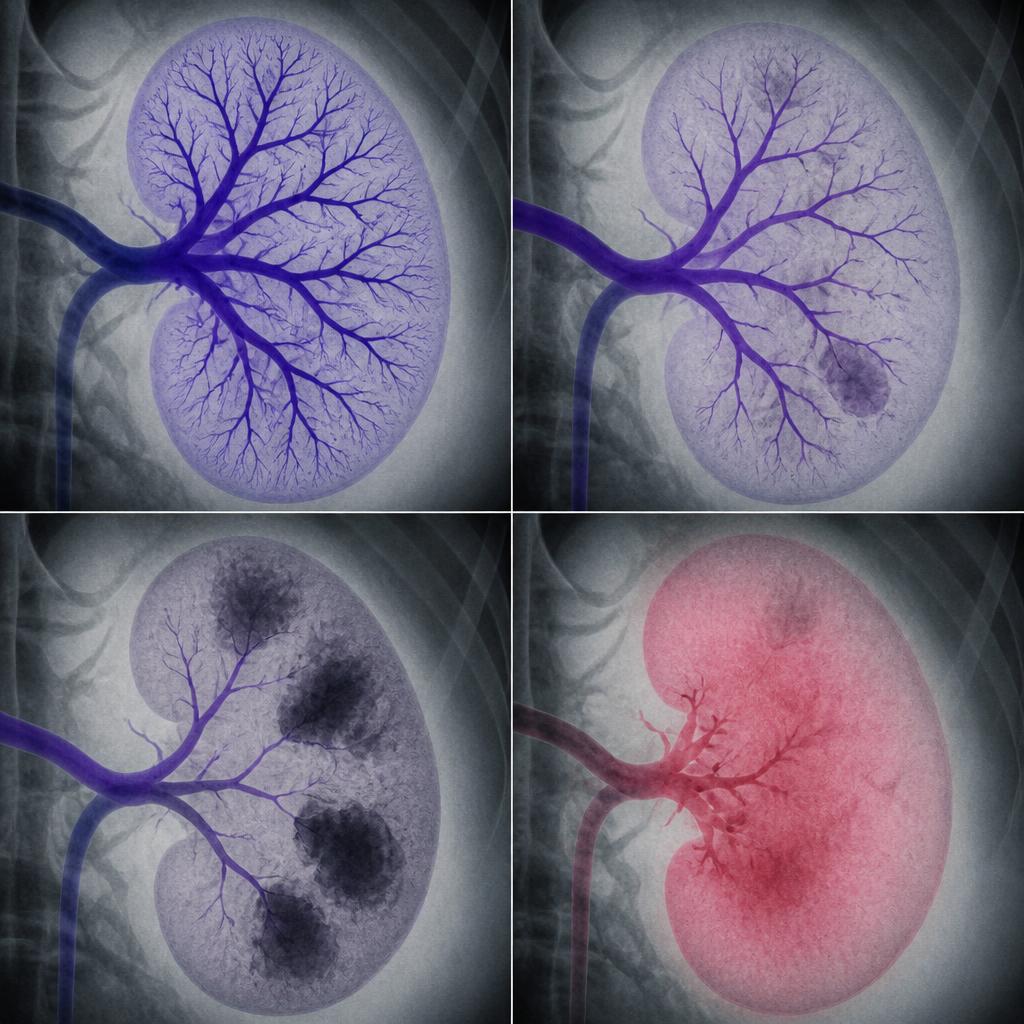
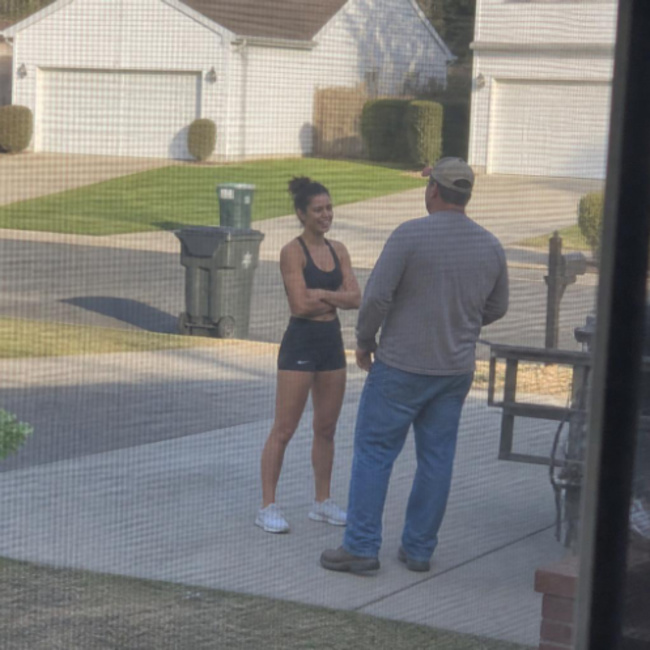
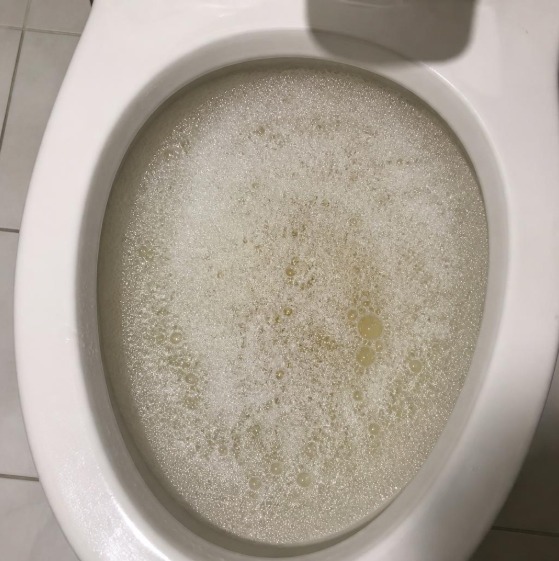
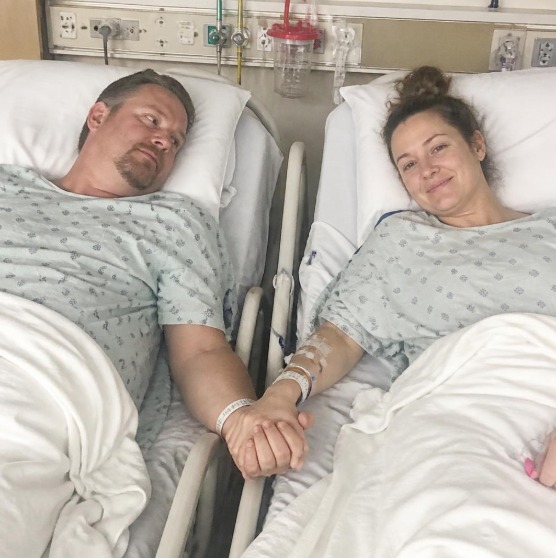
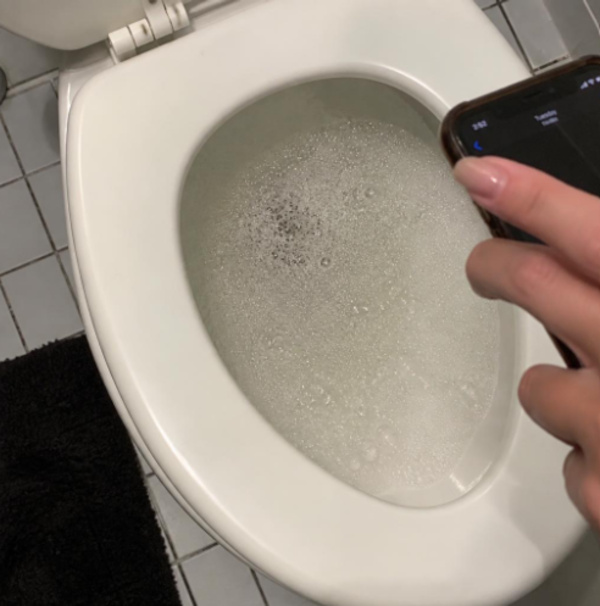
My husband's nephrologist told him his kidneys were at 38 percent. I spent seven months trying to save them with every supplement I could find. It wasn't until I understood WHERE the damage was actually happening that I realized why none of them could reach it. My name is Linda. I'm 59. My husband Gary is 63. He's been a type 2 diabetic for nine years. Metformin. Blood pressure pill. Low-sodium diet. He follows every instruction his doctors give him. Last October, his nephrologist pulled up his labs and got quiet. Not the normal kind of quiet. Not the "let me look at this" quiet. The kind of quiet where someone is choosing their words. "Gary, your GFR has dropped to 38." I was sitting in the chair next to Gary. I had my purse in my lap and a list of questions I'd written on the back of a grocery receipt. I didn't ask any of them. "What does that mean?" Gary asked. "It means your kidneys are filtering at 38 percent capacity. You're in Stage 3b. We've been watching the decline — 52 eighteen months ago, 46 last spring, now 38. The trajectory is concerning." "What do we do?" Dr. Pham looked at me. Then back at Gary. "We monitor. We keep the blood pressure controlled. We keep the A1C where it is. And we start talking about what happens if the decline continues." I asked the question Gary wouldn't. "Are you talking about dialysis?" Dr. Pham paused. "Not yet. But at this rate, we're likely looking at Stage 4 within the next twelve to eighteen months. And if we reach Stage 4, we start preparing." Preparing. He said it like preparing meant scheduling an oil change. Like it was a calendar item. I know what dialysis means. My aunt was on it for three years before she died. Three sessions a week. Four hours in a chair. A needle into a fistula they surgically create in your arm — a raised, ropy scar she never stopped covering with long sleeves. Even in August. Even in her own house. She stopped traveling. Stopped going to her granddaughter's softball games. Stopped making plans more than two days ahead because the schedule owned her. Monday, Wednesday, Friday. The machine pulled her blood out, cleaned it, pushed it back in. While she sat there. For four hours. She told me once — and I never forgot it — "They keep me alive on these days so I can feel half-dead on the others." I looked at Gary sitting in that exam room chair. The man who built our back deck with his own hands. The man who drove fourteen hours straight to bring our daughter home from college when she had the flu. The man I married when I was 23 years old and have been beside for 36 years. I was not going to watch him in that chair. I started researching that night. Not casually. Not the way you browse WebMD at midnight and scare yourself. I mean research. Hours every night after Gary went to bed. Journals. Forums. Kidney disease support groups. Anything that could tell me how to stop a GFR from dropping. I found the standard advice immediately. Low protein diet. Reduce sodium. Control blood sugar. Control blood pressure. Monitor. Gary was already doing all of that. His A1C was 6.9. His blood pressure was controlled with medication. He ate what I cooked and I cooked what the dietitian told me to cook. He was doing everything right. And his kidneys were still failing. "Managed" and "safe" are two different words. I learned that in October. Three weeks into my research, I found Ceylon cinnamon. Not the regular cinnamon — a specific species. Cinnamomum verum from Sri Lanka. The research said it helps glucose enter cells more efficiently. Lowers blood sugar. Takes pressure off the kidneys by reducing the glucose load in the blood. The studies were real. Published journals. Clinical trials. I read four of them. A concentrated extract. 7,200mg equivalent. MCT oil delivery for absorption. I found a well-reviewed brand. Ordered it immediately. I gave it to Gary every morning with breakfast. Didn't tell him the details. Just said it was something for his blood sugar. He took it without argument. Gary trusts me. After 36 years, he knows when I've done my homework. Six weeks in, his fasting glucose dropped from 134 to 118. That was real. That was moving. I sat down at the kitchen table and exhaled for what felt like the first time in weeks. Eight weeks in, his fasting glucose was 112. Still improving. I thought I'd found the answer. His 90-day follow-up with Dr. Pham was in January. I marked the calendar. Counted the days. Pictured the moment his nephrologist would see the improvement and tell us the trajectory had changed. January 14th. 8:30 AM. Dr. Pham's office. Gary's fasting glucose: 109. Down from 134. Real improvement. Gary's GFR: 36. Down. Again. Two more points gone. His protein spillage had climbed to 480. Up from 390. I sat in that chair and felt the floor drop out from under me. "His blood sugar improved significantly," Dr. Pham said. "That's good. But the kidney function is still declining. We'll continue monitoring." Monitoring. I wanted to scream. I went home and stared at the bottle of Ceylon cinnamon on our kitchen counter and felt something I can't fully describe. Not anger. Something worse than anger. The feeling of having done everything right and watching it not be enough. The blood sugar was better. The kidneys were worse. How was that possible? I didn't stop. I bought cranberry extract. Kidney-support blends with astragalus and cordyceps. A CoQ10 supplement because I'd read that kidney patients are often depleted. I gave Gary all of them. Morning routine became a small pharmacy lined up next to his coffee mug. Three more months. Every pill, every morning. I tracked his fasting glucose. I tracked his blood pressure. I watched his numbers. His blood sugar held steady around 110. His blood pressure stayed controlled. April follow-up. GFR: 34. Protein spillage: 530. Four more points gone. While he was taking everything I could find. While his blood sugar was the best it had been in years. While his blood pressure was controlled. While he ate what I cooked and took what I gave him. Dr. Pham said: "We need to start discussing next steps. If this continues, we're looking at Stage 4 before the end of the year." Gary nodded. He always nods. He's a man who trusts doctors because he grew up trusting doctors. He doesn't argue. He doesn't push back. He accepts. I don't. In the parking lot, I sat in the driver's seat and didn't start the car. Gary was quiet next to me. "We'll figure it out," he said. "I know," I said. But I didn't know. I'd been trying to figure it out for six months. And his kidneys were still failing. That night I didn't research kidney supplements. I changed the question. For six months I'd been asking: "What helps kidneys?" That night I asked: "Why is nothing reaching them?" Because that was the thing I couldn't explain. Gary's blood sugar was better. His blood pressure was controlled. He was taking half a dozen supplements targeted at kidney health. By every metric I could measure, things were improving. Except the kidneys themselves. Something was happening inside those filters that nothing I was giving him could touch. At 1:30 AM I found a lecture from a researcher named Dr. Kenji Amari. He was a nephrologist for 16 years in Tokyo before moving to renal research at a university in California. The lecture was from a medical conference — low production quality, a man standing at a podium with slides behind him. Not polished. Not selling anything. Just a researcher presenting findings to other researchers. The title stopped me: "Why Managed Blood Sugar Doesn't Save Kidneys." I pressed play. And in 22 minutes, everything I thought I understood fell apart. Dr. Amari opened with a slide showing two columns. One column listed patients with managed blood sugar. The other listed patients who progressed to kidney failure. The overlap was enormous. "Seventy percent of the patients in this dataset," he said, "had A1C levels under 7.5 at the time their kidney function crossed below the dialysis threshold. Managed blood sugar. Controlled blood pressure. Standard of care followed precisely. And they still lost their kidneys." He let the slide sit. "If managing blood sugar saved kidneys, this column would be empty. It is not empty. So we have to ask a different question. Not 'is the blood sugar controlled?' But 'what is actually destroying the filter?'" He clicked to a new slide. A diagram of a kidney filter — the glomerulus. Millions of them in each kidney. "Think of this as a mesh screen," he said. "The finest mesh you have ever seen. Its job is to let waste through and keep the good — protein, blood cells — on the other side. When this mesh is healthy, nothing leaks. When it is damaged, protein passes through. That is the foam in the toilet. That is the rising spillage number on your lab report." I paused the video. The foam in the toilet. I'd noticed it three months ago and Gary had said it was nothing. I hit play. "Now. Every supplement, every dietary intervention, every medication targeting kidney disease is working HERE —" He pointed to the blood flowing TOWARD the filter. "Reducing glucose in the blood. Reducing pressure in the blood. Managing what passes through the filter." He paused. "Nobody is working HERE." He pointed to the wall of the filter itself. "Inside the mesh. Where the damage is actually occurring." My hands went still on the keyboard. "The walls of the glomerular filter are made of specialized cells — podocytes, endothelial cells. These cells are under constant attack. Not from glucose. Not from blood pressure. From hydroxyl radicals." He clicked to a molecular diagram. "Hydroxyl radicals are the most destructive free radicals the human body produces. They do not nudge cells. They do not irritate cells. They shatter cell membranes on contact. Tear them apart. And they are generated continuously inside the kidney tissue as a byproduct of the metabolic stress that diabetes creates." He drew a circle around the filter wall in the diagram. "When hydroxyl radicals attack the cells in this wall, the wall weakens. Inflames. Small holes develop. Protein begins leaking through — that is your rising spillage number. The filtration efficiency drops — that is your GFR falling. And once this process is underway, managing the blood sugar does not stop it. Because the damage is not coming from the blood side. The damage is coming from inside the mesh." I thought about the Ceylon cinnamon on my kitchen counter. The cranberry extract. The CoQ10. The astragalus. Six months of bottles lined up next to Gary's coffee mug every morning. And I could feel it already — the thing I didn't want to know yet. "This is the fundamental error," Dr. Amari continued. "We reduce the glucose load. We reduce the pressure. We slow what is flowing through the mesh. And we believe we are protecting the kidneys. But the mesh is still burning from the inside. The hydroxyl radicals are still destroying the wall. And nothing you are giving your patient from the blood side can reach where the fire is." He took a breath. "You can slow the sand in the pipe all you want. If the pipe itself is on fire, the pipe will still fail." I wrote that on the back of an envelope. I didn't want to forget it. "The question then becomes," he said, "how do you get something inside the filter wall to neutralize the hydroxyl radicals? And the answer is the same problem that has frustrated nephrology researchers for decades. The glomerular basement membrane — the wall of the filter — is a barrier. Almost nothing can cross it from the outside." He listed compounds on the slide. Vitamin C. Vitamin E. CoQ10. NAC. Curcumin. Ceylon cinnamon polyphenols. Astragalus saponins. "All of these are too large," he said. "They circulate in the blood. They work where they can reach. They cannot reach the interior of the glomerular wall. This is not a dosage problem. It is a size problem." He clicked to a final slide. A single molecular diagram. Two small circles bonded together. "This is H2. Molecular hydrogen. The smallest molecule in existence." He traced the diagram. "H2 passes through cell membranes. Through tissue barriers. Through the glomerular basement membrane. It is the only compound we have studied that physically reaches the interior of the kidney filter — the exact site where hydroxyl radicals are destroying the wall." I stopped breathing. "And here is what makes it extraordinary. H2 is selective. It does not neutralize all free radicals indiscriminately — some of those free radicals your immune system needs. H2 targets only hydroxyl radicals. The destructive ones. The ones burning the mesh. It converts them into water. Harmless water. And leaves everything else untouched." He set the laser pointer down. "Every supplement on the market for kidney support is managing the blood that flows through the filter. Molecular hydrogen protects the filter itself. These are not competing approaches. But only one of them addresses where the damage is actually occurring." I sat at the kitchen table at 2 AM and cried. Not sad tears. Frustrated tears. Six months. Four supplements. Hundreds of dollars. And nobody — not one nephrologist, not one supplement label, not one kidney support group — had explained WHERE the damage was happening and WHY nothing I was giving him could reach it. I'd been slowing the sand. Nobody told me the pipe was on fire. I didn't sleep. I spent the next three hours reading everything I could find about molecular hydrogen delivery — how to actually get it into the body at therapeutic concentration. The next morning I ordered hydrogen water. A case of bottled hydrogen water from a company with good reviews. Gary drank two bottles a day for three weeks. Nothing changed. His energy didn't shift. His morning fog didn't lift. No improvement I could point to. I went back to the research. Found out why. Hydrogen is the smallest molecule in existence — which means it escapes through everything. Plastic bottles, metal containers, even glass. By the time bottled hydrogen water ships, sits in a warehouse, gets delivered to your house, and you open it — the hydrogen is mostly gone. Escaped through the container. You're drinking water with a memory of hydrogen in it. Not enough to neutralize anything. I threw the bottles away and started researching delivery methods. Hydrogen tablets. That's where the real research pointed. Specifically, magnesium-based effervescent tablets. You drop them in water, drink immediately while the reaction is happening, and the hydrogen generates directly in your stomach. Absorbs into your bloodstream through your stomach lining. No time to escape. No concentration loss. I bought the first brand I found with good ratings. Gave them to Gary for four weeks. On the morning of day 28, I tested his fasting glucose. Sat at the kitchen table with the meter and the strip and the hope I'd been carrying for a month. It hadn't moved. Not a point. His energy was the same. His sleep was the same. The fog was the same. I stared at the meter and then I stared at the bottle. I dropped one of the tablets in a glass of water. Timed it on my phone. Two minutes and forty seconds to dissolve. The fizz was barely visible — thin, sparse bubbles that looked like flat soda going through the motions. I went back to the clinical studies I'd been reading since the night I found Dr. Amari's lecture. Compared the concentrations used in the trials to the label on the bottle I'd bought. Found the problem. Concentration. Parts per million. Most hydrogen tablets deliver 2 to 3 parts per million of H2. The clinical studies showing real results — protection of kidney tissue, reduction in oxidative stress markers, measurable cellular improvement — used concentrations of 10 to 12 PPM or higher. The brand I'd bought was delivering a fraction of the therapeutic dose. It was like taking a baby aspirin when you need surgery. Wrong delivery. Wrong concentration. Wrong outcome. For the second time. But now I knew exactly what I needed. Magnesium-based tablets. 10+ PPM at the moment of absorption. Third-party tested concentration — not a label claim, verified numbers. And I wasn't going to trust another product listing. I went back to the only source that had been honest with me from the beginning. The same kidney support groups where I'd been reading for months. The ones where women like me tracked every number, every supplement, every change in their husbands' labs. I'd been lurking since October. These women were not casual. They were meticulous. I started reading threads about molecular hydrogen specifically. Who had tried it. What brand. What happened. The pattern mirrored my own journey exactly. Hydrogen water — nothing. Low-PPM tablets — nothing meaningful. But then there were the posts from women who had seen their husbands' kidney numbers change direction. GFR stabilizing. Protein spillage dropping. Fasting glucose falling into ranges they hadn't seen in years. One woman had posted her husband's lab results month by month. GFR 31 in January. 34 in April. 38 by July. She'd tried two other hydrogen brands before switching. Her post had 53 replies. I read every single one. They were all saying the same thing. Every single one of them was using the same brand. PrimeCell H2. I looked it up. Magnesium-based effervescent tablet. 12 parts per million — six times what the brand I'd tried was delivering. Dissolved in under 90 seconds. Third-party tested with published concentration results. No fillers. Plus 80mg of elemental magnesium per tablet — which mattered because Gary's nephrologist had been talking about supplementing magnesium separately for over a year. Kidney patients are almost always depleted. 12 PPM. The concentration Dr. Amari had cited in the clinical studies. The concentration that actually corresponded to the research I'd been reading at 2 AM for weeks. I cross-checked. Read every thread I could find. Looked for women who had tried PrimeCell after trying other brands — the same journey I was on. Found a dozen of them. The story was the same every time. Other brands didn't move the needle. PrimeCell did. I placed the order that night. The bottle arrived on a Thursday. That evening, I dropped a tablet in a glass of water on the kitchen counter. The fizz was immediate — aggressive, visible, nothing like the weak tablets I'd tried before. Dissolved in about a minute. The difference wasn't subtle. It was obvious. "What's this?" Gary asked. "Something new. Drink it." "Linda—" "Gary. Please." He drank it. I set my phone timer. Not because I expected anything. Because I'd been tracking everything for seven months and I wasn't going to stop. Nineteen minutes later, Gary looked up from the television. "What was in that water?" "Why?" "I don't know. I feel... clear. Like somebody turned a light on." I didn't say anything. I wrote "19 min — clarity" on my tracking sheet and went back to loading the dishwasher. But my hands were shaking. I gripped the edge of the counter and stood there for a long time. Seven months. Four products. And in nineteen minutes, something reached where nothing else could. Day three. Gary came downstairs and poured his own coffee without standing at the top of the stairs for a minute first. I noticed because for three years I've been memorizing his mornings — how long he pauses, how he grips the railing, whether his face looks clouded or clear. Day five. He slept through the night. First time in over a year without getting up twice to use the bathroom. Day eight. He was in the backyard before I woke up. Standing at the fence, talking to our neighbor about the weather. A conversation. Outside. At 7 AM. He hadn't done that in two years. Day twelve. I checked the toilet in the morning before I flushed. I'd been checking every day since I first noticed the foam. There was less. Not gone. But less. The water was clearer than it had been in months. Day nineteen. Gary carried two bags of mulch from the truck to the backyard without stopping. I watched from the kitchen window. He set them down, straightened his back, and went back for two more. Six months ago he would have carried one and sat on the porch for ten minutes. I didn't tell him what was happening. I didn't explain the mechanism. I didn't show him the research. Because Gary would nod and say "that's interesting" and go back to his coffee. He wouldn't understand what I was seeing. That the man in the backyard carrying mulch was the man I'd been trying to find for three years underneath the fog and the fatigue and the numbers that only went one direction. Week three. I tested his fasting glucose on a Saturday morning. Down from 118. The lowest I'd seen in three years. His blood pressure that morning: 128/82. The best reading in months. Week four. I checked the toilet again. The foam was almost gone. Just a few small bubbles that dissolved before I could count them. I stood in the bathroom doorway and pressed my hand over my mouth. Week six. His energy was different. Not jittery. Not caffeinated. Just present. He was staying up until 9:30, then 10. He started a project in the garage he'd abandoned a year ago — reorganizing his tools, sorting screws into containers, the kind of focused, patient work he used to do for hours and hadn't touched since his diagnosis. I counted the days until his follow-up. July 16th. Dr. Pham's office. 8:30 AM. Gary went in relaxed. He always does. He doesn't carry the dread I carry. I carried enough for both of us. Dr. Pham pulled up the labs. Looked at the screen. Paused. Looked at Gary. Back at the screen. "Gary." He said it slowly. "Your GFR is 41." Forty-one. Up from 34. Seven points. In the direction I'd been begging for since October. "And your protein spillage dropped to 290. Down from 530." I heard myself inhale. Loud enough that Gary turned and looked at me. "Your blood sugar is also improved. Fasting glucose at 104. A1C came in at 6.4." Dr. Pham set the laptop down and leaned forward. "What changed?" Gary looked at me. I told Dr. Pham about the molecular hydrogen. About the research. About Dr. Amari's lecture and the hydroxyl radicals and the kidney filters and why nothing else I'd tried could reach the tissue where the damage was happening. He listened. He didn't interrupt. He didn't dismiss it. When I finished, he was quiet for a long moment. He pulled Gary's chart history up on the screen — the line I'd been watching fall for two years. 52. 46. 38. 36. 34. And now, for the first time, the line went up. "I'm not familiar with this compound in a clinical context," he said. "But your kidney function improved measurably for the first time since I've been treating you. Your protein spillage dropped by almost half." He looked at Gary. "Whatever you're doing — keep doing it. We'll retest in 90 days." He didn't endorse it. He didn't prescribe it. He looked at a number that had only gone down for two years and acknowledged that it went up. That was enough. In the parking lot, I started the car and sat there with both hands on the wheel. Gary reached over and put his hand on mine. "Thank you," he said. "For not giving up." I didn't trust my voice. I just held his hand and let the engine idle and watched two women walk across the parking lot toward the entrance of the building we'd just left. One of them was holding a folder. The other was holding her arm. I wondered if they knew yet. I wondered if anyone had told them where the damage was actually happening. I drove home. That was four months ago. Gary's most recent GFR: 44. Protein spillage: 210. Fasting glucose consistently under 110. The dialysis conversation has not come back. The trajectory changed. He takes one tablet every morning. Drops it in water. Drinks it while it fizzes. Takes less than two minutes. That's the whole routine. The same man who was heading toward a chair three days a week is reorganizing the garage, walking the neighborhood after dinner, and arguing with our neighbor about whether the Packers have a shot this year. He's not a different person. He's the person he was before the numbers started taking him away. I still take his fasting glucose every morning. I still track everything. But I'm not holding my breath anymore. If you're where I was in October — If your husband's GFR is dropping a point or two every quarter. If your doctor keeps saying "we'll monitor it" while the number falls. If there is foam in the toilet that won't go away. If you've tried supplements that helped his blood sugar but didn't touch his kidney function. I need you to hear what took me seven months and four failed products to learn. The damage is not happening in the blood. It's happening inside the filter. And nothing you give him will reach it unless it's small enough to get through the wall. You're standing at a fork right now. I know because I stood at the same one. One path is the one Gary was on. The GFR drops another point or two next quarter. Then another. Then your nephrologist stops saying "we'll monitor" and starts saying "we need to prepare." You sit in a waiting room while they schedule the fistula surgery. You learn what day of the week belongs to the machine. You watch the man you married reorganize his life around a chair he never should have needed. The other path is the one I chose in April when I stopped managing the blood and started protecting the filter. You give him the one molecule small enough to get through the wall. You track the numbers. You go back for the next labs. And when the line on the chart changes direction for the first time — when the doctor pauses and asks what changed — you'll know. Molecular hydrogen is the only molecule that can reach where the damage is happening. And PrimeCell is the only brand I found that delivers it at the concentration the research actually used. Not 2 PPM. Not 3 PPM. Twelve. https://track.getamalahealth.com/5548c06d-d9c3-4785-b466-fec64a6fdb28 P.S. — PrimeCell H2 has a 90-day money-back guarantee. No questions asked. If Gary's numbers hadn't moved in 90 days, I would have sent it back and kept searching. They moved in eight weeks. But the guarantee means the first three months cost you nothing if they don't. Your husband has nothing to lose except the trajectory he's on. That's the thing worth losing. P.P.S. — The 20-minute challenge. Drop a tablet in water, hand it to him, and set a timer. Nineteen minutes for Gary. Most people feel the clarity within 15 to 20 minutes. The hydroxyl radicals fogging his brain are the same ones burning his kidney filters. When the fog lifts, you'll know it's reaching where it needs to go. That first glass is the proof of concept. The next labs are the proof of outcome. P.P.P.S. — If you're a woman reading this thinking "what about me?" — the oxidative damage works the same way regardless of gender. The hydroxyl radicals don't care. I take PrimeCell every morning too. Have since week two. My sleep improved within four days. But I bought it for Gary first, and I'd buy it for him again tomorrow. This is about whoever in your house needs it most right now. P.P.P.P.S. — They currently have a buy 3 get 2 free deal. That's $17.99 per box. I buy five at a time because I watched this company sell out twice while I was waiting to reorder, and I am not going back to the months when Gary's numbers were falling and I had nothing that could reach them. Stock up. Don't wait. Every day the hydroxyl radicals keep burning, the mesh keeps tearing. I waited seven months giving Gary things that couldn't get through the wall. You don't have to. P.P.P.P.P.S. — I still have the bottle of Ceylon cinnamon on the kitchen counter. I'm not throwing it away. It lowered Gary's blood sugar and that matters. But it cannot get inside the kidney filter. That's not a failure of cinnamon. It's a limitation of the molecule. It works on the blood side. PrimeCell works on the filter side. Gary takes both. But only one of them reversed the trajectory. Know which tool does which job. P.P.P.P.P.P.S. — Don't forget about the 90-day money-back guarantee. Track his fasting glucose every morning. Note his energy, his clarity, his sleep. Watch the foam. Go back for his next labs. If the numbers don't move, you pay nothing. If they do — if the GFR ticks up for the first time instead of down, if the protein spillage drops, if the foam disappears, if the doctor pauses over the chart the way Dr. Pham paused over Gary's — you'll know it's reaching where seven months of everything else couldn't. https://track.getamalahealth.com/5548c06d-d9c3-4785-b466-fec64a6fdb28
Fix Yourself at the Cellular Level
PrimeCell H2 is a next-generation molecular hydrogen tablet formulated to support your body's natural antioxidant defenses — helping you feel sharper, more energized, and more like yourself.
LEARN MORELike this ad? Make it yours.
Crush rebuilds this exact creative around your product — your brand, your colors, your offer — in about a minute.