
Active· since Jun 11, 2026
- 99
- days running
- 0
- relaunches
Ad copy
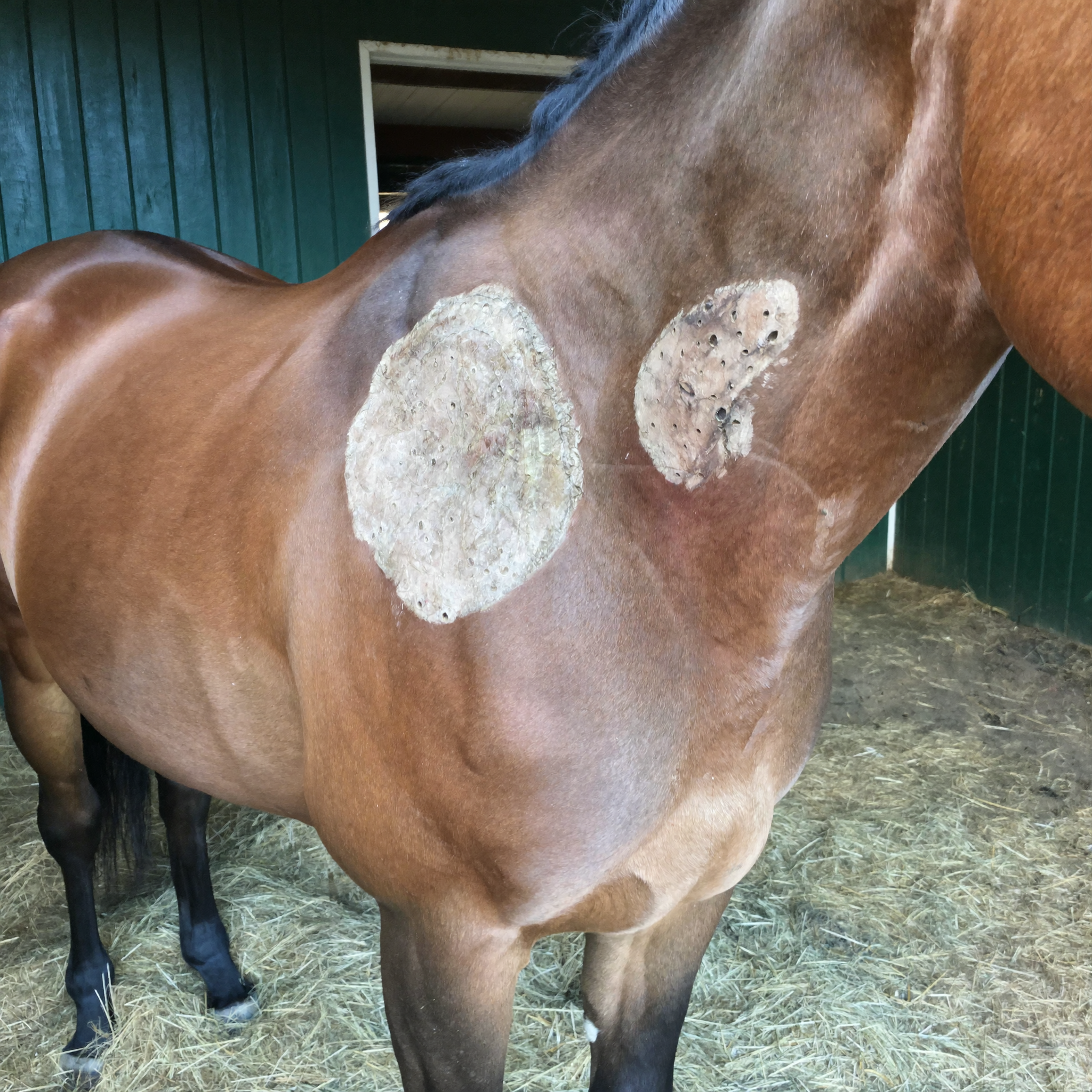
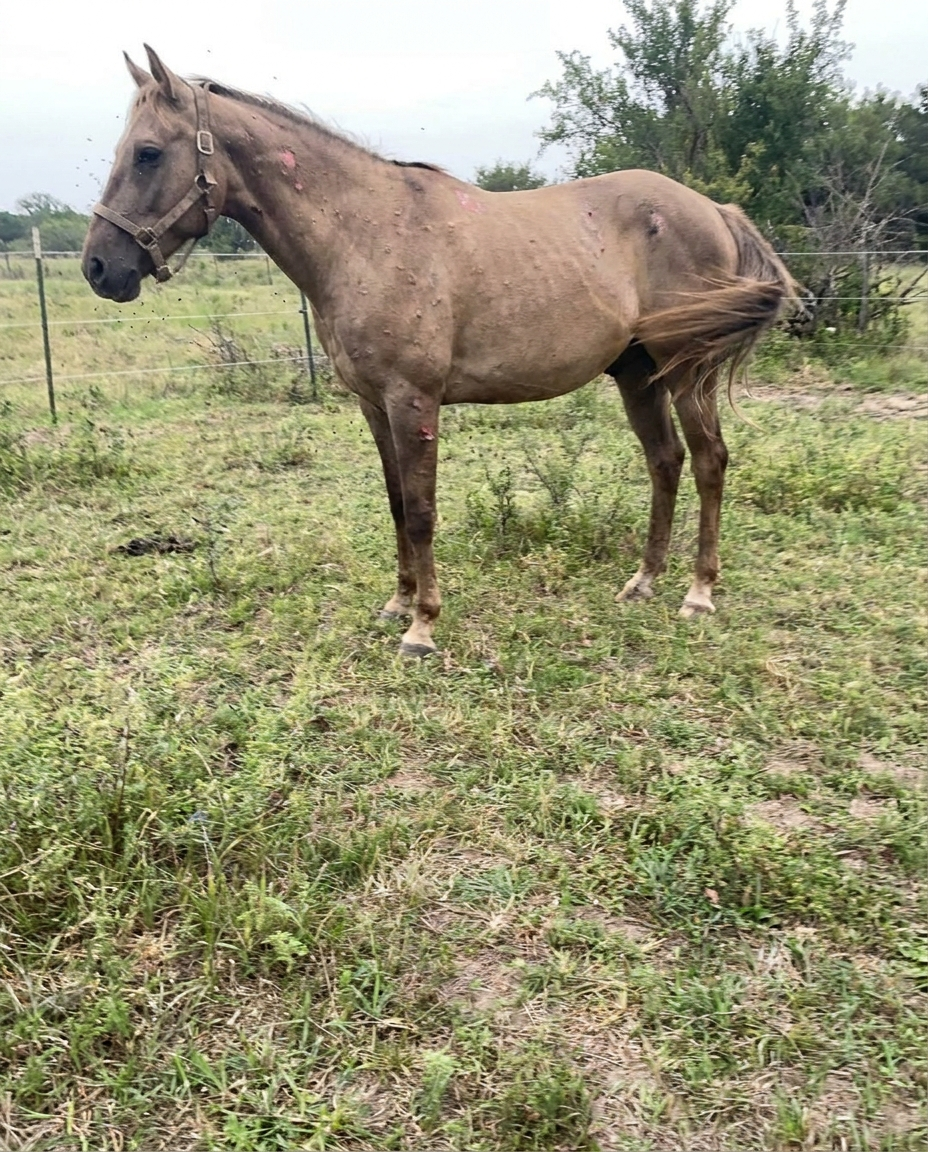
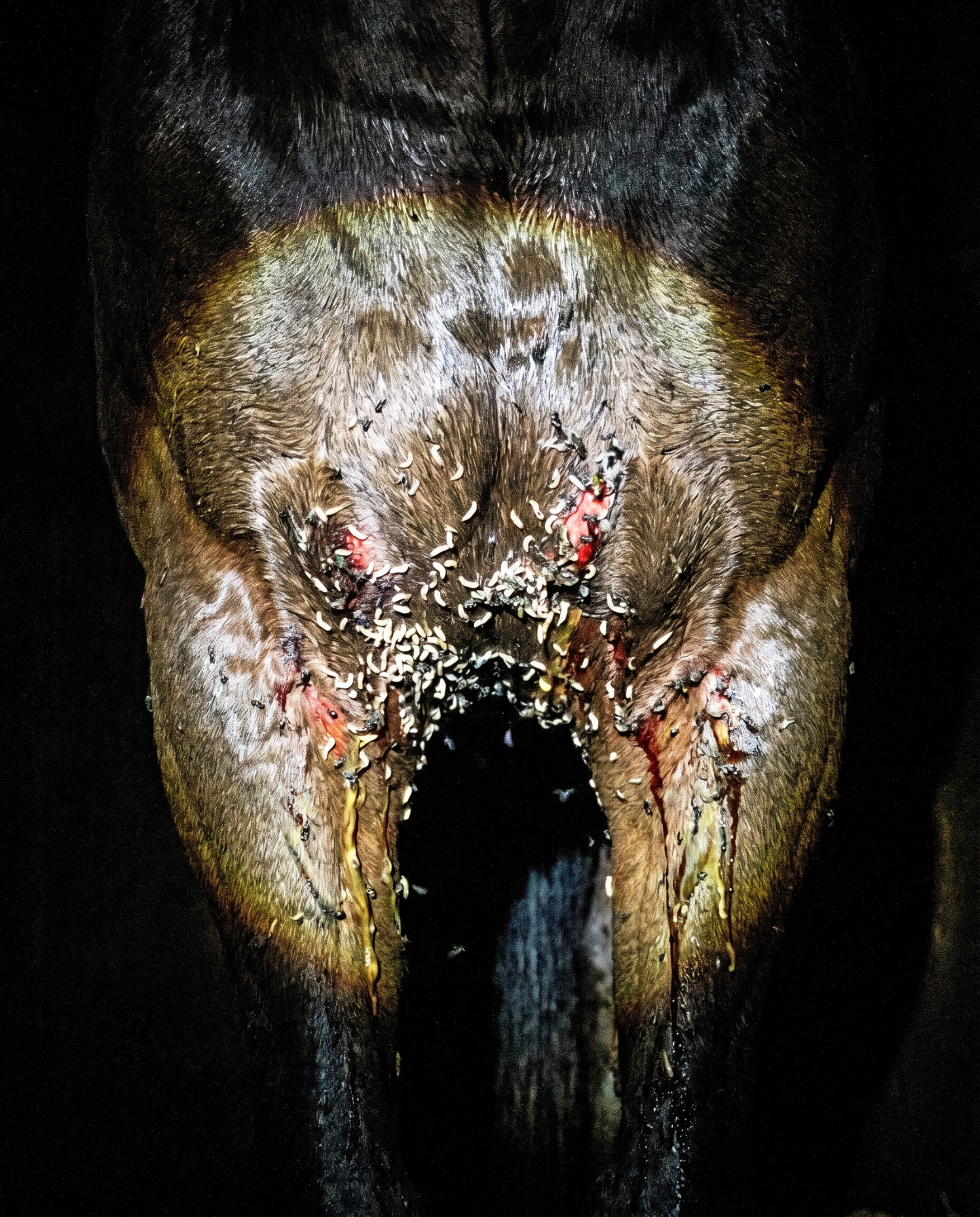
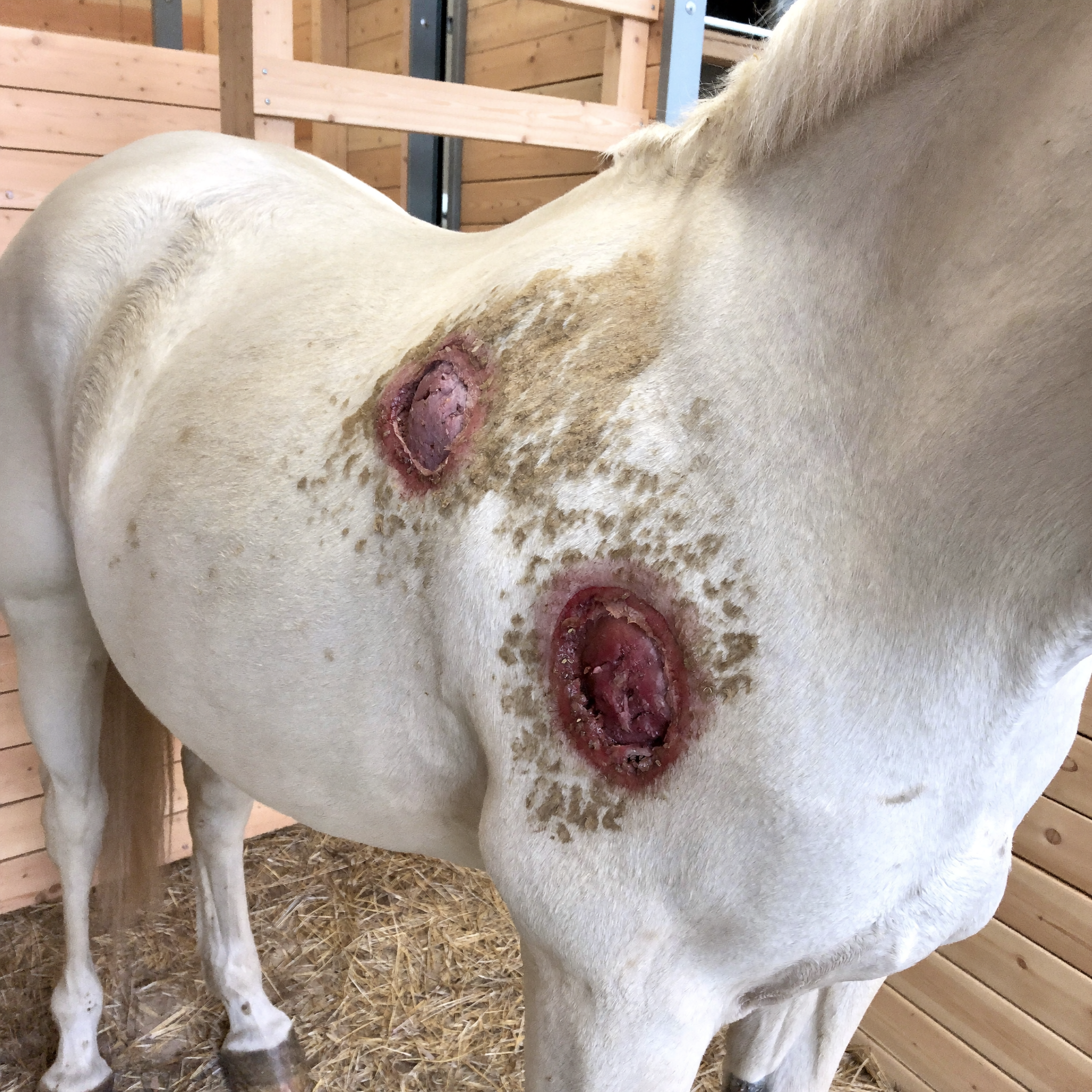
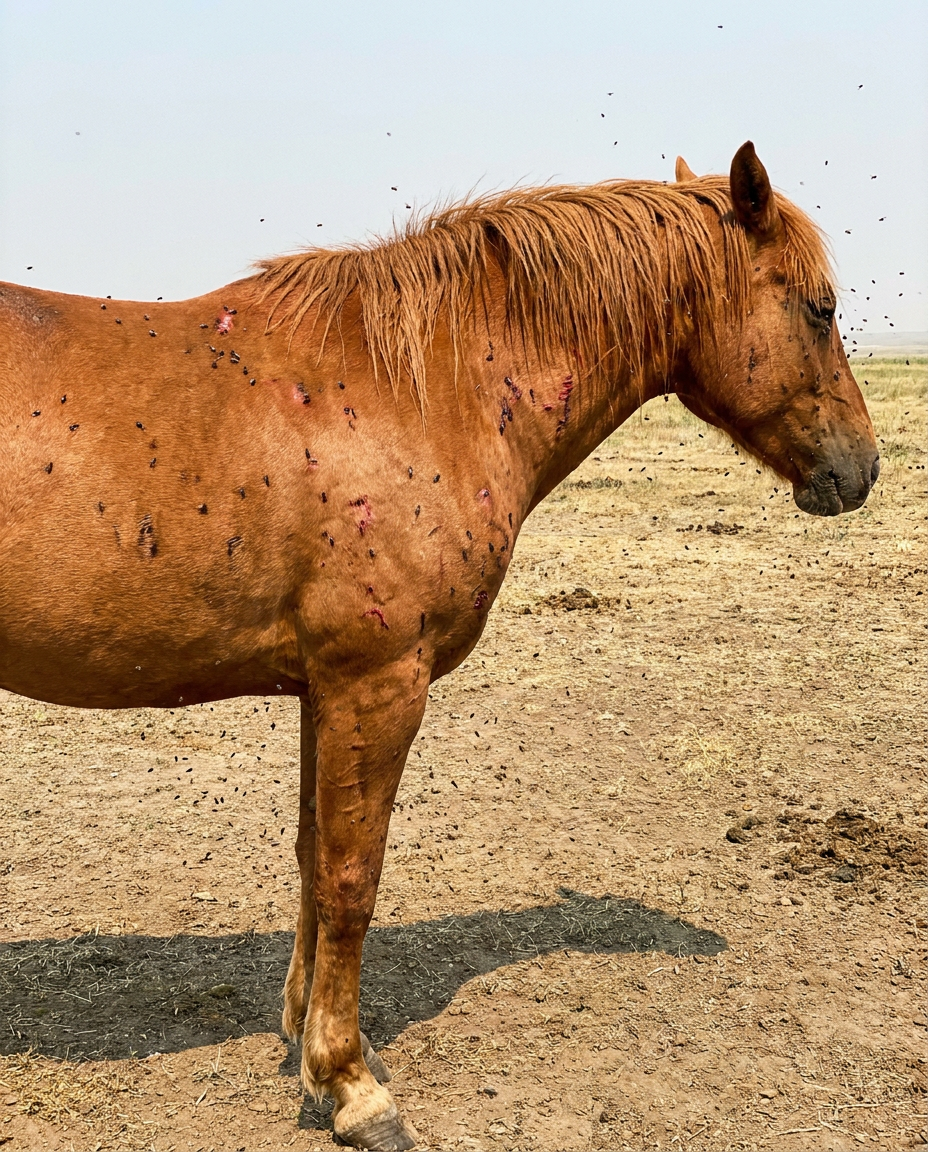
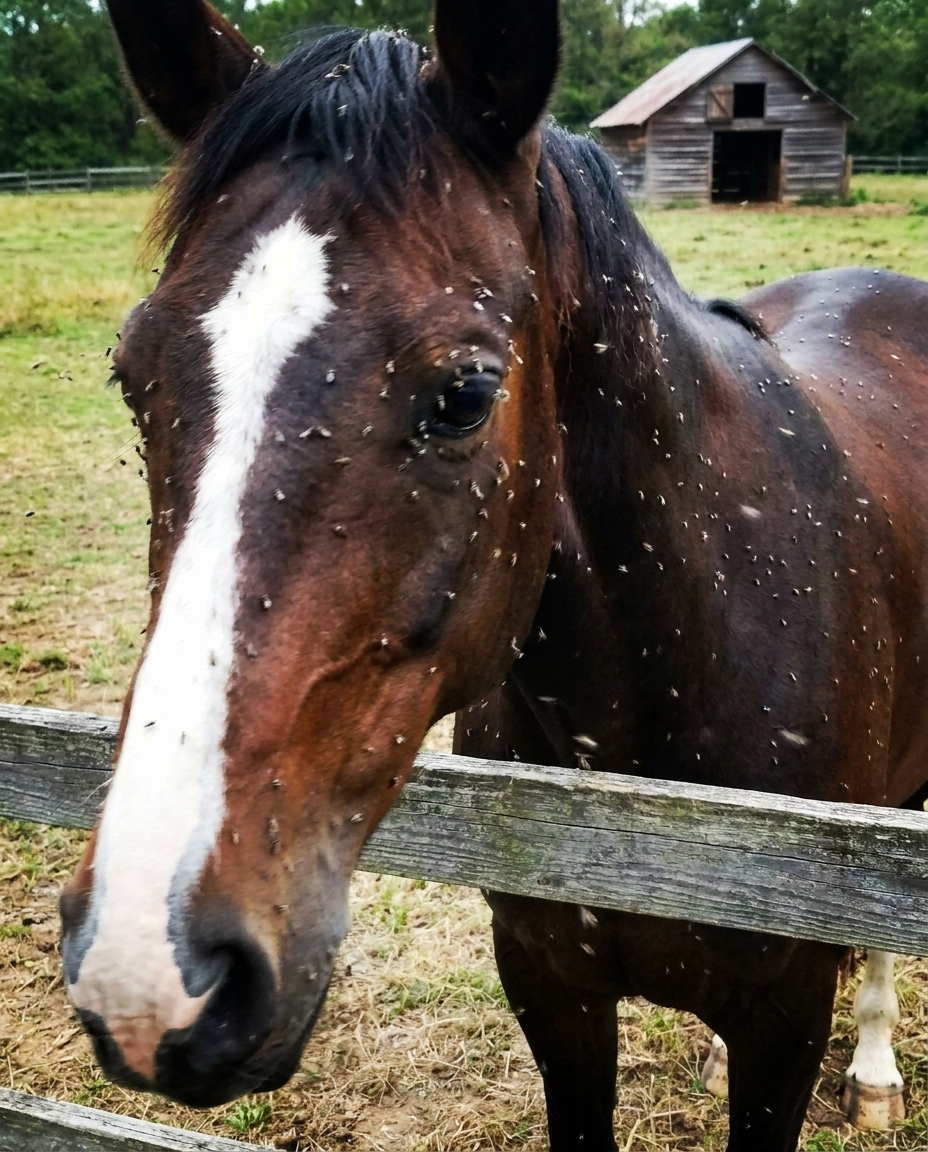
All I wanted was for Levi's suffering to stop. I never understood how one hour on the grass could do this much — until the night I finally found the number. Then I read a story I haven't been able to shake. It was about a woman and her gelding. It was a beautiful evening, and he'd been pacing the fence wanting out, so she turned him onto the grass for an hour while she did the evening chores. When she brought him back in, his chest and belly were covered in tiny bites — too many to count. That was the whole post. Five sentences. It was a gorgeous evening. I put him on the grass for one hour. I brought him in and his belly was covered in bites. There were hundreds of them, in one hour. It was only an hour. I read it, closed my laptop, and sat in the dark of my kitchen for a long while. Because it was only an hour is the thing I had said to myself about Levi more times than I can count, and I have never been able to make my peace with it. Levi was the easy horse. Nine-year-old gelding, bay with a wide blaze, the kind of horse the seller had to talk me out of doubting because I was sure something had to be wrong with him at that price. There was nothing wrong with him. He was just steady and kind and easy, and I couldn't believe my luck. The first summer with me, I learned I couldn't leave him out. Not the way you're supposed to be able to leave a horse out. I'd put him on the grass on a soft evening — an hour, maybe two — and bring him in to a belly full of welts and a chest that looked like it had been stippled with a needle. By the second summer it was worse. One short turnout and he'd be covered, and then the welts would swell and weep and he'd rub them raw, and it would take weeks before his skin was smooth again. So I started keeping him in. A horse, in a stall, on the most beautiful evenings of the year, because I couldn't trust an hour of grass not to wreck him. And every time I slid his stall door shut while the other horses grazed in the gold light outside, I'd say the same thing to him. I'm sorry, buddy. I don't know what else to do. There was a woman on a forum who wrote that her gelding had "millions of bites on his front legs and belly." Another, about the same thing I was seeing: "we have horrible gnats here, two of our horses have chests that look exactly like that." Another, plainly: "He was eaten alive and had bumps all over his body." And one that I read twice: "I feel so bad for him. Nothing seems to help." I read these at night, after my husband was asleep, and I felt something I had never felt with my own friends. Recognition. These were women standing at the gate watching their horses get devoured in the time it took to fill a water trough, the same as me. And under it, every one of them was carrying the same private weight. It wasn't quite helplessness. It was the specific guilt of making one small, ordinary decision — he can go out for a little while, it's such a nice evening — and watching it cost your horse weeks of suffering. The guilt of learning that with your horse, even kindness has to be rationed. Even an hour of grass is a thing you have to be afraid of. I tried everything you try. Fly sheet with a belly band — he sweated through it and rubbed the welts anyway. A second sheet. Swat on the worst spots. Antihistamines from the pharmacy by the handful. Spray before turnout, spray again at noon. A fan in his stall. Turning him out only at midday, then only at night, chasing the hours the bugs were supposedly quieter. The vet, twice, who gave me something for the inflammation and told me to keep up the fly control and limit his exposure. I limited his exposure. I limited it down to almost nothing, and he stood in a stall all summer, and I still couldn't get ahead of it. One evening last August I let him out for forty-five minutes — I watched the clock, I was so careful — and brought him in to a belly covered in fresh bites anyway. Forty-five minutes. I stood in the aisle running my hand over the welts coming up under his coat and I thought: there is no amount of careful that is careful enough. I can't even give him an hour. That was the night I finally went looking. I went downstairs near midnight, made tea, and typed the question I'd never let myself ask. Why does my horse get covered in bites in barely an hour outside. What I found took the floor out from under me. I read that a single swarm of the tiny biting gnats that go for a horse's belly and chest can deliver up to three thousand bites in one hour. And that the welts from one bad exposure can take three to six weeks to heal. I sat there and did the math I had never done. Three thousand bites an hour. And the spray in my tack room — the one I reapplied so faithfully — lasted about two hours on a good day. I had been trying to win a fight against three thousand bites an hour with a bottle that quit before lunch. There was no version of more careful that was ever going to close that gap. The number was too big. I had been bringing a teaspoon to a flood and blaming myself for the water. Then I found out why even the spraying barely worked. A University of Florida entomologist named Jerry Butler had said, on the record, that the pyrethroid chemistry every fly spray on the shelf is built on used to last three days on a horse in the 1980s, and today lasts a couple of hours — the insects evolved resistance, and the manufacturers kept selling the same failing bottles at higher and higher prices. So the chemistry was already beaten. And even if it hadn't been, it was built to kill or repel insects after they landed — three thousand chances an hour for it to fail. Then I found the part that mattered. Biting insects don't find a horse by luck. They track him by smell — a plume he gives off through his skin, carbon dioxide and lactic acid and octenol — and they lock onto it and follow it in, and they recruit, and the swarm builds. Every spray I'd used tried to deal with them one by one after they'd arrived. But four aromatic plant oils — citronella, peppermint, tea tree, lavender — do something different. They bind to the receptors on the insect's antennae and shut down her ability to smell him. The plume keeps going out; the swarm can't read it. They drift toward the field, can't find him, and drift somewhere else. That was the thing I had been missing. You don't beat three thousand bites an hour by repelling them faster. You beat it by making your horse impossible to find, so the swarm never gathers on him at all. The number only works if they can locate him. Take that away, and there's nothing to count. It wasn't me. It wasn't a failure of effort. It wasn't a failure of love. It wasn't a failure of being careful enough. It was a failure of information. I had been fighting a number no spray on earth could out-reapply, and blaming the teaspoon in my hand. I found a spray called Renoura built on exactly those four oils. No pyrethrins. No permethrin. No piperonyl butoxide. I ordered a bottle that night. It came on a Thursday. Friday morning I sprayed him down and — for the first time in three summers — turned him out without watching the clock. By the next Tuesday — six days — I was bringing him in from a full evening of grass with a clean belly. By the second week the old welts were flattening and the raw spots closing instead of being reopened every turnout. By week four his coat was smooth where it had been stippled and scabbed for three summers. By week eight he was out from morning till dark like a normal horse, and I'd stopped doing the math in my head every time I opened his stall door. If you've ever brought your horse in from one short turnout covered in more bites than you could count — if you've ever rationed the grass, rationed the hours, and still couldn't get ahead of it — I'm not going to tell you what to do with this. I'll just tell you I spent three summers certain I wasn't being careful enough, when the truth was no amount of careful could beat the number, and nobody had told me the only thing that could. The link's below if you want to see what I found. Yesterday I left Levi out from morning until dark. When I brought him in, I ran my hand over his belly and his chest the way I always do. Nothing. Not one new bite, in a whole day. It wasn't only an hour this time. It was all of it. I didn't apologize to him.
Like this ad? Make it yours.
Crush rebuilds this exact creative around your product — your brand, your colors, your offer — in about a minute.