
Inactive· since Jun 14, 2026
- 10
- days it ran
- 0
- relaunches
- 25
- EU reach
Ad copy
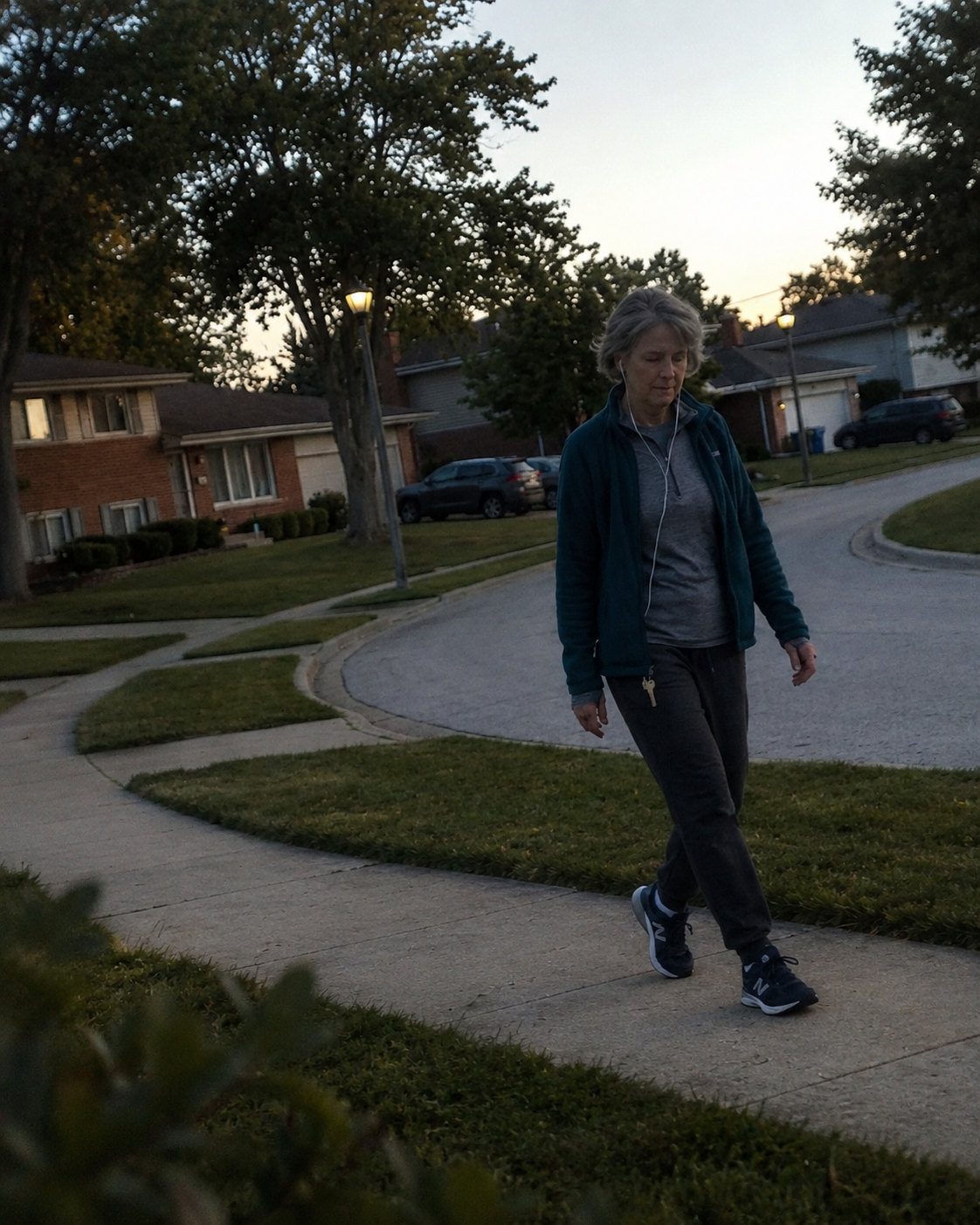
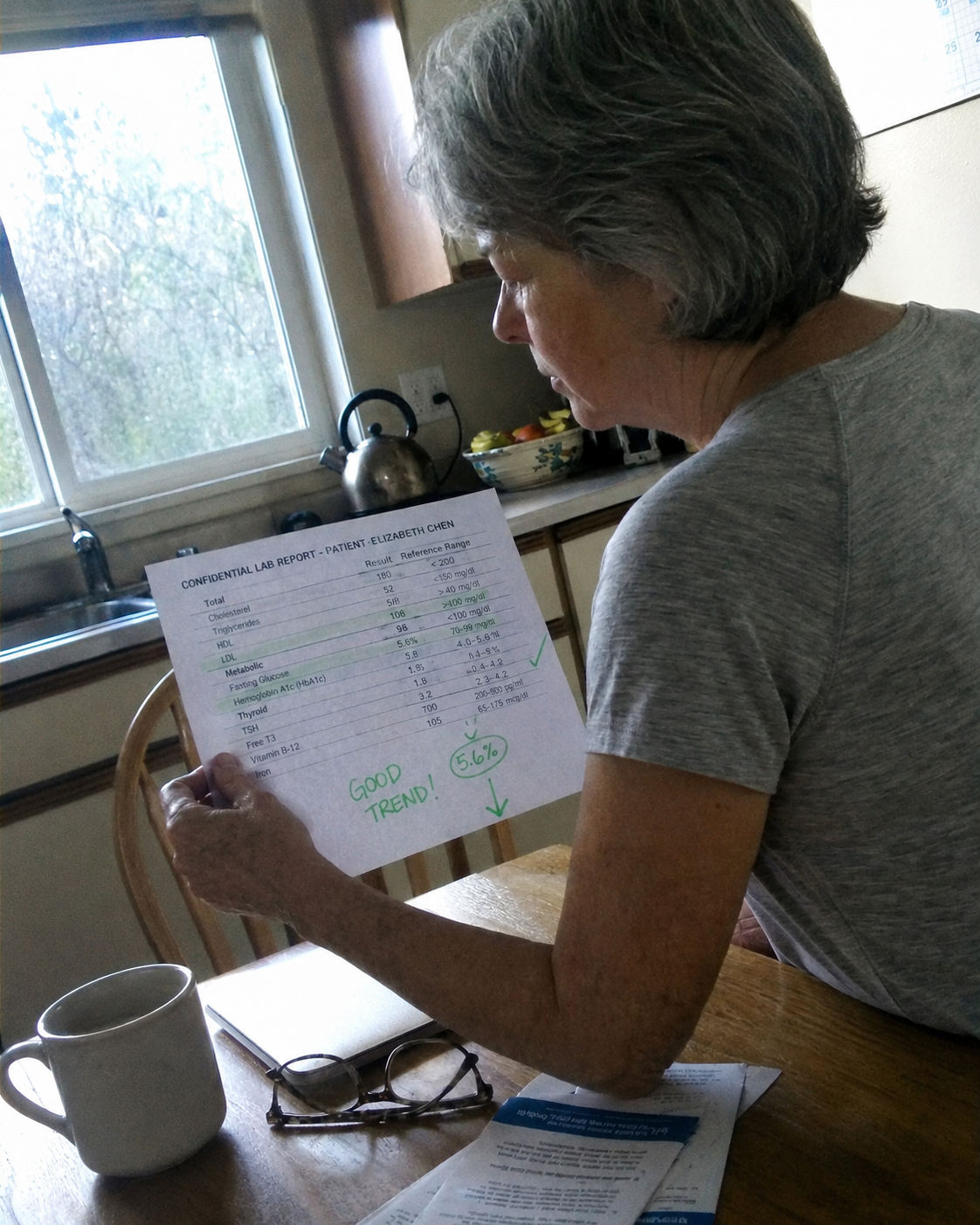
My Mother Started Saying "I'm Fine" in a Voice I Didn't Believe. It Took Me Eighteen Months to Listen. This is about my mother, Helen. She's 73. She lives in a small house on the edge of a town in upstate New York — about two hours and forty minutes from where I live with my husband and our two kids in a suburb outside Boston. My father died nine years ago. My mother stayed in the house they'd lived in for forty-one years. She wanted to. She still does. She's that kind of woman. She's organized. She's disciplined. She's the woman in her church who organizes the meal trains when someone's husband dies or someone's daughter has a baby. She does everything right. That's the part of this that took me so long to see. She does everything right. My name is Jennifer. I'm 46. I'm a project manager at a hospital — I do operations work, not clinical work. I want to be clear about that up front. I don't have any medical training. I'm not a nurse. I'm someone who sits in a windowless office and works on Gantt charts and meeting agendas. I have two younger brothers — one in Atlanta, one in Denver. My mother and I talk on the phone almost every day. I drive up to see her one weekend a month. I want to back up to about a year and a half ago, because that's when this started. It was a Tuesday evening in the fall. I called her around 7 PM the way I usually do — the dishes are done, the kids are doing homework, I have twenty minutes to sit on my back deck and call my mother before the bedtime routine starts. She picked up on the second ring. "Hi, sweetheart." "Hi, Mom. How was your day?" "It was fine." That's where this story starts. It was fine. She said it the way she always said it. I almost didn't notice. But there was something underneath the word — a kind of carefulness, like she was placing the word down on a table instead of saying it — that made me ask the next question. "Mom, are you okay? You sound a little tired." "Oh, I'm fine, honey. Just a long day." I let it go. We talked for another fifteen minutes about my niece and the church Christmas program and what she was making for dinner. When I hung up, I sat on the deck for another few minutes. I thought: she sounded a little off. Then I thought: she's 71, she's allowed to sound a little off on a Tuesday. Then I went inside and helped my son with his fractions homework and didn't think about it again for two weeks. I want to tell you what was actually going on, the way I understand it now. For about two years before that phone call, my mother had been doing everything right. She'd been to her annual physical every year. Her bloodwork was clean. Her blood pressure was good. Her cholesterol was where her doctor wanted it. She wasn't on a single prescription medication. She walked every morning — twenty minutes, around her neighborhood, in any weather. She cooked the same balanced meals she'd been cooking for fifty years. Vegetables. Lean protein. A piece of fruit with breakfast. A glass of milk before bed. She slept seven and a half hours a night. She went to church on Sundays. She had her bridge group on Thursday afternoons. She had her sister over for lunch on Mondays. By every measurable thing — by every box you could check on a primary care intake form — she was a model 71-year-old woman. And she'd been telling me, in a voice I almost couldn't hear, that she didn't feel like herself. The next call came about two weeks after that first one. I called her on a Saturday morning. I was at my kids' soccer field. The wind was cold and I was standing by the snack table with my coffee. "How are you, Mom?" "I'm fine, honey." Same voice. Same careful placement of the word. I said: "Mom. You've said you're fine the last four times I've called you. Are you actually fine?" There was a pause on the line. Then she said: "Jenny, I don't really know how to answer that. I'm not sick. Nothing's wrong. I'm just... I don't know. I'm just not all the way here lately." I asked her what she meant. She said: "I get through my day. I do my walk. I go to my groups. I make my dinner. But by the time I sit down at six o'clock at night, I feel like I've been working in a coal mine. And I can't figure out why. I'm not doing anything different than I've done for years." I asked her how long it had been going on. She said: "A while. I don't know. Months, maybe." I asked her if she'd told her doctor. She said: "I mentioned it at my last physical. He said my numbers were good. He said it was probably just getting older. He told me to keep doing what I was doing." I stood at that soccer field with my cold coffee and I thought: she's been telling me for months and I've been hearing "I'm fine." I thought: she told her doctor and he told her it's just getting older. I thought: it's not just getting older. But I didn't have anything better to offer. So I said: "I love you, Mom. Let's talk tomorrow." And we hung up. And I went and watched my son play soccer. And I didn't do anything else about it for another six months. I have to tell you that. I have to tell you that I heard her and I didn't act for six more months. Because I think there are a lot of daughters listening to their mothers right now who are doing the same thing I did. Hearing it. Filing it under "she's getting older." Moving on. The thing that finally got me to act was a small thing. It was May. I drove up to visit her for a weekend. We were sitting at her kitchen table on Saturday morning drinking coffee, and she got up to refill my cup. She stood up from the chair and she put both hands on the table to push herself up. I'd never seen her do that before. She did it like it was automatic. She didn't say anything about it. She didn't notice she'd done it. But I saw it. And I sat there at her kitchen table looking at the chair she'd just gotten out of and I felt something inside me click into place. This was the woman who'd taught me to ride a bike by running alongside me for an hour straight when I was six years old. This was the woman who'd carried both of my brothers — at the same time, one on each hip — up the stairs to bed when they were toddlers. This was the woman who, at 65, had refinished her own kitchen cabinets by herself over the course of a summer. She was bracing the table to stand up at 73. And she was telling herself, and her doctor was telling her, that this was just getting older. I drank my coffee. I waited until she sat back down. I said: "Mom. I think we need to take you to a different doctor. Or back to your doctor with me in the room. Because I don't think 'it's just getting older' is the whole story." She looked at me for a long time. Then she said: "Okay, Jenny. Whatever you think." The "okay" was so quick that I knew she'd been waiting for someone to say it. I called her doctor's office on Monday morning from my own desk at the hospital where I work. I asked to make an appointment for my mother. I asked if I could come into the appointment with her. The receptionist said of course. The appointment was three weeks out. I drove up the night before and slept in my old bedroom and drove my mother to the doctor's office on a Thursday morning. Her doctor is Dr. McAlister. He's been her doctor for about seven years. He's a kind man. He's not a bad doctor. But I want to tell you what happened in that appointment because I think it matters. He came in. He sat down. He pulled up her chart. He said: "Helen, your numbers look good. Same as last year. Nothing to be concerned about." He started to wrap up. I said: "Dr. McAlister, can I ask you to slow down for a second?" He looked at me. I said: "My mother has been telling me for over a year that she doesn't feel like herself. She's exhausted by six PM. She's bracing the kitchen table to stand up. Her numbers are good and she's doing everything right and she's still going somewhere quieter than she used to be. Can we look at what might be underneath that?" He paused. I think it was the first time he'd actually heard her. He said: "Okay. Let's do that." He spent the next forty-five minutes with us. He ordered a much wider workup than he'd been ordering. Full lipid panel, expanded thyroid, B12, vitamin D, ferritin, magnesium, cardiac markers, an EKG, a bone density follow-up. He asked my mother dozens of questions about her sleep, her energy, her appetite, what time of day she felt best and worst, whether she'd noticed any changes in her thinking or her mood. He didn't rush a single question. He took notes. When he was done he said: "Helen, I want to be honest with you. Your bloodwork last year was fine. It's probably going to come back fine again. But Jennifer's right — 'doing everything right and still feeling off' is a real thing, and it doesn't always show up on a standard panel. Let's see what the expanded labs say. And then let's talk about what the foundation looks like for a woman doing everything right who still doesn't feel like herself." The bloodwork came back two weeks later. Mostly fine. Vitamin D was a little low. Magnesium was on the low end of normal. Cholesterol, blood pressure, blood sugar, thyroid — all where Dr. McAlister wanted them. He called my mother on the phone and went through it all with her. Then he said: "Helen, here's what I think is going on. Some of what you're describing is the gradual cellular slowdown that's normal in the seventies. Bodies don't make energy as efficiently as they used to. Recovery takes longer. The tank doesn't fill back up as fast. There's no medication for that. There's no deficiency to fix. There's just a foundation to build and to keep building." He talked about four things. Movement — keep the morning walks, and add some light resistance training a couple of times a week. Sleep — protect it. Sunlight — get outside in the mornings when she could. A thoughtful approach to what she was putting in her body — more antioxidant-rich foods, plenty of water, a focus on cellular nutrition. He said: "If you want to add one thoughtful supplemental thing to support that, I won't argue with it. Just call the office first if you have something specific in mind. And don't expect a switch to flip. Expect a foundation to slowly hold you a little better." He said: "And Jennifer — thank you for coming in. Your mother is lucky to have you advocating for her." I sat in my mother's kitchen and listened to that conversation on speakerphone and I thought: this is what it looks like when a daughter walks into a doctor's appointment with her mother. This was the conversation my mother had been needing for two years. My mother takes no medications. That's true today, and it was true then. By every measurable thing, she's a healthy 73-year-old woman. She was just, for two years, not all the way here. I drove home from that visit thinking about what Dr. McAlister had said. The foundation. Movement, sleep, sunlight, water, cellular nutrition, one thoughtful supplemental thing. I knew I could help with most of it. I started driving up two weekends a month instead of one. I started calling her in the mornings, at 7:30, to make sure she was up and out for her walk. I called her sister Margaret and told her what was going on. Margaret started staying for the whole afternoon on Mondays instead of just for lunch. I called her bridge friend Eleanor and asked if my mother could come over for tea on the weeks when bridge wasn't meeting. Eleanor said of course. These were small things. But my mother started telling me about them on the phone — in a voice that had a little more of her in it than the "I'm fine" voice. About a month into that, I was at work one afternoon — at my hospital, in my windowless office — and I was at the cafeteria getting a sandwich for lunch. A woman I'd been on a project committee with about a year earlier was in the line behind me. Her name is Rosalind. She's about ten years older than me. She works in the same operations office I do, on a different team. We started talking about nothing in particular while we waited. I asked her how her summer had been. She said: "Good. Quiet. We had a big stretch this spring where my mother wasn't doing well, but she's been turning back around." I asked her what had been going on. She said: "She'd been telling all of us she was fine for about two years. She was doing everything right — eating well, walking, the whole thing — and she was just exhausted by the end of every day and couldn't figure out why. Her doctor kept saying her numbers were good. She kept saying she was fine. Eventually I went into an appointment with her and we asked the doctor to dig a little deeper, and we built a foundation together — sleep, movement, social time, and one supplemental thing the doctor approved of." I asked her what the supplemental thing was. She said: "It's called Rosabella. It's beetroot. A small farming community out in Lancaster County. Her doctor was comfortable with it. She's been taking it for about six months and she said it's part of what's been helping. Not the whole thing. Part of it." We got to the register. She paid for her sandwich. I paid for mine. We walked back to our offices. I didn't say anything else about it that afternoon. But that evening on the train home I thought about that conversation. She'd described my mother almost word for word. The doing everything right. The bloodwork that kept coming back fine. The "I'm fine" that didn't sound like fine. The daughter who finally walked into the appointment. The foundation, plus one supplemental thing. I emailed her the next morning and asked her to send me the name of the brand. She did. Rosabella. That weekend I did some reading. What I learned was that beetroot has been studied for decades for cardiovascular wellness and for supporting the body's antioxidant systems. The active compound is something called betalains — that deep crimson red pigment that stains your cutting board when you slice a beet. Betalains are one of the more potent antioxidants in the food supply. They support the body's natural antioxidant balance. They support healthy circulation. They're part of the family of plant compounds researchers have been studying for their role in supporting cellular-level wellness during the years when the body's natural recovery and energy systems start to behave differently than they used to. Beetroot is a structure-function ingredient, not a medication. It supports healthy cholesterol levels already within the normal range. It supports healthy circulation. It doesn't replace anything else a person is doing — it works alongside it. That last part is what made me comfortable thinking about it for my mother. I wasn't going to ask her to come off anything — she wasn't on anything to come off of. I wasn't going to second-guess Dr. McAlister. I was thinking about adding one thoughtful thing to her morning, the way he'd said I could. Before I ordered anything, I called Dr. McAlister's office. I spoke to his nurse. I told her exactly what I was thinking. Told her the brand. Told her the dose on the bottle. Told her my mother takes no prescription medications, just a multivitamin and a vitamin D supplement. She talked to Dr. McAlister and called me back the next day. He said it was a sensible thing to add. No interactions to worry about with anything my mother was on. Have my mother mention it at her next appointment so it gets in the chart. I ordered the bottle. I drove up to my mother's that weekend. I sat at her kitchen table and I told her the truth. I told her about Rosalind. About her mother. About calling Dr. McAlister's office. I told her I wanted to put one capsule on the saucer next to her coffee every morning and have her take it with her first sip. I told her I wasn't asking her to change anything else. She listened. Then she said: "Jenny. Okay. Yes." She put the bottle on the kitchen counter next to the coffeemaker. The next morning she called me at 8. She said: "I took it. Tasted like a vitamin." I laughed. She laughed. It was a real laugh. I hadn't heard a real laugh from her in a long time. I'm not going to tell you my mother was different in seventeen minutes. I don't think these things work like a switch flipping. But over the next couple of months, things started to shift. Small things. The first one was the kitchen table. I drove up about six weeks in and we were having breakfast and she stood up to refill the coffee. She didn't put her hands on the table to push herself up. She just stood up the way a person stands up. She didn't notice. I noticed. The second one was the phone calls. The "I'm fine" voice started disappearing. She'd answer and tell me about her day — what she'd made for dinner, what her sister had told her at lunch on Monday, what their priest had said in his homily. She was actually telling me about her day. She wasn't just placing the word "fine" down on the table. The third one was the bridge group. She mentioned, in early August, that she'd stayed for two hours after the game on Thursday to help one of the other women with her annual estate-planning paperwork. She'd brought home a stack of files from another woman who'd asked for her help on an irrevocable trust issue. That's my mother. That's the woman who organizes other people's lives. She'd been gone for a year and a half and she was back. At her next appointment with Dr. McAlister, her bloodwork was the same as it had been in the spring. Good. Where he wanted it. He didn't change anything. He didn't put her on anything. He asked her how she'd been feeling. She told him. The mornings. The walks. The bridge group. The estate-planning paperwork. She mentioned the beetroot. Same brand, same dose, every morning. He nodded. He said it sounded like a reasonable addition and he was glad I'd called the office before we started it. He said: "Helen, whatever combination of things you and your daughter have been doing, keep doing it. The foundation is working." He looked at me. He said: "Jennifer, this is what advocacy looks like. Keep it up." I cried a little in the parking lot afterward. Not because anything was wrong. Because something that had been wrong for a long time was finally getting better. I want to be careful about what I'm claiming. I don't know how much of my mother's coming back is the walks. I don't know how much is my Aunt Margaret on Mondays. I don't know how much is Eleanor and the tea. I don't know how much is the calls every morning at 7:30. I don't know how much is the beetroot. It's probably all of it together. Bodies are different and lives are different and I can't tell you that what worked for my mother would work for yours. What I can tell you is what I did. I stopped accepting "I'm fine" when it didn't sound like fine. I walked into the appointment with her. I asked the doctor to look underneath the numbers that looked good. I listened when he said the answer wasn't a prescription but a foundation. I helped her build the foundation, slowly, with the people who already loved her. I called her doctor's office before I added anything new to her morning. I waited for the doctor to call back. When he said it was a sensible thing to add, I ordered the bottle. My mother wasn't on any medications to come off of. She didn't change anything Dr. McAlister had recommended. She added one thing to what she was already doing — alongside everything else we changed together. Talk to your mother's doctor or pharmacist before adding any new supplement to her existing care, especially if she's on medication for blood pressure or cardiovascular health. That one phone call is what made me comfortable. It's what I'd tell anyone else to do first. The brand I added to my mother's morning is Rosabella. 1,300 milligrams per capsule, cold-pressed at low temperatures, grown in Lancaster County. One capsule with a glass of water in the morning. That's the whole thing. P.S. I emailed Rosalind a couple of weeks ago to tell her about my mother. She wrote back and said: "Daughters who walk into the appointment are the reason a lot of mothers come back. Tell your mom hi from me and my mom both." I read that email twice. There's a quiet sisterhood among the daughters who finally stop accepting "I'm fine." I didn't know I was joining it until I'd already joined. P.P.S. Rosabella has a 90-day money-back guarantee. If you're not satisfied for any reason, every penny back. No questions asked. I think that's a sensible policy for a supplement — it gives you time to actually see whether it does anything. I'd give it a few weeks at minimum. Bodies are different. Some people notice something within the first week or two. Others take longer. P.P.P.S. I keep an extra bottle at my own house just in case. They're a small operation and the harvest is once a year, so the bottling can run on its own schedule. P.P.P.P.S. Here's what I'd tell you to do if you're in a similar place with your own mother. First — and this is the most important part — make an appointment with her doctor and go into it with her. Don't accept "her numbers are good" as the end of the conversation if her voice is telling you something different. Ask the doctor to look underneath. Then call the doctor's office before adding any new supplement. Tell the nurse exactly what you're thinking and exactly what your mother is on. Wait for the callback. If the doctor approves, put one capsule on the saucer next to her morning coffee mug. Don't change anything else without your doctor's input. Let her take it quietly. Give it a few weeks. And in the meantime — drive over. Pick up the phone every morning. Call her sister. Call her friend. Build the foundation around her with the people who already love her. The bottle is one piece of it. P.P.P.P.P.S. My mother organized a meal train last week. The neighbor across the street had hip surgery. My mother spent a whole afternoon making a sign-up sheet on her old laptop, printing it at the church, calling everyone she knew, and coordinating seventeen meals over the next month. She called me afterward and said: "I forgot how much I love doing that." I sat on my back deck and looked at the trees and didn't say anything for a second. There are mothers who get their "I forgot how much I love doing that" back. There are mothers who don't. The difference, a lot of the time, is somebody who keeps listening when "I'm fine" stops sounding like fine. https://track.tryrosabella.com/cdc16426-3e48-40a7-9fad-21098084f6cf Individual experiences vary. These statements have not been evaluated by the FDA. This product is not intended to diagnose, treat, cure, or prevent any disease.
Support stamina and heart health every day
LEARN MORELike this ad? Make it yours.
Crush rebuilds this exact creative around your product — your brand, your colors, your offer — in about a minute.