Caroline Wells
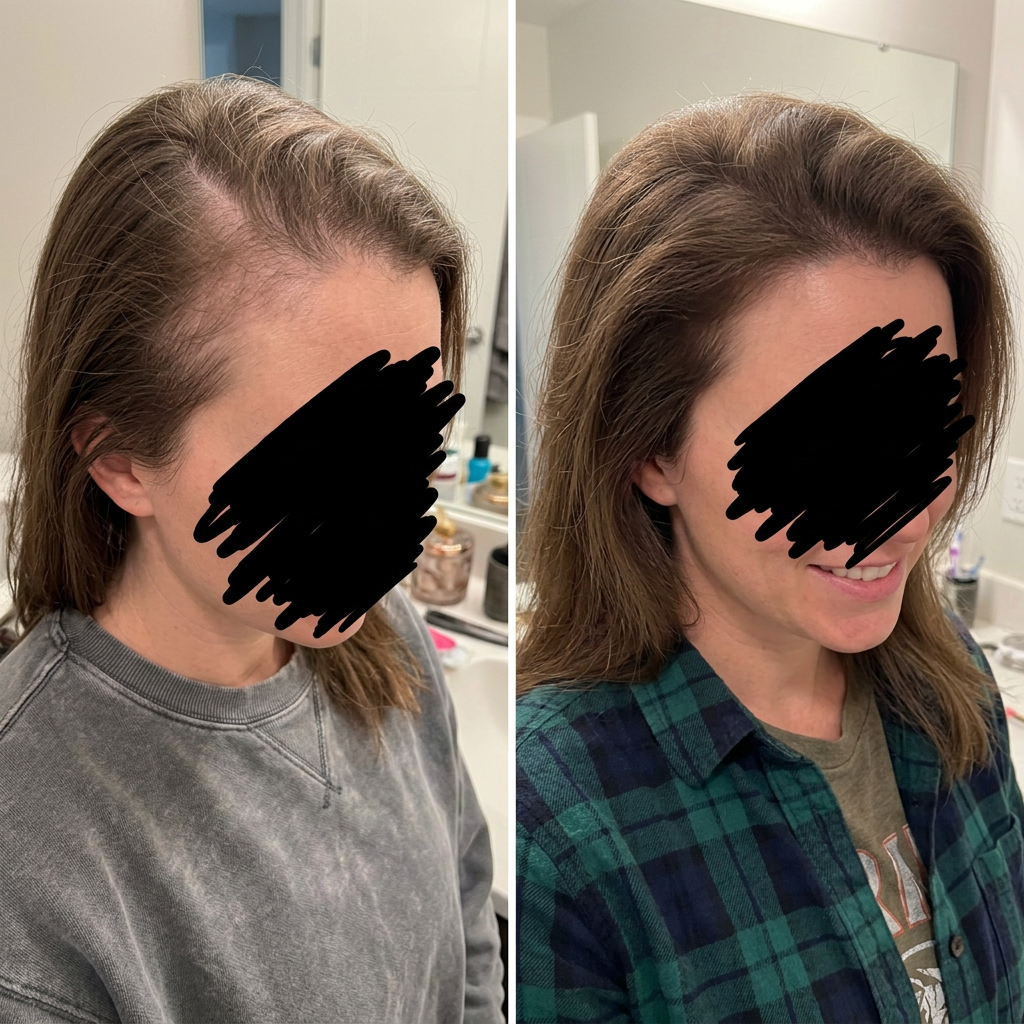
Caroline Wells Facebook ad: “Energy that lasts past lunch, Imagine”

Ran for 6 days, from July 28 to August 3, 2026, the last day Crush saw it.
Run by Caroline Wells on Facebook. Crush is not the advertiser and does not verify its claims. See this ad in Meta's Ad Library(opens in a new tab)
Want an ad like this for your product?
Crush makes new ad images for your product from this ad: your logo, your product photo, your offer.
Trials from $19.95 USD, then $79.95 USD a month. Cancel anytime.
About this ad
- Meta Ad Library ID
- 27784376107878121
- Platforms
- Facebook, Instagram, Audience Network, Messenger and Threads
- Relaunches
- 0
Ad text
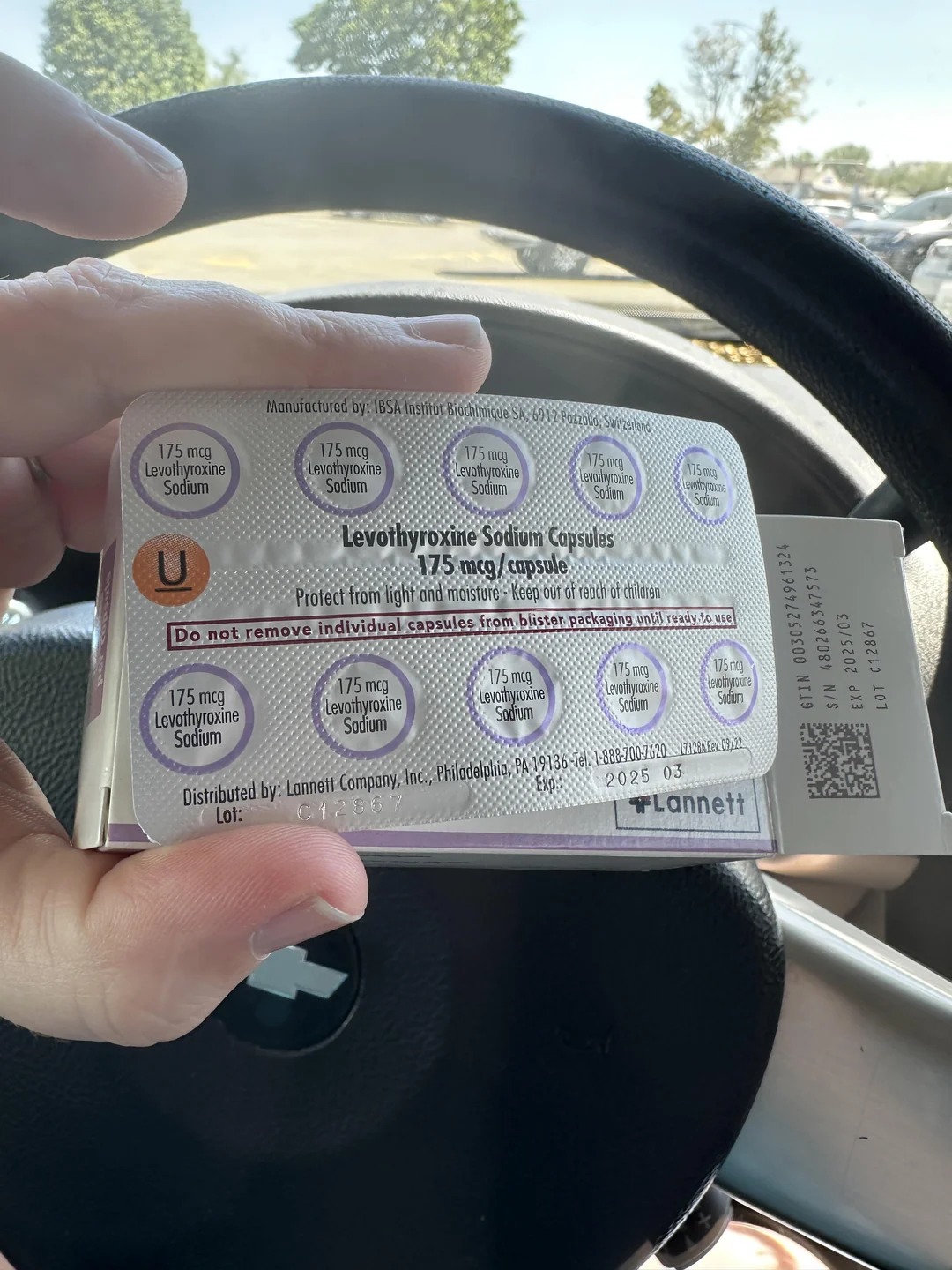
"Why am I shattered all day but wide awake at 3am — when my thyroid bloods come back normal?" I posted that in a Hashimoto's group at 2am, running on no sleep, completely done in. The replies changed everything — because the answer wasn't anxiety, and it wasn't my dose. I'm on levothyroxine. Have been for four years. Never missed a morning. Same time, empty stomach, wait the half hour, the lot. And every blood test came back the same. TSH normal. 2.1. 1.9. "Optimal." On paper I was sorted. In my actual body I was falling apart in the strangest way. Because I had two settings, and neither one turned up when I needed it. All day I was running on empty. I'd sleep ten hours and wake up feeling like I'd been hit by a bus. By two in the afternoon I could barely keep my eyes open. Walking to the car felt like my legs were made of cement. Brain fog so thick I'd lose the word I was reaching for halfway through my own sentence. And then — the second my head hit the pillow — my body would flip on. Not overthinking. Not stressed about anything in particular. Just tense. Alert. Like my system flat-out refused to switch off. I'd lie there in the dark for hours, eyes shut, brain going, while the whole house slept. And most nights, around two or three in the morning, it would come. Wide awake. Heart going. A wave of pure dread and panic, out of nowhere. Not because anything was wrong. In the daytime I wasn't even an anxious person. But at 3am, on no sleep, I'd lie there convinced my life was quietly falling apart. Then the alarm would go and I'd drag myself up like the walking dead and do it all again. Exhausted all day. Wired all night. Tired but wired. That was my whole life. So I did the sensible thing. I went to my GP. I described all of it — the nights, the dread, the running-on-empty days. She glanced at my TSH, told me it was normal, and said it sounded like anxiety. Have I tried winding down before bed? A bit less screen time? Maybe some magnesium? Another appointment, another doctor: had I considered that it might be stress, or low mood? My own mum started gently suggesting the same thing — that maybe it was all a bit of anxiety and depression. And the worst part is, after enough people say it, you start to believe them. I started to wonder if I was just being dramatic. If this was simply what I was now — a tired, wired, worn-out version of myself, and I'd have to live with it. But I didn't just accept it. I threw everything at it. The sleep hygiene, done to the letter — same bedtime, no screens, no caffeine after lunch. I even did a full month with no caffeine at all. Not one cup. No difference. Magnesium every night. The teas. The sprays. The blackout blinds. I asked about adding T3 to my levo — got it, plus some vitamin D — and felt a touch better, but the 3am wiring and the daytime crash were still there. I would not go near prescription sleeping pills, and I couldn't use anything cannabis-based because of my job. So there I was. Doing everything right. Again. And still lying awake at 3am, still a husk by 2pm, still being told my bloods were fine. That post I mentioned — the one I fired off at 2am, running on no sleep, completely done in — that was the night it changed. I'd stopped trying to sleep and gone looking properly. Not the polite NHS pages. The Hashimoto's groups. The threads where women actually talk, the ones posting at 2am because nothing's working and they've run out of ideas. So I asked my question and waited. Most of the replies were the usual — same, me too, I've given up. But one stopped me cold. A woman who'd clearly been down this exact road. So I messaged her. And over the next hour she talked me through the whole thing — slowly, like someone who'd had to work it out the hard way herself. For the first time in four years, it started to make sense. She started with the tablet I'd been swallowing every morning for four years and never really understood. Levothyroxine, she said, is only T4. The storage form. Inactive on its own. It just floats about in your blood — which is exactly the bit the test measures. It can't touch your energy or your sleep or your brain until your body turns it into T3, the active form. That conversion is the part that actually matters, she said. And mine had quietly stalled. Then she asked me something no doctor ever had. Was I wired at night and shattered by day? Both at once? Because there's one thing, she said, that causes exactly that. Cortisol. The stress hormone. Cortisol is your body's alarm, she said. It's meant to be loud in the morning to get you up, and switched off at night so you can rest. Mine had jammed on. And then she gave me a picture I still can't unsee. Imagine a smoke alarm going off in an empty house. There's no fire. Nothing's actually wrong. But it won't stop shrieking. You can't sleep through that. So you lie there at 3am, heart going, wide awake, wired for no reason you can name. That's the nights. But here's the part that floored me. While that alarm is screaming, the whole house grinds to a halt. Nobody does the quiet, everyday jobs — because everyone's braced for a fire that never comes. And the quiet everyday job your body stops doing is converting your medication. The levo I swallowed every morning is only T4 — the storage form, just sitting there, waiting to be turned into the active hormone that actually runs my energy. A body stuck in alarm mode doesn't do that background job. So the active hormone never arrived. That's the exhausted. The 2pm wall. The ten hours of sleep that fixed nothing — because sleep can't replace a hormone that was never converted. One jammed alarm. Wired at night, because it won't switch off. Shattered by day, because while it's blaring, nothing else runs. And then she said the thing that actually made me feel sick. It feeds itself. Every night I lost made the next day more stressful. Every stressful day pushed the cortisol higher. Every skipped meal, every "just try harder," every push through the exhaustion — the body reads all of it as more emergency. More alarm. Louder. Jammed harder. I'd spent four years feeding the exact thing that was wrecking me, convinced I was fixing it. That was the fog that swallowed my words mid-sentence. That was waking after ten hours like I'd never been to bed. That was the wave of dread at 3am that had nothing to do with my actual life. Not a personality. Not anxiety. Not weakness. An alarm nobody had thought to switch off. And suddenly every dead end I'd hit made sense. The sleeping tablets I'd refused — they'd have knocked me out, but the alarm would still be blaring underneath. The magnesium, the month with no caffeine — fine, but far too gentle to reset a signal stuck this hard. The extra T3 my doctor added — more hormone poured in, while the same cortisol kept blocking it and the nights stayed wired. A higher levo dose — more T4 tipped into a conversion that was jammed shut. Every one of them aimed at a symptom. Not one of them switched off the alarm. And my TSH never saw a thing. It only measures what's floating in the blood — upstream of all of this. It can read "perfect" while your cortisol clock is upside down and your conversion has stalled underneath. That's how four doctors could tell me I was fine while I was quietly coming apart. It wasn't in my head. It wasn't anxiety. There was a reason — and not one of them had ever looked for it. And the thing that made me quietly furious? None of this is fringe. The link between chronic cortisol and stalled thyroid conversion is documented. The flipped cortisol rhythm and disrupted sleep is documented. But it's not part of the standard check. Nobody's testing your cortisol rhythm. Nobody's asking why a woman on the right dose feels like this. Because there's no drug for a stress signal that's stuck in the wrong gear. You can't patent it. There's more money in another dose, a sleeping tablet, or a shrug and the word "anxiety." Manage the number. Never look at the signal underneath. So the question stopped being how to force sleep or claw through the days. It became one simple thing: what actually switches the alarm off? Not knocks me out. Not masks it for an afternoon. Settles the signal itself — the one thing driving both the wired nights and the empty days. And one thing kept coming up — in the actual research, not the wellness fluff. Rhodiola Rosea. Not a sleeping pill. Not a thyroid supplement. Studied specifically for cortisol and the stress response. The rosavins in it act on the hypothalamus — the part of the brain sending the cortisol command in the first place — helping that signal settle back towards its normal rhythm. High in the morning. Low at night. The way it's meant to run. And the salidroside in it supports the conversion side — the active hormone finally getting made and reaching the cells that had been going without. Not a sedative for the nights and a stimulant for the days. One thing, aimed at the single signal running both. Now, I'd actually tried Rhodiola before. Months earlier. Did nothing. So I nearly scrolled straight past. Then I read why the cheap ones don't work. The research uses a specific standardisation — 3% rosavins and 1% salidroside. That's the strength the effect was actually measured at. I dug out my old bottle. No standardisation on the label at all. Just "Rhodiola Rosea extract." No ratio. No promise the active bits were even in there in a meaningful amount. And there's a second problem — those compounds barely absorb on their own. Without BioPerine, a black pepper extract that switches on absorption, most of it never makes it into your blood. Most brands leave it out because it costs more. Wrong strength, no absorption. No wonder my first go did nothing. So I asked her the obvious thing. What did you take? She didn't give me a sales pitch. She wasn't selling anything. She just said she'd spent the best part of a year trying to find a Rhodiola that was actually standardised properly and actually absorbed — given up piecing it together herself — and finally found one small British company already doing it exactly right. Rosewyn, she said. One capsule in the morning. That was it. Then she added the line that got me. "I take my levo exactly the same as I always did. This just let it finally start working." I looked it up that night, half expecting to be let down like every other time. Rhodiola Rosea, standardised to exactly 3% rosavins and 1% salidroside. A proper clinical dose — not a token amount to make the label look good. BioPerine included, so it actually absorbs. Third-party tested, certificate of analysis published. Made in Britain. No proprietary blends. Every amount on the label. The first one I'd found that got the strength and the absorption right at the same time. One capsule a day, with food. I ordered it that night. Kept taking my levo exactly as always. Week one, honestly, nothing. I told myself not to get my hopes up. I'd been let down too many times. Week two, something small. The 2pm wall wasn't quite so total. I got through an afternoon without needing to lie down. Week three was the one I noticed. I slept through the night. No 3am jolt. No lying there wired in the dark. I woke up and, for the first time in years, I actually felt like I'd slept. I sat on the edge of the bed almost not trusting it. Week four, the nights held. Not perfect, but the wired feeling at bedtime had eased — my body was letting me switch off instead of flipping on. By week six the days had caught up. Steadier energy that lasted past the afternoon. The fog lifting enough that the words were there when I reached for them. And the 3am dread — the thing three doctors had called anxiety — had quietly stopped turning up. The thing that got me wasn't a number on a test. It was lying in bed one night, calm, drifting off like a normal person, and realising I'd forgotten what that felt like. It was never anxiety. It was never me being weak, or dramatic, or not trying hard enough. It was a signal stuck in the wrong gear that nobody had looked for. And it wasn't just me — which is the only reason I'm bothering to write all this out. When I went back to that thread, and then read through the reviews, it was the same story over and over, from women I'd never met. One of them could have been describing my exact life — two years of being wired at 2am and shattered all day, snapping at everyone — and a few weeks in she was actually sleeping, and calmer. Another said she was finally sleeping through the night after about three weeks, which hadn't happened in years. One just said her 3pm slump had gone. None of them were talking about blood tests, or numbers, or being "optimal." They were talking about getting their nights and their days back. So if this is you — shattered all day and wide awake at 3am, a body that won't switch on when you need it and won't switch off when you don't, that jolt of dread in the small hours that everyone keeps calling anxiety, bloods that come back "normal" while you feel anything but — please hear me. You're not imagining it. You're not weak. It probably isn't anxiety. It's a stress signal stuck in the wrong gear — and no test they're running is looking for it. It doesn't settle on its own. Every week it stays stuck is another week of 3am starts and zombie afternoons, quietly wearing you down. The one that finally settled mine is called Rosewyn. Rhodiola Rosea, standardised to 3% rosavins and 1% salidroside, with BioPerine so it actually absorbs. Clinical dose. Third-party tested. Made in Britain. Every amount on the label. One capsule a day, with food. It comes with a 60-day money-back guarantee. Take it properly, every day. If your nights don't settle, if the days don't get easier, if you don't feel yourself coming back — you send it back and pay nothing. Give it the run I did. They're a small British company and they do sell out — if it's in stock, I'd get it now. Tap below and start tonight. https://rosewynhealth.com/ P.S. If you take one thing from this: a "normal" thyroid result does not mean nothing's wrong. Mine was normal for four years while I lay awake every night and dragged through every day. The answer was never a stronger dose or a sleeping tablet — it was settling the signal underneath, the one nobody thought to check. Sixty days, fully guaranteed. The only thing you can't get back is another month of nights like this. https://rosewynhealth.com/
Where the ad sends people
rosewynhealth.com
Energy that lasts past lunch — Imagine
Rosewyn
See details: rosewynhealth.com(opens in a new tab)