Amazing Dog Transformations
Amazing Dog Transformations Facebook ad: “The Joint Ingredient With the Real Trial Is Buried at the…”
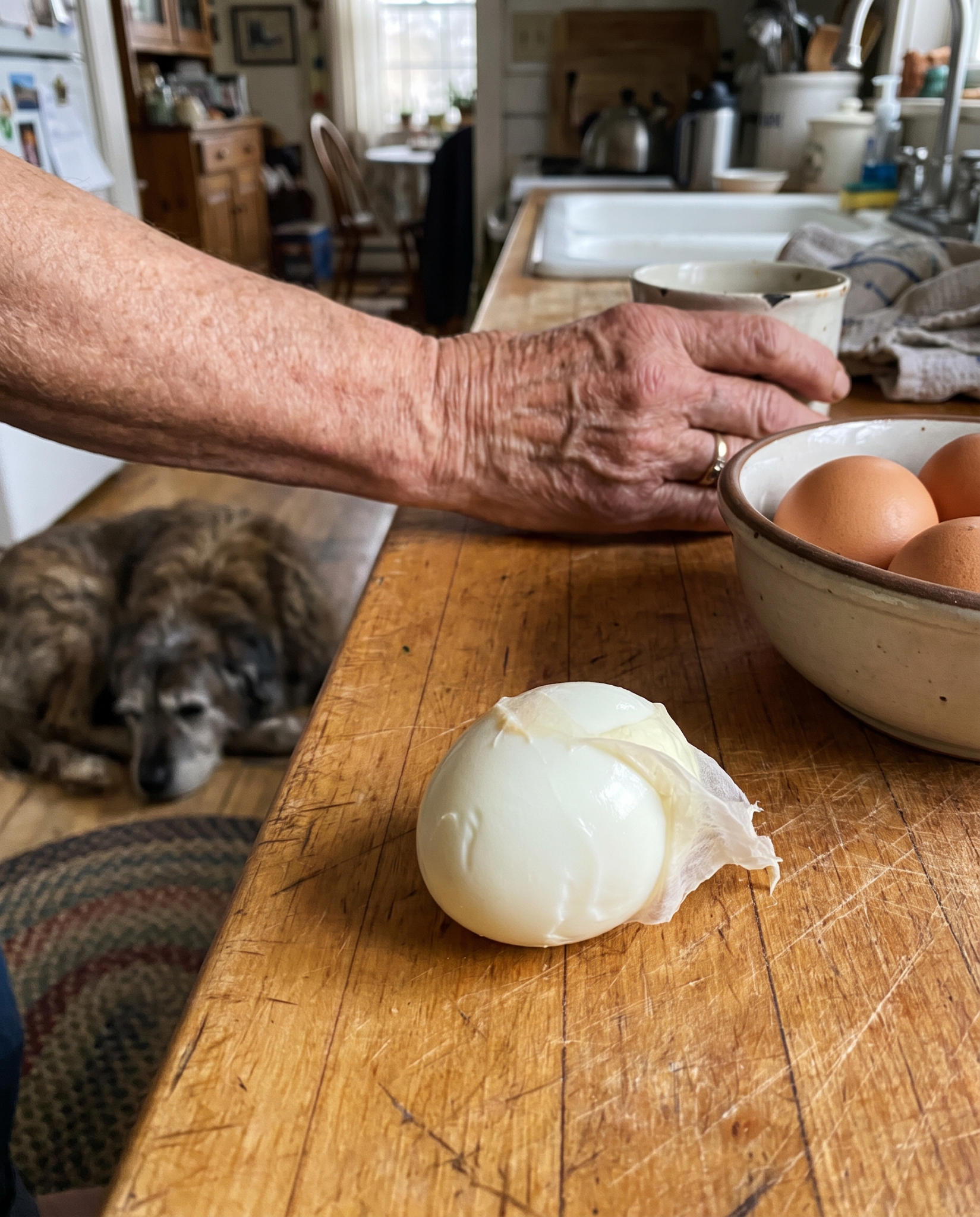
Ran for 11 days, from August 22 to September 2, 2026, the last day Crush saw it.
Run by Amazing Dog Transformations on Facebook. Crush is not the advertiser and does not verify its claims. See this ad in Meta's Ad Library(opens in a new tab)
Want an ad like this for your product?
Crush makes new ad images for your product from this ad: your logo, your product photo, your offer.
Trials from $19.95 USD, then $79.95 USD a month. Cancel anytime.
About this ad
- Meta Ad Library ID
- 2929765857383375
- Platforms
- Relaunches
- 3
Ad text
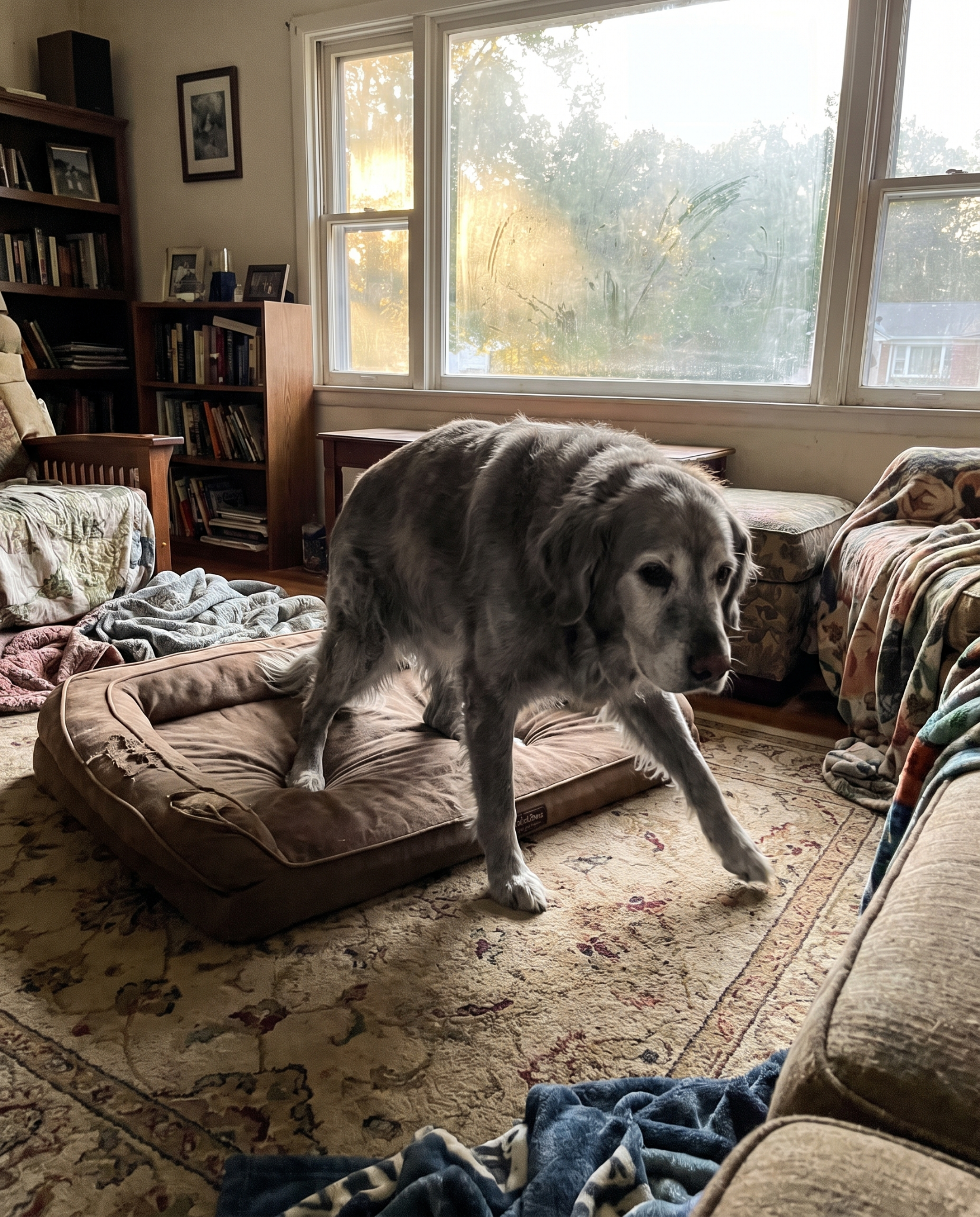
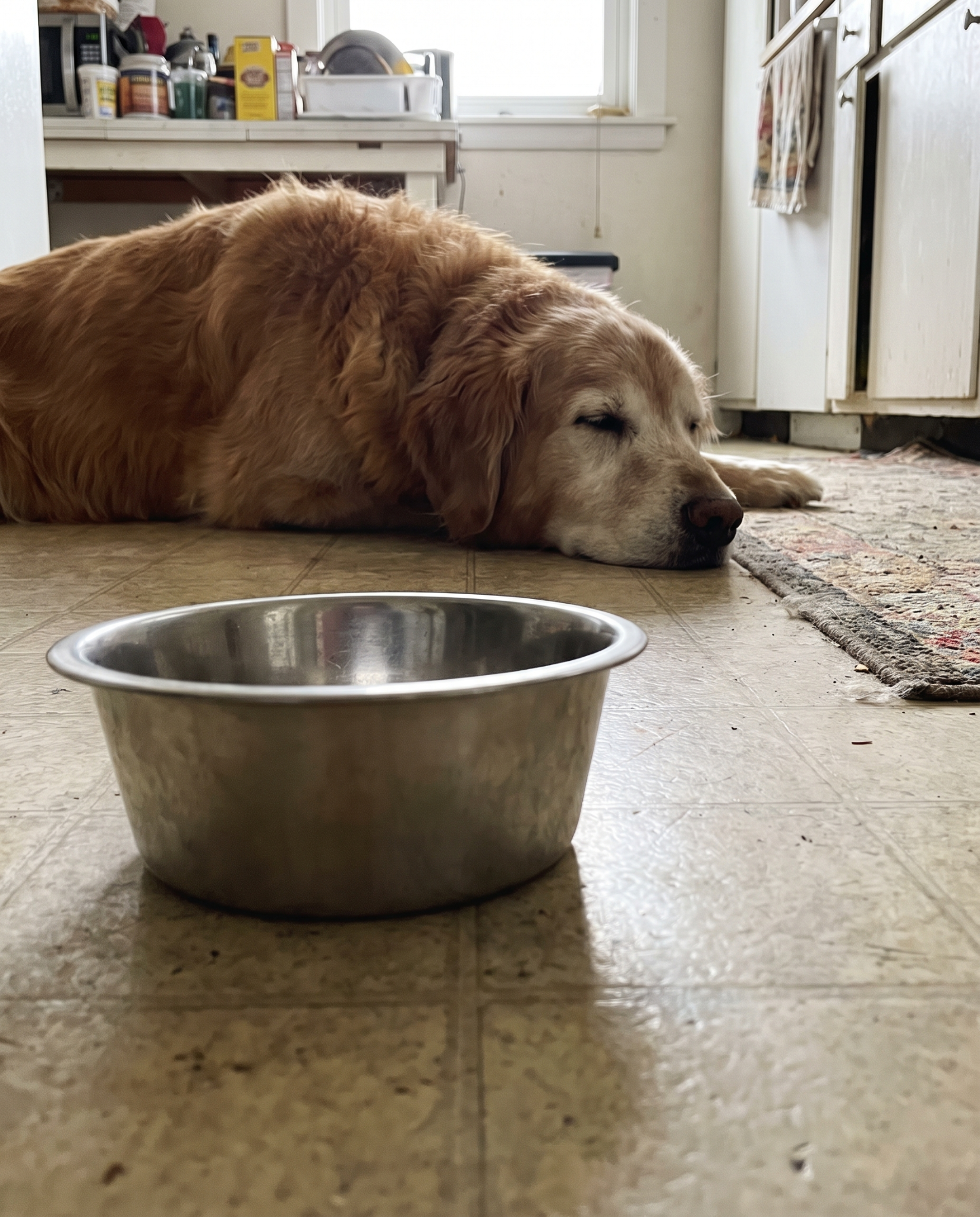
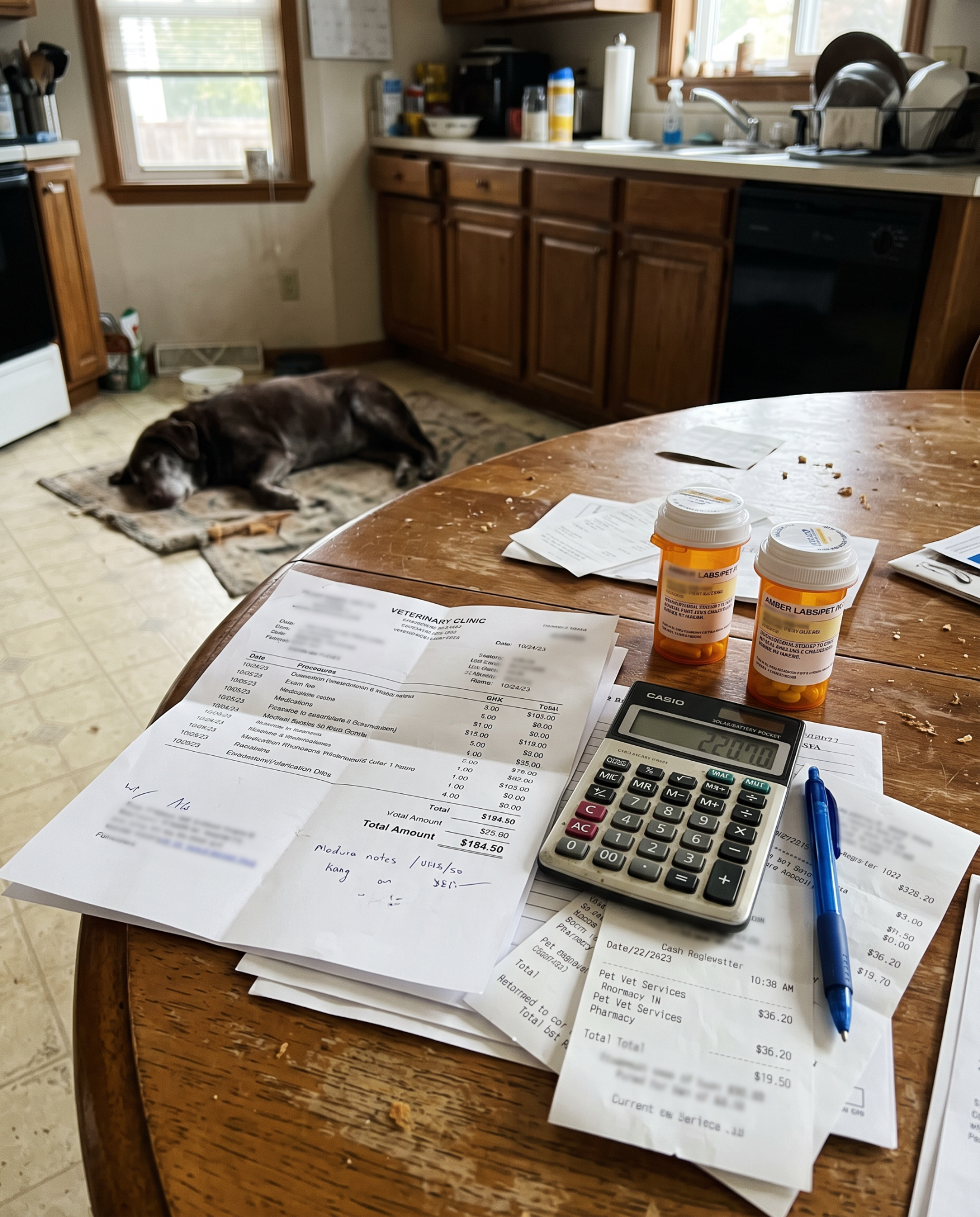
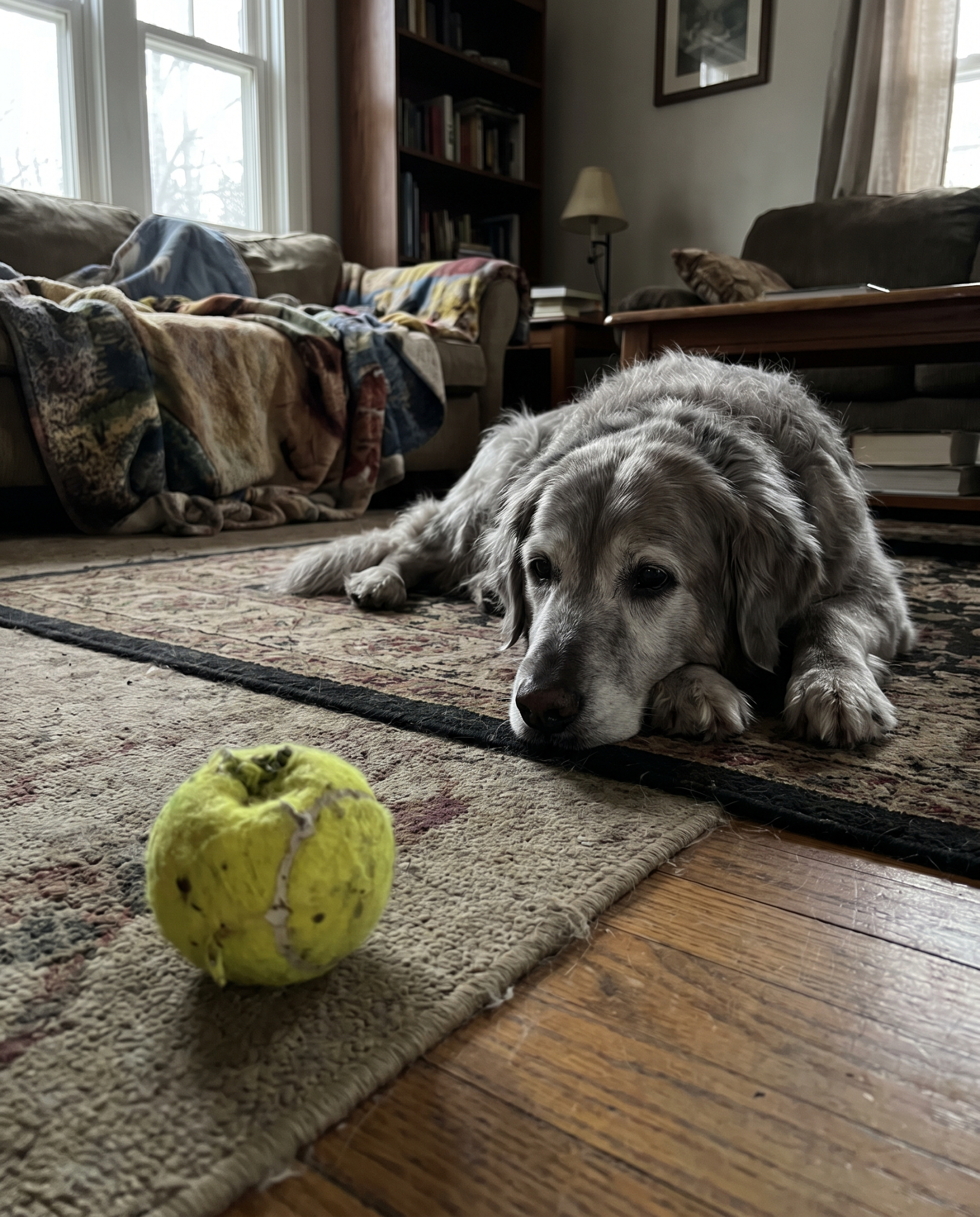
If you grew up around farm dogs before the 1980s, you probably remember something your grandmother did with eggs that nobody does anymore. She peeled them. Not the shell. The other part. That thin, wet, almost invisible film on the inside of the shell — the one that sticks to your thumb when you crack an egg into a bowl. She'd pull it off in one piece if she could and set it aside on the edge of the sink. Some of it went in the scrap bucket that went out to the dogs. There was no name for it. It wasn't called a "supplement" or a "wellness protocol." It was just the part of the egg you didn't throw away, because on a farm you didn't throw much away, and because the old dogs got the scrap bucket and the old dogs kept working. It was as ordinary as leaving a bowl of water on the porch. Because back then, people knew something we have almost completely forgotten: The useful part of the egg was never the shell. But something changed in the 1980s and 90s. Pet food got industrial. Supplements became a category. And a category needs an ingredient that every manufacturer can buy from the same suppliers, print on the front of the bag in a font people recognize, and sell for a margin. Glucosamine won that job. Not because anybody proved it was the best thing for a stiff dog. Because it was recognizable, purchasable, and cheap. And the scrap bucket got thrown out. But here's what nobody told you. Just because an ingredient became the default doesn't mean it became the answer. In 2022, researchers published a systematic review and meta-analysis in the *International Journal of Molecular Sciences* — they gathered 57 published articles covering 72 separate trials of joint supplements in dogs and horses, and analyzed them together. For glucosamine and chondroitin, the two ingredients in almost every joint product sold in America, they found this: **88.9% of trials showed no effect.** **0% demonstrated an effect.** The authors wrote that these results represented a "very marked non-effect," and concluded that glucosamine and chondroitin **"should no longer be recommended."** And this is not one team with an axe to grind. The *Merck Veterinary Manual* — the standard reference that sits on the shelf in the back room of clinics all over this country — says independently that the evidence "did not support the use of" them. I want you to sit with what that means for a second, because it took me a week to absorb it. The thing you have been buying every month. The thing on the front of the bag. The thing the aisle is organized around. Zero trials out of seventy-two demonstrated an effect. Meanwhile, here's what's happening in your dog while that tub sits on the counter doing its very marked nothing: He's taking the stairs one at a time, and stopping halfway — because a stiff joint doesn't announce itself, it just quietly negotiates the day down to what it can afford. He's standing up in two motions instead of one — front end first, hold, then bring the back end after, which is what a dog does when the getting-up itself is the part that costs him. He's not doing the thing at the door anymore — the spin, the bark, the whole ridiculous performance he did every single time you picked up the leash for nine years, quietly replaced by walking over and waiting. He's sleeping on the tile instead of the $89 bed you bought him — because cold helps and soft doesn't. He's stopped asking. That's the one that gets people. He stopped asking, and you didn't notice the exact week it happened, and you can't get that week back. Your grandmother didn't have the science to explain why the scrap bucket dogs stayed working. She just knew they did. And now the research has finally circled back around to the part of the egg she was saving. In 2016, Ruff and colleagues published a randomized, double-blind, placebo-controlled trial of natural eggshell membrane in 51 dogs, in *Veterinary Medicine: Research and Reports*. Randomized, double-blind, placebo-controlled means the dogs were assigned by chance, and neither the owners scoring them nor the researchers running it knew which dogs were getting the real thing. It is the design that exists specifically to keep hope from contaminating the result. At **one week**, owner-assessed pain had improved **19.4%** over placebo (P=0.010), and owner-assessed function had improved **20.5%** (P=0.028). At six weeks, the veterinarians' own assessments showed pain improved 23.6% (P=0.012) and quality of life improved 26.8% (P=0.033). One week. Not "give it four months and let us know." Not "results may take a full season." One week, in a design built to be hard to fool. I'm going to be straight with you about the limits of that, because I have gotten so tired of being sold a rounded-up version of a real thing. Not every measure in that trial reached significance. The ones I just listed are the ones that did. That's the honest version, and it is still the strongest single trial anybody in this category has. But here's the problem with how the industry responded to it. They didn't replace glucosamine. They added around it. Go read the back of the premium bag at your vet's office. You'll find eggshell membrane in there — at the bottom of the panel, in a token amount, behind the glucosamine and the chondroitin that are still doing the heavy lifting on the front of the label. Then a run of sunflower oil, soybean oil, glycerin, flavorings, and binders whose entire job is to make a chew hold its shape and taste like bacon. You're paying $52 for a bag where the ingredient with the trial behind it is a garnish. Let me put this in perspective for you. If you're giving your dog a glucosamine chew every morning right now, you are spending somewhere around $33 a month, every month, on an ingredient that 72 trials could not find an effect for — and telling yourself you're doing something. If he's also on a prescription anti-inflammatory, that's another $36 a month, and the FDA publishes its own warnings about that drug class: gastrointestinal ulcers and perforations, reduced blood flow to the kidneys that they say can cause "kidney damage and… sudden-onset kidney failure," and unpredictable liver injury, most of it occurring within three weeks of starting. Their own owner-facing page tells you to watch for vomiting, diarrhea, bloody or black stool, decreased appetite, decreased activity, and yellowing of the whites of the eyes or gums. That is not me being dramatic. That is the regulator's own list, published so owners know what to look for. And your vet keeps saying he's just getting older — while the exams run $56 to $129 a visit, the films run $172, and the number nobody says out loud until you're in the room is $3,525 for a TPLO. Per knee. But what if I told you that the ingredient with the actual placebo-controlled trial behind it was never the expensive part? It was in the scrap bucket. And this is just the first thing most people don't understand about stiff dogs. Because here's the part that changes how you read every label in that aisle: It's not that joint supplements don't work. It's that the category was built around the wrong ingredient forty years ago, and everything since has been built on top of that mistake instead of instead of it. His stiffness in the morning. His two-part stand. His refusal at the third stair. His new habit of watching the walk from the porch instead of taking it. The tile instead of the bed. Most people think these are five separate problems that arrive with age. They're one problem, and you have been handed the wrong tool for it, at a markup, monthly, for years. And here's the part that will make you angry: You can put eggshell membrane, Boswellia serrata, and hyaluronic acid in a chew for a price a normal person can pay, and leave out the ingredient with the failure record entirely. It has been possible the whole time. Think about that for a moment. These aren't exotic compounds flown in from somewhere. Eggshell membrane is the part of breakfast you rinse down the drain. Boswellia serrata is frankincense — the actual frankincense, tree resin, older than most religions. Hyaluronic acid is something your dog's own body already makes and that is naturally present in the fluid inside a healthy joint. Ordinary things. The difference is whether somebody bothered to concentrate them and leave the filler out. So why doesn't the industry recommend this? Because there's no margin in an honest three-ingredient bag. Glucosamine is a commodity. It costs almost nothing per serving, every contract manufacturer already has it, and it's the word shoppers scan for. Building around it is the safest business decision available. Building without it means explaining yourself on the front of the bag. It means a shopper picking it up and saying "wait, where's the glucosamine?" It means being the only one in the aisle who has to make an argument. The manufacturers profit from the cheap default. The retailers profit from the shelf being simple. The clinics profit from the recheck when the default doesn't work. Everybody in the chain does fine except the dog and the person paying. But what if the bag only had the things worth having in it? What if the ingredient with the placebo-controlled trial was the first thing on the panel instead of the last? What if you could stop buying seed oils and binders by weight? What if you didn't have to hide it in peanut butter because it was already a chew he'd take out of your hand? What if you could find out where every input came from? What if you had ninety days to find out whether it worked instead of thirty? What if he stood up in one motion again? I ran a boarding and grooming business for twenty-four years. I have put my hands on somewhere north of eight thousand dogs. I am not a veterinarian and I will never pretend to be one — but if you want to know which dogs are stiff, ask the person who lifts them onto the table, not the person who reads the chart. And in the last stretch of that career I started telling clients the same thing, over and over, when they'd ask me what to buy. Stop paying for glucosamine. Find the one that left it out. The formula I ended up recommending is three ingredients. Natural Eggshell Membrane. Boswellia Serrata. Hyaluronic Acid. And every time I said it, I got the look. Raised eyebrows. "Eggshell? Like... the thing in the trash?" And honestly? I get it. It sounds too plain. Too cheap. Something you scrape into the disposal, not something you feed a dog on purpose. But what's in your trash can and what's in a concentrated natural eggshell membrane are two very different things. The membrane on the egg you cracked this morning is a wet film weighing a fraction of a gram. What went into that 51-dog trial was a standardized, concentrated ingredient — the same material, isolated and dosed to a level that could actually be measured. That's the difference between a scrap and a serving. Here's what each of the three is actually doing in the bag: **Natural Eggshell Membrane** — A naturally occurring connective tissue, and the ingredient with the randomized, double-blind, placebo-controlled canine trial behind it: 51 dogs, owner-assessed pain improved 19.4% and function 20.5% over placebo at one week. This is the reason the bag exists. **Boswellia Serrata** — Frankincense resin, used in traditional practice for thousands of years, included here to support a normal inflammatory response. This is the fast-acting end of the formula. **Hyaluronic Acid** — A substance the body already produces and which is naturally present in healthy joint fluid. Three things. That's the entire active panel. Just one 90-day run of this could mean: ✨ Three actives instead of eighteen ingredients, most of which are structural filler ✨ No glucosamine and no chondroitin — the ingredients 72 trials could not find an effect for ✨ No seed oils, artificial fillers, or cheap ingredients ✨ 100% made AND sourced in the United States ✨ A soft chew he takes out of your hand instead of a pill you have to bury ✨ Relief in as little as 7 days — the same window the trial measured at ✨ One monthly cost instead of a supplement plus a topical plus a bed plus a ramp It's simple. It's honest about what it is. And it left the failed ingredient out on purpose. No prescriptions. No droppers. No capsules to hide. Just three ingredients and a straight answer about each one. But finally somebody took a position on this instead of adding around it. There's a brand called Zoomies Pet Health that builds exactly that chew — Zoomies Extra Strength Joint Chews — for people who read the 2022 meta-analysis, or heard about it, or just got tired of buying the same tub and watching nothing happen. They call it a three-stage mobility system. Boswellia in days three to seven for the stiffness. Eggshell membrane over weeks two to four. Hyaluronic acid from weeks four to six onward. That's the company's own framing of how the pieces layer, and I'm giving it to you as theirs. What I can tell you from my side of the grooming table is narrower and, I think, more useful: I have watched a lot of dogs come back after a month on a glucosamine chew looking exactly the same, and I have watched a smaller number come back after a month on this one moving differently enough that I noticed before the owner said anything. People say the same handful of things: "He's doing the stairs again. All of them, not the first three." "I didn't tell my husband I'd changed anything. He asked me on day nine what was different about the dog." "She got in the car by herself for the first time since last summer and I sat in the driveway and cried." But before you go buy any joint chew, there's one thing you need to know. Most of them are not going to help you. Too much filler. Too little of the thing that matters. Built around an ingredient with a documented failure record and garnished with the one that has a trial. I have read more of these panels than any reasonable person should. Almost all of them are the same bag with different artwork. To know you're getting something real, hold the label to these five: Glucosamine and chondroitin are absent — not reduced, absent. Eggshell membrane is an active, not a garnish at the bottom of the panel. No seed oils or artificial fillers doing structural work. Made and sourced somewhere you can actually name. And a guarantee long enough to run the experiment honestly. The only one I've found that clears all five is Zoomies. Zoomies Extra Strength Joint Chews contain: ✨ Natural Eggshell Membrane — the ingredient with the 51-dog randomized, placebo-controlled trial ✨ Boswellia Serrata — for the early-days stiffness ✨ Hyaluronic Acid — naturally present in healthy joint fluid ✨ No glucosamine. No chondroitin. No seed oils, artificial fillers, or cheap ingredients. ✨ 100% made AND SOURCED In United States ✨ 90 DAY MONEY BACK GUARANTEE One soft chew. In the morning. With breakfast. That's the whole protocol. Nothing to mix, nothing to hide in cheese, nothing taped to the inside of the cupboard. Why ninety days and not thirty? Because thirty days is not a guarantee, it's a return window. The trial that made me care about this ingredient measured at one week and again at six. You need room to see both, and then room to be sure you saw it. Their line on it is better than anything I'd write: **worst case you get your money back, best case, your dog gets better.** :) Right now they're running up to 40% off on the bulk supply, which is what I'd get, because the honest version of this is that a joint is a maintenance problem and one bag is a test, not a plan. Two last things, said plainly, because I would rather you trust me than buy from me. This is a supplement. It is not a drug and it does not cure, treat, or prevent anything. If your dog's change was sudden — a limp that appeared overnight, a leg he won't put weight on, or a slow, painless weakness in the hind end that keeps creeping forward — that is a veterinary appointment, this week, not a chew. Some of what looks like "old dog stiffness" isn't, and one of the conditions it can look like is not something any supplement will help. Go find out which one you're dealing with. And if he's already on medication, tell your vet what you're adding before you add it. Not after. But if what you've got is a good dog who's gotten stiff, and a tub on the counter you've been refilling for a year out of hope — Your grandmother had the right part of the egg. Somebody finally put it back in the bowl.
Where the ad sends people
nancygriffithblog.com
The Joint Ingredient With the Real Trial Is Buried at the Bottom of the Bag
“I trusted my vet for 4 years. We did Carprofen, then Adequan injections twice a week, then prednisone for the bad days. His pain was 'managed' the whole time. Then one morning he couldn't get up. The drugs never fixed anything — they just hid it while everything else fell apart.” — Robert T...
See details: usa.zoomiespethealth.com(opens in a new tab)