
Inactive· since Jun 19, 2026
- 11
- days it ran
- 0
- relaunches
Ad copy
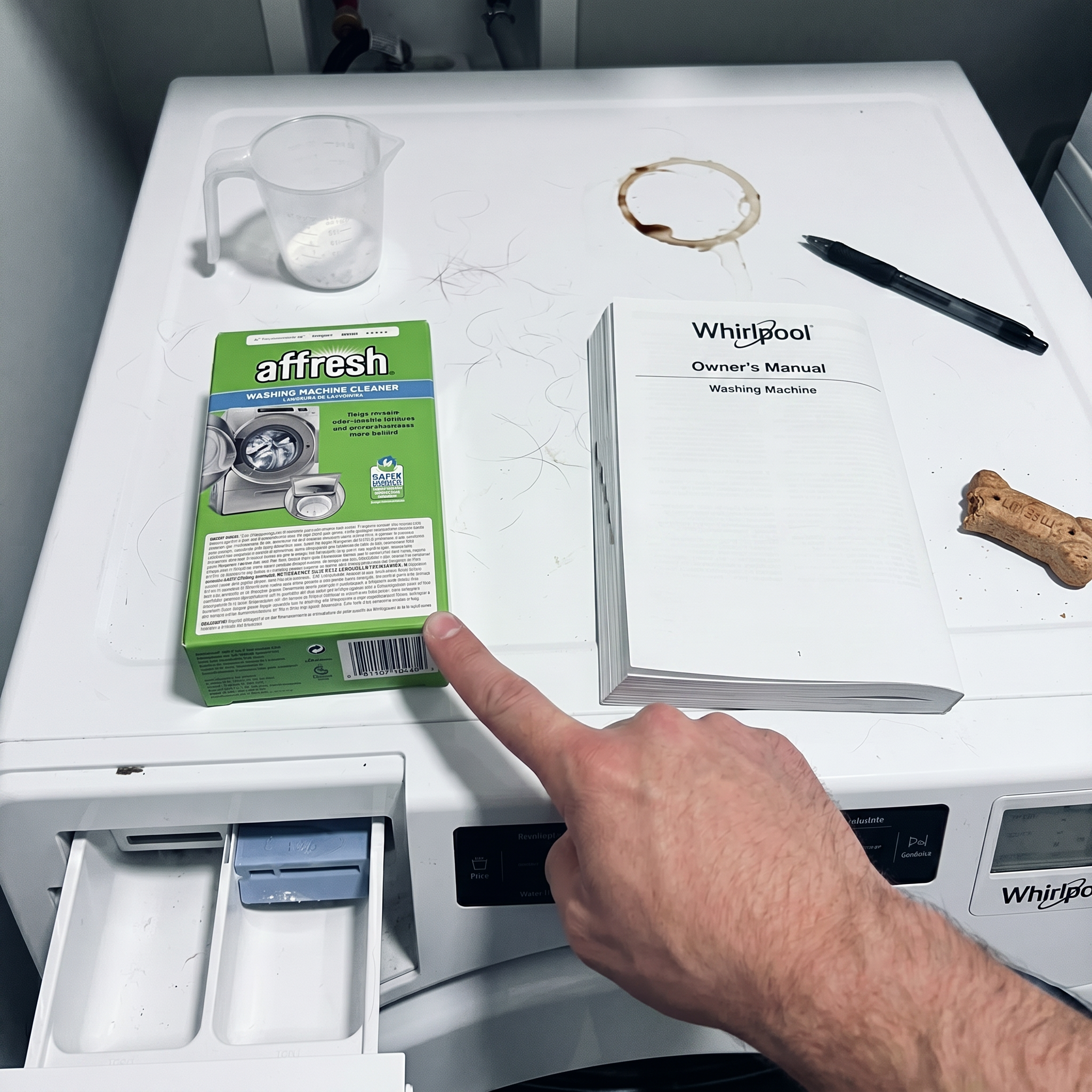
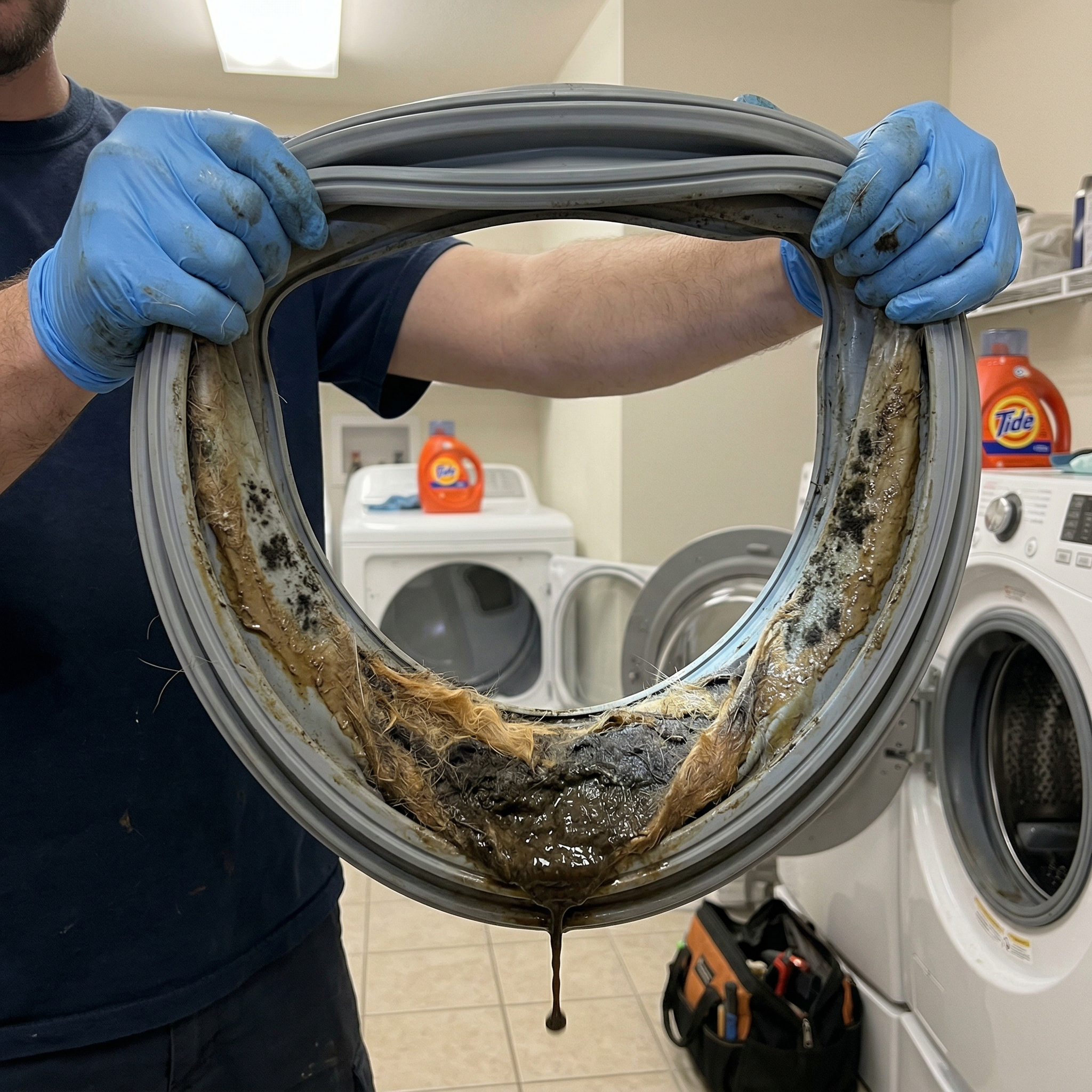
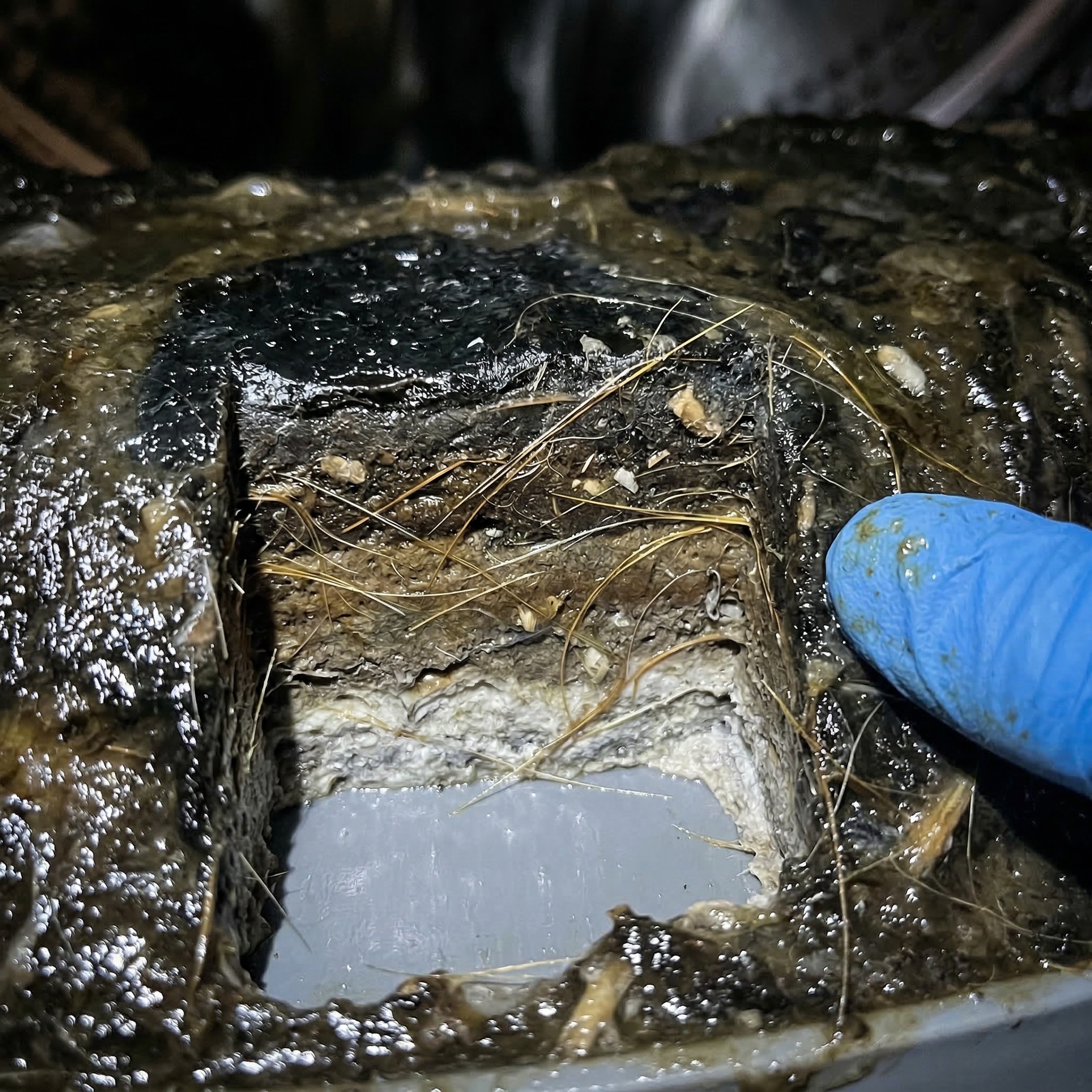
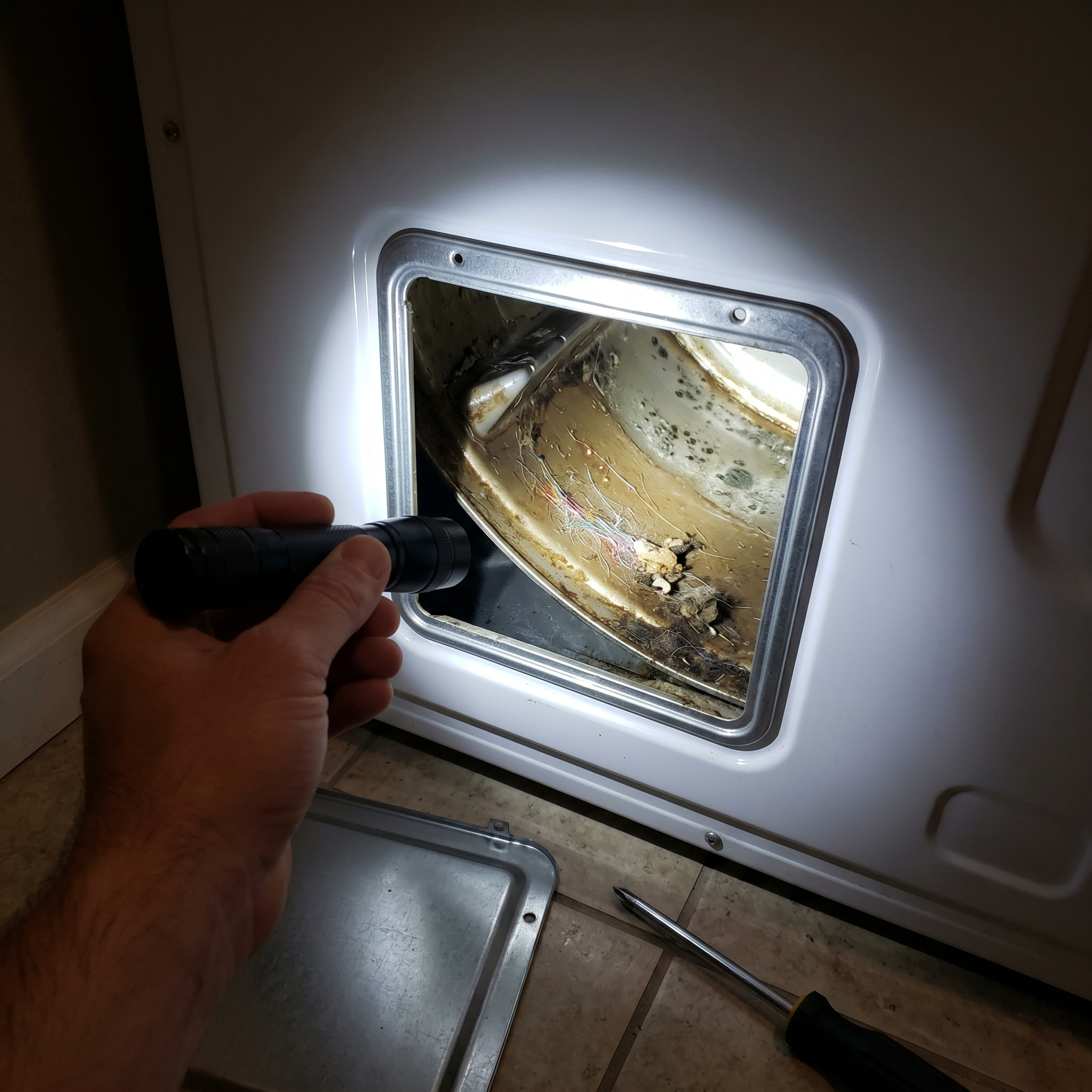
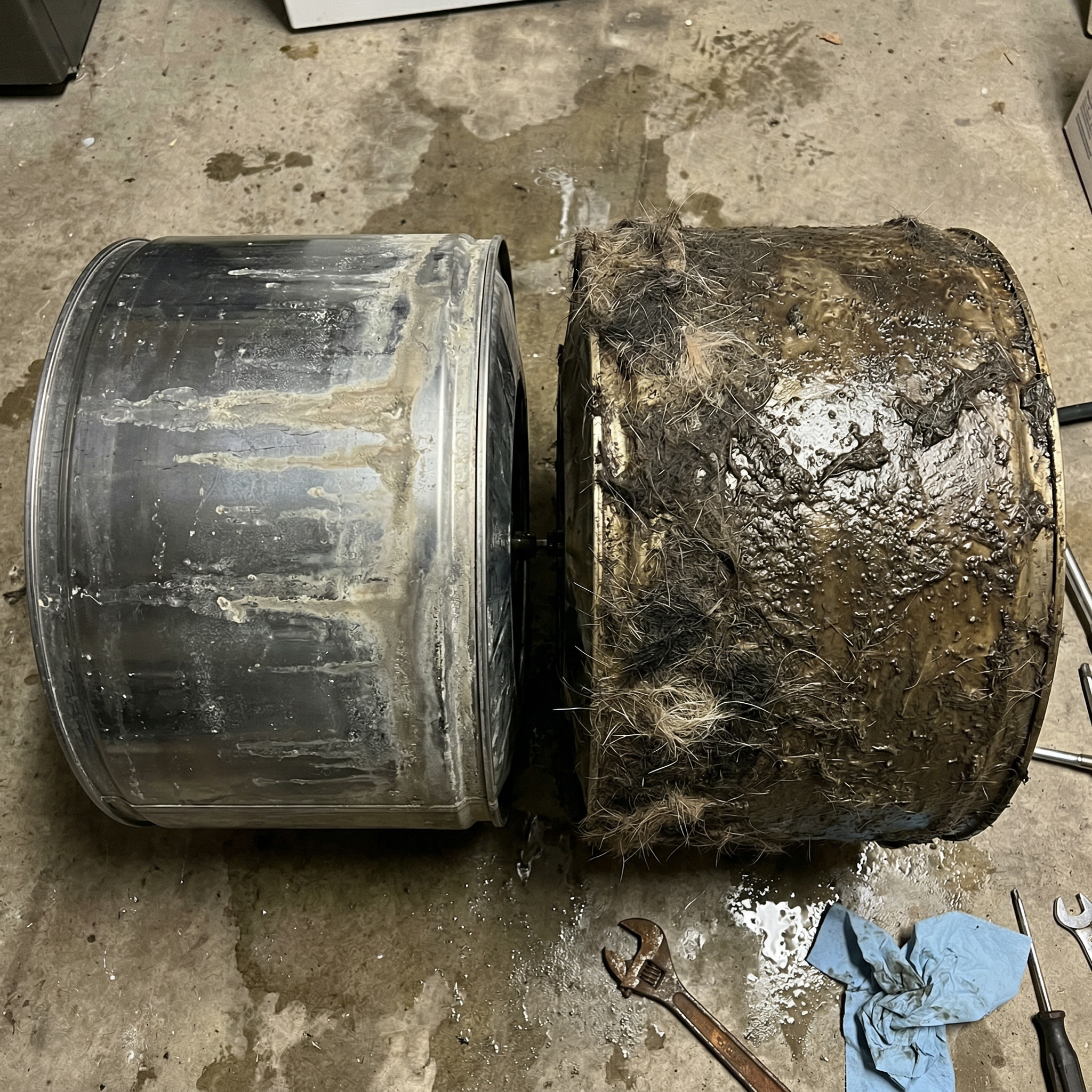
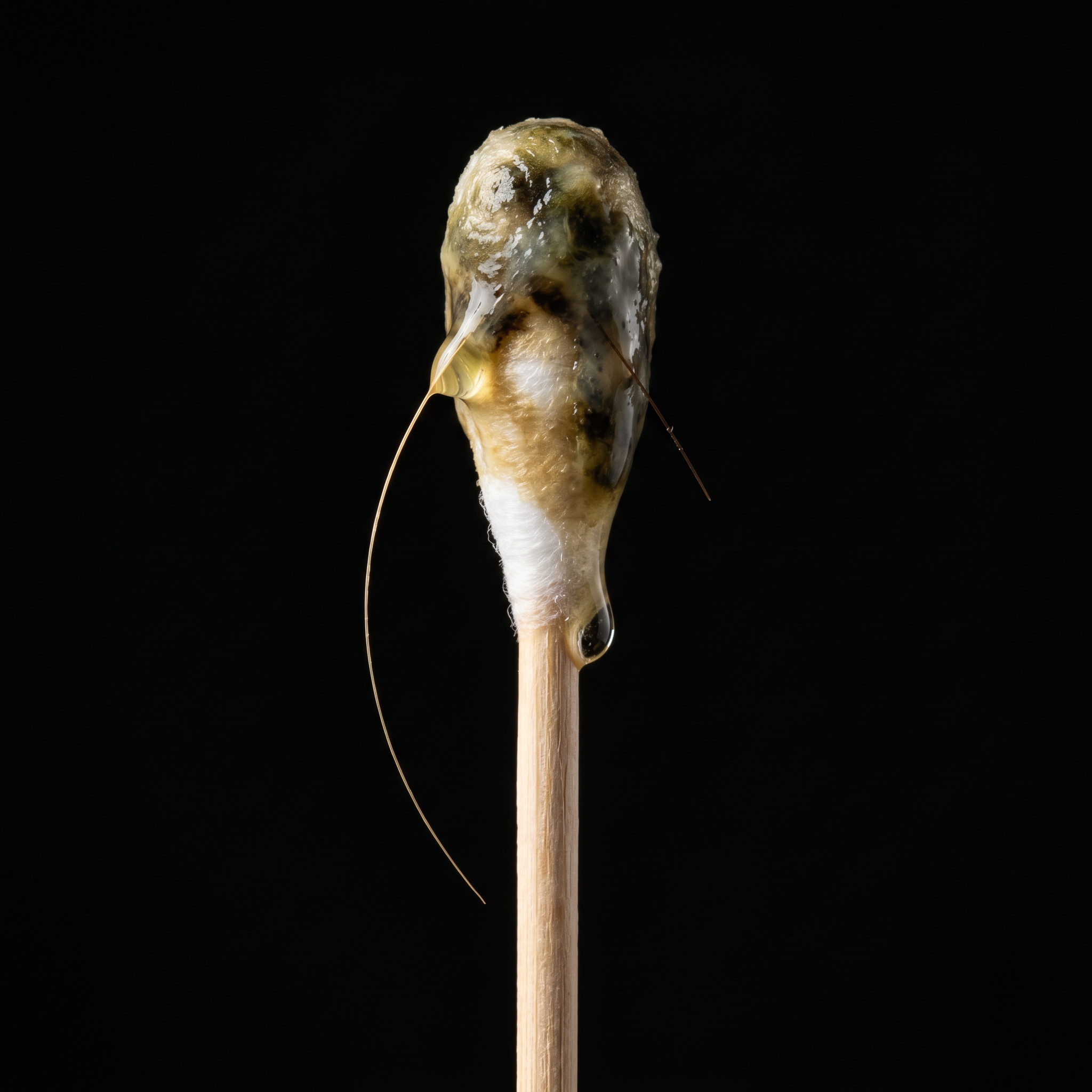
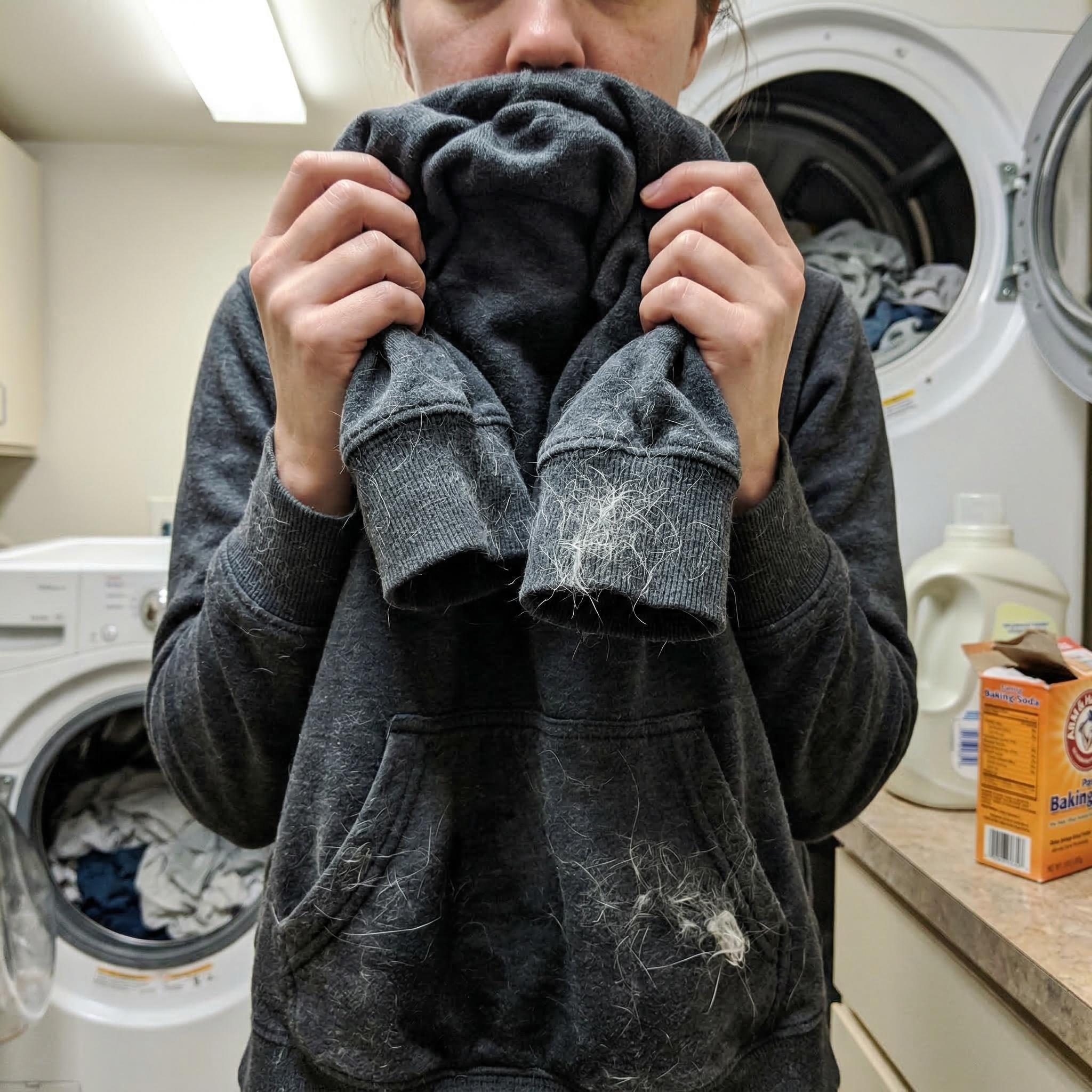
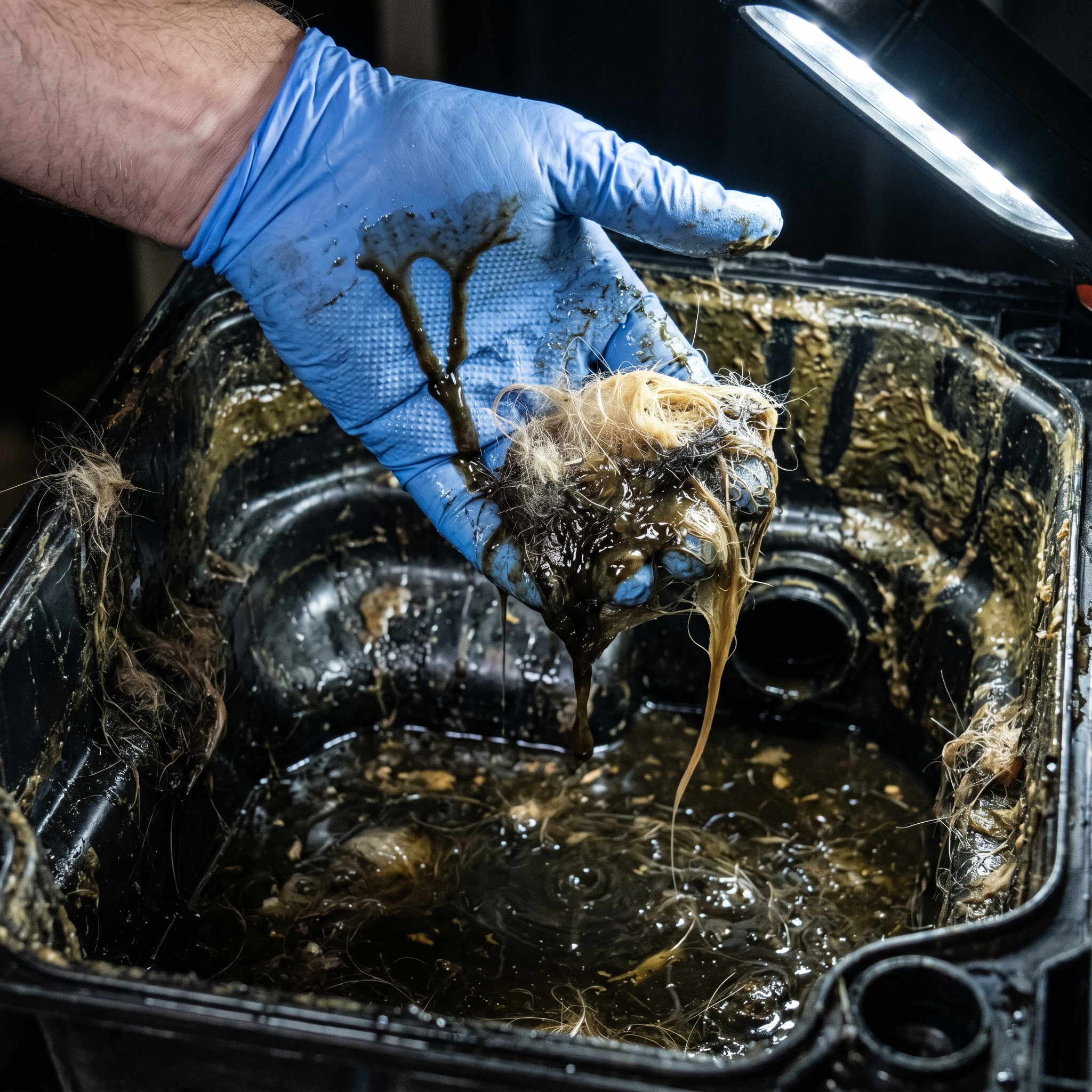
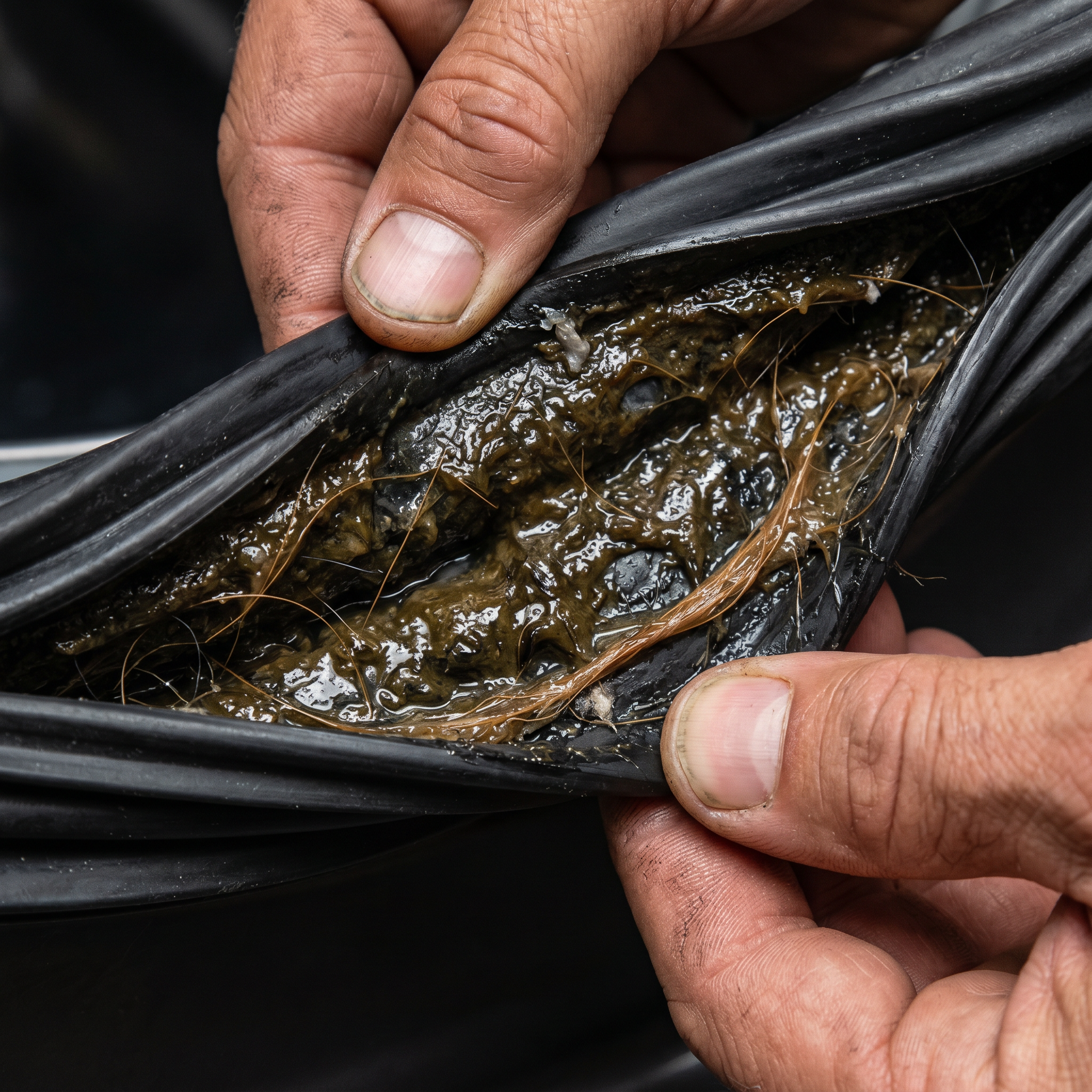
If you have pets and your laundry still smells musty after you wash it, your washing machine isn't broken. It's infected. I've seen it hundreds of times. My name's not important, but my job is. I've been an independent appliance repair tech for 15 years. Mostly washers and dryers, some fridges, the occasional dishwasher when somebody's desperate. I've pulled apart over 4,000 machines in homes across three counties, and I've seen things inside those drums that would honestly turn your stomach. I'm writing this because I owe a lot of my customers an apology. For most of my career, when somebody called me out for a "smell problem," I'd run the diagnostics, check the pump, check the drain line, maybe replace a gasket, and tell them the same thing every other tech tells them. Try a hotter cycle. Run a tub clean tablet. Switch detergents. Leave the door open between loads. And I'd leave, and three weeks later they'd call again. Same smell. Same musty, wet-dog, sour-towel scent that hits you the second you open the lid. I thought I was helping. I wasn't. I was treating the wrong problem. Here's what I finally figured out, and what nobody in my trade wants to admit out loud. Your washing machine is not dirty. It's alive. I don't mean that as a metaphor. I mean there is a living biological colony, a film of bacteria, mold, and mildew, growing on the inside surfaces of your washer that you can't see, can't reach, and can't scrub. The trade name for it is biofilm. It's the same stuff that grows on the inside of pipes, on boat hulls, on the bottom of dog water bowls if you leave them out for a week. It's a sticky, slimy layer of microbes that anchors itself to a surface and feeds off whatever's around. In a washing machine, what's around is everything you've ever washed. Every load you run leaves behind a little detergent residue, a little fabric softener film, body oils from your skin, lint from your clothes, and in pet households, a ridiculous amount of pet hair, dander, and saliva. All of that gets caught in the seams, the gasket folds, the sump, the underside of the drum, places no cleaning cycle ever touches. It's warm in there. It's dark. It's wet. If you were designing a perfect environment to grow bacteria in your house, you'd build a front-load washer. So the colony grows. It eats the residue. It builds up its biofilm layer. And every time you run a new load of laundry, water splashes through that slime and carries little bits of it back onto your clean clothes. That's the smell. That musty, wet-dog scent isn't your detergent failing. It isn't your dog. It isn't your towels. It's the odor of a living system that's been multiplying behind your drum for years, redepositing itself on every load you wash. And if you have pets, it's worse. Way worse. Pet hair and dander act like a catalyst. They bind to the detergent residue and trap odor molecules, turning the whole thing into a self-feeding loop. The more you wash, the more it grows. The more it grows, the worse it smells. The worse it smells, the more you wash. You see the trap. Now here's the part I owe people an apology for. Everything I used to recommend, everything the manufacturer recommends, everything the box of "washer cleaner" at the grocery store recommends, none of it actually kills this stuff. Not really. Not for more than a week or two. Tub clean cycles? They're just hot water swishing around. The biofilm laughs at them. Scrubbing the rubber gasket with a toothbrush? You're getting maybe 10% of what's there. The rest of the colony is up under the drum where your hand will never reach. Vinegar? It's a mild acid. It might wipe off some surface scum, but it does not penetrate a mature biofilm matrix. The microbes underneath the top layer are protected. Bleach? Same problem. Bleach is a surface killer. Biofilm is specifically structured to keep surface killers out. That's literally what it evolved to do. Affresh, OxiClean, the Tide tablets, the generic store brand tablets, all the oxygen bleach products? They oxidize. They foam. They smell strong. But they don't have the one thing that actually breaks the colony apart at the source. I figured this out the hard way. I had a customer, a sweet older lady, three rescue dogs, calling me back four times in eight months about the same smell. Fourth visit, I'm standing in her laundry room, and she's almost in tears. She says, "I've spent more money trying to fix this washer than the washer cost me." And I had nothing left to tell her. I'd already given her every trick I knew. So I left her house that day with no answer, and I went home that night and actually started reading. Not appliance manuals. Microbiology. Biofilm research. Hospital sanitation protocols. Commercial laundry science. That's where I found the answer, and it's not in the appliance industry. It's in space. Decades ago, NASA had a problem. They needed to clean clothes for astronauts in zero gravity, and they couldn't use gallons of water the way a normal washer does. So they pioneered a completely different category of cleaning. Enzyme-based cleaning. Cleaning that works on a microscopic level, biologically, by digesting contaminants instead of rinsing them. Enzymes digest. They don't rinse, they don't mask, they don't foam things up and hope for the best. They biologically break down the proteins, fats, and starches that make up the biofilm matrix and the residue feeding it. They take the food source away from the bacteria, and the whole colony collapses from the inside out. That's the missing piece. That's the thing every product I'd ever recommended was missing. When I learned that, I went hunting for an enzyme tablet built specifically for washing machines, not for clothes. Most of what I found was either commercial-only or didn't have the enzyme blend strong enough to handle a pet household. I tested a few. Most of them were repackaged oxygen bleach with a sprinkle of enzymes for marketing. The one I kept coming back to is made by a small company in Florida called Uproot Clean. Their Washing Machine Cleaner is built around the same enzyme science NASA pioneered, three enzymes working together. Alkaline protease breaks down proteins, the dander, the hair, the skin oils. Lipase breaks down fats, the body oils and softener film. Alpha-amylase breaks down starches, the detergent residue. Plus sodium percarbonate to oxidize the loosened debris, citric acid to descale, and a polymer that holds the broken-down gunk in suspension so it actually flushes out the drain instead of resettling. It's the first thing I've used in 15 years that actually addresses the biological problem instead of just masking the symptoms. I bought a pack and drove back to that older lady's house on my own time, no service call, no invoice. I dropped one tablet in her drum, ran a hot cycle, and called her the next day. She said it was the first time her laundry room hadn't smelled like a kennel in two years. I keep them in my truck now. When I do a service call and a customer mentions the smell, I hand them a tablet before I leave. I tell them what I told you. Your machine isn't broken. It's infected. And surface cleaners can't kill a deep biological problem. You need enzymes that digest, not chemicals that rinse. If you've been fighting musty laundry for months or years, if you've already tried the vinegar and the bleach and the Affresh and the hot cycles, if you've even bought a new washer thinking that would fix it and it didn't, this is the reason. The colony moves with you. The new machine gets infected within months because you're still feeding it the same residue, the same dander, the same hair. The only way out is to break the colony down biologically and starve what's left. Uproot's running a deal on their washer tablets right now, and they back it with a 60-day money-back guarantee, which is more than fair given what you're up against. If it doesn't work, you send it back. You're out nothing. But it works. I've seen it work in dozens of homes now. I wouldn't put my name on this if it didn't. Click below to grab the Uproot Washing Machine Cleaner. Drop one tablet in your empty drum, run a hot cycle, and smell the difference yourself. Because after 15 years and 4,000 machines, I can tell you with certainty, your laundry isn't going to smell clean until the thing growing inside your washer is gone. https://uprootclean.com/products/uproot-washing-machine-cleaner-pro
Like this ad? Make it yours.
Crush rebuilds this exact creative around your product — your brand, your colors, your offer — in about a minute.