
Active· since Jun 9, 2026
- 97
- days running
- 0
- relaunches
Ad copy
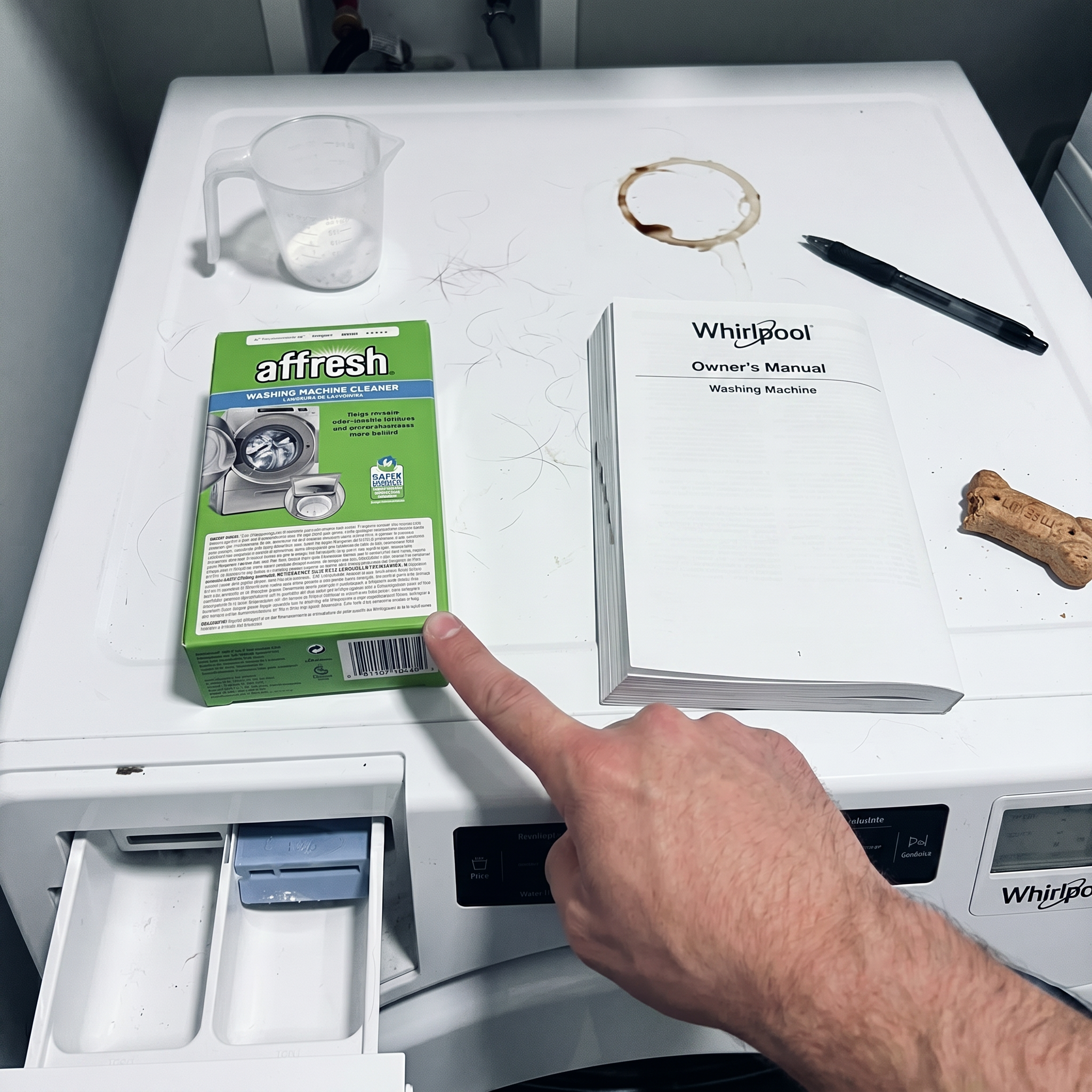
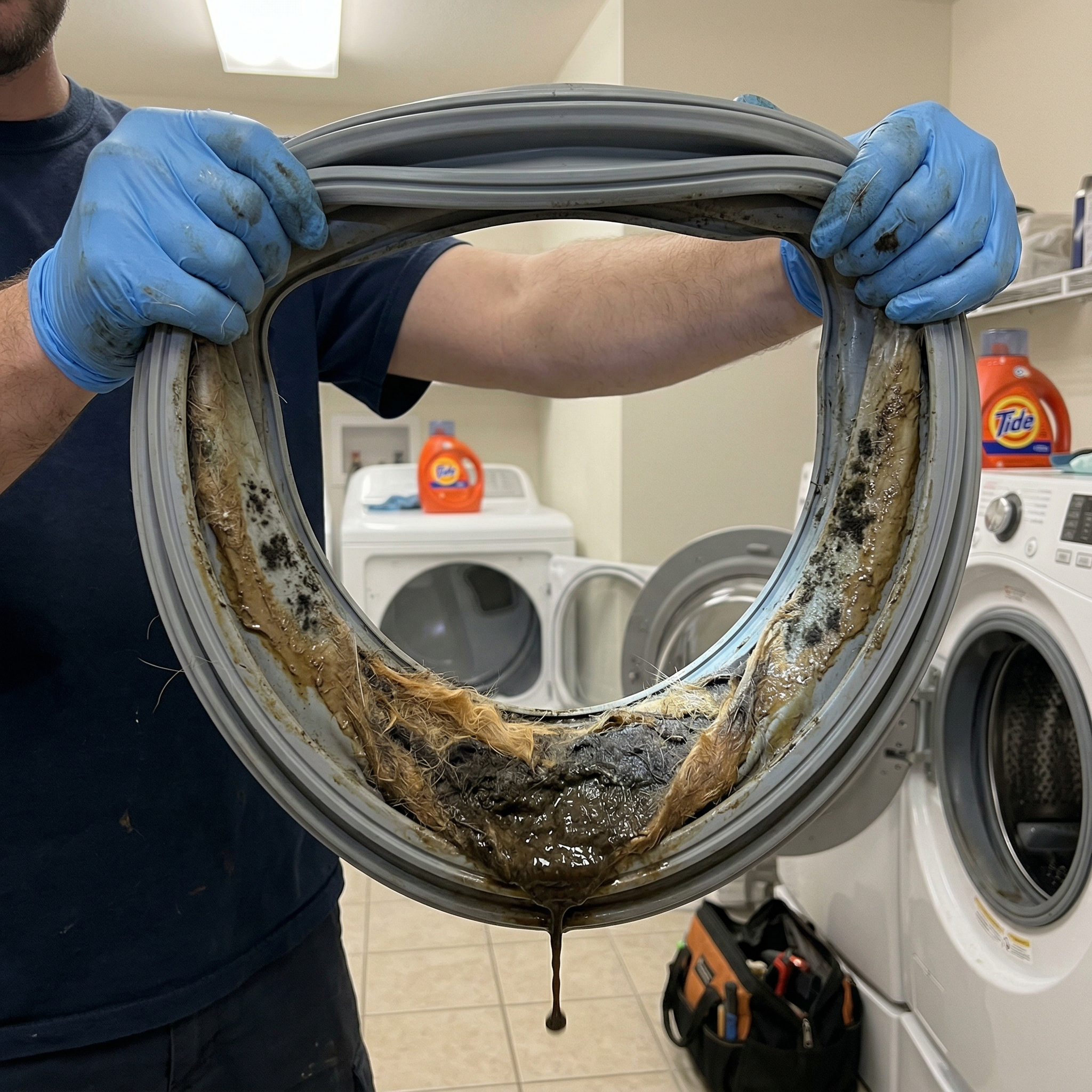
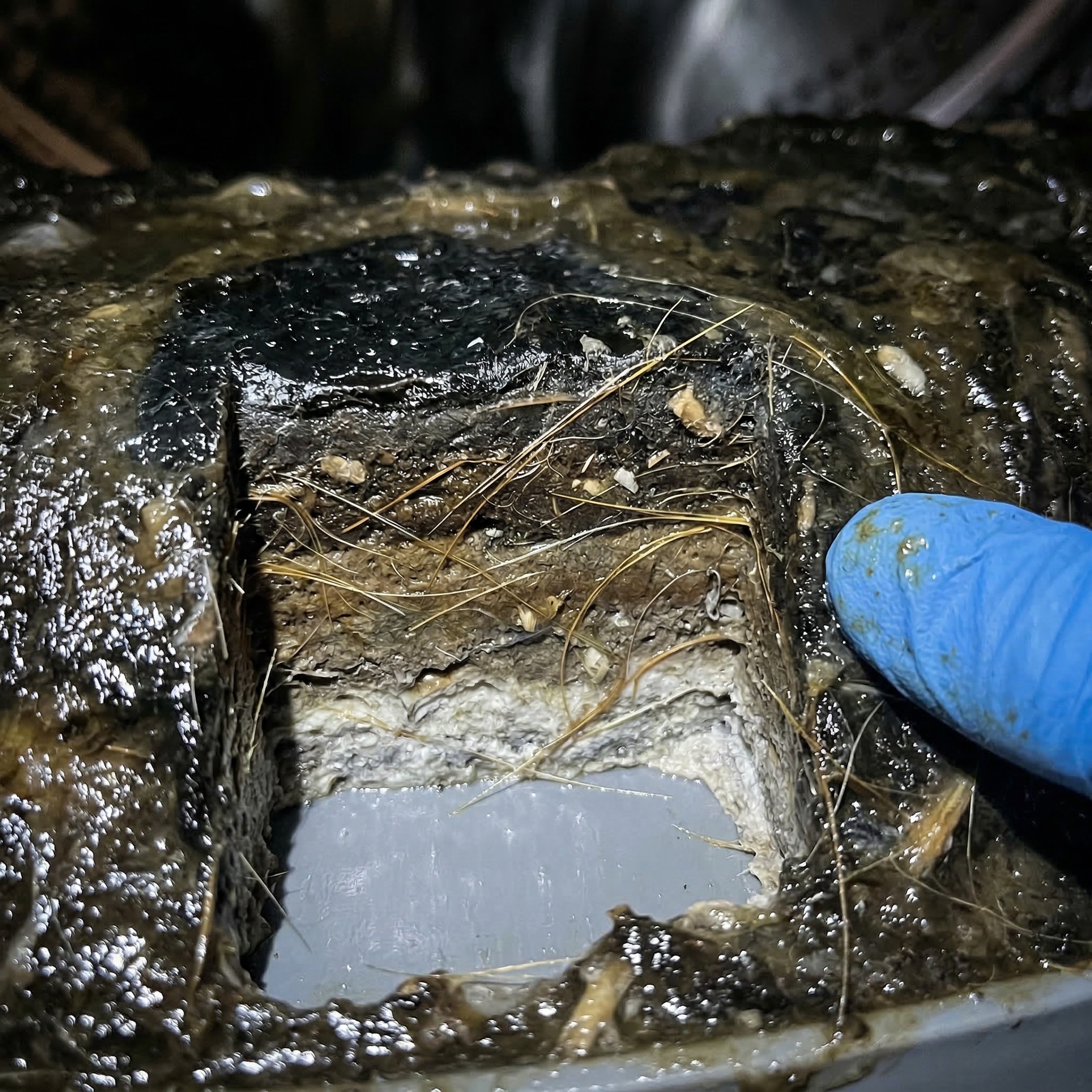
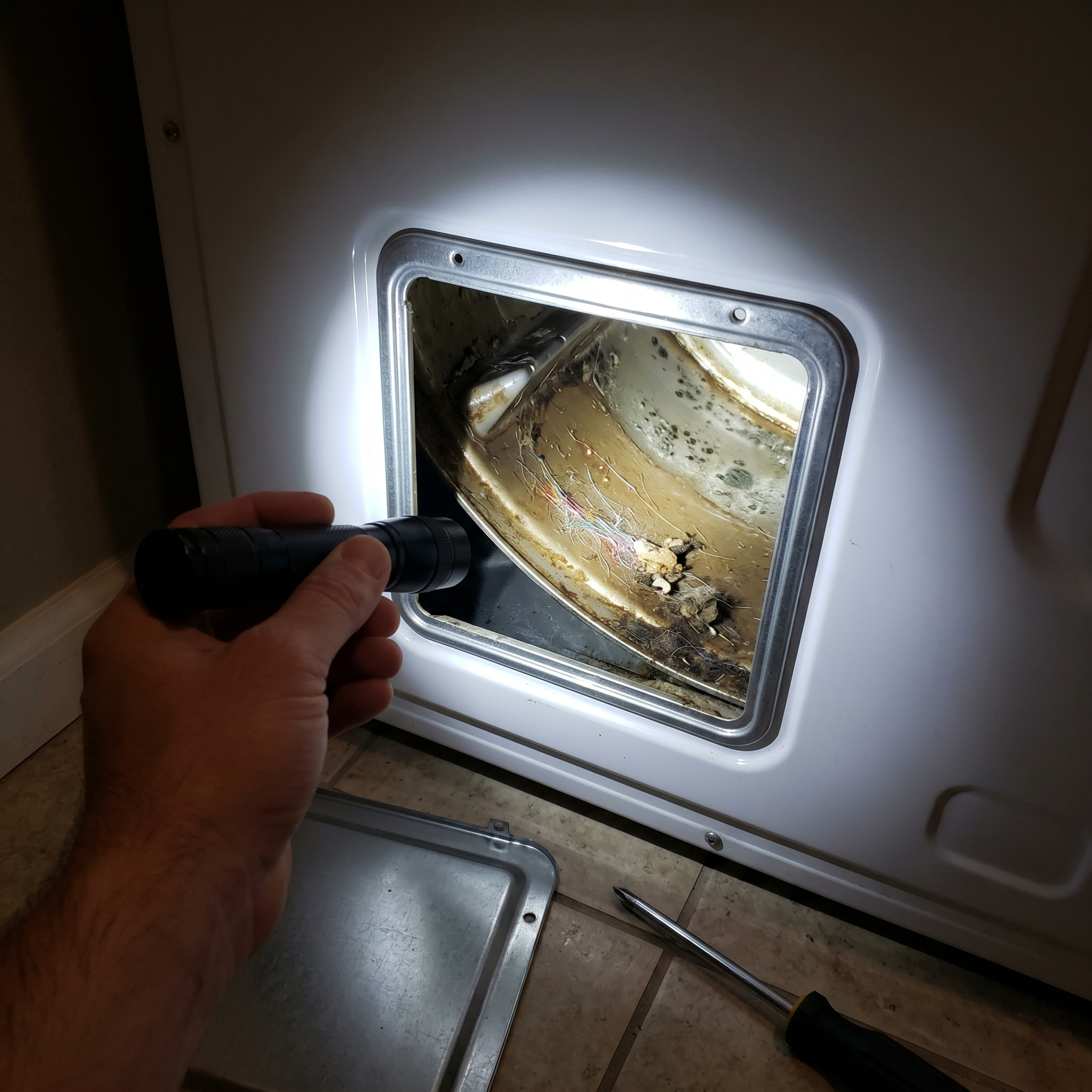
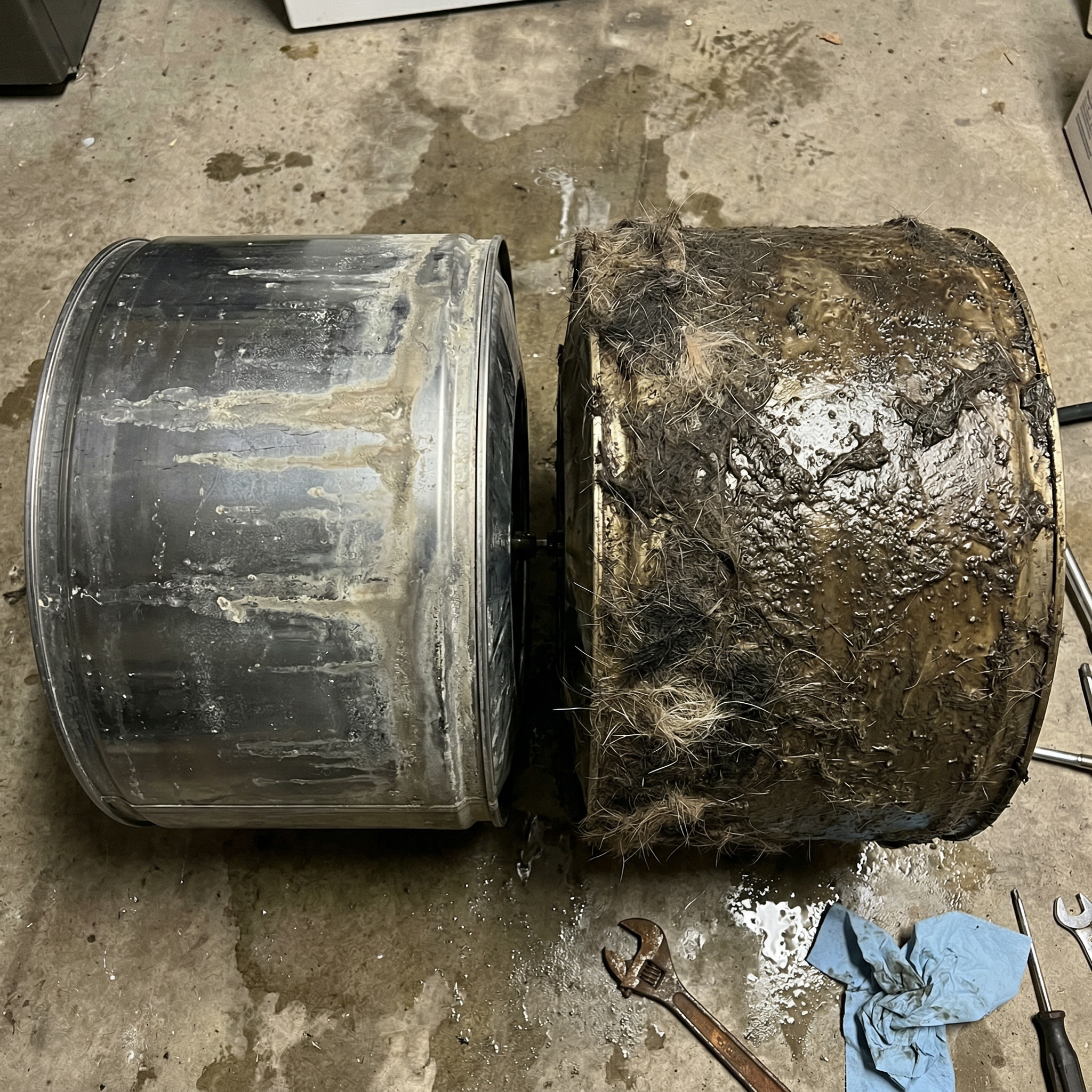
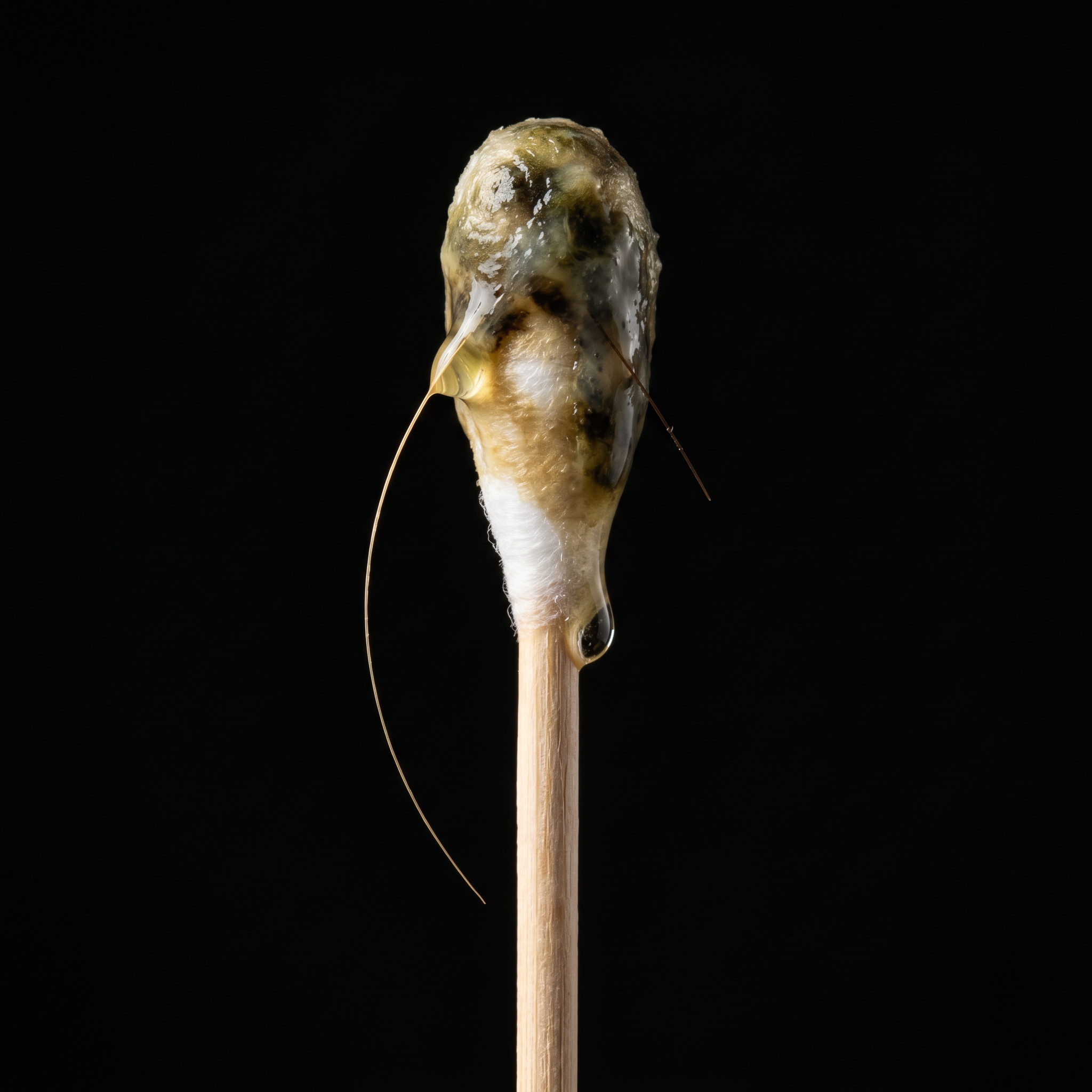
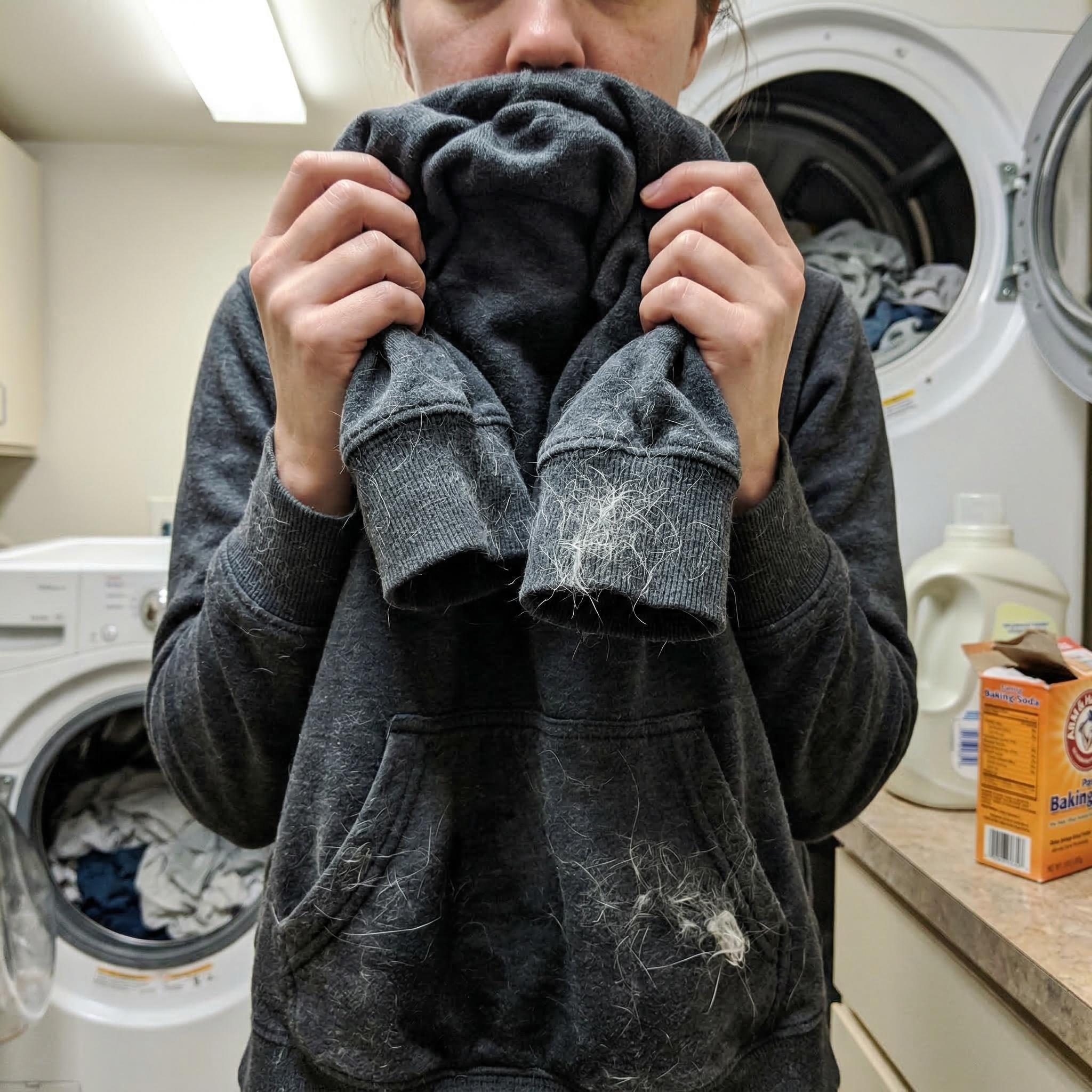
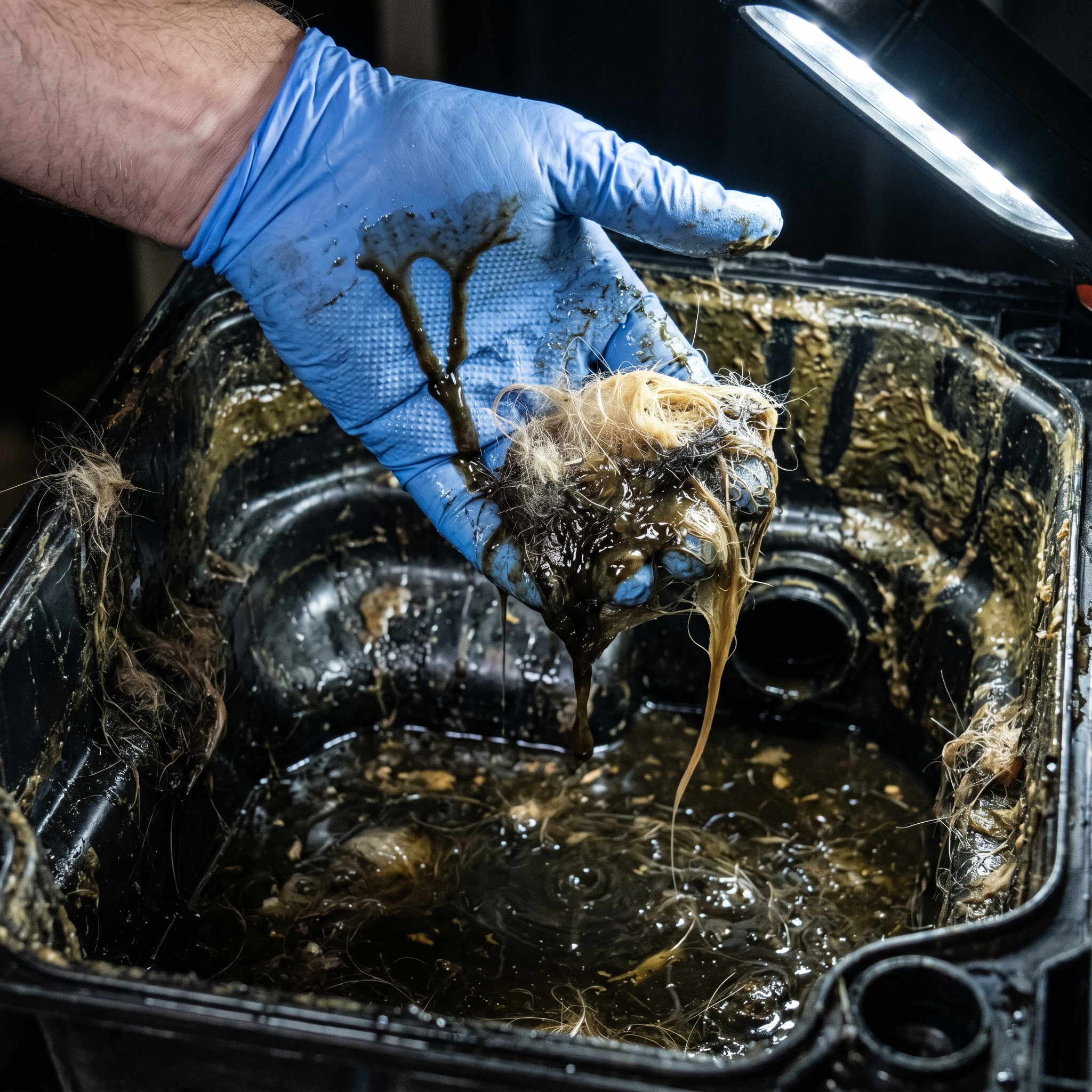
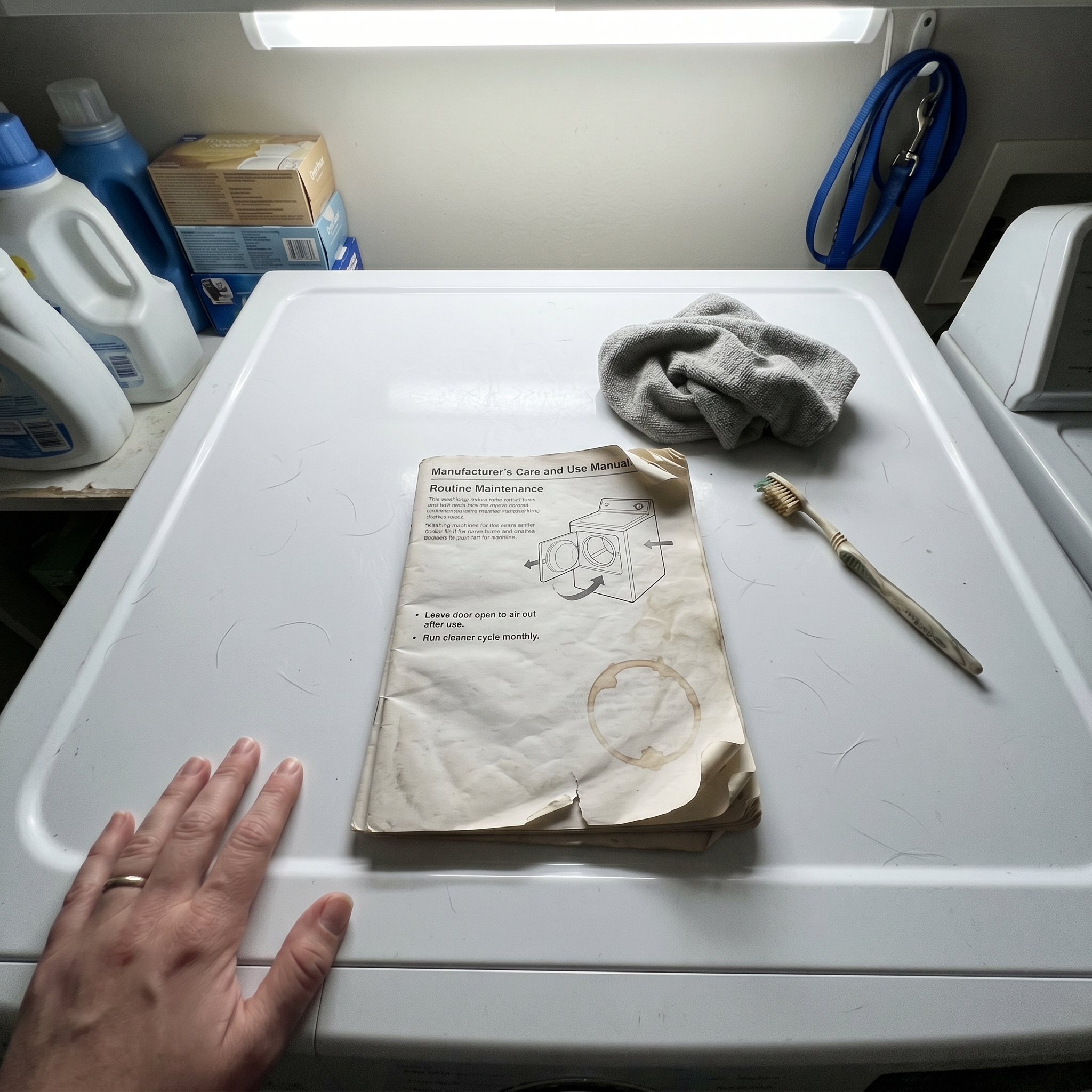
After 19 years inside washing machines, there's one piece of advice I give every pet household I service, and it's not on any manufacturer's care sheet. It contradicts what Whirlpool tells you, what Maytag tells you, and what every YouTube cleaning video tells you. But it's the only thing that actually fixes the wet-dog smell in your laundry. My name's Marcus Whitfield, and I run a one-man appliance repair operation out of a beat-up Ford Transit in Marietta, Georgia. 19 years on the job. Started under my uncle in 2005, fixing top-loaders for old ladies in Cobb County, took over the business when he retired in 2014, and these days I'm running 8 to 11 service calls a day across the north metro Atlanta area, mostly washers and dryers, mostly in houses with kids, dogs, or both. I want to tell you about a customer named Patrice because her story is exactly the story I've heard about 400 times in my career, and I finally figured out what was actually going on. Patrice raises and shows Cavalier King Charles Spaniels out of her house in Gray, Georgia. Four breeding females, two studs, plus whatever litter is on the ground at the moment. She called me last March because her Whirlpool Cabrio was making a clunking noise during the spin cycle. Pretty standard call. I drove out, pulled the machine away from the wall, and the second I opened the front panel, I got hit with that smell. The one I'd been smelling in pet households for 19 years and never really understood until that month. While I worked, Patrice stood in the doorway and started telling me about her laundry. Said she'd been fighting a musty smell in her show-dog blankets for over a year. She'd tried Affresh, of course, like everybody does. Ran it monthly, then weekly, then ran two at a time because the box said one, but she was getting desperate. She tried vinegar. She tried Borax. She switched from Tide to Persil to Arm and Hammer free and clear. She bought a new gasket online and installed it herself, watching a YouTube video. She left the door open between loads. She wiped the rubber boot with a toothbrush every Sunday morning while her coffee brewed. Nothing worked. The blankets came out smelling like they'd been in a wet crate. She said the moment that pushed her over the edge was a regional dog show in Athens, where one of the judges, an older woman she really respected, picked up her dog to examine him, and her face changed for half a second. Patrice knew exactly what that face meant. Her dog smelled fine. The blanket the dog had been lying on in the crate did not. I'm telling you Patrice's story because if you have pets, you've probably lived some version of it. Maybe it wasn't a dog show. Maybe it was the moment your sister borrowed a hoodie at Christmas and handed it back, saying it smelled funny. Maybe it was finding your husband reaching past the top towel in the linen closet for the second one down. Whatever the moment was, you know what I'm talking about. Here's what I told Patrice that day, and here's what I want to tell you. When I was a younger tech, I gave the standard speech. Run Affresh once a month, leave the door open, use less detergent, switch to powder, don't overload, and run a sanitize cycle every couple of weeks. That advice isn't wrong. It's just incomplete. And in a pet household, it's the difference between treating the symptom and fixing the problem. About three years into running my own shop, I started noticing a pattern in my callback list. Roughly 70 percent of my repeat smell-complaint customers had pets. I didn't have an explanation for it at first, just a pattern. So I started taking the back panels off these machines when I had time at the end of a call, just to look. And what I saw inside, behind the part of the washer you can see, changed how I thought about my whole trade. There's a sealed space between the drum you load clothes into and the outer plastic tub it sits inside. About an inch and a half wide on most front-loaders, narrower on top-loaders but it's still there. That space contains the sump where water collects at the bottom, the drain pump intake, the recirculation hose that loops back to the top, the heating element on some models, and a permanent layer of water that the machine cannot fully drain. By design. The seal geometry doesn't allow it. In pet households, that sealed space turns into something I can only describe as a wet jerky strip. A coating of broken-down hair protein, skin oil, dander, saliva proteins, food residue from kibble that ends up on bedding, and trace amounts of urine and fecal matter from accidents the customer thought she'd washed out. All of it baked onto the plastic walls of the sealed space, load after load, year after year. The technical word for it is biofilm. It's not mold the way people think of mold. It's a structured colony of bacteria living inside a glue-like matrix they secrete around themselves. And the specific bacteria living in there, a bug called Moraxella osloensis, produces a chemical compound called 4-methyl-3-hexenoic acid. That compound is the smell. It's not your dog. It's not your detergent. It's a molecule being manufactured inside your washer and redeposited on every load that comes through. Once I understood that, I understood why everything I'd been recommending was partially failing. Vinegar is a weak acid. It can dissolve a little mineral scale. It cannot break down protein, and it cannot break down oil. Bleach is a strong oxidizer. It kills surface bacteria on contact, but biofilm evolved specifically to defeat that exact attack. The outer matrix absorbs the bleach, the inner bacterial colony survives, and the whole community regrows within a week. Plus, bleach chews up the rubber gasket, which is how I keep getting called back to install new boots on three-year-old washers. Affresh, Tide Washing Machine Cleaner, OxiClean, they're all built on the same base chemistry: Sodium percarbonate with a surfactant. Oxygen bleach with a soap. That formula was designed for a regular household with a regular soap-scum and hard-water problem. It was never designed for the protein and oil chemistry that a pet household produces. So it works partway, plateaus, and the smell drifts back in two to four weeks. Which is exactly the pattern Patrice had been living for fourteen months. The thing that finally cracked it for me was a Facebook group I joined about four years ago for appliance techs. There's about 3,200 of us in there, all over the country. I posted Patrice's situation and asked if anybody had ever actually cracked the pet-household smell problem. I got around 150 comments. Most of them were the same advice I'd already given her, which told me I wasn't alone in not knowing the answer. But three different techs, in three different states, all said the same thing. There's a tablet out of a small Florida company that's formulated with actual enzymes. Not just oxygen bleach with a fragrance. Protease for the hair protein. Lipase for the skin oil. Amylase for the food residue. Plus, the oxygen bleach component to finish off what the enzymes loosen up. I'd never heard of enzymes in a washing machine cleaner. None of my trade publications had ever mentioned it. Affresh doesn't have any. Tide Washing Machine Cleaner doesn't have any. OxiClean doesn't. Glisten doesn't. I went back through every product spec sheet I had access to, and not one of the mainstream washer cleaners on the American market contains enzymes. But when I sat with it for a minute, it made sense. Enzymes are the only category of chemistry that hydrolyzes the protein and oil matrix that holds biofilm together. Once that matrix breaks down, the oxygen bleach reaches the bacterial cells underneath and finishes them off. Without enzymes, you're scrubbing a steak pan with dish soap and no hot water. I ordered a box of twenty-four tablets, came in about four days. The product is called Uproot Washing Machine Cleaner. First customer I tried it on was Patrice. I drove back out to Gray on a Saturday, no charge, dropped a tablet in her empty drum, ran the Clean Washer cycle on hot, and told her to call me in a week. She called me the next morning. The water that drained out of the back of her machine had been brown. Like tea. She thought I'd broken something. I told her that was fourteen months of buildup coming out of the sealed space, and to run a second tablet in three days. Third tablet, the water ran clear. She washed a load of show-dog blankets that afternoon. Called me crying. Said the blankets smelled like detergent. Just detergent. No undertone of dog. For the first time since she'd bought the washer in 2019. That was twenty months ago. Since then, I've put a tablet in front of every pet household I service, and I've kept notes the way I keep notes on everything. I've tested it on Whirlpools, Maytags, Samsungs, LGs, GE Profiles, Speed Queens, the old direct-drive top loaders from the 90s, and the brand-new high-efficiency front loaders from this year. It works on all of them. I've had a Lab breeder in Hawkinsville with eleven dogs on the property tell me her rewash rate dropped by two-thirds. I've had a grooming shop owner in Macon tell me her drying towels finally smell like towels, and she stopped buying scent boosters. I had a guy in Forsyth with two Newfoundlands, which, if you don't know the breed, picture a black bear that drools, who called me a month after I gave him a tablet and asked where to buy more, because for the first time in six years, his kids' pajamas didn't smell like the dogs. I want to be straight with you about something. I don't sell this product. I don't have a code. I don't get a kickback. I don't carry it on the truck for resale. I write the website on the back of my invoice for customers who want it, and they order it themselves off the internet. The reason I'm telling you this on a webpage instead of waiting for you to call me for a service call is that I'm tired of pet owners spending two hundred dollars a year on the wrong product, then four hundred on a new gasket I install, then twelve hundred on a whole new washer they didn't need, when a twenty-dollar box of the right product would have fixed it the first time. If you've got a dog or a cat in the house and your laundry's been smelling off for months or years, you're not bad at this, and you're not doing it wrong. You've been buying products that were never built for your house. The category nobody told you about is enzyme-based, and the page below explains exactly what it does and why it's the only thing on the market that breaks down what causes your musty-smelling laundry. https://order.uprootclean.com/wmt008-l4v2-mustyclothes
The wet-dog smell isn't coming from your dog
After reviewing university research, government sanitation reports, microbiology papers, and archived NASA data, one conclusion stood out:
SHOP NOWLike this ad? Make it yours.
Crush rebuilds this exact creative around your product — your brand, your colors, your offer — in about a minute.