
Inactive· since Jan 9, 2026
- 32
- days it ran
- 0
- relaunches
Ad copy
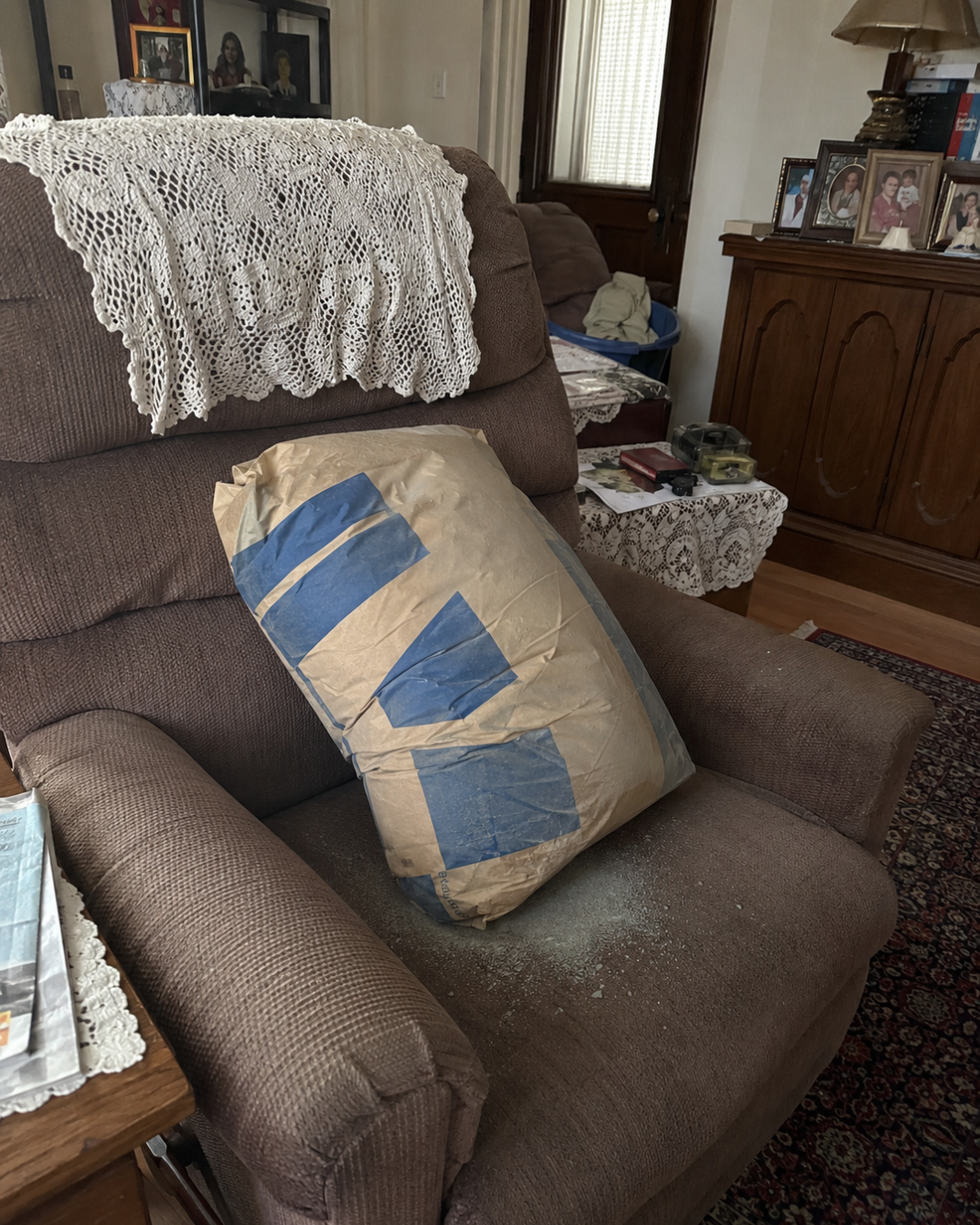
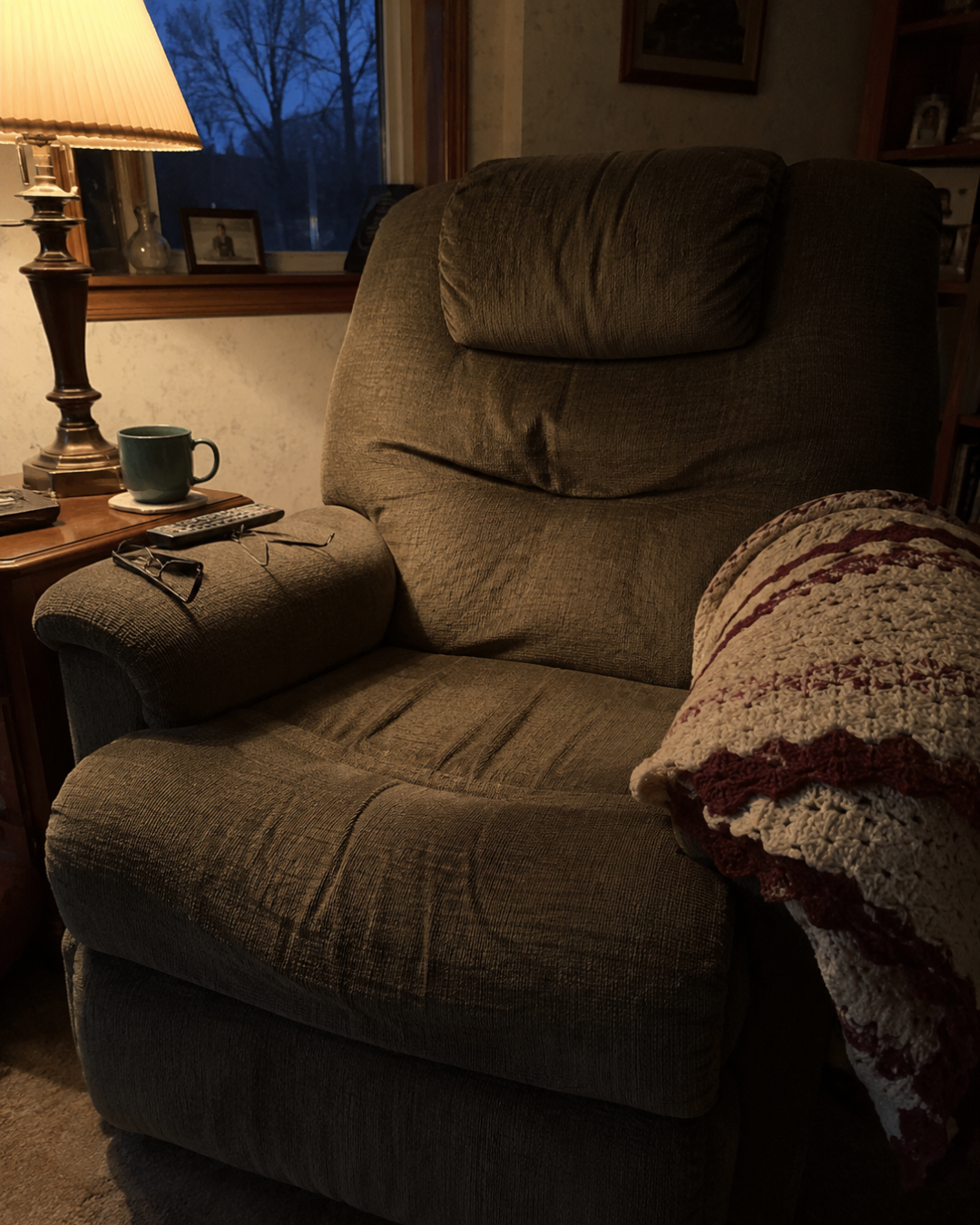
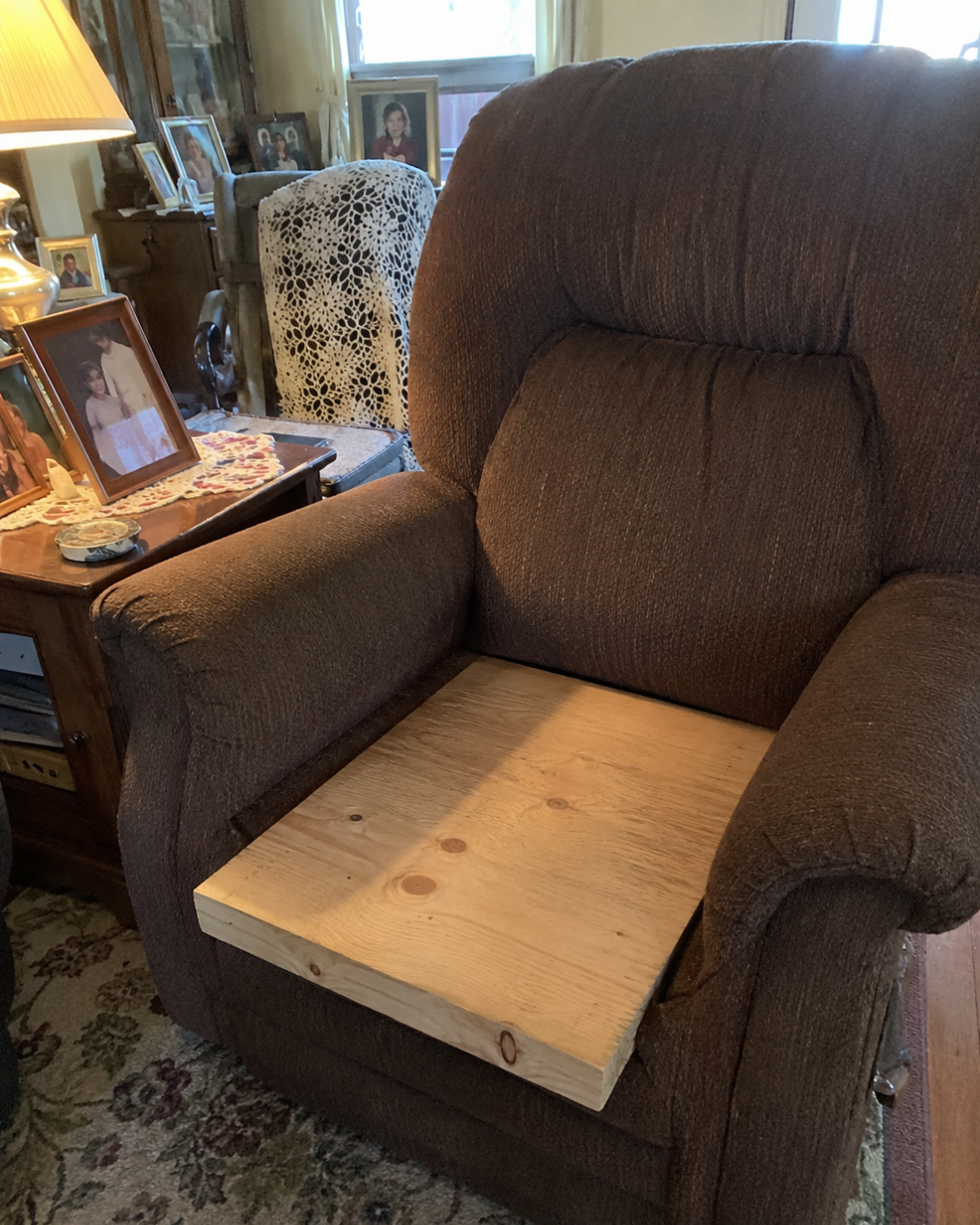
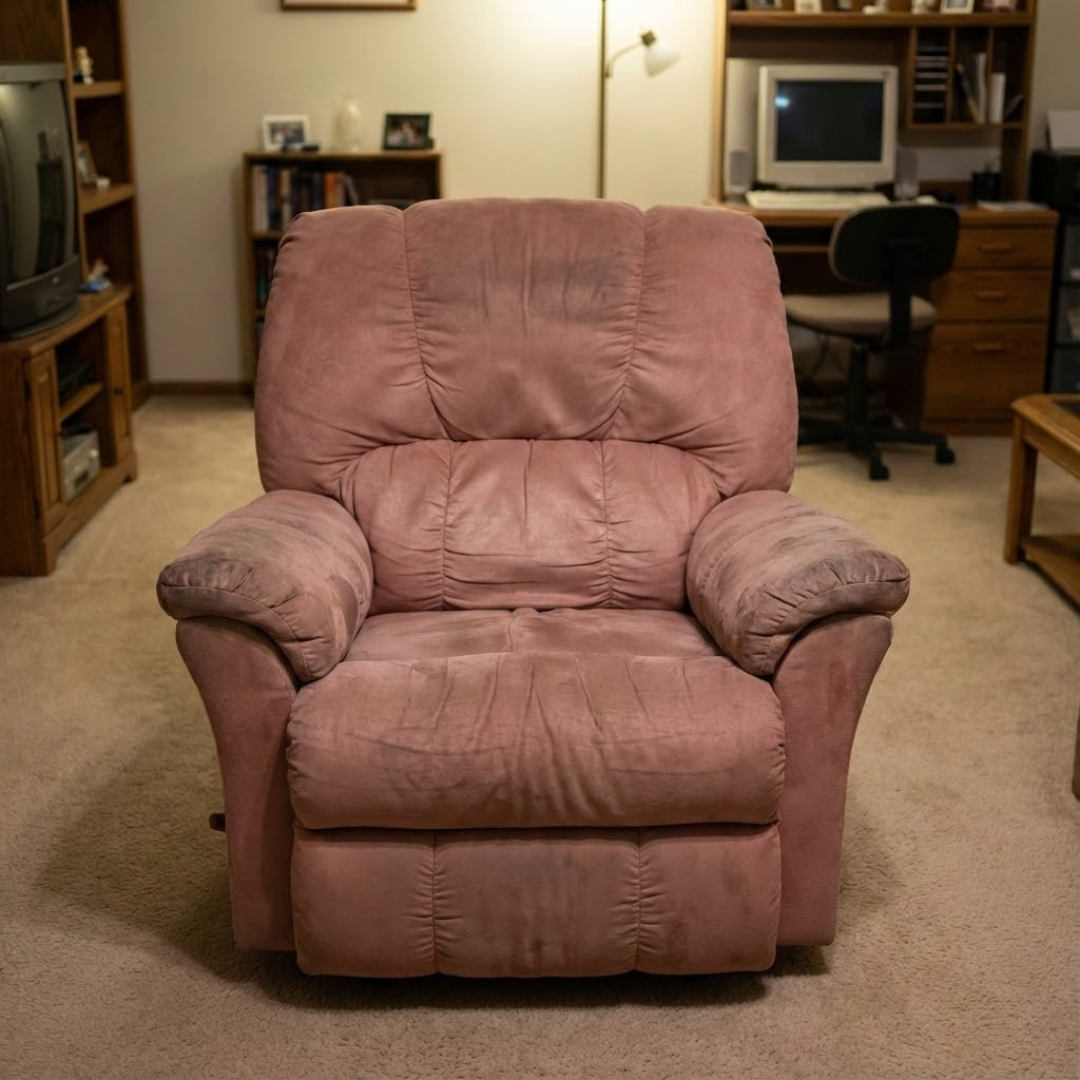
Why soft cushions actually create the pressure that causes sores. At 3:47 AM, I found myself checking under David again. My hands were shaking as I gently rolled him to his left side in the recliner where he spends most days now. Since the stroke in 2009 took his right side and most of his words, that chair has become his world. I was looking for red marks. Again. The visiting nurse had warned me three weeks ago. "Mrs. Chen, you need to watch his skin. Sitting all day, the paralysis... pressure sores can develop fast." Fast. I bought every cushion. The $40 memory foam one from Walgreens. Then the expensive memory foam with gel one from Amazon went flat in six days. Then the donut pillow the physical therapist mentioned. Each time, I'd feel this surge of hope. *This one will work. This one will keep him safe.* And each time, within days, I'd see it. That faint redness on his right hip where he can't feel anything anymore. Or the angry mark forming on his tailbone. I'd panic. Switch cushions. Reposition him. Set alarms to move him every hour. But the marks kept coming back. Last Thursday, I had what I can only describe as a breakdown in the Target parking lot. I'd just bought cushion number seven. A thick, puffy one that looked so soft and protective. I sat in my car and cried because I knew. I *knew* it wasn't going to work either. I was failing him. David can't tell me when something hurts. His speech is mostly gone. He can manage a few words, but describing pain? Asking for help? That's beyond what the stroke left him. So he sits there, hour after hour, trusting me to keep him safe. And I was failing. The turning point came from the most unlikely place. I was at his wound care appointment Tuesday morning. Not for a pressure sore, thankfully – just the routine skin check. But I was desperate, so I asked Dr. Patel the question that had been eating at me. "Why don't the cushions work? I've tried everything soft, everything thick. What am I doing wrong?" She set down her clipboard and looked at me. Really looked at me. "The cushions aren't the problem. The softness is." I must have looked confused because she pulled out a pen and started drawing on the exam table paper. "Every cushion you've tried – the memory foam, the foam with gel, even the donut – they all make the same promise: comfort through softness. But here's what's actually happening..." She drew two simple diagrams. "When David sits on something soft, it feels good at first. But within minutes, his body weight compresses the material. Memory foam, regular foam, even basic gel – they all collapse under sustained pressure. And when they collapse, all of his weight – every pound – is pressing down on the same few inches of skin and bone." She circled her drawing. "His right hip. His tailbone. Those bony areas where he can't shift his weight because of the paralysis." "But it's so soft," I said. "How can soft be bad?" "Because soft without structure is just delayed pressure. Think of it like this: if you put your hand on a soft pillow and press down hard for ten minutes, your hand goes right through the softness to the hard surface underneath. Same thing is happening to David's body. The cushion feels soft, but it's not actually lifting the pressure. It's just... postponing it." That's when she said the thing that changed everything. "You don't need softer. You need something that displaces pressure instead of just cushioning it. Like water, but structured." She explained that in hospitals, for patients who can't move at all, they use specialized cushions with gel columns – not just gel, but these honeycomb structures that stay stable under weight while still allowing the body to "float." "The gel moves around the pressure points instead of compressing under them. It's why patients can sit for hours without tissue damage. The pressure never builds up in one spot because it's constantly being redistributed." I'd seen something like this. At the hospital during David's stroke recovery. They had these thick, expensive-looking cushions on the wheelchairs. "Why didn't anyone tell me this before?" My voice cracked. Dr. Patel's face softened. "Because most people assume expensive hospital equipment is the only option. And insurance won't cover it until there's already a wound. But there are consumer versions now. Medical-grade gel with the same column technology. You just have to know what to look for." I drove home that afternoon with a new understanding and something that felt, for the first time in months, like real hope. The problem wasn't that I hadn't tried hard enough. It wasn't that I was a bad caregiver. The problem was that I'd been sold a lie: that softness equals safety. Every cushion I bought promised comfort. But comfort isn't protection. Comfort is what you feel in the first five minutes. Protection is what keeps tissue alive after five hours. I had been choosing based on how soft something felt in the store, not on whether it could actually prevent pressure from building up on David's paralyzed hip hour after hour, day after day. That night, I found a medical-grade gel cushion with the column structure Dr. Patel described. Not the kind with gel mixed into foam (which still compresses), but actual gel columns in a honeycomb pattern. It wasn't cheap. But neither were the seven cushions I'd already wasted money on. When it arrived, I was almost scared to hope. I put it in David's recliner. Helped him settle into it. The surface felt different – not squishy-soft, but somehow supportive. Firm but yielding. After four hours, I checked his skin. Nothing. No redness. No angry marks. After eight hours – his longest stretch yet – still nothing. I knelt beside his chair and put my head on the armrest and cried. But this time, not from fear. It's been eleven days. Eleven days of clear skin. Eleven days without that sick feeling in my stomach every time I have to check him. Eleven days of sleeping through the night instead of waking up in panic at 3 AM. David can't tell me it's better. But I can see it. He's calmer. He's not shifting uncomfortably the way he used to. And his skin – his beautiful, intact skin – stays healthy. I think about those months I spent terrified. The nurse's warnings about pressure sores becoming infected. The stories I'd read online about wounds that never heal, about sepsis, about how quickly things can turn deadly. I think about how close we came. All because no one explained that softness without structure is just another form of pressure. I'm sharing this because I know I'm not alone. I know there are other wives out there, other caregivers, who are doing exactly what I did. Buying cushion after cushion, watching them fail, blaming themselves. Thinking: *If I just find the right soft cushion. If I just try harder. If I'm just more vigilant.* But you can't be vigilant enough to overcome physics. You can't willpower your way past the fact that foam compresses and standard gel breaks down and every "comfortable" cushion eventually fails the person sitting on it. You need something designed for the actual problem: sustained, unrelieved pressure on tissue that can't protect itself. The cushion I found – the one that's finally working – is called the Volosso CoolGel+. I'm not affiliated with them. I'm just a wife who was terrified of losing her husband to something preventable. It's medical-grade gel in a column structure. The same technology hospitals use. It doesn't compress. It doesn't go flat. It keeps working hour after hour because it's not relying on softness – it's actively redistributing pressure. If you're reading this at 3 AM, checking your husband or father or mother for red marks, feeling like you're failing... You're not failing. You're just fighting with the wrong tools. Softness is a promise that feels good but doesn't protect. Structure is what keeps them safe. I wish someone had told me that months ago. So I'm telling you now.
Like this ad? Make it yours.
Crush rebuilds this exact creative around your product — your brand, your colors, your offer — in about a minute.