
Active· since Dec 30, 2025
- 260
- days running
- 0
- relaunches
Ad copy
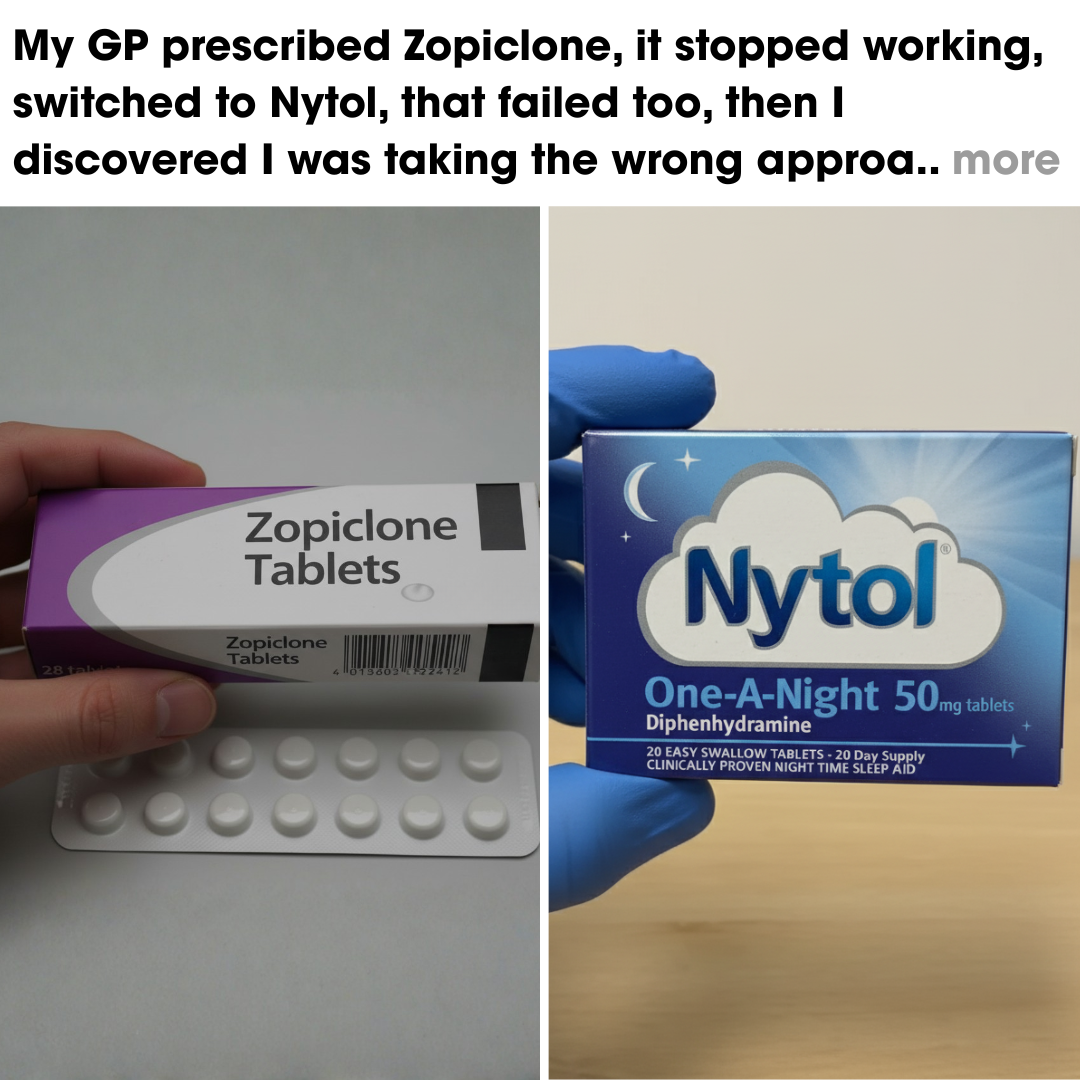
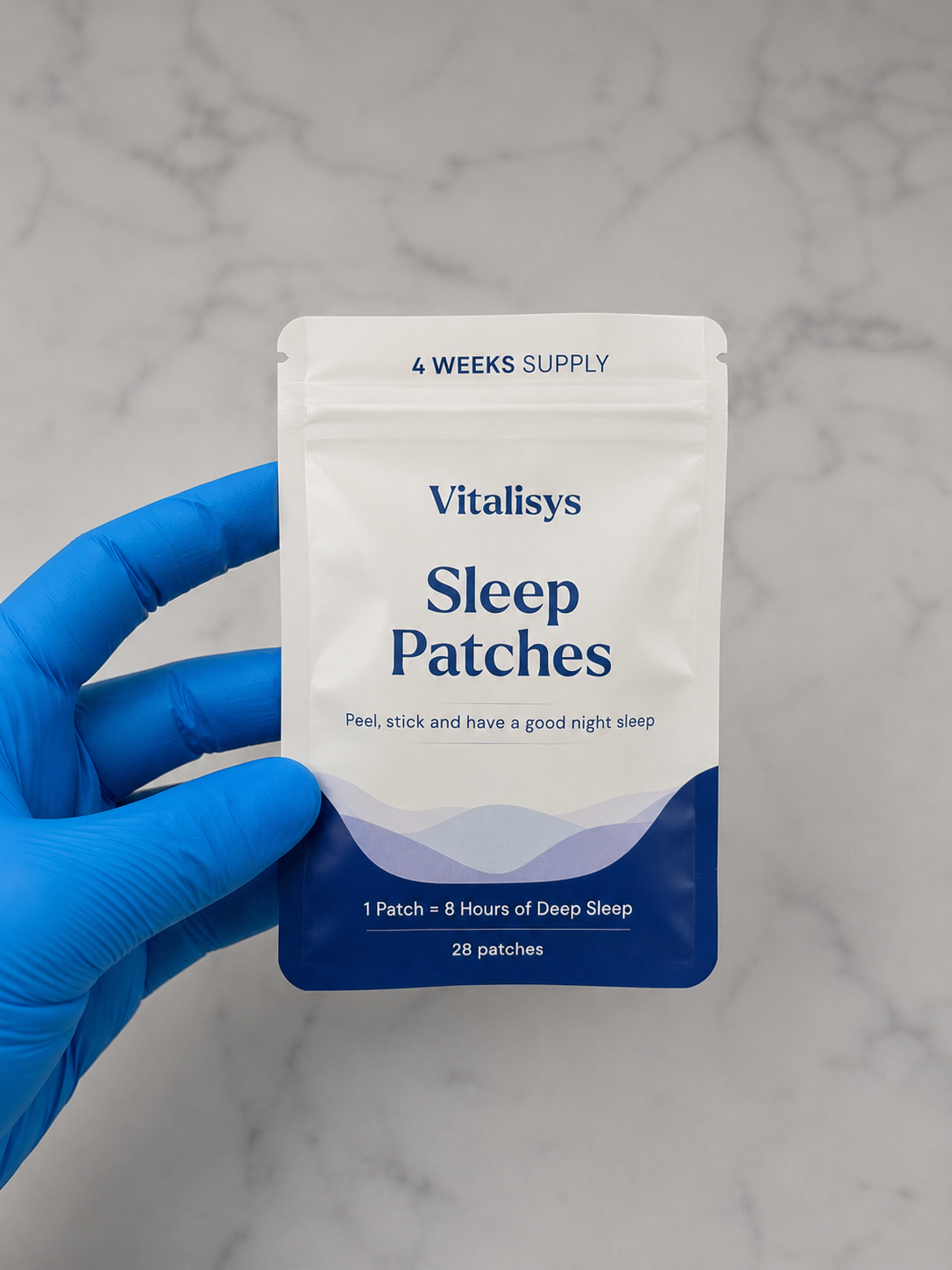
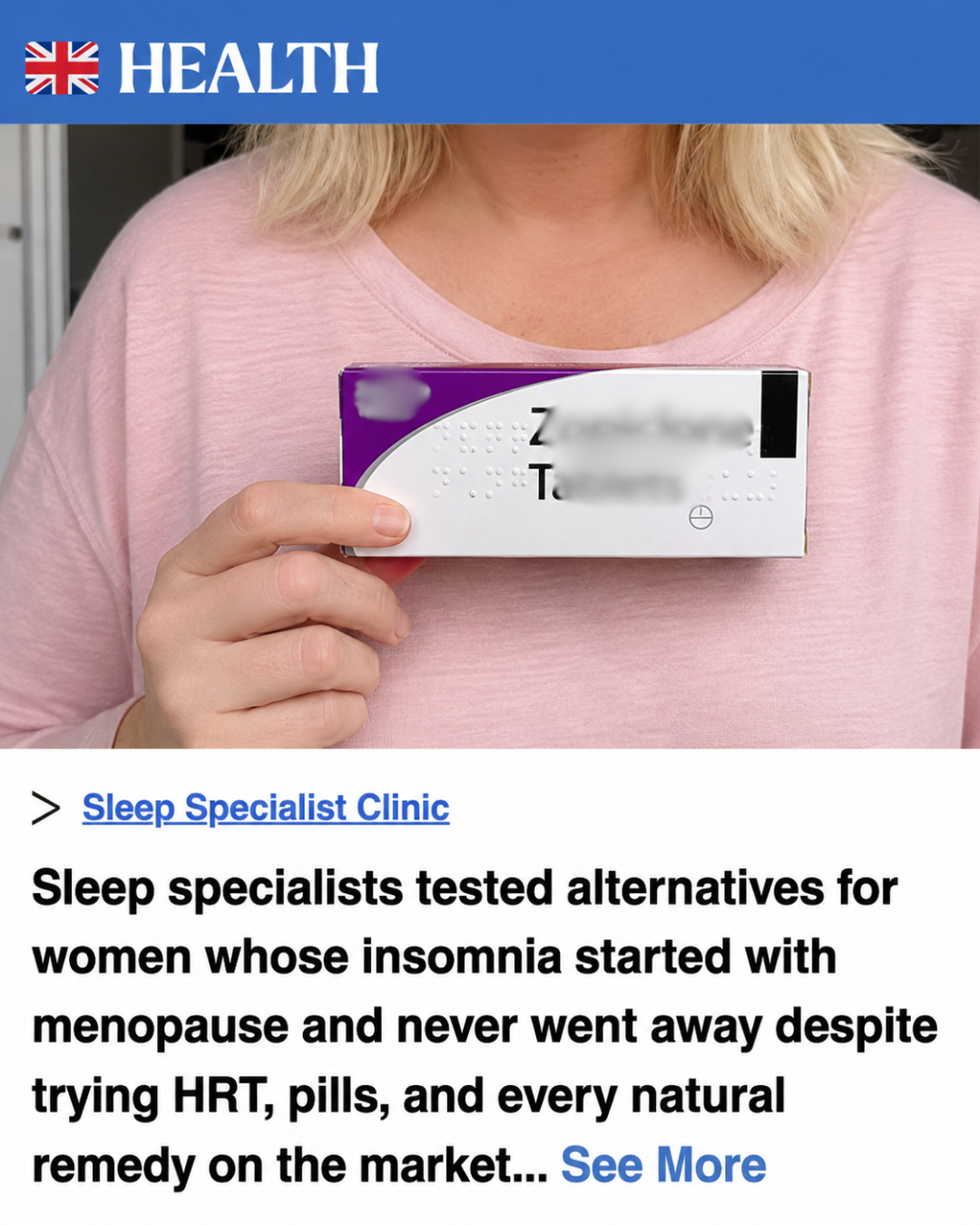
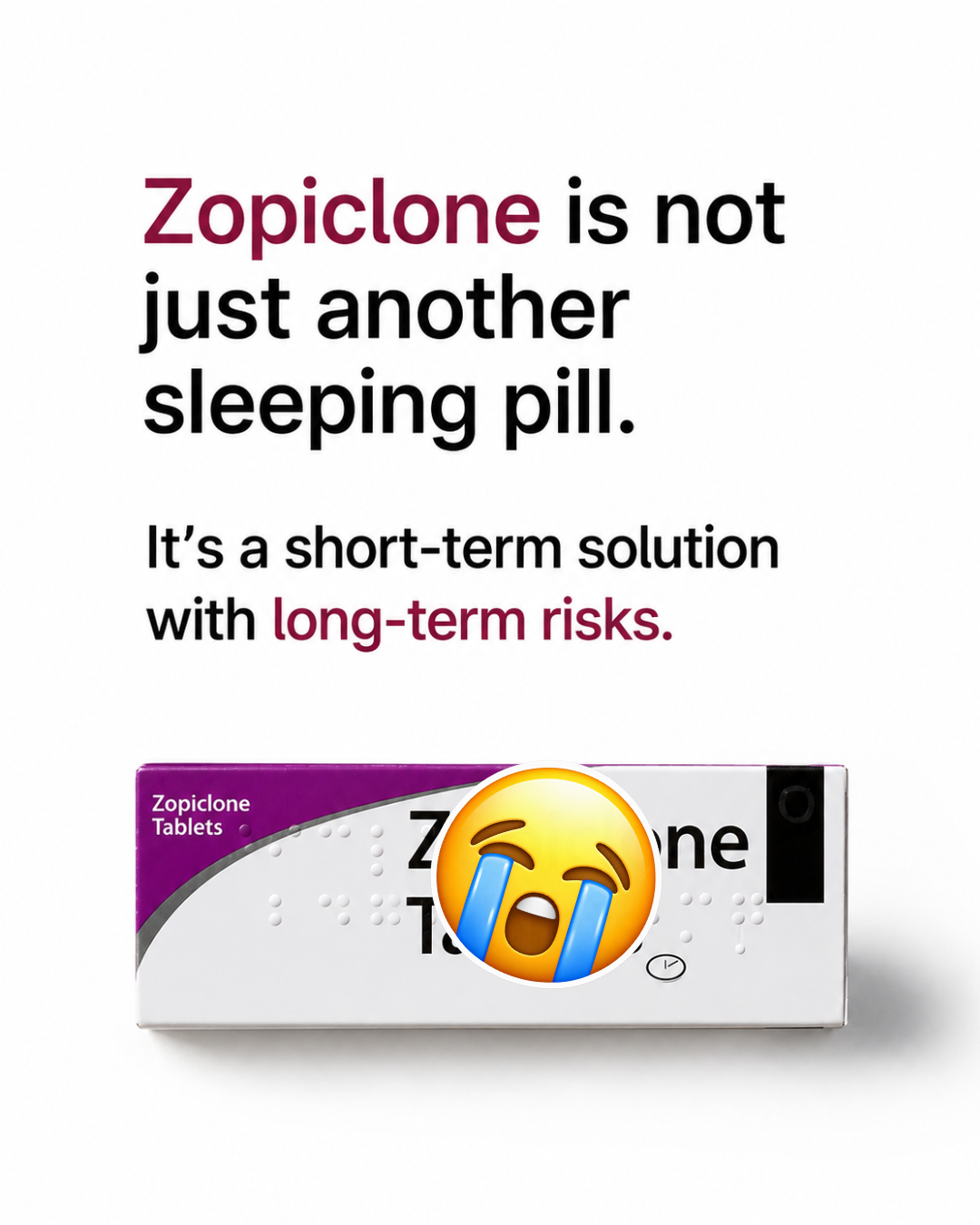
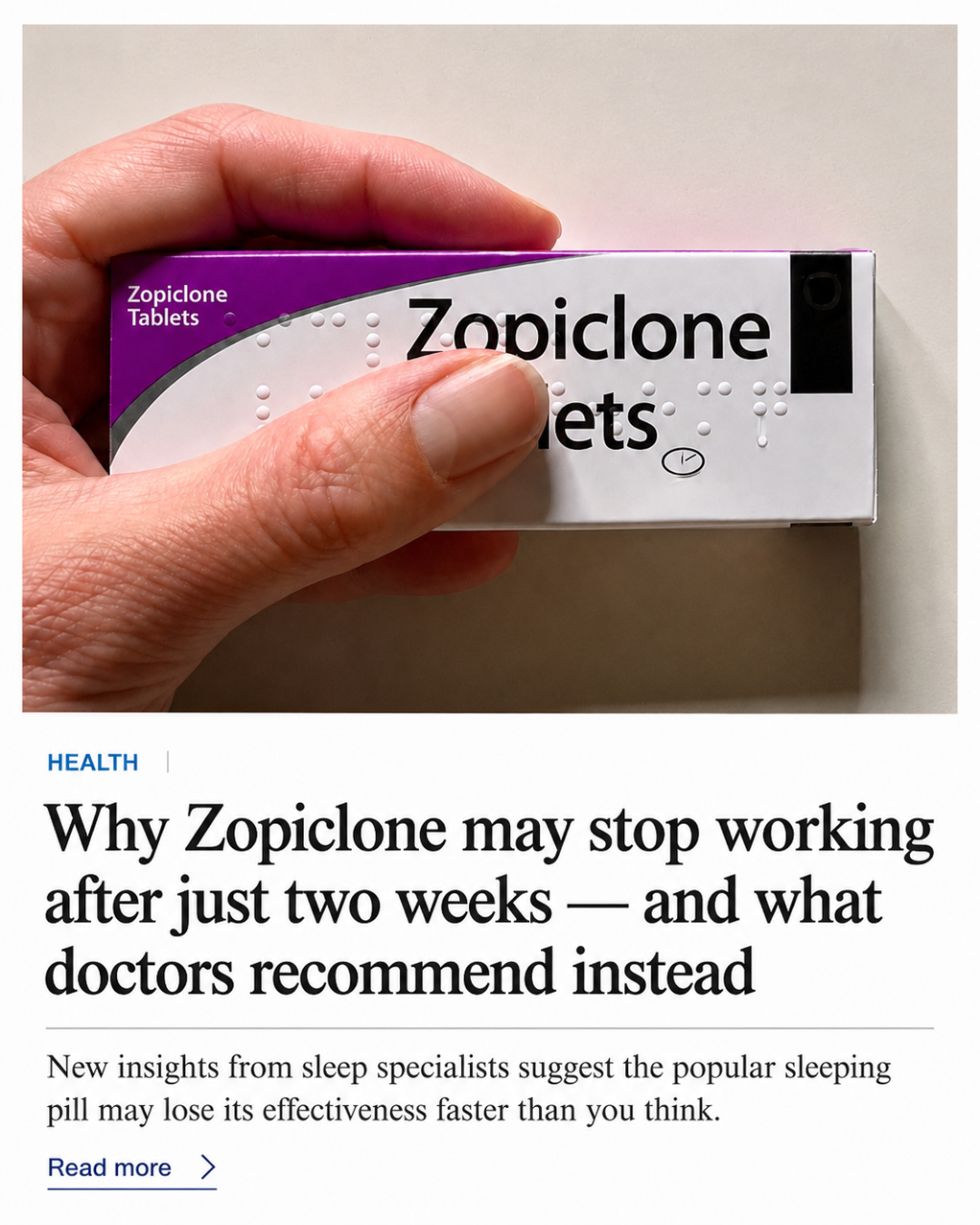
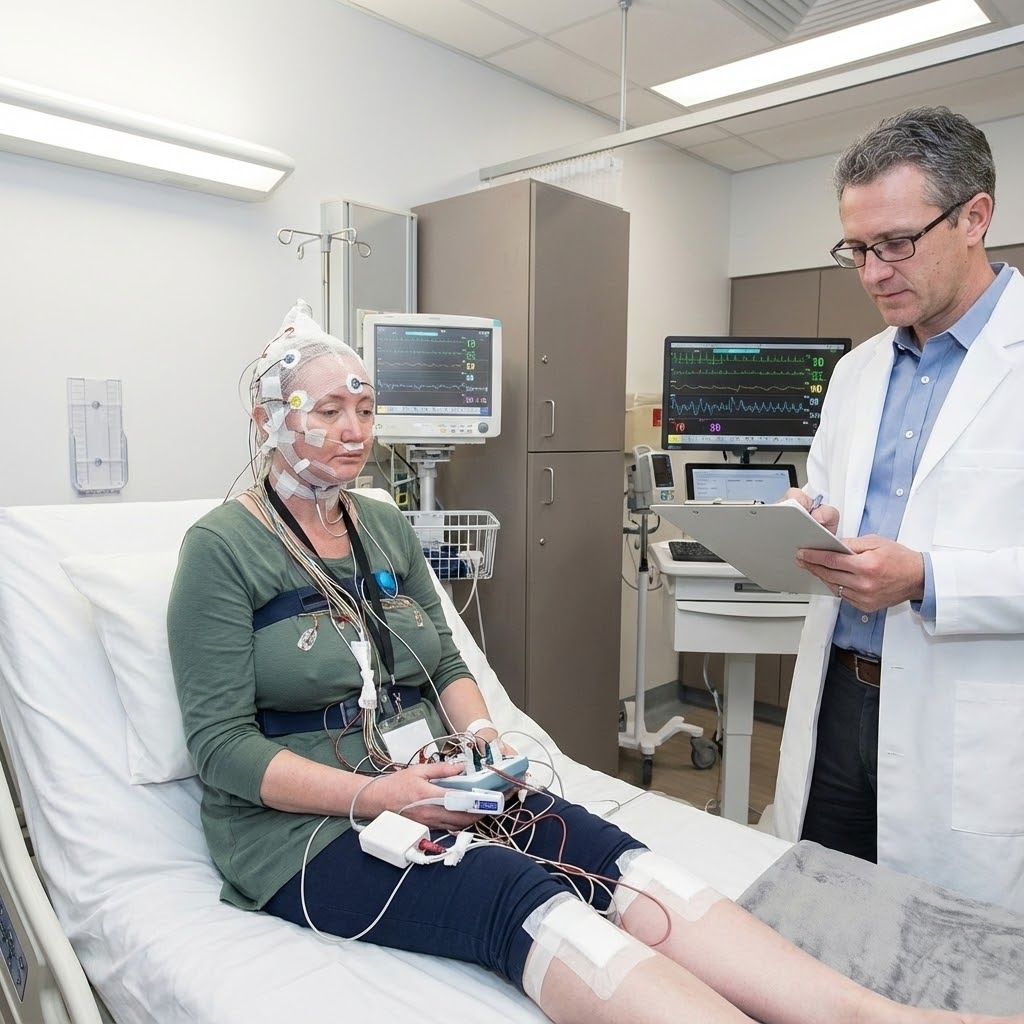
Most Women Don't Realize That the Real Reason They Can't Sleep Has Nothing to Do With Stress, Age, or Hormones Every week in sleep clinics across the UK, exhausted women over 50 tell their doctors variations of the same story. They've been taking sleeping pills for months, sometimes years. Zopiclone, Nytol, melatonin, magnesium… the list goes on. The pills worked initially, maybe for two or three weeks, then stopped. Their GP increased the dose. That worked for another few weeks, then stopped again. Now they're stuck. The pills barely work anymore, but they can't even fall sleep without them. They're exhausted all day, foggy-headed, irritable. They've stopped enjoying the things they used to love because they simply don't have the energy. Last week, Kate, a 62-year-old woman I've been treating sat across from me in tears. “Dr Harris, I can't do this anymore," she said. "I'm taking higher doses of Zopiclone than ever, but I still wake up at 2 AM every single night. I feel like a zombie during the day. My husband says I'm not myself anymore." This conversation happens constantly in sleep clinics. And what's frustrating is that the real problem is being completely missed, because most GPs never explain what's actually happening. Here's what sleep medicine research has revealed after studying thousands of chronic insomnia cases: the problem is almost never about sleep itself. It's about a nervous system that's stuck in alert mode and won't calm down, even when you're exhausted. Think about it: when you lie in bed unable to sleep, your body is tired but your mind won't stop. You're scanning through tomorrow's to-do list, replaying conversations, worrying about things you can't control or even worrying if tonight you will wake up at the same hour or not. That's not insomnia. That's a hypervigilant nervous system. Sleeping pills don't fix that. They force sedation temporarily, but they don't address why your nervous system won't calm down in the first place. That's why they stop working - your body adapts to the sedation, but the underlying problem remains unchanged. This is why people report the pills "worked at first, then stopped." The pills didn't stop working - they were never addressing the actual problem. When sleeping pills stop working, most doctors do one of two things: increase the dose or prescribe a different medication. But this just extends the cycle. Higher doses create faster tolerance. Different medications have the same fundamental limitation - they sedate without calming. Meanwhile, patients are dealing with side effects that make their lives worse: morning grogginess, cognitive fog, metallic taste, digestive issues, and the very real fear of dependency. Kate had been on Zopiclone for nearly two years. She'd gone from 3.75mg to 7.5mg. She knew she was dependent - if she tried to stop, her insomnia got even worse. But the medication wasn't really helping anymore either. "I feel trapped," she told me. "I can't sleep with the pills, I can't sleep without them. What am I supposed to do?" After years of watching this pattern repeat, those of us in sleep medicine started looking for alternatives that actually address nervous system dysregulation instead of just forcing sedation. After years of watching this pattern repeat, I started researching alternatives that actually address nervous system dysregulation instead of just forcing sedation. That's when I discovered something that changed everything: transdermal delivery systems. This was the breakthrough I'd been looking for. When you take a sleeping pill orally, it has to pass through your stomach and liver. Your digestive system breaks down and metabolizes most of the active compounds within 2-3 hours, which is exactly why you wake up at 2 AM when the medication wears off. Transdermal delivery bypasses this entire problem. By absorbing ingredients directly through the skin, you avoid the digestive breakdown completely. This means steady, consistent delivery over many hours instead of a sudden spike followed by a crash. The more I researched this mechanism, the more sense it made for treating chronic insomnia. If we could deliver natural calming compounds gradually over 8 hours without metabolic breakdown, we might finally address the core problem. That's when I found sleep patches, specifically, Vitalisys Sleep Patches, as the most effective way to apply this transdermal approach. These patches release natural botanicals like lavender, hops, jasmine, and cedarwood gradually through your skin over a full 8-hour period. Because they bypass digestion entirely, there's no spike and crash, just steady absorption throughout the entire night. More importantly, they work with the body's natural sleep mechanisms rather than overriding them. No tolerance build-up, no dependency patterns, and no morning grogginess - addressing every single problem I was seeing with oral medications. I decided to recommend them to patients who were stuck in the sleeping pill cycle with nowhere else to turn. Kate was hesitant when I mentioned those patches. "Another thing that probably won't work," she said. But she was desperate enough to try. I explained what to expect: "Give it two weeks. The first few nights might not be dramatic. Your nervous system needs time to learn how to calm down naturally again after being artificially sedated for so long." She came back three weeks later looking like a different person. "I'm sleeping through the night," she said. "Not every night is perfect, but most nights I'm getting 7-8 hours. And I wake up feeling clear-headed for the first time in two years." The best part? She'd been able to gradually reduce her Zopiclone dose under medical supervision. After two months, she was off the pills entirely and still sleeping well with just the patches. This pattern is consistent with what clinical reports are showing across multiple sleep clinics: people who've been stuck on sleeping medications finding relief with a completely different approach. Results being reported include: - Natural sleep onset within 30-40 minutes rather than forced sedation - Sustained sleep through the night without the characteristic 2-3 AM wake-up - Clear-headed mornings instead of medication hangover - No tolerance build-up even after months of consistent use - Successful reduction or elimination of sleeping pill dependency when properly supervised If you recognize yourself in these patterns: exhausted, dependent on pills that barely work anymore, feeling trapped with no way forward - it's important to understand something: You're not broken. Your body hasn't "forgotten" how to sleep. You have a dysregulated nervous system that needs support, not sedation. The sleeping pills you've been taking were never designed to fix that. They were designed for short-term use during acute stress or trauma. They were never meant to be a long-term solution for chronic insomnia. These patches address what the pills miss. They calm your nervous system gradually and consistently, allowing your body's natural sleep mechanisms to function properly again. Your sleep problems are solvable. But you need to address the right problem, and most conventional approaches aren't even looking at it.
Here's why Sleeping Pills don't work for your insomnia
Improve your rest with Vitalisys! Discover natural sleeping solutions and natural sleep patches for insomnia and deep, refreshing sleep every night.
LEARN MORELike this ad? Make it yours.
Crush rebuilds this exact creative around your product — your brand, your colors, your offer — in about a minute.