
Inactive· since Feb 13, 2026
- 58
- days it ran
- 0
- relaunches
Ad copy
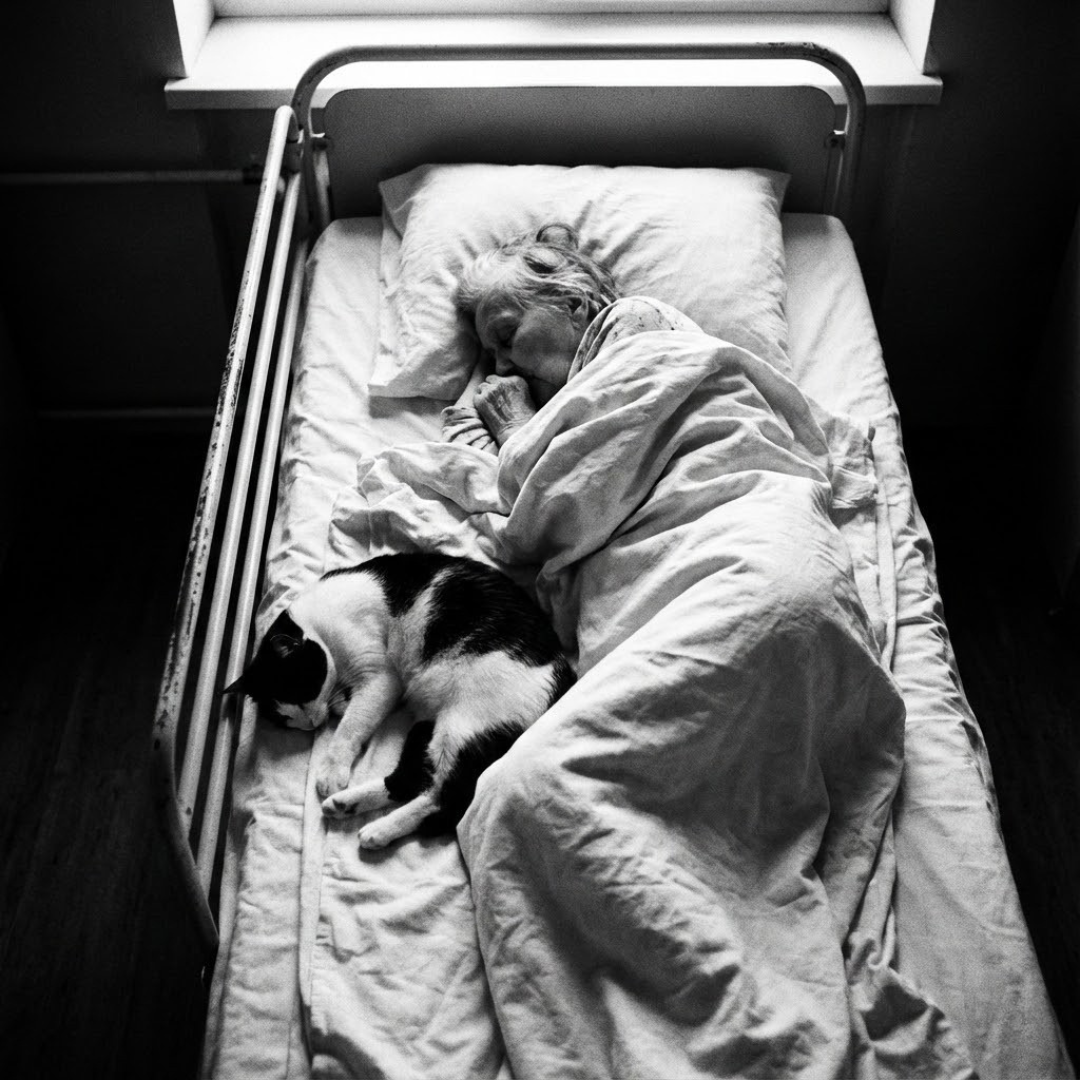
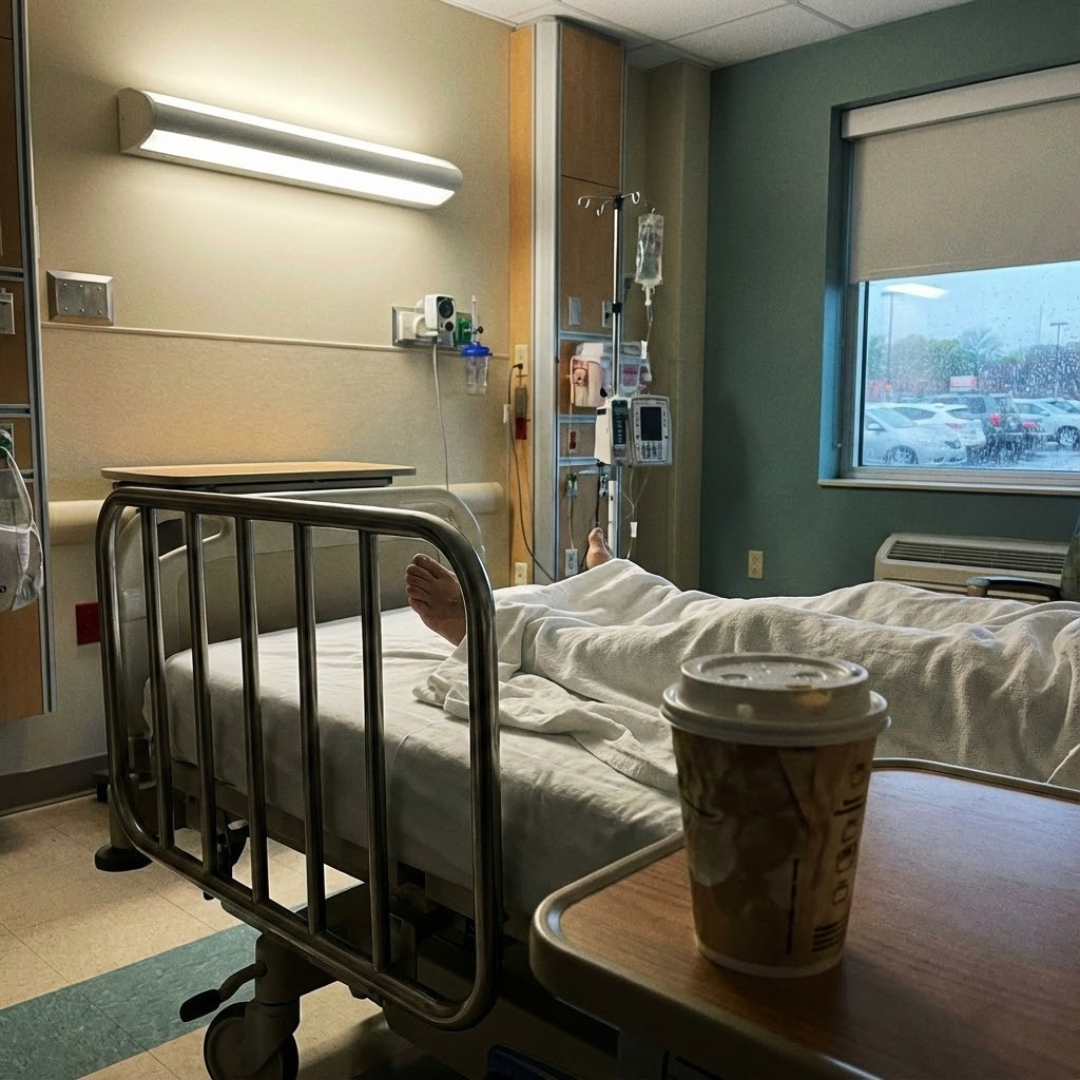
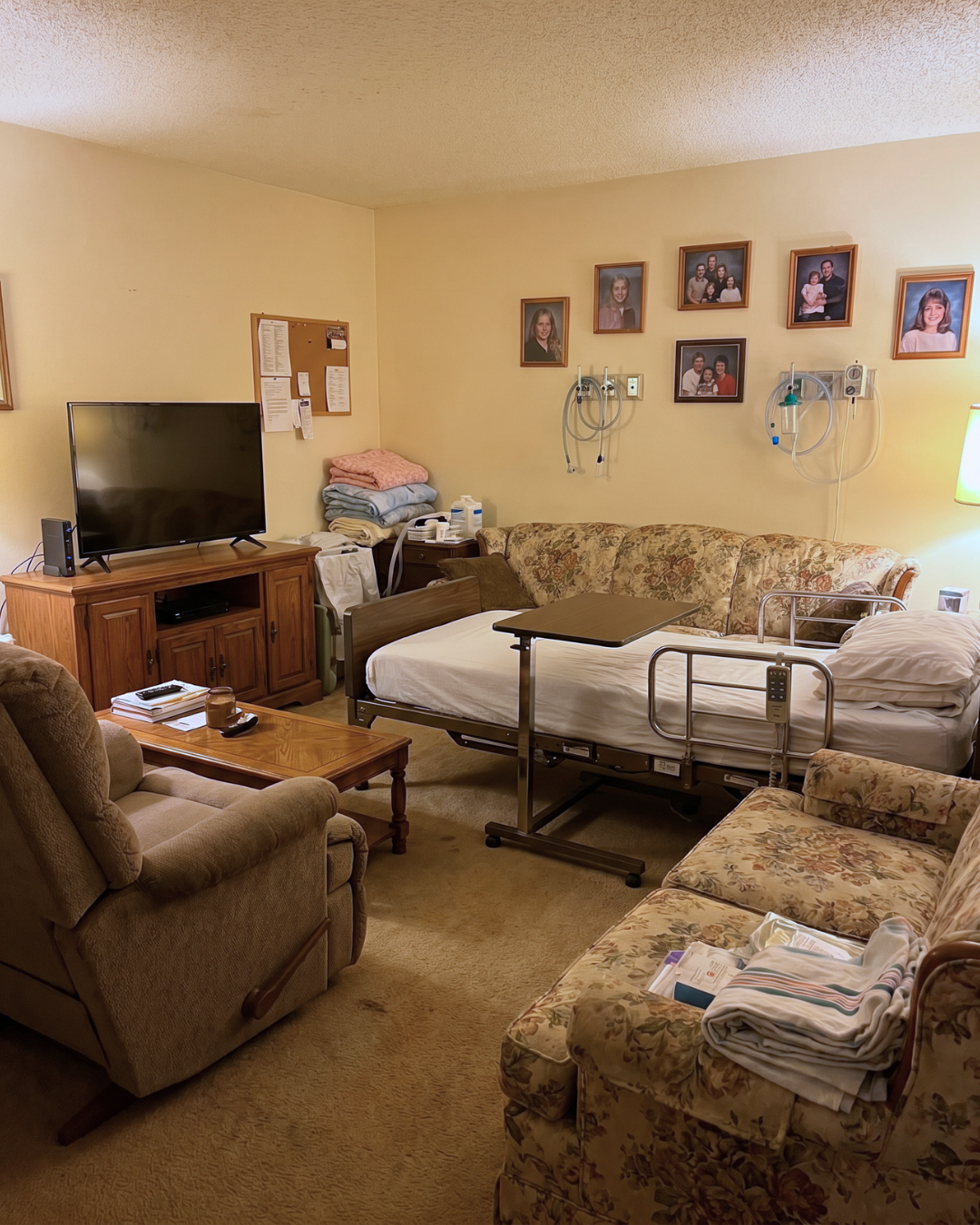
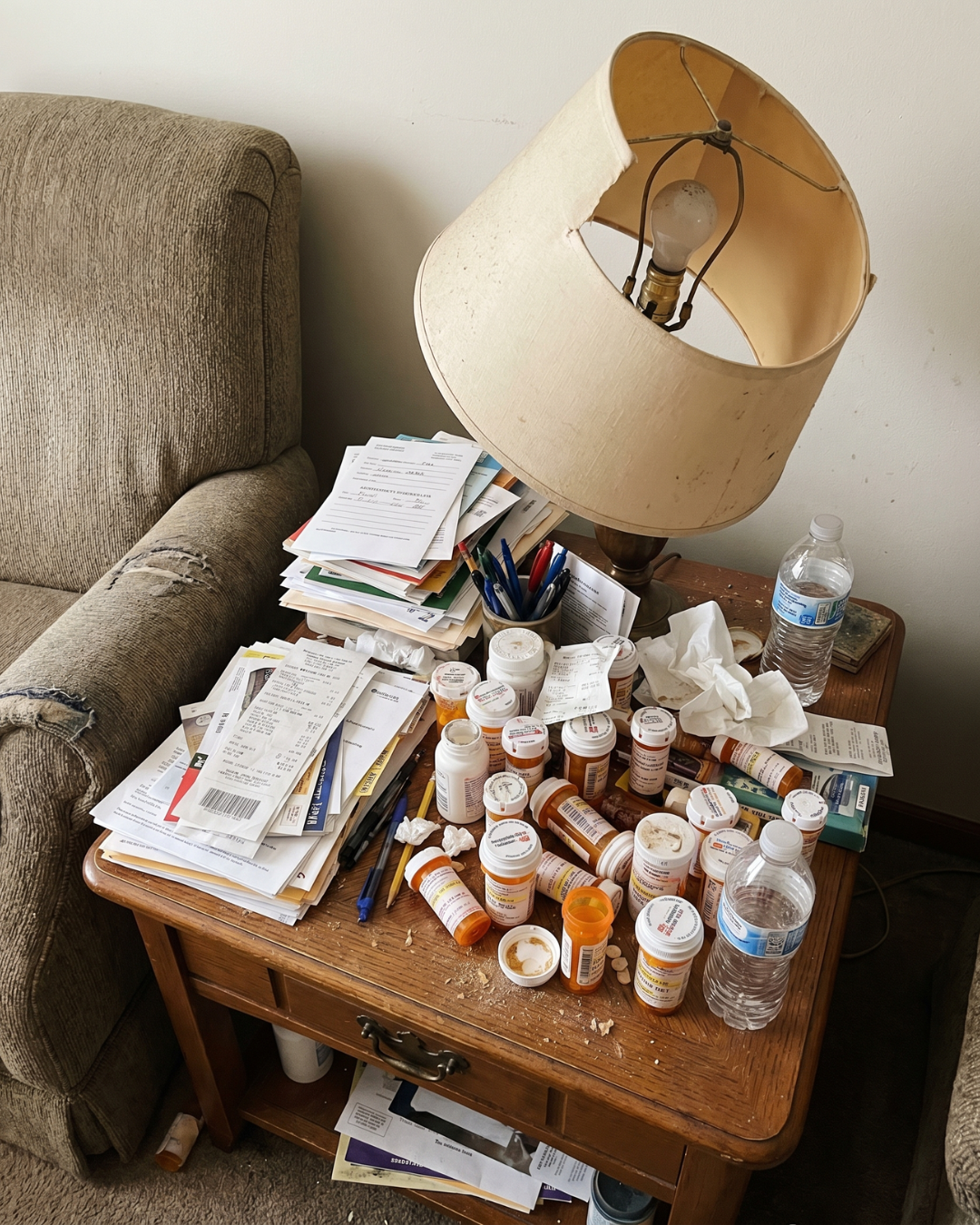
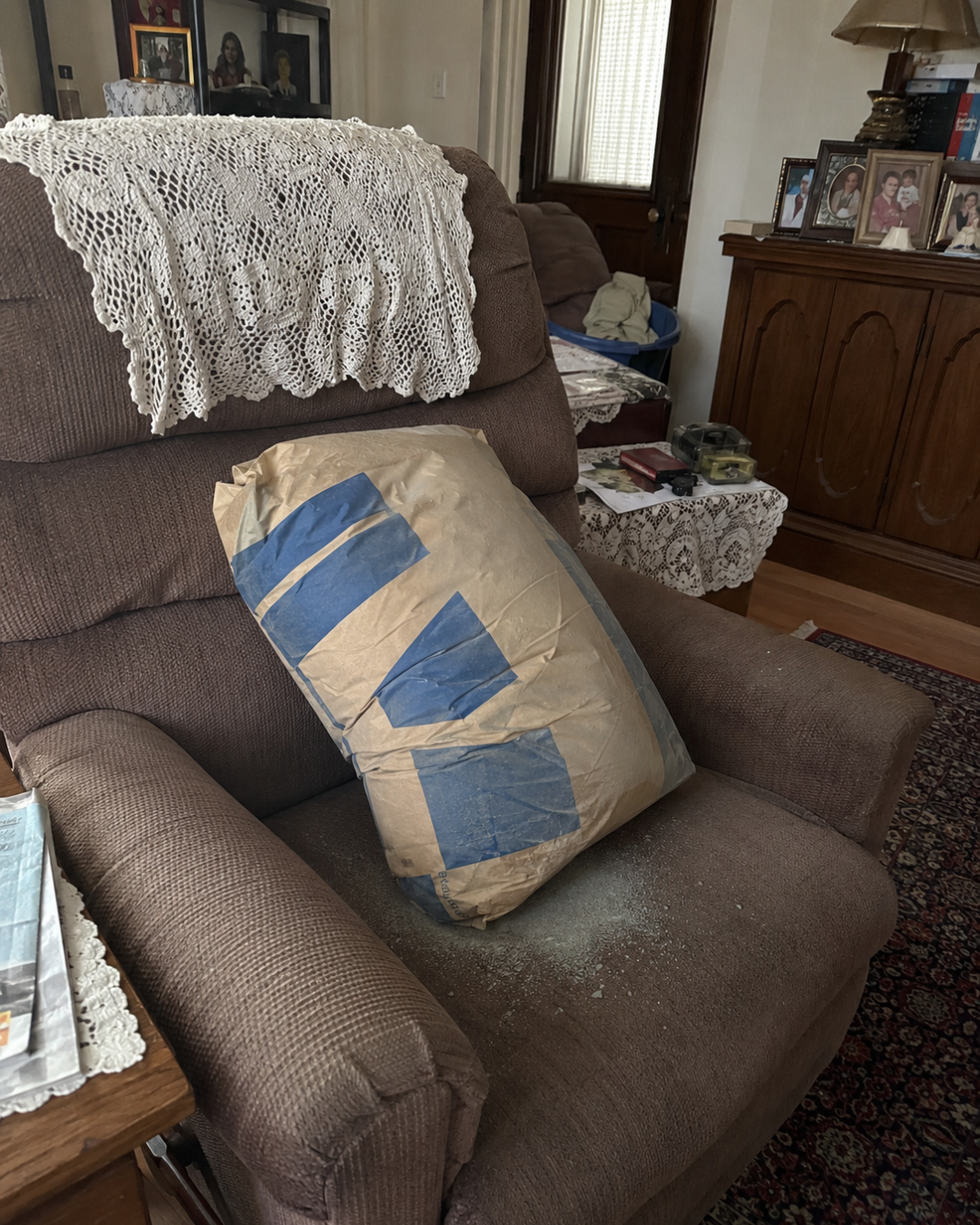
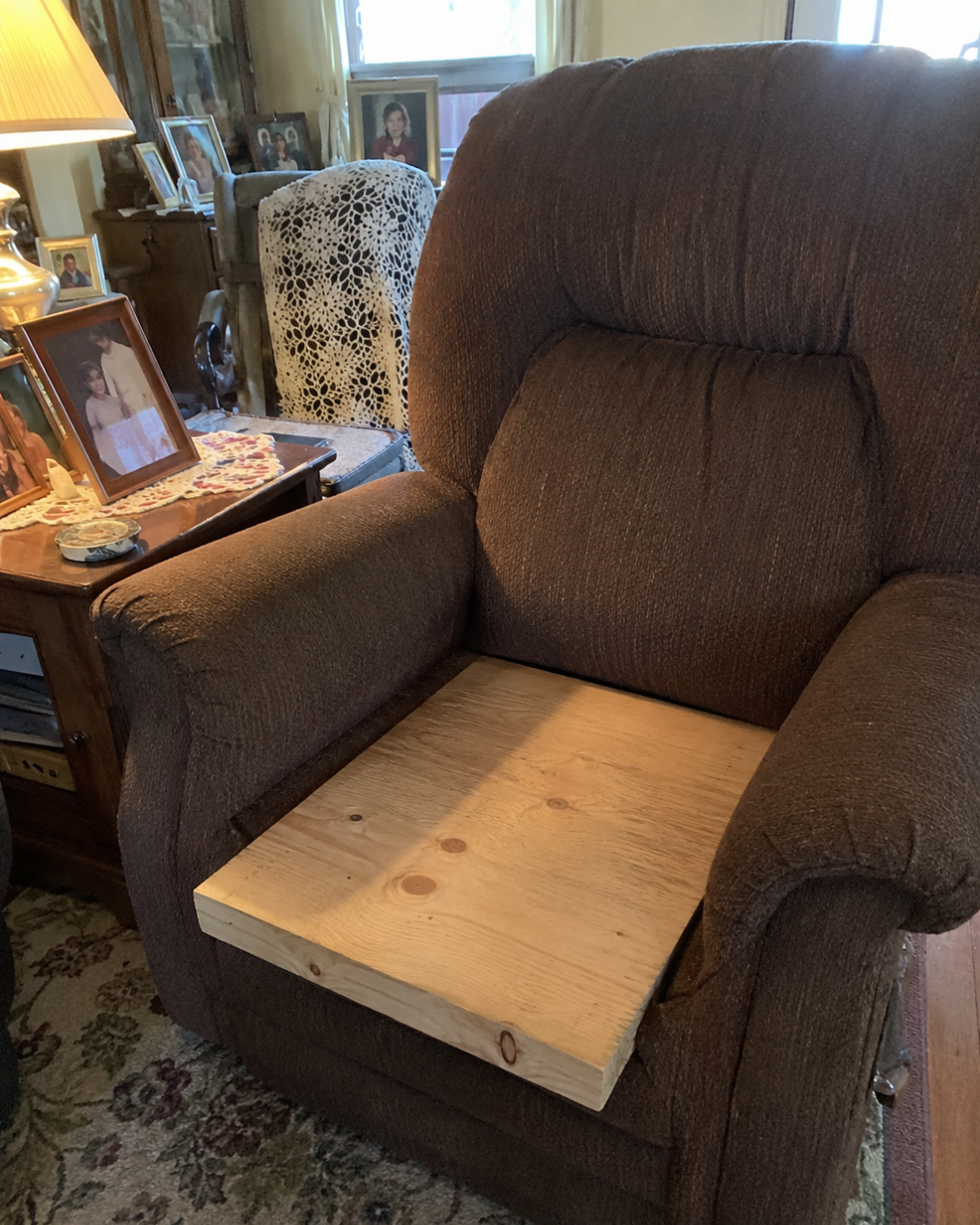
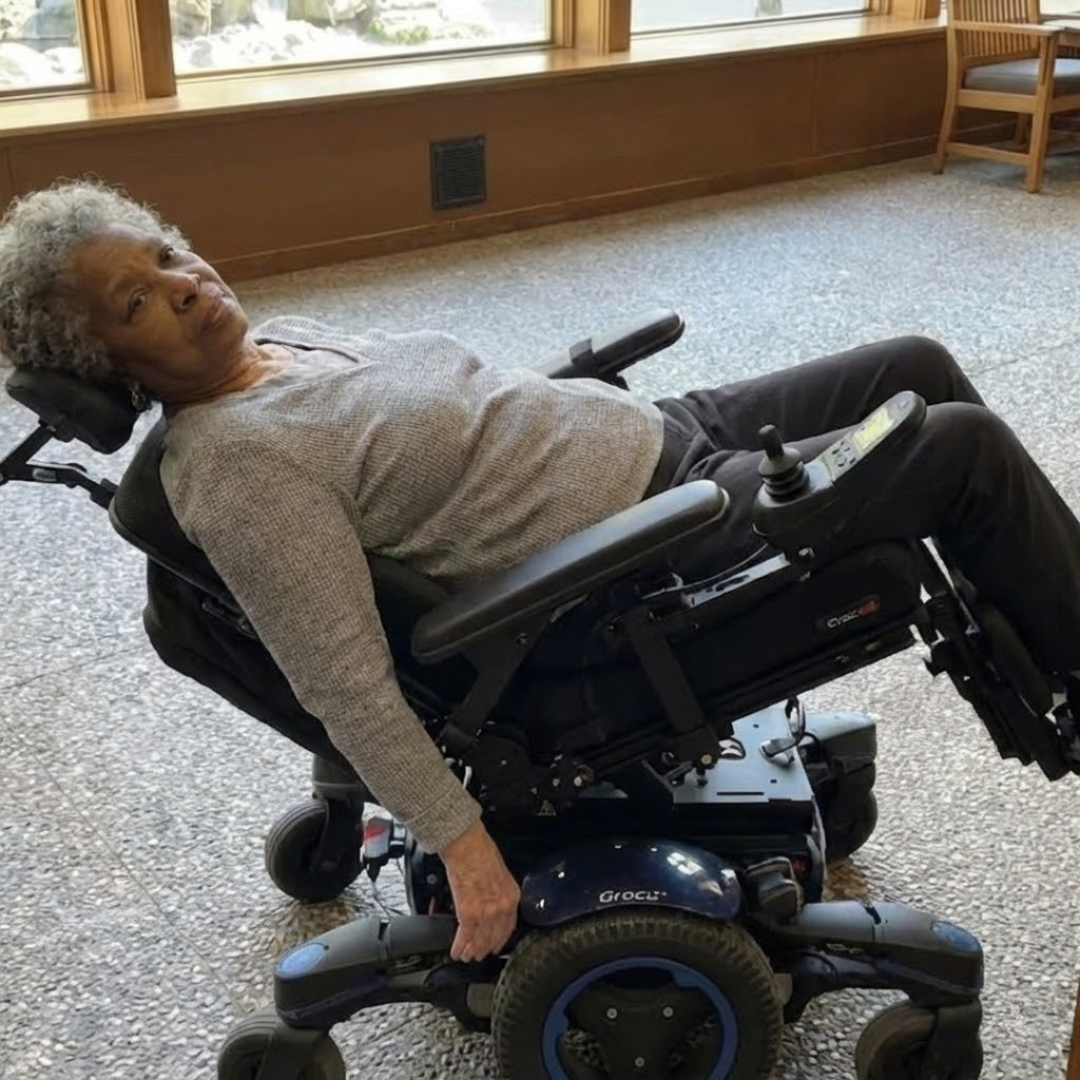
My mother's recliner became her death sentence. I know how that sounds. Dramatic. Maybe even unfair. After all, we spent $3,200 on that recliner. The salesman promised it was "therapeutic." My mother loved it. For two years, she spent her days in that chair — comfortable, safe, watching her shows. But three months ago, I noticed a red spot on her tailbone. "It's nothing," the home health nurse said. "Just keep an eye on it." Two weeks later, I was changing her and saw it again. Still red. Maybe a little darker. I repositioned her like they told me. Left side. Right side. Every two hours, just like the instructions said. The recliner cost more than our first car. Surely it was doing its job. But the red spot kept getting worse. Within six weeks, the hospice nurse was coming to the house three times a week. Monday, Wednesday, Friday. They measured it. Photographed it. Changed the dressing. "Keep repositioning," they said. "These things take time to heal." But it wasn't healing. It was getting deeper. Then one morning, everything changed. I was helping the nurse change the dressing and I looked down into the wound on my mother's tailbone. I could see white. Bone. The nurse didn't say anything. She just kept working, packing it with gauze. "Two inches deep," she finally said. "Stage 4." I felt the room tilt. "How did this happen?" I whispered. "She has the best recliner. I've been repositioning her. I've been doing everything you told me." The nurse looked up at me. Not unkind, but matter-of-fact. "The recliner is the problem." I must have looked confused because she kept talking. "Even the expensive ones distribute pressure wrong. They concentrate all her weight on three or four points. Her tailbone. Her shoulder blades. The cushions compress and after an hour or two, it's like she's sitting on concrete." I felt something crack open inside my chest. "But I've been repositioning her every two hours..." "I know," she said. "But repositioning doesn't fix the surface. You're just moving her from one compressed spot to another compressed spot." She taped the bandage down and stood up. "I see this all the time. Nobody tells caregivers that the furniture is what's causing it." That night, my mother's fever spiked to 103. Her skin felt like it was on fire. She was confused, calling out for my father who'd been gone for eight years. I called 911. The ER doctor ran blood work and came back thirty minutes later with a face I'll never forget. "The wound is septic. The infection has entered her bloodstream." They admitted her immediately. Started IV antibiotics. Moved her to the ICU. For three days, I sat next to her bed watching machines breathe for her. On the fourth day, her organs started shutting down. On the fifth day, she was gone. For weeks after the funeral, I couldn't sleep. I kept thinking: I killed her. I'd done everything the nurses told me. I'd bought the expensive recliner. I'd repositioned her religiously. And she died anyway. I had to understand what I'd missed. So I started researching. Not just googling "pressure sore care" like I had before. I went deeper. Medical journals. Nursing studies. Hospital protocols. And that's when I found it. A study published in the Journal of Wound Care by Dr. Sandra Morrison, a wound care specialist at Johns Hopkins. The title stopped me cold: "Why Standard Furniture Fails: The Hidden Mechanism Behind Recurrent Pressure Ulcers in Home Care Settings." I read it three times. Dr. Morrison's research showed something that nobody — not the hospice nurses, not the home health aides, not a single medical professional — had ever told me: Recliners, even expensive ones, concentrate pressure on 3-4 points of the body. The way they're designed, the angle of the seat, the type of foam they use, it all creates what she called "pressure concentration zones." Your tailbone. Your shoulder blades. The back of your thighs. When someone sits in a recliner for hours, their full body weight presses down on those few points. The foam compresses. And after 60-90 minutes, it's like sitting on concrete. That's why repositioning every 2 hours wasn't enough. Because even when I moved her from side to side, she was still sitting on compressed foam. Still putting all her weight on those same pressure points. The recliner was creating the wound faster than repositioning could prevent it. Then Dr. Morrison explained what hospitals do differently. They don't use regular furniture. In ICUs, in long-term care facilities, in any setting where patients are immobile, they use something called "pressure redistribution surfaces." The study showed X-rays comparing regular foam cushions versus medical-grade gel cushions. With foam: 80% of the patient's weight concentrated on the tailbone and hip bones. With gel cushions: The pressure spread out across the entire surface of the buttocks and thighs. No hot spots. No concentration zones. I stared at those X-rays for twenty minutes. This was it. This was the piece I'd been missing. I kept researching. Another study from the Agency for Healthcare Research and Quality found that hospitals using medical-grade gel cushions reduced Stage 3 and Stage 4 pressure ulcers by 73%. Seventy-three percent. The study explained WHY these cushions work: They prevent "pressure accumulation." Even a $5,000 hospital bed with regular foam will create pressure sores if someone sits long enough. But when you add a gel redistribution cushion, the pressure spreads out. Blood flow continues. Tissue stays healthy. It's not about comfort. It's about physics. A third study tested dozens of cushion types and measured something called "interface pressure" — the amount of force pressing down on your skin when you sit. Anything over 32 mmHg cuts off blood circulation. Without blood flow, tissue starts dying. That's how pressure sores form. The results: Memory foam cushions: 65-80 mmHg at the tailbone Donut cushions: 70-95 mmHg (they actually make it WORSE) Air cushions: 45-60 mmHg (better, but they leak and go flat) Medical-grade honeycomb gel cushions: 18-25 mmHg Below the threshold where tissue damage begins. I sat there surrounded by research papers, and I finally understood. Hospitals knew. Wound care researchers knew. There was a solution. And nobody told me. Here's what I wish someone had explained six months ago: When you sit in a recliner, your body weight doesn't distribute evenly. It concentrates on your "ischial tuberosities" — your sitting bones. For most people, that's fine. You shift naturally. You stand up. You move. But when someone is elderly, immobile, or bedridden, they can't shift naturally. And when they sit on regular foam, the foam compresses down to 20% of its original thickness within the first hour. They end up sitting on a board. The pressure becomes so intense it literally cuts off blood flow to the skin. Without blood flow, cells die. First the skin. Then the fat. Then the muscle. Then bone. That's how a "little red spot" becomes Stage 4 in weeks. But gel cushions work differently. The honeycomb structure of medical-grade gel doesn't compress like foam. It displaces. When you sit on it, the gel moves laterally, sideways, instead of down. Like sitting on water. The pressure distributes across a much larger surface area. The research showed gel cushions maintain 85-90% of their pressure redistribution even after 8+ hours of continuous sitting. No hot spots. No concentration. No tissue death. This is why hospitals spend $200-$400 on medical-grade gel cushions. Because they work. Because they prevent exactly what happened to my mother. After reading all this, I had to see it for myself. I ordered a medical-grade gel seat cushion. The same type the studies referenced. The same honeycomb design hospitals use. When it arrived, I put it on my mother's recliner and sat down. Immediately, I felt the difference. Not "soft" like a pillow. Supportive. Firm but not hard. And I could feel my weight spreading out across my entire sitting surface. I sat there for two hours — the same interval I used to reposition my mother. With the original recliner cushion, I'd feel sore after 30 minutes. With the gel cushion: nothing. No pressure on my tailbone. No numbness. No urge to shift. And then it hit me. If I'd known about this six months ago... If someone had told me that a $60 cushion could do what a $3,200 recliner couldn't... My mother might still be alive. I'm not a doctor. I'm not a nurse. I'm not selling medical advice. I'm a daughter who lost her mother because I didn't have the information I needed. And I'm sharing this because I don't want you to go through what I went through. If you're caring for someone who sits for long periods — whether in a wheelchair, recliner, car seat, or anywhere else... The surface they're sitting on matters more than anything. More than repositioning. More than ointments. More than how expensive the furniture is. The research is clear: Gel cushions that redistribute pressure can prevent up to 73% of serious pressure ulcers. Not "help with comfort." Prevent. Now here's the important part: Not all gel cushions are the same. After I started researching, I found dozens of products claiming to be "medical grade" or "pressure relieving." Most are worthless. I tested eight different cushions. I bought them, sat on them, compared them to the hospital specifications from the research. Only one matched the clinical data. It's called the CoolGel+ Gel Seat Cushion. It uses the same honeycomb gel matrix the Johns Hopkins and AHRQ studies reference. The same grid structure hospitals use. The same pressure redistribution technology that keeps interface pressure below 25 mmHg. And it costs $59. For context: my mother's recliner cost $3,200. Her hospice care was $500/day. The ER visit and ICU stay cost $47,000. The cushion that could have prevented all of it costs less than a tank of gas. If someone you love is sitting for more than 2-3 hours a day... If they're elderly, immobile, recovering from surgery, or have limited movement... If you've noticed ANY redness on their tailbone, hips, or shoulder blades... Get the CoolGel+ cushion today. Not next week. Not "when it gets worse." Today. Because the research shows: Once a pressure sore reaches Stage 2, it's 4x more likely to progress to Stage 3. Once it reaches Stage 3, it's 8x more likely to progress to Stage 4. And once it reaches Stage 4, the mortality rate is 70% within six months. The time to prevent this is before the red spot appears. After my mother passed, I sent a cushion to my sister. She's 68. She'd been having "tailbone discomfort" for about a year. Didn't think it was serious. I told her what I'd learned. I told her about the research. I told her about Mom. She's been using the cushion every day for three months now. Last week she called me. "The discomfort is gone," she said. "I didn't even realize how much pressure I'd been putting on my tailbone until it went away." That's what I'm talking about. Not dramatic. Not life-or-death (yet). Just... prevention. Doing the thing that hospitals know to do, that wound care specialists know to do, that the research clearly shows works. Before the red spot appears. Because once you see that red spot, the clock is ticking. And I promise you, from the bottom of my broken heart, you don't want to find out where that clock runs out. The CoolGel+ Seat Cushion is the same technology hospitals use. And it works. *P.S. — My sister didn't think she needed it. Just "discomfort," she said. Now she knows better. Don't wait.*
Like this ad? Make it yours.
Crush rebuilds this exact creative around your product — your brand, your colors, your offer — in about a minute.