
Inactive· since Mar 31, 2026
- 43
- days it ran
- 1
- relaunches
Ad copy
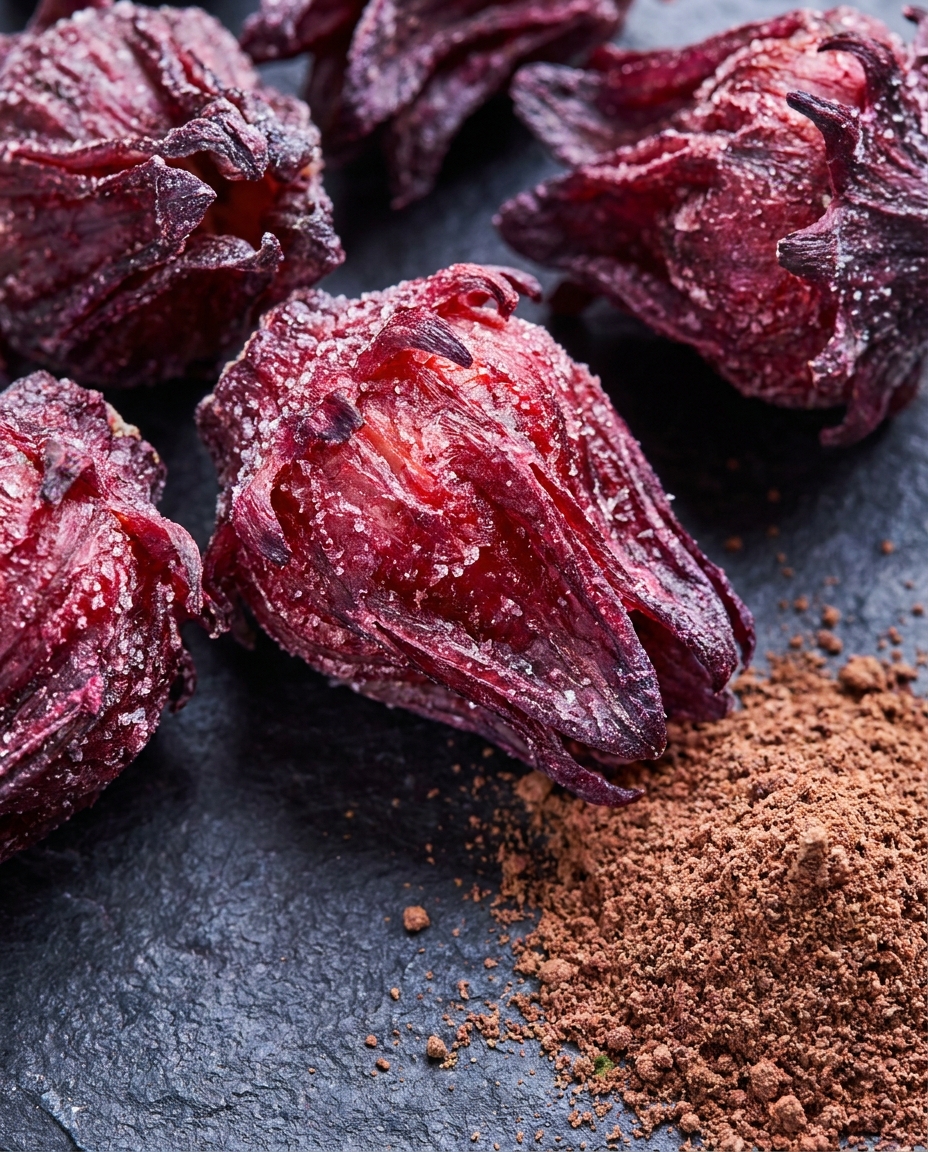
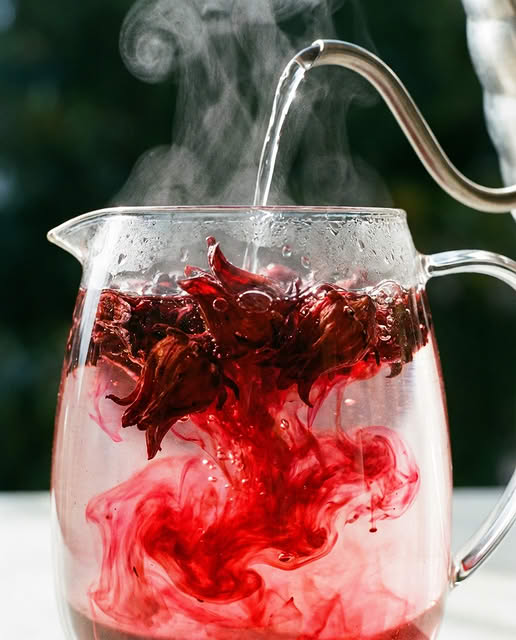
My husband is a nephrologist. When my kidney function test came back — eGFR 42, creatinine 1.4 — the first thing he did was hand me a diet plan. Restrict protein to 0.6 grams per kilogram. No bananas. No tomatoes. No potatoes. Sodium under 1,500 milligrams a day. Limited dairy, limited nuts, everything measured and monitored. I followed it perfectly. For five months. Weighed every piece of chicken on a kitchen scale so many times my daughter asked if I was "training for something." Gave my bananas to the neighbor — a fruit I'd eaten every morning for thirty years — because my husband the nephrologist said that's what you do when your kidneys are failing. My eGFR went from 42 to 41. One point. Five months. That's when he put me on lisinopril. He didn't ask. He called it in himself. Four months later, I stopped taking it. In secret. He still doesn't know. And the reason I'm writing this — the reason I'm risking everything by putting this out there — is that what I found in his own hospital's medical library contradicts everything he's spent 30 years telling his patients about kidney disease, diet, and medication. I need to be careful how I say this. Not because I'm afraid of the medical establishment. Because I'm afraid of what it means for my marriage. My name is Vivian. I'm 62. I've been married to Dr. Robert Langford for 34 years. Robert is a board-certified nephrologist. He has a practice of over 3,400 patients. He is on staff at two hospitals. He has been named to the regional "Top Doctors" list nine years running. He has saved lives. Many of them. I love my husband. I need you to know that before I tell you the rest. --- For 34 years, I've been Dr. Langford's wife. That's not a complaint — it's a description. When you're married to a nephrologist, his career becomes your atmosphere. You breathe it. You absorb it. You learn the language without taking the classes. I know what a glomerular filtration rate is. I know the difference between Stage 3a and Stage 3b. I can follow a conversation about proteinuria and creatinine clearance at a dinner party and know when to nod. I've attended hospital galas in floor-length dresses and stood next to Robert while he shook hands with the chief of medicine. I've hosted dinners where every guest had "M.D." after their name and the conversation was dialysis access points and transplant waitlists and which pharmaceutical rep brought the best lunch to the office that week. I've heard Robert on the phone with patients at 10 PM reassuring them about their kidney numbers. Calm. Confident. Authoritative. "Restrict your protein. Watch your potassium. Keep your sodium down." "The ACE inhibitor is protecting your remaining kidney function." "Your numbers are stable. Trust the process." I've heard those phrases so many times they became the background music of our marriage. So when my own kidney function test came back — eGFR 42, creatinine 1.4 — I didn't expect a conversation. I expected instructions. And that's exactly what I got. Robert was reading my results on his iPad at the kitchen counter. Sunday morning. Coffee. He was still in his bathrobe. Reading my lab report the way he reads hundreds of lab reports every week. Clinically. Efficiently. "Viv, your eGFR is at 42. Creatinine is 1.4. We need to get ahead of this. Protein down to 0.6 grams per kilogram — weigh everything. No bananas. No tomatoes. No potatoes. Sodium under 1,500. I'm going to set you up with a renal dietitian." He didn't look up from the screen. Not "What do you think?" Not "Here are the options." Not "How do you feel about restructuring your entire diet?" He prescribed me a diet the way he prescribes his patients. Decided for me the way he decides for them. Because in his world, there is nothing to discuss. Declining eGFR means dietary intervention first. That's the algorithm. That's the training. That's the thirty years. "Okay," I said. What else do you say? Your husband is a nephrologist. He's not asking. He's informing. And the entire weight of his career, his expertise, his authority — the authority you've spent 34 years deferring to at dinner parties and hospital events and every medical decision your family has ever made — is behind that sentence. I followed the diet perfectly. Five months. Every grocery run planned around Robert's instructions. I stopped buying bananas — something I'd eaten every morning for thirty years. I weighed every piece of chicken and fish on a kitchen scale. I measured sodium to the milligram. I skipped my granddaughter's barbecue because I couldn't eat a single thing that would be served — the burgers, the corn on the cob, the potato salad, the watermelon. All of it off limits. My retest: eGFR 41. One point. Five months of deprivation. Robert looked at the number on his iPad. Frowned. Then picked up his phone. Called the pharmacy. Used his DEA number. "Lisinopril. Ten milligrams. Start it tonight." Fifteen seconds. Done. I picked it up that afternoon. The pharmacist smiled at me. "Dr. Langford called this in for you. You're in good hands." She meant it kindly. I took the first dose that night. Swallowed it with water while Robert brushed his teeth next to me. He didn't watch me take it. Didn't need to. In his mind, it was handled. Diet failed. Medication prescribed. On to the next patient. Except I wasn't his next patient. I was his wife. --- The first month was unremarkable. Some dizziness when I stood up too fast. Mild. I'd been on my feet all day at a garden event — I assumed I was just dehydrated. Month two. The cough. It started in the back of my throat. A dry, tickling sensation that turned into a cough I couldn't stop. Not a cold cough — not productive, not seasonal. A persistent, maddening, dry hack that hit at random and wouldn't let go. I'd be on the phone with our daughter and have to mute myself. I'd be reading in bed and start coughing so hard Robert would roll over and put his pillow over his head. The cough. That's important. It never stopped. I'd cough through dinner. I'd cough through conversations. I'd wake up at 2 AM coughing and lie in the dark trying to suppress it because Robert had early rounds and I didn't want to wake him. Before Robert woke up. That's important. I didn't want him to hear. Because I knew what he'd say. I'd heard him say it a thousand times. "The cough is a known side effect. Occurs in about 10 percent of patients. Usually self-limiting. The renal protective benefits outweigh the discomfort." Month three. The exhaustion. It came on gradually. Not normal tiredness — a bone-deep fatigue that started somewhere behind my kidneys and radiated outward. I'd wake up feeling like I hadn't slept at all, even after eight hours. By mid-afternoon I'd be sitting in a chair staring at nothing, too tired to read, too tired to call a friend, too tired to care. My ankles were swollen by evening — I'd press my thumb into the skin and watch the indentation stay. I was getting up three times a night to use the bathroom, each trip a negotiation between exhaustion and urgency. And the fog. I hadn't expected the fog. Not from kidneys — but I'd read enough of Robert's charts to know that as kidney function declines, toxins build up that the kidneys should be clearing. Urea. Creatinine. They cross into the brain. I'd be reaching for a word — a common word — and it wasn't there. I knew what this was. Not because I'm a doctor. Because I've spent 34 years listening to doctors. I've heard Robert's patients describe this exact pattern. Every week. Sometimes every day. They call the office. They come in for visits. They say: "Doctor, ever since I started the medication, I'm coughing all the time. I'm exhausted. My ankles are swollen. I'm getting worse, not better." And I've heard Robert's response. Over dinner. On the phone. In the hallway between the kitchen and his home office. "The cough is manageable and usually resolves within a few months. The fatigue may be related to your kidney function, not the medication. We're slowing the progression. The alternative is unmanaged decline." He doesn't say it dismissively. He says it with genuine conviction. He believes it. He was trained to believe it. The guidelines he follows, the studies he cites, the colleagues who agree with him — they all believe it. I believed it too. For 34 years, I believed it. Until it was happening to me. --- The dinner party was in March. Eight guests. All physicians and their spouses. Robert and I host these twice a year — it's part of the practice. Relationship maintenance. Referral networks. The social glue of medicine. I'd been on lisinopril for three and a half months. The cough was at its worst. I'd spent twenty minutes that afternoon in the bathroom trying to get the coughing under control before guests arrived — holding a warm washcloth against my throat, sipping water, practicing shallow breathing. It didn't help. Everyone was seated. Wine poured. Robert was holding court the way he does — the natural storyteller, the room's center of gravity. He was telling a story about a patient from that week. "She comes in convinced her kidneys are getting better. Convinced. 'Doctor Langford, I've been taking this supplement and my numbers went up. I feel different. I have more energy.' So I retest. Her eGFR had gone from 38 to 47 the visit before. Retest comes back at 41." He paused. Took a sip of wine. The table was leaning in. "I showed her the results. I said, 'Mrs. Delgado, eGFR varies by 5 to 10 points between tests depending on hydration, protein intake, and timing. What you experienced was regression to the mean. It's called test-to-test variability. The supplement didn't improve your kidney function. Your kidney function fluctuated within its normal range.'" The table laughed. Knowing nods. The nephrologist across from me said, "Every single week. Every single patient. They all think the supplement is working." Robert smiled. "I told her to stay on the ACE inhibitor. We're slowing her progression from Stage 3b to Stage 4. That's what matters." I was sitting at the end of the table. Three feet from my husband. Lisinopril in my bloodstream. Coughing so regularly I'd learned to time my sips of water to cover it. Exhausted. Swollen ankles pressed against the inside of my shoes. eGFR still declining — my last retest had come back at 40. His patient was right. Mrs. Delgado was right. The improvement was real. The supplement was doing something. And my husband — the man I've loved for 34 years, the man I trust with my life — was sitting three feet away telling a room full of doctors that women like her are imagining it. I excused myself. Went to the powder room. Sat on the closed toilet lid and pressed my palms against my eyes. I couldn't tell him. I could not tell this man — this respected, accomplished, genuinely caring man who has built his entire career on the foundation that kidney disease is manageable but irreversible — that his wife's kidneys were still getting worse on his medication and his patient might have found something better. Because what would that mean? If I was right, he was wrong. Not wrong about me. Wrong about Mrs. Delgado. Wrong about the thousands of patients he'd reassured over thirty years. Wrong about the fundamental approach he'd built his professional identity on. I couldn't hand him that. I couldn't walk into the kitchen after the guests left and say "Robert, your medication isn't stopping my decline and your patient's supplement might actually be doing what your drugs can't, and you just told a room full of doctors she was imagining it." That's not a conversation about kidneys. That's a conversation about everything. So I said nothing. And for three more weeks, I took the pill every night and coughed through the dark and said nothing. --- The medical library was my rebellion. Robert has admitting privileges at the university hospital. The medical library is on the third floor — a quiet, wood-paneled room with journals lining the walls and a handful of computer terminals along the windows. Most doctors don't use it anymore — everything's online. But the library is still there. Still staffed. I went on a Tuesday afternoon. Told Robert I was going shopping. Parked in the hospital garage and walked through the lobby with my sunglasses on like a woman having an affair. Which, in a way, I was. An affair with information my husband hadn't authorized. I didn't know what I was looking for. I just knew that something was wrong — with the medication, with the diet, with the whole model Robert believed so completely — and I needed to understand it for myself. I sat down at a terminal and typed: "ACE inhibitor kidney disease cough mechanism progression" I read for an hour. The results were mixed — some studies showing benefit in slowing decline, some showing modest effect at best, all of them hedged with the academic caution that means "we're not sure but the current protocol is the best we have." Then I typed: "protein restriction kidney function nephron preservation" That's when the floor shifted. Study after study showing that protein restriction — the central dietary strategy for every kidney disease patient in America — had a far more modest impact on kidney decline than clinical practice suggested. That the landmark MDRD study from 1994 — the foundational research behind renal diets — showed SOME benefit in SOME patients, but that subsequent research had qualified those findings significantly. That your kidneys don't fail because you eat too much protein. They fail because the nephrons — the tiny filtration structures — are being destroyed from the inside. And I nearly threw my laptop across the table. Five months. Five months of no bananas, no tomatoes, weighed chicken, skipped barbecues, measured sodium down to the milligram — and the research showed that protein restriction primarily reduces the WORKLOAD on kidneys without addressing the actual DAMAGE that's destroying them. Robert's diet advice was treating the symptom of overload while the cause of destruction continued unchecked. But one thread — buried in the oxidative stress literature, not in the mainstream nephrology journals but in the free radical biology and renal pathology research — offered a completely different explanation for why nephrons die. Oxidative stress. "Can I help you find something?" I looked up. A woman about my age, salt-and-pepper hair pulled back, reading glasses on a chain around her neck. Her badge said "Margaret Chen, Medical Librarian." "I'm just doing some research," I said. Carefully. She looked at my screen. Then at me. And something in her expression shifted — from professional courtesy to recognition. "Are you looking into oxidative stress and nephron damage?" I nodded. She pulled a chair next to mine. Sat down. "I've been a medical librarian here for 24 years. I've watched the nephrology research evolve — or not evolve — over that entire time. I catalog every new study that comes through. I've read more kidney research than most of the nephrologists in this building." She spoke quietly. Not conspiratorially — just quietly. The way you speak in a library. "The oxidative stress literature in kidney disease is some of the most robust and most ignored research in nephrology. Here. Let me show you." She typed a search query. Pulled up a series of studies. "Protein restriction — the dietary strategy your husband recommends — reduces the filtration DEMAND on your kidneys. Less protein means less waste to filter. The workload goes down. And in theory, that should slow the decline. But it doesn't address WHY the nephrons are being destroyed in the first place." She opened another study. "The actual driver of nephron destruction is oxidative stress. Hydroxyl radicals — the most destructive free radicals in your body — attack the delicate membranes of your nephrons. They destroy the filtration structures at the cellular level. Each nephron that dies is gone permanently. You're born with about a million nephrons per kidney. By the time kidney disease is diagnosed, you've already lost more than half. And the hydroxyl radicals keep destroying the ones you have left." "ACE inhibitors like lisinopril," she continued, "reduce blood PRESSURE inside the kidney's arteries. That's genuine — less pressure means less pressure-related damage. But the oxidative damage — the hydroxyl radicals tearing apart nephron membranes — continues completely unaddressed. The medication manages the pressure. The oxidation destroys the structures." She turned to me. "That's why patients on ACE inhibitors still progress to dialysis. That's why your husband's patients still decline year after year despite medication compliance and strict renal diets. The pressure is managed. The workload is reduced. But the oxidative destruction that's actually killing the nephrons is unmeasured and untreated." My hands were in my lap. I realized they were shaking. "Why doesn't anyone—" I started. "Talk about this?" She smiled. Gently. "Because the current model works. It works on the metrics it was designed to address. eGFR decline slows. That's measurable. That's publishable. That's what guidelines are built on. Oxidative stress at the nephron level is harder to measure, harder to standardize, and — frankly — harder to monetize. There's no pharmaceutical blockbuster for nephron oxidative protection the way there is for blood pressure management." She paused. Let that sit. "There is, however, a growing body of clinical evidence around hibiscus anthocyanins." She pulled up another study. A randomized controlled trial. "Anthocyanins — the deep red pigments found in highest therapeutic concentration in whole-flower hibiscus — are among the most potent natural antioxidants that specifically target hydroxyl radicals. They cross into kidney tissue at the cellular level. They neutralize the free radicals that are destroying nephron membranes. Not by reducing workload. Not by lowering pressure. By directly stopping the oxidative process that's killing the filtration structures." I stared at the data. My husband's hospital. His library. His institution's research databases. The evidence was right here. "There's a critical detail," Margaret said. "Not all hibiscus works. The therapeutic compounds — anthocyanins, polyphenols, organic acids — are altitude-dependent and processing-dependent. Hibiscus grown below 3,000 feet has a fraction of the anthocyanin content. Hibiscus that's been machine-harvested, chopped into dust, or industrially dried loses most of the active compounds. Most commercial hibiscus tea is essentially flower dust from a therapeutic standpoint." She closed the laptop halfway. Looked at me. "May I ask — are you researching this for personal reasons?" I hesitated. Then: "I'm on lisinopril. After five months of a renal diet that didn't work. My husband prescribed it. He's a nephrologist here." Her expression didn't change. She didn't ask who. She didn't need to. "I've seen this before," she said quietly. "Physician families. The hardest patients to reach are the ones closest to the prescriber." She reached into her desk drawer. Wrote something on a notepad. Tore it off and slid it to me. "PiPi Tea. Organic, whole-flower hibiscus. Grown above 4,500 feet — that's the altitude threshold where anthocyanin concentration reaches therapeutic levels. Hand-picked at peak bloom. Traditional sun-drying that preserves the active compounds. Most hibiscus on the market is flower dust and broken scraps — this is whole, intact flowers, third-party tested, with published certificates of analysis." I folded the paper and put it in my purse. "Thank you, Margaret." "Come back anytime. The library is always here. And it doesn't require a prescription." --- I ordered PiPi Tea from my phone that night. In the bathroom. With the door locked. While Robert watched a nephrology webinar downstairs. It arrived two days later. I intercepted the package before Robert got home. Put the bag in my bathroom drawer — behind the tampons, behind the cotton balls, in the back where he never looks. I stopped taking lisinopril that same day. Cold. Didn't taper. I know you're supposed to taper. I didn't care. The next morning — Tuesday — Robert left for the hospital at 6:30 AM. By 6:35, I was at the kitchen table. Hot water. One cup. Steeped for five minutes the way Margaret had written on the notepad. The tea was a deep, jewel-toned red. Tart. Naturally sweet underneath. Not what I expected — not bitter, not medicinal. Something I could actually look forward to. Something that felt nothing like choking down another measured, weighed, joyless renal meal. I sat at the table. Drank it slowly. And I noticed something that first morning that I didn't trust enough to believe. The cough — the maddening, persistent, sleep-destroying cough that had been my constant companion for three and a half months — was quieter. Not gone. Quieter. Like a radio turned down three notches. By the third day without lisinopril, the cough stopped entirely. Not gradually — just gone. I went an entire afternoon without coughing once. I went an entire night without waking up hacking into my pillow. The thing that had defined my nights for months simply wasn't there anymore. And the swelling. By the end of the first week, I pressed my thumb into my ankle and the skin bounced back. No indentation. My shoes fit the way they used to. I bought a home kidney function test kit. Hid that too — in the same drawer. Tested every few days. Documented every result in a small notebook I kept inside the liner of my purse. Week one: eGFR 44. Up from 42. Small. Week two: eGFR 47. Week three: eGFR 51. I tested three times. 51. 50. 52. Nine points in three weeks. No ACE inhibitor. No prescription. No permission from a nephrologist. No bananas sacrificed. Week four: eGFR 54. Week six: eGFR 58. I was sitting at the kitchen table staring at the number — 58 — when I heard the garage door open. Robert was home early. I closed the notebook. Put it in my purse. Wiped my eyes. I hadn't realized I was crying. "Hey Viv. Good day?" "Good day," I said. --- My follow-up bloodwork was at eight weeks. Robert ordered it himself — standard for any patient he'd started on an ACE inhibitor. He expected to see the lisinopril slowing the decline. Holding steady. "Managed progression." I let him order it. Let the lab draw the blood. And waited. The results came through his patient portal. He pulled them up on his iPad at breakfast. Wednesday morning. Coffee and oatmeal. His routine. He frowned. "Huh." "What?" "Your eGFR is 61. Creatinine is 1.1." He scrolled. "Proteinuria is almost undetectable. That's unusual." He looked at the screen for a long time. The frown deepened. "These are excellent, Viv. Better than I'd expect with the current protocol." He paused. "Actually, these are better than most of my Stage 3 patients at eight weeks. Significantly better. And the eGFR improvement — I almost never see that kind of reversal with lisinopril alone." He set the iPad down. Looked at me. "How are you feeling on the medication? Any side effects?" This was the moment. Thirty-four years of marriage. Thirty years of his career. Everything balanced on what I said next. "Robert. I need to tell you something." He waited. The way he waits with patients. Attentive. Clinical. His hands still around his coffee cup. "I stopped taking the lisinopril." The stillness in his face didn't change. But something behind it did. "When." "Six weeks ago." He set the coffee down. "Six weeks ago," he repeated. Not a question. A man doing math. "I was coughing constantly. Up all night. Exhausted. Swollen. And my eGFR was still going down — it hit 40 on the last retest while I was on the medication. The same symptoms—" I stopped. Steadied. "The same symptoms your patients describe. The ones you tell them are manageable and worth the protective benefit." His jaw tightened. I kept going before he could answer. "I went to the medical library at the university hospital. I didn't tell you. I know I should have told you, and I didn't, and I'm sorry for that part. But I needed to understand what was happening to me without — I needed to look at it myself." "Vivian—" "Please let me finish." He was quiet. "I found the oxidative stress literature. The nephron damage research. The clinical evidence on hibiscus anthocyanins." I opened my purse and pulled out the notebook. Slid it across the table. He didn't reach for it. "I've been drinking a specific hibiscus tea every morning for six weeks. One cup. That eGFR — the 61 — that's not the lisinopril. I haven't taken the lisinopril." Silence. "Hibiscus tea," he said. Flat. The voice. "It targets hydroxyl radicals. The free radicals that—" I stopped. My throat was tight. I hadn't expected it to tighten. "The ones that destroy nephron membranes. That's what's actually killing the filtration structures, Robert. Not protein overload. Not blood pressure. Oxidative damage at the cellular level. The renal diet didn't work. You know it didn't. One point in five months. Because protein restriction reduces the workload but the oxidation continues — the research has been clear on that for years, the MDRD study has been qualified and requalified for decades, but the clinical practice didn't change. Your dietary advice didn't change. And the research — the research is in your own hospital's library, it's been there for years—" "Vivian. You stopped a prescribed medication—" "I know." "—without telling me." "I know. I know I did. But I couldn't tell you." My voice was steady but barely. "How was I supposed to tell you? Sit down at this table and say — what? 'The renal diet you've been prescribing for thirty years was slowing workload without addressing the actual damage, and the medication you put me on after that diet failed is managing pressure while the oxidation continues and your patients keep declining toward dialysis'? Do you understand what I'm asking you to hear right now?" He looked at the notebook. Still didn't open it. "The tea is whole-flower hibiscus. Grown above 4,500 feet — that's the altitude threshold for therapeutic anthocyanin concentration. Hand-picked at peak bloom. Not the flower dust in most commercial brands — intact flowers with full-spectrum anthocyanins, polyphenols, and organic acids." I was pressing through it now. The facts were armor and I needed them. "Randomized controlled trials. Significant reductions in oxidative stress markers. Improvement in kidney filtration metrics. Not through pressure reduction. Not through workload reduction. Through direct neutralization of the hydroxyl radicals that are destroying the nephrons." He was looking at me. Not the notebook. Me. "Without stopping the oxidation, nothing else matters. Restrict every gram of protein on the planet — your nephrons are still being attacked by hydroxyl radicals and still being destroyed. ACE inhibitors reduce the blood pressure in the renal arteries but they don't stop the free radical damage. Remove the ACE inhibitor, kidney function should decline — but mine went UP. Because the anthocyanins addressed the thing your medication never did. The oxidation. The actual destruction. Robert, you've never tested my oxidative stress levels. You've never tested any of your patients' oxidative stress levels—" "That's not—" "You test eGFR. The number goes down slower than expected, you declare victory. But the oxidative damage continues. Unmeasured. Unaddressed. While the nephrons that are supposed to be filtering your blood are being torn apart by hydroxyl radicals and no ACE inhibitor and no amount of skipping bananas is going to stop that." My hands were flat on the table. I didn't know when I'd put them there. Quiet. The refrigerator hummed. Outside, a car reversed out of a neighbor's driveway. "My eGFR is 61," I said. "Without the lisinopril. Without the renal diet. My cough is gone. I can sleep through the night. I can press my ankles and the skin bounces back. I came back." He looked at the notebook again. "I'd like you to order an oxidative stress panel," I said. "hs-CRP. Add it to my results. And then look at all of it — the way you would look at it for any patient." He didn't answer immediately. He sat there for a long moment with his hands around a coffee that had gone cold. Then he picked up his phone and called the lab. --- The hs-CRP result came back three days later. 0.8 mg/L. Robert pulled it up on his screen at home. Read it. Read it again. "For someone with your kidney history and your starting eGFR," he said slowly, "I'd expect hs-CRP in the 3 to 5 range. Indicating significant systemic inflammation. You're at 0.8." He closed his laptop. Sat back in his chair. He didn't say "you were right." He didn't say "I was wrong." He's a nephrologist — they don't talk like that. What he said was: "I'm not going to refer you for the dialysis assessment." And then he said: "I'd like to read those studies. The ones from the library." --- I need to be honest about what happened next and what didn't. Robert did not become a hibiscus tea evangelist. He did not throw away his prescription pad. He did not start recommending PiPi Tea to his 3,400 patients. He read the studies. He asked me questions — clinical questions, mechanism questions, the kind of questions he asks pharmaceutical reps when they come to his office with new drugs. I answered what I could. For the rest, I directed him to Margaret's reading list. He was quiet about it for weeks. Thinking. Processing. Doing what nephrologists do when confronted with data that doesn't fit their model — which is to interrogate it harder than they interrogate data that confirms it. Then one evening, three weeks after he'd read the research, we were cleaning up after dinner. He was drying dishes. I was washing. The kind of quiet, domestic moment where truth sometimes slips out sideways. "I've been thinking about Mrs. Delgado," he said. Mrs. Delgado. The patient from the dinner party. The woman who told him the supplement was improving her kidney function. The woman he diagnosed with test-to-test variability in front of eight laughing physicians. "What about her?" He dried a plate. Set it down. "I think she might have been right." Six words. He said them to the dish rack, not to me. But he said them. That's not a revolution. That's a crack. A hairline fracture in thirty years of certainty. But it's something. And it started because his wife — the woman who sat at the end of his dinner table absorbing his authority for three decades — quietly, secretly, stopped taking his prescription, ate a banana for breakfast, and found something better. --- If you're reading this, I think I know where you are. You're in a household where medicine is gospel. Where the doctor's word — whether it's your husband, your father, your brother, or your own physician — carries the weight of training and authority and institutional credibility that you feel you can't question. And something feels wrong. You've restricted protein, avoided bananas, measured sodium down to the milligram — and your numbers barely moved. Or you're on an ACE inhibitor and the cough won't stop and the exhaustion won't lift and your eGFR is still going down. And nobody believes you. Or nobody will listen. Or you're afraid to say it because saying it means challenging the person or the system you've trusted your whole life. Here's what I learned in a medical library on a Tuesday afternoon: The problem isn't the protein. It's not the bananas. It's not what you're eating. The problem is what's happening inside your kidneys. Hydroxyl radicals — the most destructive free radicals in your body — are attacking your nephrons. Destroying the delicate filtration structures that keep you alive. The renal diet reduces the workload on your kidneys but doesn't stop the destruction. ACE inhibitors reduce the pressure but don't stop the oxidation. And the oxidative damage is what's actually driving the decline. PiPi Tea addresses the actual cause. One cup every morning. Organic, whole-flower hibiscus grown above 4,500 feet. Packed with anthocyanins, polyphenols, and organic acids — the specific antioxidants that neutralize hydroxyl radicals and protect the nephron structures your kidneys need to function. No side effects. No cough. No exhaustion. No prescription required. https://shop.pipitea.com/hbt/kd/sp --- Try PiPi Tea for 90 days. Track your kidney function. Get your blood work done. Ask your doctor about oxidative stress — the process that's actually destroying your nephrons while conventional treatment manages everything else. If you're not satisfied — if you don't see improvement — if you don't feel the difference — contact customer service for a full refund. No questions asked. You risk nothing. https://shop.pipitea.com/hbt/kd/sp --- You're standing where I stood five months ago. One path: Keep restricting protein. Keep taking the ACE inhibitor. Keep coughing through the night. Keep watching your eGFR drop point by point and telling yourself it's slowing down, it's being managed, it's the best they can do. Keep sitting at dinner tables listening to people dismiss the treatments you've tried. Keep quiet. Keep compliant. Keep declining. Another path: Do what I did. Find the research. Stop the oxidation. Get your numbers up without the drug that's supposed to save your kidneys while slowly destroying your sleep, your energy, and your voice. Track your numbers. Watch them improve. Feel your energy come back. Eat a damn banana. And when the evidence is undeniable — when the data speaks louder than the authority — have the conversation you've been afraid to have. Ninety days. Zero financial risk. Full money-back guarantee. I chose the second path. My eGFR is 61. My hs-CRP is 0.8. My cough is gone. My husband is reading the studies. And I had a banana with breakfast this morning. I found my answer in his own hospital's library. The evidence was always there. It was just waiting for someone to look. — Vivian Langford P.S. — The cough stopped within three days of my last lisinopril dose. The bone-deep exhaustion that four months of medication had built — gone within the first week. My eGFR went from 42 to 61 in six weeks. My husband — a board-certified nephrologist — chose not to refer me for dialysis assessment after seeing my results. He didn't endorse PiPi Tea. He just looked at the numbers and stopped escalating treatment. That silence spoke louder than any endorsement. P.P.S. — Margaret, the medical librarian, has been cataloging oxidative stress and nephron damage research for eight years. She told me she's watched the evidence accumulate, study by study, while the clinical guidelines haven't changed. "The MDRD study defined renal dietary practice in 1994," she said. "Thirty years of subsequent research has qualified nearly every one of its conclusions. But most nephrologists are still prescribing the same protein restrictions. The research is ahead of the practice. It usually is. Sometimes by decades." If you have access to a medical library — at a university, a hospital, even through your local library system — search for "oxidative stress nephron damage kidney function." Read what's there. The evidence isn't hidden. It's just unread. P.P.P.S. — You'll notice the difference within the first week. Not just the kidney numbers — those take a few weeks. The energy. The cough stopping. The swelling going down. The first night you sleep through without getting up to use the bathroom. If you've been on an ACE inhibitor and blamed the cough on allergies, the fatigue on aging, the swelling on standing too long — pay attention to that first week off the medication and on PiPi Tea. Your body will tell you what your doctor won't. P.P.P.P.S. — PiPi Tea is a small company. They sell out regularly. I keep two bags now — one in the kitchen where the protein scale used to be, and one in my travel bag. I will never go back to the ACE inhibitor. Not because I don't trust my husband. Because I trust the data more. And the data is in my bloodwork, in my energy, in the banana I eat every morning without guilt, and in the six words my husband said to the dish rack three weeks after reading the research: "I think she might have been right." ---
Shop Now
"I've tried everything to support my kidney function naturally. Fish oil, CoQ10, cutting protein, stressing about every meal. Nothing moved the needle enough to satisfy my doctor. Hibiscus tea is the first thing that actually showed up in my numbers. It's been 3 months and my eGFR readings are consi...
LEARN MORELike this ad? Make it yours.
Crush rebuilds this exact creative around your product — your brand, your colors, your offer — in about a minute.