
Inactive· since Jan 19, 2026
- 39
- days it ran
- 0
- relaunches
Ad copy
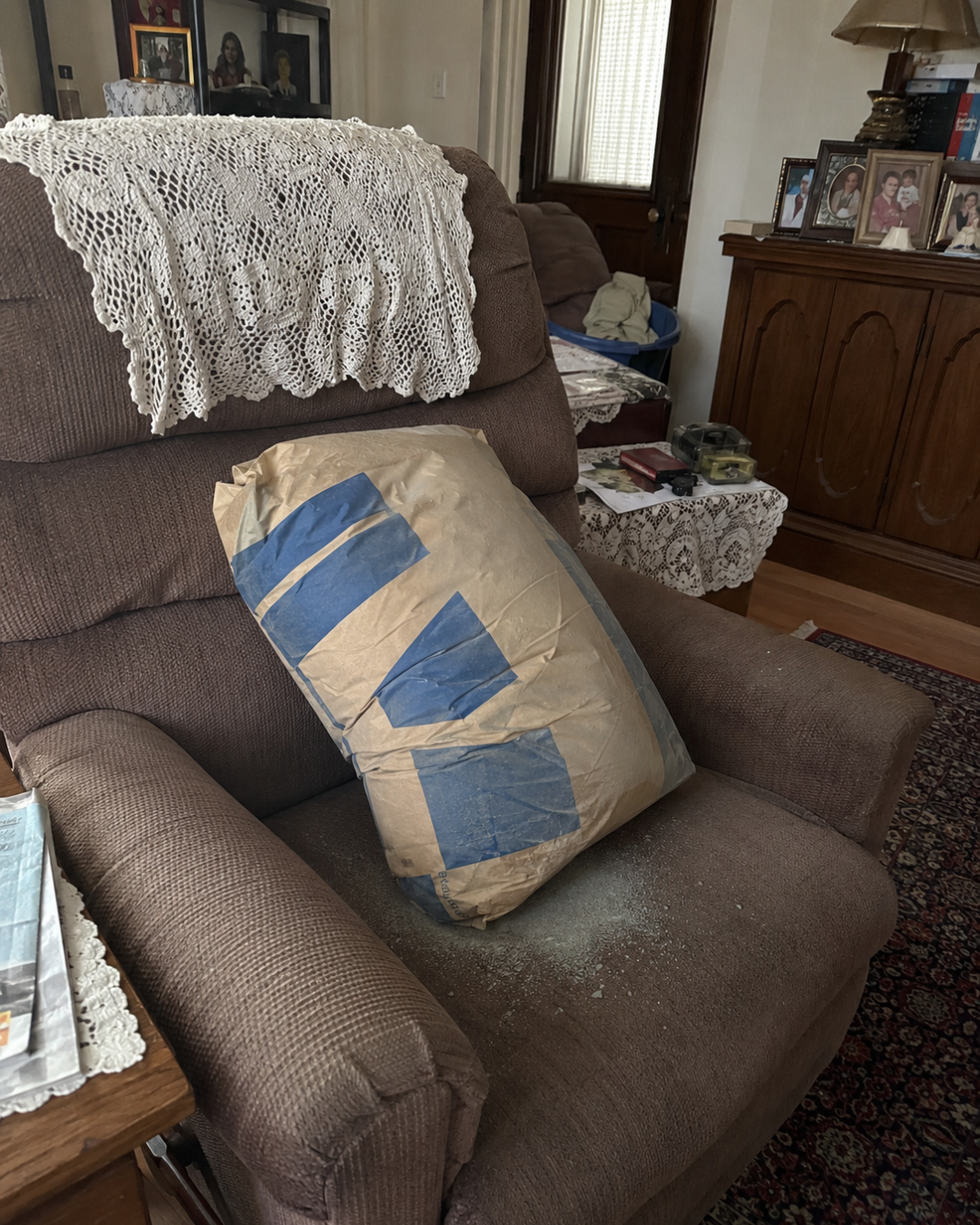
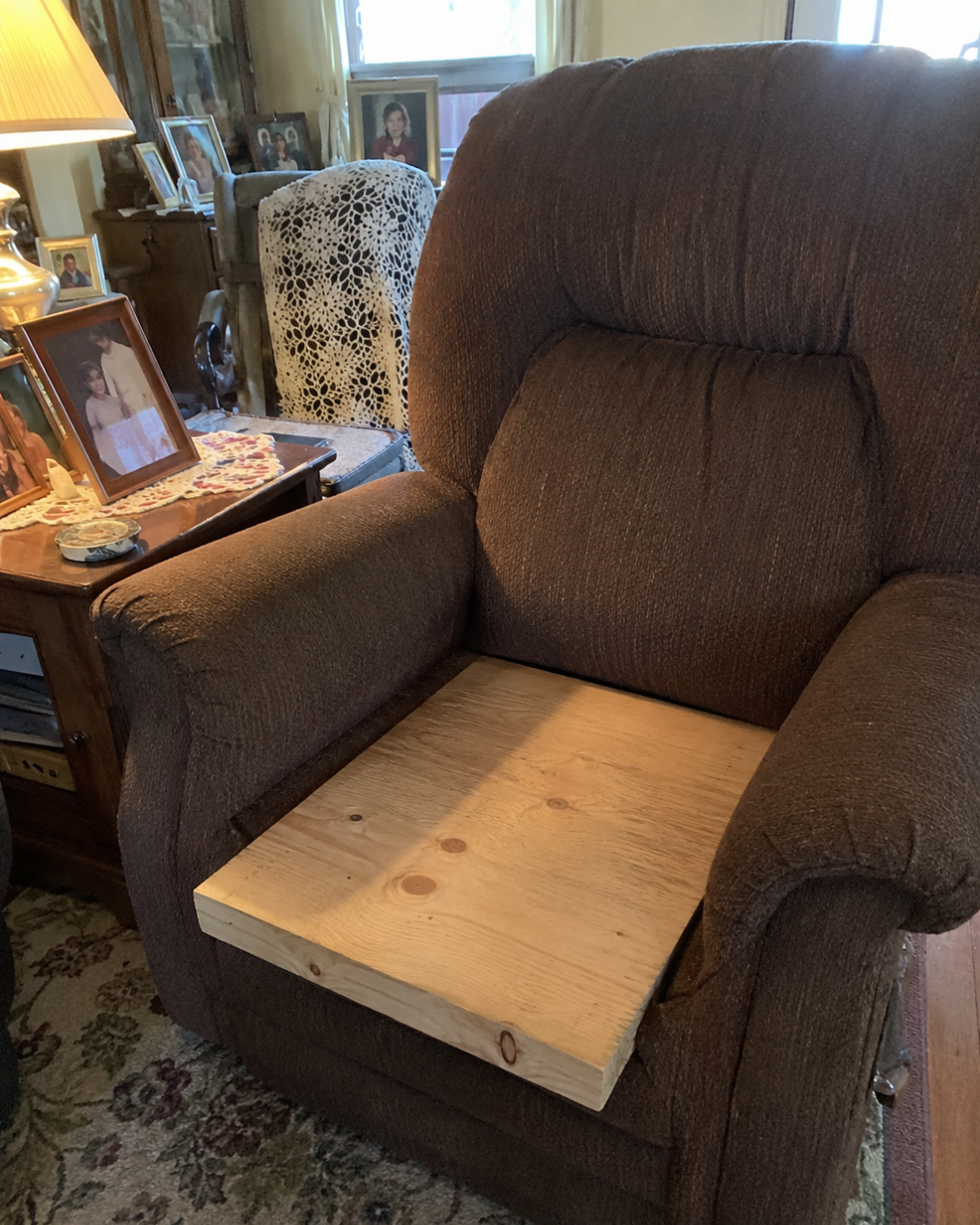
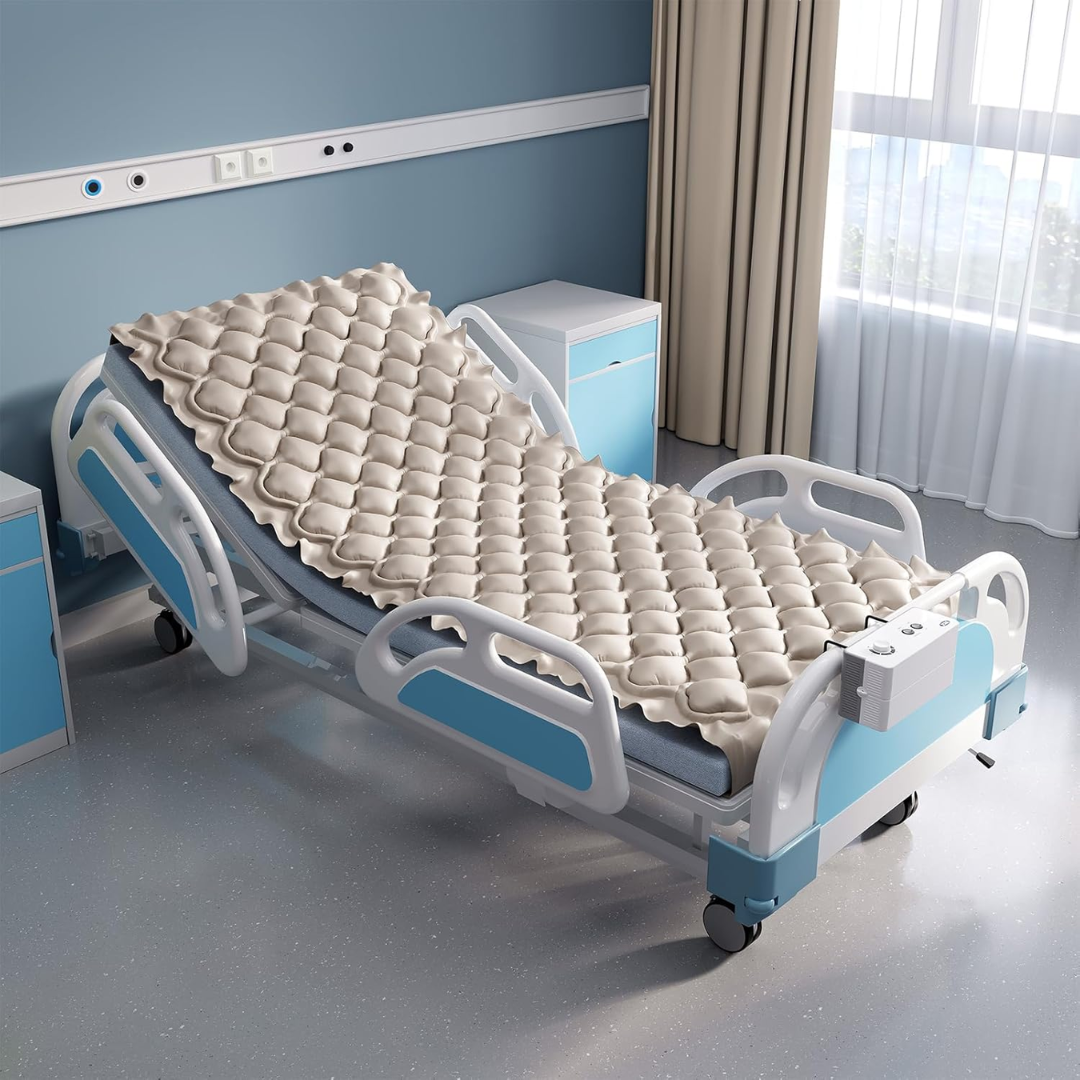
95% of Pressure Sores Are Preventable—But Only If You Know What's Really Causing Them That statistic should give you hope. But if you're like most daughters caring for an aging mother, it probably fills you with something else entirely. Guilt. Because if 95% of pressure sores are preventable, and your mother gets one, then somewhere along the line, you missed something. You failed at something that should have been preventable. I know that feeling. And I want you to know something important right now: it's not your fault. Here's what most caregivers don't know… what the wound care nurses know, but rarely explain in plain terms: Pressure sores aren't caused by "hard surfaces" or "not enough padding." They're caused by unrelieved pressure that cuts off blood flow to the skin and tissue beneath it. When your mother sits in one position, even on a "soft" cushion, her body weight compresses that cushion down, crushing the blood vessels under her tailbone and sit bones. Without blood flow, the tissue begins to die. That's the mechanism. That's what creates the red mark that becomes Stage 1, then Stage 2, then the open wound you've seen in those terrifying medical photos. Now here's the part that changes everything: Most cushions you can buy, memory foam, egg crate pads, even "orthopedic" donut pillows, all fail at the one job they're supposed to do. They compress. That "medical-grade memory foam" cushion you bought feels wonderfully soft when you take it out of the box. But after a few weeks of supporting 140, 160, 180 pounds, eight hours a day? It bottoms out. It compresses into a flat, useless pancake. And now your mother is essentially sitting on a hard surface again, except this time, you think she's protected. So you don't check as often. You don't reposition as frequently. The cushion creates a false sense of security while the pressure builds silently beneath it. This is why caregivers who are doing everything right, who bought the cushion, who follow the advice, who check their mother's skin daily, still discover pressure sores. Because the cushion they trusted betrayed them. But here's what the 95% statistic really means: if you understand what's actually happening, if you know the mechanism behind the problem and the mechanism behind the solution, you can prevent almost every pressure sore before it starts. And that starts with understanding why foam fails, and what actually works. Let me show you exactly what I mean. For years, we've been taught that soft equals safe. Plush equals protective. The cushion industry built itself on this assumption. Memory foam. Egg crate. Gel-infused foam. All marketed as "pressure relief" when most of them only provide temporary comfort. I learned this the hard way three years ago when I was caring for my own mother. She'd stopped being able to stand for more than a few minutes at a time. Her recliner, the one she'd sat in for twenty years to watch her shows and work her crosswords, became her world. Sixteen, sometimes eighteen hours a day in that chair. I bought every highly-rated cushion on Amazon. Started with a $39 memory foam pad. Four-and-a-half stars. Thousands of reviews. "Medical grade," the listing said. Within two weeks, I could press my hand straight through to the chair underneath. The foam had compressed completely where she sat. So I upgraded. Got the $79 "orthopedic gel-infused" cushion. Lasted a month before it flattened. Then the donut pillow. Then the sheepskin pad. Each one felt like the answer when I took it out of the box. Each one failed within weeks. And then one Tuesday morning, I found the red mark on her tailbone. Quarter-sized. Angry. Not from the incontinence pad. Not from anything I could explain away. Stage 1. That's when the hospice nurse sat me down and explained what none of the product descriptions ever mentioned. "Foam compresses," she said. "It's physics. When you put weight on foam, any foam, it crushes down. The cells collapse. And once they collapse, they don't come back." She walked me over to Mom's recliner and pressed down on the cushion where Mom sat. Her hand sank through in less than a second. "See that?" she said. "There's maybe half an inch of material left between her tailbone and the chair. That's not enough. You need at least two inches of clearance to prevent pressure points." Then she showed me something that made my stomach drop. She pulled out her phone and opened a thermal imaging app. She held it over the cushion. The screen lit up red and orange, heat signatures showing exactly where Mom's body weight had crushed the foam into a compressed, heat-trapping brick. "Foam doesn't just flatten," she explained. "It also traps heat. And heat plus pressure plus moisture, that's the perfect recipe for skin breakdown." I felt like I'd been punched. All those cushions I'd bought. All that money spent. All those Amazon reviews swearing these products worked. They'd all been lying. Or more accurately, they'd all been foam, and foam betrays you. "So what do hospitals use?" I asked. She told me about the pressure redistribution systems used in ICUs and long-term care facilities. Alternating air mattresses that shift pressure points automatically. Medical-grade gel overlays that distribute weight evenly across a matrix of columns. Specialized wheelchair cushions with honeycomb structures designed by engineers, not marketing departments. "The key," she said, "is that these systems don't compress. They redistribute." She drew me a diagram on her notepad. When you sit on foam, your body weight pushes straight down. The foam compresses. All your weight concentrates on your tailbone and sit bones, the exact points where pressure sores form. But when you sit on a proper gel matrix, the pressure spreads outward. The gel columns don't collapse, they displace the pressure horizontally across the entire surface. Your body weight "floats" instead of "crushes." Blood flow continues. Oxygen reaches the tissue. The skin stays healthy. "This is what the 95% statistic means," she said. "If you can keep blood flowing to the tissue, if you can truly redistribute pressure instead of just padding it, almost every sore is preventable." I asked her where I could buy one of these gel cushions. She pulled out a catalog. Hospital supply companies. Medical equipment retailers. The prices shocked me. $200. $300. Some of the wheelchair cushions cost over $400. "Insurance might cover it if she already has a sore," she said. "But for prevention, you're usually on your own." I sat there looking at these industrial, medical-looking cushions with their clinical product names. And I thought: Why isn't there something that actually works but doesn't cost more than my car payment? Something designed for prevention, not treatment? Something that looks like it belongs in a living room instead of a hospital ward? That's when I started researching the actual technology behind pressure relief. I spent weeks reading wound care studies. Talking to physical therapists. Joining caregiver forums where people shared what actually worked versus what just had good marketing. And I kept coming back to the same principle: honeycomb gel structures. The studies were clear. Gel columns arranged in a honeycomb pattern provide the perfect combination of support and pressure redistribution. When weight is applied, each column buckles slightly, absorbing the pressure and spreading it outward to neighboring columns. Unlike foam, the gel doesn't permanently compress. It rebounds. It maintains its structure month after month, even under constant weight. Unlike air cushions, gel doesn't require inflation or adjustment. It doesn't puncture. It doesn't need maintenance. And unlike the $300 hospital cushions, the technology itself isn't expensive to manufacture, it's just been locked away in the medical supply industry where prevention doesn't generate insurance reimbursements. That's when I found the Volosso CoolGel+. It was designed by a biomedical engineer who'd watched his own father develop pressure sores in a nursing home. He'd taken the same honeycomb gel technology used in $400 medical wheelchairs and reengineered it into something caregivers could actually afford. Medical-grade pressure redistribution. Hospital-proven technology. Living room aesthetics. And most importantly: it doesn't compress. The secret is in the structure. Instead of foam cells that crush and die, the CoolGel+ uses a matrix of gel columns arranged in a honeycomb pattern. Each column is engineered to buckle under pressure, but not collapse. When your mother sits down, her weight spreads across hundreds of these gel columns. The ones directly under her tailbone buckle slightly, distributing that pressure outward to the surrounding columns. No pressure points. No compression. No "bottoming out." The gel also breathes. The honeycomb structure allows air to circulate through the cushion, preventing the heat and moisture buildup that foam creates. And because gel is self-supporting, it doesn't need the thickness that foam requires. The CoolGel+ provides pressure relief equivalent to six inches of foam, without the bulk, without the heat, without the compression. This is what the wound care nurses know. This is what the studies prove. This is what the 95% statistic means. Prevention isn't about padding. It's about physics. Here's what I need you to understand. If your mother already has a pressure sore, you know the nightmare you're facing. Daily wound care. The pain she's in. The risk of infection. The possibility that a Stage 1 becomes Stage 2, Stage 3, Stage 4. But if you're reading this before that happens, if you're here because you're worried, because you've seen a red mark, because you know she sits too long and you're terrified of what you might find, then you're in the prevention window. Right now, you can be part of the 95%. The CoolGel+ doesn't cost $300. It doesn't require a prescription or insurance approval. It doesn't look like a medical device. It's $59. It fits any chair, wheelchair, or recliner. It has a soft, washable cover that looks like it belongs in a home, not a hospital. And it uses the same pressure redistribution technology that prevents sores in ICUs and nursing homes across the country. I can't promise it will prevent every pressure sore, nothing can, because some are caused by internal factors beyond anyone's control. But I can promise you this: it won't betray you the way foam does. It won't compress into uselessness after three weeks. It won't create the false security that leads to discovered sores. It will do the one job a cushion is supposed to do: keep pressure off your mother's fragile skin so her blood keeps flowing and her tissue stays healthy. That's what prevention means. That's what the 95% are doing right. And you can be one of them.
Like this ad? Make it yours.
Crush rebuilds this exact creative around your product — your brand, your colors, your offer — in about a minute.