
Inactive· since May 29, 2026
- 5
- days it ran
- 0
- relaunches
Ad copy
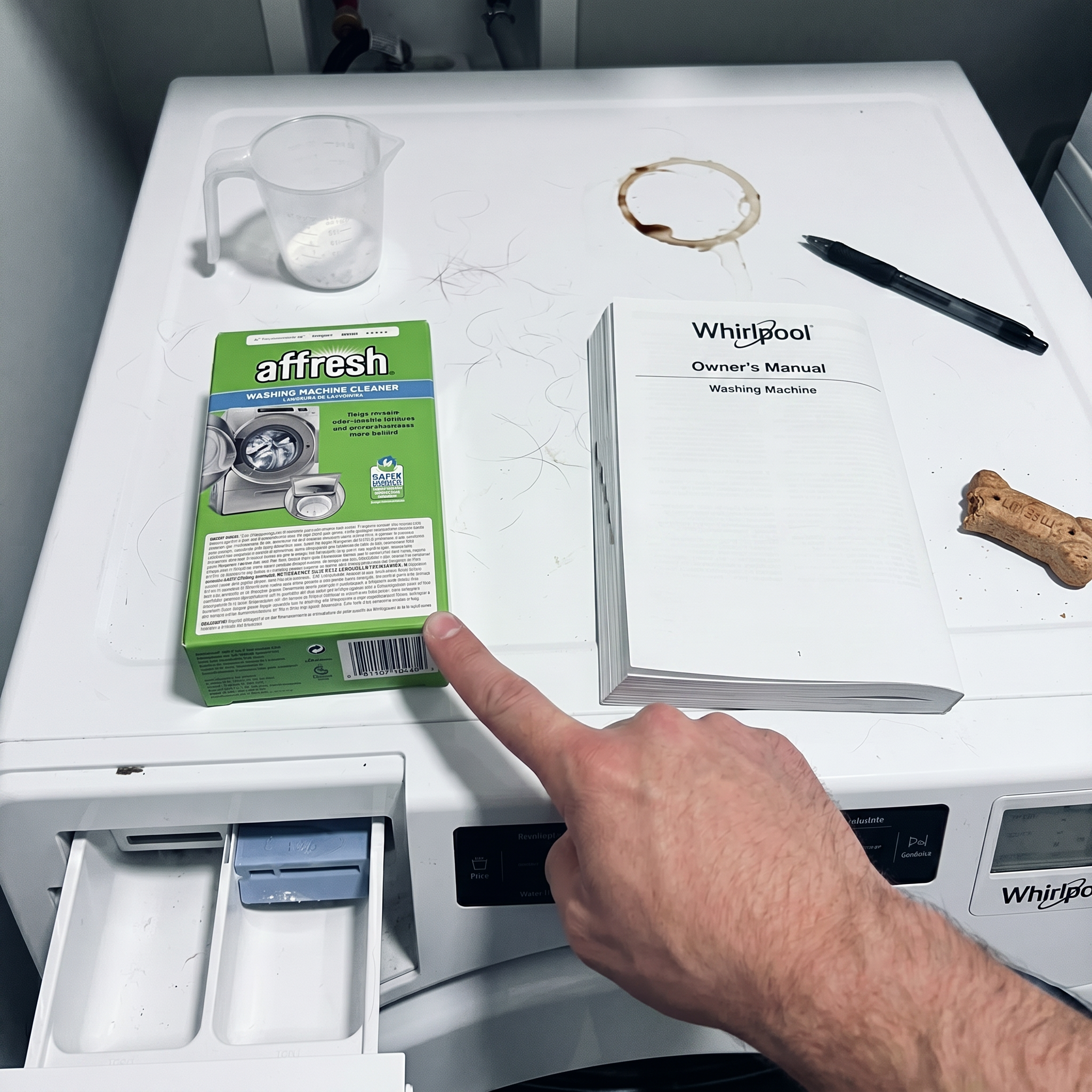
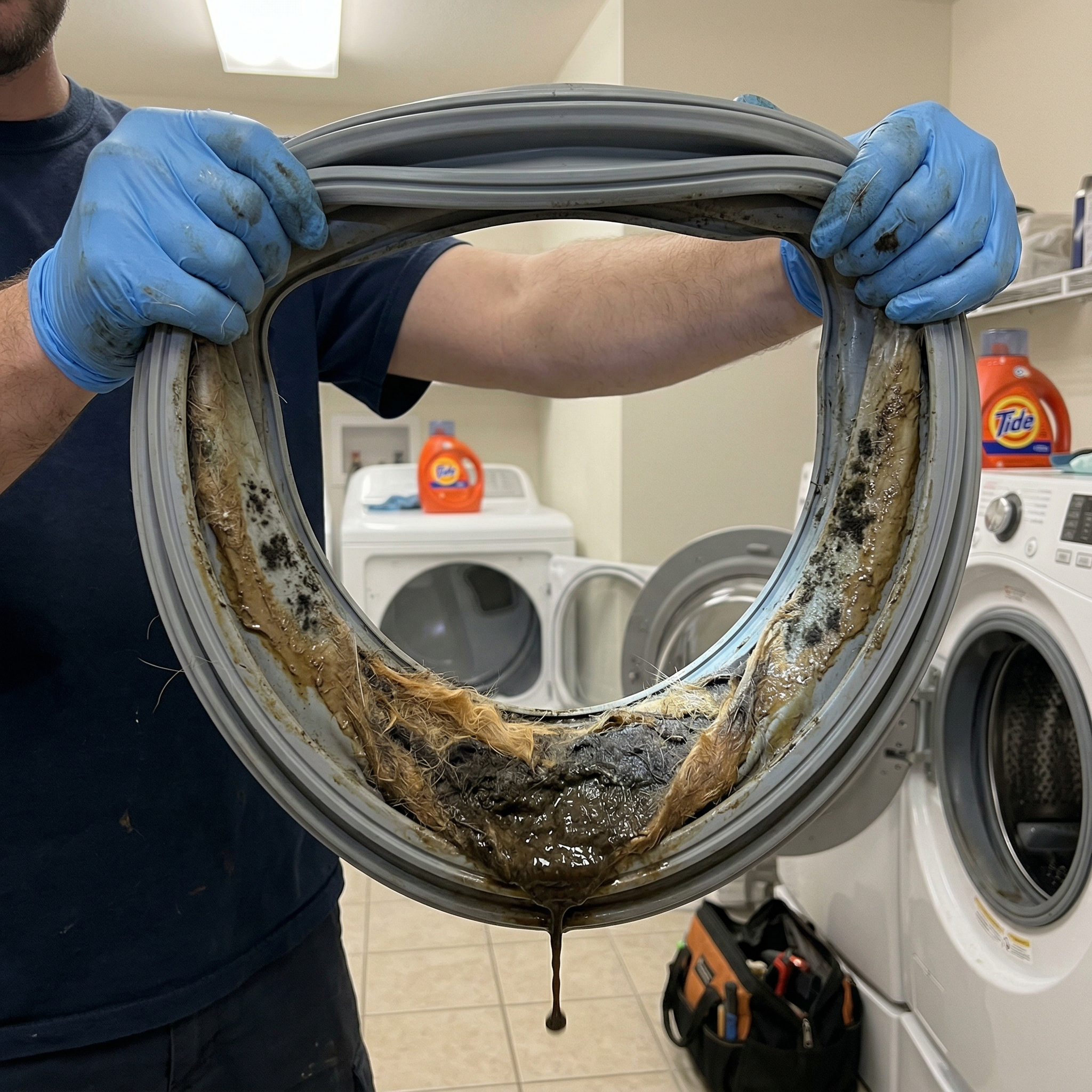
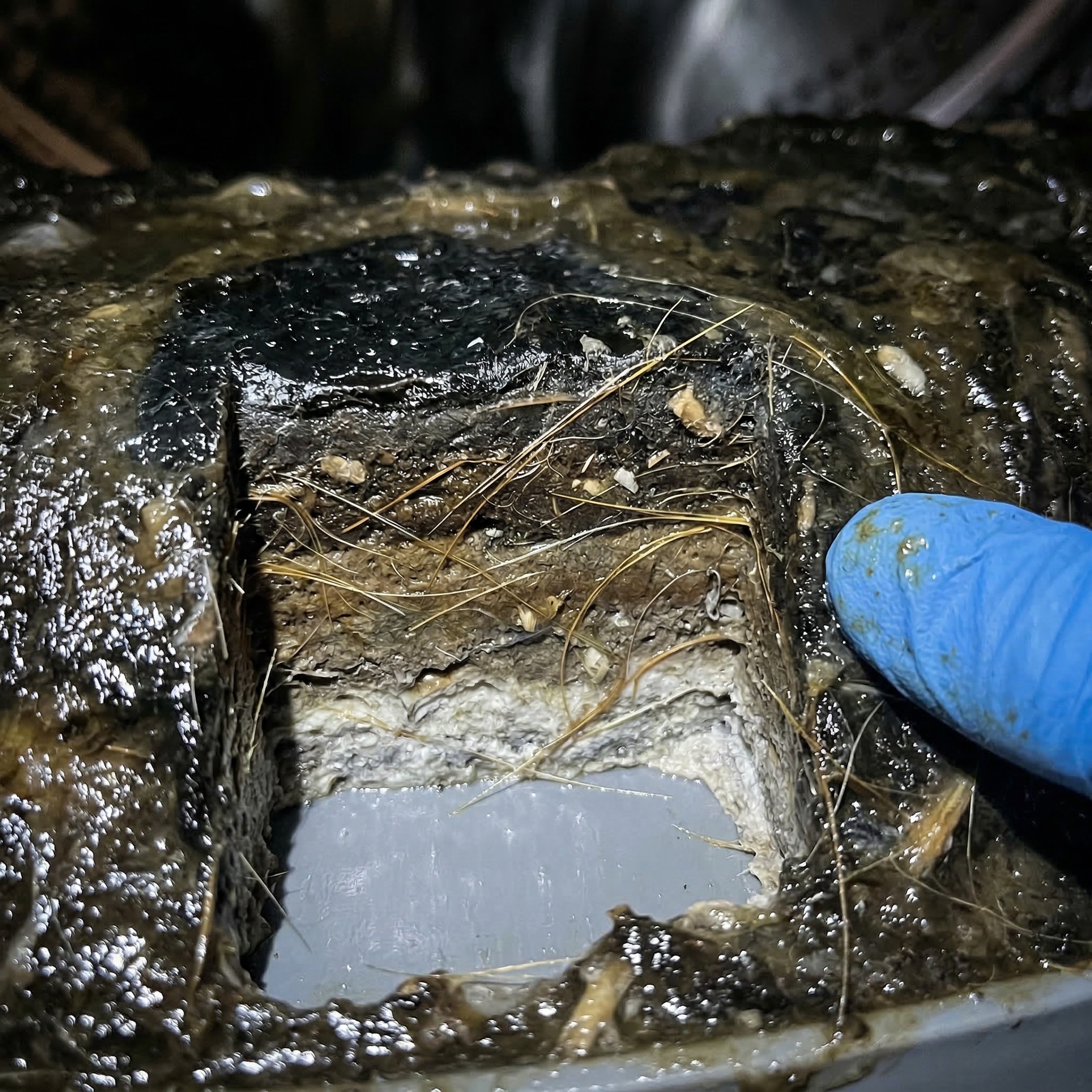
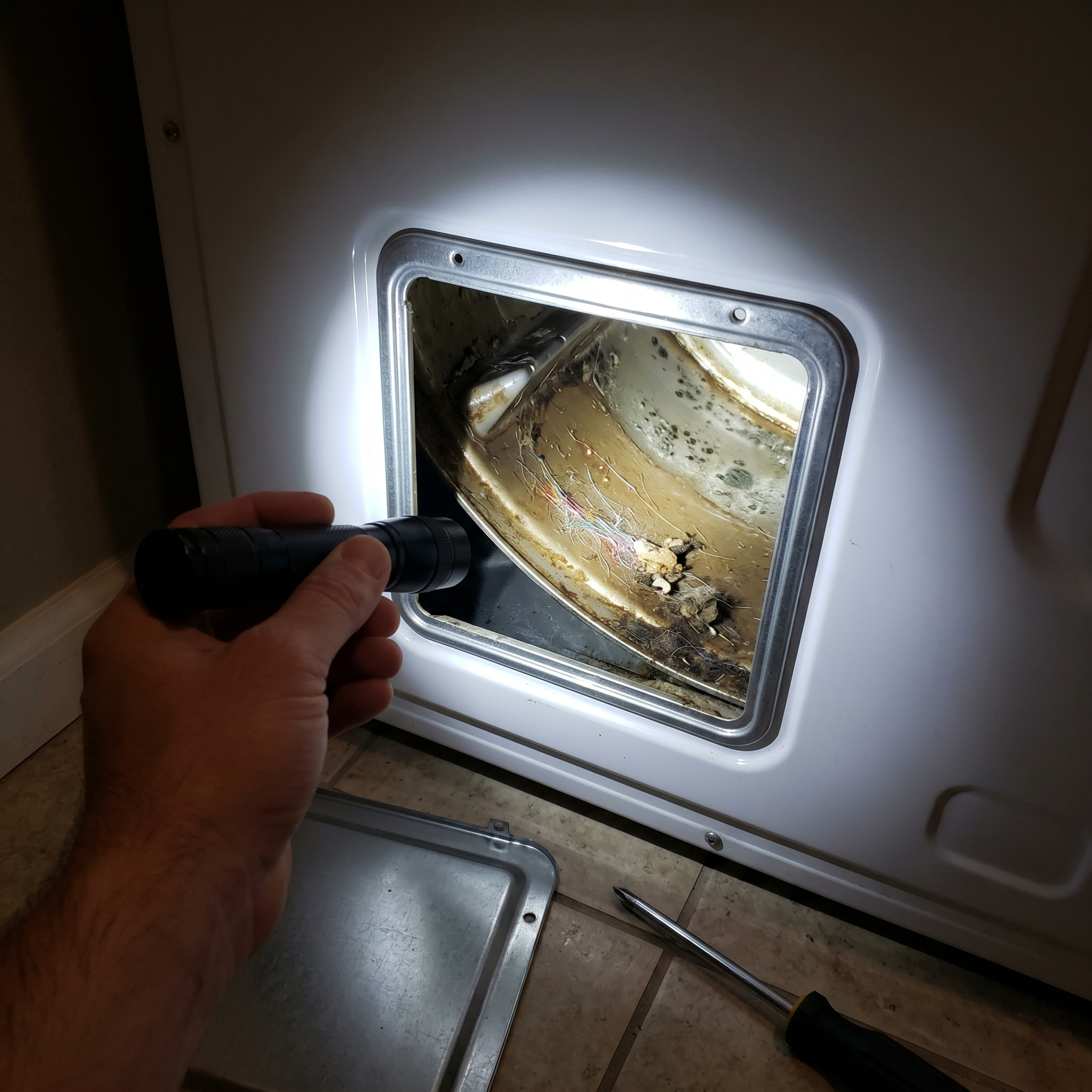
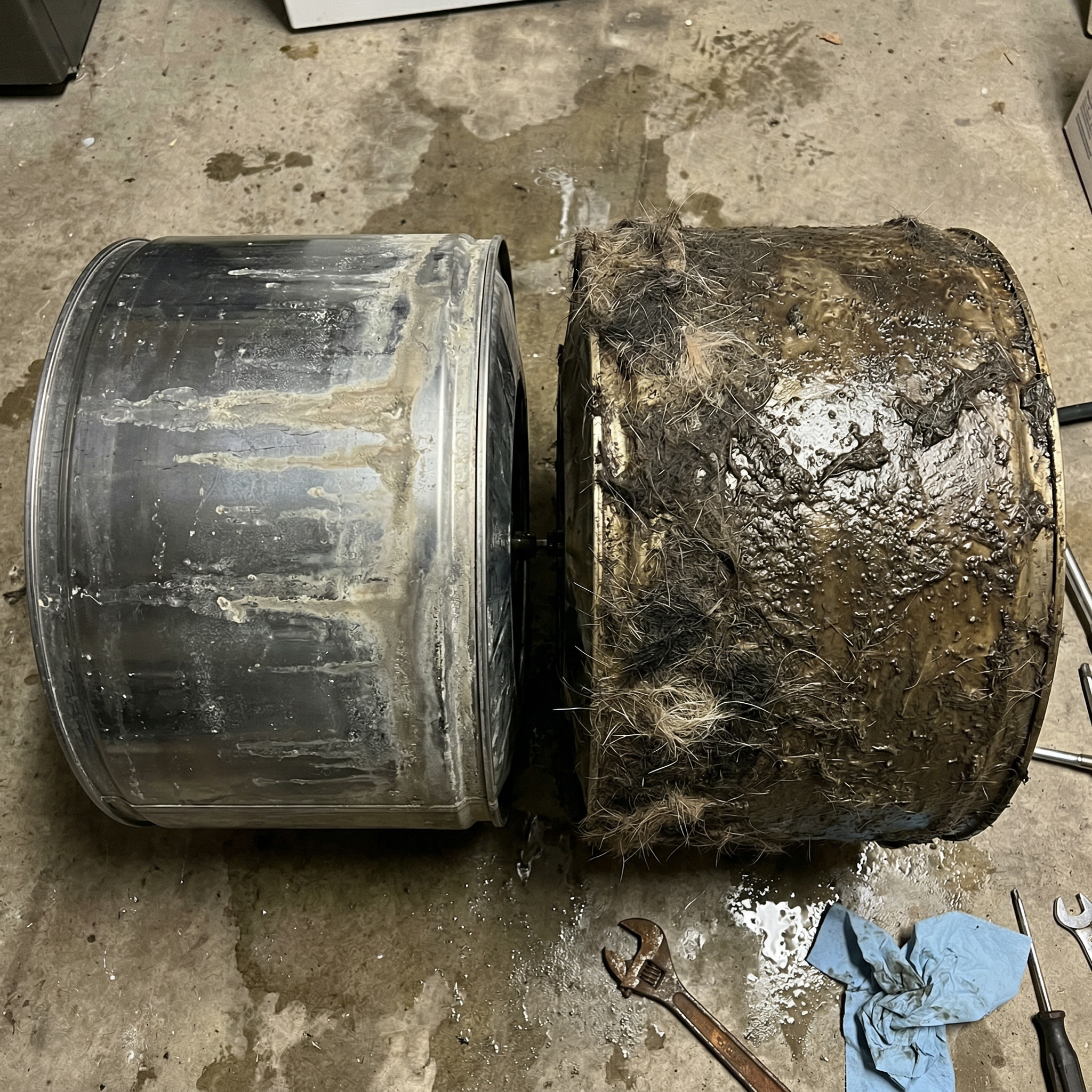
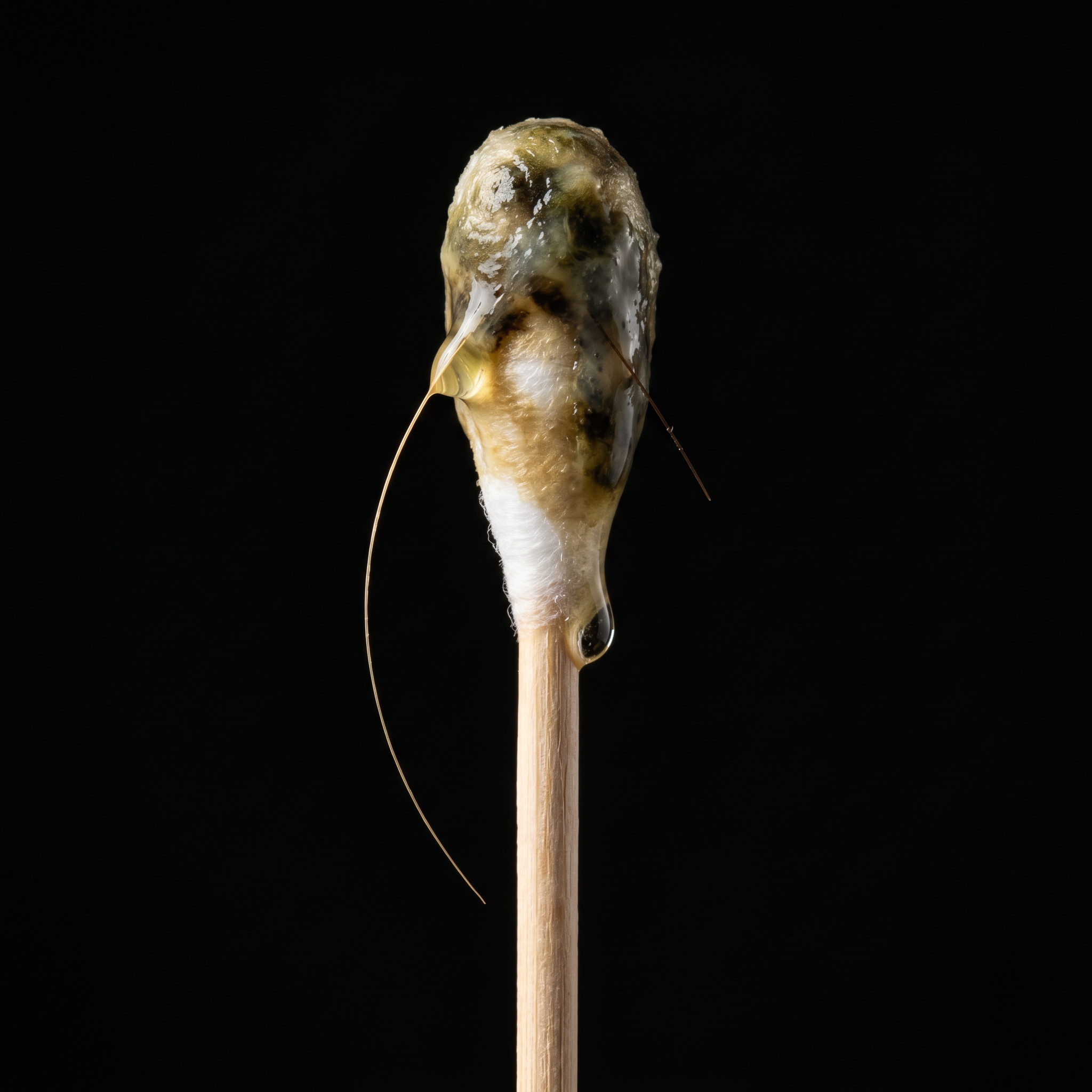
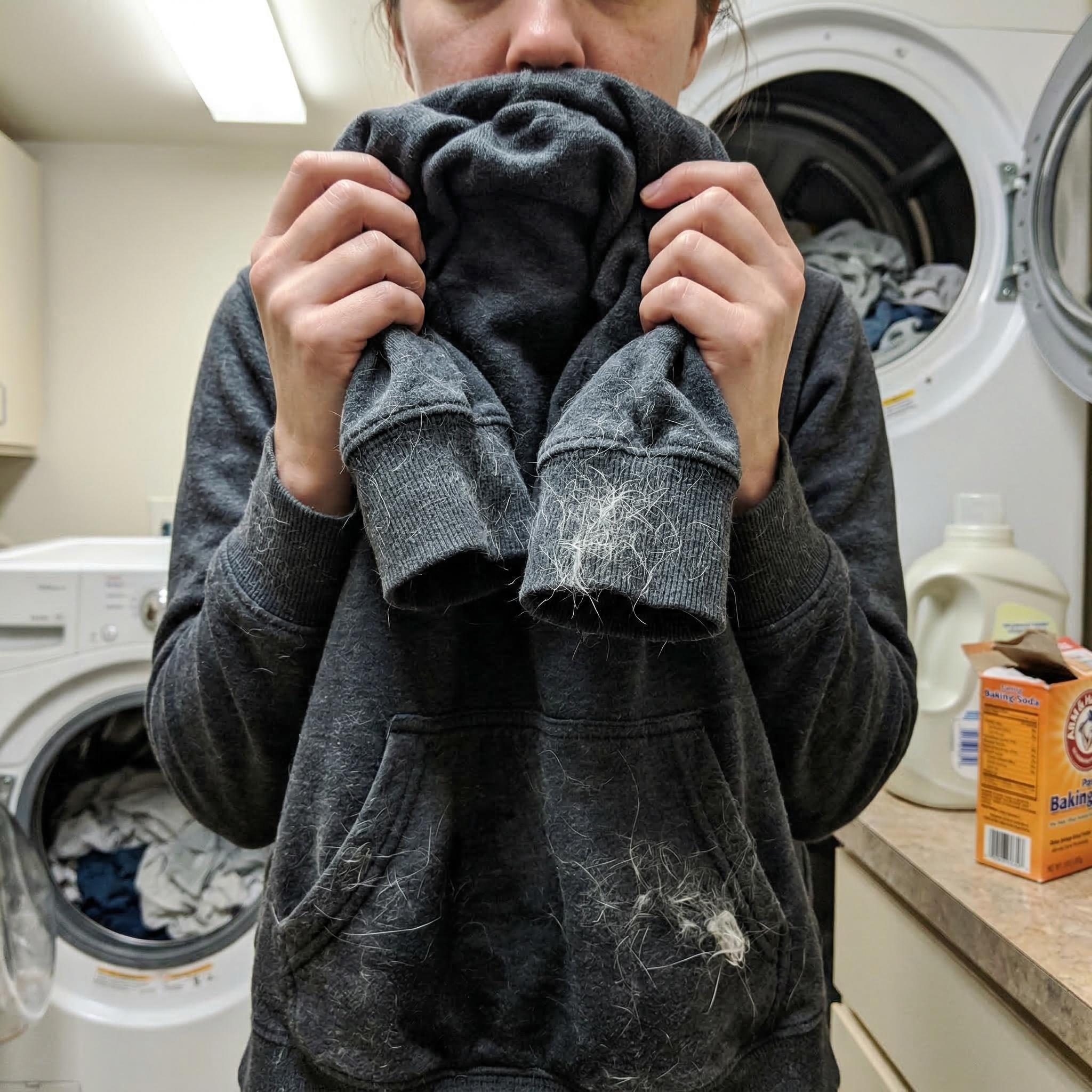
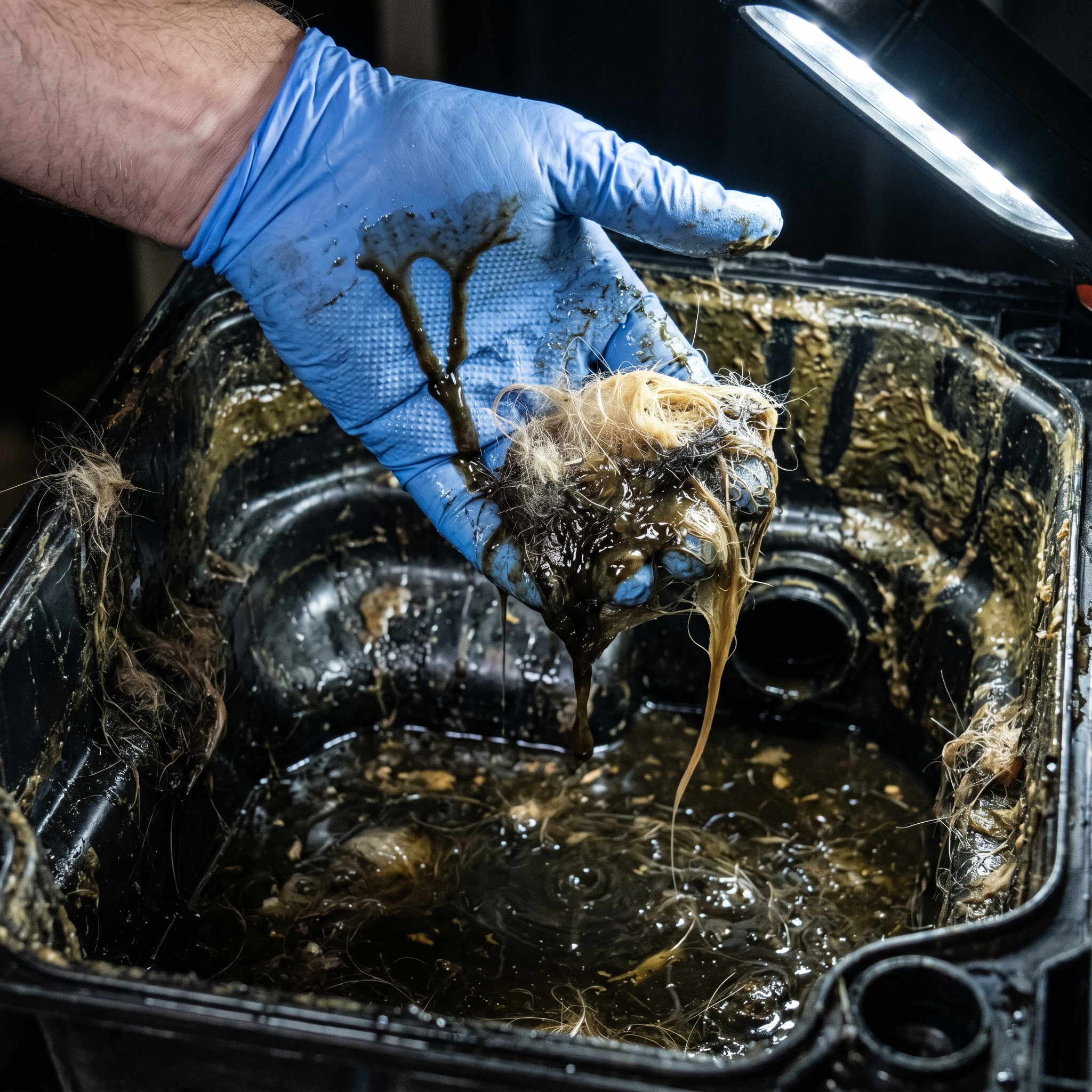
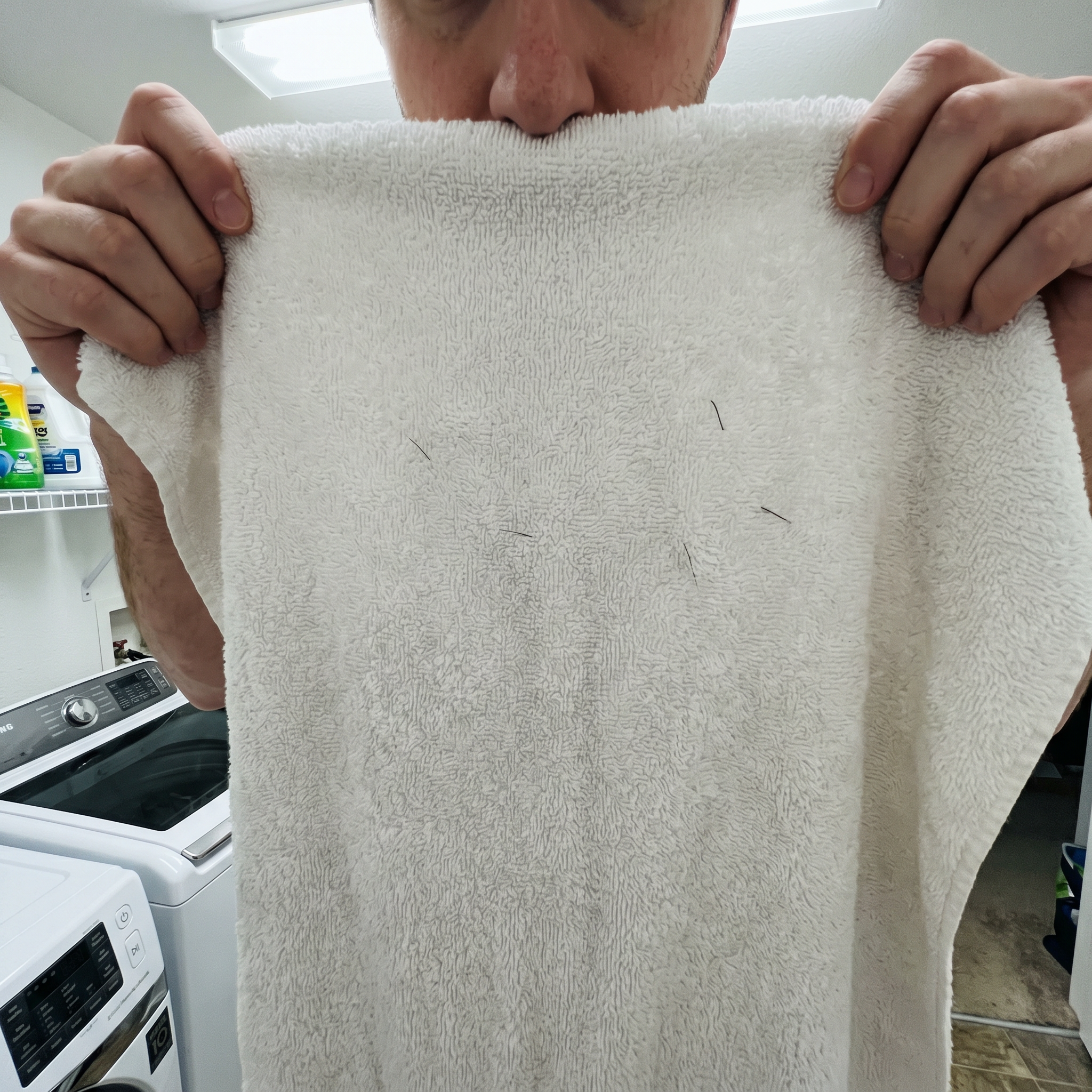
I've been fixing washers for 11 years, and last October I stood in my own laundry room, held a "clean" towel to my face, and realized I had the exact same problem I get called to fix in other people's houses. I have a pit bull mix named Billy. She's a rescue, about 55 pounds, and she has skin allergies that require medicated baths every ten days. So on top of the normal dog-parent laundry - the blankets, the bed covers, the couch throws - I'm also washing four or five bath towels a week that are soaked in dog shampoo and wet dog and whatever she rolled in at the park that morning. My machine is a Samsung front-loader. Three years old. I take care of it because, well, I fix these things for a living, and it would be professionally embarrassing not to. I run the self-clean cycle once a month. I leave the door cracked. I wipe the gasket every couple of weeks. I use the right amount of HE detergent - not too much, not too little. And last October, I started smelling it. Not strong. Not that punch-you-in-the-face mildew that I see in neglected machines. Just a faint, damp undertone on the bath towels. The ones Billy's stuff gets washed with. At first, I told myself it was the dog shampoo leaving a residue. I switched shampoos. No change. Then I told myself maybe I was overloading the drum with too many wet towels, so I started running smaller loads. No change. Then I thought maybe my detergent had changed its formula. I switched to a different brand. No change. The smell was still there. Faint, but there. And once I noticed it, I couldn't un-notice it. Now here's the part that was really eating at me. I fix washers. I know what causes this smell. I've opened up machines and shown customers the biofilm growing in the sealed space between the inner drum and the outer tub. I've explained it probably a hundred times - the bacteria colonize the wet surfaces, they feed on detergent residue and skin oils and organic matter, they produce volatile fatty acids that make everything smell musty. I know the mechanism. I've seen it with my own hands. But knowing the mechanism and being able to fix it in your own home are two completely different things. Because here's what I also know from 11 years of doing this: every product I've ever recommended to a customer helps temporarily, and then the smell comes back. Affresh, Tide Washing Machine Cleaner, OxiClean, Glisten - I've recommended all of them at various points. They all do something. They all make the drum look cleaner and smell fresher for a few weeks. And then the smell creeps back, because the underlying buildup is still there. So when the smell showed up in my own machine, I decided I was going to figure out why nothing works permanently. Not as a repair tech giving advice. As a guy with a stinky washer, a stubborn dog, and a real problem to solve. I went to Home Depot. I went to Target. I went to Walmart. I bought every washing machine cleaner I could find. And I did something I'd never actually done before. I read every single ingredient label. Here's what I found. Affresh: sodium percarbonate, sodium carbonate, surfactant, fragrance. That's it. Tide Washing Machine Cleaner: sodium percarbonate, sodium carbonate, surfactant, fragrance. Basically the same thing. OxiClean Washing Machine Cleaner: sodium percarbonate, soda ash, surfactant. Same thing in a different box. Glisten: citric acid, sulfamic acid, surfactant. Different angle - descaler instead of oxygen bleach - but same gap. Now look, I know I just threw a bunch of chemical names at you. I'm a repair guy, not a chemist - but after 11 years of pulling these machines apart, you learn what's on the label and what's actually doing the work. And once you see what these four products are missing, you can't unsee it. Let me explain it the way I explain it to customers. The buildup inside your washing machine isn't mineral deposits. It's not soap scum. Those are part of it, sure. But the core of the buildup - especially in a pet household - is biological. It's proteins from pet hair, dander, saliva, and skin cells. It's lipids from the oily sebum that coats dog and cat hair. It's the extracellular matrix of the bacterial biofilm itself, composed of proteins, fats, and polysaccharides. Oxygen bleach - sodium percarbonate - can kill some surface bacteria and lighten some stains. But it cannot break down protein. It cannot dissolve fat. It cannot digest the structural scaffold of biofilm. It washes over it, like running water over a greasy pan. The pan looks wetter, but the grease is still there. The only thing that breaks down protein is a protease enzyme. The only thing that breaks down fat at cold-to-warm temperatures is a lipase enzyme. The only thing that breaks down starch-based residue is an amylase enzyme. This is not cutting-edge science. This is basic biochemistry. Enzymes have been used in laundry detergents since the 1960s, specifically because they break down biological stains that surfactants and bleach cannot. But somehow, an entire category of cleaning products has zero enzyme-based options on any major retailer's shelf. That blew my mind. I started searching online. And that's when I found a small company out of Florida that makes a washer cleaner tablet with a full enzyme stack - alkali protease, protease, lipase, and amylase - combined with sodium percarbonate, a surfactant, citric acid, an anti-redeposition polymer, and tea polyphenols. 4 enzymes. Specifically formulated for pet households - the only product I found in the entire market designed to digest biological residue instead of just rinsing over it. The company is called Uproot. They're the same people who make those pet hair removal brushes. I ordered a box. First tablet, I ran it on a Saturday afternoon. Empty drum, clean washer cycle, hottest setting. Billy watched me from the doorway like I was performing surgery, which honestly is how it felt. The cycle ran for about an hour. When it finished, I pulled the drain pump filter. I've cleaned hundreds of drain pump filters. What came out of mine was different from anything I'd seen after an Affresh or OxiClean cycle. There was a thick, fibrous, gray-brown residue caught in the screen. Some of it was clearly old hair - broken down, partially digested, soft and falling apart instead of clumped and matted the way hair normally looks in a filter. The rest was a slippery film that I recognized immediately as degraded biofilm. The enzymes had done exactly what I knew they should do if they were present in a washer cleaner. Which, until this product, they weren't. I ran a second tablet the following Saturday. Less residue in the filter. The gasket was visibly cleaner than it had been after any cleaning cycle I'd ever run. By the third tablet - six days after the second one - I pulled a stack of Billy's bath towels out of the dryer and did something I'd stopped doing months ago. I smelled them and nothing. They smelled like warm cotton. Not like dog. Not like medicated shampoo. Not like that faint, damp sourness that had been following me around. Just fabric. My girlfriend noticed it before I even said anything. She was folding laundry, and she stopped and said, "Did you switch our detergent or something?" I said no. She said, "The sheets smell different. They smell like they did when they were new." I told her what I'd been doing. She looked at me like I'd just told her I'd been secretly fighting crime on the weekends. Then she said, "Order more of those." I pulled my gasket back the next morning. I got down on my knees with my phone flashlight and looked behind the rubber boot, into the sealed space I'd been ignoring in my own machine, the same way I see customers ignore it in theirs. The surface was clean. The thin layer of brownish-gray film that I knew was there - because it's there in every pet-household front-loader I've ever opened - was gone. Digested and flushed down the drain over three cycles. 11 years of fixing washing machines, and I'd never seen a consumer product do that. It's called Uproot Washing Machine Cleaner. And the reason it works when nothing else does is simple - it's the only one with the enzymes. It has has 4 enzymes - 2 proteases (including an alkali protease that works at the high pH the tablet creates), a lipase, and an amylase - combined with the same oxygen bleach other products use, plus an anti-redeposition polymer that keeps the dissolved gunk suspended in the water so it flushes out instead of resettling. And in their Ultra version, they include cyclodextrin - the same molecule Procter & Gamble built Febreze around - which physically traps odor molecules so they can't reach your nose. No other washing machine cleaner on the U.S. market has this combination. I checked every one I could find at Home Depot, Target, and Walmart. I read every label I don't sell this product. I'm not an affiliate. I'm not being paid. I'm an appliance technician with a pit bull who has skin allergies, a three-year-old Samsung front-loader, and a problem that I couldn't solve with anything else on the market until I found the one product that has the one ingredient category that actually matters. If you've got pets and your laundry smells off and you've already tried the usual list - Affresh, vinegar, baking soda, the self-clean cycle, more detergent, less detergent, different detergent, leaving the door open, I can tell you with confidence why none of that worked. None of it has enzymes. This does. $0.83 a tablet. You use it every two weeks. It runs in an empty drum on your hottest cycle. It takes about 60 seconds of your time and 90 minutes of the machine's time. It's septic-safe, gasket-safe, works with every machine type, and comes with a 60-day money-back guarantee. I've fixed over 1,500 washing machines. I've recommended probably a dozen different products over the years. This is the first one I use in my own home, on my own machine, for my own dog's laundry. That's the only endorsement I know how to give. https://uprootclean.com/products/uproot-washing-machine-cleaner-pro
Like this ad? Make it yours.
Crush rebuilds this exact creative around your product — your brand, your colors, your offer — in about a minute.