Barbara Turner
Barbara Turner Facebook ad: “This Is Why Cinnamon Isn’t Working For Your T2 Diabetes.”
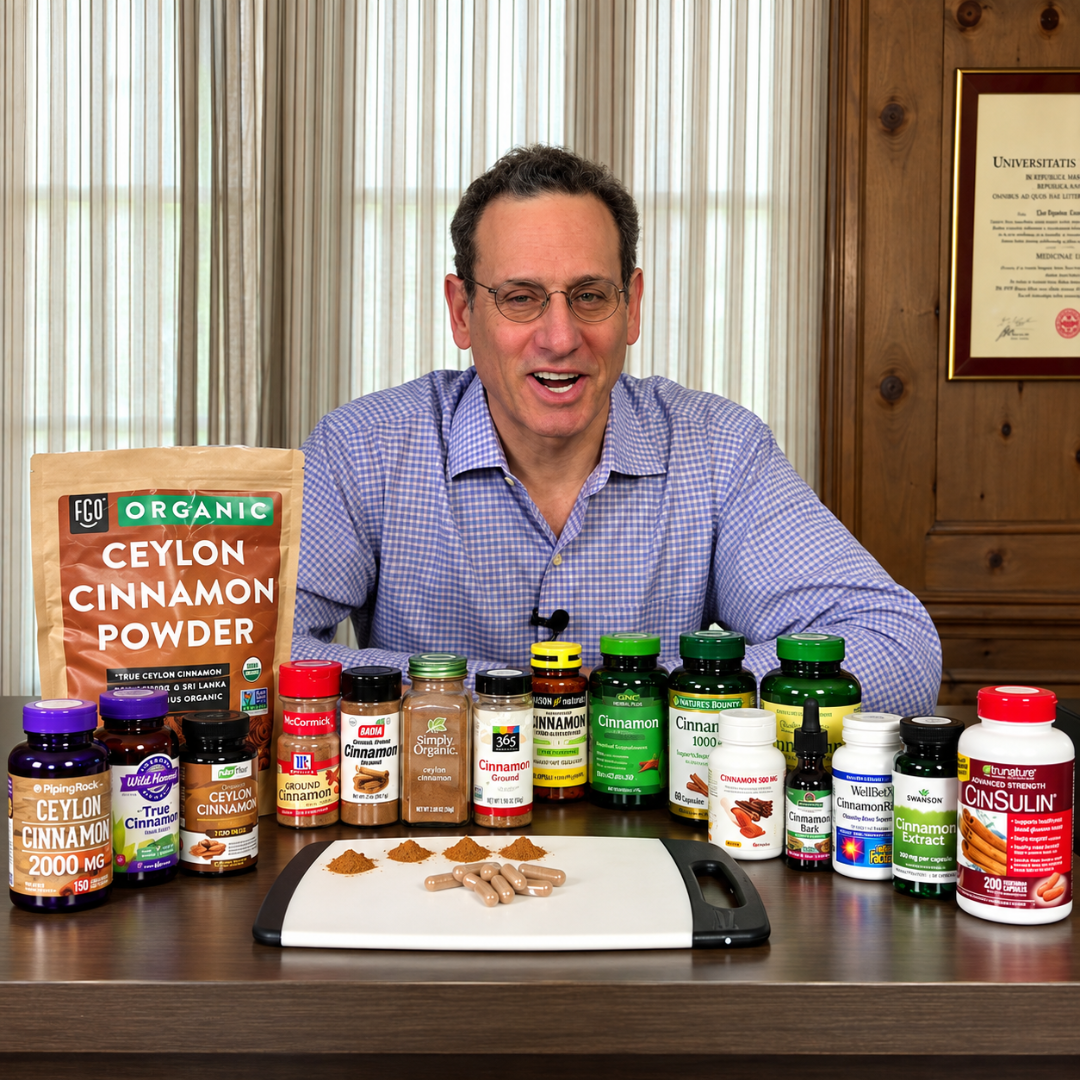
Ran for 4 days, from September 29 to October 3, 2026, the last day Crush saw it.
Run by Barbara Turner on Facebook. Crush is not the advertiser and does not verify its claims. See this ad in Meta's Ad Library(opens in a new tab)
Want an ad like this for your product?
Crush makes new ad images for your product from this ad: your logo, your product photo, your offer.
Trials from $19.95 USD, then $79.95 USD a month. Cancel anytime.
About this ad
- Meta Ad Library ID
- 868856146219768
- Platforms
- Facebook, Instagram, Audience Network and Threads
- Relaunches
- 0
Ad text
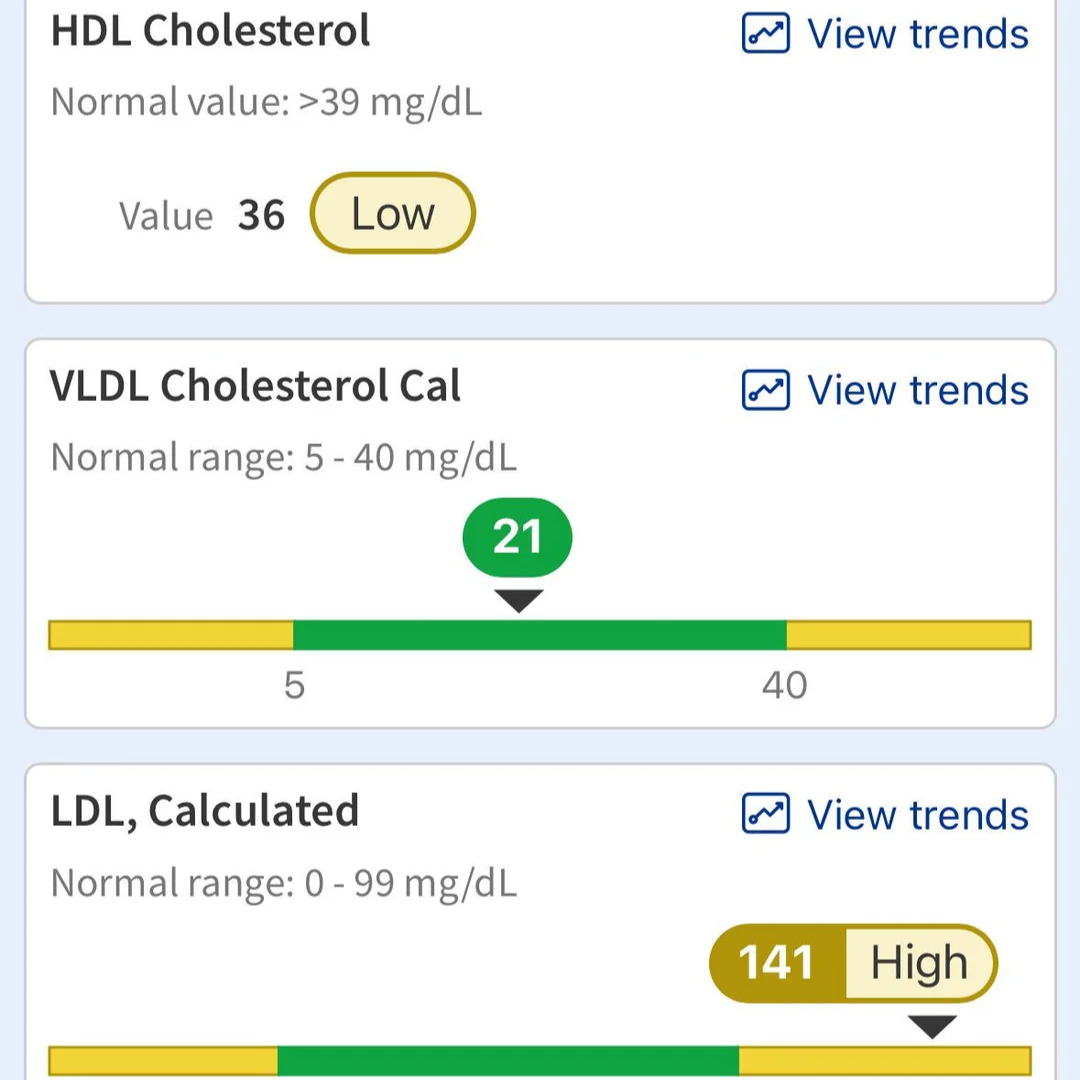
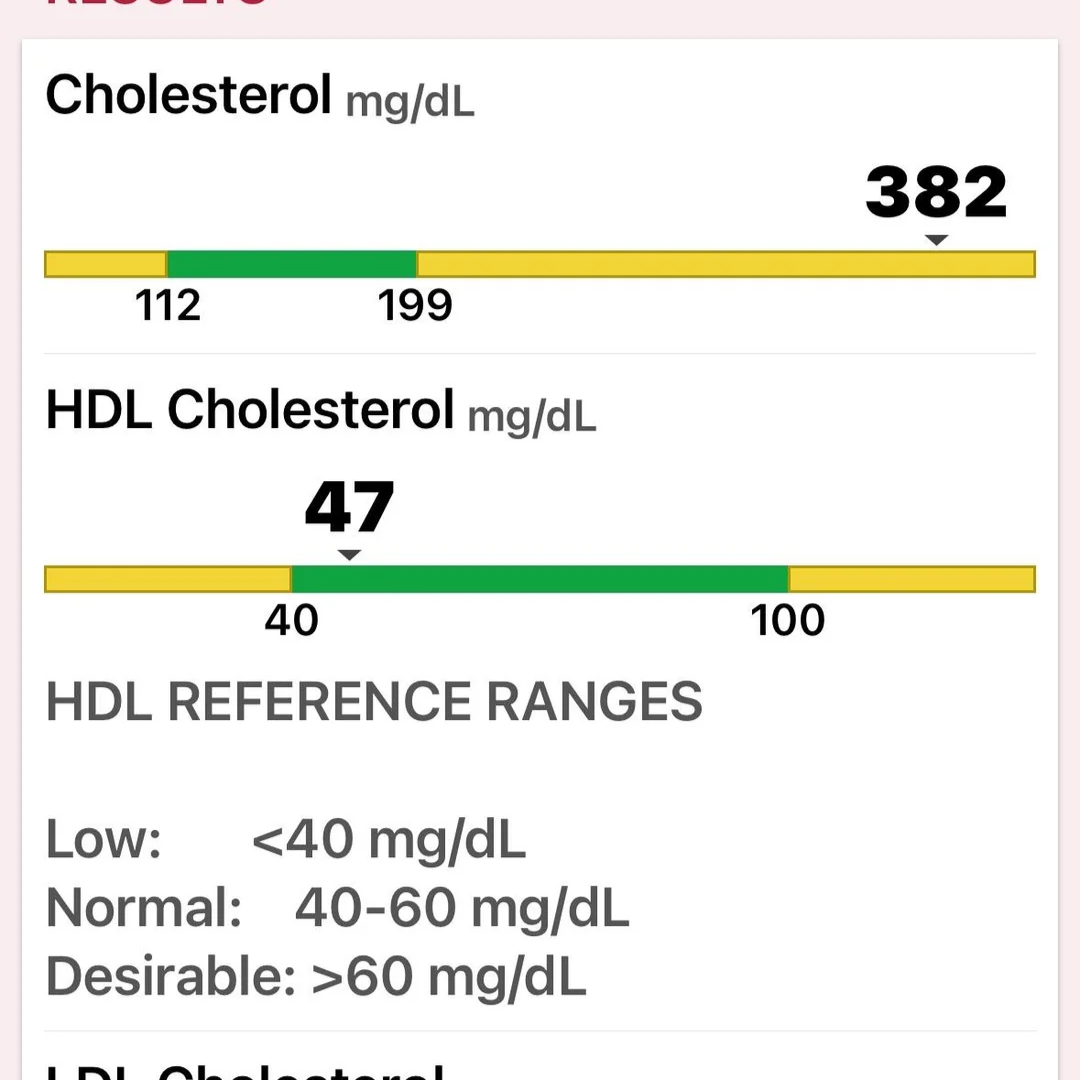
After 12 years at Ridgeline Internal Medicine, I finally stopped pretending "statin-resistant" cholesterol is just bad luck. It's not genetics for most of these patients. It's not "some people just don't respond." It's not something to simply accept and monitor. I reviewed 71 patients whose LDL wouldn't move despite doing everything right. 82 percent had the exact same hidden problem. And every single one had tried a "heart-healthy" cinnamon or supplement regimen that looked correct on paper. My name is Dr. Harriet Voss, MD. And here's what most cardiology follow-ups don't tell you about why some patients just don't respond. Until the day Mr. Alvarado sat across from me, frustrated, holding a folder of eighteen months of labs. Franklin was 61. Reasonable weight. No other disease history. On a statin for four years, doing cardiac rehab twice a week, had cut his saturated fat aggressively. But his LDL sat at 168. Month after month. Barely moving. He'd tried a cinnamon supplement his brother swore by. Tried a different one from a health food store. Spent hours reading labels. Everything came back the same. His LDL wouldn't move. That's when I ran something I'd never actually verified in twelve years of recommending cinnamon supplements to patients. I asked him to bring in the actual bottle. Cassia, not Ceylon, printed in small type on the back. And a dry capsule, nothing suspending the compounds in any kind of oil. And suddenly, a lot of frustrated follow-up visits made sense. Cinnamon research has gotten real attention over the last two decades. Patients hear about it, doctors mention it, people start taking "cinnamon" in good faith. But here's what most of that conversation leaves out. Ninety percent of what's sold as cinnamon in this country is cassia, a different species from the true Ceylon cinnamon used in the actual clinical research. Cassia barely contains the compounds that matter, and carries meaningful coumarin, which is hard on the liver at daily doses. Even when someone finds real Ceylon, the compounds that do the actual work, cinnamaldehyde and MHCP, are fat-soluble. Without an oil to carry them, they largely pass straight through the gut, unused, no matter how faithfully someone takes the capsule. I started calling it the Absorption Gap. The compound might be present on the label. It might even be real Ceylon. But if the dose or the delivery is wrong, almost none of it ever reaches the bloodstream where it could actually help. So a patient reads "true Ceylon cinnamon, 500mg," feels reassured, and takes it faithfully for months. And it does almost nothing. Not because cinnamon doesn't work. Because what they're taking was never actually going to reach their system in a usable amount. Here's what a lot of cardiology visits don't emphasize enough. Your LDL number itself isn't the full story either. Some of that cholesterol oxidizes over time, the way a cut apple browns on the counter, and oxidized LDL is what actually gets pulled into the artery wall and packs into plaque. A standard panel counts total LDL. It doesn't tell you how much of it has already oxidized. So even patients doing everything "right," diet, exercise, statin, a cinnamon supplement bought in good faith, can still be dealing with two separate problems: a supplement that was never actually reaching their bloodstream, and an oxidation process nothing they were taking was designed to address either way. After Franklin, I started asking every statin-resistant patient to bring in whatever supplements they were taking. Over eight months, I reviewed 71 patients. 58 had low or no measurable benefit from whatever cinnamon or related supplement they'd been taking. 82 percent. These weren't patients being careless. These were people reading labels, buying from what looked like reputable sources, doing exactly what health articles told them to do. It didn't matter. Across the board, patients on "cinnamon for cholesterol" regimens had some of the least LDL movement I'd seen, worse in several cases than patients doing diet and exercise changes alone. Because here's the frustrating part. Most cinnamon products on shelves are optimized for cost, not absorption. Cheaper species, minimal dose, no delivery system. You're spending real money on something marketed as heart support. But for most people taking it, it's doing almost nothing. If any of this sounds familiar, your supplement is worth double-checking: LDL that hasn't moved meaningfully in six months despite diet and medication. A cinnamon or "heart health" supplement you've been taking faithfully with no real change. A label that doesn't specify Ceylon versus cassia. A dry capsule with no oil listed as a carrier. New fatigue or breathlessness your doctor called unrelated. None of this means you're a lost cause. It usually means the product itself was never built to actually reach your bloodstream. After discovering how widespread this was, I went looking at what patients were actually buying. I checked labels on the products my own patients brought in over several months. A popular grocery-store brand: cassia, no species disclosure, 500mg per capsule. A "Ceylon" brand sold online: real species, but 500mg, well under the clinical range, and dry, no oil carrier. A heart-health blend marketed heavily on social media: proprietary blend, no individual ingredient amounts disclosed at all. A prescription-adjacent brand a cardiologist colleague had been recommending: real Ceylon, reasonable dose, but no third-party testing published anywhere I could find. Two more brought in by patients had no species listed whatsoever. I called manufacturers directly, asking for species verification, dose documentation, and Certificates of Analysis. Most didn't respond. A few sent vague reassurances with no actual documentation. I was close to telling patients to stop bothering with cinnamon altogether. Then I called Noralife. I asked for species verification. DNA testing confirming true Ceylon, Cinnamomum verum, sent the same day. I asked about dose. Concentrated 12 to 1, the equivalent of 7,200 milligrams of raw bark per softgel, matching the actual clinical research range, not a decorative 500 milligrams. I asked about delivery. Suspended in organic MCT oil, specifically so the fat-soluble compounds actually reach the bloodstream instead of passing through unused. I asked for third-party testing. A published Certificate of Analysis, every batch. They answered every single question. Nobody else had. I started recommending it to statin-resistant patients, alongside their existing medication, never instead of it. Franklin started it. One softgel with breakfast. Twelve weeks later, his LDL had come down from 168 to 131. First real movement in eighteen months. A placebo-controlled trial published in Diabetes Care found LDL dropping by up to 27 percent, total cholesterol by 26, triglycerides by 30, over forty days. A follow-up analysis in the Annals of Family Medicine reviewed ten separate trials and found the same direction across every one. I've since recommended it to other patients whose LDL had plateaued despite everything else being right. Delphine, 64, LDL stuck at 152 for over a year despite a strict diet: three months on Noralife, down to 118. Roland, 57, had tried two different cinnamon brands with zero movement: twelve weeks in, LDL down 34 points, and he told me his energy on the treadmill had noticeably improved too. Here's what I want you to do. If your LDL hasn't moved in months despite doing everything you've been told to do, check the bottle of whatever you're currently taking. Look for the species. Look for the dose. Look for an oil carrier. If it doesn't say Ceylon specifically, if the dose is nowhere near clinical range, if it's a dry capsule with nothing to carry the compounds, that's very likely the Absorption Gap, not a failure on your part. Ask your doctor: "Could my supplement not actually be reaching my bloodstream, rather than just not working for me?" Most won't have thought to check either. I hadn't, for twelve years, until Franklin brought in that bottle. Noralife. DNA-verified true Ceylon, concentrated to the clinical dose, suspended in real MCT oil. One softgel with breakfast. 👉 https://secure.trynoralife.com/noralife-chl-lis-us ~ Dr. Harriet Voss, MD, 12 years internal medicine, Ridgeline Internal Medicine P.S. If you've been taking a cinnamon supplement faithfully for months with nothing to show for it, that's not a reason to give up on the mechanism. It's usually a reason to check what's actually in the bottle. P.P.S. I don't get paid by Noralife to recommend it. I recommend it because after actually checking, species, dose, delivery, testing, they were the only company that answered everything. Noralife comes with a 60-day money-back guarantee, even on empty bags. It's a small operation, and true Ceylon only grows in Sri Lanka, so it sells out regularly. 👉 https://secure.trynoralife.com/noralife-chl-lis-us
Where the ad sends people
secure.trynoralife.com
This Is Why Cinnamon Isn’t Working For Your T2 Diabetes.
Why I Threw Out Every Other Cholesterol Supplement for These 100% True Ceylon Cinnamon Soft Gels in 2026 (And Why You Should Too)
Learn more: secure.trynoralife.com(opens in a new tab)