
Inactive· since Mar 23, 2026
- 10
- days it ran
- 0
- relaunches
Ad copy
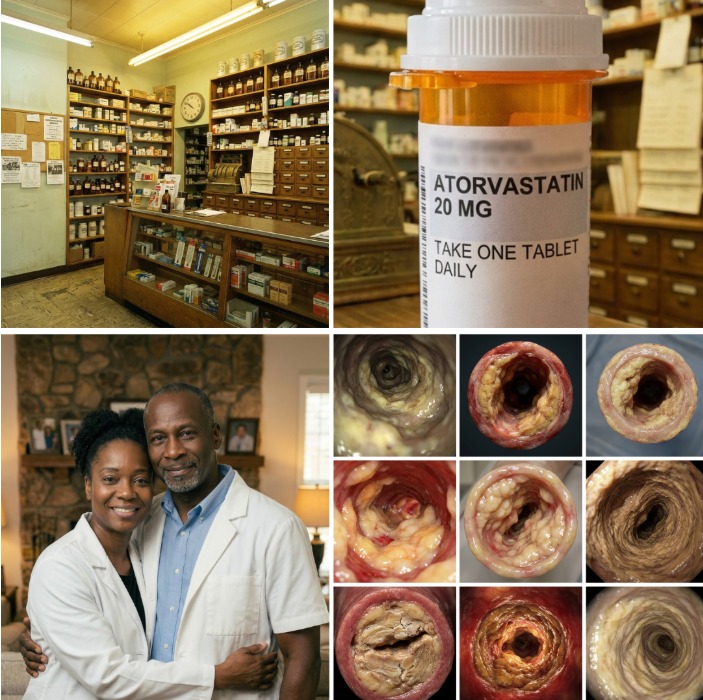
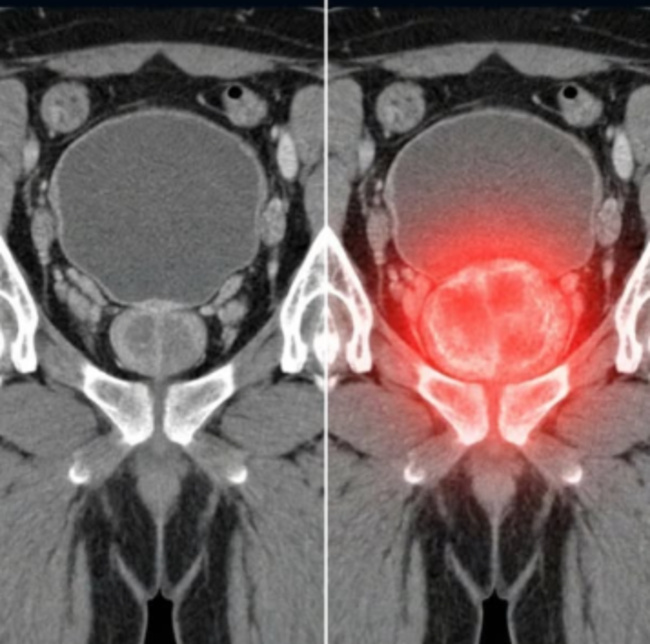
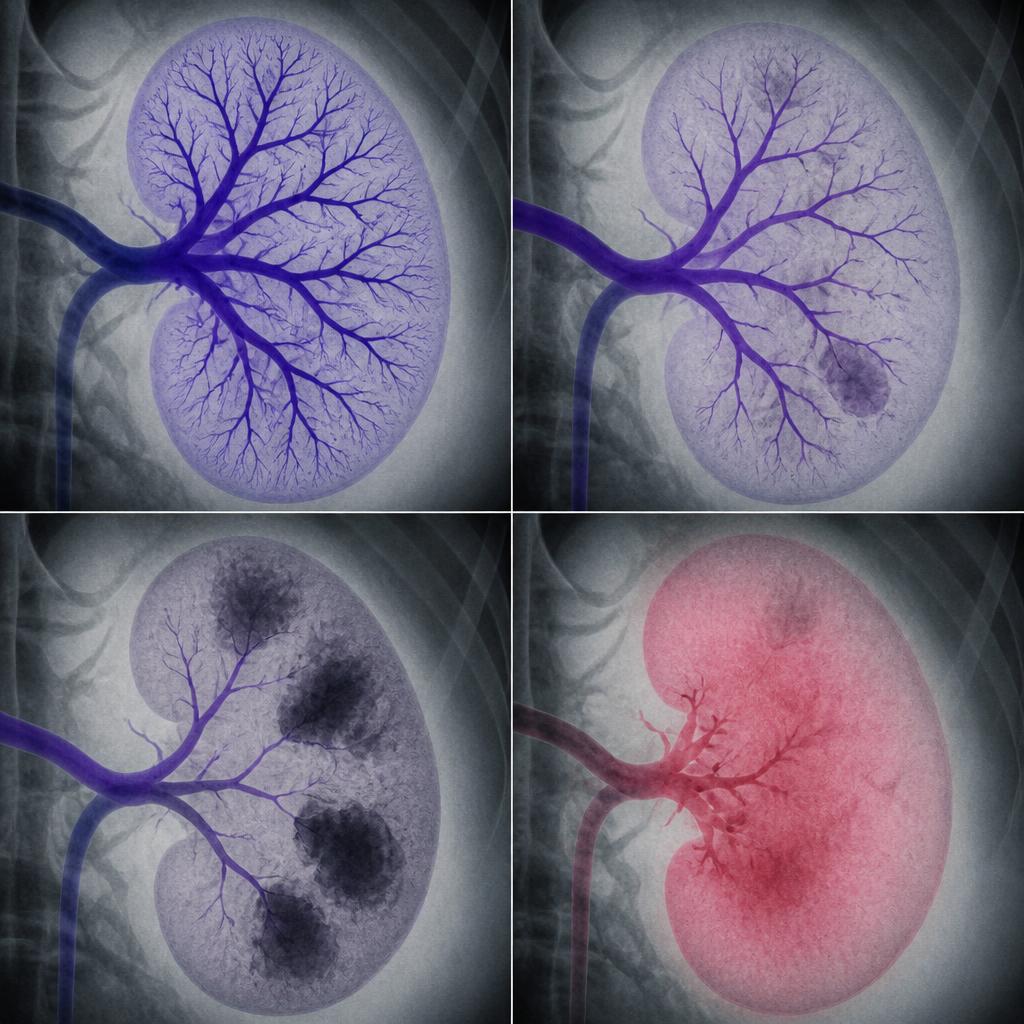
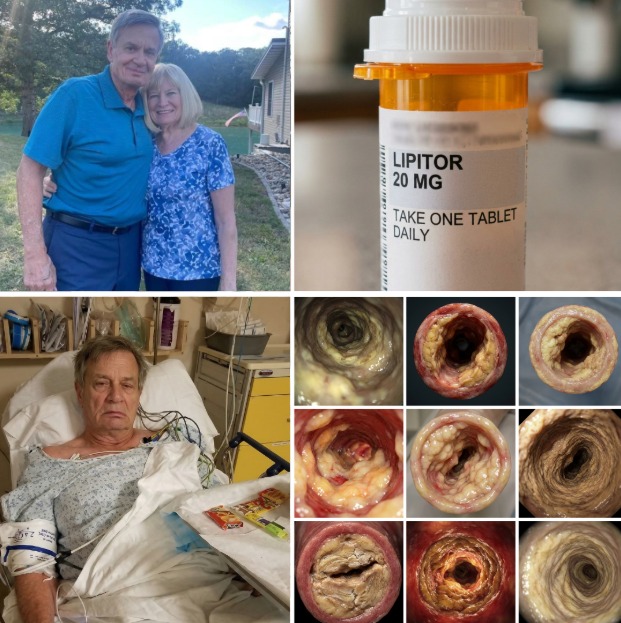
My daughter's been asking me to share this for months. I kept saying no. It's private. It's my business. She said: "Mom, if one person reads this and doesn't end up in an ER like Dad did — it's worth it." So here I am. My husband had a heart attack last March. Not the kind that kills you instantly — but enough to collapse him on the kitchen floor on a Saturday morning while I was upstairs getting dressed. I heard the sound. That's what I'll never forget. Not a crash. Not a scream. A thud. The sound of a body hitting tile without trying to catch itself. I found him face down. Hand on the counter's edge like he'd reached for it and missed. I called 911. I already knew what it was. Because in 31 years of nursing, I'd seen that posture a thousand times from the other side of the bed. The color. The breathing. The way the body goes when the heart stops doing its job. He survived. Stents. ICU for three days. Home by Thursday. But here's what made no sense — to me, to his cardiologist, to anyone who looked at his chart: His cholesterol was managed. Nine years on Lipitor. LDL of 98. Total cholesterol under 200. Never missed a dose. Never missed an appointment. Every six months, his doctor said the same thing: "Numbers look great, Frank. Keep doing what you're doing." He kept doing what he was doing. And his heart stopped in our kitchen on a Saturday morning. And as a retired nurse — 31 years in hospital systems — I genuinely thought we were doing everything right. I'm 65. Frank is 68. We're not old. We're not reckless. We trusted the system. But about two years before his heart attack, I started noticing things weren't right. His energy disappeared first. Frank was a 5:30 AM man. Up before me. Coffee on. Projects going. The kind of man who couldn't sit still. By year six on the statin, I was the one making coffee. He'd lie in bed until 7. Then 7:30. Not sleeping. Just... not getting up. Like his body wouldn't start. I thought he was getting older. That's what I told myself. He's 66. He's 67. Men slow down. Then his hands. Frank was a welder for 34 years. His hands were everything. He could hold a torch steady for eight hours. Could fit a bead into a seam you couldn't see without a mirror. Those hands built railings, gates, trailers, the iron bed frame we still sleep in. By year seven on the statin, he was dropping things. Coffee mugs slipping out of his grip. He'd hold them under hot water at the kitchen sink every morning — ten, fifteen minutes — working his fingers open one at a time. I'd watch from the doorway and he'd say "Don't worry about it, Maggie. Just stiff." "Just stiff." He said that for two years. Then his mind. He'd start a sentence and lose it halfway through. Forget phone numbers he'd known for decades. One night at dinner he looked at me and said "Maggie, did I work today?" It was 6 PM. He'd worked a full shift. I begged him to tell his doctor. He did. Doctor ran bloodwork. "LDL is 94. Outstanding numbers, Frank. Some cognitive changes are normal at your age." Normal at his age. He was 67. My sister is 71 and does the crossword in pen every morning. Sixty-seven is not the age you lose your mind. Not if something isn't taking it from you. His last year before the heart attack was the hardest. He stopped taking welding jobs. Told people he was winding down. He wasn't winding down — he was used up. He'd sit in his recliner and stare at the TV. Not watching it. Just sitting there like somebody had unplugged him. The man who built our bed frame with his own hands couldn't walk to the mailbox without gripping the porch railing with both hands. And the whole time — his numbers were GREAT. Then March 14th. A Saturday. I was upstairs. He was making coffee. And his heart stopped. At the hospital, the cardiologist went through everything. His LDL was 98. Total cholesterol 196. Nine years of Lipitor. Perfect compliance. Perfect numbers. I said: "Then how is he in this bed?" The cardiologist hesitated. Then he said something I'd never heard in 31 years of nursing. "Margaret, we found significant plaque rupture. But the blockage wasn't from high cholesterol. It was from OXIDIZED cholesterol. Frank's LDL was low — but the LDL he did have was heavily oxidized. Free radicals had been attacking his cholesterol particles for years, transforming them into a form that embeds in arterial walls and builds plaque. The statin controlled the number. It did nothing to stop the oxidation." I felt like I'd been punched. Thirty-one years of nursing. I'd watched doctors celebrate controlled LDL numbers while oxidative stress was quietly converting whatever cholesterol remained into the plaque that would eventually rupture. And I'd never once heard anyone make the distinction. Because we don't test for it. We test total LDL. We test HDL. We test triglycerides. We do NOT routinely test for oxidized LDL — the form that actually builds the plaque that actually causes the heart attack. "There's more," he said. "Statins block the mevalonate pathway to reduce cholesterol production. But that same pathway produces Coenzyme Q10 — the energy molecule every cell in the body depends on. Heart. Brain. Muscles. Statins can reduce CoQ10 by up to 40%. For nine years, the drug was draining the energy molecule his heart needed to keep beating." He let that sit. "And when cells are under that kind of oxidative stress, the body responds by producing MORE cholesterol as a defense mechanism. More cholesterol under those conditions means more gets oxidized. More oxidation means more plaque. A vicious cycle. The statin was suppressing the number while the root cause kept spinning underneath." "One more thing," he said. "Up to 75% of Americans are magnesium deficient. Magnesium is required for over 300 enzymatic processes — including cholesterol metabolism and muscle function. In nine years, nobody ever checked Frank's magnesium. The mineral his body needed to regulate cholesterol properly was potentially missing the entire time." "His cholesterol was managed. But the oxidative damage was never addressed. The CoQ10 was never replaced. The magnesium was never checked. Those things together — that's what we're looking at." Frank's hands that couldn't hold a torch. His brain that couldn't remember if he'd worked that day. His energy that vanished by year six. His body going from building bed frames to not being able to climb porch steps. Not aging. Pharmacological CoQ10 depletion. And oxidative stress that nine years of Lipitor never touched. I went home terrified. Not just for Frank — for me. Because I'd been on Atorvastatin myself for seven years. Same drug class. Same mechanism. And I'd been having the same symptoms. The fog. The fatigue. The stiff hands every morning. The tiredness that sleep didn't fix. I'd blamed aging. My doctor blamed aging. But now I knew what it actually was. My daughter came that weekend. When she walked in, she saw Frank in the recliner with his medication tray and she saw me at the kitchen table with a look on my face she'd never seen. "Mom," she said quietly. "You're not okay." I told her everything. What the cardiologist said. Oxidized cholesterol. CoQ10 depletion. The vicious cycle. The magnesium nobody checked. The fact that Frank's "perfect numbers" hid the thing that nearly killed him. And that I was on the same drug. Same class. Same pathway. Same side effects. She didn't say anything for a long time. Then she said: "I'm going to figure this out." Five days later, she called. "Mom. I need to show you something." She showed up Saturday morning with her laptop and a bottle. "Before you say anything," she said. "I know you're skeptical. I know you've been a nurse for 31 years. I know you think you've seen every scam. But just listen. Please." She showed me research papers. Not blog posts. Not wellness articles. Peer-reviewed studies — the kind I used to read in the hospital library during night shifts. "Mom, the cardiologist said Dad's plaque came from oxidized LDL. Free radicals attacking cholesterol particles and converting them into something the body treats as a threat. The statin lowered the total amount but the oxidation kept going unchecked. Right?" "Right." "And he said statins block the same pathway that makes CoQ10 — the energy molecule every cell needs. Heart. Brain. Muscles. Hands." "Right." "Nothing you've been taking addresses either problem. The fish oil works in the bloodstream — it never reaches inside the cells where the oxidation is happening. The CoQ10 supplements you bought Dad are synthetic and most of it gets destroyed in digestion. The turmeric never makes it past the stomach. Everything is working OUTSIDE the cell while the damage happens INSIDE." I opened my mouth to argue. Then closed it. Because she was right. I knew the biology. I'd just never applied it to my own medicine cabinet. "There's one molecule that can reach inside," she said. "The smallest molecule that exists. Molecular hydrogen." She pulled up a study from Nature Medicine. "It's so small it doesn't need a transporter. Doesn't need digestion. It diffuses directly through cell membranes into the mitochondria where the oxidative damage is happening. And it does something nothing else can — it selectively neutralizes only the most destructive free radicals. The hydroxyl radicals and peroxynitrite that oxidize LDL. Converts them to water. Leaves the beneficial ones alone." "When the oxidative stress drops, the body stops overproducing cholesterol as a defense mechanism. The vicious cycle breaks. Without blocking enzymes. Without depleting CoQ10." She pulled out the bottle. PrimeCell H2. Made by Amala Health. "Each tablet delivers 12 parts per million of molecular hydrogen. That's up to eight times what most products offer. And every tablet delivers 80 milligrams of bioavailable magnesium — the mineral the cardiologist said nobody checked for nine years. Both problems. One tablet. One glass of water." She looked at me. And I saw something in her face I hadn't seen since she was a little girl. Fear. Not fear of the supplement. Fear of losing us. "Mom, Dad almost died with perfect numbers. You're on the same drug. You have the same symptoms. I can't sit two hours away wondering if tonight's the night I get that phone call again. Please." I'm a retired nurse. I know every miracle cure scam in existence. I've watched supplement reps try to get their bottles into hospital gift shops. I've thrown away more pamphlets than most people have read. But my daughter wasn't selling me something. She was trying to save us. So I said yes. That night I went through every study she'd sent. Over 2,000 peer-reviewed publications on molecular hydrogen. More than 80 clinical trials. Research out of Japan going back decades. A 24-week randomized controlled trial showing it reduced total cholesterol by 18.5 milligrams per deciliter and improved the cholesterol-to-HDL ratio by over 7%. And I kept thinking the same thing over and over: Why didn't I know this? I worked in hospitals for 31 years. I watched thousands of patients come through on statins with "excellent numbers" who ended up in the cardiac unit anyway. Why did no one ever test for oxidized LDL? Why did no one ever address the oxidation that was converting their "managed" cholesterol into the plaque that put them in my ward? Because we're still treating cholesterol the way we treated it in 1985. Statin for the LDL number. That's it. One drug managing one number on a chart while oxidative stress converts whatever cholesterol remains into the plaque that ruptures into the heart attack that brings them back to the hospital we just discharged them from. You can't fix oxidative stress by walking more. You can't fix it with fish oil that never reaches inside the cell. You can't fix it with turmeric that gets destroyed in your stomach. You need something that can get INSIDE the cell. At the mitochondrial level. Where the free radicals are oxidizing the cholesterol that builds the plaque that stops the heart. And there is only one molecule small enough to get there. I talked to Frank's cardiologist about adding it alongside his recovery protocol. He said the research was promising and he saw no contraindication with Frank's current medications. I started myself that same night. One tablet each. One glass of water. Frank felt it first. Day four — he got out of the recliner before noon. Walked to the kitchen without the shuffle. Poured his own coffee for the first time since the hospital. His grip was steady. I watched him from the doorway and I thought about every morning for the last two years I'd watched him fight with his own hands at the kitchen sink. They weren't fighting anymore. Week two — the brain fog started clearing. He told me a story about a job he'd done fifteen years ago — the customer's name, the type of weld, the problem with the joint. Details. The kind that had been disappearing from his stories for years. I sat across the table and listened and didn't say a word because I didn't want to break whatever was happening. Week three — I heard a sound from the garage I hadn't heard in over a year. Not welding — not yet. But he was out there. Organizing. Cleaning the bench. Picking up tools and holding them. Reacquainting. The way you visit a room you used to live in. Week four — I slept through the night. No checking on Frank at 2 AM. No pressing my hand to his chest to feel it rise. For the first time since March 14th, I went to bed and woke up and the world was still the same. My husband was still breathing. Within two months, we both felt like different people. I ran my own bloodwork at twelve weeks. Tapered off Atorvastatin with my doctor's reluctant agreement. Fully off for the last four weeks. My results: Total cholesterol: 198. On Atorvastatin it had been 207. LOWER without the drug. LDL: 116. On Atorvastatin it had been 109. Slightly higher but well within range — without a single pharmaceutical molecule suppressing it. HDL: 58. On Atorvastatin it had been 41. Seventeen-point increase. The protective cholesterol — the one that actually removes oxidized LDL from artery walls. The one seven years of Atorvastatin never moved a single point. Seventeen points. In twelve weeks. Triglycerides: 121. Down from 188. Frank's numbers at his cardiac follow-up: Total cholesterol: 194. On Lipitor it had been 196. Stable — without the drug. LDL: 104. On Lipitor his best had been 94. Higher, but within healthy range. And without CoQ10 being drained from his heart muscle. HDL: 59. On Lipitor it had been 36. Twenty-three-point increase. His cardiologist circled that number twice. Triglycerides: 118. Down from 201. His cardiologist studied the results for a long time. "Whatever you're doing," he said. "Keep doing it." First time in nine years a doctor said that about something other than a statin. I went home and called my daughter. "It's working." She was quiet. Then she said: "I know, Mom. I can hear it in your voice." That's why I'm sharing this. Because if your husband is on a statin — Atorvastatin, Lipitor, Crestor, any of them — and his energy is fading, his hands are stiff, his brain is foggy, and his doctor keeps saying "your numbers look great" — the numbers might not be the whole story. They weren't Frank's whole story. They weren't mine. If you've been watching someone you love slow down, sit more, do less, and accept it as "just getting older" — maybe it's not aging. Maybe it's the drug. Maybe it's CoQ10 being drained from every muscle and organ while a number on a chart looks excellent. If you're on a statin yourself and something in you knows this isn't right — that the aches shouldn't be this bad, the tiredness shouldn't be this deep, the fog shouldn't be this thick — trust that feeling. I'm a retired nurse. I trusted the system for 31 years. My husband trusted the system for nine. He ended up on our kitchen floor on a Saturday morning with an LDL of 98. He got a second chance. Not everyone does. Before you go looking for a hydrogen supplement, I need to warn you. Most of the ones on Amazon are not going to help you. I know because after Frank's heart attack, I researched every single one. Molecular hydrogen's therapeutic benefit depends on CONCENTRATION. Most products deliver 1 to 3 parts per million. That's like trying to put out a house fire with a garden hose. Clinical research uses concentrations of 8 PPM and above. Below that, you're swallowing a fizzy tablet and getting almost nothing therapeutic. And the magnesium matters. 75% of Americans are deficient. Magnesium is required for over 300 enzymatic processes — including cholesterol metabolism, muscle function, and nerve signaling. Most hydrogen tablets ignore the magnesium entirely or use a form your body can barely absorb. I've been a nurse for 31 years. I know what real therapeutic dosing looks like. I've calculated drip rates and drug concentrations for critically ill patients. I know the difference between a dose that works and a dose that looks good on a label. PrimeCell H2 delivers 12 parts per million of molecular hydrogen — up to eight times what most products offer. Plus 80 milligrams of bioavailable elemental magnesium per tablet. Therapeutic concentration. Real mineral support. One tablet. One glass of water. That's why it works. And that's why the cheap ones don't. I also sent a bottle to my sister. She's 70. On Crestor for six years. Stiff hands. Constant fatigue. Doctor says her numbers look great. Three weeks later she called me crying. "Margaret, I didn't realize how bad I felt until I started feeling good again." That's what long-term statin use does. It creeps up so slowly you forget what normal feels like. You adjust to the fog. Adjust to the stiffness. Adjust to the fatigue. Adjust to watching your husband sit in a recliner by 3 PM like someone unplugged him. You think it's aging. It's not. It's a drug draining CoQ10 from every cell while oxidative stress converts your "managed" cholesterol into the plaque your doctor never tests for. PrimeCell sells out constantly. Last month, a former colleague of mine — a woman I worked with for 15 years — tried to order it after I told her about Frank's results. It was sold out. Two weeks later it came back in stock. But by then her husband had been admitted for a cardiac event. LDL of 102. Eleven years on Atorvastatin. Perfect numbers. She called me from the hospital and said: "I should have ordered it the first time you told me." I don't want that to be you. If you're reading this and it's in stock — get it. Don't think "I'll do it later." Because here's the thing about heart attacks: You don't get a warning. One minute he's making coffee. The next minute he's on the floor and you're calling 911 and your voice is shaking the way it's never shaken before. Frank got a second chance. Not everyone does. PrimeCell H2 comes with a 90-day money-back guarantee. If his numbers don't improve — if the fog doesn't lift, the energy doesn't return, the hands don't loosen — you get every penny back. But I'm confident you will. Because Frank felt it. I felt it. My sister felt it. My colleague's husband is taking it now from his hospital bed. https://shop.getamalahealth.com/pch/ch/sp P.S. — Frank is back in the garage. Not every day. Not the way he was at 55. But last Saturday he rewelded the gate hinge that had been broken for two years. Came inside with burn marks on his gloves and a look on his face I hadn't seen since before the Lipitor — the look of a man whose hands just did what they were made to do. I stood in the kitchen and watched him wash up at the sink. The same sink where he used to run hot water over locked-up fingers for fifteen minutes every morning. He washed his hands in thirty seconds. Dried them. Poured coffee. Didn't think twice about it. I thought twice about it. I thought about it for the rest of the day. I also started telling people. Not selling — telling. The way a nurse gives a discharge instruction. Clear. Specific. Here's what it is. Here's what it does. Here's why. My neighbor Carol — her husband's been on Crestor for eleven years, can barely get out of his recliner by 4 PM — started three weeks ago. She texted me last Tuesday: "Ed mowed the lawn without stopping. I cried in the kitchen." Three words I've heard more than any others since I started sharing this: "I didn't realize." I didn't realize how bad he'd gotten. I didn't realize how much I'd adjusted. I didn't realize there was something else. Now you realize. What you do with it is up to you. P.P.S. — Here's my nurse challenge to you: drop one tablet in a glass of water. Wait 90 seconds. Drink it. Set a timer for 20 minutes. If you don't feel something shift — a warmth in your hands, a clarity behind your eyes, like someone cleaned a window you forgot was dirty — then maybe this isn't for you. But if you feel it — and almost everyone I've told about this feels it — that's not placebo. That's the smallest molecule in existence crossing your blood-brain barrier for the first time in your life. Something your statin has never done and never will. Something fish oil can't do because the molecules are too large. Something every supplement in your cabinet can't do because none of them reach where the damage is actually happening. I've been a nurse for 31 years. I've administered thousands of medications. I've watched drugs work and I've watched drugs fail and I know the difference. This works. The mechanism is real. The data is real. And the 20-minute warmth in your hands is something I felt on day one and have felt every morning since. P.P.P.S. — PrimeCell has a 90-day money-back guarantee. If his numbers don't improve, every penny back. No questions asked. In 31 years of nursing, I never once saw a pharmaceutical company offer to refund a patient's money when their drug failed. Frank's Lipitor came with a lifetime commitment, guaranteed CoQ10 depletion, and a doctor who read one number on a chart while the man attached to it fell apart. PrimeCell comes with a guarantee. The drug never did. The supplements in your cabinet don't. One tablet in a glass of water, backed by more clinical research than half the prescriptions in your medicine cabinet, with a promise that if it doesn't work, you lose nothing. Compare that to what he's taking right now. P.P.P.P.S. — PrimeCell is a small company. They sell out. I learned this the hard way — I tried to reorder our second bottle and had to wait 9 days. I keep two bottles in the house now. One for Frank. One for me. Because after what I learned about oxidative stress, I wasn't about to keep taking Atorvastatin and hope for the best. Not after what I saw on that kitchen floor. If your husband's next blood draw is in 30 to 60 days and you want him to walk into that appointment with real numbers instead of the same "everything looks great" he's been hearing while his body tells a different story — check if they have stock now. Not next week. Now. Every day on the statin is another day of CoQ10 depletion. Every day without addressing the oxidation is another day the vicious cycle spins. Frank was on Lipitor for nine years. He ended up on our kitchen floor with an LDL of 98. Don't wait for your husband's Saturday morning. P.P.P.P.P.S. — Do not forget about their 90-day money-back guarantee. https://shop.getamalahealth.com/pch/ch/sp
Fix Yourself at the Cellular Level
High Cholesterol, Statin Side Effects, Numbers That Won't Budge? PrimeCell H2 Targets The Oxidative Damage Medications Can't Touch.
LEARN MORELike this ad? Make it yours.
Crush rebuilds this exact creative around your product — your brand, your colors, your offer — in about a minute.