
Active· since Jun 12, 2026
- 98
- days running
- 0
- relaunches
Ad copy
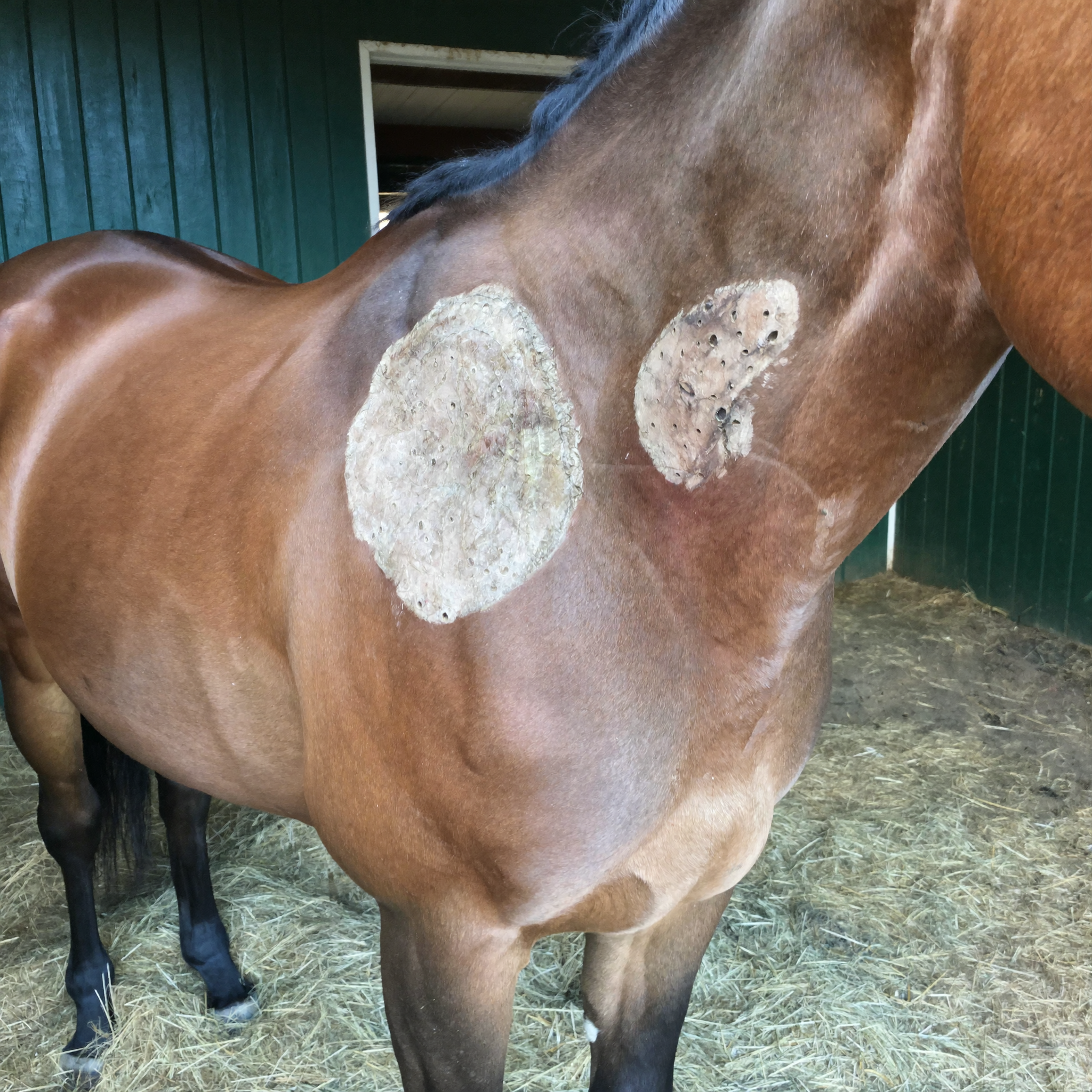
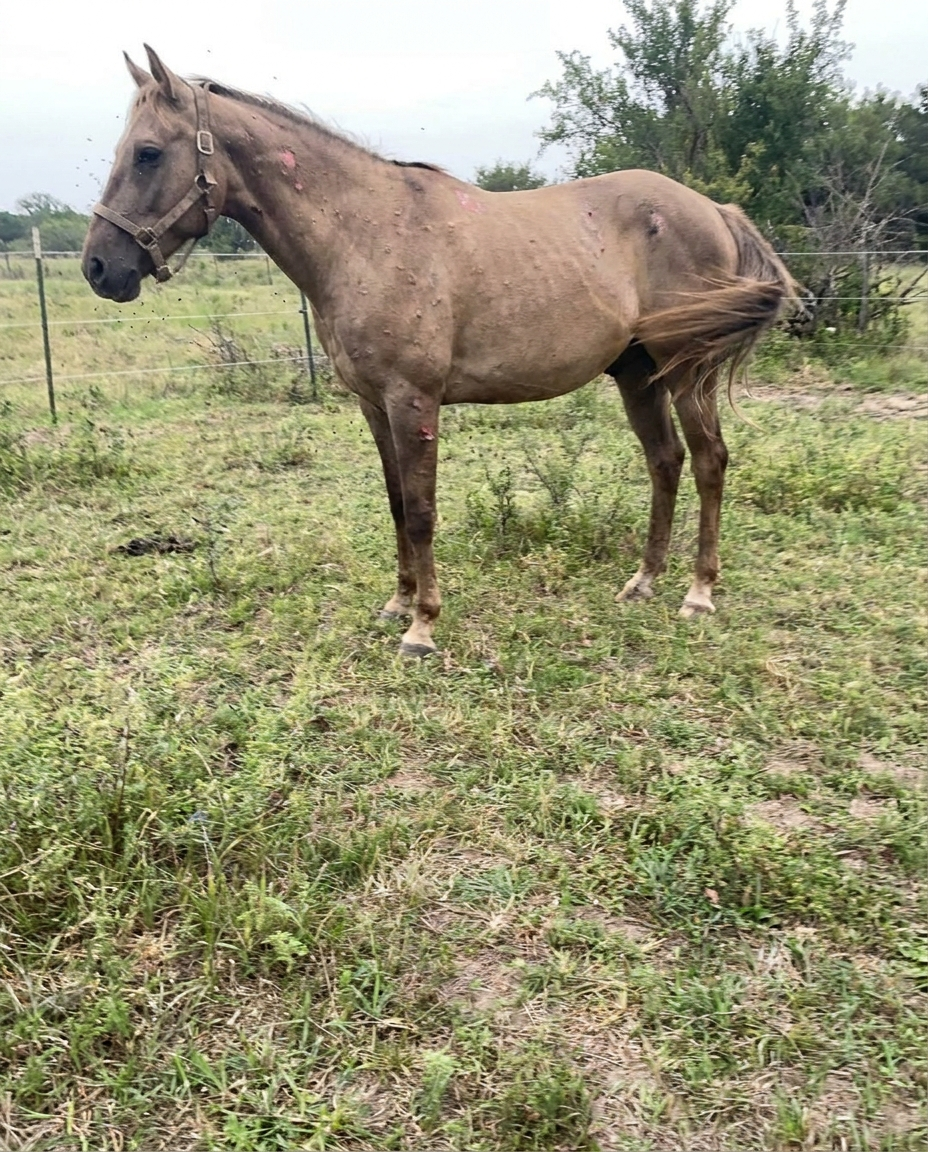
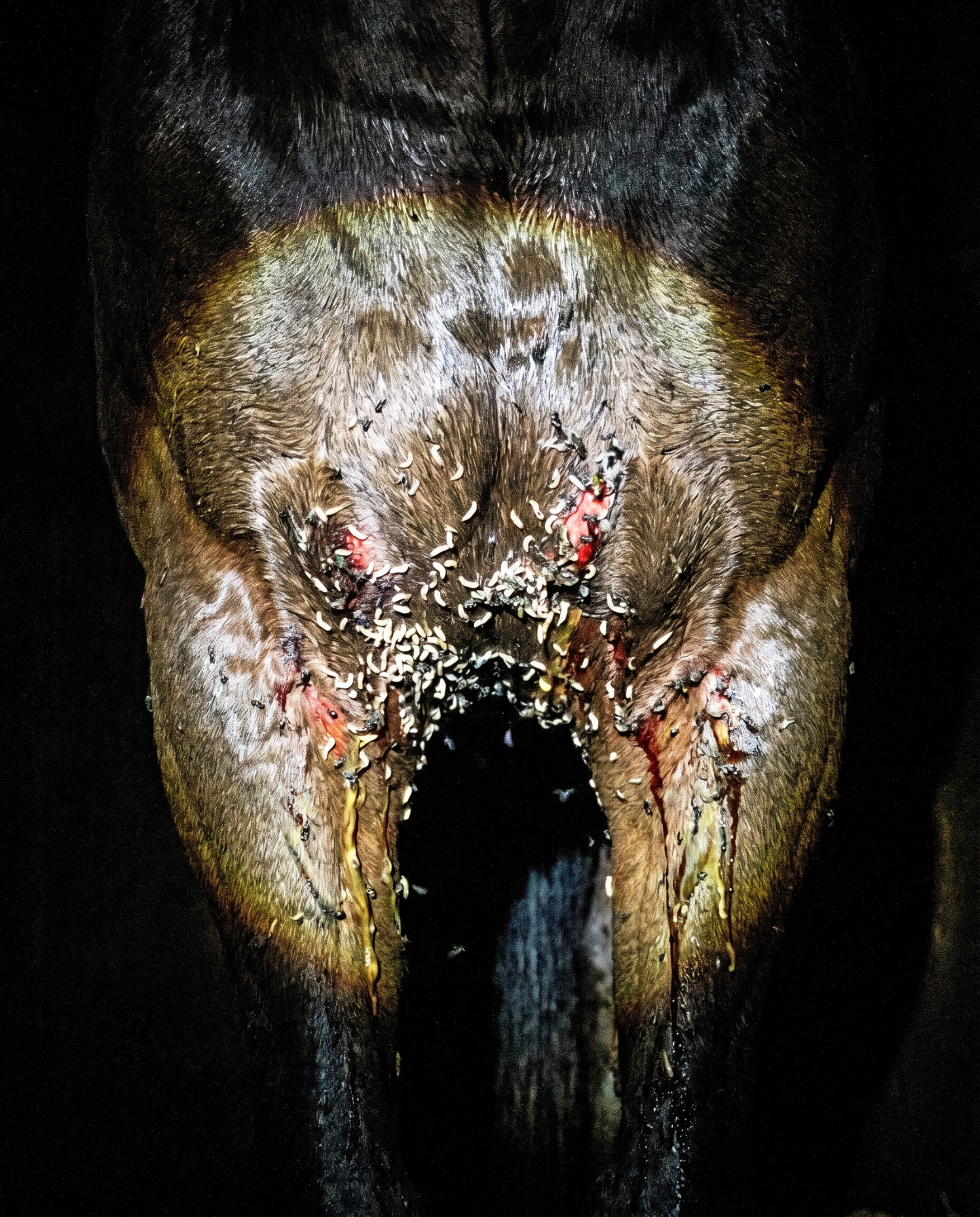
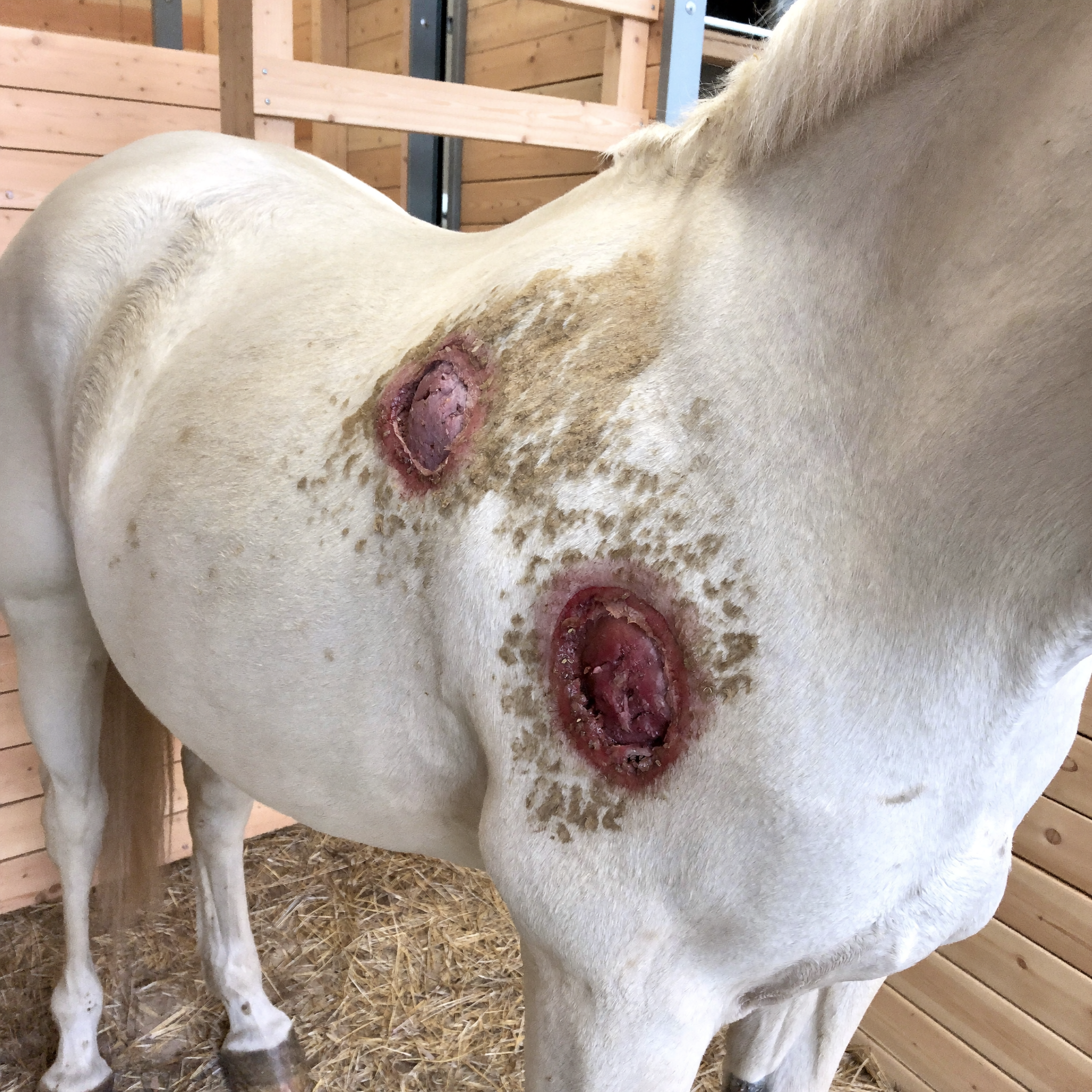
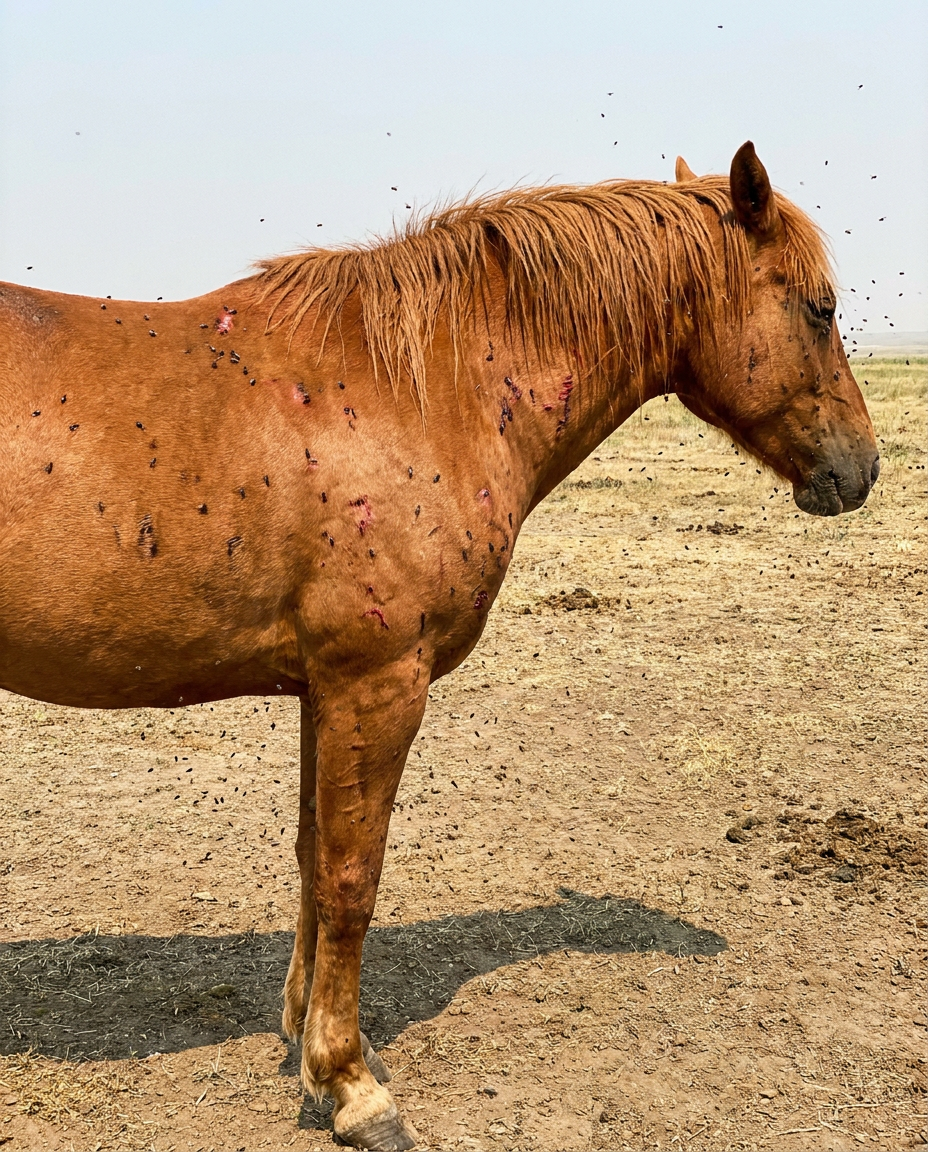
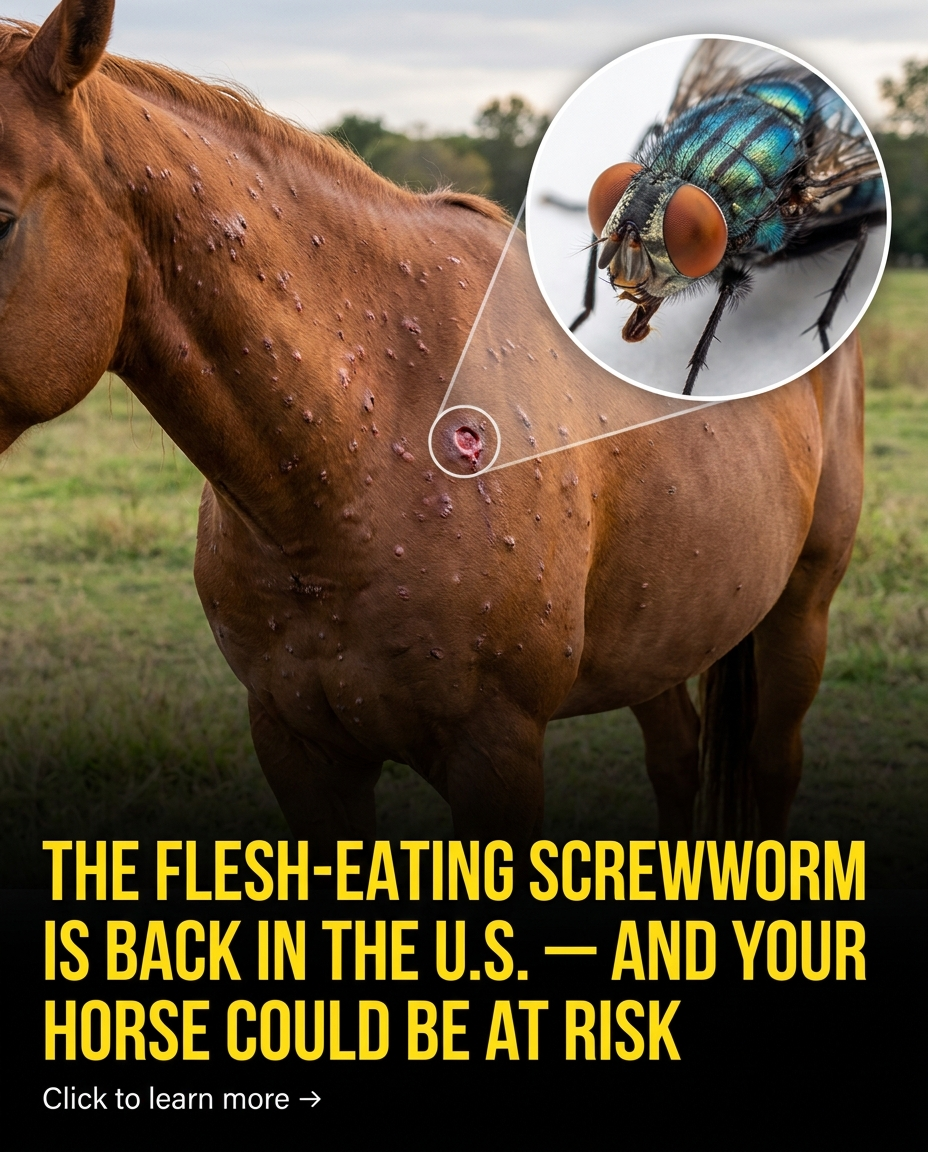
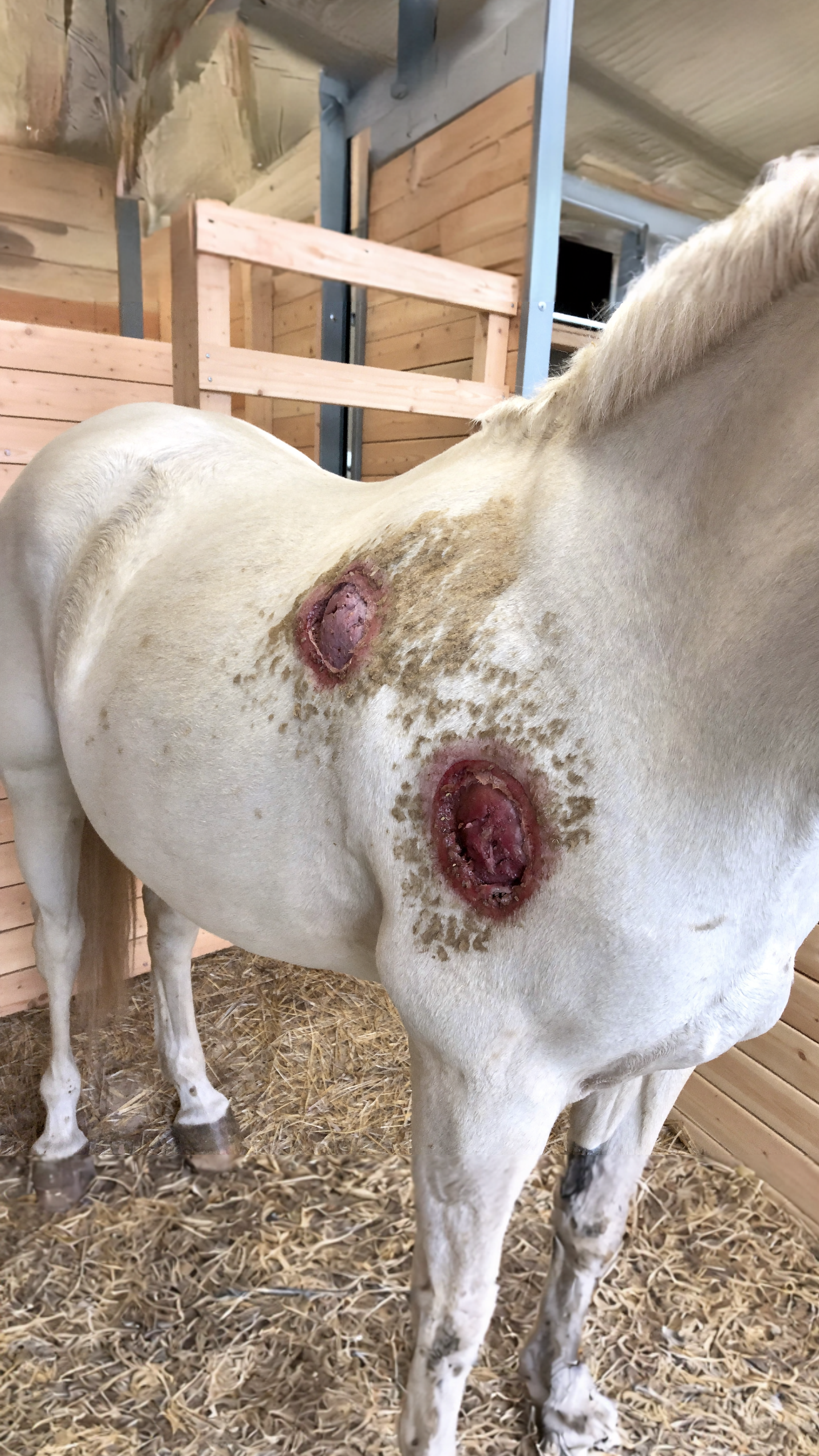
My gelding used to be covered in welts from head to toe — because every fly spray I tried failed me. Then I figured out why. And now he's pain-free. If you've got a horse like mine, you already know the first half of this story. You've stood at the fence watching him stomp and swish and rub himself raw. You've sprayed him down twice a day, every day, and it hasn't mattered. You've spent the money. You've tried the brands the feed store recommends and the ones your barn friends swear by. And the welts keep coming anyway. I spent four summers there. By the third, Jed's belly looked like someone had taken a wire brush to it, and the insides of his ears would scab over if his mask slipped overnight. Every morning I walked out bracing for the next welt, and every morning I found one. I'm not going to spend long on that part — because if you're reading this, you've already lived it. What I want to tell you about is the part I didn't understand for four years: why none of it worked. Here's everything I tried. Pyranha yellow and blue. Endure. Tri-Tec. Ultrashield Sport and Green. The expensive imported one. Swat on the open patches. Antihistamines by the fistful. Fly sheets, fly masks, fly boots. Cider vinegar in the trough. A spot-on that gave him hives worse than the bites. Two vet visits that ended with some horses are just more sensitive — keep up the fly control, try a stronger spray. I tried the stronger spray. It worked for two hours. And one night, at my kitchen table at midnight, I finally figured out the thing the feed store never told me: every single one of those products failed for the same two reasons. The first reason is that they've all stopped working — and not because you're using them wrong. Every chemical fly spray on the shelf is built on the same pyrethroid chemistry. A University of Florida entomologist named Jerry Butler put it on the record: that chemistry lasted three days on a horse in the 1980s, and lasts about two hours today. The flies have spent forty years evolving resistance to it. So instead of reformulating, the manufacturers raised the prices, added "booster" ingredients, and kept selling you the same bottle. You haven't been failing. You've been buying a tool that quietly stopped working before you ever picked it up. The second reason is bigger, and it's the one that changed everything for me. Every product I'd ever used — every spray, every spot-on, every wipe — is designed to do the exact same thing: kill or repel the fly after she's already landed on your horse. But by then it's too late. She's already there. She's already biting. And not one of those products does a single thing about what's pulling her in to begin with. Because here's what I learned next. Flies don't find your horse by accident. He's broadcasting a signal — a scent plume his skin gives off, carbon dioxide and lactic acid and octenol — that drifts out on the wind for miles. The fly locks onto it through the receptors on her antennae and follows it straight to your paddock. And every bite inflames his skin and pushes that signal out louder, pulling in more flies. It's a loop. And every product you've been handed was built to fight the flies at the very end of that loop — after they've already found him — instead of cutting the signal that brings them. That's when it finally hit me. Every product on that shelf is built to harm the fly. Kill her. Burn her off. Poison her. And you cannot out-poison an enemy that's spent forty years evolving past your poison. It's an arms race, and the fly always wins it eventually — that's the whole reason your spray works for two hours instead of three days. So what if you stopped trying to harm the fly at all? What if, instead of fighting an enemy that always adapts, you just made your horse impossible to find? That's the entire idea behind what I switched to. It's called Renoura, and it's built on four aromatic plant oils — citronella, peppermint, tea tree, and lavender — that don't try to kill anything. They bind to the receptors on the fly's antennae and shut down her ability to smell your horse. The scent plume keeps going out. She just can't read it anymore. She drifts toward your paddock, can't find him, and drifts somewhere else. Not killed. Not repelled. Just unable to find him. And here's the part I love most, as someone who wasted four summers in that arms race. A fly can evolve resistance to a chemical that's trying to kill her. She cannot evolve a way to find a horse she can't smell. There's nothing to out-adapt. You're simply not in the fight anymore — because your horse has disappeared from it. I ordered a bottle that night. It came on a Thursday, and I sprayed Jed down Friday morning before turnout. By the following Tuesday — six days — there were no new welts on his belly. By the second week the old ones were scabbing and healing instead of being torn open every afternoon. By week four there was hair growing back on his crest where he'd rubbed it raw. By week eight he stood quiet under the oak at three in the afternoon — not stomping, not swishing, just standing. He's pain-free now. For the first time in four summers, the horse I'd spent a fortune failing to protect is just... comfortable. If you've already tried everything on the shelf — if you've got the half-empty bottles to prove it — I'm not going to tell you to try one more spray that works the same way they all do. I'm going to tell you the reason none of them worked, and what finally did. The link's below if you want to see it.
Like this ad? Make it yours.
Crush rebuilds this exact creative around your product — your brand, your colors, your offer — in about a minute.