Cristina Smith
 Facebook ad: “Read this if you blank on words”
Ran for 87 days, from August 13 to November 8, 2026, the last day Crush saw it.
Run by Cristina Smith on Facebook. Crush is not the advertiser and does not verify its claims. See this ad in Meta's Ad Library(opens in a new tab)
Make your own version of this ad
Crush makes it, launches it in your own Meta ad account, scales the winners and pauses the losers.
About this ad
- Meta Ad Library ID
- 901107233070245
- Platforms
- Facebook, Instagram, Audience Network, Messenger and Threads
- Relaunches
- 0
Ad text
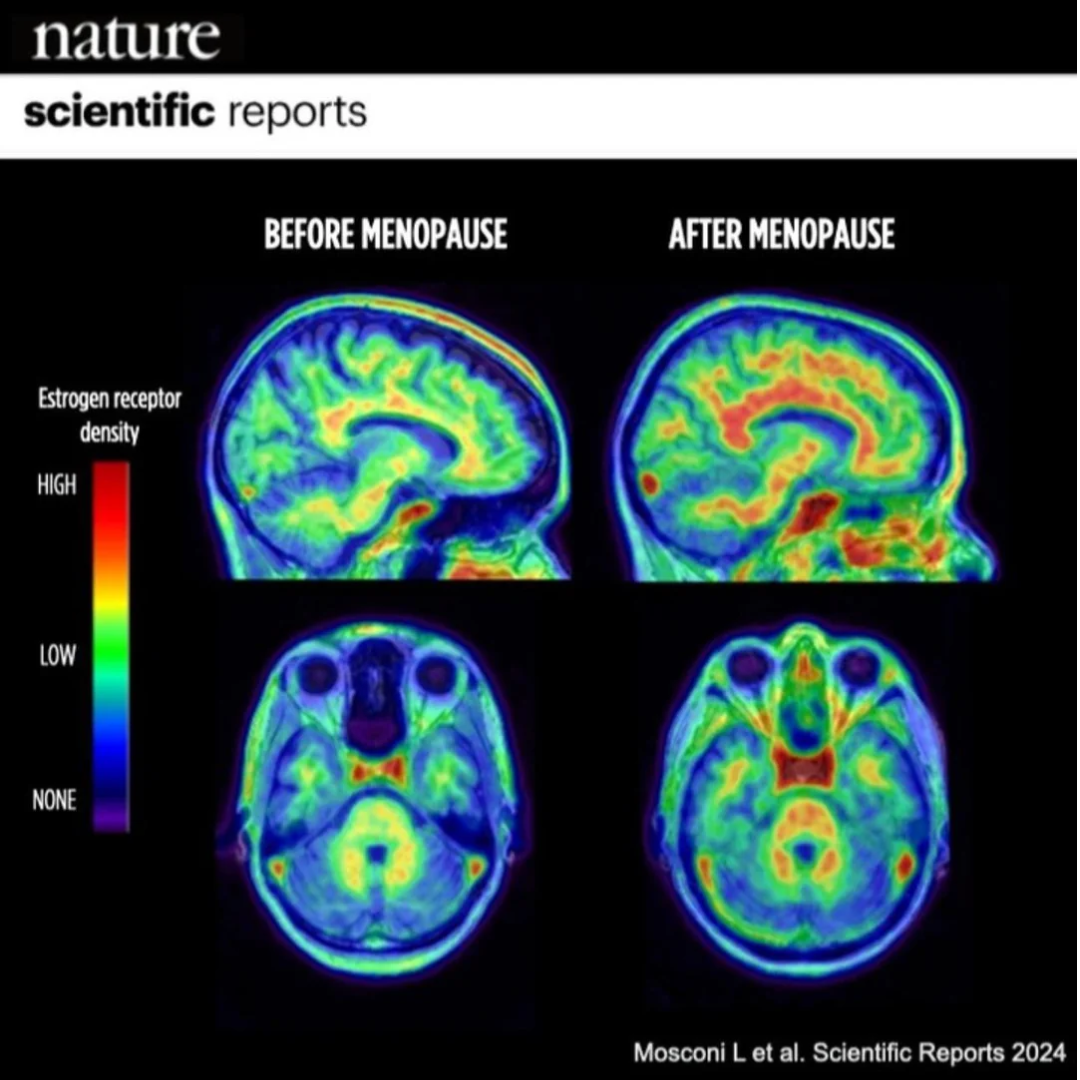
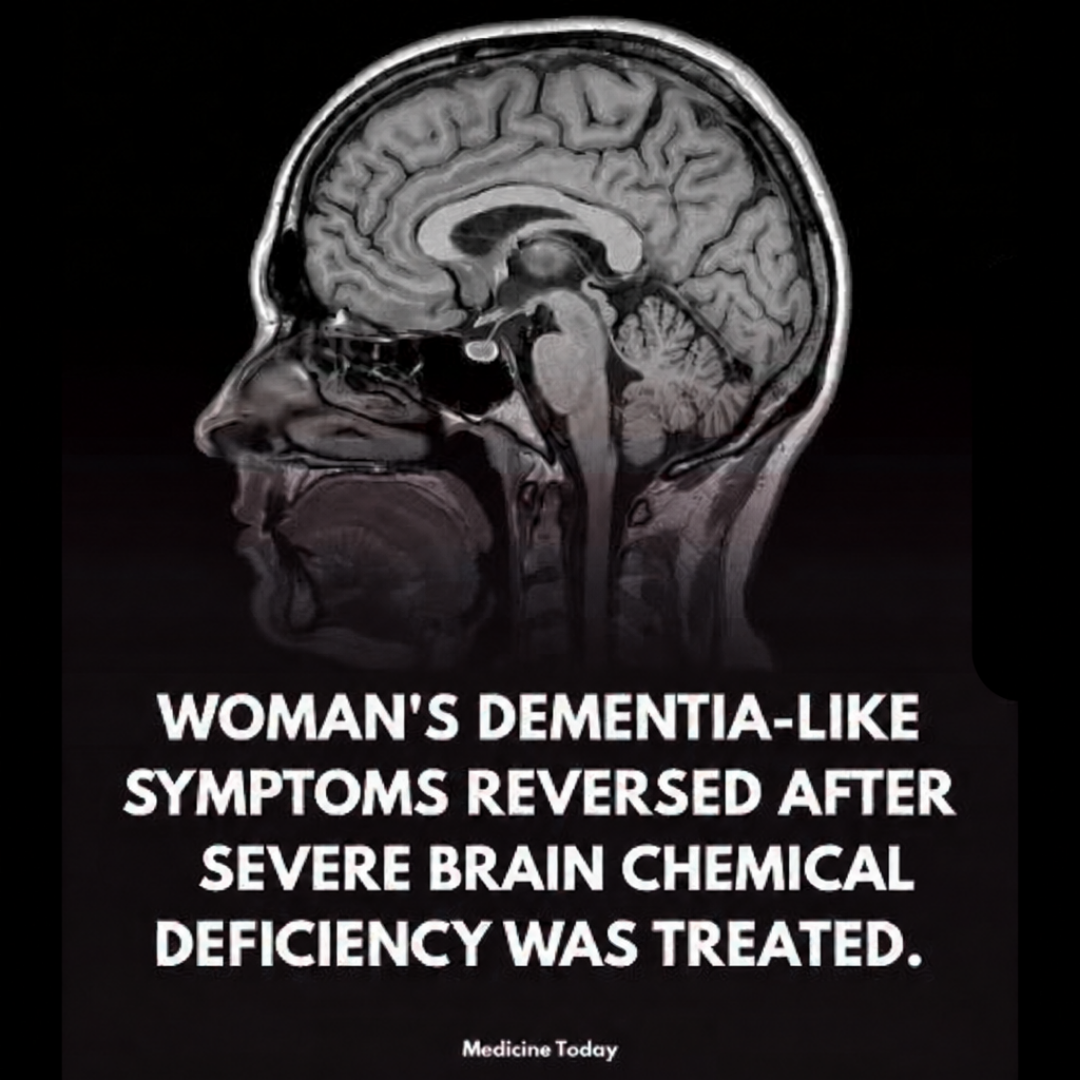
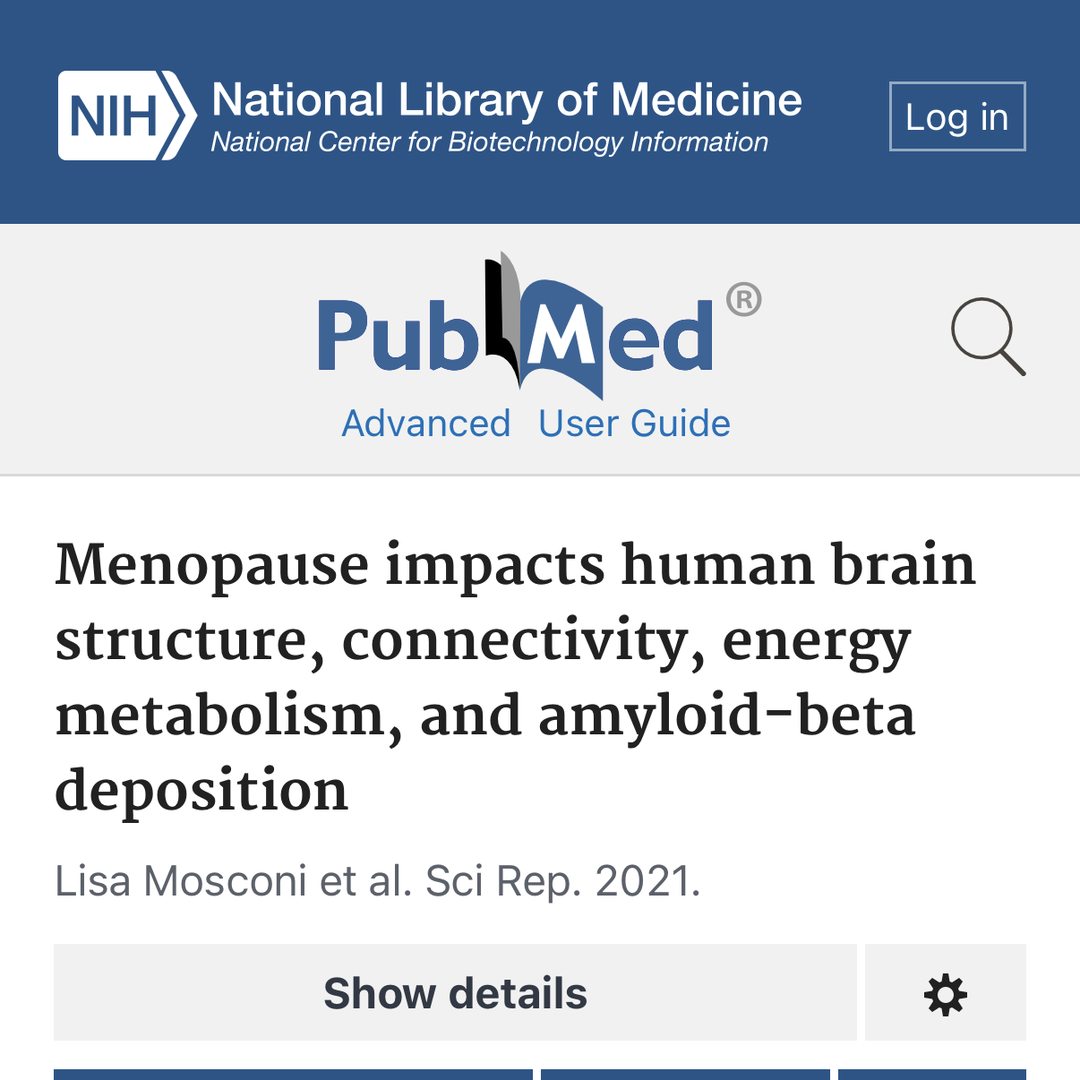
My OBGYN said HRT would fix the brain fog. Three months later, I forgot the word "budget" in a presentation I've given a hundred times. "Budget." A word I've used ten thousand times in a twenty-year career. Gone. I could feel the room waiting. Twelve people. My slides up on the screen. My mouth open and nothing coming out. I said "the money plan" and kept going. Nobody laughed. Nobody said anything. Which was worse. Because that meant they noticed. And they were being polite about it. That was April. By June, I was keeping a secret notes document on my phone. Names I should know. Project deadlines I'd confirmed the day before. Client details I used to carry effortlessly. I started writing down my manager's name before meetings. My manager. A woman I've worked under for six years. Because the week before, her name just vanished. Mid-sentence. I was looking directly at her and her name was gone. I laughed it off. Said I needed more coffee. She laughed too. But I saw her face. I re-read every email three times before sending it. Not for typos. Because I didn't trust the sentences to make sense anymore. One morning in September, I pulled into the parking lot at work and sat there. Engine off. Hands on the wheel. And I couldn't remember if I'd already been inside that day. Five minutes I sat there. Trying to figure out if I was arriving or if I'd left something in my car and come back out. I was 47. I was on HRT. I was doing everything right. And my brain was doing a ctrl-alt-del in a parking lot at 8am on a Tuesday. That's when my boss called me into his office. I knew before I sat down. "I need to talk to you about your performance." Twenty years. Not one flag. Not one review below exceeds expectations. Twenty years of being the person they pulled into the room when something was hard. "You're not where you need to be. The processing speed, the follow-through, I need you back to where you were." He slid a document across the desk. Performance improvement plan. Documented. Official. First one in my career. I signed it. Thanked him. Walked out with my face perfectly still. Made it to my car. And then I fell apart. The kind of crying where you can't breathe. Where your whole body shakes. Where you grip the steering wheel just to feel something solid because everything else is dissolving. I whispered it out loud, alone in my car with mascara running down my face: "I don't feel like the person I used to be." I'm on HRT. My estrogen is stable. The hot flashes are gone. The night sweats stopped. But the one symptom that's actually destroying my life, the one that's taking my career, my confidence, my identity, HRT isn't touching it. That night, at 2am, I Googled "early onset dementia symptoms." I didn't wait for my OBGYN to figure it out. She'd already told me to give it time. Time gave me a performance improvement plan. So I started trying everything. Creatine, 5 grams every morning, bloating within two weeks, fog unchanged. Lion's Mane tincture for six weeks, maybe something, maybe nothing, impossible to tell. A nootropic blend from Amazon that had my heart racing by noon but didn't clear a single thought. Magnesium and ashwagandha for a month, slept better, felt calmer, brain still empty. My kitchen counter looked like a pharmacy. Seven bottles. A powder tub. A daily pill organizer I had to fill every Sunday night. And I still couldn't remember the word "budget." I almost gave up. Maybe the woman I used to be was gone and I needed to accept that. Then my friend Sarah called. I hadn't told anyone the full truth. Not my husband. Not my sister. But that night, I told Sarah everything. The performance plan. The blanks. The parking lot. The 2am dementia searches. She didn't try to fix it. She just said: "You need to see Dr. Fitzharris. She's a menopause specialist." Another specialist. Another copay. Another woman in a white coat telling me to give it time. "She went through menopause herself," Sarah said. "She actually gets it." I booked an appointment. Waited six weeks to get in. When I walked into her office, I was ready to be dismissed again. Dr. Fitzharris didn't interrupt. Didn't glance at the clock. Didn't tell me it was stress. She listened to the whole story. Twenty minutes. When I finished, she leaned forward. "Your estrogen is stable. But you're still cognitively struggling." "Yes." "That's because HRT did one thing. And it did it well. But there's something it didn't do." She picked up a pen and started writing on the exam table paper. "Estrogen isn't just a hormone. It's the delivery system for three specific brain chemicals. The chemicals you need to retrieve words, stay calm under pressure, and think clearly on demand." "During perimenopause, estrogen doesn't just drop, it swings. Wildly. Up and down, sometimes multiple times a day, for years. And when it swings, those deliveries stop. Your brain runs out of the chemicals it depends on to function." "There are three that matter most." She wrote the first one. "Acetylcholine. The chemical that carries words from your memory to your mouth. When your brain runs out of it, the word is still in there. The signal that retrieves it goes dead." I thought about standing in front of twelve people. The word "budget." Not forgotten. Unreachable. She wrote the second. "GABA. The chemical that keeps your nervous system calm under pressure. When it's depleted, your brain floods with stress chemicals instead. You freeze. You lock up. You can't think." I thought about sitting across from my boss. My mind going completely blank when I needed it most. She wrote the third. "Dopamine. The chemical that gives you mental energy and drive. When it's depleted, everything feels harder than it should. You're not lazy. You're not burned out. Your brain is running without fuel." I thought about re-reading every email three times. The secret notes. The parking lot. She put the pen down. "Think of estrogen as a delivery truck. For years, it delivered these three chemicals to your brain reliably. Every day. Perimenopause broke the truck down. By the time you started HRT, the deliveries had been failing for months, maybe years. The tank was empty." She looked at me. "HRT fixed the truck. But it didn't refill what was already gone. Your brain has been running on an empty tank this entire time." My eyes burned. "You're not crazy," she said. "Your brain is starving. And HRT didn't feed it." I wiped my eyes. "So what do I do?" She pulled the exam paper toward her and wrote three compound names. "Citicoline for the acetylcholine. L-Theanine for the GABA. N-Acetyl L-Tyrosine for the dopamine. The research goes back over two decades. Start with these. Research them yourself." She tore off the sheet and handed it to me. Three words on a piece of exam table paper. I went home that night and for the first time in months, I didn't feel like I was losing my mind. I felt like I finally understood what was happening to it. And suddenly every supplement I'd tried made sense. Creatine gave my cells a general energy boost, but it didn't supply the three specific chemicals my brain was missing. Like putting gas in a car with a dead battery. Lion's Mane repaired the wiring between brain cells, but if the chemicals aren't traveling on those wires, repaired connections don't help. The nootropic blend flooded me with adrenaline, the last thing you need when stress chemicals are already wrecking your memory center. Ashwagandha calmed my stress response. But my brain was still running on empty underneath the calm. None of them were wrong. But none of them were enough. The three chemicals were gone. And nothing I'd taken had put them back. So I researched the three compounds. Found clinical trials. Found Dr. Lisa Mosconi's work at Weill Cornell showing perimenopausal women can experience up to a 30% drop in brain energy efficiency, specifically in the regions governing memory and cognition. Two decades of published science. Real trials. Real outcomes. All pointing at the same problem. The research was real. So I started looking for a formula that had all three at clinical doses. And that’s where I hit a wall. Citicoline supplements, just citicoline. Nothing else. L-Theanine bundled with melatonin in a sleep formula. Tyrosine in a pre-workout designed for men half my age. "Brain health" blends on Amazon with one or two of the three, buried at trace doses, padded with filler. Menopause supplements built for hot flashes and "hormonal balance." Black cohosh. Pink labels. Soft language about "finding your calm." Not one designed for a woman on HRT whose estrogen is stable and whose brain is still breaking down. I closed my laptop. Went to bed. And for the first time, I didn't feel desperate. I felt something worse. I felt done. Maybe the woman I used to be was gone and I needed to accept that. I didn't research anything for almost two weeks. Went to work. Managed around the fog the way I'd been managing. Stopped fighting it. Then one evening I saw a post in a private Slack community for women in senior leadership. A woman, VP of product at a tech company, my age, had written about her own brain fog journey. HRT since her mid-forties. The titration from .025 to .075. The same supplement graveyard. The same terror of losing her edge. And at the end, she mentioned a formula she'd found. Not a menopause supplement. Not a "hormone balance" blend. A cognitive performance formula built for women on HRT who were still losing ground. She called it Brain Bloom. I almost scrolled past. I'd been burned too many times. But she didn't sound like she was selling anything. She sounded like me. And she said something I couldn't stop thinking about: "I’ve tried it all for brain fog and this is the only thing that helped. I even stopped keeping backup notes for my own meetings.” I clicked through to their website and started reading the supplement facts panel the way I read everything now, like a forensic auditor. Citicoline at 250mg. The clinical dose. The fuel for word retrieval. The first compound Dr. Fitzharris wrote on that exam paper. L-Theanine at 100mg. The compound that restores GABA. The reason I froze in my boss's office. N-Acetyl L-Tyrosine at 175mg. The raw material for dopamine. The reason every task felt like pushing through wet cement. All three. Together. At clinical doses. In one formula. But then I kept reading. Lion's Mane at 500mg, the clinical dose, not the 200mg in the tincture I'd wasted six weeks on. For rebuilding damaged connections between brain cells. Phosphatidylserine for the stress loop, the cycle where every public blank triggers a cortisol surge that damages the brain region responsible for preventing the next one. Maritime Pine Bark for brain inflammation. Rhodiola for the stress system running on overdrive since perimenopause started. B-vitamins to actually convert the raw materials into functional brain chemicals. This wasn't a brain blend. This wasn't another menopause supplement with ashwagandha and a pink label. This was the complete picture. The three fuels. The pathway repair. The stress loop interrupted. One formula. Clinical doses. The thing nobody had assembled already existed. They had a 90-day guarantee. After everything I'd already spent on supplements that didn't work, what was one more try with zero risk? I ordered it that night. I took the first dose on a Monday morning. Out of obligation. Not belief. The first few days, something felt different. Quiet. Like the static in my head had turned down a notch. I wasn't sure if it was real. I didn't want to jinx it. By the end of the first week, I got through a full team meeting without losing my thread. Didn't open the secret notes document once. Week three, a client called with a problem. Six months ago, I would have asked to call them back. This time, I handled it on the spot. Found the right words. Made the case. Didn't fumble. A colleague even pulled me aside after. "You were really on it today." Week six. My boss called me into his office. Same office. Same chair. "Your recent work has been excellent. Whatever you're doing, keep it up." I walked out. Made it to the bathroom. Locked the door. And cried. Not the broken, gasping crying from the car. The kind where you're so relieved you can't hold it in. At my twelve-week follow-up, Dr. Fitzharris ran the cognitive assessment again. Word recall. Processing speed. Same tests from my first visit. When she finished scoring, she looked up. "The improvement from your first assessment is not subtle. Whatever you're doing, keep doing it." She wrote down the name. But the moment I keep coming back to happened a few days later. I was driving to work. And I caught myself humming. Just humming along to the radio. Not rehearsing what I was going to say in my first meeting. Not scanning for the next blank. Not bracing. The low hum of dread that had been sitting in my chest every morning for over a year was just... gone. Not empty-gone the way the fog made things quiet. Calm-gone. The kind of quiet that means everything is running and you don't have to monitor it anymore. I felt like myself. That was three months ago. I was right where you might be now. On HRT. Estrogen stable. Hot flashes gone. And still blanking in meetings. Still keeping secret notes. Still whispering to yourself at night that you don't feel like the person you used to be. Here's what I wish someone had told me a year ago: HRT did its job. It stabilized the delivery system. But the fuel was already gone before it started. And every week the tank stays empty, the damage doesn't pause. It compounds. The connections between your brain cells degrade a little more. The inflammation settles a little deeper. And every time you blank in a meeting, every time you freeze when someone puts you on the spot, your stress response fires and damages the exact region of your brain responsible for preventing the next blank. It's a loop. And it runs every day you don't interrupt it. I know because I waited. I spent almost two weeks doing nothing after I finally understood what was happening, sitting in the fog, managing around it, telling myself I'd deal with it later. The loop didn't wait with me. It ran the whole time. I don't know if Brain Bloom will work for you the way it worked for me. Every brain is different. But it's the only formula I found that addresses the complete picture, the three chemicals that ran out, the pathway damage that built up while they were gone, and the stress loop making everything worse, in one bottle, at clinical doses. It doesn't replace HRT. It completes it. They have a 90-day guarantee. Ninety days. That's enough time to know. And after everything I'd already spent on supplements that didn't work, 90 days of zero risk felt like the easiest decision I'd made in a year. I put the link below. If you're on HRT and still losing ground, if you're still forgetting words you've used a thousand times, still freezing when it matters most, still wondering if this is just who you are now, you deserve to know that HRT was never the complete answer. It fixed the truck. It didn't refill the tank. Brain Bloom did that for me.
Where the ad sends people
getavellon.com
Read this if you blank on words ☝️
You didn't lose your drive. You didn't lose your edge. You just lost your brain — and you know it. The words that used to come easily. The focus that kept you sharp in every room. The version of you that fired on all cylinders. She's still in there. Brain Bloom is a daily cognitive support supplem...
See details: getavellon.com(opens in a new tab)