
Active· since Apr 5, 2026
- 162
- days running
- 0
- relaunches
Ad copy
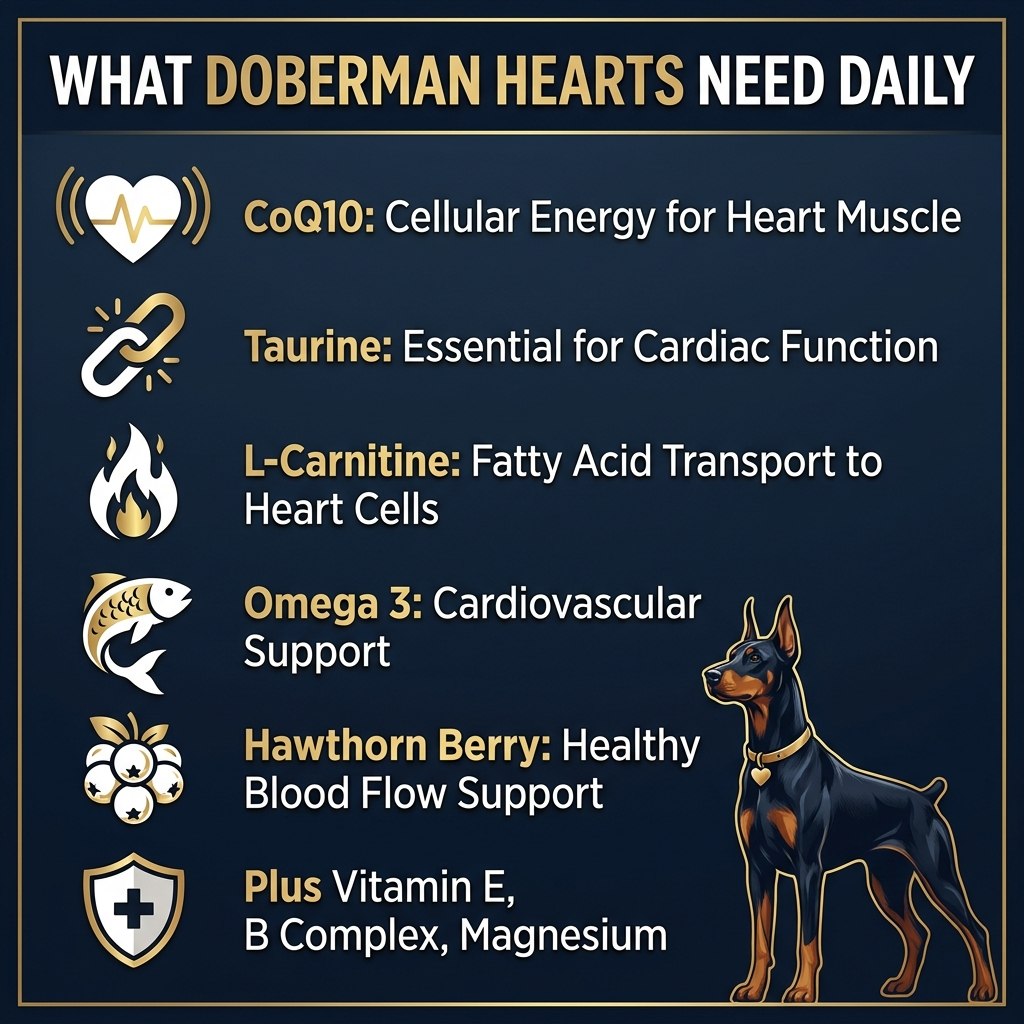
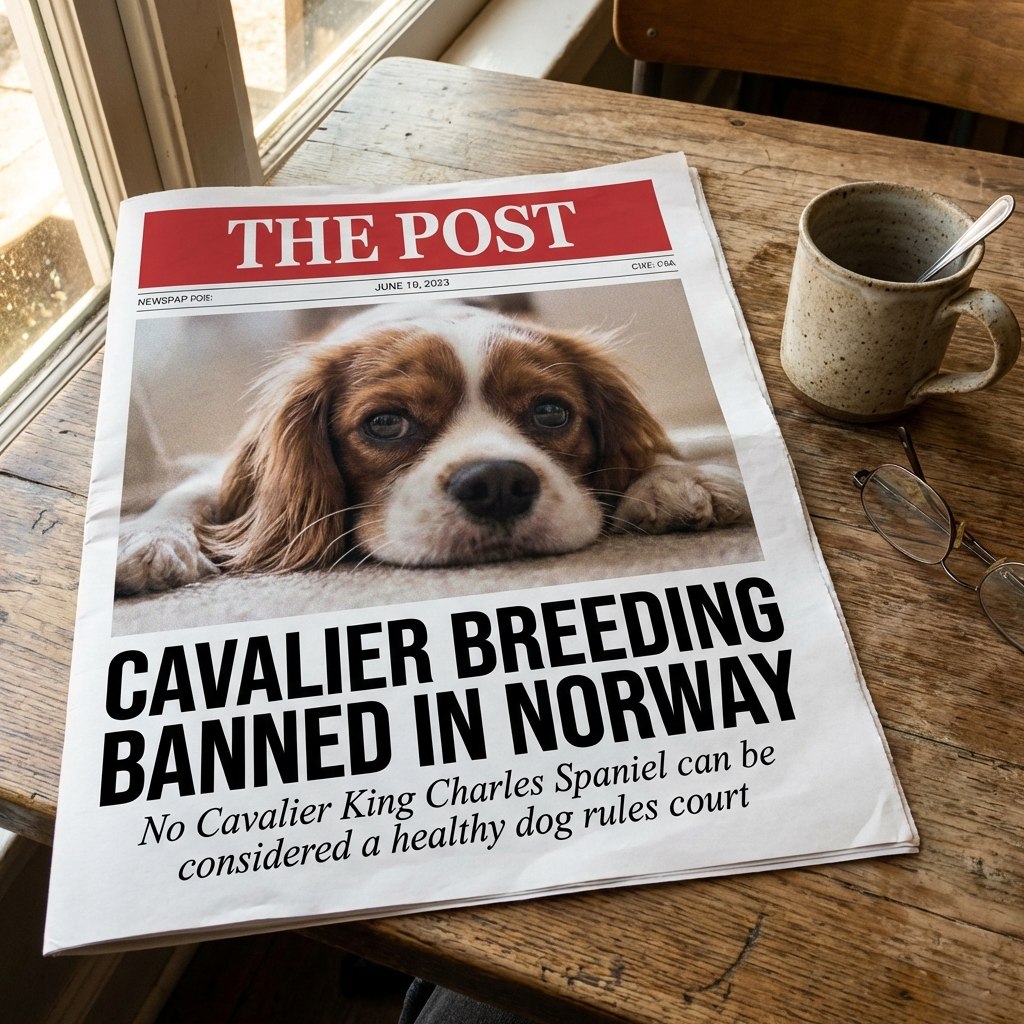
In 2022, a court in Norway made it illegal to breed Cavaliers. Not restricted. Not regulated. Illegal. The court ruled that no CKCS can be considered a healthy dog. If you own a Cavalier, stay with me. I need to explain why that ruling happened, what it means for your dog, and what you can do about it that your vet has probably never mentioned. My name is Dr. James Calloway. I'm a board-certified veterinary cardiologist in Raleigh, North Carolina. I've been practicing for 19 years. I don't treat broken legs. I don't spay puppies. I study one thing: why dog hearts fail. If you own a Cavalier, your dog's breed is the reason my specialty stays busy. When I look at my appointment list on Monday morning, I already know what I'm going to see. Cavaliers. Always Cavaliers. Some weeks, 40% of my caseload. One breed. Over 90% of Cavalier King Charles Spaniels develop a condition called mitral valve disease by age 10. That is not a risk factor. That is a schedule. The reason is genetics. Every Cavalier alive today descends from just six foundation dogs. Six. That narrow gene pool gave them the personality you fell in love with. The head tilt. The way they curl into your lap like they were built for it. It also gave them a heart valve made of genetically weaker collagen than virtually any other breed. What That Means In Your Dog's Chest Right Now Your Cavalier's heart has a valve called the mitral valve. Every heartbeat, it opens and closes to keep blood flowing in one direction. In Cavaliers, the collagen holding that valve together starts to degrade. The leaflets thicken. They stop closing tightly. Blood begins leaking backward with every beat. The heart works harder to compensate. It gets bigger. The bigger it gets, the more the valve stretches. The worse the leak gets. It is a cycle that accelerates. And it is happening in your Cavalier right now. Whether your dog is 2 or 8. Whether your vet has heard a murmur or not. Research shows nearly 100% of Cavaliers are affected by this issue by age 10. Not at risk. Affected. Every single one. Why Your Vet Is Not Talking About This This is where I need to be honest with you. Your regular vet is probably not talking to you about this. Not because they don't care. But because the way veterinary medicine is structured, there is no standard protocol for early valve support. There is a protocol for monitoring. And monitoring begins AFTER the damage is already detectable. Your vet places a stethoscope on your Cavalier's chest. If they don't hear a murmur, they tell you: "She sounds great." You drive home relieved. But a stethoscope cannot hear early-stage valve degeneration. By the time a murmur is loud enough to detect, the valve has often been deteriorating for months or years. The stethoscope doesn't catch the beginning. It catches the middle. So there is a gap. Between "she sounds great" and the first murmur. A gap where your Cavalier's valve is silently degenerating and nobody is doing anything about it. The Real Cost The current system is not built to reward early action. Stage B1, early murmur, monitoring only: 85 to 60 per year. Stage B2, heart enlarging, medications begin: ,700 to ,500 per year. Stage C, active heart failure: ,000 to ,000 per year. Every year. Until the end. And those are just the bills. Nobody talks about what those stages actually cost you as a person. The 2 AM panic when you hear coughing from the other room. The constant checking. Is she breathing too fast? Is she eating less? The vet visits where you sit in the parking lot afterward trying to hold it together. The feeling of watching your best friend get worse and not being able to do anything except manage it. That is the real cost. Your time. Your peace of mind. Your sleep. The weight of waiting for something bad to happen to someone you love. It is torture. And it starts the moment you hear the word "murmur." I'm not saying this to frighten you. I'm saying this because I want you to understand why starting before that moment matters. What Changed Since 2014 Because 10 years ago, there was genuinely nothing to tell you. In 2014, the ACVIM updated their staging guidelines. That was the last major protocol change most general practice vets learned. Detect murmur, stage it, monitor, medicate when the heart enlarges, manage heart failure when it comes. That protocol saves lives. But it is reactive. It waits for damage, then responds. Since 2014, we've learned things in cardiology that haven't filtered down to general practice yet. A GP vet updates cardiac knowledge every 3 to 5 years. A cardiologist updates it every week. We now know that valve degeneration begins years before a stethoscope can detect it. And we know that specific nutrients can support the valve tissue during that gap. CoQ10 in the ubiquinol form. Not ubiquinone, which most products use and which has 70 to 80% lower absorption. Ubiquinol supports energy production in the cardiac cells working harder every day to compensate for a weakening valve. Omega-3 fatty acids. Hawthorn berry extract. D-Ribose. Magnesium. This is what the current MVD research points to. Not random ingredients from Amazon search results. Most Heart Products Are For The Wrong Condition And this is where I need to warn you. Most heart products for dogs contain taurine and L-carnitine as their main ingredients. Every Facebook group recommendation. Every Amazon bestseller. Taurine and L-carnitine support DCM. Dilated cardiomyopathy. A disease where the heart muscle weakens and stretches. Your Cavalier does not get DCM. Your Cavalier gets MVD. Different structure. Different mechanism. Different nutritional needs. CavalierHealth.org specifically writes that most commercial heart products contain "unnecessary ingredients, such as taurine and L-carnitine in sizeable quantities, and way too little quantities of CoQ10 and no D-Ribose." Too much of what doesn't help. Too little of what does. Rosie Let me tell you about a Blenheim named Rosie. Rosie's owner Diane brought her to me at age 6. No symptoms. Happy, active, stealing socks off the bedroom floor. Diane read about the Norway ban, got scared, called her vet. Her vet said Rosie sounded fine. Diane booked a cardiologist anyway. I ran an echo. Rosie had early valve thickening. Not enough to produce a murmur. But visible on the echo. I put Rosie on the healthy heart support chews I now recommend for every Cavalier at this stage. One chew per day. Rosie's 12-month echo showed stable valve structure. No progression. At 18 months: still stable. I cannot promise you a miracle. MVD is genetic. Nothing stops it completely. These are nutritional support chews, not a replacement for veterinary care or prescribed medications. But I have treated thousands of Cavaliers. And this is the one thing I reliably see help delay progression and give owners their peace of mind back. Not lying awake at night. Not Googling symptoms at 1 AM. Not dreading the next vet visit. Just one chew per day and the knowledge that you are doing something instead of waiting. No matter what stage your Cavalier is at right now, whether you have never heard the word murmur or whether you are already managing one, this is what I recommend to every single owner who walks into my practice. Norway banned this breed because the genetics cannot be fixed. The six foundation dogs. The narrow gene pool. The weak valve collagen. That is baked in. But what you do between now and the first murmur is not baked in. That part is up to you. Whether your Cavalier has a murmur or not, her valve needs support. That is just the breed. One chew. Every day. Starting now. weston-animal.co/products/h-chews P.S. Your vet saying "she sounds fine" means they didn't hear a murmur today. It does not mean the valve is healthy. A stethoscope catches the middle of the story. You do not need a test to start supporting the valve. Over 90% of Cavaliers develop mitral valve disease. The breed is the diagnosis. One chew per day: weston-animal.co/products/h-chews P.P.S. I know what you're about to do. You're about to open Amazon and search "heart supplement for Cavalier." You will find 50 products. Most will list taurine and L-carnitine as their main ingredients. Those are for DCM, a completely different heart condition than what your Cavalier gets. Your Cavalier needs CoQ10 in ubiquinol form, omega-3, hawthorn, D-Ribose, and magnesium. Not taurine. Not L-carnitine. One chew. The right ingredients made for Cavalier lovers by Cavalier lovers: weston-animal.co/products/h-chews Lets keep this amazing breed going strong together.
Like this ad? Make it yours.
Crush rebuilds this exact creative around your product — your brand, your colors, your offer — in about a minute.