Kelly's Menopause Blog
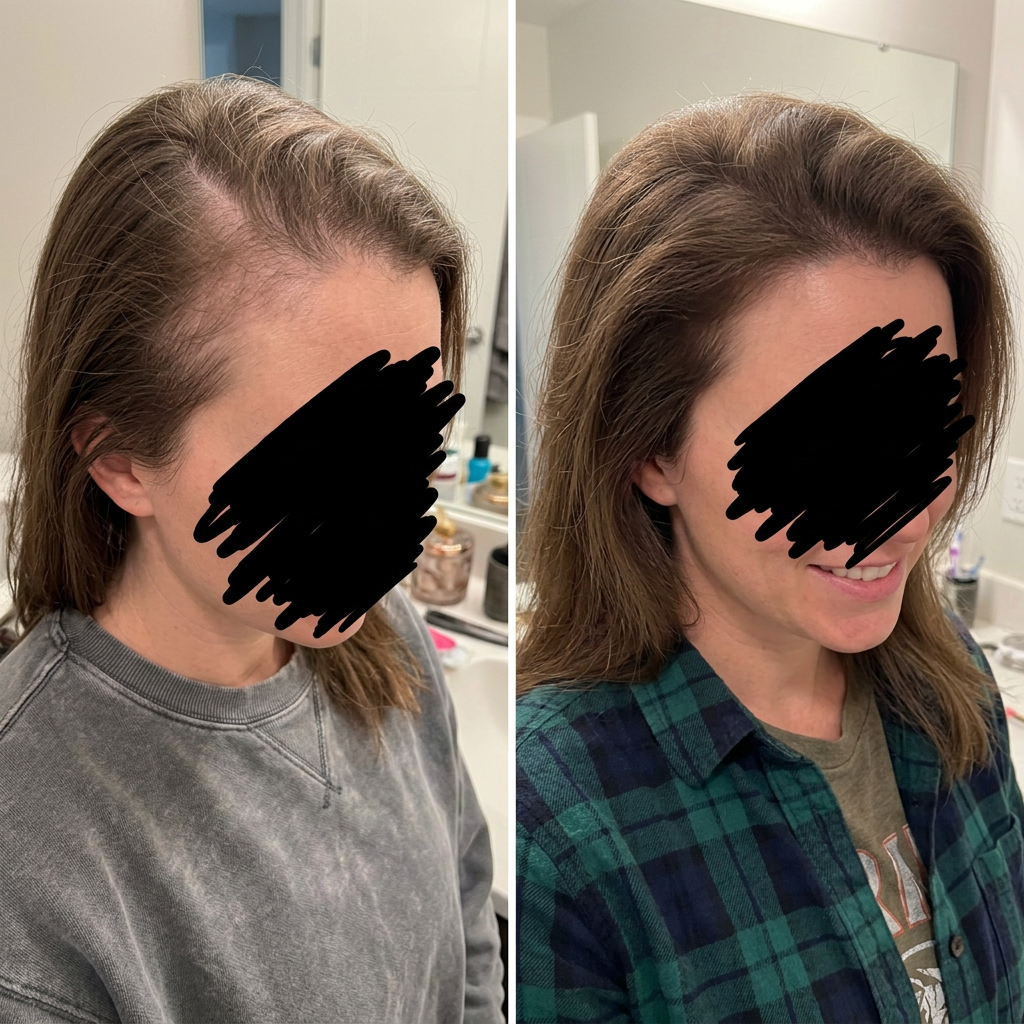
Kelly's Menopause Blog Facebook ad: “Losing yourself to menopause? Read this”

Ran for 26 days, from January 26 to February 21, 2026, the last day Crush saw it.
Run by Kelly's Menopause Blog on Facebook. Crush is not the advertiser and does not verify its claims. See this ad in Meta's Ad Library(opens in a new tab)
Want an ad like this for your product?
Crush makes new ad images for your product from this ad: your logo, your product photo, your offer.
Trials from $19.95 USD, then $79.95 USD a month. Cancel anytime.
About this ad
- Meta Ad Library ID
- 912507711105170
- Platforms
- Facebook, Instagram, Audience Network, Messenger and Threads
- Relaunches
- 0
Ad text
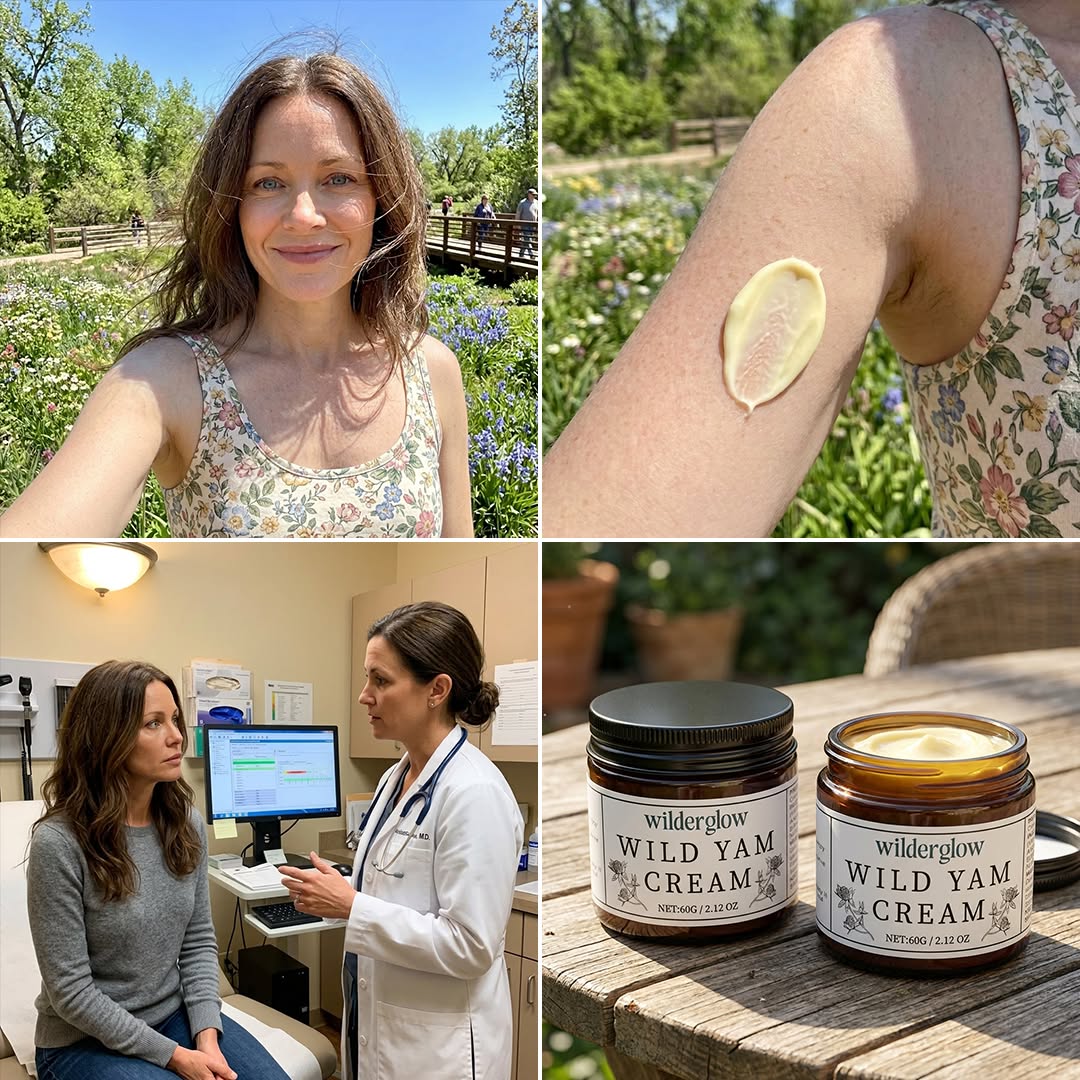
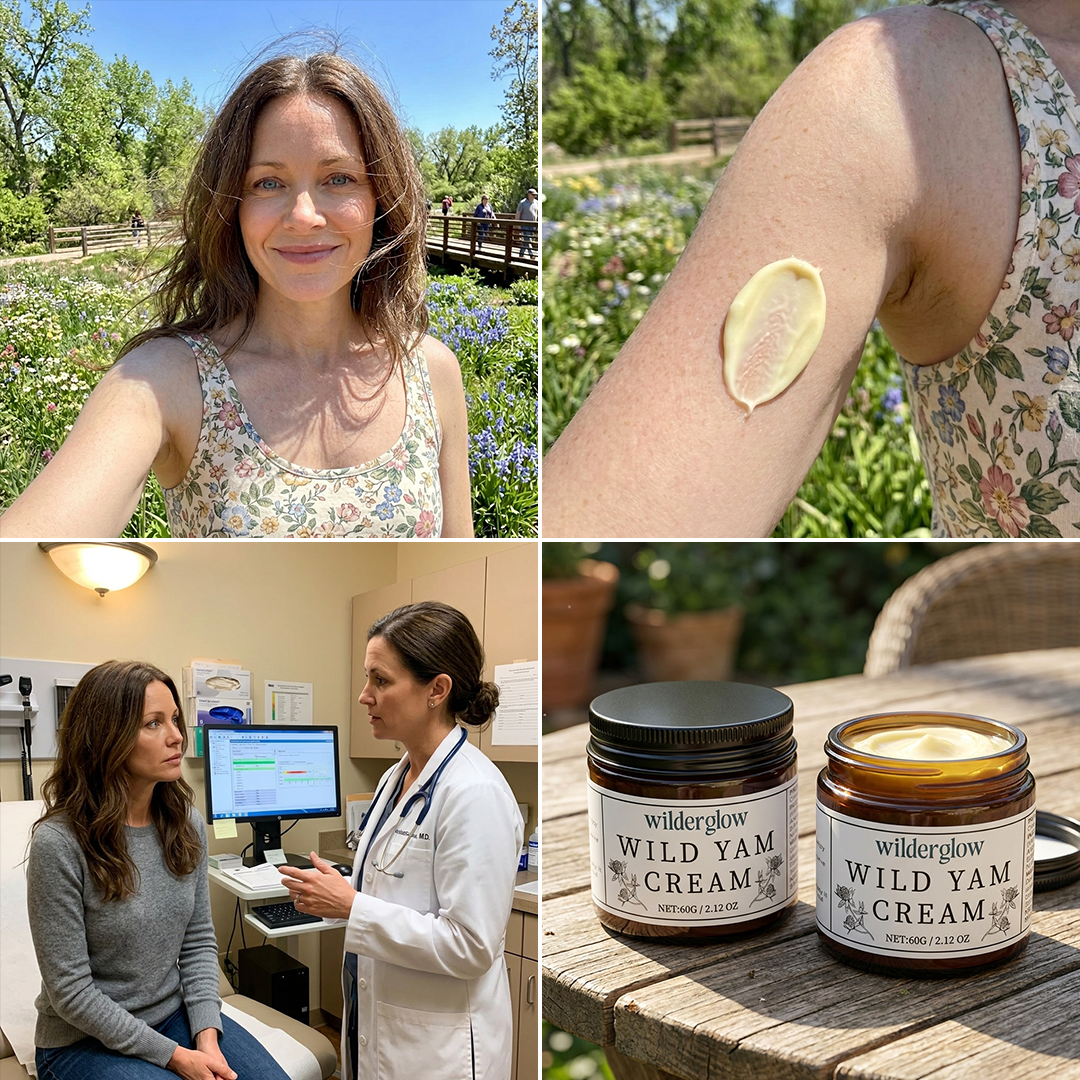
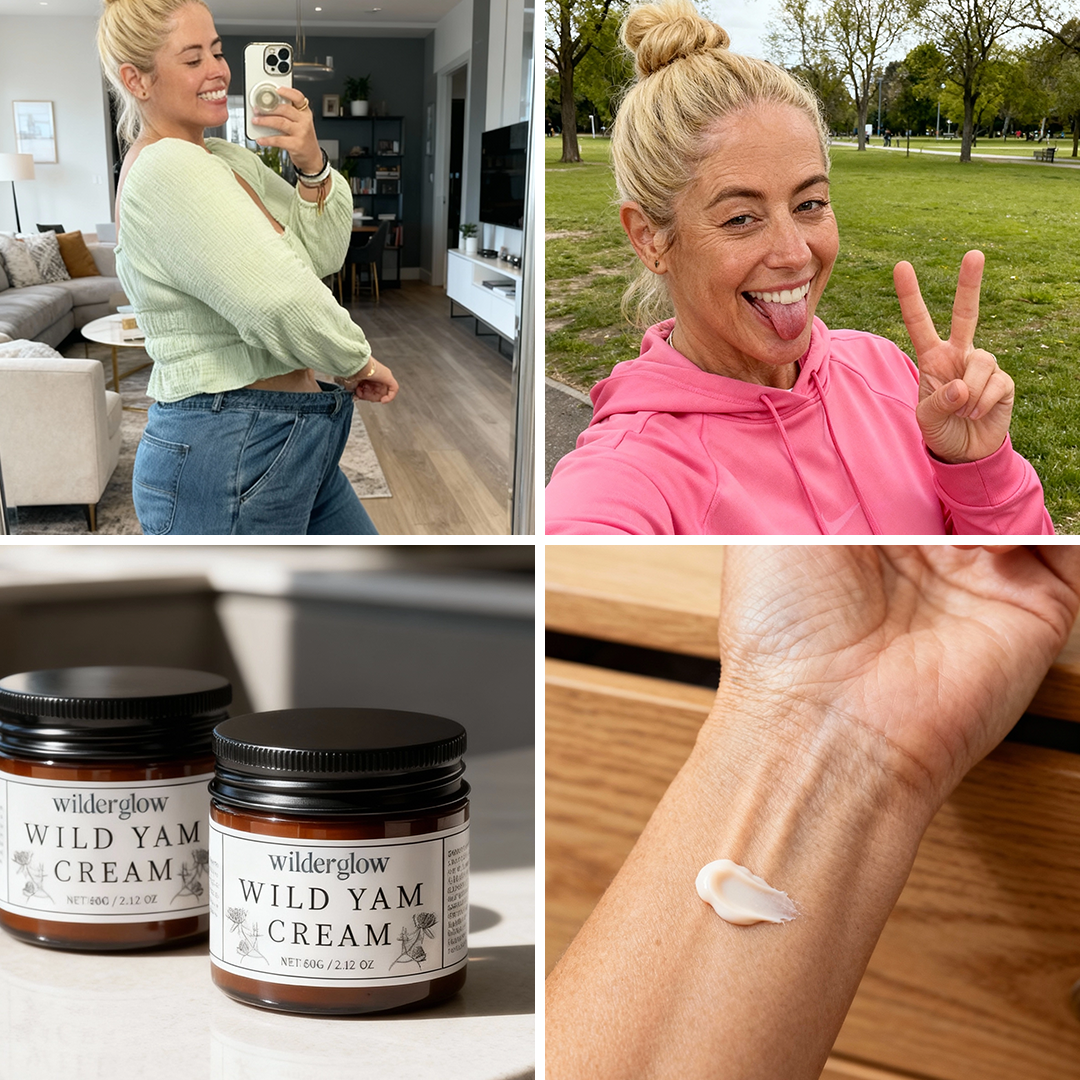
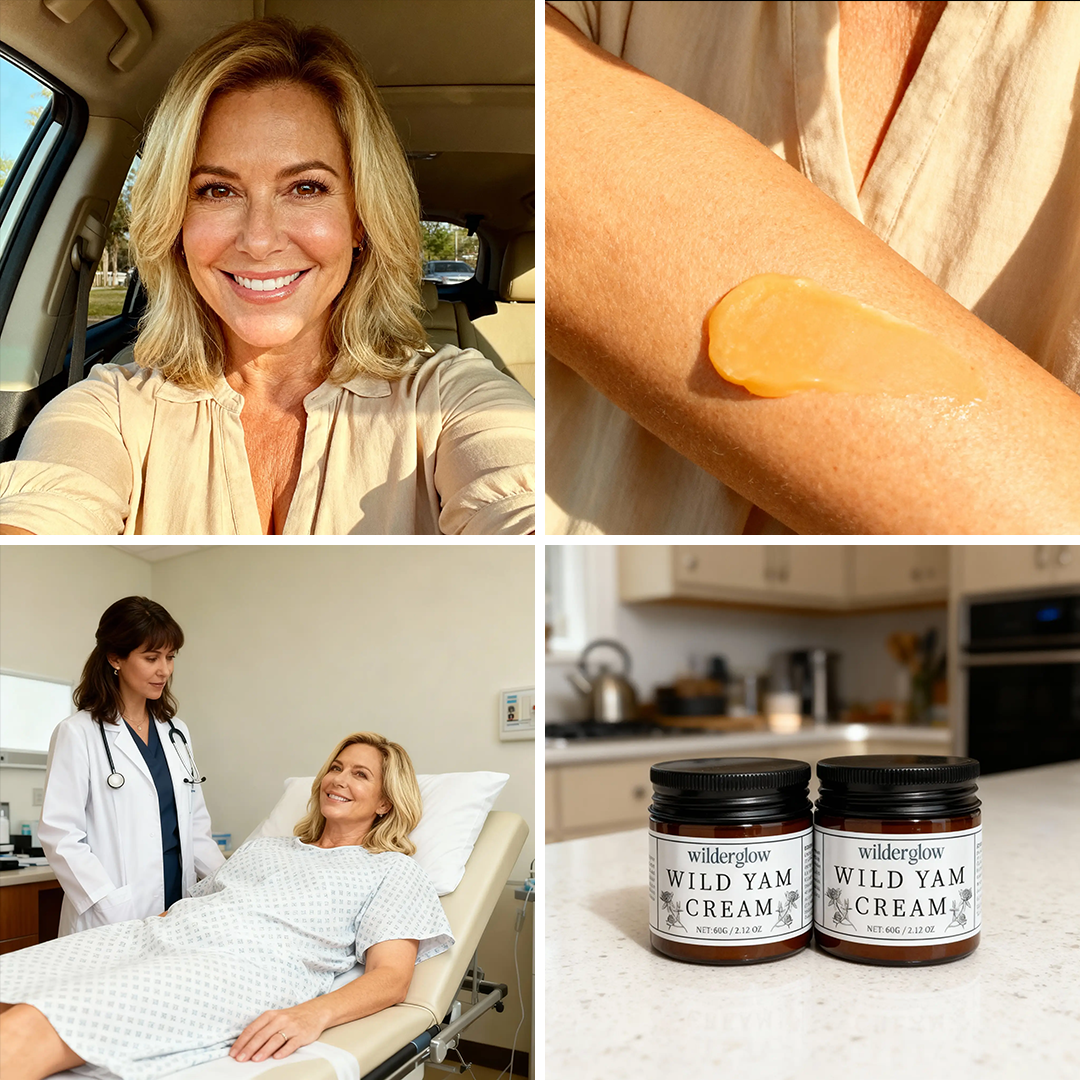
The Night I Laughed Again: How I Stopped Letting Menopause Steal My Marriage at 54 I sat on the couch last Tuesday, staring at my husband picking a movie on Netflix, and I realized I couldn't remember the last time we'd done this. Just... sat together. Relaxed. Without me feeling like I wanted to crawl out of my skin. My name is Claire, and I'm 54 years old. And until three months ago, I genuinely believed this was just my life now. That feeling flat. That feeling irritable all the time. That feeling like I was 80 years old trapped in a 54-year-old body was just... menopause. Just aging. Just something I had to accept. But I'm getting ahead of myself. Let me back up to where this really started. --- The Slow Disappearance It wasn't one thing. That's what made it so insidious. It was the tiredness that never went away, no matter how much I slept. It was the irritability that made me snap at my husband over dishes left in the sink – dishes that never bothered me before. It was the brain fog that had me standing in the kitchen, staring at the refrigerator, completely forgetting what I came in there for. It was the anxiety that would grip my chest out of nowhere, combined with hot flashes that would roll through my entire body – head to toe – leaving me drenched and shaking. It was the aching lower back that radiated up to my neck, making me move like an old woman. It was all of it. Together. Every single day. And the worst part? I was already ON medication for all of this. I'd been on the strongest oral dose of HRT for six years. SIX YEARS. My doctor had assured me this was the solution. That this was what would make me feel normal again. And for a while, maybe it helped. I honestly can't remember anymore. But lately – the past year, really – I'd started feeling warm and flushed again. The hot flashes were creeping back. The brain fog was getting worse. My back and neck ached constantly, like my spine was made of concrete. I was tired. I was irritable. I was foggy. I was anxious. I was in pain. I was sad. And I was so, so flat about life. My husband – God love him – tried everything. Date nights. Weekend trips. Flowers. He'd suggest we call friends over for dinner, and I'd make excuses. Too tired. Too much to do. Maybe next month. I watched myself disappear from my own life, and I didn't know how to stop it. The marriage that used to be easy – full of laughter and inside jokes and spontaneous Tuesday movie nights – had become... functional. We were roommates managing a household. We were polite. We were careful with each other. But we weren't *us* anymore. And I blamed myself entirely. --- The Doctor's Office Carousel Every three months, like clockwork, I'd go back to my doctor. "Still feeling tired?" she'd ask, typing notes without looking up. "Yes." "Hot flashes?" "They're back." "Irritability? Brain fog?" "Yes. Both. All of it." More typing. Then she'd look at me with this sympathetic-but-clinical expression and say: "Let's try adjusting your dose. Sometimes we need to recalibrate as your body changes." And I'd walk out with another prescription. Another adjustment. Another three months of waiting to feel better. Here's what I've learned after six years of this carousel: most doctors don't actually understand the nuances of hormone therapy. They understand prescriptions. They understand standard protocols. They understand billing codes for follow-up appointments. But the nuances? The *why* behind why my body was still struggling despite being on the "gold standard" treatment? The reason I felt like I was slowly disappearing despite doing everything "right"? They didn't have answers for that. Because they weren't taught to look for the real problem. --- The Breaking Point (That Looked Like a Regular Tuesday) Three months ago, my husband suggested we watch a comedy. I almost said no. I was tired. My back hurt. I felt foggy and flat. But something in his face made me say yes instead. Maybe it was how hopeful he looked. Maybe it was guilt. Maybe I was just too tired to argue. So we sat down. He picked some stand-up special I'd never heard of. And then... something strange happened. About fifteen minutes in, a joke hit me just right, and I laughed. Not a polite chuckle. Not a half-smile. A real, full-body, tears-streaming-down-my-face laugh. And then another joke landed, and I was dying. Absolutely dying. I couldn't breathe. My stomach hurt. I was wiping tears from my eyes. And when I finally caught my breath, I looked over at my husband. He wasn't watching the TV anymore. He was watching me. And his eyes were wet. "I really missed this," he said quietly. "I missed... us." And I realized, in that moment, that I couldn't remember the last time I'd laughed like that. Months? A year? Longer? How long had I been gone? That night – after the movie, after I'd laughed more than I had in years – we had what I can only describe as the best night we'd had in... I don't know how long. Let's just say the evening got *spicy* in a way that hadn't happened in a very, very long time. And the next morning, lying in bed, I made a decision. Whatever was happening to me – whatever had stolen my energy, my clarity, my joy, my *self* – I was going to figure it out. Even if my doctors couldn't. --- What Nobody Told Me About HRT I started researching. Late at night, after my husband went to bed, I fell down rabbit holes on menopause forums, medical journals, alternative health blogs. And that's when I found something that changed everything. There was an article about a Swiss endocrinologist who'd been studying menopause treatment for thirty years. And she said something that made me put down my coffee and reread the paragraph three times: *"The problem with synthetic hormone replacement isn't that it doesn't work. It's that it forces your body into a state of dependence. Your body stops producing hormones naturally because you're supplying them externally. Over time, this creates a hormonal seesaw – your levels spike when you take your medication, then crash. And your body, which is brilliant at self-regulation, becomes confused. It stops trying to balance itself because you're doing the balancing externally."* I sat there staring at my screen. Six years. I'd been on synthetic HRT for six years. And nobody – not one doctor – had ever explained this to me. They'd adjusted my dose up when symptoms got worse. They'd added progesterone cream when I complained about sleep. They'd increased my patches when hot flashes returned. But they'd never asked: *Why is your body still struggling? Why aren't you producing these hormones naturally anymore?* The article went on to explain something called "hormonal precursors" – building blocks that your body uses to manufacture its own hormones when it has the right raw materials. It's like the difference between giving someone a meal versus giving someone ingredients to cook their own meal. Synthetic HRT is the pre-made meal. Your body doesn't have to work for it. It just receives it. And over time, it forgets how to cook. But precursors? Precursors are the ingredients. They say to your body: "Here, you remember how to do this. I'm just giving you what you need to make it yourself." This Swiss doctor had been studying a compound called diosgenin, found in wild yam, that acts as a precursor specifically for progesterone – the hormone that drops 75% during menopause while estrogen only drops 40%. Most wild yam creams, she explained, were basically expensive moisturizer with a trace amount of wild yam buried behind fifteen other ingredients. But when wild yam extract is the PRIMARY ingredient – when you're giving your body concentrated diosgenin – something remarkable happens. Your body remembers. It starts producing hormones naturally again. Steadily. Without the spike-and-crash cycle of external hormones. I sat in my dark living room at 2 AM, crying. Nobody had ever explained this to me. Six years of appointments, and nobody had ever told me that my body might have just needed the right *ingredients* instead of the pre-made meal. --- The Wild Yam Cream That Changed Everything The next morning, I ordered a cream called WilderGlow. The Swiss doctor's article had been specifically about this brand because it was one of the only ones that listed wild yam extract as the FIRST ingredient. Not seventh. Not twelfth. First. No water filler. No synthetic hormones. Just concentrated diosgenin in a base designed for absorption. I didn't tell my husband. I didn't want to get his hopes up. I'd tried so many things over the years. I couldn't bear to see that look of disappointment again when something didn't work. The cream arrived three days later. I started using it twice a day – morning and evening – like the directions said. And I waited. Week one: Honestly? I wasn't sure anything was happening. Maybe I was sleeping slightly better? Or maybe that was just placebo. Week two: The brain fog started lifting. Not completely, but I noticed I wasn't standing in the kitchen forgetting why I was there. I could finish thoughts. I could follow conversations without losing the thread. Week three: The aching in my back and neck decreased noticeably. I woke up one morning and realized I'd rolled over without wincing. Week four: The hot flashes – the ones that had been creeping back despite my HRT – stopped. Just... stopped. Week five: My husband said, "You seem different lately. Lighter, somehow." I didn't know how to explain it to him yet. That I felt like I was waking up from a six-year fog. That I felt like *myself* again. --- By week six, something shifted. My friend Sarah texted asking if I wanted to grab lunch. Normally, I would have made an excuse. Too tired. Too busy. Next month. But I didn't. I said yes. And I enjoyed it. I actually ENJOYED sitting in a restaurant, talking and laughing, without feeling exhausted or anxious or like I needed to leave. A week later, I did something that scared me. I reached out to my old friend Michelle – someone I'd been close with years ago but had slowly drifted from because I kept canceling plans and eventually just stopped trying. I sent her a message: "Hey, I know it's been forever, and I'm sorry I've been so distant. Would you want to grab coffee sometime? I'd really love to reconnect." She responded within an hour: "I'd love that. I've missed you." We met that weekend. And it was like no time had passed. We talked for three hours. She told me about her kids, her messy divorce, her new job. I told her about... everything. The fog. The disappearing. The feeling like I'd lost myself. And when we left, she hugged me and said, "I'm so glad you're back." I cried in my car for ten minutes. I hadn't realized how much I'd missed... existing. Being present. Showing up for people. --- The Movie Night (Take Two) Last Tuesday – almost three months after I'd started using WilderGlow – my husband suggested we watch another comedy. And this time, I didn't hesitate. We made popcorn. We got comfortable on the couch. He picked something ridiculous. And I laughed. I laughed until my stomach hurt and tears streamed down my face and I couldn't breathe. And then I looked over at him, and he was watching me again with that same expression from three months ago. But this time, there was something else in his face. Relief. "There you are," he said. "I've been waiting for you to come back." And I realized: he'd been waiting this whole time. Through six years of me disappearing. Through the irritability and the tiredness and the flatness. He'd been waiting for me to come back. "I'm sorry I left," I whispered. "You didn't leave," he said. "You just... got lost for a while. But you're here now." That night – that comedy special, that laughter, that moment of connection – led to exactly the kind of evening we used to have before menopause stole me away. The kind where you stay up too late talking and laughing and remembering why you fell in love in the first place. The kind that ends with your husband looking at you like he's seeing you for the first time in years. The kind that makes you feel 25 again, even at 54. --- What I Wish I'd Known Six Years Ago I'm not a doctor. I can't tell you what will work for your body. But I can tell you what I wish someone had told me six years ago: Your body isn't broken. It's just missing the ingredients it needs to fix itself. Synthetic hormones aren't evil – they help millions of women. But they're not the only answer. And if you've been on them for years and you're still struggling, maybe your body is trying to tell you something. Maybe it doesn't need more external hormones. Maybe it needs the building blocks to make its own. That Swiss endocrinologist – the one whose article changed my life – has published extensive research on wild yam's diosgenin and how it supports natural progesterone production. Her findings explain everything my doctors never told me about why I was still struggling despite being on the "right" medication. If you're reading this and you recognize yourself in my story... If you're tired and irritable and foggy and sad... If you're on HRT and still struggling... If you feel like you're disappearing and nobody understands why... I want you to know: you're not broken. You're just missing the right ingredients. And there might be a way back to yourself that nobody's told you about yet.
Where the ad sends people
wilderglow.com
Losing yourself to menopause? Read this 👆
WilderGlow supports hormonal balance gently and naturally.
Learn more: wilderglow.com(opens in a new tab)