
Inactive· since Feb 16, 2026
- 25
- days it ran
- 3
- relaunches
Ad copy
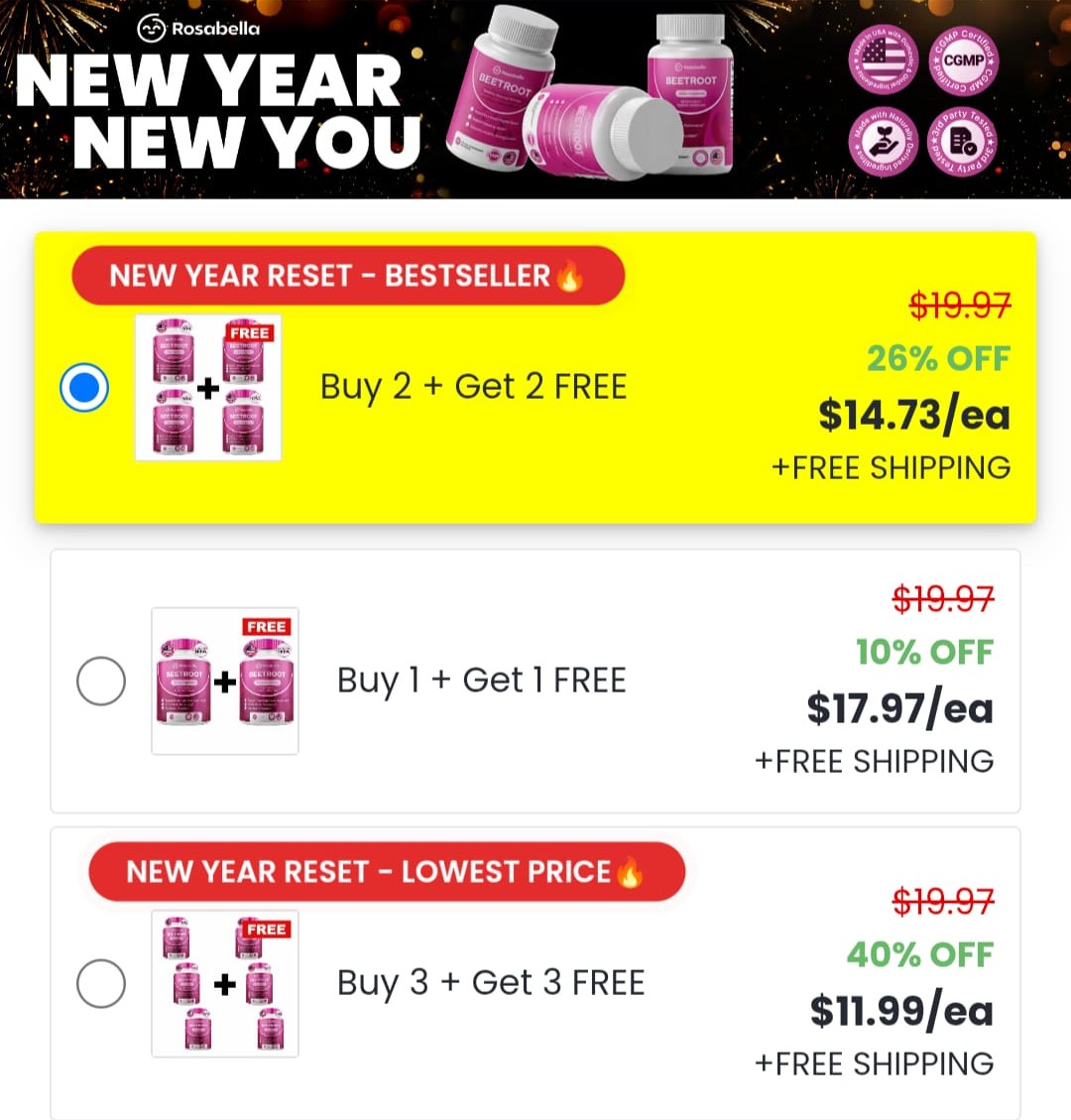
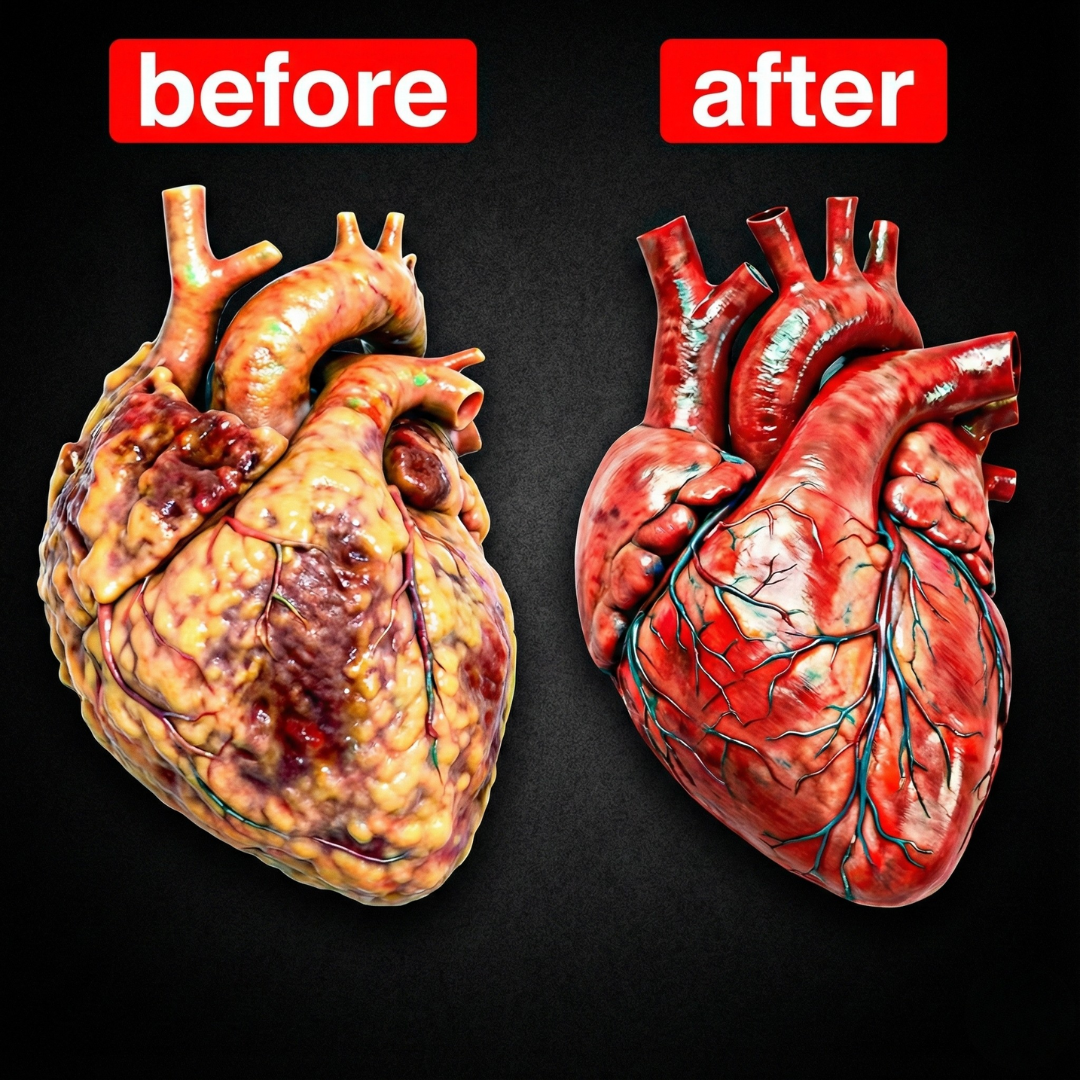
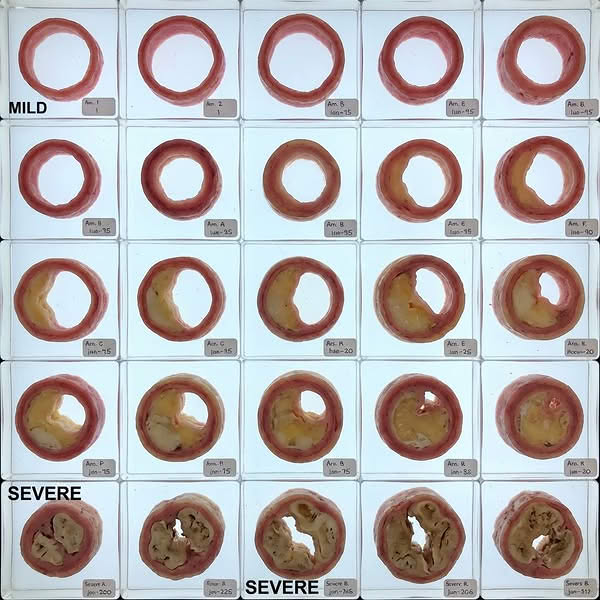
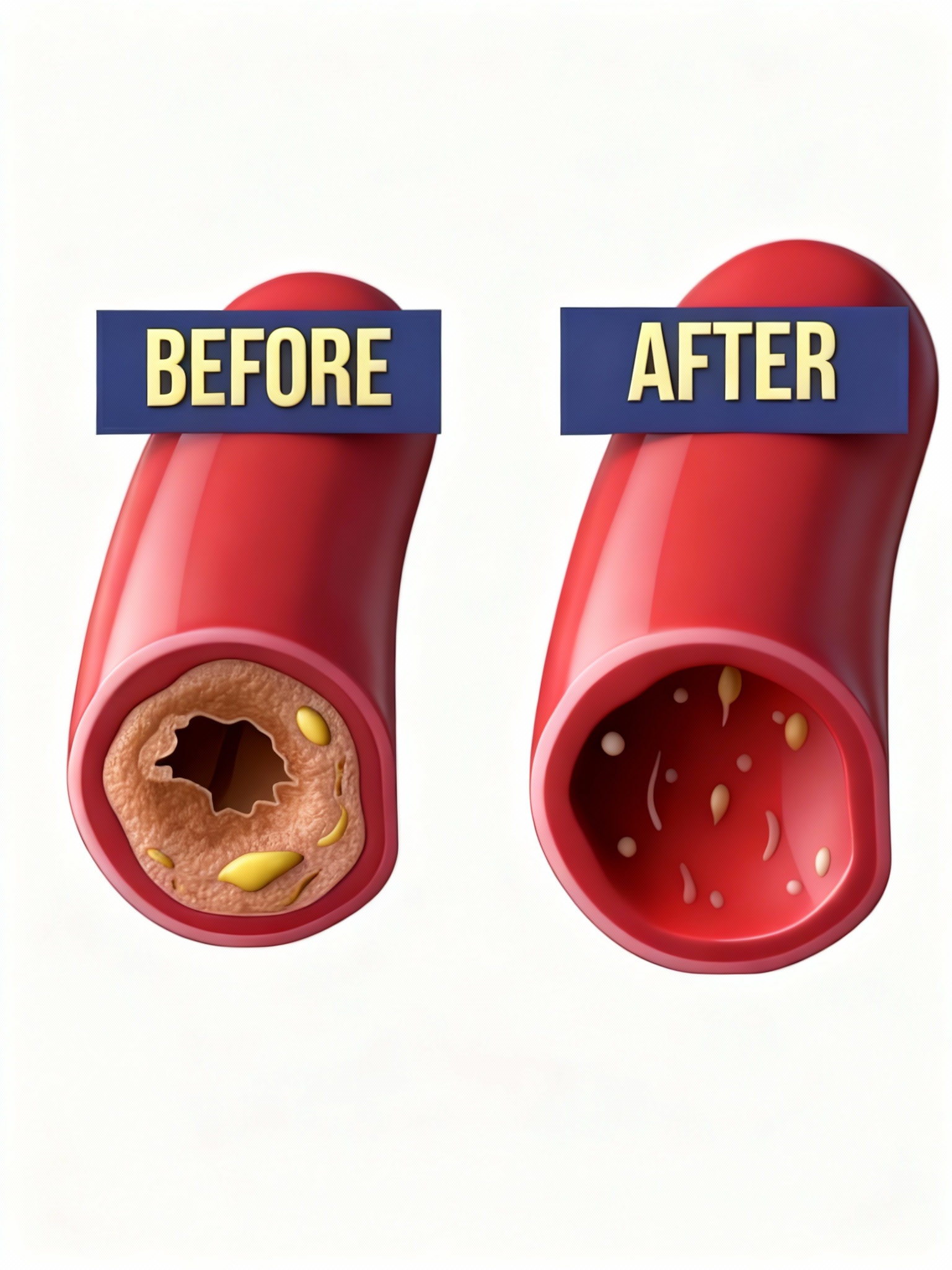
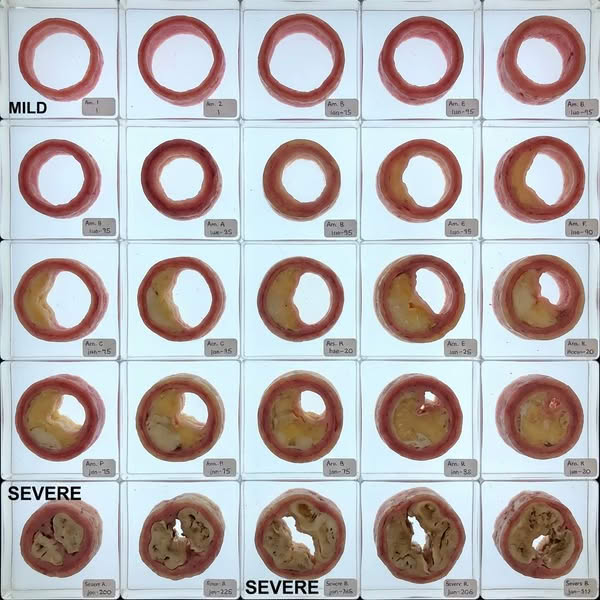
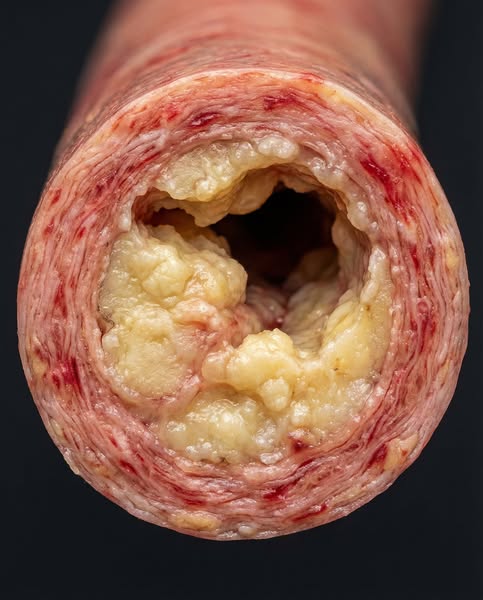
My husband came out as gay after 26 years of marriage and it nearly killed me. Literally. Hello, my name is Susan. I'm a 54-year-old mother of three. And right here in this post, I'm going to share the most devastating conversation of my entire life... and what happened immediately after that almost ended my life. So let me start from the beginning. Throughout our 26 years together, my husband Liam and I always struggled with intimacy. I'm talking about going months without being close, without that physical connection that married couples are supposed to have. And honestly, I always blamed myself. I thought maybe I wasn't attractive enough anymore, or maybe I'd let myself go after having the kids. Every time I'd bring it up, Liam would just brush it off with "It's not that, Susan. I'm just stressed with work" or "I'm tired, that's all." But deep down, I never believed him. I'd catch myself staring in the mirror, picking apart every wrinkle, every bit of sagging skin, convinced that's why my own husband didn't want to touch me anymore. And on top of all that, for the last several years my body had been falling apart in ways I couldn't explain. My knees ached when I got out of bed. My fingers were stiff and swollen most mornings. Some days I felt like I'd been hit by a truck before I'd even had my coffee. I'd mention it to my doctor and always get the same answer: "It's just wear and tear, Susan. Welcome to your fifties." He'd write me a prescription for ibuprofen and send me on my way. I tried turmeric because my friend Janet swore by it. I tried omega-3 capsules. I tried glucosamine pills the size of horse tablets. Nothing made much difference. But I figured — this is just life now. You get older, things hurt, your husband doesn't want you. You deal with it. But after 26 years of marriage, nothing could've prepared me for the real reason why my husband always struggled with intimacy. It was a random Tuesday evening in October. I was downstairs watching Bridgerton on Netflix, wrapped in a blanket with a cup of tea, when Liam came down the stairs with this look on his face I'd never seen before. His face was pale, his hands were shaking, and he stood there in the doorway for what felt like forever before he finally spoke. He told me we needed to talk. The way he said it made my stomach drop. I paused the show and sat up straight, my heart already pounding in my chest. I asked him what was going on. He sat down on the chair across from me, but he couldn't look me in the eye. He told me he didn't think he could do this anymore. I asked what he meant. He said our marriage. That it wasn't working for him anymore. That it had never worked, and the only reason he stayed was to try to have a normal life... but there's nothing normal about living a lie. At that moment, I had no idea what he was talking about. Was there another woman? Did he fall out of love with me? Was it really about my appearance after all? My mind was racing through every possibility, but nothing could've prepared me for what came next. I asked him what the hell he was talking about, my voice shaking. Liam finally looked up at me, tears streaming down his face. He told me he was gay. Time stopped. I remember just sitting there, staring at him, trying to process what I'd just heard. Suddenly, 26 years of our marriage started flashing through my mind like a movie. The lack of intimacy. The excuses. The way he'd turn away when I tried to be close to him. It wasn't about me at all. It had never been about me. And then, as that realization hit me, something else happened. Something physical. Sharp, crushing pain suddenly exploded in my chest. It felt like someone had wrapped a steel band around my ribcage and was tightening it with every breath. I grabbed my chest with one hand, gasping. Liam's eyes went wide with panic. He asked if I was okay. I tried to speak. I tried to tell him something was wrong. But no words would come out. My vision started to tunnel. The living room began to blur around the edges. I could hear Liam, shouting my name. "Susan! Susan! What's happening?!" His voice sounded distant, like he was underwater. Then everything suddenly went pitch black. The next thing I know, I'm waking up in a hospital bed, completely disoriented. Bright white lights above me. Beeping machines all around me. Wires and tubes connected to my arms. Liam was sitting in a chair next to my bed, his face red and swollen from crying. I had no idea where I was or how I got there. Liam noticed I was awake and immediately jumped up, calling for the doctor. A few minutes later, a woman in a white coat walked in. She introduced herself as Dr. Sarah Langston, a cardiovascular specialist. I looked at her, confused and terrified, and asked her what happened. Why was I in the hospital? What was going on? Dr. Langston pulled up a chair next to my bed and explained, very calmly, that I had been in a medically induced coma for the last 48 hours. Apparently, I had collapsed in my living room from sudden heart failure. My heart had nearly stopped. My husband called 911, and the paramedics got to me just in time. I stared at her in complete disbelief. And all I could think was "Heart failure? That couldn't be right." After all, I might be 54, but I'm healthy. I walk every morning. I don't smoke or drink. How could this happen to me? Dr. Langston looked at me with a heavy expression and said something I'll never forget. She told me that my blood vessels had been severely blocked. Blood wasn't flowing to my heart properly. I was shocked. How was that possible? Then the doctor explained that my husband had told her everything... he had to since this was a matter of life and death. Dr. Langston went further to explain that the shock of hearing my husband come out as gay triggered sudden heart failure. She warned me that if the paramedics had been ten minutes later, we would be having a very different conversation. She then went on to say that even if my husband didn't come out as gay... the sudden heart failure would have happened to me anyway. It could have been triggered by me walking up a flight of stairs, or carrying groceries, or even just getting excited while watching a show. That blockage was a ticking time bomb inside my chest... and my husband coming out as gay just happened to be the thing that set it off. At this point I was still confused and disoriented. Because in my mind, I might be 54 years old, but I'm perfectly healthy. There's no way I should be getting sudden heart failure. Or so I thought. Because upon hearing me talk, Dr. Langston then said that indeed for the most part I'm healthy. But I had one condition that had been silently destroying my cardiovascular system for years. And that condition was chronic inflammation. I looked at her like she was speaking another language. Inflammation? I thought that was just a buzzword. Something you see on supplement labels and health blogs. My joints hurt and I was tired — but that couldn't cause heart failure. She asked if she could explain. I nodded. She asked me how long I'd been dealing with joint pain, stiffness, and fatigue. I told her years. She nodded slowly, like she'd heard this answer a hundred times before. Then she told me to bear with her, because what she was about to explain is something most doctors never tell their patients. She said: "Susan, every single day I see women in their 40s, 50s, and 60s get brought into this hospital with heart failure, strokes, and cardiac events. And the vast majority of them have one thing in common: years of unchecked chronic inflammation." She explained that inflammation is supposed to be temporary. When you cut your finger or catch a cold, your immune system sends out inflammatory signals — little chemical messengers called cytokines and prostaglandins — to repair the damage. Once the threat is dealt with, the inflammation shuts off. But for most people over 40, the inflammation never shuts off. Modern life keeps it switched on permanently. Processed food loaded with refined sugars and seed oils damages the lining of your blood vessels — and your immune system interprets that damage as an injury, so it sends inflammatory signals to "fix" it. Chronic stress floods your body with cortisol, which keeps your immune system on high alert, continuously pumping out cytokines as if you're under attack 24 hours a day. Poor sleep prevents your body from clearing out inflammatory waste. During deep sleep, your body is supposed to flush out inflammatory molecules and reset your immune response. Without enough sleep, that cleanup never happens. Environmental toxins — from polluted air to household chemicals — enter your bloodstream, and your immune system attacks them with more inflammatory signals. Because these triggers are CONSTANT rather than temporary, the inflammatory response never shuts off. Your body gets stuck in attack mode. And THAT, Dr. Langston explained, is where my heart problems began. She said that when inflammation stays active for years, two specific things happen to your blood vessels that can be deadly. The first thing is that your arteries stiffen. She explained it to me like this: When cytokines — those inflammatory messengers — stay elevated in your bloodstream for months and years, they irritate the lining of your blood vessels. The walls become chronically inflamed. And inflamed arteries lose their elasticity. Healthy arteries are supposed to expand and contract with each heartbeat. They're flexible. Elastic. Like a rubber band. But chronically inflamed arteries can't expand anymore. They tighten up. They stiffen. Which means the heart isn't just pumping blood through normal, flexible arteries anymore. It's fighting to force blood through stiff, narrow pipes. She looked at me and said: "Imagine trying to sip a thick smoothie through a pinched straw. You have to suck incredibly hard for anything to pass through. That's what your heart has been doing for years — straining to push blood through arteries that won't open." And as the heart is forced to work harder and harder just to push blood through, it starts to overwork. Blood pressure rises. The heart muscle thickens. The chest feels heavy. Until one day, it simply can't keep up. And that's when you collapse. I sat there staring at her. Liam was gripping the armrest of his chair. Then she said there was a second problem. And this one was even more dangerous. She told me that chronic inflammation doesn't just stiffen your arteries. It destroys the inside of them. Here's what she explained: When your immune system is stuck in attack mode, it overproduces free radicals. These are aggressive molecules that are supposed to break down damaged tissue during a normal immune response and then disappear. But when inflammation is chronic, free radicals are being produced 24 hours a day, 7 days a week, for years. And when free radicals outnumber your body's natural antioxidant defenses, they start stealing electrons from healthy cells. Destroying them. This is called oxidative stress. And in your arteries, oxidative stress does something horrifying. It turns the smooth inner walls of your blood vessels rough and jagged. She used an analogy that made my stomach turn. She said: "Think of a healthy artery like a smooth glass pipe. Everything flows through it cleanly. Nothing sticks. But chronic oxidative stress turns that smooth glass into sandpaper." In healthy arteries, cholesterol, calcium, and cellular debris just flow right past the smooth walls. No problem. But in damaged arteries — arteries where the walls have been roughened by years of oxidative stress — that debris catches on the rough spots. It settles there. Builds up layer by layer. Calcium sticks. Cholesterol sticks. Cellular waste sticks. And over months and years, it hardens into plaque. Plaque that blocks the flow of blood and oxygen to your heart. Dr. Langston looked me in the eye and said: "Susan, that is what nearly killed you. Your arteries were BLOCKED." She paused and let that sink in. Then she said softly: "This is why cardiovascular disease is the number one killer of women in your age group. They're walking around with years of chronic inflammation that's silently stiffening and blocking their own arteries. And most of them have no idea until they end up in a bed like this one." As she said that, it started to make sense. I told Dr. Langston that my mother had heart problems. My grandmother died of a stroke at 67. Everyone just said it was high blood pressure or stress. Nobody ever said it was because of chronic inflammation. That's when she told me that almost no doctor connects the dots. They don't teach the inflammation-to-cardiovascular pathway properly in medical school. The research exists. It's been published. But it's not being connected to clinical practice. Women come in with joint pain and get sent home with ibuprofen. They come in with fatigue and get told to sleep more. They come in with high blood pressure and get prescribed a statin. Nobody is looking UPSTREAM at the chronic inflammation that's causing all of it. She told me the only reason she understood this connection was because she had seen too many women in their 40s, 50s, and 60s get brought into her hospital with cardiovascular emergencies. And too many of them didn't make it. So she started doing her own research. She spent months going through scientific journals. Cardiovascular studies. Inflammatory cascade research. Immunology papers. And that's when she found the link between chronic inflammation, arterial damage, and sudden cardiac events in women over 40. After hearing all that, I sat there in that hospital bed, completely overwhelmed. Liam grabbed my hand and squeezed it tight to comfort me. Despite everything he had just told me — despite the fact that our entire marriage had been a lie — he was still there. Still holding my hand. Still crying. All I could think was I had nearly died. And it was because of something that had been quietly building inside me for years. Something I was told was "just getting older." Something any doctor could have identified if they'd just looked. I asked Dr. Langston what I needed to do. She pulled her chair closer and said there were two things that needed to happen simultaneously if I wanted to protect myself from another cardiac event. She held up one finger. "First, you need to calm the inflammatory signaling. The cytokines, the enzymes, the free radicals — they're the fire. They've been burning inside your blood vessels for years. You need to put that fire out. Otherwise, the damage to your arterial walls continues. The oxidative stress continues. The plaque continues to build." Then she held up a second finger. "Second, you need to open your blood vessels. Your arteries have been constricted and stiffened by years of inflammation. Even if you calm the fire, those vessels are still narrow, still rigid. Blood still can't flow properly. Oxygen and nutrients still can't reach the tissues that need healing. Waste products are still trapped. You need something that tells those blood vessel walls to relax and widen." Then she said the part that changed everything for me. "Susan, you need BOTH. One without the other doesn't work." I asked her what she meant. She explained it with an analogy I will never forget. "Imagine a building on fire with a blocked exit. If you put out the fire but the exit stays blocked — nobody can leave. The building is still full of smoke and heat. People are still trapped. But if you open the exit without putting out the fire first — you're pushing people into the flames. You've made it worse. You need to put out the fire AND clear the exit. At the same time." She said: "The fire is your chronic inflammation. It's burning inside your blood vessels. The blocked exit is your constricted arteries. Blood can't get through. Calm the inflammation but leave the vessels constricted — your tissues are still starved of oxygen. They can't heal. Open the vessels but leave the inflammation active — now you're sending more inflammatory molecules rushing to MORE places in your body. You're spreading the fire." I understood immediately. She said both problems needed to be addressed at once. And she told me there's one natural compound that does both. I asked her what it was. She said: "Beetroot." I almost laughed. Beetroot? The vegetable? She told me she gets that reaction every time. But then she explained why, and it made complete sense. She said beetroot contains two things that work together in a way no other single food or supplement does. The first is dietary nitrates. When you consume beetroot, the natural nitrates convert through your saliva and stomach into nitric oxide — a signaling molecule your body normally produces but can't make enough of when you've had years of chronic inflammation. Nitric oxide tells the smooth muscle cells lining your blood vessels to relax and widen. This is the opposite of what chronic inflammation does. Where inflammation constricts and stiffens your arteries, nitric oxide opens them back up. Wider blood vessels mean better circulation. Oxygen and nutrients can finally reach the inflamed tissues that have been starved. Waste and inflammatory debris that's been trapped in those tissues gets flushed out. Dr. Langston said: "That's the EXIT being opened." The second thing in beetroot is betalains. Betalains are the deep red pigments that give beetroot its color. But they're far more than a pigment. She explained that betalains are powerful antioxidants that neutralize the free radicals your immune system has been overproducing. They stop the oxidative stress that's been roughening your arterial walls and creating the conditions for plaque. But betalains don't stop there. They also block the specific enzymes that drive chronic inflammation: COX-2, which produces the prostaglandins that keep inflammation active, and NF-kB, a protein that activates cytokine production. By blocking these pathways, betalains reduce the production of the inflammatory messengers that have kept your immune system stuck in attack mode for years. Dr. Langston said: "That's the FIRE being put out." She leaned back and said: "Nitric oxide opens the exit. Betalains put out the fire. Beetroot does both. From one source." I asked her why nobody talks about this. Why isn't every doctor telling patients with chronic inflammation to take beetroot? She sighed and said this is where it gets frustrating. She explained that the pharmaceutical approach to inflammation is NSAIDs. Ibuprofen. Naproxen. Celebrex. These drugs block the COX enzyme, which cuts off prostaglandin production and reduces pain. And yes, the pain goes away. Quickly. But NSAIDs only block ONE pathway. And they come with devastating side effects over time — stomach ulcers, kidney damage, increased cardiovascular risk. And here's the critical problem: NSAIDs cannot restore nitric oxide. They cannot open your blood vessels. They cannot reverse oxidative damage to your arterial walls. They silence the alarm, but the fire keeps burning. She said women are prescribed ibuprofen for their joint pain, and they feel better, so they think the problem is handled. Meanwhile, the chronic inflammation is still silently destroying their blood vessels. Then I asked about turmeric. I'd been taking it for months before the collapse. Dr. Langston nodded. She said turmeric — specifically curcumin — does address cytokine production. It has legitimate anti-inflammatory properties. But it only works on the inflammatory signaling side. It cannot restore nitric oxide. It cannot relax constricted arteries. It cannot improve circulation. She said: "Turmeric can help calm the fire. But it can't open the exit." What about omega-3s? I'd taken those too. She said omega-3 fatty acids can reduce some oxidative stress and lower certain inflammatory markers. But they can't restore vascular tone. They can't tell stiffened arteries to relax. They can't restart nitric oxide production. Same problem. Working on one half. Missing the other. What about glucosamine? My doctor had recommended that for my joints. Dr. Langston said glucosamine can help rebuild cartilage in joints. But it does absolutely nothing for the arterial inflammation that's the real danger. It treats the symptom in your knee while the time bomb in your chest keeps ticking. She looked at me and said: "Susan, inflammation can't heal without blood flow. And blood flow can't restore without calming the inflammation. You need both sides. And none of those supplements give you both." That's why she recommends beetroot. But then she held up a finger and said there's a problem. She said most beetroot supplements on the market are essentially useless. I asked why. She explained three issues. First: heat processing. She said the betalains — the anti-inflammatory compounds that block COX-2 and NF-kB — are extremely heat-sensitive. Most supplement manufacturers use heat during processing because it's cheaper and faster. But heat destroys betalains. You end up with a capsule that has the nitrate content for blood flow but has lost the anti-inflammatory power. That gives you only HALF the solution. The exit opens, but the fire is still burning. Second: dosage. She said most beetroot supplements on the market contain between 300 and 500 milligrams per capsule. Clinical research on cardiovascular and inflammatory benefits uses doses of 1,000 milligrams or higher. At 300 milligrams, you're not getting enough nitrate conversion to meaningfully impact nitric oxide levels, and you're not getting enough betalains to suppress the inflammatory cascade. She said: "It's like trying to put out a house fire with a cup of water. Technically the right idea. Completely inadequate execution." Third: fillers and additives. She said many supplement companies bulk out their capsules with rice flour, silicon dioxide, magnesium stearate — cheap filler ingredients that dilute the active compounds and can actually trigger low-grade inflammatory responses in the gut. Defeating the entire purpose. I asked her what I should take. She told me there's one brand she's found that gets all three things right. Cold-processed, so the betalains survive intact. 1,300 milligrams per serving — well above the clinical threshold. Organic. No fillers. No synthetic additives. Just concentrated beetroot. She said she takes it herself every morning. She recommends it to her patients. She gives it to her own mother, who had the same cardiovascular scare three years ago. Then she wrote the name on a piece of paper and handed it to my husband and told him to get it for me as soon as I was discharged from the hospital. It's called Rosabella Organic Beetroot. 1,300 milligrams. She said it's not something you'll find in a CVS or Walgreens. So he would have to order it online. But she told me this is essential for any woman over 40 dealing with chronic inflammation who wants to protect herself from what happened to me. She could prescribe blood pressure medication and statins to manage symptoms, but unless I addressed the root cause — the chronic inflammation that was silently destroying my blood vessels — it would happen again. And next time, I might not be so lucky. The next day, I was discharged from the hospital, so Liam ordered a 3-month supply of Rosabella for me. The three bottles arrived just three days later, with instructions to take the capsules once daily with food. I started that evening. And here's what happened in the first four weeks of taking it: Week 1: I started taking Rosabella with dinner each night. Easy to swallow, no aftertaste, no stomach issues — which I always got with ibuprofen and turmeric. Nothing dramatic happened that first week, but I was committed. Dr. Langston said to give it time. The nitric oxide needs to build up in your system, and the betalains need to start breaking the inflammatory cycle. So I took it religiously. Week 2: I noticed the brain fog was lifting. That thick, heavy feeling behind my forehead that I'd been living with for years — like thinking through wet cotton — was clearing. I felt sharper. More present. I didn't need my afternoon nap for the first time in as long as I can remember. And the stiffness in my fingers when I woke up was noticeably less. I could grip my coffee mug without wincing. Week 3: The heavy feeling in my chest — like an elephant was sitting on me — was gone. I was sleeping through the night without tossing and turning. I felt a surge of energy I hadn't felt since my 30s. I even took our dog Benny for a longer walk than I'd done in months and felt good doing it. Not exhausted. Not stiff. Good. Week 4: I went back to see Dr. Langston for a follow-up. She ran the bloodwork. My inflammatory markers had dropped significantly. My blood pressure had stabilized. The vascular stiffness measurements showed improvement. She smiled — genuinely smiled — for the first time since I'd met her and told me she was very happy with my progress. The fact is, I nearly died. But I got a chance to address the inflammation that was silently destroying me from the inside. I'm much better now, although I am now going through a divorce with my husband Liam, but luckily it's an amicable one. In fact, I'm doing my best to support him as he moves into this new phase of his life. He's moved out of the house but we still talk every day and he sends me updates on how he's doing. I won't lie, part of me resents him for this, but at the same time, I just want him to be happy. That aside, I'm telling you this story so you can save yourself too... before it's too late. Because most women over 40 don't know they're walking time bombs for heart disease because of this silent chronic inflammation. And some women who do know might be taking turmeric or ibuprofen, thinking they're handling it — but they're only putting out half the fire while the exit stays blocked. Why am I telling you this story? Because I don't want another woman to collapse in a grocery store, at work, or in her own living room from sudden heart failure. I don't want another family to lose a mother, a wife, a sister, an aunt because chronic inflammation was never properly identified. I don't want another woman to be told "it's just getting older" while a ticking time bomb builds inside her chest. This damn near killed me. So if you're a woman over 40 and you've been dealing with joint pain, stiffness, swelling, fatigue, brain fog, or any of the symptoms I described — you need to hear this: You may be at risk right now. That inflammation you've been managing with ibuprofen or turmeric or "just pushing through"? It's not just making your knees hurt. It may be silently stiffening and blocking your arteries. You might not feel it yet. I didn't either. Until I woke up in a hospital bed. According to Dr. Langston, the most effective way to protect yourself is to address both sides of the problem simultaneously — calm the inflammatory signaling AND restore blood flow. And as far as she's concerned, the most effective natural way to do that is concentrated, cold-processed, organic beetroot at a clinical dose. That means Rosabella. Now here's the thing. If you were to buy a separate nitric oxide supplement, a separate betalain extract, a quality turmeric, and a pharmaceutical-grade omega-3 — and still not get both sides covered — you'd be spending upwards of $120 a month. And you'd be swallowing a handful of pills every day, hoping they work together the way research says they should. Rosabella puts the complete dual-mechanism solution into one daily dose. 1,300 milligrams of cold-processed, organic beetroot. Both the nitrates and the betalains preserved intact. A single bottle costs less than what most people spend on ibuprofen and turmeric combined. But right now, for women reading this post, Rosabella is offering a special introductory price that makes it even more accessible. I'm not going to pretend I negotiated some deal. The truth is, after I shared my story with the Rosabella team, they wanted to make it as easy as possible for women dealing with inflammation to try it. So they've set up a special link where you can get Rosabella at a significant discount from the regular price. And because they know that if you're dealing with chronic inflammation, there's a good chance your mother, your sister, or a close friend is dealing with it too — they're including bundle pricing that lets you stock up and share. Click here to check the current pricing and availability: [LINK] I know they sell out regularly — 1,300mg cold-processed organic beetroot at this quality level isn't mass-produced — so I'd encourage you to check while it's still in stock. And here's what makes this a no-brainer. Rosabella offers a full 90-day money-back guarantee. That means you can try it for 90 days. See if your joint stiffness improves. See if the swelling goes down. See if the brain fog clears. See if you sleep better. See if you wake up with more energy than you've felt in years. And if for any reason you don't feel a difference, they'll refund every penny. No questions asked. 90 days. That's three full months to decide if it works for you. There is zero risk. So don't wait until you collapse suddenly. Don't wait for a sudden heart scare. Don't wait until you're the one in a hospital bed, finding out that years of chronic inflammation silently destroyed your blood vessels while every doctor told you it was "just getting older." Take control of your health now. Click the link below to check if Rosabella still has the 1,300mg Organic Beetroot in stock: [LINK] If they're in stock, grab a supply. You'll be glad you did. I wish I had known about this before I collapsed in my living room. Don't let what happened to me happen to you. https://get.tryrosabella.com/beetroot/subtxt/sp
Support stamina and heart health every day
"I've only started useing this product less than a week, honestly it has given me more energy and I feel more alert. Before taking this product I noticed I was feeling tired and not motivated at all, so I have to give it a great rating 5 stars. I reccomend it."
LEARN MORELike this ad? Make it yours.
Crush rebuilds this exact creative around your product — your brand, your colors, your offer — in about a minute.