
Inactive· since Apr 9, 2026
- 23
- days it ran
- 0
- relaunches
Ad copy
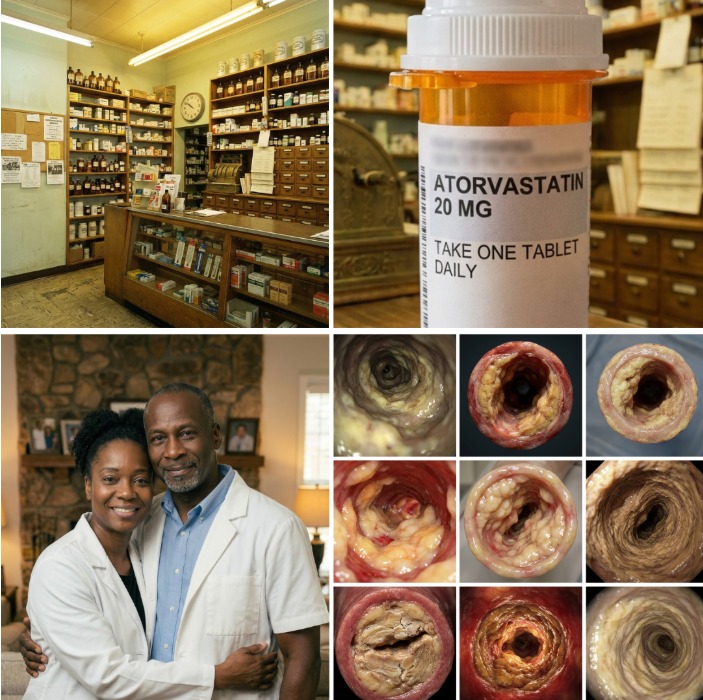
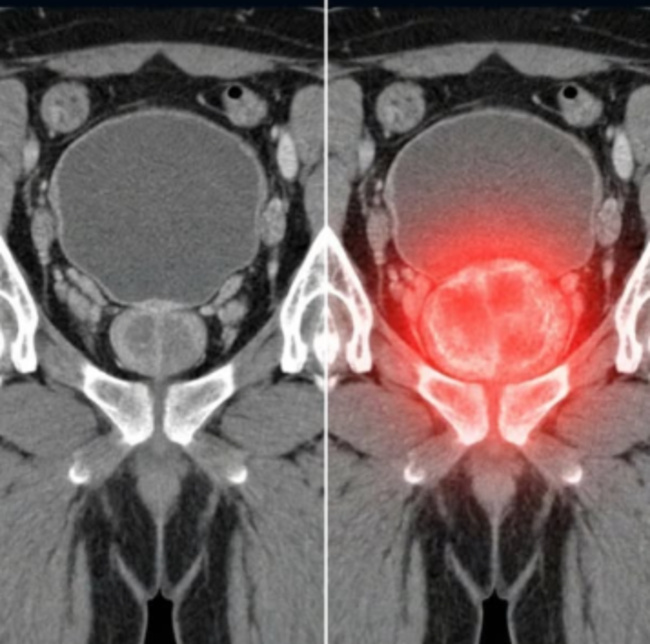
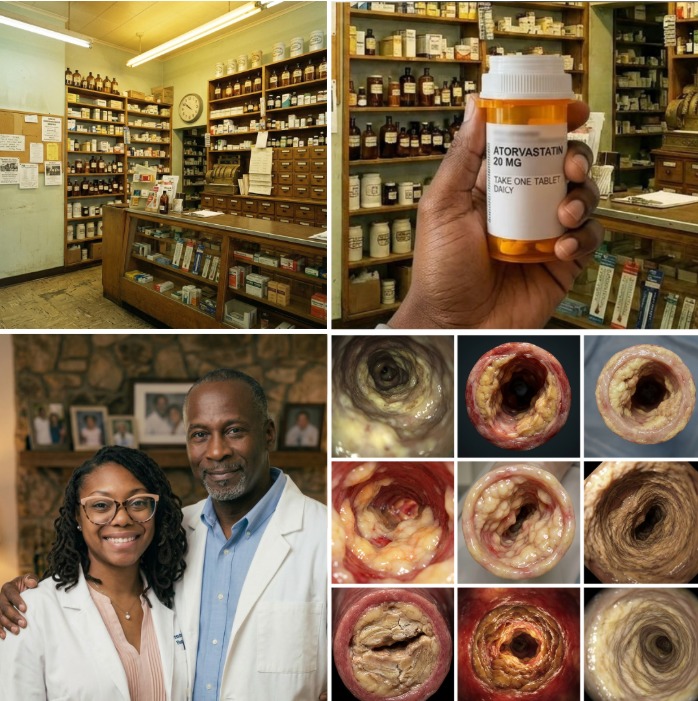
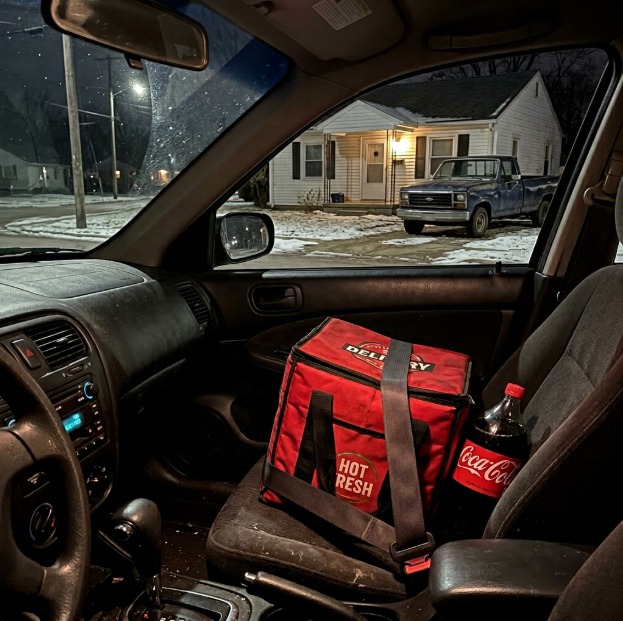
I've owned a pizza shop for eleven years. Every Friday for two straight years, the same couple ordered two pizzas for delivery. One cheese. One meat lovers. 6:15pm on the dot. The man always came to the door. Always tipped $5. Always said the same thing as I handed him the boxes. Then one Friday they stopped ordering. No call. Nothing. People stop. That's the business. Five months later, a single cheese pizza came through to the same address. I'd heard a rumor about what happened. I boxed the pizza myself and drove. Looking back, that's the moment everything changed. Not when I heard what happened to Frank. Not when I found the research at 3 AM. Not when my dad called me from the garage for the first time in a year. It was the moment I pulled that ticket off the board instead of letting Marcus take it. I just didn't know it yet. Let me back up. When you own a pizza shop long enough, you stop learning people's names and start learning their orders. You hear an address and your hands already know what to make. 414 Birch Street was Friday at 6:15. One medium cheese, one medium meat lovers. Every week. The man's name was Frank. I didn't learn that until later. To me, he was just "Birch Street." He was the kind of guy who had the door open before you knocked. Big hands. Thick forearms. He'd take both boxes in one grip like they weighed nothing. Always had a $5 bill already folded in his other hand. Every Friday, same thing. He'd hand me the cash and say, "You take care now, boss." I'm 42. Frank had at least thirty years on me. But he called me "boss" every time like he meant it. Sometimes I'd catch a glimpse past him into the house. TV on. Something cooking. His wife calling from the kitchen — "Frank, close the door, you're letting the cold in." Two pizzas. Every Friday. Two years straight. The first Friday they didn't order, I didn't notice. Forty tickets on the board, phones ringing, ovens going. One missing order doesn't register. Second Friday, I caught myself glancing at the screen around 6:15. Nothing. Third Friday, same thing. I realized I was waiting for it. Then a month went by. Two months. I drove past Birch Street once on a delivery to a house two blocks over. Didn't slow down, but I looked. The porch light was off. Frank's truck was in the driveway with pollen on the windshield and leaves pressed up against the tires. Hadn't moved in a while. There was a gutter hanging loose on the side of the house — just one bracket — the kind of fix that takes ten minutes if you've got a ladder. I didn't stop. They were customers, not family. Five months after the last order, a single cheese pizza came through on a Friday night. 7:48 PM. 414 Birch Street. The delivery note said: "Side door please. Front steps are icy." My night guy, Marcus, reached for the ticket. I took it. "I got this one." I hadn't run a delivery myself in about three months. Friday nights I'm on the line, running the kitchen. That's where I'm supposed to be with fourteen orders on the board. But I knew that address. And I'd heard what happened to Frank from a regular who lives on the same street. I boxed the pizza. Grabbed a two-liter of Coke from the cooler — they used to order that too. Didn't charge for it. Grabbed the sympathy card from my glove box that my wife Karen had picked out two weeks ago. I'd been meaning to mail it. Kept not mailing it. The drive to Birch Street is eleven minutes. I've made it countless times. The house looked different. Not bad — just like nobody was keeping up with it. The truck hadn't moved. The gutter was still hanging. The recycling bin at the curb was almost empty. Just some pharmacy bags. I walked around to the side door. Knocked twice. "It's open, sweetheart. Come on in." She was on the couch, wrapped in a fleece blanket. The house wasn't cold exactly, but it wasn't warm. She looked up. Took a second to place me. "I know you. You used to bring our pizzas." "Yes ma'am. A while back." "You're the owner. Frank always said the owner delivers better than the kids." She smiled a little. She started reaching for her purse. I told her it was taken care of. "I brought you a Coke too." "Frank always got the Coke. I don't drink it." She looked at the bottle. "But it's nice you remembered." I set the pizza on the kitchen table and that's when the house hit me. Everything was clean. Spotless. But there was one plate in the drying rack. One fork. One cup. The kind of clean that comes from someone who doesn't have much to clean up anymore. On the counter, two pill organizers. The weekly kind. Hers was full — every compartment packed. The one next to it was also full, but dusty. Frank's. She hadn't thrown it out. Hadn't emptied it. In the living room, two recliners. Hers had a blanket and a remote on the arm. His was empty. Still reclined the way he left it. I gave her the sympathy card. She read it. Put it next to her on the couch — not on the pile of unopened ones on the end table. "I should've sent that sooner," I said. "I'm sorry about Frank." "Thank you." I should've left after that. Pizza delivered. Card given. My shop was running without me. But she asked if I wanted to sit for a minute. And there was something in the way she said it — not like she was being polite. Like she'd been sitting alone in this house for five months and the pizza delivery was the first reason anyone had walked through her door in weeks. So I sat down at the kitchen table. "Frank rebuilt the engine on that truck out there in 1996," she said. "Took him three weekends. I'd bring him lunch in the driveway and he'd be covered in grease, happy as anything. He could listen to a motor and tell you what was wrong with it." She put her hand on the table. "He built this table. Cut the wood himself. Forty-one years ago, right after we got married. He said he wanted me to have a table that would last." She went quiet for a second. "It lasted." I asked her what happened to him. She took a breath. "People think it was sudden. It wasn't. It took a long time. And I watched the whole thing." "It started with his hands. He'd come in from the garage and run them under hot water, working his fingers open and closed. I figured it was arthritis. He figured it was arthritis. But looking back, it started about three years after the doctor put him on the cholesterol medication." "What medication?" I asked. "The statin. His numbers were a little high — not dangerous, just a little high. The doctor said let's get ahead of it. So Frank took the pills. Did what he was told. He always did what he was told." "First year, nothing changed. Frank was Frank. Eating his meat lovers on Fridays. In the garage every weekend. Driving to the hardware store on Saturdays." "Then the hands started. Then the legs. He used to walk to the mailbox and back without thinking about it. Then I noticed him stopping on the porch halfway back. Leaning on the railing. Twenty feet." "Then his mind." She paused. "He drove right past our street coming home from Tanner's Hardware. A place he'd been going to for thirty years. Ended up two towns over before he called me. 'Hel, I think I missed the turn.' Real quiet. Embarrassed." "It was more than that though. He'd start a sentence and just stop. Like the word he needed wasn't there anymore. He'd wave his hand and say 'forget it.' After a while he just stopped talking as much." "And the whole time — every three months — we'd go to the doctor. And the doctor would look at his chart and say, 'Numbers look great, Frank.'" She reached over and picked up the dusty pill organizer. "These are still full. I was on my way to pick up his refill when he died. Right there in that chair." She looked at the recliner. "The TV was on a channel he didn't watch. I think he was trying to change it and his hands couldn't work the remote." She put the pill organizer down. "His LDL was 97. The doctor called it a success. Frank couldn't button his own shirt. He couldn't remember how to drive home. And the doctor called it a success." She looked at me across the table. "I don't know what killed Frank. But whatever those pills did to him — that wasn't living." I sat in my car outside her house for a while. Marcus had texted me four times. I didn't answer. I opened the glove box and pulled out a piece of paper I'd been keeping in there for six weeks. A prescription. My doctor — good guy, Dr. Patel — had looked at my bloodwork during my first physical in three years. My wife made me go. "Your LDL is elevated," he said. "I'd like to start you on a statin. Just to get ahead of it." Get ahead of it. That's exactly what Helen said Frank's doctor told him. I took the prescription home. Put it in the glove box. Never filled it. Never threw it out either. Now I sat there looking at it. Same class of drug. Same approach. Same promise. Then I called my dad. He picked up after a few rings. "Hey Pop. How you feeling?" "I'm fine. What's wrong?" "Nothing. Just calling." "On a Friday night?" My dad is 68. Retired pipe fitter. Thirty-one years in the union. The kind of guy who used to carry 80 pounds of copper on his shoulder up three flights without slowing down. He coached my Little League team. Threw me batting practice until we couldn't see the ball anymore. He's been on a statin for six years. And sitting in my car on Birch Street, I started thinking about things I hadn't thought about before. His grip. He used to shake my hand and you'd feel it in your whole arm. Now it's lighter. Careful. He stopped going to the garage. He built my mom a shelf for her plants two years ago and it took him an entire weekend. A shelf. This is a man who used to replumb a bathroom in a day. He says "I'm just tired" a lot now. When you ask why he's sitting down again, when you ask why he's not coming to the cookout, when you ask if he's okay. "I'm just tired." I thought that was just getting older. That's what everyone thinks. Helen thought Frank's hands were arthritis. I went home. My wife Karen was already asleep. I sat at the kitchen table with my laptop and searched: "Why do statins cause muscle weakness." I was up until almost 3 AM. I'm not going to pretend I understood everything I read. I'm a pizza shop owner, not a doctor. But I can follow a pattern. And the pattern I found was something that Frank's doctor never told him, my dad's doctor never told him, and my doctor never told me. Here's the short version of what I learned that night: Your body makes cholesterol on purpose. It's not a mistake. It's a building material — every cell needs it, your brain runs on it, your hormones depend on it. When the doctor says "your cholesterol is high," they mean one number — your LDL — is above a line on a chart. The standard move is to prescribe a statin to push it down. But what I didn't know — what Frank didn't know, what my dad doesn't know — is that not all LDL cholesterol is the same. Regular LDL is just doing its job. Moving nutrients around, repairing cells. It only becomes a problem when it gets oxidized — when free radicals from stress, bad food, toxins, even just normal aging attack it and damage it. Oxidized LDL is what sticks to your artery walls. Oxidized LDL is what causes plaque. That's the stuff that leads to heart attacks. But here's the thing — the standard cholesterol test doesn't tell you how much of your LDL is oxidized. It just counts all of it. Good and bad, lumped into one number. If the number's high, you get a prescription. And what does that prescription do? It blocks your body's ability to make ALL cholesterol. Not just the dangerous oxidized kind — all of it. The kind you need too. It gets worse. The same process the statin shuts down to lower cholesterol is the same process your body uses to make CoQ10. That's the molecule your heart depends on for energy. Your heart beats 100,000 times a day. It needs a massive amount of fuel. And the drug that's supposed to be protecting your heart is cutting off the fuel supply. That's what happened to Frank. That's why his hands gave out. Why his legs gave out. Why his brain started going. His muscles were being starved of energy at the cellular level. Not because he was getting old. Because the drug that made his numbers look perfect was draining the thing that kept him running. His doctor never mentioned any of this. I kept reading. And the question I kept coming back to was simple: if the real problem is oxidized LDL, what stops the oxidation? That's when I found something I'd never heard of. Molecular hydrogen. Not hydrogen peroxide. Not some weird chemical. Just molecular hydrogen — H2 — the smallest molecule that exists. Researchers in Japan have been studying this since 2007. There are over 2,000 published studies on it. What they found is that hydrogen acts as what's called a selective antioxidant. Most antioxidants — Vitamin C, Vitamin E — go after all free radicals, including the ones your body actually needs. Hydrogen only goes after the worst ones. The specific free radicals that oxidize LDL cholesterol and cause the damage. And because it's the smallest molecule in existence, it can get into every cell. Through membranes. Across the blood-brain barrier. Places no other antioxidant can reach. A clinical trial in the Journal of Lipid Research showed hydrogen-rich water led to a significant drop in LDL — specifically the oxidized kind. HDL went up. Cholesterol ratios improved. Not from a drug. From addressing the actual problem. Then I found the magnesium piece. And the whole picture came together. 75% of Americans are deficient in magnesium. It's involved in over 300 processes in the body, including cholesterol regulation. Your body literally can't manage cholesterol properly without enough magnesium. My dad has been on a statin for six years while his body might not have the basic mineral it needs to regulate cholesterol on its own. And here's what tied it together for me: the way molecular hydrogen tablets work is by dissolving elemental magnesium in water. The chemical reaction produces hydrogen gas AND releases bioavailable magnesium. You get both in one glass. The chemistry requires it. It was almost 3 AM. I searched "molecular hydrogen tablets." That's how I found PrimeCell. Not from an ad. Not from a podcast. From the research itself. PrimeCell is a molecular hydrogen tablet. You drop it in water. It dissolves in about 90 seconds. It produces 8 to 12 parts per million of molecular hydrogen — way more than those electronic hydrogen bottles. And it delivers about 80mg of elemental magnesium per tablet. One glass. Once a day. No pills, no prescriptions, no side effects that take you apart piece by piece. I ordered two boxes that night. One for me, one for my dad. I know my dad. If I showed up with a supplement and started lecturing him about oxidized cholesterol, he'd listen politely, put it in the cabinet next to the fish oil he never takes, and that would be the end of it. So I didn't tell him what it was. Sunday dinner at my parents' house. I brought a glass of water already made. Handed it to him. "Trying this new electrolyte thing at the shop. Tell me what you think." He drank it. Didn't say much. "It's fine. Little different." But I couldn't be there every day. So after that first Sunday, I pulled my mom aside in the kitchen and told her what it was. Told her what I'd found. Told her about Frank. She listened the way moms listen when you're talking about their husband — quiet, serious, already doing the math. I left the box of tablets with her. Showed her how to drop one in a glass of water. She didn't need convincing. She'd been watching my dad slow down for years and blaming it on age like the rest of us. She started putting a glass on the table for him every morning. He didn't ask what it was. He just drank it. That's how my parents work — she puts something in front of him and he doesn't argue. About three weeks in, my mom called me on a Tuesday. "What is that water you had me give your father?" I froze. "Why? What happened?" "He's in the garage." I didn't say anything. "Michael. He's fixing the screen door. He hasn't been in that garage since last spring." Next Sunday I walked in and my dad was at the stove. Not sitting at the table waiting for my mom to bring him his plate. At the stove, flipping sausage, telling my mom she buys the wrong brand. "You look good, Pop." "I feel alright. I don't know. My hands don't hurt as much." His hands. Two weeks later he drove to Mancini's Hardware for the first time in months. Came home with lumber and screws. Building a planter box for my mom's tomatoes. A month later I got him to do bloodwork. His doctor called with the results. I was sitting right there. I asked him to put it on speaker. LDL: down. HDL: up. Triglycerides: dropped. My dad looked at me. "What is that water?" So I told him. All of it. Helen. Frank. The oxidized cholesterol. The CoQ10. Everything. He sat there for a long time. Then he said, "Order me more of that." I went back to see Helen on a Friday. Brought two pizzas. One cheese. One meat lovers. She opened the side door and saw both boxes. Looked at me. Looked at the second box. She pressed her lips together tight and didn't say anything for a few seconds. "Come in." I put the boxes on the table Frank built. The meat lovers just sat there. Neither of us was going to eat it. It was just supposed to be on the table. Because it was Friday. I told her what I found. Showed her on my phone. She read it slowly. When she was done she said, "If someone had given this to Frank two years ago, he'd be sitting right there arguing with me about what to watch." She was quiet a minute. Then she said something I think about every single day. "Every Friday for twenty years, Frank sat right where you're sitting. I thought we had a thousand more Fridays coming. You don't count them until they're gone." She looked at me. "Go give that to your father. And tell people. Not for me. For every woman sitting in a house like this who doesn't know yet what's coming." I drove home with a box of cold meat lovers on the passenger seat. And I kept thinking — what if Marcus had taken that ticket? What if I'd never gone to Birch Street that night? I'd still be carrying that prescription in my glove box. My dad would still be in his recliner saying he's just tired. I wouldn't know what I know now. I'm a pizza shop owner. I'm not a doctor. I make dough at 5 AM and lock up at 10 PM and most days that's the whole story. But I know what Helen told me about what happened to Frank. And I know what I watched happen with my dad over six weeks of drinking one glass of water a day. I'm not telling you to stop your medication. That's between you and your doctor. I'm not promising a miracle. I sell pizza, not miracles. But if someone you love is on a statin — if they're rubbing their hands all the time, or they stopped going to the places they used to go, or they keep saying they're "just tired" — if their doctor keeps saying the numbers look good and you keep thinking something doesn't add up... Look into what I looked into. That's it. PrimeCell. One tablet. One glass of water. 90 seconds. Molecular hydrogen and magnesium — two things your body already needs, delivered in a way that actually gets where it needs to go. Over 2,000 published studies. Clinical trials with real results on cholesterol and cardiovascular function. Not by shutting your body down. By giving it what it needs to work. "I've tried supplements before. They don't work." I get that. My dad's cabinet is a graveyard of fish oil and red yeast rice. But those supplements are trying to do the same thing as the statin — just weaker. They're working on the same problem the wrong way. Molecular hydrogen isn't doing what fish oil does. It's doing something completely different. It's going after the oxidation — the thing that actually makes cholesterol dangerous. That's why those other supplements didn't move the needle. They were never aimed at the right target. "If this actually worked, my doctor would've told me." Maybe. But your doctor has 15-minute appointments and pharmaceutical guidelines that take years to catch up to the research. Japanese researchers have been studying molecular hydrogen since 2007. The studies are there. Over 2,000 of them. But it took decades for the medical establishment to admit the sugar industry buried the link between sugar and heart disease. Sometimes good science moves slow. That doesn't mean it's wrong. "A tablet in water? That sounds too simple." That's what I thought too. But the simplicity is the whole point. Hydrogen is the smallest molecule there is. That's why it can get into cells that nothing else can reach. The tablet is just the delivery method — magnesium reacts with water, produces hydrogen gas, you drink it. It's basic chemistry. It's simple because the molecule is simple. That's not a flaw. That's the reason it works where bigger molecules can't. "I'm not making medical decisions based on a Facebook post." Good. Don't. I'm not your doctor and I'm not pretending to be. All I'm saying is look at the research yourself. Type "molecular hydrogen cholesterol" into Google Scholar. Read what comes up. Then talk to your doctor. Ask them about oxidized LDL. Ask them about CoQ10 depletion. See what they say. Some people take PrimeCell alongside their current medication. Some use it on its own. That's your call. Here's what I keep coming back to. Frank's LDL was 97 the month he died. The doctor said his numbers were perfect. Helen was picking up his prescription refill the afternoon she came home and found him in his chair. My dad's numbers are better now than they've been in six years. The only thing that changed was one glass of water a day. Helen still orders one cheese pizza every Friday. She still hasn't moved Frank's recliner. But her daughter's husband in Pennsylvania just started taking PrimeCell. He's 51. He was about to go on a statin. Because Helen told her daughter what I told Helen. And her daughter wasn't going to sit and watch it happen again. That's all I'm doing here. Telling you what I was told. What I found. What I saw happen with my own father. You do what you want with it. But you don't get those Fridays back once they're gone. PrimeCell. Try it. Or give it to someone you're not ready to lose. shop.getamalahealth.com/pch/ch/sp P.S. — My dad has been taking PrimeCell every morning for about four months now. My mom still puts the glass on the table. He still doesn't argue. Last Saturday he was in the garage for five hours. Not sitting in there — working. He's rebuilding the shelf above the workbench that's been sagging for two years. He came in for dinner with sawdust in his hair and grease on his forearms and I almost had to leave the room. Because that's the version of my dad I thought was gone. His grip is different. He shakes my hand on Sundays and I can feel it again — not the full bone-crusher from twenty years ago, but real. Solid. He's up before 6 most mornings now. No sitting on the edge of the bed working his fingers open and closed. Last week he asked my son if he wanted to go to Mancini's Hardware with him. My son is nine. He's never been invited. He called me that night and said "Dad, what happened to Pop?" P.P.S. — You'll know it's working before the bloodwork confirms it. My dad felt it around day five. The mornings change first. Then the energy. Then the fog — not all at once, but like someone slowly turning the lights up in a room you didn't realize had gone dim. If you've been watching your father or your husband or yourself slow down on a statin, you've gotten used to it. You've adjusted. You've lowered the bar so gradually you forgot where it used to be. When it starts coming back — even a little — you'll notice. Because you'll remember who they were. And you'll realize that person is still in there. The statin didn't kill them. It buried them. PrimeCell digs them out. P.P.P.S. — PrimeCell has a 90-day money-back guarantee. If the numbers don't improve, you get every penny back. No questions. Think about that for a second. In all the years Frank was on his statin, nobody offered Helen her money back when the drug failed. Nobody offered to refund the three years it took from him — the hands, the mind, the Fridays. The pharmaceutical system doesn't do refunds. PrimeCell does. Think about what that tells you about who actually stands behind their product and who just stands behind their subscription model. P.P.P.P.S. — PrimeCell is a small company. They sell out. I learned this the hard way when I tried to reorder my dad's second box and had to wait over a week. I keep two boxes at my parents' house now and one at mine. Because after what I learned about oxidative stress, I started taking it too. I'm 42 with an unfilled prescription in my glove box. I'm not waiting to become Helen's story. If your husband's next bloodwork is in 30 to 60 days and you want him to walk into that appointment with real numbers instead of the same "everything looks fine" he's been hearing while his body falls apart — check if they have stock. They currently have a buy 3 get 2 free deal that I used to stock up for my whole family. Not next week. Now. Every day on the statin is another day of CoQ10 depletion. Every day without addressing the oxidation is another day the cycle keeps spinning. Frank went three years before Helen noticed. Don't let your person go another month. P.P.P.P.P.S. — Don't forget about the 90-day money-back guarantee. You're risking nothing. Frank risked everything. 👉shop.getamalahealth.com/pch/ch/sp
Fix Yourself at the Cellular Level
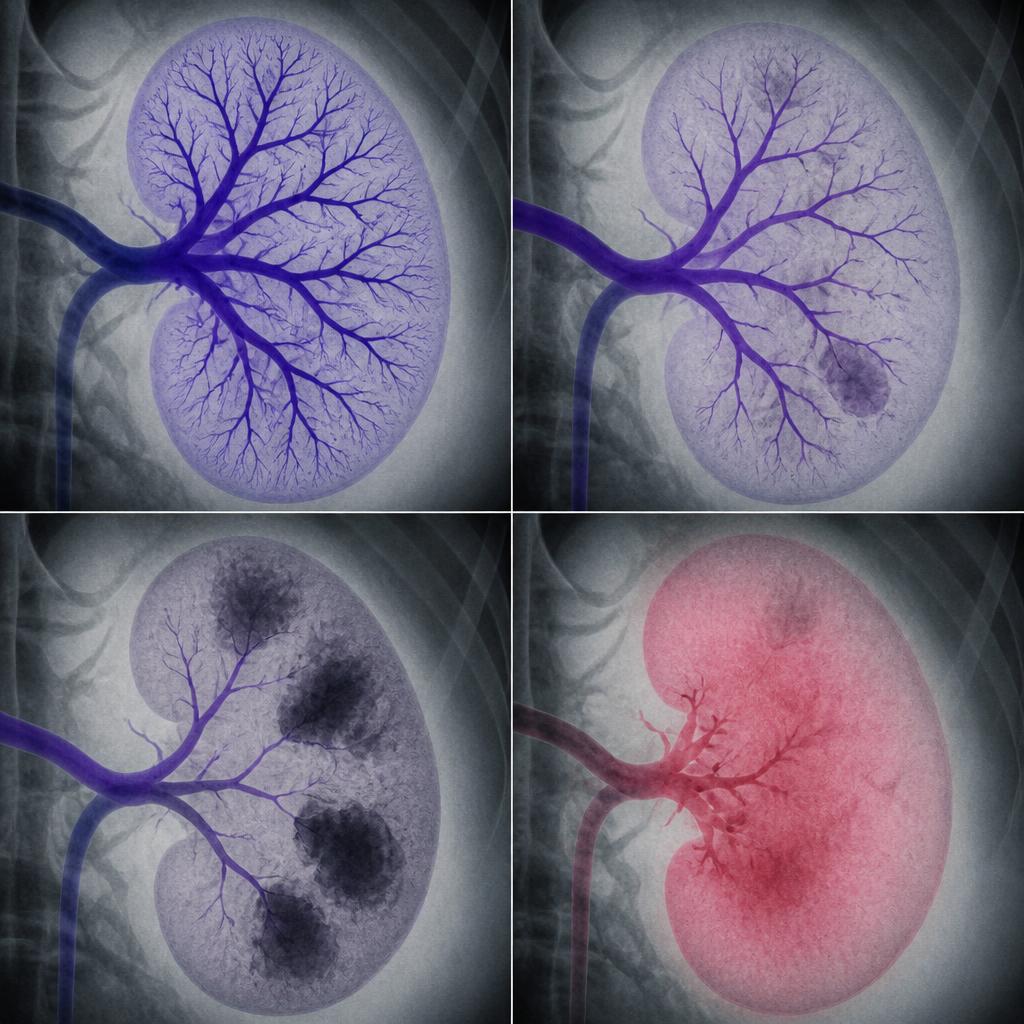
High Cholesterol, Statin Side Effects, Numbers That Won't Budge? PrimeCell H2 Targets The Oxidative Damage Medications Can't Touch.
LEARN MORELike this ad? Make it yours.
Crush rebuilds this exact creative around your product — your brand, your colors, your offer — in about a minute.