Carol Ellison
Carol Ellison Facebook ad: “Type 2 Diabetics: This Could Save Your Feet”

Ran for 11 days, from July 18 to July 29, 2026, the last day Crush saw it.
Run by Carol Ellison on Facebook. Crush is not the advertiser and does not verify its claims. See this ad in Meta's Ad Library(opens in a new tab)
Want an ad like this for your product?
Crush makes new ad images for your product from this ad: your logo, your product photo, your offer.
Trials from $19.95 USD, then $79.95 USD a month. Cancel anytime.
About this ad
- Meta Ad Library ID
- 998652349901279
- Platforms
- Facebook, Instagram, Audience Network, Messenger and Threads
- Relaunches
- 0
Ad text
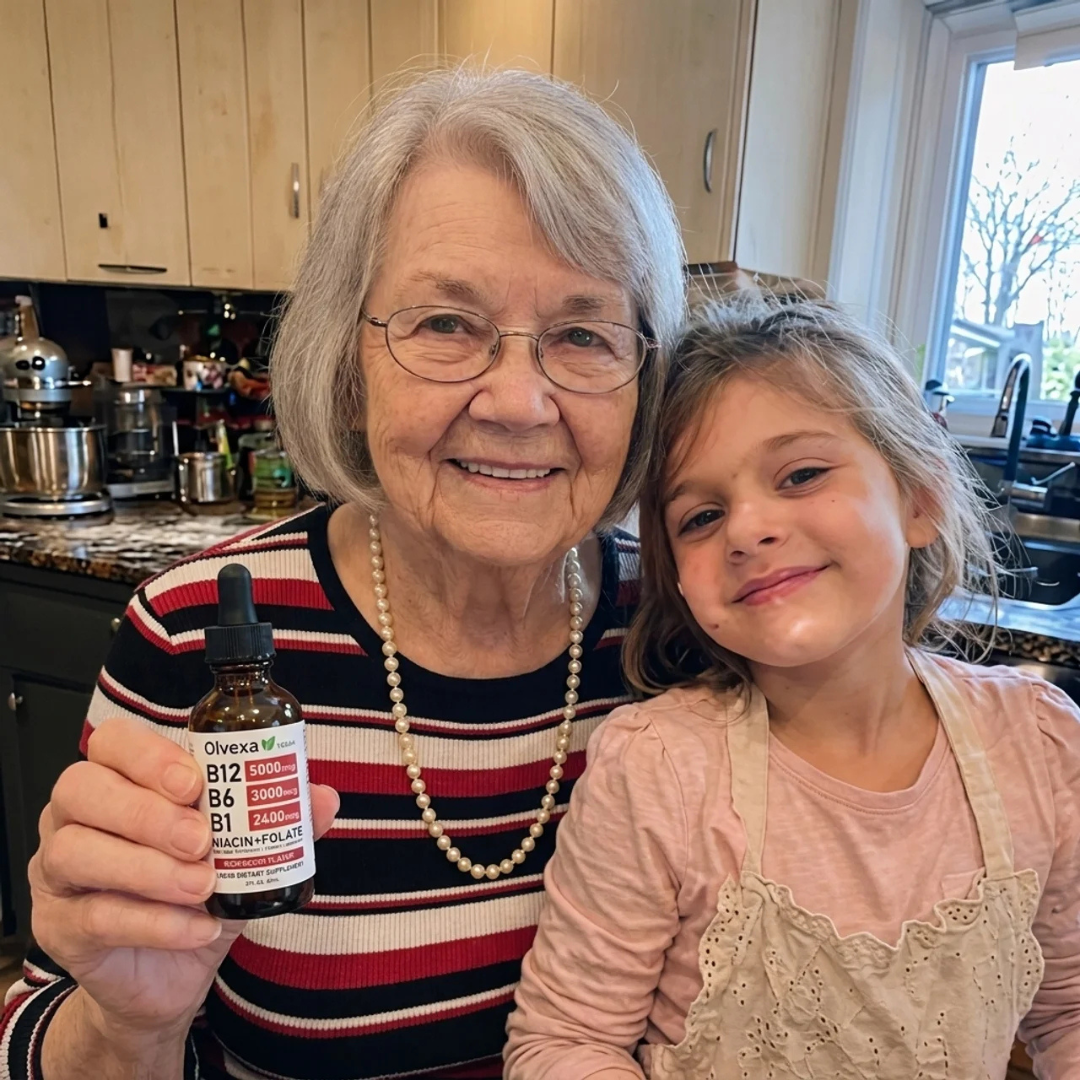
I nearly went down a staircase in Santorini because I could not feel my own feet. The ship's doctor was from Austria. She asked me ONE question that made my doctor back home look 15 years behind. I'm Carol. I'm 64, from Cleveland. I'm a Type 2 diabetic, on metformin for thirteen years. My husband and I had been saving for this trip for almost three years. Mediterranean cruise. Two weeks. Greece, Italy, Spain. We'd talked about this trip since the kids were in college. The kind of trip you plan in your forties for your sixties. The reason you keep showing up to a job you stopped loving years ago. Day four, we're walking down the steps from Oia after sunset. You've seen the pictures. White buildings cascading down the cliff face. Blue domes. The Aegean spread out below. Cobblestones worn smooth by a thousand years of feet. The kind of place you put on a wall when you finally get home. My husband was ahead of me with his phone out, laughing at something a vendor had said. I was about thirty feet behind him. And I could not feel the steps under my feet. I want to explain what that actually means, because for a long time I did not understand it myself. It is not pins and needles. It is worse than that. It is nothing. You put your foot down and the information that should come back up, where the ground is, whether it is flat, whether your weight has landed, simply does not arrive. You are walking on feet that have stopped reporting back. I had noticed it getting worse over the last year. At home I had learned to manage it without admitting I was managing it. I held the handrail on the stairs with both hands now. I had stopped walking on the uneven trail by the river. I watched my own feet when I crossed a room, the way you watch a toddler taking its first steps, because I could not trust them to tell me where they were. Here there was a low stone edge and a long drop, and no handrail. I put my foot down and the ground was not where I thought it was. My ankle rolled. I went down onto the cobblestones, caught myself hard on my hands, and sat there with my heart going while tourists stepped around me and photographed the view over my head. And sitting there on those stones, I thought about my mom. My mom was a Type 2 diabetic for twenty-five years. It started in her feet, exactly like mine. First the tingling, the buzzing at night she used to rub out of her toes in front of the television. Then the burning, the kind that woke her at three in the morning. Then the numbness, the same numbness I was sitting in now. I watched it take her by inches. First she gave up her garden, because she could not feel the ground well enough to trust herself on the grass. Then she stopped driving, because she could not feel the pedals. Then there was the burn on her foot she did not notice for two days, because she could not feel it, and it turned into a sore that would not heal. Then the sore became an ulcer. Then the ulcer became a hospital stay. Then they took the foot. Then, eighteen months later, most of both legs below the knee. She spent her last years in a wheelchair by the window. And the cruelest part, the part I have never been able to forget, is that her feet still burned. The feet that were no longer there. She would ask me to rub them and there was nothing to rub. I was in my thirties when all that began. I told myself I had time, that it would not be me. And here I was, 64 years old, on a Greek staircase a long way from home, sitting on the cold stones at the exact beginning of the exact same road. My husband turned around. I will never forget his face. Laughing one second. The next he dropped his phone on the cobblestones and ran back to me. "Carol. Carol what happened." I told him I was fine. I wasn't. I had not tripped. I simply had not felt the step. A Greek man from a nearby taverna helped me up. Nothing was broken. But my husband had the face I had been seeing in nightmares for twenty-five years, since my mom's feet started going. He had watched her decline too. He knew exactly what a fall like that meant, and exactly whose story it echoed. The ship's doctor saw me the next morning. Someone had mentioned the fall. Her name was Dr. Brunner. Austrian accent. White hair cut short. Maybe early sixties. She had me take off my shoes and socks. She took a thin filament, a single strand like a fishing line, and pressed it against different points on the soles of my feet. "Tell me when you feel this." Half the time I did not feel it at all. She would press, and press again harder, and I would feel nothing, and then she would move to another spot and I would feel a faint touch, and then nothing again. She was mapping the dead patches. There were a lot of them. She sat back. "You did not trip yesterday. You have lost the protective sensation in your feet. This is why you fell. Your feet could not tell you where the step was. You are diabetic, yes?" "Type 2. Thirteen years. I'm on metformin." "How long has your doctor been calling your A1C managed?" The question hit me sideways. I said something about how my A1C had been between 6.6 and 7.1 for years and my doctor always said it was fine. Good, even. He shook my hand about it once. Dr. Brunner looked at me for a moment. Then she set down the filament. "How long has your doctor been telling you your A1C is managed while the feeling has been leaving your feet?" I could not answer. Because the answer was years. The tingling had started years ago. I had mentioned it, more than once. He had said it was expected with diabetes, that it was something we would keep an eye on. We kept an eye on it. That was the whole treatment. Watching. It never got better. It got worse, quietly, the entire time we were keeping an eye on it. "I want to tell you something I have spent years quietly frustrated about," she said. "I trained in Austria. And what I see when I see diabetic patients from America is the same thing every time." She pulled up a chair and sat down properly, the way no one at home had ever sat down with me. "They come to me with their A1C well controlled, their doctor monitoring them for years, doing everything they were told. And every one of them is sitting in front of me with the feeling going out of their feet, one nerve at a time, while their chart says everything is fine." "Your system has decided that monitoring a diabetic patient is the same as treating one. It is not. Monitoring is watching the damage happen and writing it down. Treating is addressing what is causing the damage. Your doctors are very good at the first. They are not trained for the second." "That is not a criticism of your doctor. He is doing what he was taught. He looks at your A1C. He adjusts the dose. He writes the next prescription. That is the protocol. And the protocol is what is failing your feet." I asked her what I should have been told. "You should have been told why the nerves in your feet are dying, and that it is not simply your blood sugar. There is a second thing happening that no one measured." She held up her hand. "Your nerves are wrapped in a living coating, like the insulation around a wire. It lets the signal travel and it keeps the nerve alive. Your body rebuilds that coating every day of your life. And to rebuild it, it needs one nutrient above all others. B12." "When the B12 runs short, the coating thins. Bare patches open along the wire. The nerve misfires, that is your tingling and your burning, and then it goes silent, that is the numbness, the thing that put you on the cobblestones yesterday. And here is what no one told you." She looked at me. "The metformin that has been controlling your blood sugar for thirteen years has been draining your B12 the entire time. It is printed in the drug's own information. It has been known for decades. The very drug keeping your number down has been quietly pulling out the one nutrient your nerves needed to keep themselves alive." I asked her what the metformin had been doing for me then. "Keep taking it. It is doing its job on your blood sugar, and you should not stop. But it was never going to heal your feet. It was managing one number while it drained the thing your nerves were starving for. You can keep the tap running and still let the well go dry." I sat with that. And then I told her the thing that had been quietly humiliating me for a year. "I did try B12," I said. "When the tingling first got bad, I read somewhere that it might help. I bought a bottle from the drugstore. Took it every day for months. It did nothing. My feet kept getting worse. So I decided B12 was not the answer, and honestly I decided nothing was." She nodded slowly, as if she had heard it a hundred times, because she had. "Of course it did nothing," she said. "And I need you to understand why, because it is the whole reason you are still sitting here like this. Putting B12 back is not as simple as swallowing a pill. Three things have to be right. The pill you bought probably got all three wrong." She took a small notebook from her pocket and began to write. "First, the form. Almost every B12 on the shelf is cyanocobalamin, the cheap, inactive form. Your body has to convert it before a nerve can use it, and that conversion weakens with age, and weakens further on the very metformin that drained you. So even the part you absorb, your body often cannot turn into the form the nerve actually runs on." "Second, the delivery. After fifty, your stomach stops making enough of the protein that carries B12 out of your gut into your blood. So a swallowed pill, whatever the number on the label, passes straight through you. It never arrives. You bought the right idea in a form your body was built to reject." "Third, B12 does not work alone. It rebuilds the coating, yes. But the nerve is also misfiring, and settling that is a different job, that is B6. The repair itself runs on energy, and that comes from B1 and B3. B3 also opens the tiny blood vessels that feed the nerve, the ones diabetes damages first. And folate has to be there or the repair stalls halfway. B12 on its own, in the wrong form, that your gut cannot absorb, without the rest of the team, was never going to reach your feet." She tore off the page and handed it to me. "The active form. A real dose. Delivered under the tongue so it goes around the stomach that stopped absorbing it. With the full team of B vitamins beside it. That is what actually reaches a starving nerve. Not the pill you tried." Then she wrote down a name. A brand her colleague in Vienna had been recommending to his diabetic patients. Olvexa. "I called this company myself before I would recommend it to anyone. That is how I was trained. You verify the source. You read the lab work. They sent me everything. The active methylcobalamin, at a real five thousand micrograms. The full B complex beside it. Sublingual, so it bypasses the gut. Third party tested, the certificates published. The form was right. The dose was right. The delivery was right." She looked at me one more time. "Your body is not failing you. The protocol that treats your compliance as the cure is failing you. The missing B12 is the cause. The wrong form and the failed delivery are why putting it back never worked. Fix those, and the nerve has what it has been starving for. That is what we do in Austria. That is what you should be doing at home." She told me to use the handrails for the rest of the cruise, to watch my feet on the stairs, and to see her again in two days. Then she said the thing I have not been able to forget. "You did not trip yesterday. Your feet have been going numb for years while your doctor told you the number was fine. He has been monitoring you. He has not been treating you. There is a difference." My husband and I went back to our cabin. I sat on the edge of the bed and stared at the wall for a long time. He finally said, "Your mom lost her legs. We are not doing that. We are doing something different." I told him I knew. The rest of the cruise was different. I kept thinking about what Dr. Brunner had said, and the more I thought, the more things fell into place that I had been treating as separate for years. The tingling at night I had blamed on my circulation. The numbness I had blamed on getting older. The near falls at home I had blamed on being clumsy, on rushing, on the rug in the hall. Giving up the river trail. Holding the handrail with both hands. Watching my feet across a room. Standing on the bath mat and not being sure, from feel alone, whether both feet were flat. I had a dozen small surrenders, and I had explained every one of them away separately, as aging, as bad luck, as me being careless. Dr. Brunner had connected all of them in twenty minutes, to one cause, with one explanation. My own doctor had seen me twice a year for thirteen years and never once joined a single dot, or told me that the drug he kept prescribing was draining the very thing my nerves were crying out for. We got home on a Sunday. That night I could not sleep. I went downstairs at eleven thirty and opened my laptop. I typed in what she had written. Metformin. B12 depletion. Methylcobalamin. Diabetic neuropathy. I went down the rabbit hole. The depletion was real, printed in metformin's own prescribing information, known for decades. The trials on nerve repair did not use a cheap pill, they used the active methylcobalamin, at a real dose, and they measured actual nerve conduction improving, the electrical signal in the nerve speeding back up. All of it published. All of it sitting in the literature while my doctor wrote metformin prescriptions for thirteen years and watched the feeling leave my feet without ever once asking why. I felt something rise in my chest. Not anger, exactly. Something heavier. The same thing I had felt on those cobblestones, knowing where my mom's feet had ended. I started searching for the brand she had named. Most of what I found was the same thing that had already failed me. Cheap cyanocobalamin. Swallowed pills. A few hundred micrograms hidden on the label. Nothing matching what the research actually used. Olvexa was the only one I found that matched what Dr. Brunner had described. Active methylcobalamin. Five thousand micrograms. The full B complex beside it. Sublingual, so it actually gets in. Third party tested, made in small batches. I read the reviews for over an hour. Diabetics on metformin, exactly like me, describing years of B12 pills that did nothing, and then the feeling slowly coming back once they took the form that actually reached the nerve. One woman described standing in her kitchen and feeling the cold of the floor for the first time in two years. I sat there at the table and cried, because that was all I wanted. To feel the floor. I ordered three bottles at two fifteen in the morning. I was not doing this halfway. The bottles arrived a few days later. A dropper and a half under the tongue every morning. That was the whole protocol. Week one. I want to be honest. It was not much. Nerves do not turn around in a week, and I knew that from everything I had read, so I did not let myself expect anything. I took my dose and got on with my day. Week two. The first real thing. A night I did not wake at three in the morning to the burning in my toes. I woke in the same position I had fallen asleep in, and lay there for a while working out how long it had been since that had happened. Months. Easily months. Week three. The burning, when it came at all, was duller. An ache instead of a fire. I got into bed one night and realized I had stopped bracing for it. Week four. I stood up one morning and felt the cold of the bathroom tile under my bare feet. Actually felt it. Not the numb pressure I had gotten used to, the cold. I had lost that so gradually I had forgotten it was even gone, and here it was back, and I stood there for a full minute just feeling my own bathroom floor. Week six. The constant daytime buzz, the background hum in my feet I had stopped even mentioning because it never changed, went quiet. I walked across the kitchen and felt the floor the whole way, heel to toe, both feet reporting back. Week eight. The stairs. I came up to our bedroom one night and realized halfway up that I had felt every single step. The same stairs I had been climbing with both hands on the handrail for a year. I went up, then down, then up again, just to be sure I was not imagining it. My husband looked up from his book. I told him what I had just done. He put the book down. We both sat there for a minute, neither of us quite saying what we were both thinking, which was her. By the second month, the numb patch on my left sole, the one that had been dead the longest, started to come back at the edges. I could feel the seam of my sock across it again. That one had taken the longest, and it was the one that meant the most, because that was the kind of dead patch that had started my mom's ulcer. Week twelve. I went back for a nerve assessment. Nerve conduction on my worse side had been 30 meters per second, badly slowed, where a healthy nerve runs around 45 to 50. The repeat test came back at 38. Still not where we want to be, but a real improvement. The technician ran it twice, because the change was not the direction that test usually moves in a diabetic. She actually said so, quietly, half to herself. My doctor pulled up the results. Stopped. Scrolled. Looked at me. "Carol. What did you change?" I told him. The Austrian ship doctor. The staircase in Santorini. The B12 the metformin had been draining. The active form, the real dose, the sublingual delivery. I talked for twenty minutes. He did not interrupt once. He was quiet for a long time. Then he said, "I was not trained on this. But the feeling has come back into your feet, and the study shows it, so I am not going to argue with it. Keep taking your metformin exactly as you are, and keep doing this." I walked out of that office still on my metformin, with my feet under me again. And I was not the only one. When I first started, I mentioned it to a woman at my diabetes support group, another Type 2 on metformin, in almost exactly my situation, feet getting worse for years while her numbers stayed fine. She was as skeptical as I had been. She had tried B12 too, and it had done nothing for her either, for all the same reasons. She started Olvexa a few weeks after me. At her next nerve assessment her conduction had moved from 34 m/s to 40 m/s as well, and she called me from the parking lot because she could not wait to tell me. Her specialist, who had been warning her for a year about permanent damage and the feeling she was going to keep losing, looked at the repeat test and told her the trajectory had changed. That was the word he used. Changed. After a year of telling her it only went one way. I am writing this because I nearly went down a staircase in Santorini because I could not feel my own feet, and my doctor would never have known why. If I had gone down that staircase the wrong way, at my age, it could have been the fall that starts the last chapter. A broken hip at 64 in a diabetic with numb feet is not a small thing. And the chart would have said what my mom's said, more or less. Diabetic neuropathy. A fall. Common at her age. Nothing that could have been done. Nobody would have asked why a woman with a managed A1C had been losing the feeling in her feet for thirteen years while her doctor wrote prescriptions for a drug that was quietly draining the one nutrient her nerves needed. It took an Austrian ship doctor twenty minutes to explain what my own doctor never explained in thirteen years. It took a staircase in Santorini to make me listen. If you are a Type 2 diabetic and your A1C has been managed for years while the feeling quietly leaves your feet. Tingling at night. Burning at three in the morning. Numb patches. Watching your own feet on the stairs because you cannot feel where they land. Please listen. The same thing that put me on those cobblestones is happening to you right now. The metformin is not stopping it. It manages your blood sugar while it drains the B12 your nerves need to stay alive. And the B12 you may have already tried did nothing, because it was the wrong form, swallowed into a gut that cannot absorb it, without the rest of the team. There is a version that actually reaches the nerve. Olvexa is the product Dr. Brunner wrote on a piece of paper in the medical center of that ship. The same one her colleague in Vienna had been recommending to his diabetic patients. Active methylcobalamin. Five thousand micrograms. The full B complex beside it, B1, B6, B3, folate. Sublingual, so it bypasses the stomach that stopped absorbing it. Third party tested. Made in small batches. Taken alongside the metformin you keep, because you never stop your diabetes medication, you simply put back what it has been draining. A dropper and a half under the tongue every morning. That is the whole protocol. Ninety day money back guarantee. Give it the full ninety days, because nerves rebuild slowly and the best of it comes late, in the second and third month, not the first. If the feeling does not start to come back, you get every penny returned. I have been ordering it every month since I got home from that cruise. It goes out of stock more often than not, because they make it in small batches to keep the potency up. There are cheaper bottles online that look almost the same and are the same cyanocobalamin pills that already failed you once. Order through the official site below. If it is in stock when you click, do not wait. 👉 https://tryolvexa.com/products/olvexa-vitamin-b-complex P.S. My husband and I went back to Greece six months after the cruise. I told him I needed to walk back up to Oia, and back down those same steps, because I needed to know my feet would feel them. We flew into Athens and stayed three nights. The morning of our second day we climbed up, and afterwards we walked back down the very steps where I had fallen. I felt every one of them. Every edge, every dip, every worn-smooth stone. My husband stopped at the bottom and did not say anything. He just held my hand, and we stood there looking at the view I had almost not been able to feel my way back to. If you have a doctor's appointment in the next thirty or sixty days and you want to give your body a real chance before that visit, check availability now. Every day the nerve goes on starved is another day of feeling you do not get back. And another day closer to the fall that might not happen somewhere with an Austrian ship doctor at the bottom of it. 👉 https://tryolvexa.com/products/olvexa-vitamin-b-complex — Carol E.
Where the ad sends people
tryolvexa.com
Type 2 Diabetics: This Could Save Your Feet
Why I Binned Every B12 Tablet I Owned for This Sublingual Methylcobalamin in 2026 (And Why the Burning in My Feet Finally Stopped)
Learn more: tryolvexa.com(opens in a new tab)