
Inactive· since Jul 5, 2026
- 66
- days it ran
- 0
- relaunches
Ad copy
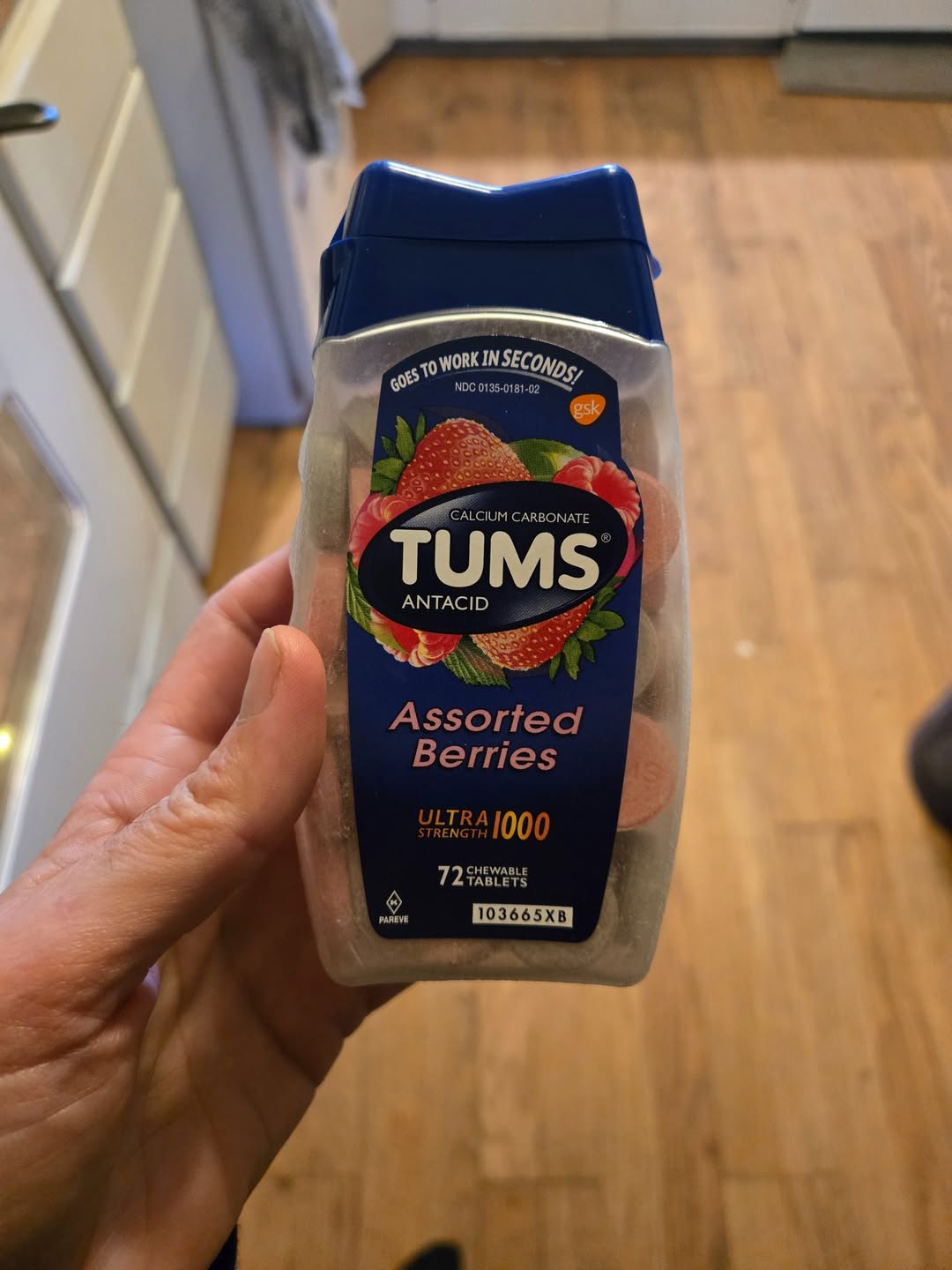
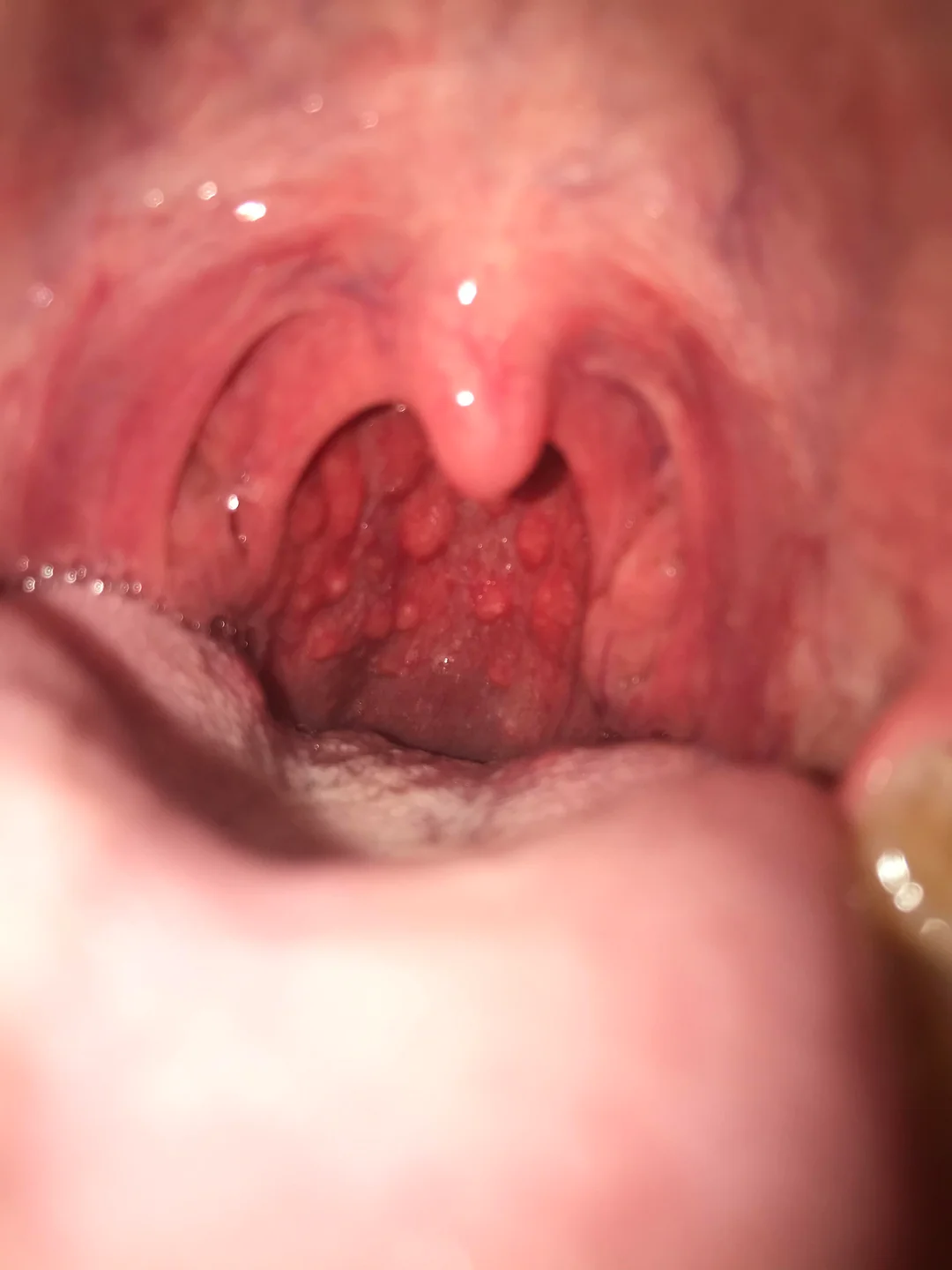
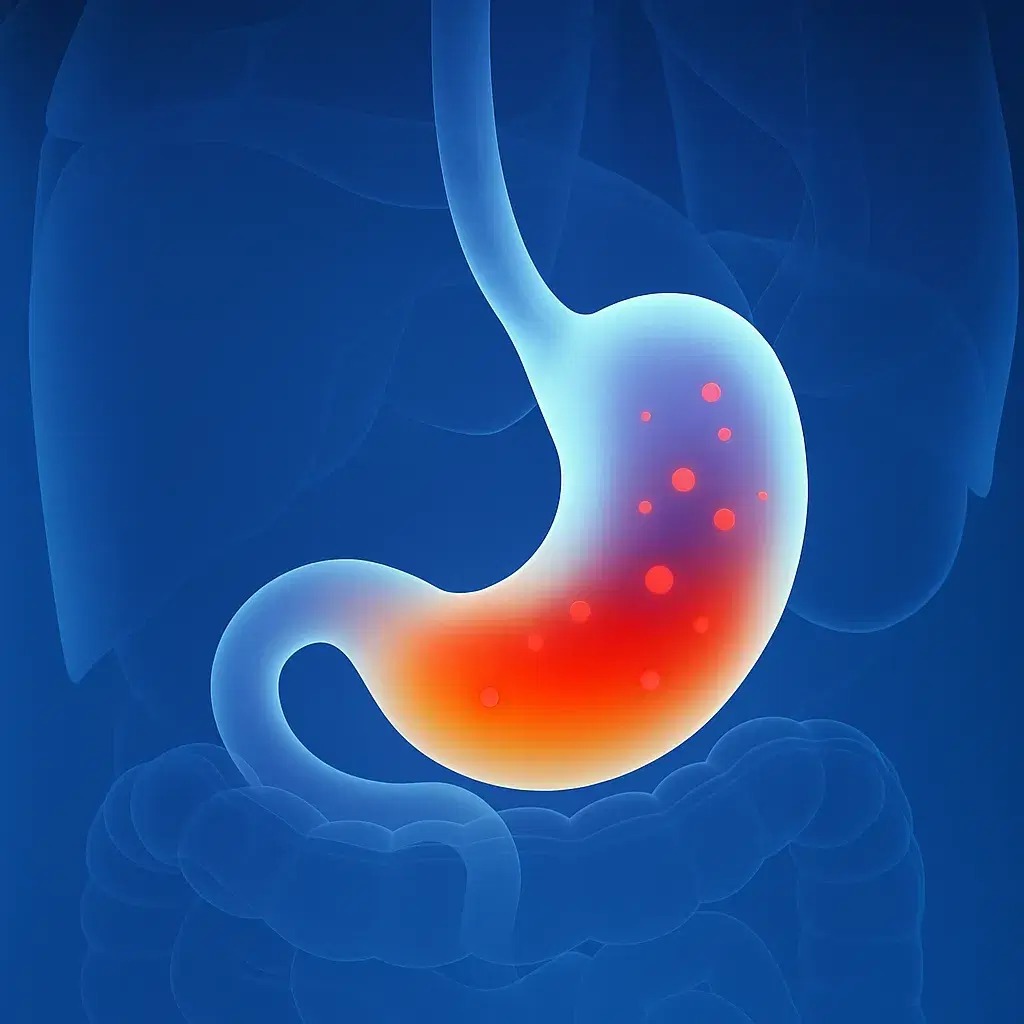
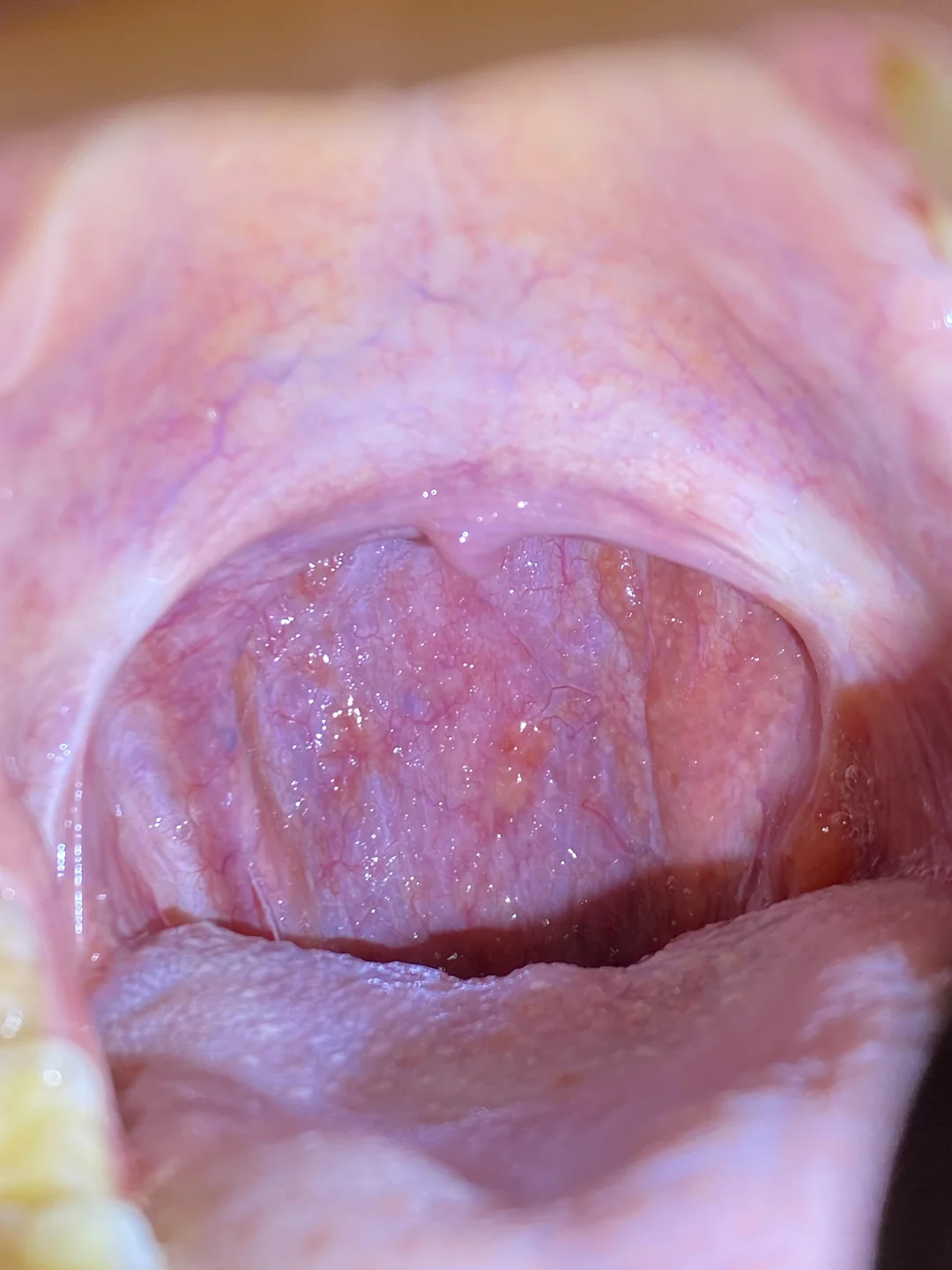
I was diagnosed with LPR after a year of suffering from constant coughing spasms, thick sticky mucus in my nose and throat, clogged ears, post nasal drip, leaky bladder (caused from the harsh coughing) and trouble functioning without a Vicks Vapor Lozenge or gum in my mouth. Got scoped and saw nothing. Gastro and ENT prescribed PPI, cutting out practically all food except veggies and meat. I want to stay with that list for a moment. Because if you have LPR, you know that the list is never just one symptom. It is always the whole cascade. The coughing that becomes so violent it involves your whole body. The mucus that you can clear and clear and clear and it is back within thirty seconds. The ears that feel full and wrong. The lozenge in the pocket that you reach for automatically, not because it fixes anything, but because having something in your mouth is the only way to stay ahead of it for five more minutes. And the leaky bladder from coughing. The one you don't tell people about because how do you explain that your throat problem is affecting your ability to get through a normal day without a change of clothes. I am telling you about it because when I wrote that forum post, I was done editing the list for other people's comfort. I had been sick for a year and nothing was getting better and I was tired of managing how the information landed. That was about twenty months ago. I am 59. Before any of this started I was someone who ran, who traveled, who taught group fitness on Tuesday mornings. I am telling you that not to make a point about who I used to be but because the distance between that version of my life and the version where I could not get through a conversation without coughing, could not eat anything without consequence, could not leave the house without lozenges in every pocket, was the kind of distance that makes a person start to wonder whether they are going to get back. The PPI helped some. Not dramatically. The diet helped some. After cutting everything down to vegetables and lean meat for several weeks the coughing spasms reduced in frequency. Not in severity when they came. Not enough that I stopped needing the lozenge. Not enough that the mornings got reliably better. My ENT at the time was thorough and kind. He scoped me twice in six months. He explained exactly what LPR was doing to the laryngeal tissue and why the symptoms manifested the way they did. He adjusted my medication. He gave me the strictest version of the diet list I had seen yet. He did not tell me anything about what I was doing while I slept. That is not a criticism of him. I do not think he was withholding something. I think the standard framework for treating LPR is built around what the patient does during waking hours, and the conversation about sleep position is not reliably part of it. I did not know that conversation existed. I assumed that if elevation mattered, someone would have told me. Nobody told me until I found it myself. About eight months into the treatment, I was in one of the LPR forums I had been following and someone mentioned a paper about positional therapy. I read the thread. Then I found the paper itself. The paper was published in a peer-reviewed ENT journal. It made a distinction I had never encountered in eight months of active treatment with two specialists. The interventions I had been given address the chemistry of LPR. Medication reduces acid production. Dietary restriction reduces the triggers that increase production. Both reduce the volume and acidity of what is available to travel upward into the throat. Neither one changes whether it travels upward. The mechanism that determines whether acid reaches the throat is mechanical, not chemical. It is about the position of the body during sleep. The lower esophageal sphincter is the valve between the stomach and esophagus. When the body is upright, gravity works alongside this valve. Together they keep stomach contents where they belong. When the body is flat, gravity becomes neutral and the valve works alone. That valve weakens with age. After fifty it does not seal with the force it once had. Even with acid suppression medication. Even after a dinner of plain vegetables eaten early enough that the stomach should theoretically be settled. Whatever acid remains has no gravitational resistance when the body is horizontal for eight hours. It reaches the larynx. The tissue already inflamed from months of repeated exposure. The vocal cords already damaged. And it triggers exactly the cascade the body was producing every morning: the mucus, the clearing, the coughing spasms that for a year had been so violent they were affecting everything downstream. The leaky bladder. The coughing hard enough to cause physical consequences in the body below the throat. That is what sustained nightly acid exposure to irritated laryngeal tissue produces. Not a throat problem in isolation. A whole-body response to a mechanical problem that was running eight hours a night while every intervention I had was aimed at the hours I was awake. The paper cited a clinical study. Two groups of LPR patients on acid suppression medication. One continued medication alone for twelve weeks. The other added consistent full upper body elevation at 30 degrees during sleep. Twelve weeks: 34 percent improvement in the medication-only group. 87 percent improvement in the elevation group. Same medication. One variable. The researchers were direct. Pharmacological treatment cannot prevent the mechanical movement of acid when the body is supine. Positional therapy addressing the full upper body is a necessary component of LPR treatment. I thought about the two pillows I had been sleeping on. My ENT had mentioned elevation early in the process, and I had added them without investigating what elevation actually needed to accomplish. What the research described was not head elevation. Elevating only the head bends the body at the waist, which compresses the stomach and can increase upward pressure on the valve. And pillows compress through the night. By 2 or 3 AM whatever incline I had was functionally gone. Full upper body elevation. The entire torso, from hips upward, at 30 degrees, held there through a full night of sleep, including the deep cycles when movement happens without awareness. I had tried a cheap foam wedge once early on. Hard as a board, smooth cover, slid off it completely by 2 AM. Wrote off the category. What I understood now was that sliding was the category's failure, not the concept's failure. Smooth fabric on an incline provides no grip against gravity. The body moves. The angle disappears. That is why every person in every forum describing a cheap wedge described the same thing: asleep elevated, awake at the bottom, nothing changed. Healpurea solved this problem with one engineering decision that I had not seen in anything else I researched. The cover uses a structured honeycomb texture across the entire sleeping surface. Not decorative. Functional. The texture creates mechanical friction between the cover and clothing and skin. Hundreds of grip points working against gravity to hold the torso at the angle through every shift in deep sleep. The incline at 10 PM is the incline at 6 AM. The foam is high-density medical-grade viscoelastic, built to hold its structure under sustained body weight for years. It comes with a detachable half-moon bolster, repositionable for side sleeping. I sleep on my side and had assumed the whole wedge category required sleeping on your back. The bolster creates a gap for the neck and shoulder that makes side sleeping on an incline something the body can actually settle into. It was $109. Eight months of PPI. A diet reduced to vegetables and meat. Two pillows that were not accomplishing what the research required. A lozenge in every pocket and a spare in the car. All of it doing something. None of it doing what only position can do during the hours that matter most. $109 for the variable I had not been given. I ordered it that week. It arrived in three days. First night, positioned the bolster for side sleeping, lay down, felt 30 degrees as steeper than anything I associated with sleep, stayed with it. Woke at 6:12 in the same position. Incline intact. The inventory. Waiting for the cascade to begin. The cough. The mucus. The reach for the lozenge before I had moved. Still. Quieter than any morning I could remember in close to two years. I did not reach for the lozenge. By the end of the second week, the Tuesday morning fitness class I had stopped teaching eighteen months earlier because I could not reliably get through a session without a coughing spasm in front of twenty people, I went back. I taught the full session. I did not cough once. By six weeks, my ENT's follow-up scope showed the laryngeal inflammation had reduced significantly. He asked what changed. I told him about the paper, the study, the positional variable. He said: "Elevation is in all our guidelines but we don't explain what it requires precisely enough. Full upper body elevation maintained through the night is a different intervention from what most patients end up doing. You found the version that actually works." A year of suffering to get diagnosed. Eight months of treatment that helped some and plateau'd. A forum post that I wrote when I was tired of editing the list. And then the variable that two specialists and eight months of correct treatment had never specifically named. The cascade of symptoms I described in that post, all of it, the mucus, the clogged ears, the coughing, the lozenge, the part I did not edit out because I was done editing, all of it connected back to eight hours of acid reaching tissue that had no gravitational protection because nobody had given me the tool to provide it. The chemistry was addressed. The physics was not. For twenty months. If you are somewhere in your own list right now, if your list is as long as mine was and you have been following the protocol and it is helping some and plateauing, the question worth asking is whether the eight hours you spend horizontal have been specifically addressed or whether they are still running the way mine were. The link is below. You can also search "Healpurea 2.0 Sleep Pillow" directly. I have no affiliation with the company. I am sharing this because I wrote that list out fully, including the part I was embarrassed about, because I was done pretending the situation was more manageable than it was. This is what managed it.
Read This If You've Tried Every Reflux Fix And Nothing Worked 👆
Doctor recommended for Acid Reflux & Snoring. 90-Night Risk-Free Trial + Free Shipping.
SEE DETAILSLike this ad? Make it yours.
Crush rebuilds this exact creative around your product — your brand, your colors, your offer — in about a minute.