
Active· since Jun 19, 2026
- 87
- days running
- 4
- relaunches
Ad copy
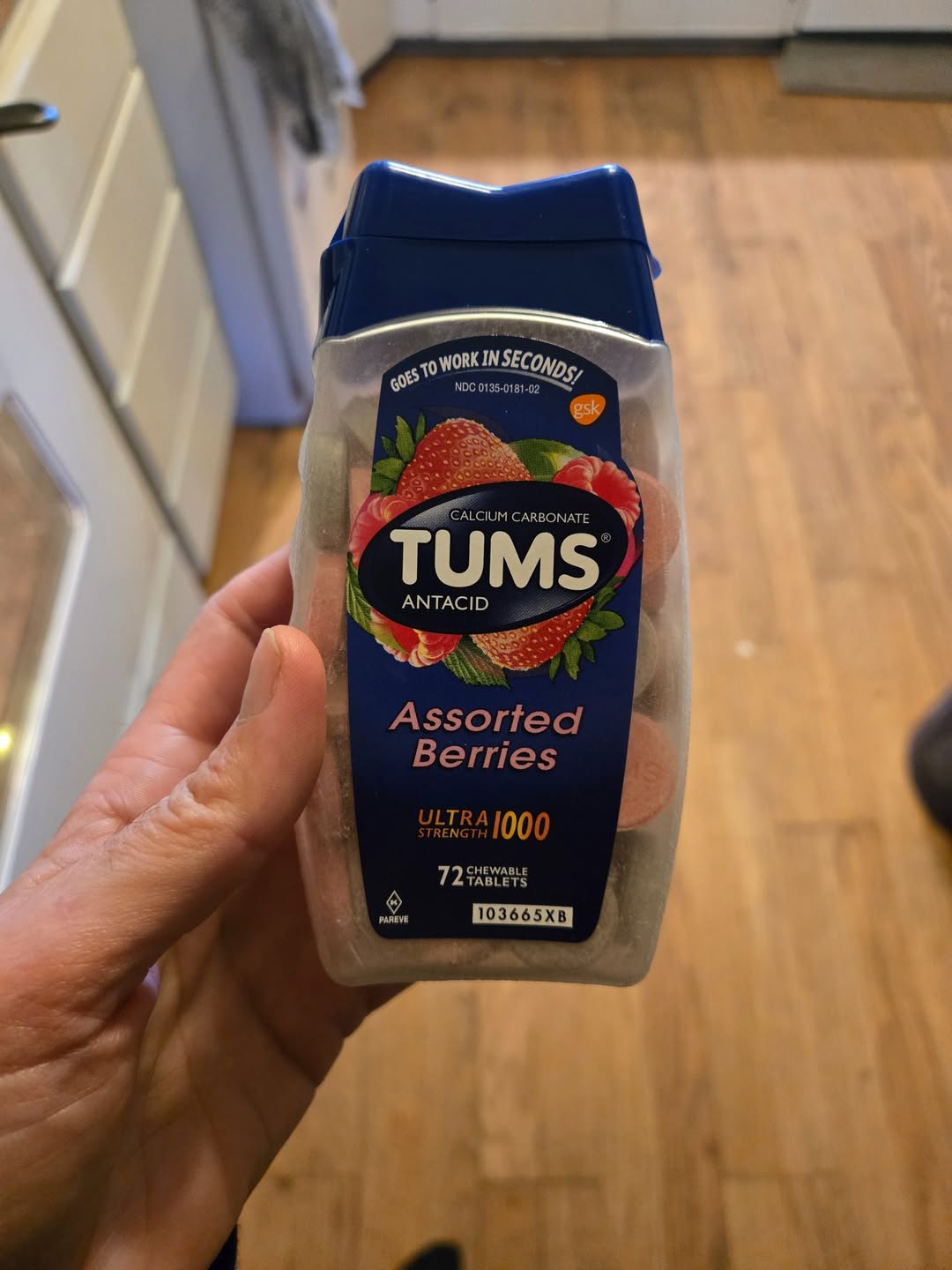
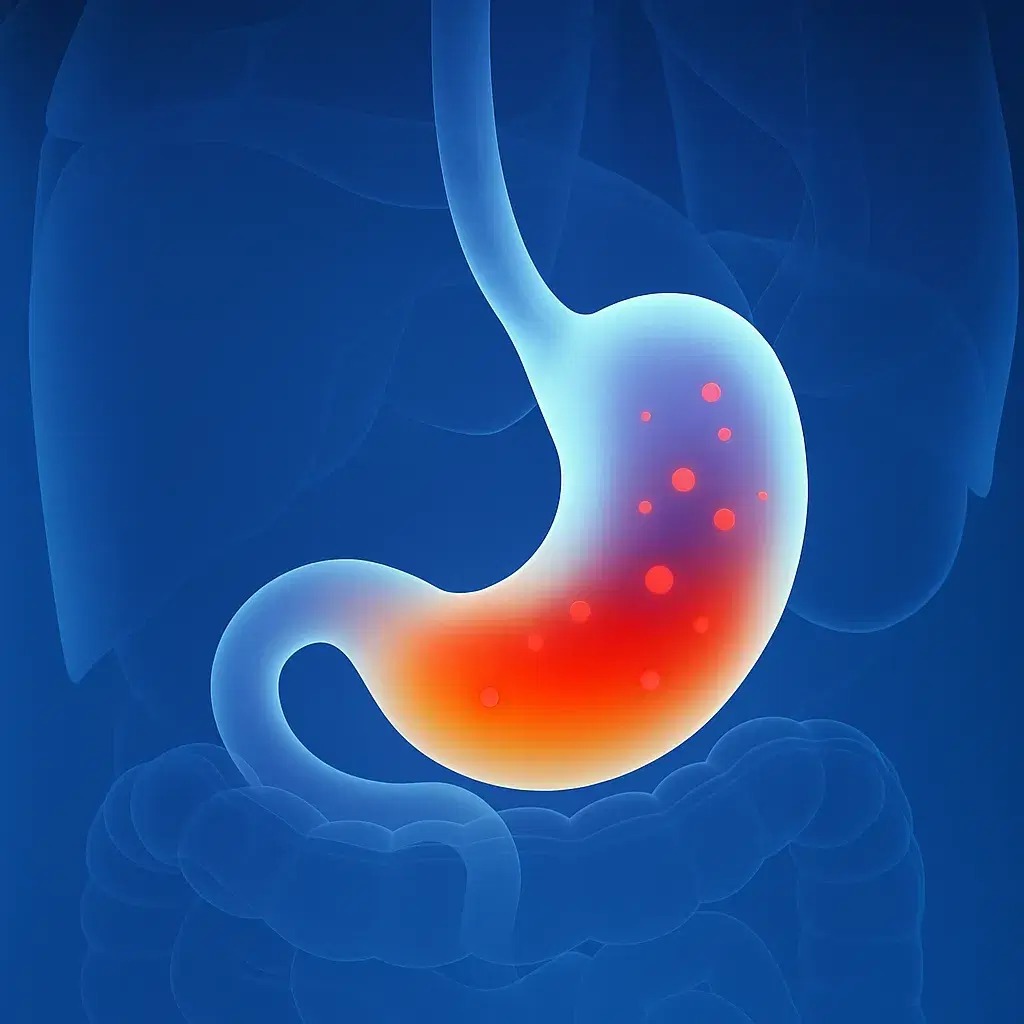
I've been taking Omeprazole every morning for nine months. I read about the side effects late at night on my phone, quietly, like I was doing something wrong. Bone density. Kidney function. B12 absorption. My mother has osteoporosis. I'm 52. The math was not comforting. But I kept taking it. Because my doctor said to. Because I was doing everything right. The lump in my throat did not move one millimeter. Still the hoarseness every morning. Still clearing my throat on every work call. Still watching people's faces do that thing where they can tell you're uncomfortable but don't know how to acknowledge it. Nine months of doing everything right. And nothing moved. That's when I started asking a different question. Not "am I taking this correctly." I was taking it correctly, exactly as prescribed. The question that actually mattered was one I had not let myself ask yet: what if the medication was never going to be enough, no matter how perfectly I took it. I am a project manager. My entire career runs on a simple premise: if you execute the plan correctly and the outcome does not show up, the plan itself is wrong. Not the execution. The plan. I had been treating my own health like a project where I refused to question the plan. I went back to my gastroenterologist at month nine and told him the lump was still there. The hoarseness was still there. I asked, directly, whether we should consider that the medication might not be working for me specifically. He said some patients with LPR take longer to respond. He said to give it more time. I asked how much more time was reasonable. He did not have a specific answer. He had a general one. Patience. Consistency. The things you say when you do not actually know. I drove home with my mother's osteoporosis diagnosis sitting in the back of my mind, doing the math on what nine more months, or eighteen, might cost my bones and kidneys. I am not someone who panics easily. But I am someone who, when a plan fails to produce results, goes looking for a different plan. That night I started reading research the way I read project documentation at work. Methodically. Looking for the actual mechanism, not the marketing summary. What I found explained nine months of perfect compliance producing almost nothing. Omeprazole works by suppressing the production of stomach acid. That is its entire mechanism. Less acid produced means less acid available to travel upward into the throat. This is a real intervention. It does something measurable. A clinical study I found showed roughly 34 percent symptom improvement in LPR patients on medication alone over twelve weeks. But LPR, laryngopharyngeal reflux, the condition where acid reaches the throat and vocal cords rather than just causing chest burning, is not purely a chemistry problem. The mechanism that determines whether acid actually reaches the throat is mechanical. It is about where the body is during the eight hours it spends asleep. The lower esophageal sphincter is the valve between the stomach and esophagus. Upright, gravity works alongside that valve. Together they are sufficient. Flat, gravity becomes neutral and the valve works alone. That valve weakens with age. After fifty it does not seal with the pressure it had at thirty. Even with nine months of suppressed acid. Even with a perfectly timed dose every morning. Whatever acid remains has no gravitational resistance when the body is horizontal. It reaches the vocal cords, tissue with almost no protective lining that responds to even trace amounts with inflammation and mucus. That mucus settles into the throat over eight hours. The hoarseness every morning was not a sign the medication had failed. It was eight hours of unaddressed physics, running every single night, regardless of how much acid suppression I had on board. I had been reducing the quantity of the problem for nine months. I had never addressed the mechanism that delivers whatever quantity remains directly to my throat. The same study I found included a second patient group. Both groups were on Omeprazole. The first continued medication alone, the 34 percent group. The second added consistent full upper body elevation at 30 degrees during sleep. Twelve weeks later, that group showed 87 percent improvement. I read the methodology section twice to make sure I understood the difference correctly. Same medication. Same dose. Same duration. One additional variable: where the body was positioned for eight hours a night. The researchers stated their conclusion without hedging. Pharmacological acid suppression alone is insufficient for LPR management because it cannot prevent the mechanical movement of acid in the supine position. Positional therapy is a necessary component of treatment, not an optional addition. I sat with the word necessary for a while. Nine months. My mother's osteoporosis sitting in the back of my mind every single morning when I took that pill. And the entire time, the actual variable that moved the outcome from 34 percent to 87 percent had nothing to do with the medication at all. I had two extra pillows under my head, added because a nurse friend had mentioned elevation in passing. I had never investigated whether what I was doing matched what the research specified. It did not. Elevating only the head bends the body at the waist, compresses the stomach, and can increase pressure pushing acid upward. I had possibly been working against myself for months while believing I had elevation covered. What the research required was full upper body elevation. The entire torso, held consistently at 30 degrees through the entire night. I bought a basic foam wedge to test the concept. Hard, smooth cover. I woke at 2:15 AM flat on the mattress, slid down without realizing it, throat exactly the same. That sent me back into the research. The pattern was structural, not anecdotal. Most consumer wedge foam lacks the density to hold its shape under sustained weight through eight hours. The covers tend to be smooth, marketed as cooling, providing almost no resistance against gravity on an incline. Compressing foam plus a slick surface produces exactly what happened to me: an expensive way to end up flat by 3 AM. The product I eventually found had solved this specific failure point with one engineering decision. The Healpurea 2.0 uses a structured honeycomb-textured cover across the entire sleeping surface. The texture is functional, not decorative. It creates mechanical friction between the cover and clothing and skin, hundreds of grip points working against gravity to hold the torso at the therapeutic angle through the unconscious movement of deep sleep. The incline at 10 PM is the incline at 6 AM. The foam is high-density medical-grade viscoelastic, built to maintain structural integrity under sustained weight rather than compressing into uselessness within weeks. It includes a detachable half-moon bolster, repositionable for side sleeping, which mattered to me directly because I cannot sleep on my back and every wedge I had encountered seemed engineered around the assumption that everyone could. It was $109. Nine months of Omeprazole. Nine months of reading about bone density at midnight and taking the pill anyway because my doctor said to. A failed wedge from a general retailer. None of it had addressed the actual mechanism keeping acid in motion toward my throat every night. $109 for something engineered specifically around the mechanical problem felt, at that point, like the first intervention actually targeting what was wrong rather than managing a symptom of it. I ordered it that evening. It arrived three days later. First night, I positioned the bolster for side sleeping, lay down, registered the incline as considerably steeper than anything I associated with my own bed, and reminded myself the clinical data specified 30 degrees for a documented reason. I woke at 6:10 in the same position I had fallen asleep in. The inventory I had been running every single morning for nine months. Waiting for the hoarseness to announce itself before I had said a word to anyone. Lighter. Genuinely, measurably lighter. Not gone on the first morning, but different in a way I noticed before I had moved or spoken or made coffee. I cleared my throat once before I got out of bed. By the end of the second week the morning calls that used to start with me clearing my throat twice before saying hello started without that. I noticed because I had been bracing for it out of habit and the bracing had nothing to respond to. Six weeks in, at a scheduled follow-up, my gastroenterologist looked at my updated symptom report and asked what had changed. I told him about the research. The positional mechanism. The study comparing medication alone to medication plus elevation, the one with the 34 versus 87 percent split. He was quiet for a moment. Then he said, "That's not something I typically walk patients through in detail. I should probably be discussing positional therapy earlier in the process, not as a last resort after months on medication alone." I asked him directly whether I could begin tapering the Omeprazole under his supervision now that the positional variable was addressed. We started that conversation at that appointment. It is ongoing. But it is a conversation I would not have been having nine months ago, because nine months ago I did not know there was a mechanism to address beyond the prescription. I am not interested in blaming my doctor for this. He gave me correct, standard care within the standard framework. The standard framework has a gap, and an enormous number of LPR patients fall into that gap every year, taking acid suppression medication faithfully, reading about long-term side effects at midnight, and assuming that if the medication is not working well enough, the answer must be more medication, or more time, or more patience. It is usually not. It is usually a missing mechanism, not a missing dose. If you have been taking your medication exactly as prescribed, doing the math on side effects late at night the way I did, and the lump or the hoarseness or the clearing has not moved despite months of perfect compliance, you are very likely addressing chemistry while physics runs completely unaddressed every single night. The solution to that has a physical form. It costs $109. It comes with a 90-day money-back guarantee, which matters, because if you have already spent money on things that did not move the needle, you are entitled to be cautious about spending again, and you should not have to take my word for it without a way to find out for yourself at no risk. I'll leave a link below. You can also search "Healpurea 2.0 Sleep Pillow" directly. I have no affiliation with the company and nothing to gain from sharing this. I am writing this because I spent nine months reading about my own bone density at midnight, taking a pill every morning because my doctor said to, and assuming that doing everything right meant the result would eventually show up. It does not work that way when the plan is missing a variable. It only works that way when the plan is complete. Mine was not. Now it is.
Read This If You've Tried Every Reflux Fix And Nothing Worked 👆
This pillow is crafted with bespoke craftsmanship, using only the highest quality, premium high-density memory foam sourced from trusted suppliers. Each pillow is carefully designed for optimal comfort and support, ensuring durability and a luxurious sleep experience.Regarding product's dimensions,....
LEARN MORELike this ad? Make it yours.
Crush rebuilds this exact creative around your product — your brand, your colors, your offer — in about a minute.