
Inactive· since Feb 13, 2026
- 5
- days it ran
- 2
- relaunches
Ad copy
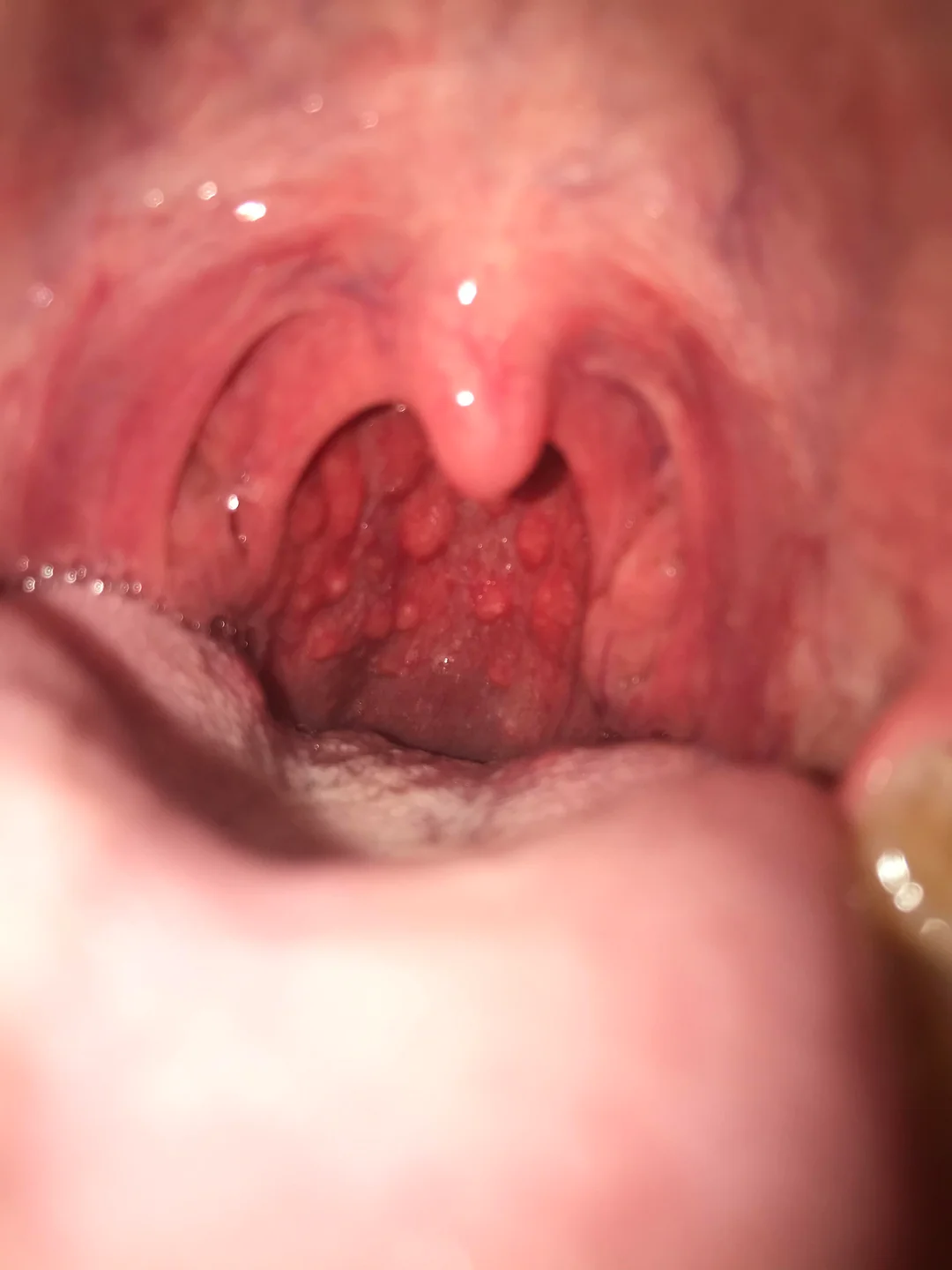
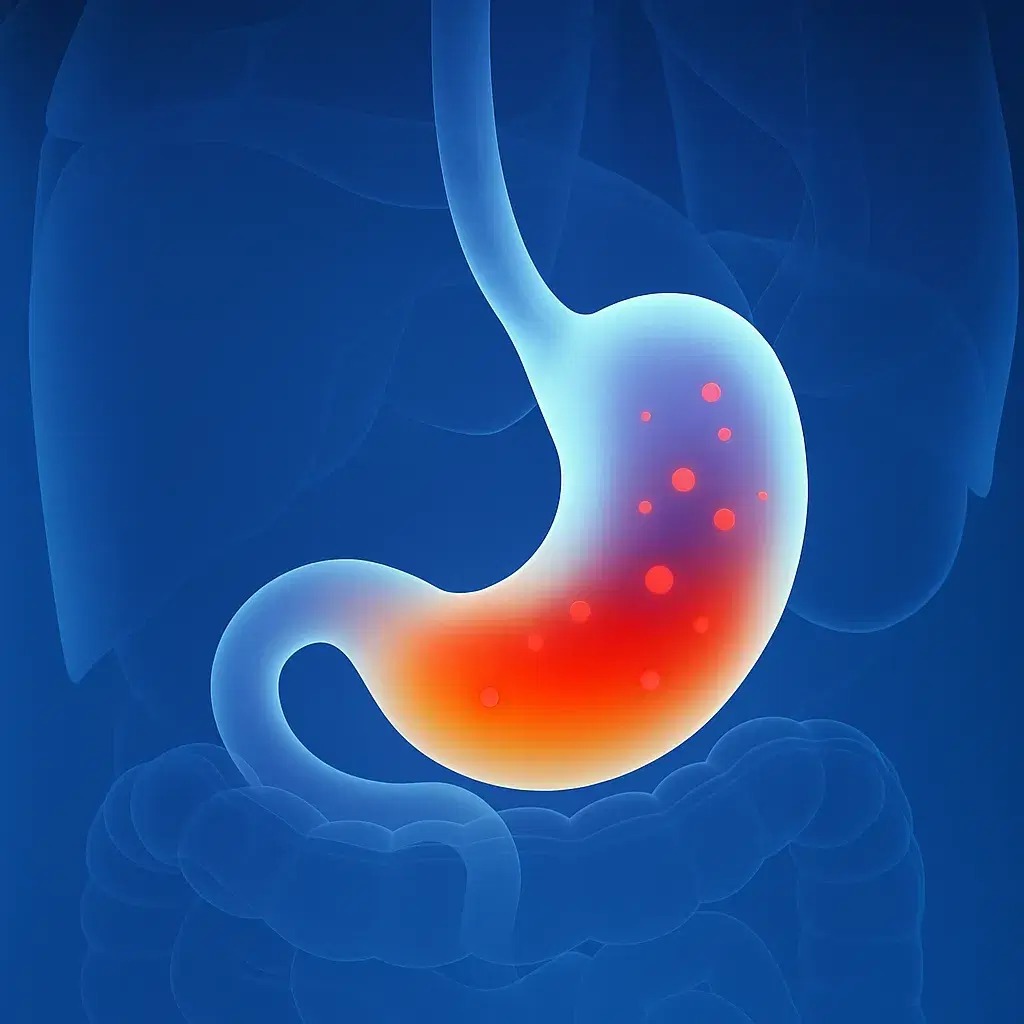
My dad died from esophageal cancer last year. I have every single one of his early symptoms. The burning throat every morning. The metallic taste. The feeling like something's stuck there that won't go down. The chronic cough that nobody can explain. He had all of it. For years. And he did exactly what I'm doing now. Took his pills. Managed it. Figured it was just reflux, just something to live with. By the time they found the tumor, it was stage 4. He had six months. He got four. I'm 52. I've had reflux for eight years. And I'm terrified I'm on the same path. I work in commercial real estate. Deal with stressful negotiations, tight deadlines, a lot of coffee to get through long days. I'm not someone who panics easily. I'm analytical. I solve problems. That's what I do for a living. But this isn't a problem I know how to solve. The reflux started mild. Occasional heartburn after big meals. My doctor put me on Omeprazole. 20mg daily. It helped with the daytime burn. I thought we'd handled it. But the morning symptoms kept getting worse. I'd wake up with this raw, scratchy feeling in my throat. Taste acid. Spend twenty minutes clearing mucus before I could speak normally. My wife would hear me in the bathroom every morning, coughing, spitting, trying to get my voice to work. "You should get that checked out," she'd say. "I'm on medication for it. It's fine." It wasn't fine. Last year, my dad started having trouble swallowing. He'd been dealing with reflux for over a decade. Way longer than me. But he was managing it, or so he thought. Taking his pills religiously. Watching what he ate. Doing all the things doctors tell you to do. The swallowing thing came on fast. Within a few weeks, he couldn't get solid food down. Had to switch to liquids. Lost fifteen pounds in a month. The endoscopy showed a tumor. Three centimeters. Blocking most of his esophagus. The biopsy came back adenocarcinoma. Cancer that starts in the cells lining the esophagus. The cells that had been getting bathed in acid for years. They did scans. It had already spread to lymph nodes. To his liver. Stage 4. Fifteen percent five-year survival rate. But realistically, at stage 4, most people don't make it past a year. He didn't. The oncologist explained it to us. Chronic acid exposure, especially the kind that happens at night when you're lying flat, causes cellular changes over time. The esophageal cells try to adapt. They turn into a different type of cell, something called Barrett's esophagus. Intestinal cells where esophageal cells used to be. And those cells, when they're constantly exposed to acid, can become dysplastic. Precancerous. And then cancerous. It's a pathway. Reflux to Barrett's to dysplasia to cancer. My dad was on that pathway for years and nobody told him. Nobody explained that medication reduces acid but doesn't stop the acid that's still there from reaching his esophagus every single night while he slept flat. He thought he was managing it. He was just masking it. After he died, I couldn't stop thinking about it. The burning throat. The morning cough. The acid taste. I have all of it. Every single symptom he had in the beginning. I went to my doctor. Told her about my dad. About my symptoms. About my fear that I'm heading down the same road. She ordered an endoscopy. I'd never had one before. I was terrified of what they'd find. The scope came back clear. No Barrett's. No dysplasia. No masses. I should have been relieved. Instead, I felt like I'd gotten a temporary reprieve. Like I'd been told "you're fine for now, but check back in a few years." Because the symptoms are still there. Every morning. The acid is still reaching my throat every night. My cells are still getting exposed to something they were never designed to handle. How long until clear becomes not clear? I started researching. Not casually. Obsessively. The same way I research commercial properties before I invest. I needed to understand the mechanism. Why my dad's reflux turned into cancer. Why medication wasn't enough. What I was missing. I found study after study showing the same thing. PPIs reduce acid production. But they don't stop acid from flowing upward when you're lying horizontal. Gravity doesn't care how much acid you're making. If you're flat, even reduced acid has a clear path up. And the esophagus can't handle it. Not long-term. The cells aren't designed for acid exposure. They start changing. Adapting. Trying to survive. That's how Barrett's happens. That's how cancer starts. And it happens silently. You don't feel it. The cellular changes don't hurt. By the time you have symptoms like difficulty swallowing, the cancer is usually advanced. My dad's tumor was probably growing for months, maybe a year, before he noticed anything wrong. And by then it was too late to do anything except try to make him comfortable. I kept digging. Found research on positional therapy for reflux. Studies showing that elevating the upper body during sleep, not just propping your head up but actually elevating the entire torso at around 30 degrees, prevents acid from reaching the esophagus in the first place. One study compared patients on PPIs alone versus patients on PPIs plus proper elevation. The medication-only group still had regular acid exposure at night. The elevation group had almost none. Almost none. That's the difference between continuing cellular exposure and actually stopping it. I tried the pillow approach. Bought three memory foam pillows and stacked them. Slept propped up for about a week before my neck started killing me and the whole setup fell apart anyway. By 3am I was always flat again. Pillows don't work. They compress. They shift. Even when they're stacked high, they elevate your head but not your torso. Your body bends at the waist. And bending at the waist actually increases abdominal pressure, which makes reflux worse. I needed something structural. Something that would maintain a 30-degree angle all night without collapsing or sliding. I looked at adjustable bed bases. The good ones run $1,500 to $3,000. And you need a compatible mattress. I wasn't ready to replace my entire bed. Wedge pillows were the other option. And I looked at dozens of them. The reviews told the same story over and over. Too hard. Too hot. And the big one: I slid right off it. The cheap wedges have smooth covers. Comfortable to touch but frictionless on a slope. People would set them up, fall asleep, and wake up at the bottom of the bed with their neck cranked at a weird angle. Then I found one that was different. A company in Portland. Started by a physical therapist who'd developed Barrett's esophagus herself from years of unmanaged reflux. She'd tried every wedge on the market. Hated all of them. So she designed one that actually worked. High-density memory foam. Medical-grade. The kind that holds its shape under sustained pressure. And the critical difference: a honeycomb textured cover. Not smooth. Deliberately grippy. Designed to create friction between your body and the surface so you don't slide. The specs convinced me. Maintains 30-degree angle under 300+ pounds. CertiPUR-US certified foam. Detachable bolster for neck or lumbar support depending on how you sleep. It was $109. My dad's medical bills in his last four months were over $200,000. Insurance covered most of it. But the copays, the medications, the hospice care... even with insurance, we spent close to $15,000 out of pocket. $109 to potentially prevent what he went through felt like nothing. I ordered it that night. The brand was Healpurea. Their 2.0 model. Found it on their website. It arrived in three days. Heavy. Solid. When I pressed into it, the foam gave slowly and came back the same way. Not cheap foam that collapses. Structural foam designed to hold. Set it up that evening. Bolster behind my neck for support. Lay down on the incline. The angle felt steep at first. More than I expected. But I wasn't sliding. My body settled into the surface and stayed there. Fell asleep around 11:30. Woke up at 6:45am. Swallowed. Waited for the usual burn. It wasn't there. The metallic taste was gone. The rawness was… barely there. Muted. Like someone had turned down the volume. One night wasn't proof. But I kept going. By the end of week one, I was waking up without the acid taste. Without the violent morning cough. Without spending twenty minutes trying to clear my throat before I could talk. Week two, my wife noticed. "You're not coughing in the morning anymore." "I know." "Like at all. What changed?" I showed her the wedge. Explained the research. She looked at me for a second. "Your dad should have had this." Yeah. He should have. Month two, I went back for a follow-up endoscopy. My gastroenterologist wanted to establish a baseline given my family history. Clear again. No Barrett's. No changes. He asked what I'd been doing differently. "Sleeping elevated. Properly elevated. Keeping acid from reaching my esophagus at night." He nodded slowly. "That's actually the most effective intervention. More effective than medication alone. I should mention that more often." He should. My dad should have heard it. Ten years ago. Before the cells changed. Before Barrett's. Before cancer. It's been four months now. The morning symptoms are gone. Not reduced. Gone. I wake up and my throat feels normal. No burn. No acid. No cough. I still take my medication. But I understand now that the medication is only half the equation. It reduces how much acid I'm making. The elevation stops that acid from reaching tissue it was never meant to touch. One without the other isn't enough. But together, they actually work. I think about my dad a lot. About how different things might have been if someone had explained this to him. If he'd understood that lying flat every night was slowly destroying his esophagus. If he'd known that elevation wasn't optional, it was essential. He might still be here. Watching his grandkids grow up. Calling me on weekends to talk about nothing. Being alive. Instead, he's gone. And I'm left with the knowledge that it didn't have to happen. That there was a simple, mechanical solution he never tried because nobody told him it mattered. I'll leave a link below to the brand I use. You can also just search for "Healpurea 2.0 Sleep Pillow" on Google. I don't get anything for sharing this. I'm not affiliated with them. I'm sharing it because my dad didn't know. And if you're reading this and you have chronic reflux and you're just taking pills and hoping that's enough… you need to know what I know now. Medication treats symptoms. Elevation addresses the cause. Esophageal cancer has a fifteen percent five-year survival rate. It's one of the deadliest cancers that exists. And it starts with cells that have been chronically exposed to acid. Often for years. Often while people think they're managing it. My dad thought he was managing it too. He wasn't. He was on a pathway that ends one way. You don't have time to wait and see if you develop Barrett's. You don't have time to keep letting acid reach your esophagus every single night and hope your cells don't change. Because by the time you know they've changed, it's often too late to do anything except watch. And hope. And pray that it doesn't progress. Change the position. Stop the exposure. Protect your cells while they're still normal. That's what I'm doing. That's what my dad should have done. I can't change what happened to him. But I can make sure it doesn't happen to me.
Like this ad? Make it yours.
Crush rebuilds this exact creative around your product — your brand, your colors, your offer — in about a minute.