
Active· since Jul 2, 2026
- 74
- days running
- 1
- relaunches
Ad copy
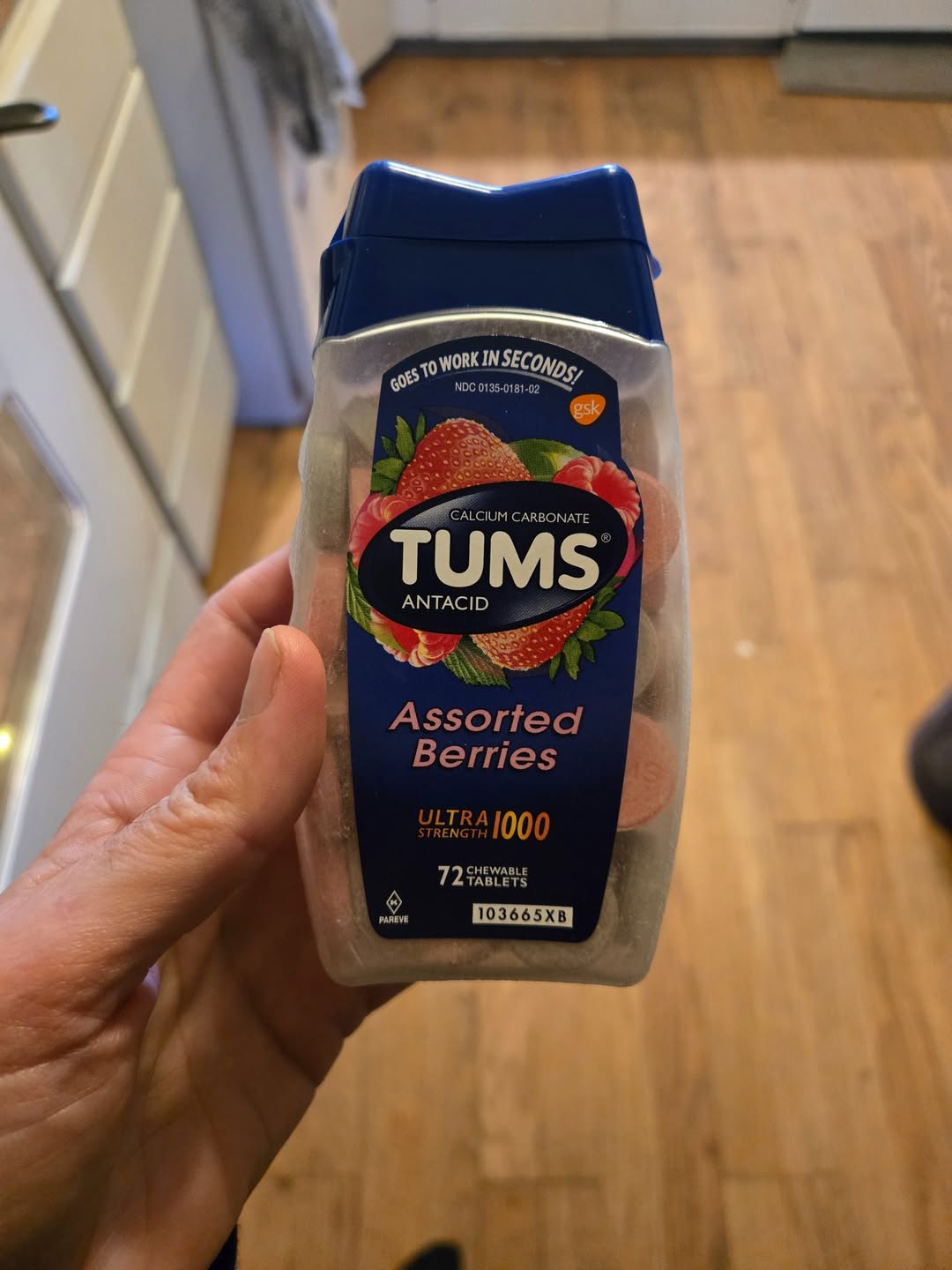
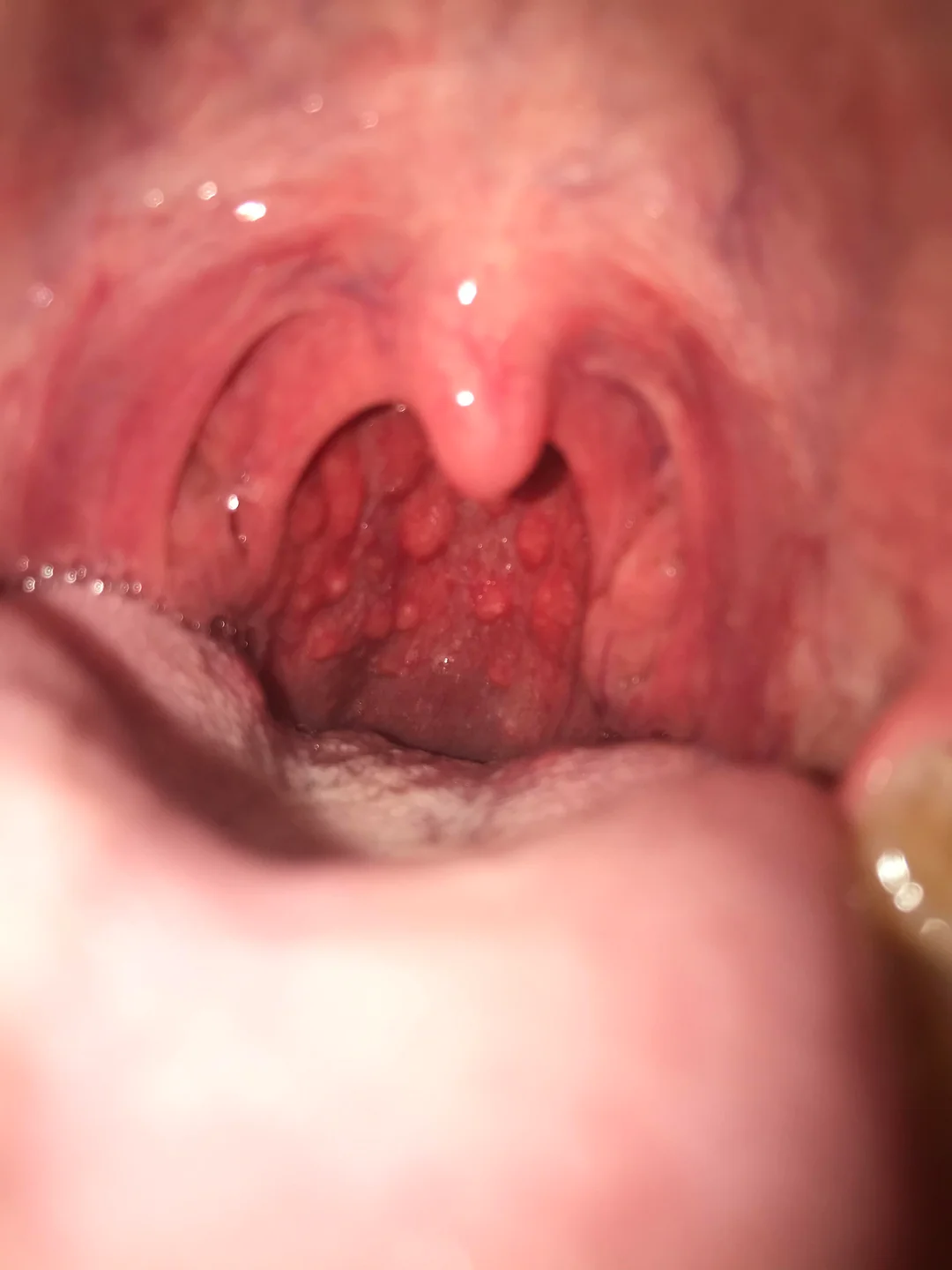
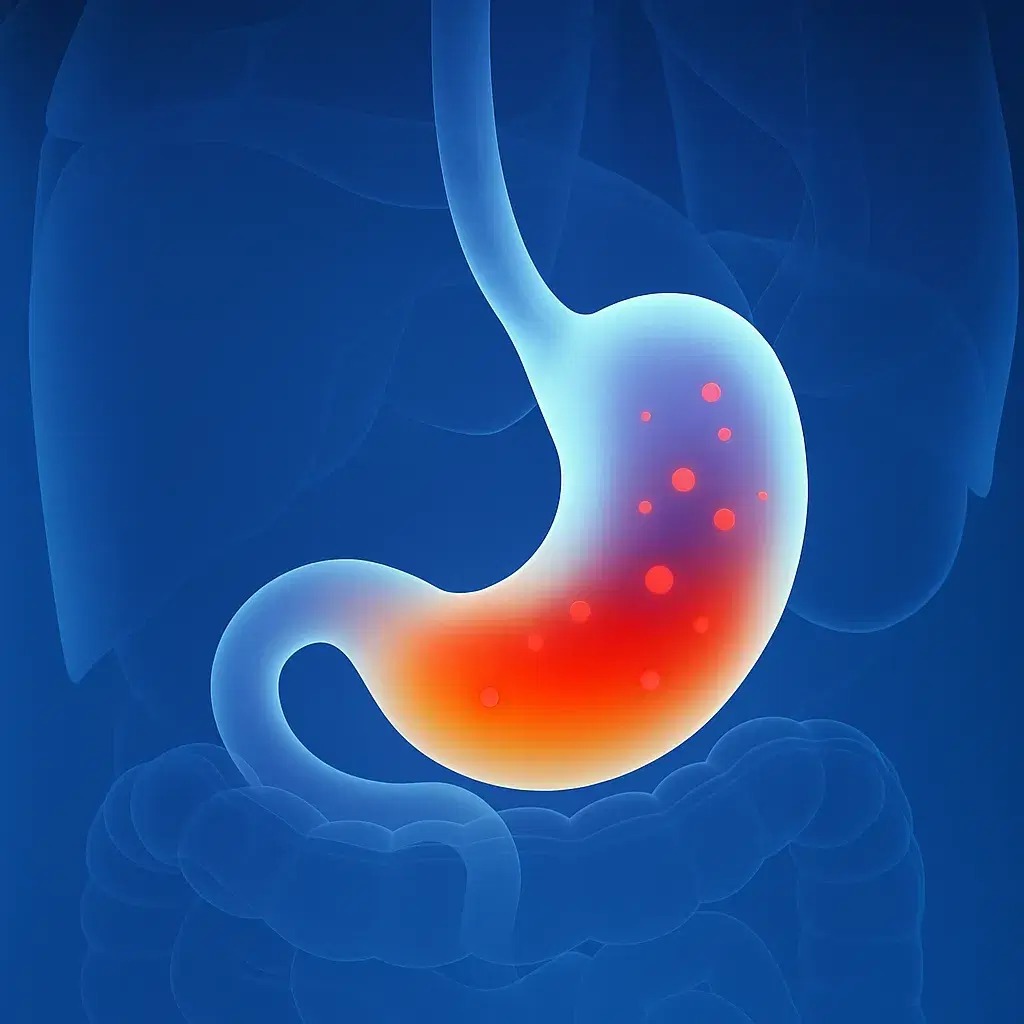
I often get wheezing while exhaling after meals, especially lunch, along with stomach bloating and post-nasal drip from sinus. Cold weather and head showers also triggered my sinus congestion. Doctors suspect a mix of both sinus inflammation and reflux and gas vapour irritating the airway. Doctors suspect. I lived inside those two words for a long time. Not a diagnosis. A suspicion. Two systems, two possible explanations, neither one conclusive enough to give me a single clear treatment direction. I was managing sinus symptoms with one set of tools and digestive symptoms with another set, and the two sets of tools overlapped in confusing ways and sometimes seemed to work against each other, and through all of it I was waking up every morning with a throat that felt wrong and a wheeze after lunch that made me feel like my airways were half-closed and a post-nasal drip that ran all day and never fully cleared. And cold weather made it worse. And washing my hair made it worse. And eating made it worse, which is a particular kind of misery because you cannot simply avoid eating. I am 54. I had been tracking my symptoms in a notes app for almost a year. I know the specific things that set it off. The temperature change after a head shower. The cold air on the walk from the car to the building. The bloating that came reliably 30 minutes after lunch and brought the throat clearing with it. I know them because I had been documenting them in enough detail that my doctors had a precise picture of what I was experiencing. Having a precise picture of your symptoms and still being in the doctors suspect category is a specific kind of frustration. The data is there. The pattern is there. The experience is undeniably real. And yet the frame it belongs in, the single clear explanation that would tell me what I was actually treating and how, was not there. I live in Charlotte. I work in healthcare administration, which means I understand how medical systems work well enough to navigate them efficiently and also well enough to know when I am being moved from specialist to specialist without anyone taking full ownership of the picture. My GP referred me to an ENT for the sinus component. The ENT looked at my sinuses and confirmed inflammation and prescribed a nasal corticosteroid spray. He mentioned that reflux could be contributing to the post-nasal drip symptoms. He referred me to a gastroenterologist. The gastroenterologist confirmed mild reflux and prescribed a PPI. He mentioned that sinus congestion could be contributing to the throat symptoms. He referred me back to my GP for coordination. My GP coordinated by telling me to continue both treatments and see how I felt in 8 weeks. I continued both treatments. At 8 weeks the post-nasal drip was somewhat reduced. The morning throat clearing was not. The wheeze after lunch was not. The bloating that preceded it was not. I went back. We adjusted. We waited. We adjusted again. This process went on for most of a year. What nobody asked me in any of those appointments, not once across the ENT and the gastroenterologist and the GP and the follow-up visits, was a specific question about my sleep. Not just do you sleep okay. Specifically. What position. What your throat feels like when you wake up before you have done anything to influence it. Whether the first sensation of the day is already a problem before you have eaten or drunk anything or walked into cold air or done a single thing that anyone had identified as a trigger. Nobody asked because the framework we were all operating inside was about daytime triggers. Foods. Temperatures. Environmental factors. Things that happened to me while I was awake and conscious and could theoretically be managed or avoided. The nighttime was not part of the conversation. This is what I eventually understood. And it changed everything. I found it the way a lot of people find things that their doctors did not tell them. A forum. Late at night. Searching specifically for people who had both the sinus component and the reflux component simultaneously because I was tired of resources that addressed one or the other but not the combination that was my actual life. Someone in the thread described their morning symptom sequence in a way that matched mine with an accuracy that made me stop scrolling. The throat that feels coated before breakfast. The clearing that starts before any triggers have been introduced. The way the first meal of the day does not cause the symptoms but seems to make them suddenly louder and more demanding, like eating is just the thing that makes you aware of what was already there. She said she had spent a long time thinking her symptoms were about what she ate and what the weather was doing and what her sinuses were up to. Then she said she learned that her symptoms were mostly about what gravity was doing to her while she slept. I messaged her. What she walked me through over the next several days rearranged my understanding of my own body in a way that a year of specialist appointments had not. She explained the Lower Esophageal Sphincter. The small muscular valve at the junction of the stomach and esophagus whose job is to act as a one-way gate. She explained what happens to this valve as we age, how it weakens, how it loses the ability to maintain a complete seal particularly under the conditions of horizontal sleep. When you are upright, gravity is working with this valve even when it is compromised. Stomach contents have to travel upward to go anywhere and that requires force. When you lie flat, the geometry changes entirely. The valve no longer has gravity assisting it. Stomach contents, and specifically a digestive enzyme called pepsin that is present in all reflux regardless of acid levels, can drift upward with essentially no resistance. They reach the larynx and the tissue at the back of the throat. That tissue has almost no protective mucus lining. Even trace amounts of pepsin cause inflammation. Inflammation triggers mucus production. Mucus in the throat and nasal passages creates exactly the post-nasal drip sensation I had been treating with nasal spray for 8 months. The wheeze. The airways that felt half-closed after meals. The bloating that seemed to trigger throat symptoms. All of it connected to what was happening at the level of the esophageal valve, not primarily in my sinuses. My nasal spray was managing a symptom. My PPI was reducing acid levels. Neither one was addressing the physical movement of stomach contents that was happening every night for 7 or 8 hours while I lay horizontal and called it sleep. She pointed me to research from Clinical Otolaryngology that I found and read myself that same night. A study of patients with combined upper airway and reflux symptoms. One group treated with medication and standard care. One group treated with medication plus consistent full upper body elevation at 30 degrees during sleep. The medication-only group showed improvement in daytime symptoms. Minimal change in morning symptom onset. The elevation group showed improvement across both daytime and morning symptoms. The morning symptom onset, the first-thing-of-the-day coating and clearing that I had been waking up with, decreased significantly in the elevation group in a way it did not in the medication-only group. Because the morning symptoms were not being caused by daytime triggers. They were being caused by nighttime physics. I had tried elevation. I had a wedge pillow I had purchased several months earlier after reading one article that mentioned sleeping elevated for reflux. It was a standard foam wedge from a large online retailer. Fairly cheap. I had used it for about 5 weeks before I quietly moved it off the bed. The reasons I moved it were the reasons I later found documented in hundreds of reviews for similar products. The foam compressed within weeks. The angle I had started with was no longer the angle I was sleeping on. The cover was a smooth bamboo fabric and I am a side sleeper and the combination of that slick fabric and the incline meant that by sometime in the early morning hours I had drifted down to essentially flat without being aware of it until I woke up. And the shoulder. I cannot overstate the shoulder issue for side sleepers. A flat incline puts the full weight of your torso onto the downside shoulder joint. After a few hours the joint aches. The arm develops that deep numbness that is unpleasant enough to pull you toward consciousness even if it does not fully wake you. I was sleeping worse on the wedge than off it and still not maintaining elevation and I made the practical decision to put it in the closet. I told her this. She said the shoulder issue was why she had kept searching after her first 2 wedge pillows failed. Because she was also a side sleeper and she had also abandoned both of them for exactly that reason. What she eventually found was designed differently from anything else in the category. The incline was not a flat ramp. It was a curved ergonomic slope. And built into the upper section was a deep U-shaped cutout that functioned as a dedicated shoulder relief zone. When you lie on your side, your downside arm drops into the recess. The shoulder joint is completely unloaded. There is no pressure on the joint and no compression of the nerves in that area. Your arm rests in the gap rather than bearing your body weight against a hard foam surface for 7 hours. There was a detachable half-moon cervical bolster that fit into the cutout and could be positioned to support the head at a natural angle for side sleeping. The neck stayed in alignment rather than being forced sideways by the height of the incline. The cover was not bamboo or cotton. It was a honeycomb friction-grip weave. A quilted hexagonal pattern engineered at the fiber level to grip fabric and skin throughout deep sleep when muscle tone drops and the body would otherwise migrate slowly down a standard slick surface and arrive at flat by 3am without the sleeper being aware of it. The company had tested this. Zero millimeter average slide distance over a 90-day user testing period. The product was called Healpurea 3.0. It was $149. I had spent across that year approximately $890 in copays and specialist visits and two prescriptions and the failed wedge pillow and the nasal spray and a humidifier and several rounds of supplements that various forum members had mentioned. None of those things had resolved my mornings. I ordered the Healpurea 3.0 that night. It arrived in 4 days. The density when I lifted it from the box was the first thing that registered. Not the soft compressible foam of the wedge I had tried before. Structural resistance. Real material. I set it up that evening. Placed the half-moon bolster in the U-cutout on my side of the bed. Lay down on my left side. My shoulder dropped into the cutout and was immediately free of pressure in a way I had not felt on any sleep surface in months. My neck sat at a natural angle. The incline was steep enough to be real. Not the gentle suggestion of a few stacked pillows. An actual measurable angle. I fell asleep faster than I expected to. I woke up at 6:20. Before I moved I did the check I had learned to do every morning. The inventory. The assessment of what was present before any external factors had been introduced. The coating across the back of my throat that I woke up with every morning was not there. I lay still for another minute. Checking. Waiting. Nothing announced itself. I got up. Made tea. Drank it. No clearing surge. No tightening in the airways. Had lunch at noon. Waited for the 30-minute bloat and wheeze sequence that had been following lunch reliably for most of a year. It did not arrive. Not fully absent. Not a perfect morning. But so different from what I had been experiencing that I sat at my desk for a few minutes just noting it. By day 5 I noticed I had stopped reflexively reaching for my water bottle as a defensive clearing measure. By week 3 I walked from my car into the building on a cold morning without the sinus congestion and throat tightening that cold air had been triggering. By week 6 I had a follow-up with my ENT. He looked at the scope images and said the tissue inflammation in my larynx was notably reduced. He asked what had changed. I told him everything. The forum, the research, the product, the mechanism. He said positional therapy for reflux-related upper airway symptoms was well-supported in the literature and that he should be discussing it more consistently with patients who present with this combination picture. He said the "doctors suspect" framing had been accurate. What it had missed was the sleep component. That was 4 months ago. My notes app still has the symptom tracking from last year. I looked at it recently. Reading those entries now is like reading about a different body. The entries from the last 4 months are mostly blank because there has not been much to track. I have no connection to the company that makes this product. I work in healthcare administration in Charlotte and I spent a year with a notes app full of symptoms that two specialists and a GP could not resolve into a single clear treatment direction. The link is below or you can search Healpurea 3.0. I do not get anything from sharing this. I am sharing it because nobody in a year of appointments asked me what was happening to my throat while I was asleep. And because the answer to most of what I was experiencing during the day was in the answer to that question. Your sinuses do not operate in isolation from your digestive system. Your post-nasal drip may not be primarily a sinus problem. Your morning symptoms, the ones present before any trigger has been introduced, are telling you something about what happened while you were lying flat and unconscious for 8 hours. Doctors suspected a mix of both systems for me. They were right. What they did not get to was the single intervention that addressed both simultaneously. The angle. The nighttime angle that either gives stomach contents a path to your airway or doesn't. Everything else I was doing was managing the downstream effects of what was happening every night while I slept flat. If your mornings start wrong before anything else has happened. Before breakfast, before cold air, before a shower, before any of your known triggers have been introduced. The problem probably started hours earlier. And no pill taken during the day is going to fix what physics does to a weakened valve in the middle of the night.
Read This If You've Tried Every Reflux Fix And Nothing Worked 👆
Doctor recommended for Acid Reflux & Snoring. 90-Night Risk-Free Trial + Free Shipping.
LEARN MORELike this ad? Make it yours.
Crush rebuilds this exact creative around your product — your brand, your colors, your offer — in about a minute.