
Active· since Jun 4, 2026
- 102
- days running
- 15
- relaunches
Ad copy
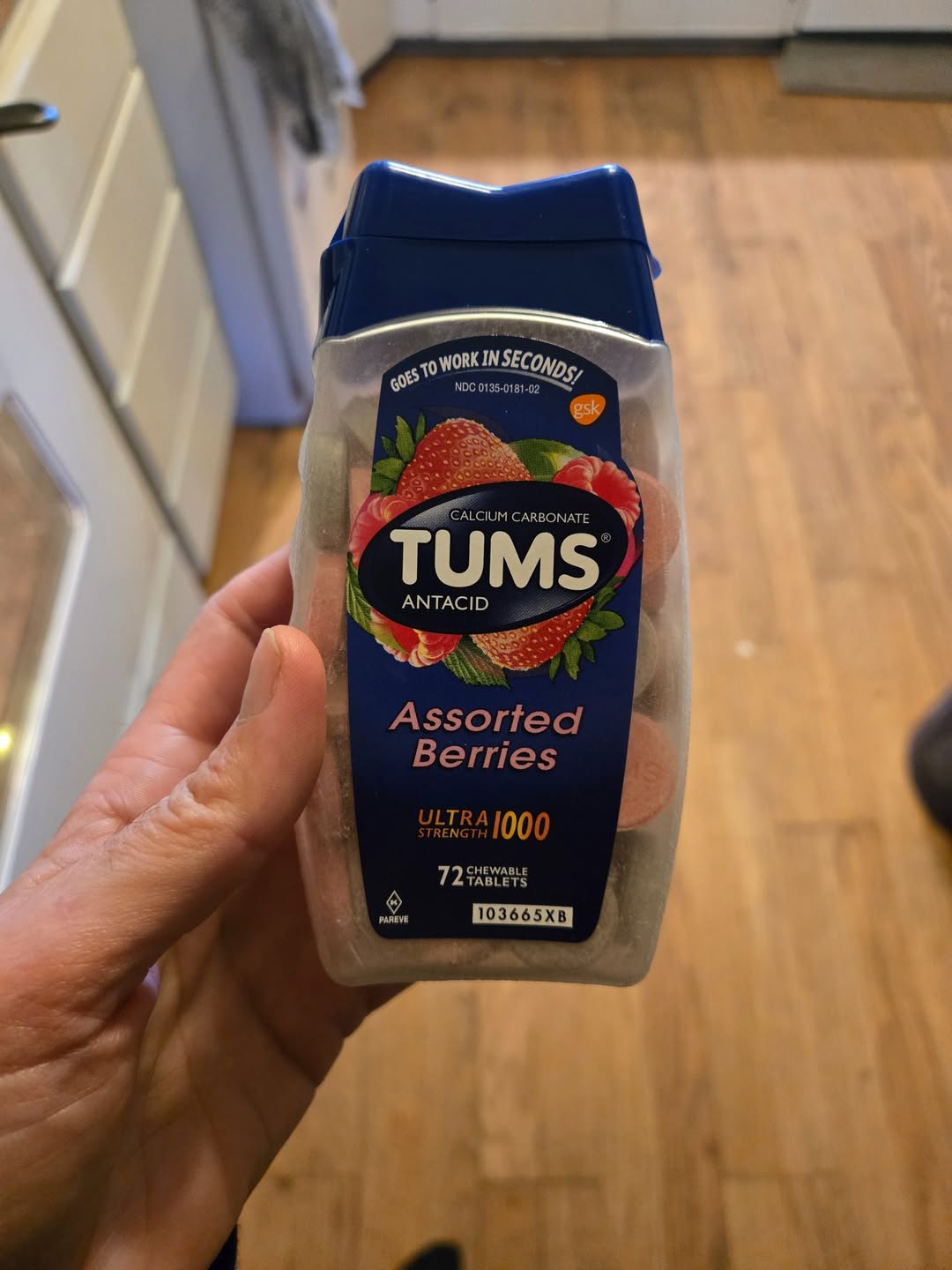
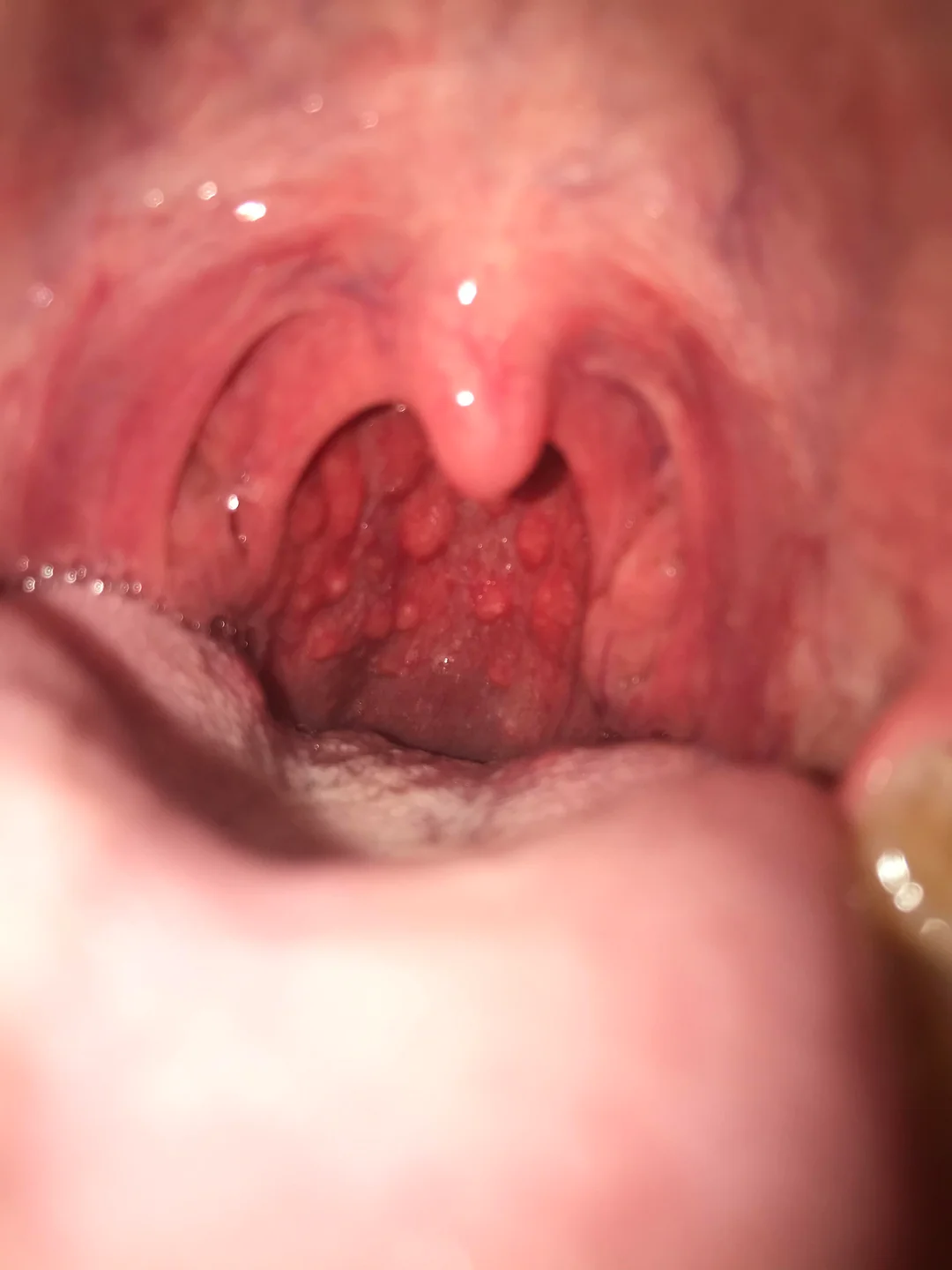
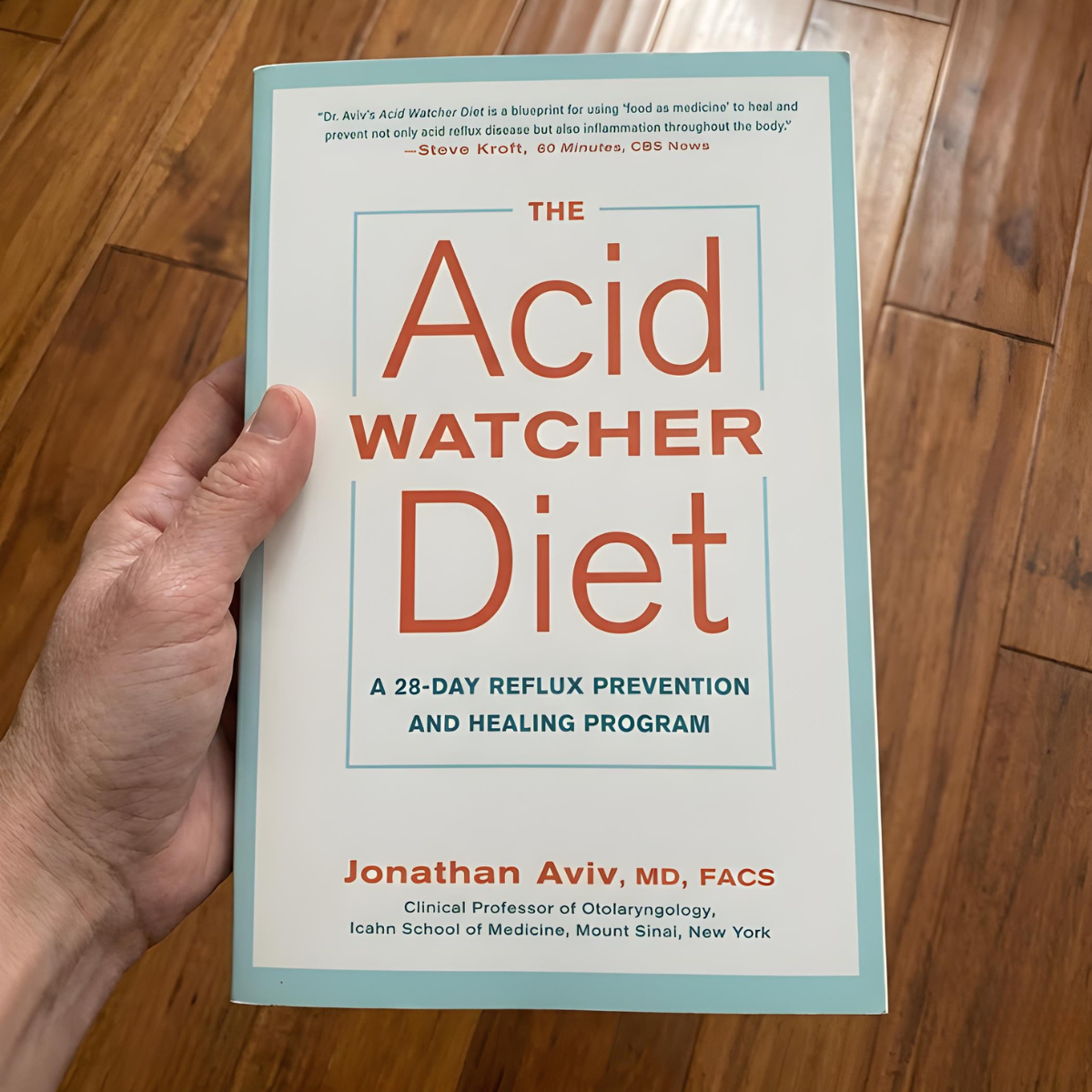
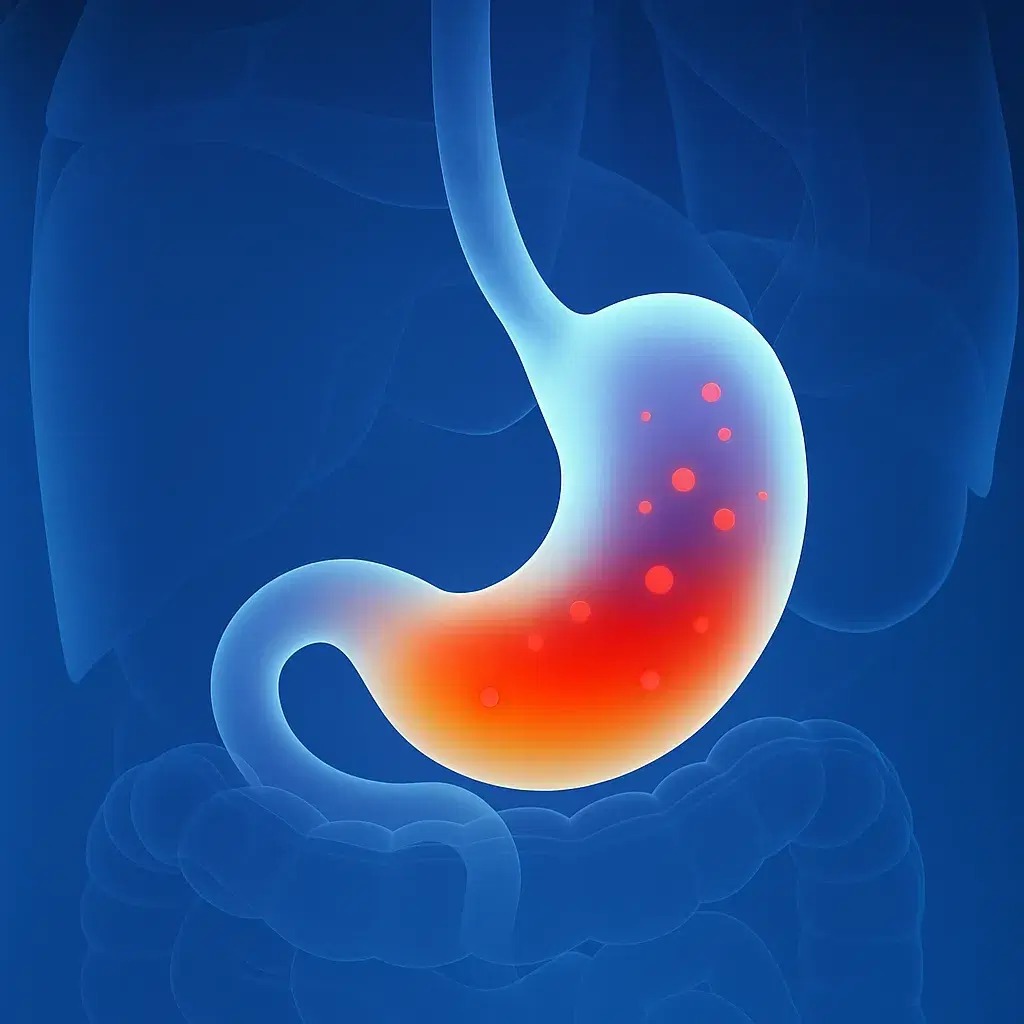
Severe reflux for four years. Two medications. One diagnosis nobody explained. This is what changed everything. I want to start with the diagnosis nobody explained because that is where the real story lives. The diagnosis was laryngopharyngeal reflux. LPR. My ENT said those three words at my second appointment, wrote them on a small notepad, tore the page off and handed it to me, and then moved directly into discussing medication adjustments. The appointment was perhaps fifteen minutes. I left with a new prescription and a piece of notepaper and no real understanding of what those three words meant for what was happening in my body every day. I looked it up in the parking lot on my phone. Acid reaching the throat and larynx. Okay. So reflux that went higher than typical. I understood that much. I took the new medication. I adjusted my diet again. I did what I had been doing for the previous two years which was comply carefully with whatever the current protocol was and wait to see if this time was different. It was not different. Because what I had looked up in the parking lot was the definition. What I had not found, and what nobody had offered me, was the mechanism. What actually caused acid to reach my larynx. What was happening every night that kept the cycle running regardless of how faithfully I took the medication or how strictly I followed the food restrictions. That took me another two years to find. Four years total. Two medications. One diagnosis handed to me on a torn notepad page in a fifteen-minute appointment. This is what changed everything. And why. I'm 56. I work in corporate communications for a regional healthcare network. The irony of working in healthcare communications while being unable to communicate without clearing my throat every forty-five seconds is not something I allowed myself to find funny for most of those four years. There was not a lot of funny in it. My job requires me to be credible. Polished. To present information to executives and board members and external stakeholders in a way that projects confidence and competence. I write for a living but I also speak for a living. Town halls. Media briefings. Internal presentations to leadership. I spent four years doing all of that while managing a throat that produced a sensation so constant and demanding that I had developed an entire parallel system for handling it professionally. The mute button on conference calls. The water glass positioned within reach at every meeting. The practiced technique of addressing the sensation with minimal visible disruption so that the people across the table from me would not notice or would at least be able to pretend they hadn't. Some of them noticed. I could tell. The particular quality of attention people give to something they are politely ignoring is its own kind of visibility. The clearing had started in year one as a tickle. A persistent sensation at the back of the throat that felt like something lodged there that clearing would dislodge. It would dislodge briefly. The sensation would rebuild. The cycle would repeat. By year two it was every forty-five seconds throughout the day without interruption. By year three I had stopped counting because the number was demoralizing and the count itself was not actionable. My GP treated for allergies first. Then post-nasal drip. Then referred me to an ENT when neither produced meaningful change. The first ENT looked at my throat with a handheld light and prescribed omeprazole and dietary changes. When I came back he scoped me and found posterior laryngeal inflammation and upgraded the diagnosis to LPR and adjusted my prescription and handed me the notepaper. I followed everything. Precisely. I had eliminated coffee and alcohol and tomatoes and citrus and chocolate and anything spicy. I had stopped eating after 6:30 PM. I had done this for two years before the LPR diagnosis and continued doing it for two years after. The clearing did not stop. Year three. New gastroenterologist. She did an endoscopy. Found esophageal irritation. Added a second medication. Said the combination should produce better results. Better is a relative word when the baseline is clearing your throat every forty-five seconds. Better was every fifty-five seconds. Better was still a constant intrusive sensation that structured every conversation and every meal and every quiet moment around itself. Year four. She mentioned surgery. Not urgently. Not as an immediate recommendation. But as a thing that existed for patients whose symptoms were not adequately controlled by medical management. I was a patient whose symptoms were not adequately controlled by medical management. I was also someone who worked in healthcare communications, which meant I understood enough about surgical procedures to know that Nissen fundoplication, the standard surgical intervention for severe reflux, was not a casual undertaking. Recovery. Risks. The possibility of complications. A significant intervention for a problem I had been managing with pills and dietary sacrifice for four years. Something about the surgery conversation clarified something for me. I had been in a system. Following a protocol. Trusting that the people I was seeing had the complete picture and were offering me the complete treatment. And the system had escalated me to the point of a surgical conversation without once, in four years, explaining to me the full mechanical picture of what was causing acid to reach my larynx every night. I decided to find that picture myself. I spent a weekend reading. Clinical papers. Not summaries. The actual research. I had enough background from my work to follow the methodology and the conclusions. What I found restructured my understanding of the previous four years. The larynx sits at the top of the airway, above the esophagus. It has almost no protective mucus lining. The esophagus has a modest buffer against acid irritation. The larynx has essentially none. This makes the larynx extraordinarily sensitive. A quantity of acid that the esophagus might tolerate causes disproportionate inflammation in the larynx. Significant swelling. The body produces excess mucus to protect the irritated tissue. The clearing reflex activates constantly in response to the mucus. The mucus keeps rebuilding because the acid irritation keeps arriving. Stopping the cycle required stopping the acid from reaching the larynx. Medication reduced the volume and acidity of stomach contents. It had been doing that for four years. But it did not seal the upper esophageal sphincter, the valve at the top of the esophagus near the throat. It did not prevent whatever acid remained from traveling upward to the larynx if the physical conditions allowed for it. The physical condition most responsible for acid reaching the larynx during sleep was one I had to read three papers before I fully accepted because of how simple it was and how completely it had been absent from four years of clinical treatment. Horizontal body position. When the body lies flat, gravity is absent. There is no downward pull keeping stomach contents below the esophageal sphincters. Whatever acid remains after medication has done its work has an unobstructed path upward. Through the esophagus. Through the upper sphincter. To the larynx. Every night. For eight hours. While I slept on my flat mattress with my regular pillow and my faithfully taken medication doing everything it was designed to do except the one thing it couldn't do. Address gravity. I found a meta-analysis of LPR treatment outcomes. The data was unambiguous. Patients who combined medication with full upper body elevation during sleep showed substantially better resolution of laryngeal symptoms than patients on medication alone. The researchers described the positional component not as a supplemental suggestion but as a necessary component of treatment for patients with persistent throat symptoms because medication alone could not interrupt the gravitational pathway through which acid reached the larynx overnight. I had been sleeping flat for four years. Every specialist I had seen had known I had LPR. Not one of them had made full upper body elevation a clear and emphasized component of my treatment protocol. Not one of them had explained that lying horizontal was allowing acid to reach my larynx every night regardless of what my medication was doing. I had been given chemistry for a physics problem. For four years. I looked for the physics solution. Wedge pillows. I read reviews until the failure modes were clear. Foam compressing under body weight until the angle was gone. Smooth surfaces allowing the body to migrate down the incline during sleep without waking. Users arriving at the flat mattress in the middle of the night without detecting the migration. Neck pain from elevation without cervical support. People who had tried positional therapy and concluded it didn't work because the product had failed before the approach had a chance to prove itself. I needed something specific. Foam dense enough to maintain structural integrity under my body weight for eight consecutive hours. A surface designed to resist body migration mechanically and passively. Cervical support that kept my spine aligned with the elevation so the solution was complete rather than trading one problem for another. An LPR forum thread directed me to the Healpurea 2.0 Sleep Pillow after a series of posts describing failed wedge experiences that mapped precisely to what I had read in the reviews. The product came up independently from multiple contributors. Not enthusiastically. Carefully. From people who had been burned before and were describing what had finally worked without the evangelical energy of people who hadn't had to work that hard to find something. One contributor had been dealing with LPR throat clearing for three years. She described her evaluation with the specificity of someone conducting due diligence. High-density memory foam. She had checked the specifications before purchasing because she understood compression was the primary failure mode of cheaper wedges. The density rating indicated the foam would maintain its structure under sustained body weight. She described waking after eight hours and pressing her hands into the foam and finding the resistance unchanged. The angle was preserved. The honeycomb friction cover. She was precise about the physics. During sleep the body experiences gravitational pull toward the lowest point. On a smooth surface this produces gradual unconscious migration down the incline. By 3 AM the body is flat. The throat is unprotected. The acid reaches the larynx undisturbed. The honeycomb texture created passive mechanical resistance to that migration. The body stayed where it was positioned. All night. The cervical bolster. Integrated neck support. She had experienced significant stiffness from a previous wedge that elevated her torso without supporting her cervical spine. The bolster aligned everything. The solution was whole. She said her throat clearing had begun reducing in week two. By week six her ENT had shown her scope images documenting visible reduction in posterior laryngeal inflammation that had been present and consistent for over a year. It was $109. I had spent more than that on supplements in year one alone. I ordered it that night. It came Friday afternoon. I opened the box in the kitchen and the foam's density was apparent before it was fully out of the packaging. I pressed both palms flat against the surface and it pushed back with structural solidity that nothing in my experience of consumer bedding had prepared me for. The honeycomb texture was real and tactile. I ran my fingers against the grain and felt genuine grip. That night. Positioned my pillow on the cervical bolster. Lay back. Real incline. Full upper body elevated. Chest above stomach in a way that was anatomically significant. Neck in the bolster without strain. I lay there and noticed the quality of stability. Not balanced on something that would permit migration. Held. I woke at 6:52 AM. Inventory. Four years of variable mornings had made it automatic. Throat. The sensation. The urgency that usually preceded full consciousness by several seconds. Muted. Genuinely muted. Present when I searched for it. Not announcing itself. Like a noise that had been a constant presence in the room and had been turned down enough that the room felt different. I swallowed my morning coffee. Because I had decided the night before that if this worked I was going to have coffee again and see what happened. I got through the entire cup. Day five I was in a leadership briefing. Ninety minutes. Presenting a communications strategy to seven executives. I stood at the front of the conference room and I talked for the parts that required talking and listened for the parts that required listening and answered questions and took notes. I did not go on mute once. I did not turn away from the table once. I did not manage anything. On the walk back to my office my colleague who had sat beside me in every meeting for three years said something while we were waiting for the elevator. She said, "You were different in there today." I asked different how. She said just different. More there. Like she hadn't been waiting for something to interrupt the flow of what I was saying. She had been waiting. For three years. Without saying anything. Because she was professional and kind and that was what professional kind colleagues did. Week six I went back to the ENT. He scoped me. Before and after on the screen side by side. The posterior inflammation that had been present and significant and unchanged for the entirety of my treatment was visibly reduced. The redness diminished. The tissue calmer than at any previous appointment. He asked what had changed. I told him everything. The research I had done. The understanding that medication addressed chemistry while position addressed physics. The product. The foam density and the friction surface and the full torso elevation maintained through the night. He was quiet for longer than felt comfortable. Then he said something. He said positional therapy was among the most evidence-supported interventions for persistent LPR. That the research was not ambiguous. That the translation of that research into clinical practice was inadequate in ways that resulted in patients like me receiving medication escalation and ultimately surgical conversations when what was missing was a clear explanation of the mechanical component of their treatment. He said the surgery conversation could be set aside. I thought about the notepaper. The fifteen-minute appointment. The torn page with three words on it and nothing else. My medication is being reduced. The clearing is occasional now. Situational. Something that happens sometimes rather than the defining condition of every hour of every day for four years. I want to be direct about something. If you have been dealing with constant throat clearing and you have a diagnosis that ends in the word reflux and you have been compliant with your medication and your diet and you are still clearing your throat constantly, the missing piece may not be a stronger prescription or a dietary restriction you haven't tried yet. It may be eight hours of flat sleep every night that is allowing acid to reach your throat regardless of what your medication is doing. Because medication manages the chemistry. Position manages the path. And nobody treating the chemistry is necessarily treating the path. Nobody treated my path for four years. I'll leave a link below to the brand I found. You can also search Healpurea 2.0 Sleep Pillow directly. I have no connection to them. Nothing changes for me either way. I'm sharing it because I work in healthcare communications and I understand the gap between what the research says and what patients are told and I lived inside that gap for four years and I think anyone living inside it deserves to know where the edge is. Four years. Two medications. One diagnosis nobody explained. This is what changed everything. The angle. The physics. The piece that was missing the entire time.
Can't Stop Coughing? Read This 👆
This pillow is crafted with bespoke craftsmanship, using only the highest quality, premium high-density memory foam sourced from trusted suppliers. Each pillow is carefully designed for optimal comfort and support, ensuring durability and a luxurious sleep experience.Regarding product's dimensions,....
LEARN MORELike this ad? Make it yours.
Crush rebuilds this exact creative around your product — your brand, your colors, your offer — in about a minute.