
Active· since Mar 23, 2026
- 178
- days running
- 4
- relaunches
Ad copy
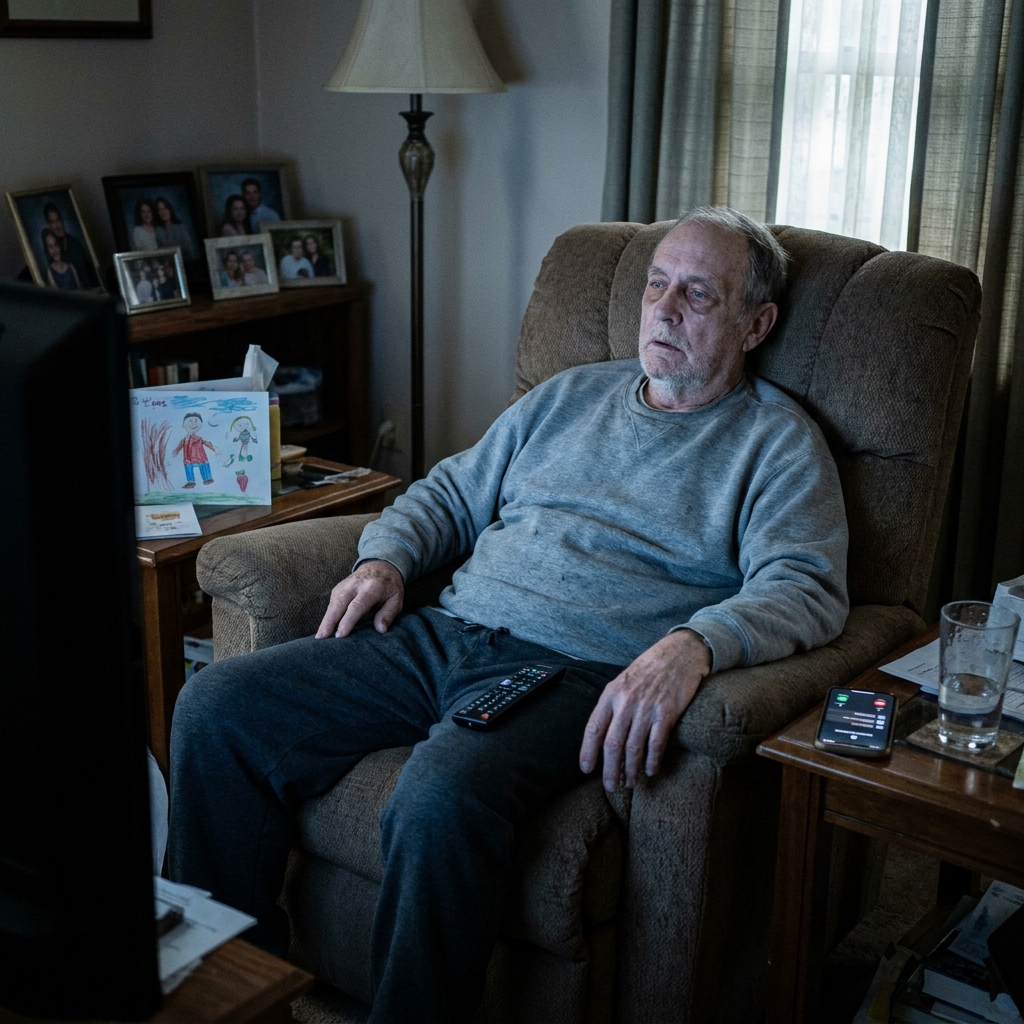
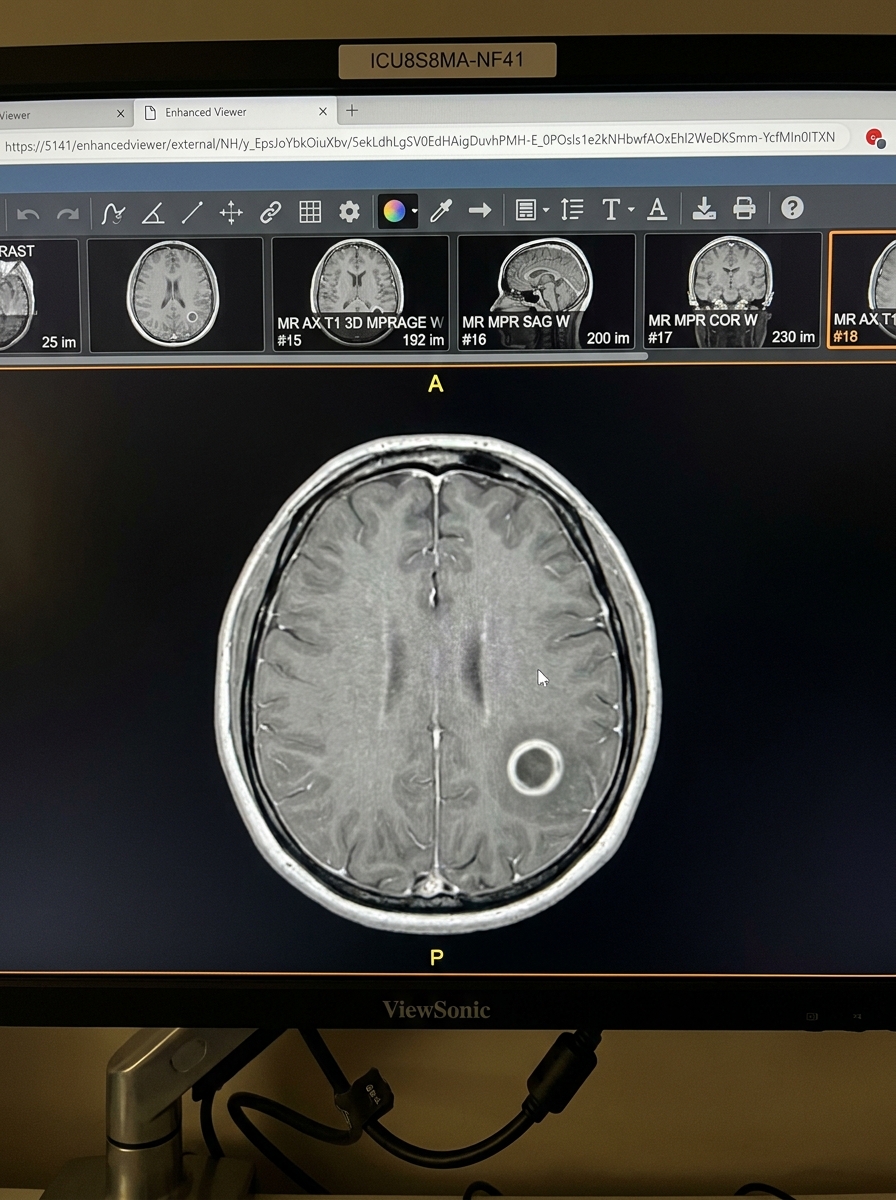
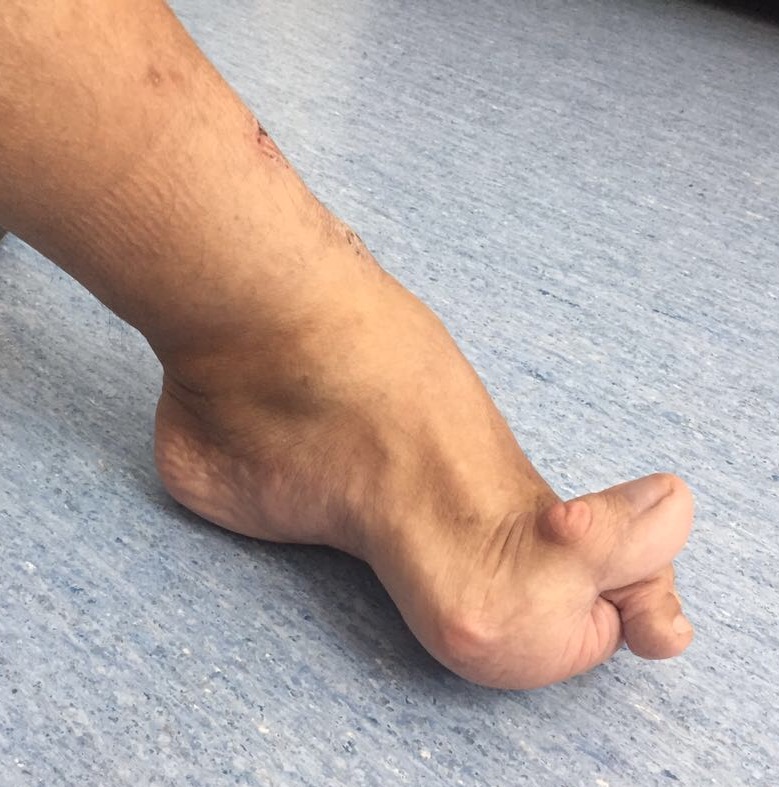
I've been a neurological rehabilitation specialist for 22 years. And if Parkinson's forced your toes to keep curling and cramping into painful positions, your feet twist inward when you walk, and your neurologist keeps adjusting your meds without stopping it... I'm about to tell you exactly what they're missing and why the standard approach will NEVER fix your dystonia. And by the end of this, you're going to understand what's actually happening in your feet better than most of your doctors do. My name is Dr. Steven Jones. Board-certified neurological rehabilitation specialist. Twenty-two years treating movement disorders including Parkinson's disease. Over 3,100 patients. And I'm going against the grain of my own profession to tell you this. Because there are three things happening right now: One - The muscles in your feet and calves are firing involuntarily, clenching your toes into painful positions you can't control Two - The medical system keeps treating this as purely a medication timing problem And three - There's a pharmaceutical model that profits every single day your toes stay curled and your feet stay in agony So let me tell you what happened with one of my patients, because his story is going to change how you understand Parkinson's dystonia forever. His name was Harold. 65 years old. Diagnosed with Parkinson's three years ago. For EIGHTEEN months - and I mean a full year and a half - he was dealing with this. His toes? They'd curl under without warning. Clench down like a fist. The pain was excruciating. Like someone was bending his toes backward and holding them there. Sometimes it lasted minutes. Sometimes it went on for half an hour. And it could strike at any moment. Mornings were the worst. Before his first dose of levodopa kicked in, his right foot would twist inward and his toes would lock into a claw. He'd lie in bed gripping the sheets, waiting for the medication to take effect, tears in his eyes from the pain. But it wasn't just mornings. It would hit mid-afternoon when his medication was wearing off. It would hit at night when he was trying to sleep. It would hit when he was walking and suddenly his foot would turn in, his toes would cramp under, and he'd nearly go down. He fell six times because of it. Not from freezing. Not from balance. From his own foot betraying him mid-step, twisting inward and sending him sideways. He stopped wearing shoes because the pressure on his curled toes was unbearable. He wore oversized slippers everywhere. Even to his granddaughter's birthday party. He told his wife he "just preferred them." But the truth was that anything touching his twisted toes made him want to scream. He stopped walking the dog. Stopped going to the shops. Stopped standing long enough to cook the Sunday breakfast he'd made for his family for twenty years. Because at any moment, without warning, his foot could seize up and the pain would drop him. And here's what nobody tells you about Parkinson's dystonia: It's not just painful. It's humiliating. You're a grown adult and your own toes are curling into positions that make you gasp. Your foot twists in like it belongs to someone else. You can't control it. You can't predict it. You can't stop it. And everyone around you watches it happen with that look on their face. The pity look. The one that makes you feel like you're not a person anymore. You're a patient. And here's what makes me angry: I was one of the specialists he came to see. Multiple doctors. His neurologist. A movement disorder specialist. Me - the rehab expert. We're talking thousands of dollars in appointments, medication adjustments, assessments, the works. And you know what every single one of us did? Adjusted his medication timing. Again. "The dystonia is happening in your off periods. Let's try a controlled-release dose at bedtime." "Let's add a dopamine agonist to smooth out the transitions." "Have you considered Botox injections? We can temporarily paralyse the overactive muscles." BOTOX. PARALYSING the muscles. This man's feet were in agony and our best solution was to inject poison into his foot every three months to temporarily deaden the muscles causing the problem. Not fix them. Deaden them. For $500 a session that wears off in 12 weeks. But here's where it gets worse - and this is the part that changed everything for me. We adjusted his medication timing. Added the controlled release. Tried the dopamine agonist. Even did two rounds of Botox. And you know what happened? The off-period dystonia improved slightly. But then something else appeared. He started getting dystonia DURING his on periods too. His toes would curl even when his other symptoms were well controlled. The Botox weakened the cramping muscles but left his foot feeling dead and unstable. He traded pain for weakness and still couldn't walk properly. I watched this man - who did everything we told him, took every injection, swallowed every pill - cycle through one temporary fix after another. Each one wearing off. Each one creating a new problem. None of them addressing why his muscles were misfiring in the first place. And I didn't understand why we couldn't fix this. Until a movement disorder physical therapist at a conference said something that stopped me cold. November 2022. San Francisco. International Congress of Parkinson's Disease and Movement Disorders. I was attending a session on non-motor complications. Dystonia came up briefly. The usual discussion. Medication timing. Botox. DBS as a last resort. The same playbook we'd been running for decades. After the session, a woman approached me. Early sixties. She moved with the kind of deliberate fluidity you only see in people who've spent decades studying human movement. Her name was Dr. Elena Vasquez. Thirty-six years in movement disorder rehabilitation. Specialised in Parkinson's dystonia specifically. One of maybe a dozen people in the country who'd dedicated their career to understanding why Parkinson's makes muscles cramp and twist. She looked at my notes and said something I'll never forget: "You're treating the spasm. Nobody's treating the muscle." I asked what she meant. "Dystonia isn't just an involuntary contraction. It's an imbalance. The muscles that curl your toes - the flexors - are overactive. But the muscles that should be opposing them - the extensors, the ones that straighten your toes and hold your foot in a neutral position - have gone dormant. They've been weakened by Parkinson's, by reduced movement, by months of being overpowered by the spasming flexors. So the flexors fire and there's nothing to fight back." She paused. "You're trying to calm the attacker. Nobody's strengthening the defence." She asked if I had fifteen minutes. I gave her two hours. What she taught me completely changed how I understand Parkinson's dystonia. She pulled out her tablet and showed me a diagram of the foot's muscle groups. "Your treatment model targets the overactive muscles. Botox paralyses them. Medication tries to reduce the faulty signal causing them to fire. But even when you succeed, the foot is still dysfunctional. Because the OPPOSING muscles - the ones that should be pulling your toes straight, holding your ankle stable, keeping your foot in a normal walking position - are too weak and too dormant to do their job." She pointed to the diagram. "Dystonia in Parkinson's creates a vicious cycle. The flexor muscles spasm and curl the toes. The pain and cramping make you move less. Moving less weakens the extensor muscles further. Weaker extensors mean less opposition to the next spasm. So the spasms get worse. And worse. And worse. The imbalance deepens every month." She looked at me directly. "Botox doesn't fix this. It temporarily weakens the overactive side. But it does nothing to strengthen the underactive side. When the Botox wears off in 12 weeks, the imbalance is exactly the same - or worse, because the extensors have been dormant for three more months while everyone waited for the next injection." Now pause for a second. You know what's maddening about this? Every physiotherapist understands muscle imbalance. It's day one of movement science. When one muscle group overpowers the opposing group, you strengthen the weak side. You don't just keep suppressing the strong side and hope for balance. But when it comes to Parkinson's dystonia? We suppress, suppress, suppress. More medication. Botox. Even DBS. All focused on calming the overactive muscles. Nobody is waking up the dormant ones. And that's not an accident. Because once you understand that dystonia is an imbalance problem - not just a spasm problem - you realise why medication adjustments only go so far. Why Botox is a temporary band-aid. Why Harold's dystonia kept getting worse despite everything we threw at it. Here's what's actually happening in your feet: Parkinson's disrupts the signals that control muscle tone. Some muscles receive too much signal and contract involuntarily - that's the cramping, the curling, the twisting. But the opposing muscles receive too little signal and become weak, dormant, and unable to counterbalance. In a healthy foot, when the flexors contract (curling the toes), the extensors fire back (straightening them). It's a constant tug of war that keeps your foot balanced and functional. In a Parkinson's foot with dystonia, the flexors are screaming and the extensors are whispering. The tug of war is completely one-sided. Your toes curl because there's nothing strong enough to pull them back. And every day you spend managing the spasm without strengthening the opposition, the imbalance gets worse. The extensors get weaker. The dystonia episodes get more frequent, more intense, more painful. And here's the key thing Elena taught me: Medication and Botox cannot strengthen dormant muscles. No pill can make a weak extensor muscle stronger. No injection can wake up a motor neuron that's gone quiet. You can calm the spasm all you want - but if the opposing muscles don't have the strength to maintain balance, the spasm will always come back. The only thing that strengthens a dormant muscle is activation. Forced, repeated contraction. Making the muscle fire over and over until the motor neurons wake up and the muscle fibres rebuild. And here's the part that made my blood boil: The rehabilitation world KNOWS that electrical muscle stimulation can selectively activate specific muscle groups. We know it can wake up dormant motor neurons. We know it can strengthen weak muscles by forcing contractions that the brain's faulty signals can't achieve on their own. Functional electrical stimulation is used after knee surgery, after spinal cord injury, after stroke. We use it everywhere EXCEPT where Parkinson's patients need it most - in the feet and calves where the muscle imbalance is destroying their ability to walk without pain. Why? Because there's no pharmaceutical company selling muscle rebalancing. You can't patent a forced contraction. There's no recurring revenue in strengthening someone's foot extensors. There IS money in the $500 Botox injection every 12 weeks. In the monthly medication adjustments. In the $30,000-$50,000 deep brain stimulation that still doesn't address the peripheral muscle imbalance. A patient on the standard dystonia protocol pays $200-$400 monthly in Botox and medication adjustments. Indefinitely. For temporary suppression of a symptom that keeps returning because the root imbalance is never addressed. An EMS device that strengthens the dormant opposing muscles and restores balance? One-time purchase. The system isn't designed to rebalance your muscles. It's designed to suppress the spasm and bill you forever. Elena showed me the approach for restoring muscle balance in dystonic Parkinson's feet. It involves three specific things happening simultaneously: 1. Targeted electrical muscle stimulation of the OPPOSING muscles - not the ones that are spasming, but the weak extensors that should be fighting back. This forces your toe-straightening and foot-stabilising muscles to contract and strengthen, rebuilding the defence against involuntary curling 2. Rhythmic contraction-relaxation cycles - training the flexors and extensors to fire in proper alternating sequence, re-establishing the balanced tug of war that keeps your foot functional. The muscles learn to take turns again instead of one side dominating 3. Progressive motor re-education - repeated activation builds strength in the dormant extensors over weeks, gradually shifting the balance of power until the extensors are strong enough to oppose the involuntary flexor contractions in real time This isn't suppressing the spasm. It's building a muscle system strong enough to counteract it naturally. And here's the additional benefit Elena explained: EMS also provides rhythmic sensory input to the brain. In Parkinson's, the disrupted basal ganglia struggle to regulate muscle tone. But external rhythmic stimulation has been shown to help the brain recalibrate its motor output. The stimulation doesn't just strengthen the muscles - it helps retrain the brain's control of them. There are actual studies showing that electrical stimulation improves muscle strength and motor function in Parkinson's patients. The science behind activating dormant motor pathways is well established. This isn't experimental. It's applied neuroscience. But you'll never hear most neurologists recommend it for dystonia. Because Botox is simple. Inject, bill, repeat in 12 weeks. EMS requires understanding the muscle imbalance. It requires thinking about the foot as a system, not just a symptom. And it doesn't generate recurring pharmaceutical revenue. Now here's the problem I ran into... Most "foot stimulators" on the market are useless for dystonia-related muscle rebalancing. I tried a TENS unit. It tingled the skin. Did nothing for the deep muscles underneath. Harold said it felt like "buzzing on the surface while my toes stayed curled underneath." I tried a vibrating foot plate. It shook. That's it. No selective muscle engagement. No extensor activation. No rebalancing. I tested eight different devices over four months. Spent over $400 on things that either just vibrated the surface or delivered stimulation too weak and too unfocused to reach the specific motor neurons controlling the dormant extensor muscles. Because here's the thing: vibration and TENS are NOT the same as EMS. TENS stimulates sensory nerves for pain relief. Vibration shakes the skin. Neither of them forces actual muscle contraction. Neither of them selectively activates the weak extensors that need strengthening. True EMS sends electrical impulses directly to the motor neurons, forcing real muscle contraction. When applied through a foot plate, it activates the muscles through the soles of your feet and up into your calves - engaging the extensors, the stabilisers, and the opposing muscle groups that dystonia has silenced. Your foot muscles contract and release rhythmically. Toes extend. Ankle stabilises. The muscles that have been overpowered for months or years finally get forced to work. And every session, they get a little stronger. Every device I tested failed at least one of the requirements. Until I found Restural. They had a true EMS foot plate. Not a TENS unit. Not a vibrator. Actual electrical muscle stimulation with deep motor nerve penetration that reaches the muscles Parkinson's has silenced. With ALL THREE requirements. Deep motor neuron activation of the dormant opposing muscles. Rhythmic contraction-relaxation cycles that retrain balanced movement. Progressive strengthening that shifts the muscle balance back toward normal over time. When I dug into the technology? It was based on the exact protocols used in neurological rehabilitation clinics for muscle rebalancing. The same principles movement disorder therapists use for neuromuscular re-education. The same mechanism that makes functional electrical stimulation effective in clinical settings - but available at home. They understood that dystonia isn't just a spasm to suppress. It's an imbalance to correct. And they built something that addresses the side of that imbalance that nobody else is touching. And here's where I had to face what I'd done to my patients: When Harold was in my clinic? We were doing Botox injections every 12 weeks at $500 per session. Monthly medication adjustments at $45 copay. I'd referred him to a specialist podiatrist at $150 per visit. He was buying gel toe separators, cushioned insoles, and oversized shoes every few months. He was spending over $350 a month. Every single month. For temporary suppression that wore off like clockwork while the underlying imbalance got worse. The Restural EMS plate? One-time purchase. Under $60. Activates the dormant opposing muscles that dystonia has silenced. True EMS that reaches the deep motor neurons in your feet and calves. Rhythmic contraction-relaxation cycles that retrain balanced muscle function. 20 minutes a day while sitting in your favourite chair. I started using it with Harold first. Week 1: The sensation was immediate. He could feel muscles in his feet activating that he hadn't felt engage in over a year. Not just the cramping muscles - the OTHER ones. The extensors. The stabilisers. "Muscles I forgot I had," he said. His toes were being gently pulled into extension during each cycle. The opposite direction from the curl. Week 2: His morning dystonia episodes shortened. Not eliminated - shortened. Instead of 20 minutes of agony before his medication kicked in, the cramping lasted 8-10 minutes and felt less intense. "It's like my foot is fighting back now," he told me. "Before it would just surrender." Week 4: Dystonia episodes dropped from 5-7 per day to 2-3. The intensity was noticeably reduced. His toes still curled during off periods, but the curl was less extreme and released faster. His wife noticed he was standing in the kitchen again. Making coffee. Something he'd given up months ago because the dystonia made standing unpredictable. Week 8: Full assessment. Dystonia episodes: 1-2 per day, primarily during medication transitions. Duration reduced by 68%. Pain rating dropped from 7-8 out of 10 to 3-4. And the biggest change - his foot stayed in a neutral, stable position for the majority of the day. The extensors were holding. He put on actual shoes for the first time in six months. Laced them up. Walked to the end of his drive. Stood there looking at the street like he was seeing it for the first time. His wife told me later: "He cried in the car. He said he'd forgotten what it felt like to have his foot just... work." Then I introduced it to every dystonia patient on my caseload. Eighteen patients over the next six months. The results were consistent: Average reduction in dystonia episode frequency: 61% by week 6 Average reduction in pain intensity: 54% Average reduction in episode duration: 58% Number of patients who reduced or eliminated Botox injections: 11 out of 18 Number of patients who reported "my foot feels more stable": 15 out of 18 And the most telling result: 14 out of 18 patients were able to wear normal shoes again. Not just less pain. Normal shoes. That's the one that gets me. Because you don't realise what dystonia has taken from you until something gives a piece of it back. And putting on a real pair of shoes after months in oversized slippers? That's dignity. That's identity. That's everything. This is the approach they're not telling you about. Because the second you start strengthening the muscles that oppose the dystonic contractions, the balance begins to shift. The curling gets less intense. The episodes get shorter. The pain reduces. Not because you've paralysed the spasming muscles - but because you've built up the ones that fight back. You don't stop your medication. Levodopa still helps regulate the signals. But now your foot has the muscular balance to maintain a functional position even when those signals fluctuate. The defence is finally as strong as the attack. It's not a cure for Parkinson's. Nothing is. But it addresses the one piece of the dystonia puzzle that medication and Botox cannot touch - the dormant, weakened opposing muscles that allow the involuntary contractions to go unchecked. Now here's what I need you to understand about timing: The longer the muscle imbalance persists, the harder it is to correct. The extensors get weaker month by month. The flexors get more dominant. The neural pathways that should activate balanced movement get quieter. Month 1-12 of dystonia symptoms: The imbalance is present but the extensors are still recoverable. Response to EMS is typically rapid. Most patients see significant improvement within 4-6 weeks. Year 1-3: The extensors are significantly weakened. The imbalance is deeper. Recovery takes longer. 6-10 weeks for significant improvement. But still achievable. Year 3+: Substantial extensor atrophy. Some patients develop structural changes in the foot. Recovery is still possible but slower and may not be as complete. 10-14 weeks, with realistic expectations. Harold was at 18 months. He responded beautifully. But the patients who'd had dystonia for 4+ years showed slower improvement. The extensors had been dormant too long. They still got better - but not as dramatically. Every month the imbalance persists, it gets harder to reverse. If you're reading this and your dystonia has been worsening for over six months - your opposing muscles are getting weaker every day. They won't strengthen themselves. No medication will do it. No Botox injection will do it. Only activation can. If you're someone who's been dealing with this - toes curling into painful positions, foot twisting inward, the agony that strikes without warning, the shoes you can't wear, the walks you've given up, the independence you're losing - and your neurologist keeps cycling through medication adjustments and Botox appointments that never permanently fix anything? It's not because the Parkinson's is too severe. It's not because you're not trying hard enough. It's because the OPPOSING muscles have gone dormant. The muscles that should be pulling your toes straight and holding your foot stable have been weakened into silence. And nobody is strengthening them. The Restural EMS Stimulator has a 90-day money-back guarantee - if it doesn't work, you pay nothing. And honestly? Even if you're sceptical, try it for a month. See if your foot responds the way Harold's did. The way 15 out of 18 of my patients did. Because the medical system isn't coming to rebalance your muscles. They're too busy suppressing the spasm while the imbalance gets worse underneath. A movement disorder therapist taught me more about Parkinson's dystonia in two hours than I learned in two decades of neurological rehabilitation. It's about time I passed that lesson on. Go get it. P.S. - I still use Botox for acute dystonia management in severe cases. But for long-term resolution, suppressing the overactive side without strengthening the underactive side is treating half the problem. Restural addresses the half that Botox can't. P.P.S. - If your dystonia has been getting worse for over a year, your opposing muscles are weaker now than they were six months ago. They'll be weaker still six months from now. The imbalance only moves in one direction unless you actively reverse it. Don't wait for your next Botox appointment to wear off again. P.P.P.S. - Harold: "I put on real shoes last month. Tied the laces. Walked to my letterbox. Stood there and looked at the street. I cried in the car afterward. Eighteen months in slippers and everyone told me that's just how Parkinson's works. It's not. $60. That's what it cost to get my feet back. Don't wait like I did."
Relieve Dystonia - Naturally
Clinically designed 3-in-1 EMS technology developed to finally free you from dystonia, freezing...
LEARN MORELike this ad? Make it yours.
Crush rebuilds this exact creative around your product — your brand, your colors, your offer — in about a minute.