
Inactive· since Apr 29, 2026
- 135
- days it ran
- 3
- relaunches
Ad copy
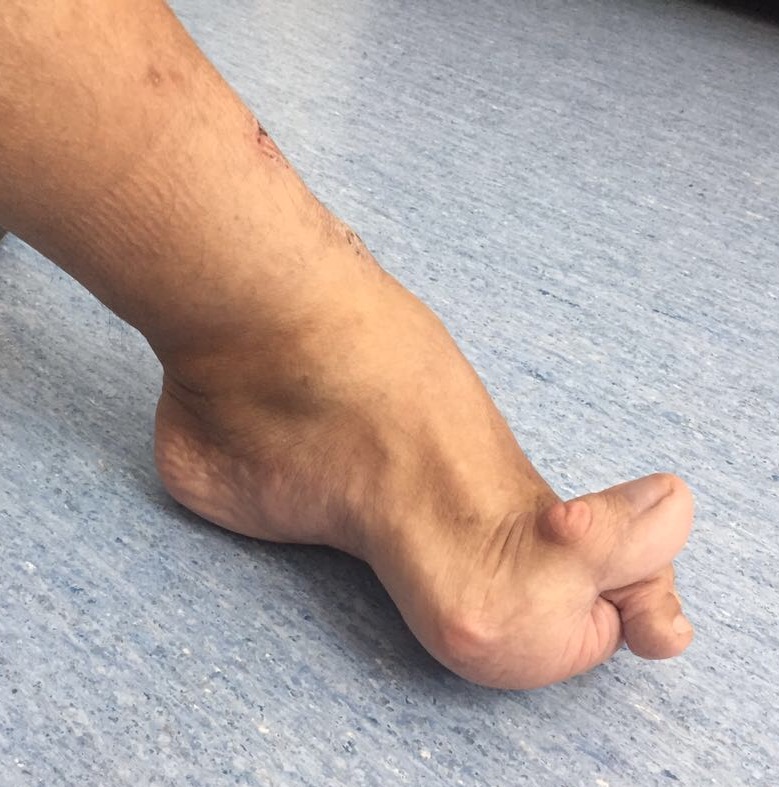
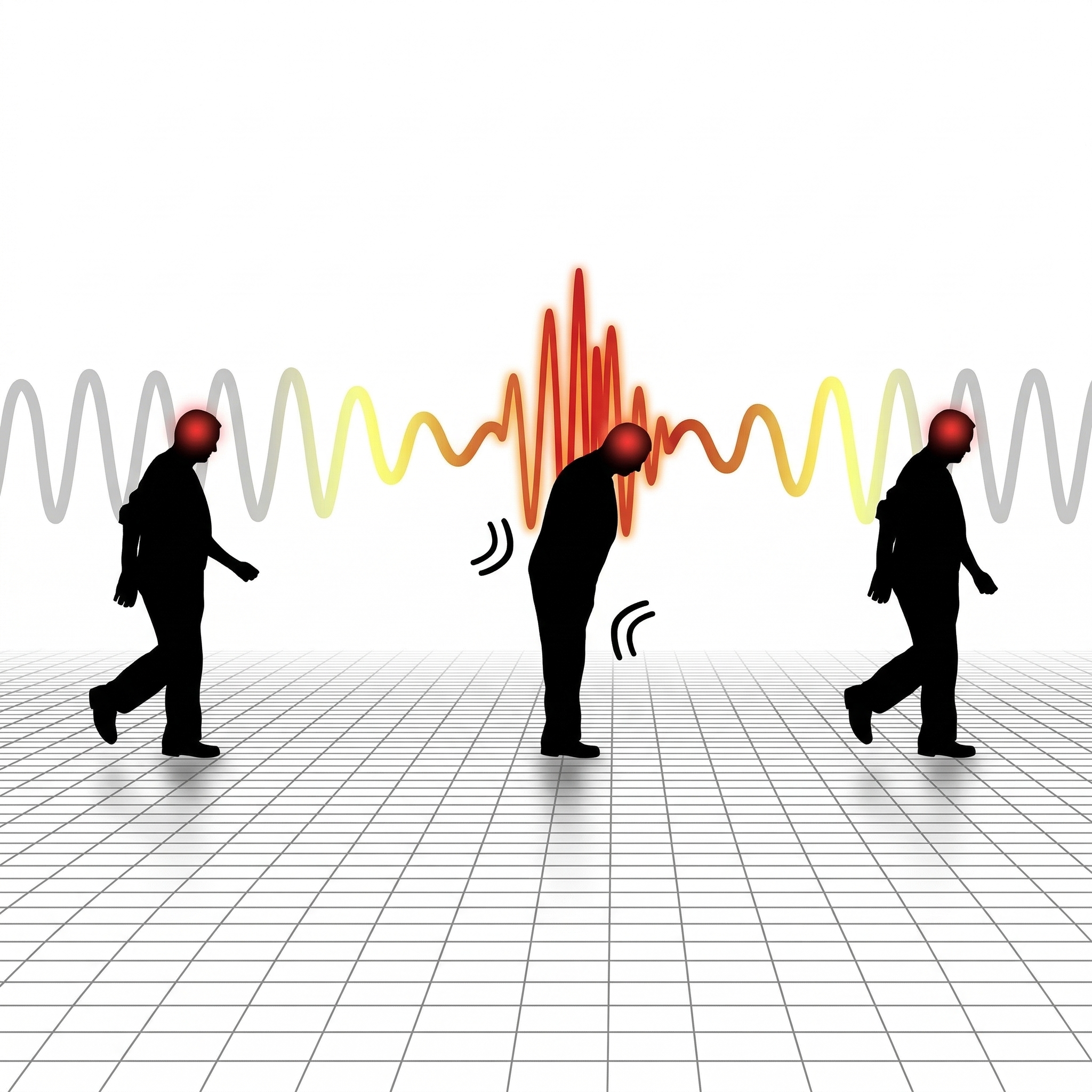
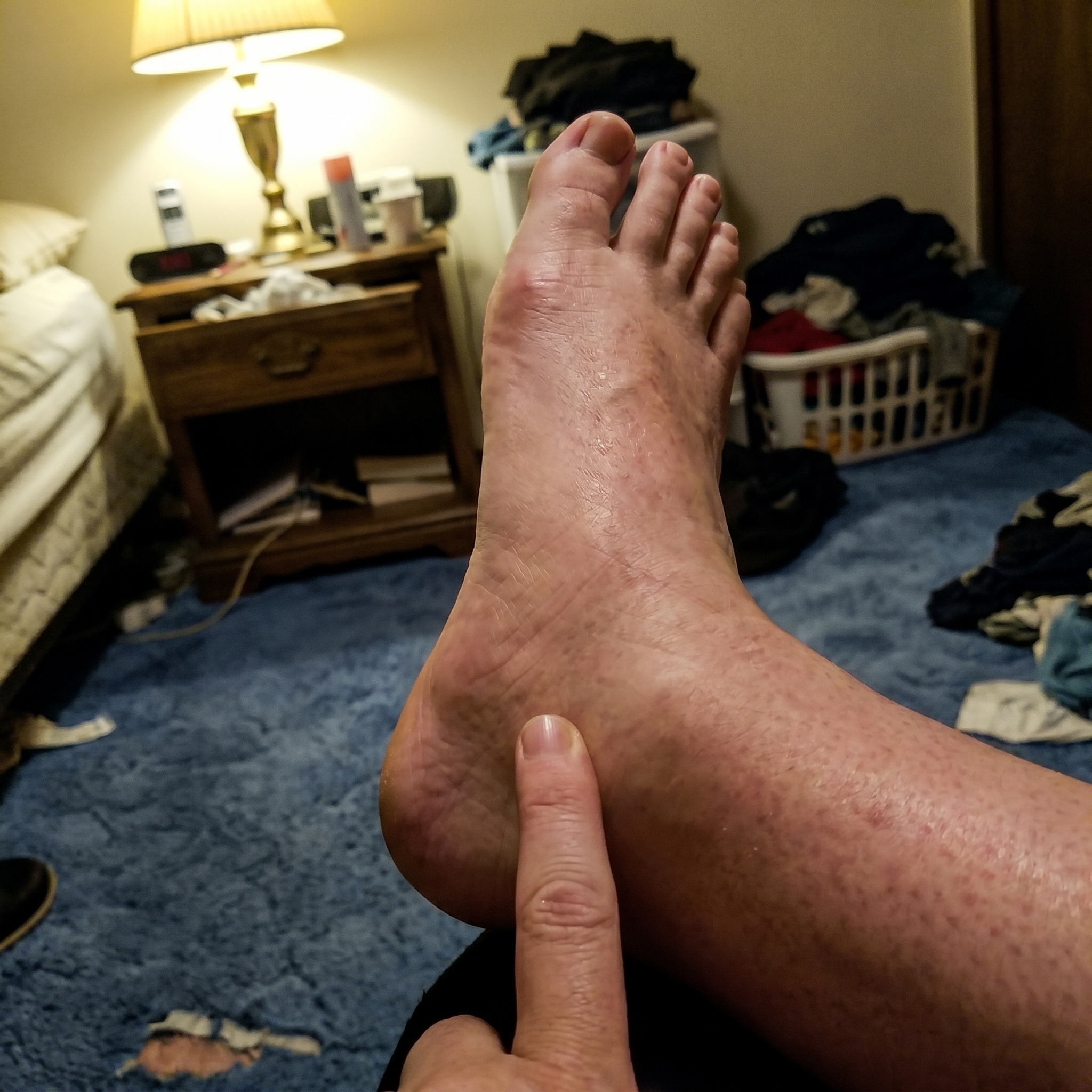
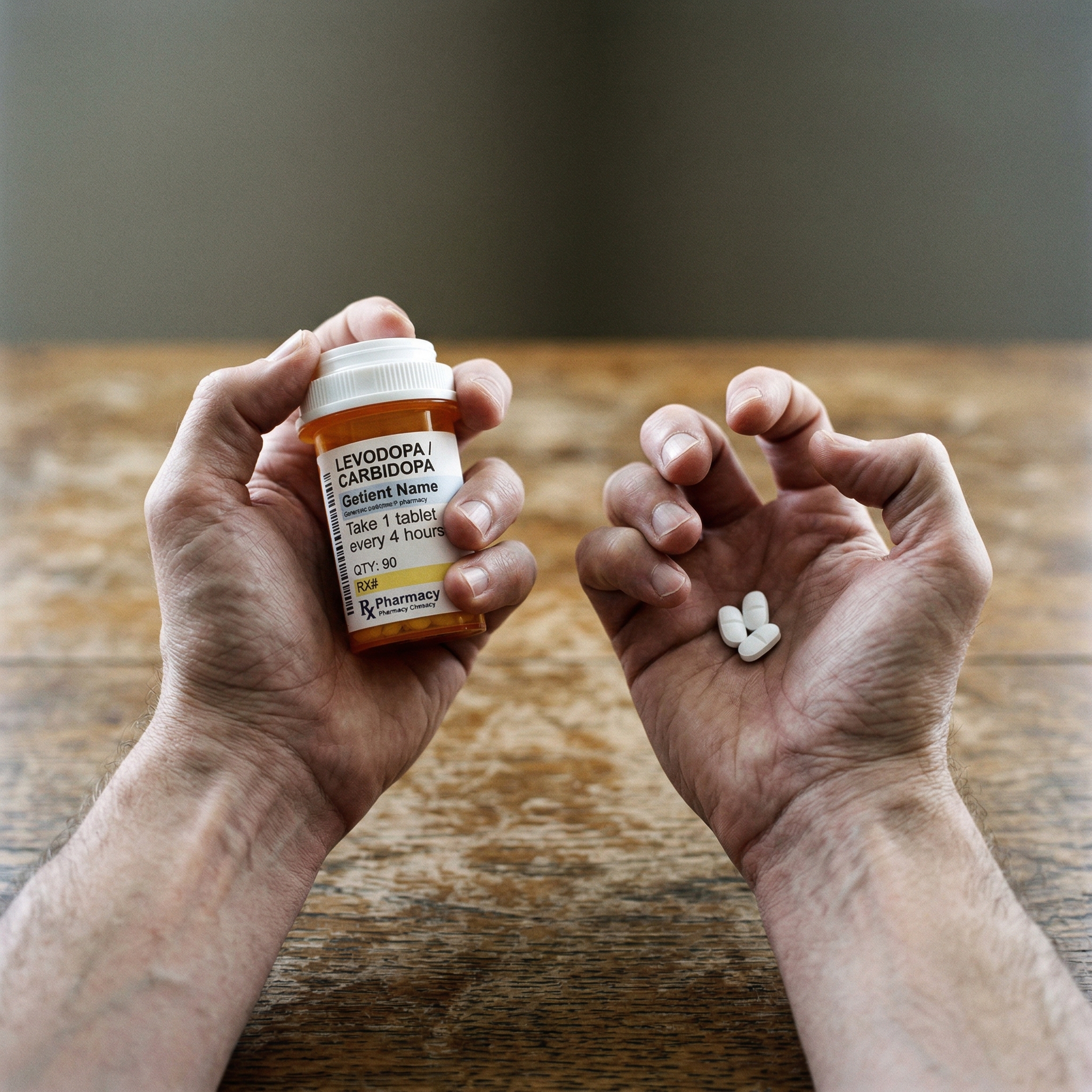
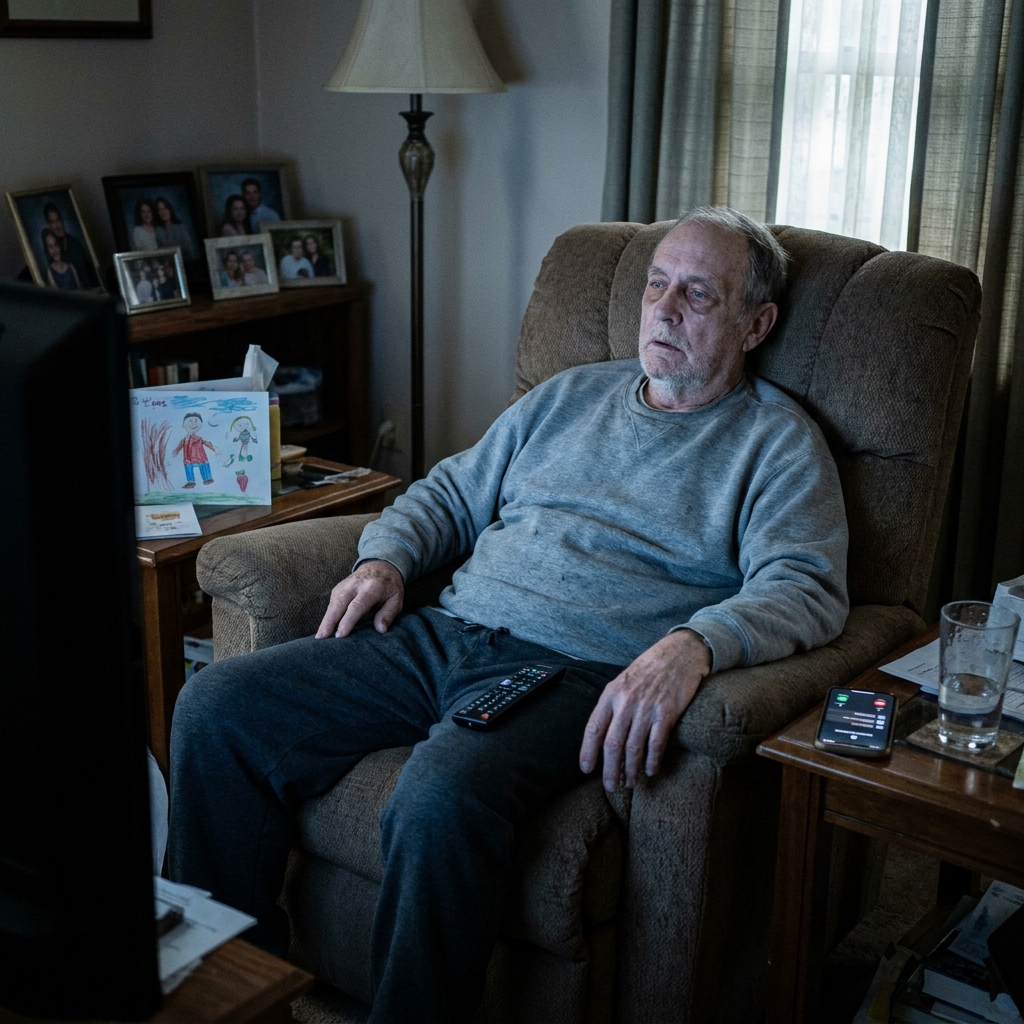
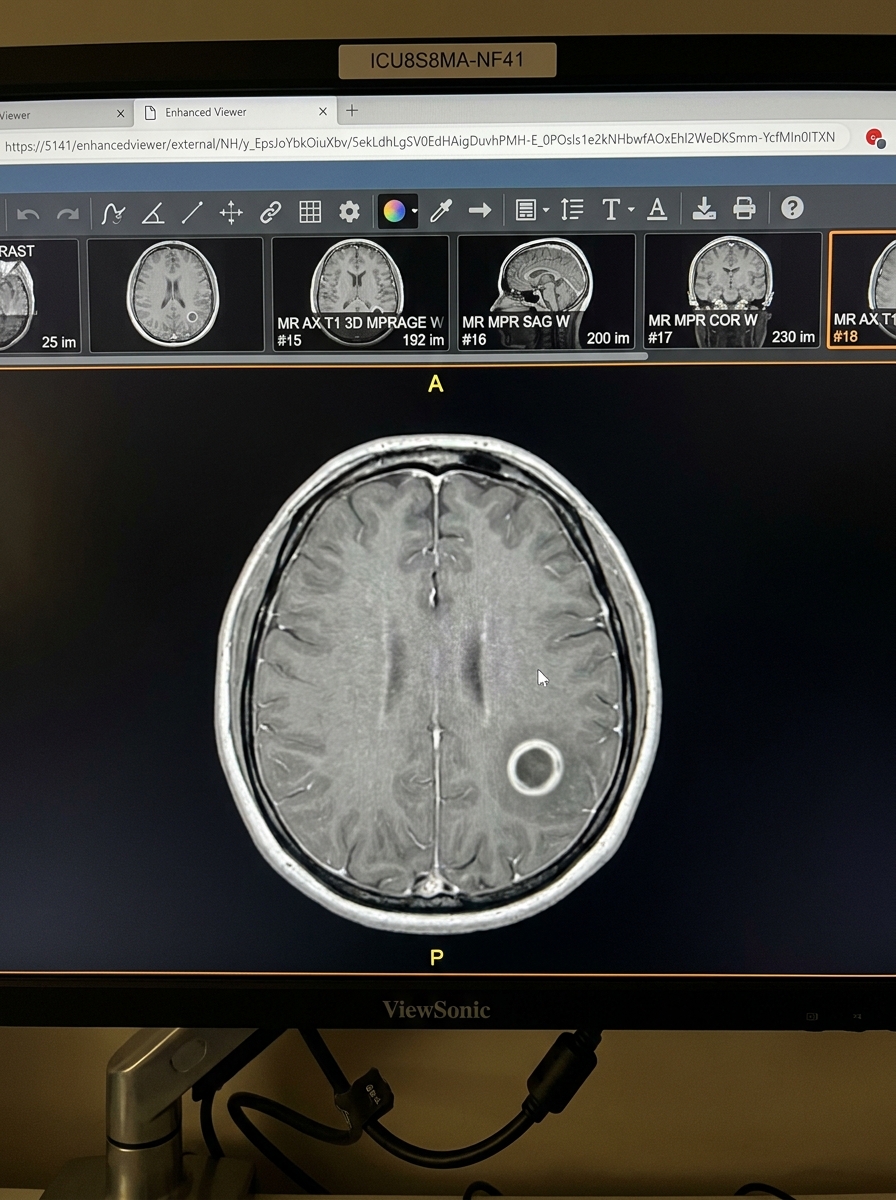
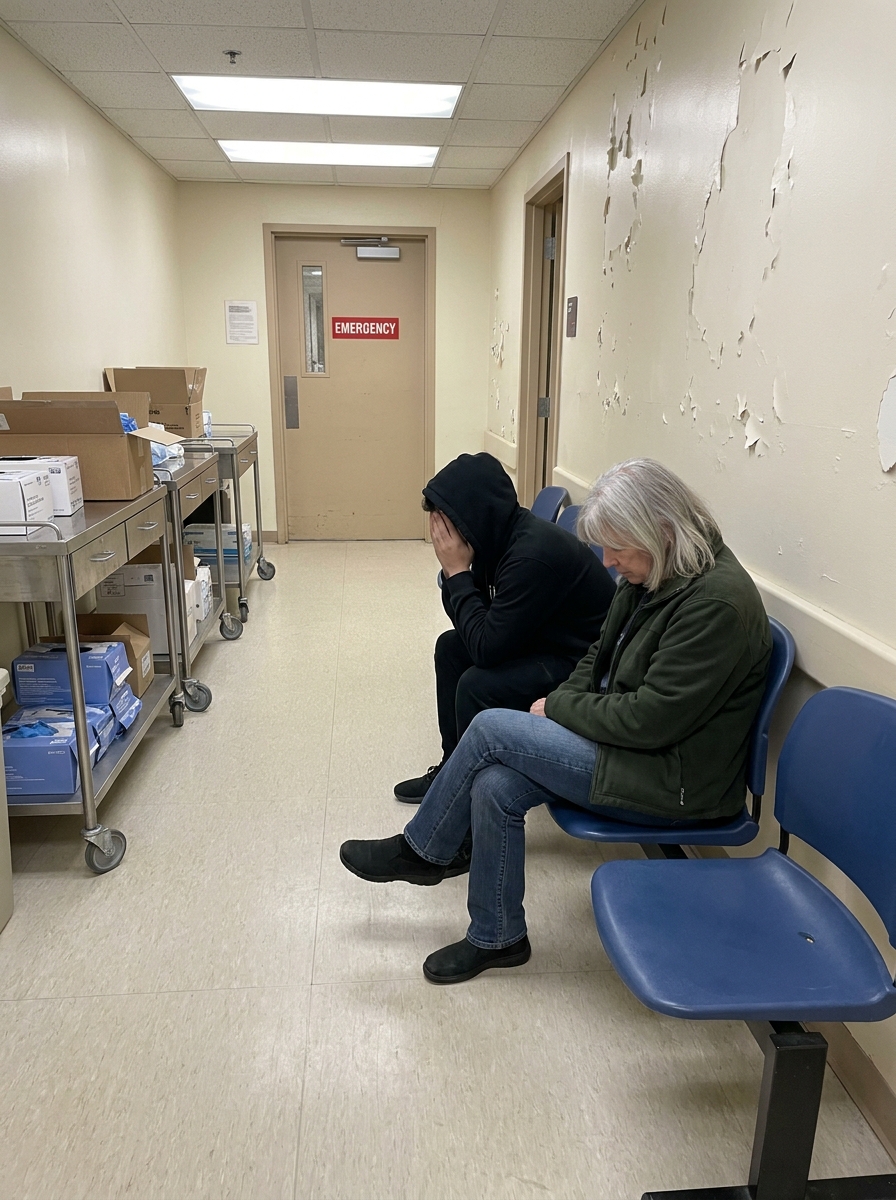
I've been a neurological rehabilitation specialist for 22 years. And if your toes keep curling into painful cramps, your feet freeze to the floor or hands curl without warning, and your neurologist keeps adjusting your meds without stopping any of it... I'm about to tell you exactly what they're missing and why pills alone will NEVER be enough. And by the end of this, you're going to understand what's actually happening inside your brain and your body better than most of your doctors do. My name is Dr. Steven Jones. Board-certified neurological rehabilitation specialist. Twenty-two years treating mobility issues including Parkinson's. Over 3,100 patients. And I'm going against the grain of my own profession to tell you this. Because there are three things happening right now: One - Your brain is losing the neurons your meds depend on, and nobody is stopping it Two - The medical system keeps treating your freezing and cramping as purely a dopamine problem And three - There's a pharmaceutical model that profits every single day your feet stay frozen and your toes stay curled So let me tell you what happened with one of my patients, because his story is going to change how you understand Parkinson's progression forever. His name was Richard. 71 years old. Diagnosed six years ago. For TWO years - and I mean two full years - he watched himself slowly fall apart. It started with the tremor getting harder to control. Then the stiffness that wouldn't ease up between doses. Then one morning he woke up and his toes were curled under so tight he couldn't straighten them. The pain was excruciating. Like someone was bending his foot into a fist and holding it there. The dystonia got worse from there. His right foot would twist inward without warning. His toes would clench and cramp mid-step, sending shooting pain up his calf. He'd be walking and suddenly his foot would seize, and he'd nearly go down. Then the freezing started. His feet would cement to the floor in doorways. Getting out of the car became a five-minute ordeal. One second he's moving, the next he's stuck, his body pitching forward while his feet refuse to follow. He fell eleven times in one year. Broke his wrist twice. But the thing that scared him most wasn't even the cramping or the freezing. It was the fog. The mental fog that rolled in thicker every month. He'd forget the name of the street he'd lived on for thirty years. He'd lose the thread of a conversation mid-sentence. His wife would ask him something and he'd just stare. Not because he didn't hear her. Because his brain couldn't process it fast enough. His "on" periods were getting shorter every month. Used to last four hours. Then three. Then barely two before the stiffness, the freezing, and the cramping all crept back at once. His doses kept climbing. Five different combinations over two years. Side effects stacking on top of side effects. He stopped walking the dog because the dystonia made every step unpredictable. Stopped going to his grandson's football games because the freezing made standing on the sideline dangerous. Stopped going to his workshop because his hands shook too much and his mind couldn't hold the steps of a project in sequence. His son flew in from Denver. Sat at the kitchen table with pamphlets for assisted living facilities. He was crying. Richard was 71 years old and his son was planning his surrender. And here's what nobody tells you about Parkinson's: It's not just a movement condition. It's a brain condition that shows up in your body. The freezing, the dystonia, the cramping, the fog, the crushing fatigue - they're all connected. They're all getting worse for the same reason. And while everyone fixates on individual symptoms, nobody is addressing why they're all accelerating at the same time. And here's what makes me angry: I was one of the specialists he came to see. Multiple doctors. His neurologist. A movement disorder specialist. Me - the rehab expert. We're talking thousands of dollars in appointments, dose adjustments, Botox injections for the dystonia, gait assessments for the freezing, the works. And you know what every single one of us did? Treated each symptom separately. Like they weren't all coming from the same place. "Here's more levodopa for the freezing." "Here's Botox for the toe curling. We'll do it every 12 weeks." "Here's gabapentin for the cramping pain." "Let's try splitting the doses to smooth out the fluctuations." MORE PILLS. MORE INJECTIONS. This man's brain was deteriorating in front of us and we were playing whack-a-mole with symptoms while the root cause went completely untreated. But here's where it gets worse - and this is the part that changed everything for me. We kept optimising his pill cocktail. Added the Botox. Tried the gabapentin. And his tremor? Slightly better on good days. The dystonia? Temporarily suppressed after each injection, then came back worse every cycle. The freezing? Got MORE frequent despite higher doses. Getting WORSE. All of it. Measurably, visibly worse. The Botox would wear off in 10 weeks instead of 12. The freezing episodes doubled. The fog got thicker. The "on" periods kept shrinking. We were treating five different symptoms with five different approaches and the man was still declining because we were managing the branches while the trunk was rotting. I watched this man - who took every pill on schedule, showed up for every injection, did his exercises - lose a little more of himself every single month. Despite "optimised" meds. And I didn't understand why. Until a neurodegenerative research specialist at a conference said something that made me question two decades of practice. March 2023. New Orleans. American Academy of Neurology annual meeting. I was attending a session on neuroprotection in Parkinson's. Most of it was the usual pharmaceutical pipeline updates. New drugs in trials. Modified release formulations. Incremental improvements to the same dopamine-centric approach. During the Q&A, a woman stood up. Mid-fifties. Composed. Spoke with the precision of someone who'd spent decades in research labs. Her name was Dr. Catherine Aldridge. Thirty years in neurodegenerative research. Published extensively on neuroinflammation and neuroprotection. Currently leading a research programme on non-pharmaceutical interventions for Parkinson's progression. She asked the panel a question that silenced the room: "We spend billions optimising dopamine delivery and suppressing individual symptoms. But what are we doing about the neuroinflammation that's killing the neurons behind ALL of those symptoms? What are we doing about the oxidative stress? Because we're refilling a leaking bucket and nobody is patching the holes. The freezing, the dystonia, the cognitive decline - they're all getting worse for the same reason. And we're treating them like they're separate problems." The panel gave a polite non-answer. But I followed her out of the room. She gave me fifteen minutes. I stayed for two hours. What she taught me rewired how I understand everything about Parkinson's - the freezing, the dystonia, the fog, the decline. All of it. She sat down in the hotel lobby and pulled up data on her laptop. "Your treatment model treats symptoms. Levodopa for the dopamine. Botox for the dystonia. Gabapentin for the pain. But all of those symptoms share a common root cause, and none of your treatments touch it." She turned the screen toward me. "Your patient's toes are curling because the neurons controlling muscle tone are dying. His feet are freezing because the neurons sending walking signals are dying. His fog is getting worse because neurons across his brain are dying. They're all dying for the same three reasons. And not a single pill he takes addresses any of them." Number one: Chronic neuroinflammation. "There's a persistent inflammatory fire in the brain driven by overactive microglia and toxic alpha-synuclein buildup. It's destroying neurons across the board - motor neurons, cognitive neurons, all of them. That's why the freezing AND the dystonia AND the fog are all getting worse at the same time. Same fire. Different rooms of the house burning." Number two: Oxidative stress. "The same process that kills neurons produces massive amounts of free radicals. These damage surrounding healthy neurons, accelerating everything. Your brain is rusting from the inside. The dystonia gets worse. The freezing gets worse. The cognition gets worse. All accelerated by the same oxidative cascade." Number three: Neurotrophic factor depletion. "The surviving neurons are working overtime. But without adequate neurotrophic support, they can't maintain function. The motor neurons that prevent dystonia burn out. The gait neurons that prevent freezing burn out. The cognitive neurons burn out. Not because of dopamine. Because nobody is feeding them." She closed the laptop. "Your patient Richard? You're giving him levodopa for dopamine, Botox for his toes, and gabapentin for his pain. Three separate treatments for three symptoms that all have the same cause. Meanwhile the neuroinflammation that's driving ALL of it goes completely untreated. You're putting out spot fires while the whole building burns." I felt sick. Because she was right. The freezing, the dystonia, the fog - they weren't separate problems getting worse independently. They were all symptoms of the same three untreated mechanisms. And we were treating each one in isolation while the common root cause accelerated underneath. And here's the part that made my blood boil: The research world KNOWS about all three of these factors. Neuroinflammation, oxidative stress, and neurotrophic depletion are extensively studied. There are published papers showing that certain natural compounds can combat neuroinflammation, neutralise oxidative stress, and support surviving neurons. Chaga mushroom has the highest antioxidant activity of any medicinal mushroom studied. It crosses the blood-brain barrier and directly combats neuroinflammation, modulating overactive microglia from "destroy" mode to "protect" mode. Published research confirms it neutralises free radicals and reduces oxidative damage at the source. Address the inflammation and you address the root cause behind the dystonia, the freezing, and the cognitive decline simultaneously. Lion's Mane stimulates the production of neurotrophic factors that support surviving neurons - including the motor neurons whose deterioration causes dystonia and freezing. It helps them function at maximum capacity, produce more dopamine naturally, and maintain the neural connections your mobility depends on. Reishi has documented anti-neuroinflammatory properties. It modulates the immune response, reduces the chronic stress that accelerates progression, and promotes the deep restorative sleep that's critical for neural repair. Poor sleep accelerates every Parkinson's symptom. Reishi helps break that cycle. Cordyceps boosts oxygen utilisation at the cellular level, enhances stamina, and combats the crushing fatigue that drains Parkinson's patients by midday. More energy to fight through the stiffness and the cramping. More endurance for daily tasks. Less exhaustion from the simple act of walking across a room. The science is there. It's published. It's peer-reviewed. But you'll never hear your neurologist recommend a medicinal mushroom blend. Why? Because pharmaceutical companies don't sell mushroom extracts. They sell synthetic drugs with patents. There's no recurring revenue in a daily coffee that addresses the root cause behind multiple symptoms. There IS recurring revenue in prescribing separate pills for each symptom while the underlying problem goes untreated. A patient on the standard Parkinson's protocol pays $300 to $500 monthly in prescriptions. Plus $500 Botox injections every 12 weeks for dystonia. Plus specialist appointments. Plus physical therapy. The pharmaceutical model generates $8,000 to $12,000 per patient per year. Indefinitely. For a treatment approach that manages symptoms individually while the common cause accelerates. A daily mushroom coffee that targets the root cause behind all of them? Less than $1.35 per cup. The system isn't designed to fix the root cause. It's designed to treat each symptom separately and bill you for every single one. Catherine showed me the research on what she called "the missing three" - the three factors that your pills and injections ignore. Addressing them requires three things simultaneously: 1. Neuroprotective shield - compounds that cross the blood-brain barrier and directly combat the chronic neuroinflammation destroying your neurons. The same inflammation driving your dystonia, your freezing, and your cognitive decline. Put out the fire. Stop the damage at the source 2. Neurotrophic support - compounds that stimulate the factors your surviving neurons need to keep functioning. The motor neurons that control your muscle tone. The gait neurons that keep you walking. The cognitive neurons that keep you sharp. Fuel for all of them 3. Antioxidant defence - compounds that neutralise the free radicals accelerating neuronal death across the board. Stop the rust. Preserve what you have. Slow the cascade that's making everything worse simultaneously These aren't exotic theories. These are established mechanisms with published evidence behind each one. But you'll never see them on a prescription pad. Because you can't patent a mushroom. And there's no pharmaceutical rep bringing your neurologist samples of Chaga extract. Now here's the problem I ran into... Most "brain health" supplements on the market are useless for Parkinson's-specific neuroprotection. I tried generic lion's mane capsules from Amazon. Underdosed. No standardised extract. No measurable effect on Richard's dystonia or freezing. I tried a "cognitive support" supplement stack. Fourteen pills a day. Half of them had no relevance to neuroinflammation or motor neuron protection. Richard took one look at the pill pile and said "I already take enough pills to fill a pharmacy. And now you want me to add fourteen more?" I tested eight different supplements and blends over six months. Most were either too weak, too unfocused, or required swallowing so many capsules that nobody actually kept taking them. Because here's the thing: not all mushroom products are equal. A generic capsule with a sprinkle of mushroom powder does nothing. The bioactive compounds need to be in concentrated extract form. They need to be at therapeutic doses. And they need to be combined in a way that addresses all three factors - inflammation, oxidative stress, and neurotrophic support - simultaneously. A single-mushroom supplement only hits one target. A random "brain health" blend throws ingredients at the wall. Neither approaches the problem systematically. Every product I tested failed at least one of the three requirements. Until I found NeuroFuel. A 4-in-1 adaptogenic mushroom coffee that combined Chaga, Lion's Mane, Reishi, and Cordyceps in a single daily cup. Blended into premium Blue Mountain coffee. With ALL THREE requirements. Chaga for the neuroprotective shield against neuroinflammation. Lion's Mane for neurotrophic support of surviving motor and cognitive neurons. Reishi for immune modulation and deep recovery. And Cordyceps for energy, oxygen delivery, and physical stamina. When I looked into the formulation? It was designed specifically for neurological support. Not a generic wellness product. Not a trendy mushroom coffee for tech workers who want to "optimise focus." This was built for people whose brains are under attack and whose bodies are paying the price - the freezing, the cramping, the fog, all of it. And the delivery mechanism solved the biggest problem I'd had with every other supplement: compliance. It's a coffee. Not more pills. Not another supplement bottle gathering dust. A morning coffee that replaces the one you're already drinking. Richard's exact words when I showed it to him: "You mean I just drink my coffee and it helps my brain? No more pills? No more injections?" That's compliance. That's a product that actually gets used. Twenty out of twenty-one patients were still drinking it daily at six months. Because it's coffee. Not another obligation. And here's where I had to face what I'd done to my patients: When Richard was in my clinic? We were adjusting his meds every eight weeks. $45 copay per visit. $380 per month in Parkinson's prescriptions. Botox injections at $500 every 12 weeks for the dystonia. Gabapentin for the cramping pain. Physical therapy at $150 per session, twice a week. His son was looking at assisted living facilities. He was spending over $700 a month. Every single month. Treating the freezing, the dystonia, the pain, and the fog as four separate problems while the common root cause went completely unaddressed. Managing symptoms of a condition that was quietly advancing underneath everything we were doing. NeuroFuel? Less than $1.35 per cup. One cup per day. Swap out your morning coffee. Targets the root cause behind all of it - the inflammation, the oxidative stress, the neurotrophic depletion that's driving your freezing, your dystonia, your fog, and your decline simultaneously. Neuroprotective shield through concentrated Chaga. Neurotrophic support through Lion's Mane. Immune modulation and deep recovery through Reishi. Energy and oxygen delivery through Cordyceps. No extra pills. No injections. No appointments. No compliance problems. Just coffee. I started Richard on it first. Week 1: No dramatic fireworks. I told him not to expect any. This isn't levodopa. It's not a switch you flip. The compounds build up gradually. But he did report sleeping slightly better by day five. And his wife said he seemed "a little less foggy" in the mornings. The morning dystonia in his right foot was still there, but he said it released faster than usual. Small signals. Week 2: His wife noticed before he did. "You're moving differently." She was right. Getting out of bed wasn't the 10-minute negotiation it had become. His first steps were steadier. The morning shuffle was shorter. And the dystonia episode that usually greeted him every morning lasted 8 minutes instead of 20. His afternoon crash hit later than usual. Not a miracle. But a shift. Week 4: Richard sat in my office and described his symptoms with more clarity and detail than he had in over a year. His word recall was noticeably better. He was processing questions faster. The fog hadn't vanished, but it had lifted enough that he felt like himself again. His "on" periods were lasting two hours longer. The freezing episodes had dropped from daily to a few times a week. And the dystonia? The toe curling was still there during medication transitions, but less intense and shorter. "My foot is fighting back now," he said. "Before it would just surrender." Week 8: Full cognitive and motor assessment. Processing speed improved by 22%. Word recall test improved by 31%. Freezing episodes reduced by 58%. Dystonia episode duration cut by more than half. Pain rating dropped from 7 out of 10 to 3. His "on" periods were lasting noticeably longer without the brutal peaks and crashes he'd gotten used to. He put on real shoes for the first time in four months. Laced them up. Walked to the end of his drive and stood there looking at the street. He called his son and told him to cancel the assisted living tours. He took his grandchildren to the park. Actually walked with them on the path, not shuffling behind while they waited. His grandson held his hand, not to steady him, but because that's what grandfathers and grandsons do. His wife stopped sleeping with her phone on the nightstand. He didn't just get his mobility back. He got his family's peace of mind back. Then I introduced NeuroFuel to every Parkinson's patient on my caseload. Twenty-one patients over the next six months. The results were consistent: Average improvement in self-reported cognitive clarity: 34% by week 6 Average reduction in freezing episodes: 47% Average reduction in dystonia episode duration and intensity: 41% Average reduction in self-reported fatigue: 28% Number of patients whose caregivers independently reported improvement: 17 out of 21 Number of patients who reported "feeling more like myself": 16 out of 21 And the compliance rate: 20 out of 21 patients were still drinking it daily at six months. Because it's coffee. Not another pill. Not just better test scores. Not just fewer freezing episodes. Not just less painful cramping. People feeling like themselves again. That's the one that matters with Parkinson's. Because this condition doesn't just take your movement. It takes YOU. And anything that gives even a piece of that back is worth everything. This is what they're not telling you about. Because the second you start addressing the root cause - the neuroinflammation, the oxidative stress, the neurotrophic depletion - everything starts shifting. The fog lifts. The "on" periods stretch longer. The freezing gets less frequent. The dystonia gets less intense. The meds you're already taking start working better because the brain and neurons receiving the dopamine are healthier. You don't stop your meds. Levodopa is essential. But now your pills are landing in a brain that's being actively protected and nourished instead of one that's slowly deteriorating from the inside. It's not a cure for Parkinson's. Nothing is. But it addresses the root cause behind the symptoms that are stealing your life - the cause your prescriptions and injections don't touch. Now here's what I need you to understand about timing: Neuroprotection is a race against time. Every day that neuroinflammation goes unchecked, more neurons die. The motor neurons controlling your muscle tone. The gait neurons preventing your freezing. The cognitive neurons keeping you sharp. They're all under attack from the same fire. And every day you wait, more of them are lost permanently. And here's the part your neurologist may not have the heart to tell you: by the time you're diagnosed with Parkinson's, you've already lost 60 to 80% of your dopamine neurons. The ones you have left are the ones fighting for your mobility, your cognition, your independence. Every single one matters. Year 1-3 after diagnosis: The brain still has substantial neuronal reserves. Neuroprotection at this stage has the most significant impact. The freezing is still reversible. The dystonia hasn't become structural. The factory is burning, but there's still a factory to save. Year 3-6: Neuronal loss is more advanced but compensatory capacity remains. Starting neuroprotection here still produces meaningful results but the runway is shorter. The symptoms are more entrenched but still responsive. Year 6+: Significant neuronal loss. Neuroprotection still matters - protecting what remains is always valuable - but the window for robust improvement has narrowed. You're protecting a smaller factory. Richard was at year 6. He responded meaningfully. But the patients who started within the first three years of diagnosis? Their freezing improved more dramatically. Their dystonia responded faster. Their cognitive improvements were more sustained. The earlier you start protecting your brain, the more brain there is to protect. If you're reading this and you've been diagnosed for over a year - your brain is losing neurons every day that inflammation, oxidative stress, and neurotrophic depletion go unaddressed. Your meds are managing your dopamine. Your Botox is temporarily suppressing your dystonia. Your gabapentin is dulling your pain. But nobody is addressing why all of these symptoms keep getting worse at the same time. If you're someone who's been dealing with this - toes curling into painful cramps, feet freezing in doorways, fog that gets thicker every month, "on" periods that keep shrinking, the feeling that who you were is slowly fading - and your dose adjustments and injections aren't stopping any of it? It's not because the Parkinson's is too aggressive. It's not because you're not trying hard enough. It's because all of your symptoms share a common root cause, and not a single thing you're currently taking addresses it. Your dopamine is being replaced. Your dystonia is being temporarily suppressed. Your pain is being dulled. But the fire underneath is burning unchecked. NeuroFuel has a 90-day money-back guarantee - if it doesn't help, you pay nothing. And honestly? Even if you're sceptical, try it for a month. See if your brain and body respond the way Richard's did. The way 17 out of 21 of my patients did. Because the medical system isn't coming to address the root cause. They're too busy treating each symptom separately while the fire keeps burning underneath all of them. A neurodegenerative research specialist taught me more about Parkinson's progression in two hours than I learned in two decades of neurological rehabilitation. It's about time I passed that lesson on. Go get it. Swap your morning coffee. Give your brain what it's been starving for. P.S. - I still prescribe levodopa. It's essential. Keep taking it. But for the freezing that's getting worse, the dystonia that keeps coming back between injections, the fog, the fatigue, and the accelerating decline? Your meds are managing symptoms while the root cause goes untreated. NeuroFuel addresses that root cause. They're meant to work together. P.P.S. - Richard's son was planning his surrender. Assisted living pamphlets on the kitchen table. He caught his window. Barely. If your dose adjustments and Botox appointments were going to stop your decline, they would have stopped it by now. Don't wait for your next injection to wear off again. P.P.P.S. - Richard: "I put on real shoes last month. Walked to the park with my grandkids. My toes didn't curl once. My feet didn't freeze once. Six months ago I couldn't make it to the kitchen without my wife spotting me. $1.35 a day. That's what it cost to start feeling like myself again. Don't wait like I did."
Relieve Decline - Naturally
Clinically designed 4-in-1 adaptogenic blend developed to finally free you from decline, freezing...
LEARN MORELike this ad? Make it yours.
Crush rebuilds this exact creative around your product — your brand, your colors, your offer — in about a minute.