
Inactive· since Mar 21, 2026
- 175
- days it ran
- 3
- relaunches
Ad copy
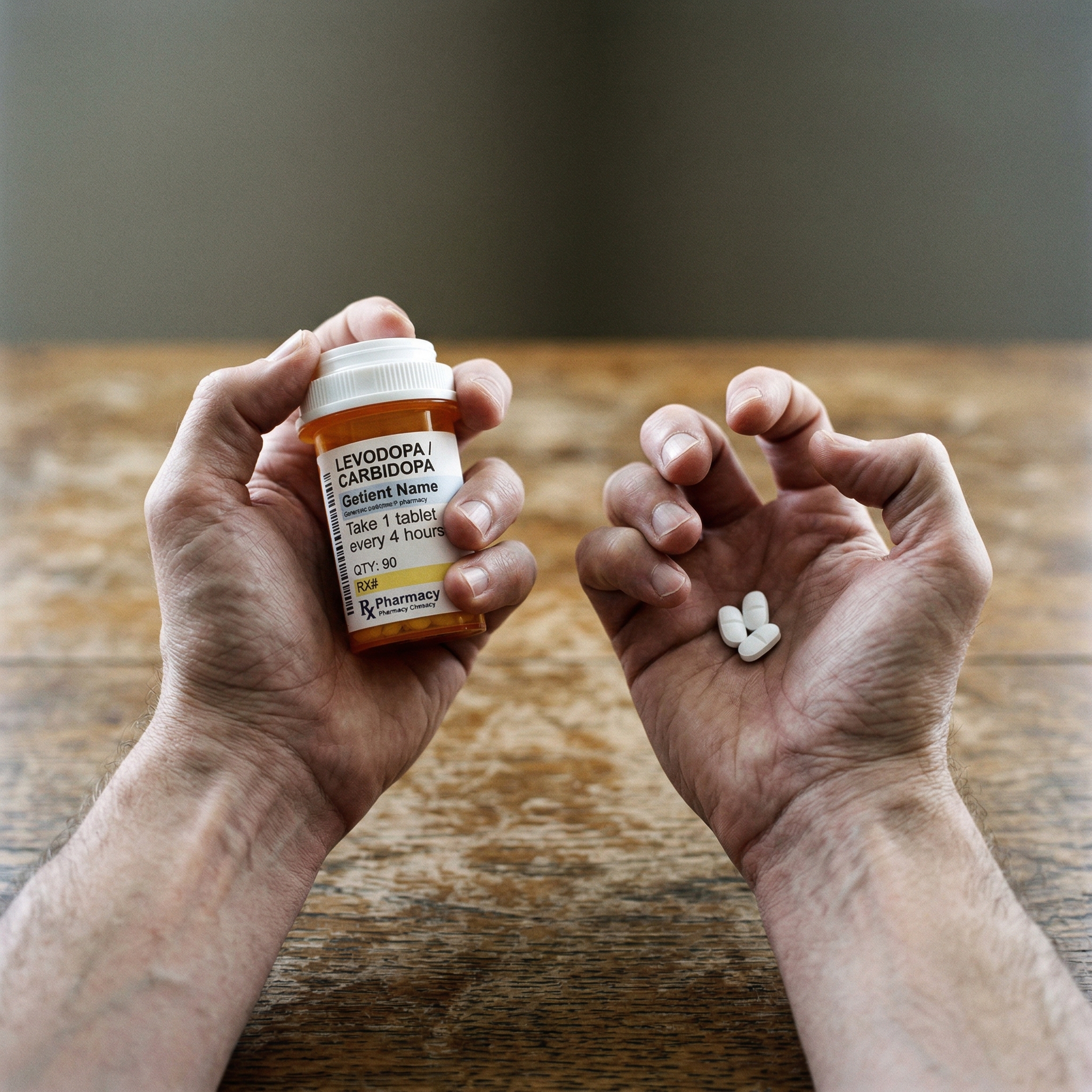
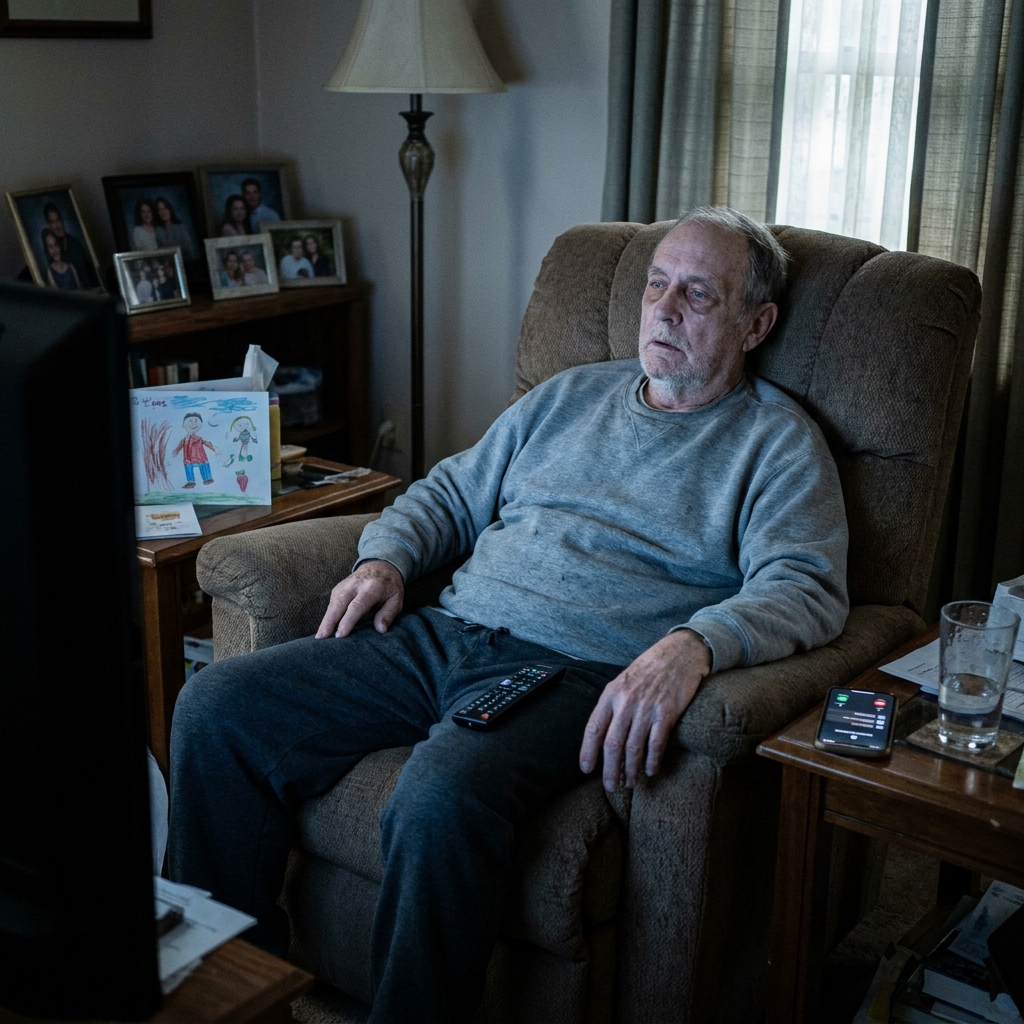
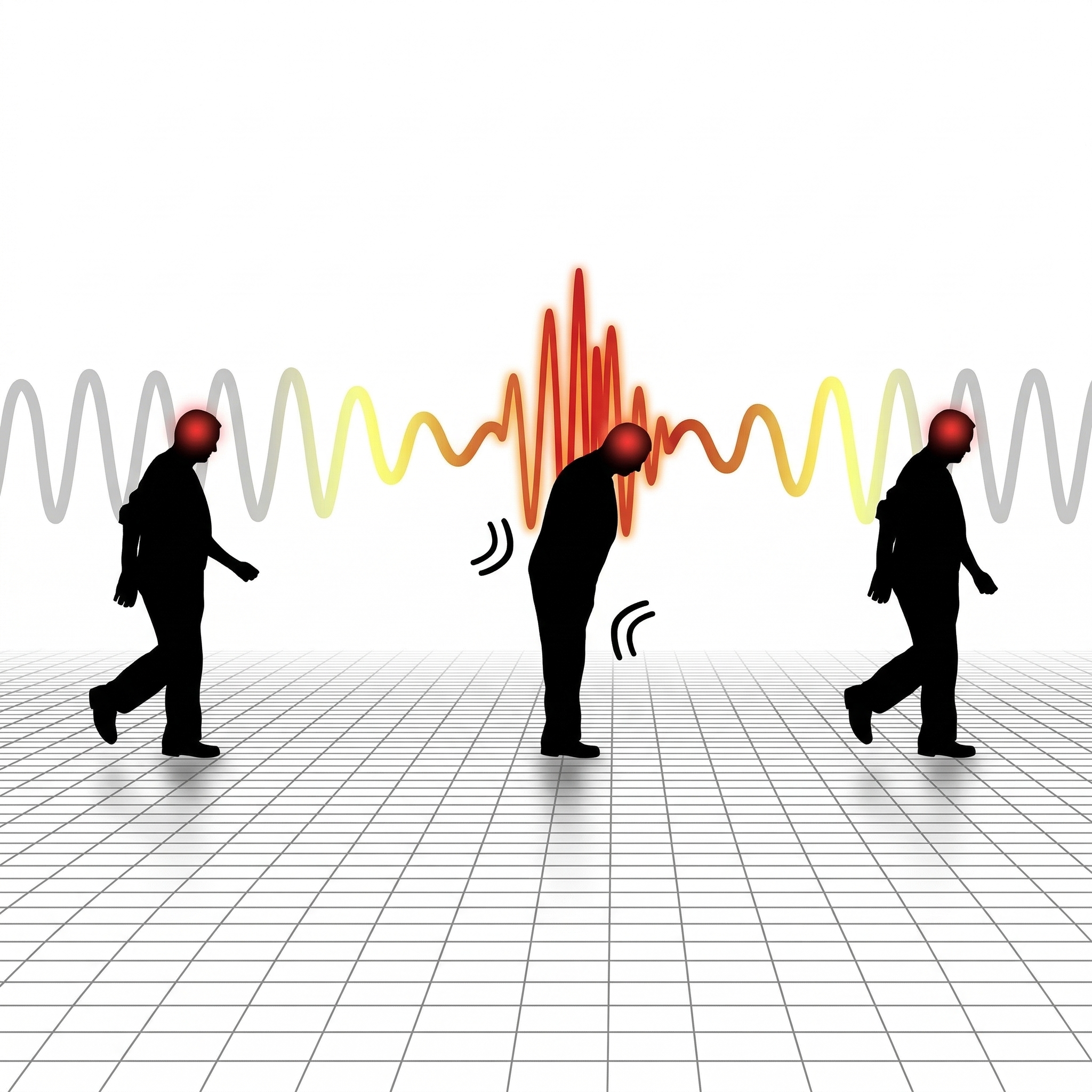
I've been a neurological rehabilitation specialist for 22 years. And if your feet keep freezing mid-step, you're terrified of falling, and your neurologist keeps adjusting your meds without fixing it... I'm about to tell you exactly what they're missing and why the standard approach will NEVER solve this. And by the end of this, you're going to understand your own body better than most of your doctors do. My name is Dr. Steven Jones. Board-certified neurological rehabilitation specialist. Twenty-two years treating movement disorders including Parkinson's disease. Over 3,100 patients. And I'm going against the grain of my own profession to tell you this. Because there are three things happening right now: One - Your brain is sending walking signals that never reach your feet Two - The medical system keeps treating this as purely a dopamine problem And three - There's a pharmaceutical model that profits every single day your feet stay frozen to the floor So let me tell you what happened with one of my patients, because his story is going to change how you understand freezing forever. His name was Richard. 68 years old. For THREE years - and I mean three full years - he was dealing with this. His feet? They'd just stop. Mid-step. Mid-turn. Standing in a doorway. Getting out of the car. No warning. No pattern he could predict. One second he's walking, the next his feet are cemented to the ground and his body is still moving forward. He fell eleven times in one year. Broke his wrist twice. His wife stopped letting him walk to the bathroom alone at night. He started sleeping in a recliner because the walk from the bedroom was too dangerous. He stopped going to his grandson's football games. Stopped walking the dog. Stopped answering the front door because by the time he unfroze, whoever was there had already left. The man who'd coached little league for fifteen years couldn't walk from his kitchen to his living room without his wife hovering behind him like a spotter at a gym. And here's what nobody tells you about freezing: It's not just your feet that freeze. Your confidence freezes. Your independence freezes. Your entire life shrinks down to the rooms you feel safe shuffling between. And here's what makes me angry: I was one of the specialists he came to see. Multiple doctors. His neurologist. A movement disorder specialist. Me - the rehab expert. We're talking thousands of dollars in appointments, medication adjustments, gait assessments, the works. And you know what every single one of us did? Adjusted his levodopa. Again. "Let's try increasing your dose." "Let's add entacapone to extend the effect." "Let's try splitting the doses differently." SPLITTING THE DOSES. This man's feet were glued to the floor in doorways and we were rearranging when he takes his pills. But here's where it gets worse - and this is the part that changed everything for me. We kept adjusting his medication. And you know what happened? The tremor got slightly better. The stiffness eased up a little. But the freezing? It got WORSE. And not just a little worse. His freezing episodes doubled in frequency after we increased his levodopa. I watched this man - who did everything I told him, took every pill on schedule, showed up to every appointment - get MORE frozen. Not less. More. And I didn't understand why. Until a retired physical therapist at a conference said something that stopped me cold. October 2022. Chicago. American Academy of Physical Medicine and Rehabilitation annual meeting. I was presenting a poster on gait rehabilitation outcomes. Unremarkable stuff. The usual data showing modest improvements with standard physical therapy protocols. After my presentation, an older gentleman approached me. Late sixties. Walked with a fluidity that immediately caught my attention - smooth, rhythmic, confident steps. No hesitation. No shuffling. His name was Dr. Martin Calloway. Semi-retired. Forty years in neurological physical therapy. Specifically Parkinson's gait disorders. He looked at my poster data and said something I'll never forget: "You're rehabilitating the wrong system." I asked what he meant. "Freezing of gait isn't a dopamine problem. Well, it is - partially. But you're all so fixated on brain chemistry that you've completely forgotten about the legs themselves." He asked if I had fifteen minutes. I gave him an hour. What he taught me rewired how I understand freezing. He pulled up a chair and drew a simple diagram on the back of my poster printout. "Your treatment model treats freezing as a top-down problem. Brain sends signal. Signal gets disrupted. Feet freeze. So you fix the brain chemistry and hope the signal gets through. That's like fixing a power plant when the problem is a severed wire." He tapped the diagram. "Freezing isn't just a signal problem. It's a MOTOR READINESS problem. The muscles in the lower legs and feet have become so deconditioned, so neurologically quiet, that even when the brain DOES send a signal, the muscles can't respond fast enough. The motor neurons that fire your stepping muscles have gone dormant." Now pause for a second. You know what's wild about this? Every neurologist in the world focuses on the brain. Dopamine. Basal ganglia. Neural circuits. And yes, those matter. But NOBODY is looking at the other end of the chain - the actual muscles and motor nerves in your feet and calves that execute the walking command. And that's not an accident. Because once you understand that freezing has a peripheral component - that the muscles themselves have become unresponsive - you realize why adjusting levodopa only gets you so far. Why Richard's freezing got worse even as his other symptoms improved. Here's what's actually happening: Parkinson's doesn't just affect your brain. Over time, the reduced movement and shuffling gait cause your lower leg muscles to weaken and the motor nerve pathways to go quiet. The muscles that lift your foot, push off the ground, and initiate each step become sluggish and unresponsive. So even on your best medication days - even when the dopamine signal fires perfectly - the message arrives at muscles that are too dormant to respond quickly enough. And that split-second delay? That's the freeze. It's like shouting instructions to someone who's fallen asleep. The message is clear. The receiver isn't listening. And here's the key thing Martin taught me: Meds alone cannot fix dormant motor pathways. Levodopa helps the brain send the signal. But if the receiving end - your lower leg muscles and motor neurons - have gone quiet from months or years of reduced movement, no amount of dopamine adjustment will wake them up. The meds helps the message. It doesn't fix the receiver. That's why Richard's freezing got worse on higher doses. The brain was sending stronger signals to muscles that couldn't hear them. And the frustration of freezing was making him move LESS, which made the motor pathways even more dormant. A vicious cycle. And here's the part that made my blood boil: The rehabilitation world KNOWS about motor pathway dormancy. Physical therapists talk about it. Movement scientists study it. We know that electrical muscle stimulation can directly activate dormant motor neurons - bypassing the faulty brain signal entirely and forcing the muscles to fire. But unless you're recovering from a knee replacement, nobody thinks to apply it to Parkinson's freezing. Why? Because there's no pharmaceutical solution for waking up dormant leg muscles. You can't put motor neuron activation in a pill. There's no patent on forcing a calf muscle to contract. There IS money in adjusting your levodopa every three months. In adding new medications on top of old ones. In the $2,000-a-month deep brain stimulation programming sessions. A patient on the standard Parkinson's protocol pays $300-500 monthly in medications alone. Indefinitely. Plus specialist visits. Plus falls that lead to emergency rooms and hip replacements. An EMS device that wakes up dormant motor pathways? One-time purchase. The system isn't designed to solve freezing. It's designed to manage Parkinson's forever. Martin showed me the approach for reactivating dormant motor pathways in the lower legs. It involves three specific things happening simultaneously: 1. Electrical muscle stimulation - signals that bypass the brain entirely and directly fire the dormant motor neurons in your feet and calves. This forces the stepping muscles to contract even when your brain's signal gets stuck 2. Rhythmic contraction cycles - the contract-release pattern that mimics the walking cadence, re-establishing the motor rhythm that freezing disrupts 3. Sensory feedback activation - the stimulation creates a sensory signal from the feet back UP to the brain, essentially providing the external cue that breaks the freeze, but from inside your own muscle This is the same principle behind why external cues work for freezing - a line on the floor, a metronome beat, stepping over a laser line. They all provide sensory input that bypasses the frozen circuit. But those are temporary tricks. They work in the moment but don't fix the underlying dormancy. EMS does both. It breaks the freeze AND progressively wakes up the dormant pathways so they respond faster next time. There are actual studies showing that rhythmic electrical stimulation improves gait parameters in Parkinson's patients. Electromagnetic stimulation has been shown to improve freezing episodes. The science is there. But you'll never hear most neurologists mention it. Because device companies don't fund neurology conferences. Pharmaceutical companies do. So that's what gets presented. That's what gets prescribed. Now here's the problem I ran into... Most "foot stimulators" on the market are useless for Parkinson's freezing. I tried a TENS unit. It tingled the skin. Did nothing for the muscles underneath. Richard said it felt like "pins and needles but my feet still wouldn't move." I tried a vibrating foot plate. It shook. That's it. No muscle engagement. No rhythmic contraction. No motor nerve activation. I tested nine different devices over four months. Spent over $500 on things that either just vibrated the surface or delivered such weak impulses they couldn't penetrate to the actual motor neurons. Because here's the thing: vibration and TENS are NOT the same as EMS. TENS stimulates sensory nerves for pain relief. Vibration shakes the skin. Neither of them forces actual muscle contraction. Neither of them reaches the motor neurons that control stepping. True EMS sends electrical impulses directly to the motor neurons, forcing real muscle contraction. Your foot muscles literally contract and release in a walking rhythm - while you sit in your chair. It's involuntary stepping. Your legs do the work without your brain needing to initiate it. Every device I tested failed at least one of the three requirements. Until I found Restural. They had a true EMS foot stimulator. Not a TENS unit. Not a vibrator. Actual electrical muscle stimulation with deep motor nerve penetration. With ALL THREE requirements. Deep motor neuron activation. Rhythmic contraction cycles that mirror walking cadence. Sensory feedback that travels back up to the brain. When I dug into the technology? It was based on the exact protocols used in neurological rehabilitation clinics. The same approach movement disorder physical therapists use for gait retraining. The same mechanism that makes external cueing work - but delivered through the muscles themselves. They weren't just selling a gadget. They understood the dual nature of freezing - brain AND muscle. They built something that addresses both ends of the chain. And here's where I had to face what I'd done to my patients: When Richard was in my clinic? We were adjusting his medications every eight weeks. $45 copay per visit. $380 per month in Parkinson's medications. We'd discussed deep brain stimulation at $30,000-$50,000. I'd referred him to physical therapy at $75 per session, twice a week. He was spending over $600 a month. Every single month. Just to manage a symptom that kept getting worse. The Restural EMS stimulator? One-time purchase. Under $60. Delivers the exact motor nerve activation protocol. True EMS that reaches the dormant stepping muscles. Rhythmic walking-pattern contractions. 20 minutes a day while sitting in your favourite chair. I started using it with Richard first. Week 1: The sensation was immediate. He could feel his foot muscles contracting and releasing in a rhythmic pattern - not a surface tingle, but actual muscle engagement. His toes were flexing, his calves were squeezing. "My legs are walking without me," he said. He was smiling for the first time in months. Week 2: His wife called me. "He walked through the kitchen doorway without stopping. He didn't even notice until I pointed it out." The doorway - his worst trigger - and he walked straight through it. Week 4: Freezing episodes dropped from 8-12 per day to 3-4. His step length increased visibly. The shuffle was becoming a stride. Week 8: Full gait assessment. Freezing episodes: 1-2 per day, lasting under 3 seconds each. Down from 8-12 episodes lasting 5-15 seconds. His walking speed improved by 34%. His confidence? Immeasurable. He walked to his grandson's football game. Stood on the sideline. Didn't freeze once. Then I introduced it to every freezing patient on my caseload. Twenty-three patients over the next six months. The results were consistent: Average reduction in freezing episodes: 67% by week 6 Average improvement in walking speed: 28% Average increase in daily walking distance: 41% Number of patients who fell during the trial period: 2 (compared to their collective average of 14 falls per 6 months prior) And the most telling result of all: 19 out of 23 patients reported feeling "more confident walking" for the first time in years. Not just fewer freezes. More confidence. That's the one that matters. This is the approach they're not telling you about. Because the second you reactivate those dormant motor pathways, your muscles start responding to brain signals again. The freeze gets shorter. Then less frequent. Then, for many patients, rare. You don't stop your medication. Levodopa still helps the brain send the signal. But now the signal has somewhere to land. The receiver is awake. It's not a cure for Parkinson's. Nothing is. But it addresses the one piece of the freezing puzzle that medication cannot touch - the dormant motor pathways in your feet and legs. Now here's what I need you to understand about timing: The longer your motor pathways stay dormant, the harder they are to reactivate. This is basic neuroplasticity. Pathways that fire together wire together. Pathways that don't fire together... gradually disconnect. Year 1-2 of freezing symptoms: Motor pathways are dormant but recoverable. Response to EMS is typically rapid. Most patients see significant improvement within 4-6 weeks. Year 2-4: Pathways are more deeply dormant. Recovery takes longer. 6-10 weeks for significant improvement. But still achievable. Year 4+: Pathways have begun to structurally weaken. Recovery is still possible but slower and less complete. 10-14 weeks, and results may plateau at a lower level. Richard was at year 3. He responded beautifully. But the patients who had been freezing for 5+ years? They improved - but not as dramatically. The window narrows. If you're reading this and you've been dealing with freezing episodes for over a year - your motor pathways are getting quieter every month you wait. They won't reactivate themselves. And no amount of levodopa adjustment will wake them up. If you're someone who's been dealing with this - feet freezing in doorways, shuffling that gets worse every month, the constant fear of falling, the shrinking world - and nothing your neurologist has tried is working? It's not because your medication is wrong. It's not because you're not trying hard enough. It's because your motor pathways have gone dormant. And nobody is addressing the other end of the chain. The Restural EMS Stimulator has a 90-day money-back guarantee - if it doesn't work, you pay nothing. And honestly? Even if you're sceptical, try it for a month. See if your body responds the way Richard's did. The way 19 out of 23 of my patients did. Because the medical system isn't coming to fix your freezing. They're too busy adjusting the dose of pills that can't wake up sleeping muscles. A retired physical therapist taught me more about freezing in one hour than I learned in two decades of neurological rehabilitation. It's about time I passed that lesson on. Go get it. P.S. - I still prescribe levodopa. It's essential for Parkinson's management. But for freezing of gait specifically, medication alone is treating half the problem. The other half is in your legs. P.P.S. - If you've been freezing for over two years, your motor pathways are getting quieter every month. The window is open but it narrows with time. Don't wait for your next medication adjustment to not work. P.P.P.S. - Richard: "I walked through my kitchen doorway without stopping for the first time in two years. My wife cried. I almost did too. $60. That's what it cost to get my life moving again. Don't wait like I
Relieve Freezing - Naturally
Clinically designed 3-in-1 EMS technology developed to finally free you from freezing, heavy legs...
LEARN MORELike this ad? Make it yours.
Crush rebuilds this exact creative around your product — your brand, your colors, your offer — in about a minute.