
Inactive· since Jun 9, 2026
- 61
- days it ran
- 1
- relaunches
Ad copy
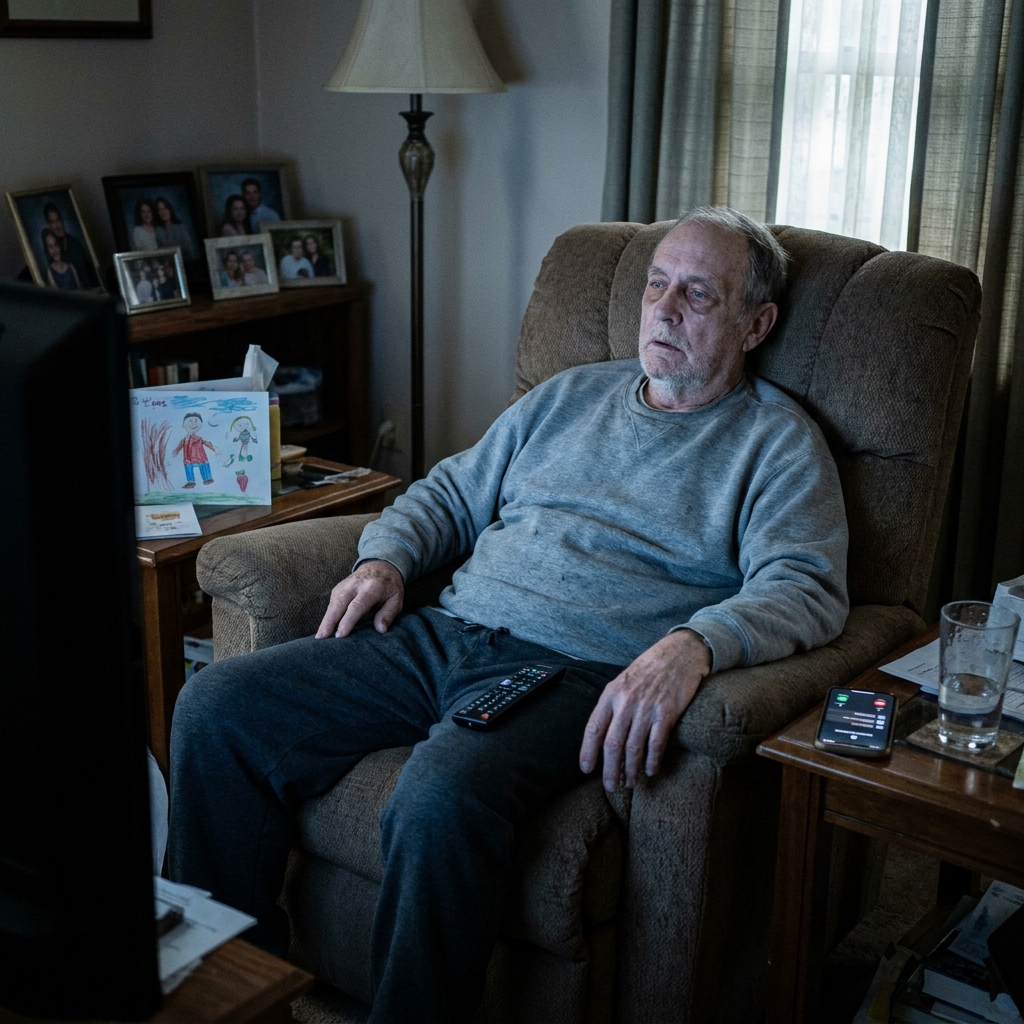
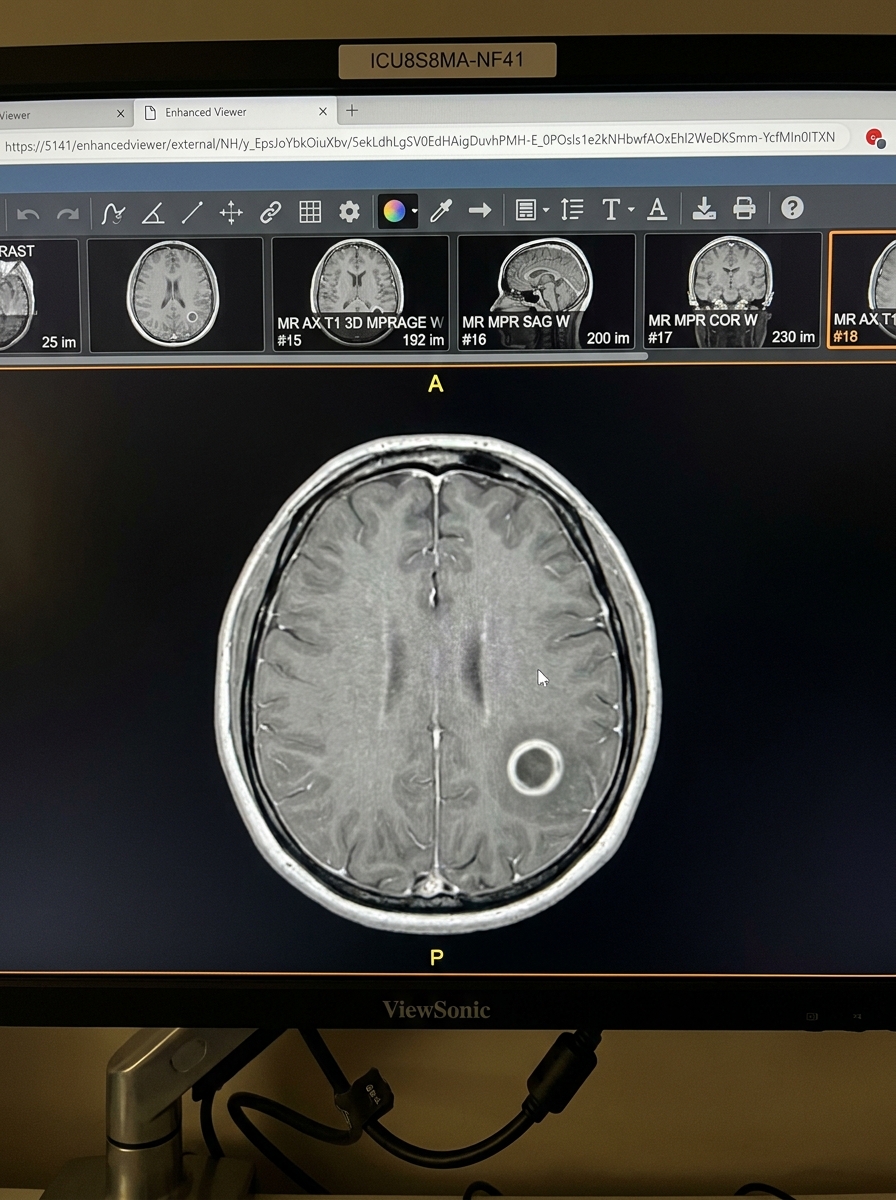
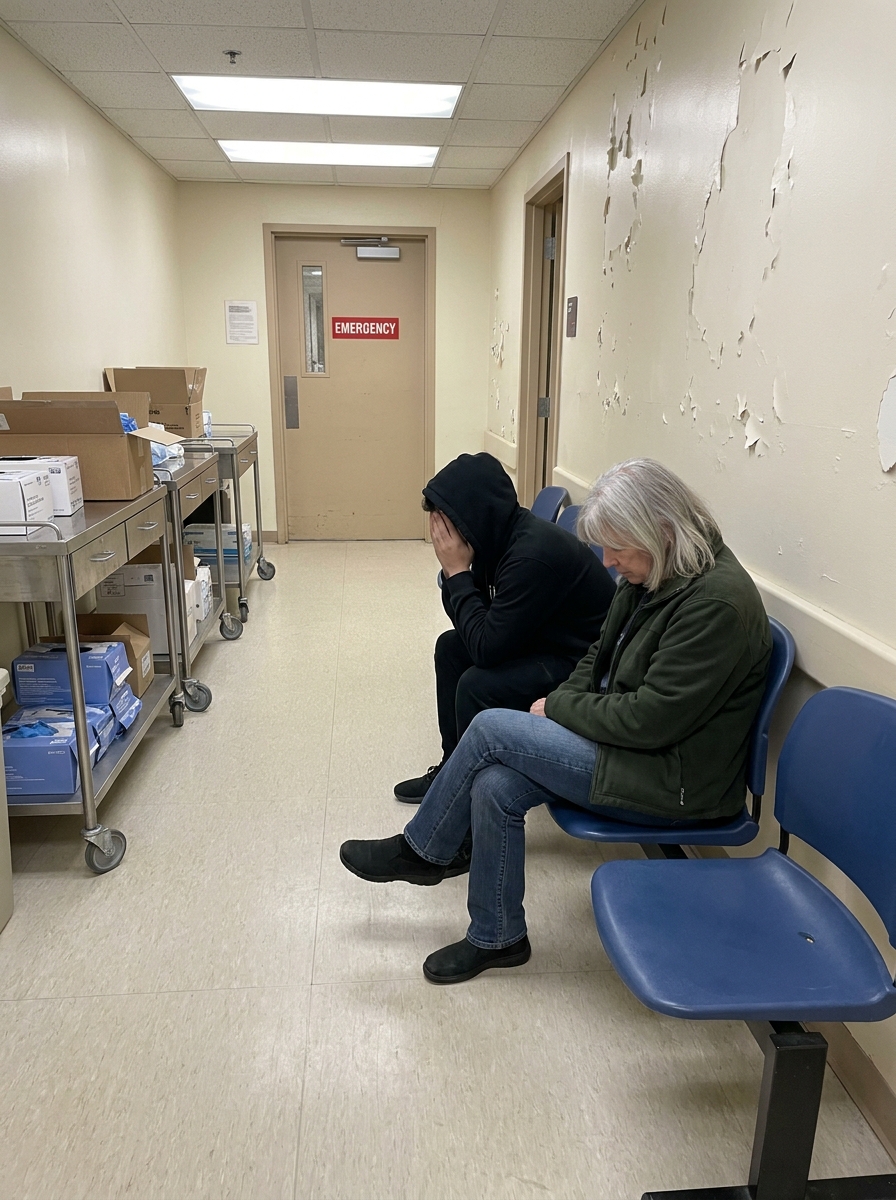
I've been a neurological rehabilitation specialist for 22 years. And if you have Parkinson's and you're lying awake at 2 AM with your legs cramping, your body rigid as a board, and your brain racing even though you're exhausted beyond words... I'm about to tell you exactly why your broken sleep is accelerating your Parkinson's and why sleeping pills will NEVER fix it. And by the end of this, you're going to understand what's happening inside your brain every single night better than most of your doctors do. My name is Dr. Steven Jones. Board-certified neurological rehabilitation specialist. Twenty-two years treating mobility issues including Parkinson's. Over 3,100 patients. And I'm going against the grain of my own profession to tell you this. Because there are three things happening right now: One - Your brain has a waste removal system that only works during deep sleep, and you're not getting deep sleep Two - Every night of broken sleep is accelerating your Parkinson's progression, and nobody is telling you that And three - There's a pharmaceutical model that profits every single night you can't sleep by selling you a separate pill for every separate symptom that's keeping you awake So let me tell you what happened with one of my patients, because his story is going to change how you understand Parkinson's and sleep forever. His name was David. 68 years old. Diagnosed five years ago. For EIGHTEEN MONTHS - and I mean a full eighteen months - he watched his nights become a living hell. It started slowly. Waking up once around 3 AM with stiff legs. Then twice a night. Then three times. Then his legs started jerking - hard, involuntary kicks that jolted him awake and nearly knocked his wife out of bed. She moved to the spare room after he punched her in the jaw during a dream. REM behaviour disorder. He was acting out nightmares he couldn't remember having. The cramps came next. His calves would seize at 2 AM like someone had clamped a vice around each one. He'd lie there, teeth gritted, waiting for the muscles to release. Some nights they lasted twenty minutes. Some nights they rolled from one leg to the other for over an hour. His wife would hear him groaning through the wall and come in to massage his legs at 3 AM, knowing she had to be at work by 7. Then the bladder urgency. Up four, five, six times a night. Not because he was drinking too much water. Because Parkinson's had disrupted the signals between his brain and his bladder. Every trip was a fall risk. He started keeping a bucket by the bed because getting to the bathroom in the dark with rigid legs had sent him into the dresser twice. But the thing that scared him most wasn't the cramps or the jerking or the bathroom trips. It was what happened during the day because of the nights. His freezing got worse. Dramatically worse. Episodes that used to happen a few times a week became daily. His processing speed slowed down to the point where his wife would ask him a question and he'd just stand there, mouth open, trying to form an answer that wouldn't come. The fog wasn't lifting anymore. It used to clear by mid-morning. Now it hung over him until afternoon, and by then he was so exhausted from another broken night that he'd fall asleep in his armchair at 2 PM. Those afternoon naps destroyed any chance of sleeping that night. So the cycle repeated. Broken sleep led to worse symptoms. Worse symptoms drained whatever energy remained. The fog thickened week by week. The freezing episodes multiplied. And every fall knocked another piece of his confidence loose. He fell nine times in six months. Broke his hip once. The hip healed. His confidence didn't. His wife, Carol, stopped sleeping through the night entirely. Even from the spare room, she was listening. For the thud of a fall. For the groan that meant the cramps had started. For her name being called through the wall at 3 AM. Her blood pressure climbed to 155 over 95. Her doctor told her she needed to sleep more. She would have laughed if she'd had the energy. Their daughter flew in from Chicago. Sat at the kitchen table with information about in-home care services. Carol was crying. Not because David was getting worse. Because she was. And here's what nobody tells you about Parkinson's and sleep: They're not separate problems. Your broken sleep isn't just a side effect of Parkinson's. Your broken sleep is FEEDING your Parkinson's. The disease disrupts your sleep. And the disrupted sleep accelerates the disease. It's a vicious cycle, and while everyone fixates on your daytime symptoms, nobody is addressing the fact that your brain is being destroyed every single night. And here's what makes me angry: I was one of the specialists he came to see. Multiple doctors. His neurologist. A sleep specialist. Me - the rehab expert. We're talking thousands of dollars in appointments, medication adjustments, sleep studies, the works. And you know what every single one of us did? Treated each nighttime symptom as its own separate problem. Like they weren't all connected. Like the broken sleep wasn't making everything else worse. "Here's clonazepam for the REM behaviour disorder." "Here's melatonin for the sleep onset. Take it at 9 PM." "Here's an extra half-dose of Sinemet at bedtime for the overnight rigidity." "Here's oxybutynin for the bladder urgency." "Here's gabapentin for the leg cramps." FIVE DIFFERENT PILLS. For nighttime alone. On top of his daytime medications. This man's brain was deteriorating in the dark every single night and we were handing him a pharmacy while the root cause went completely untouched. But here's where it gets worse - and this is the part that changed everything for me. We prescribed the clonazepam. Added the melatonin. Adjusted the overnight Sinemet dose. Started the oxybutynin and the gabapentin. And his sleep? Marginally better for three weeks. Then back to baseline. The melatonin stopped working after a week. The clonazepam made him groggier in the morning, which made his freezing worse before 10 AM. The extra Sinemet triggered vivid nightmares that woke him up screaming. The oxybutynin gave him dry mouth so severe he was getting up to drink water, which sent him to the bathroom more frequently, which defeated the entire purpose. Getting WORSE. All of it. Measurably, visibly worse. The daytime symptoms accelerated. Freezing episodes doubled. The fog that used to clear by noon now lasted into afternoon. His "on" periods shrank by another thirty minutes every month. His neurologist kept adjusting his daytime medications to compensate for what the broken sleep was doing to his motor function. Higher doses meant more side effects. More side effects meant worse sleep. Worse sleep meant faster progression. I watched this man - who took every pill on schedule, showed up for every appointment, tried every adjustment - lose a little more of himself every single month. Despite "optimised" medication. Despite five separate nighttime prescriptions. And I didn't understand why. Until a neurodegenerative research specialist at a conference said something that made me question two decades of practice. March 2023. New Orleans. American Academy of Neurology annual meeting. I was attending a session on non-motor symptoms in Parkinson's. Most of it was the usual protocol updates. New formulations. Modified release preparations. Incremental improvements to the same sedation-based approach to sleep problems. During the Q&A, a woman stood up. Mid-fifties. Composed. Spoke with the precision of someone who'd spent decades in research labs. Her name was Dr. Catherine Aldridge. Thirty years in neurodegenerative research. Published extensively on the glymphatic system and neurodegeneration. Currently leading a research programme on sleep architecture and Parkinson's progression. She asked the panel a question that silenced the room: "We spend billions sedating Parkinson's patients to sleep. But has anyone in this room stopped to ask what happens to the brain DURING that sleep? Because there's a waste clearance system in the brain that only activates during deep sleep - and our patients aren't reaching deep sleep. We're knocking them unconscious with clonazepam and calling it a win while the toxic protein that's causing their disease accumulates every single night. Their freezing is getting worse. Their cognition is declining. And we're blaming the disease instead of asking whether the sleep disruption is driving the progression." The panel gave a polite non-answer. But I followed her out of the room. She gave me fifteen minutes. I stayed for two hours. What she taught me rewired how I understand everything about Parkinson's - the sleep, the progression, the freezing, the fog, the accelerating decline. All of it. She sat down in the hotel lobby and pulled up data on her laptop. "Your treatment model treats sleep as a symptom to be sedated. Melatonin to fall asleep. Clonazepam for the REM disorder. Gabapentin for the cramps. But you're missing the entire point. Sleep isn't just rest for Parkinson's patients. Sleep is when the brain REPAIRS itself. And your patients' brains can't repair because they never reach the deep sleep where repair happens." She turned the screen toward me. "Your patient David's brain has a waste removal system called the glymphatic system. During deep sleep - and ONLY during deep sleep - the spaces between brain cells expand by roughly 60%. Cerebrospinal fluid floods through those expanded channels and flushes out toxic waste. Including alpha-synuclein - the protein that forms Lewy bodies, triggers neuroinflammation, and kills the dopamine neurons his medication depends on." She pulled up a scan. "When David wakes up every two hours with cramps, or gets jolted awake by leg jerks, or lies rigid at 3 AM waiting for his medication to kick in - his brain never reaches the deep sleep stage. The channels don't expand. The fluid doesn't flow. The waste doesn't clear. Every morning he wakes up, his brain has MORE toxic protein than the night before. Not less. His nights aren't just uncomfortable. They're feeding the disease." She showed me the research. "A 2024 Mendelian randomisation study established a CAUSAL link between insomnia and both cognitive decline AND motor progression in Parkinson's. Not a correlation. A causal link. Poor sleep doesn't just co-exist with worse Parkinson's. Poor sleep CAUSES worse Parkinson's. And a study of 328 patients confirmed it: worse sleep correlated with worse motor scores, more freezing episodes, higher disease staging, and lower quality of life across the board." She closed the laptop. "Your patient David? You're sedating him with clonazepam. You're suppressing his cramps with gabapentin. You're adjusting his Sinemet at bedtime. But none of that achieves deep sleep. You're forcing unconsciousness, not restoring the sleep architecture his brain needs for waste clearance. Meanwhile the alpha-synuclein builds up. The neuroinflammation intensifies. And his disease accelerates. You're not helping him sleep. You're watching his brain fill with toxic waste eight hours a night and calling it treatment." I felt sick. Because she was right. The broken sleep wasn't just making David tired. It was shutting down his brain's only waste removal system. The system that clears the exact protein that's causing his disease to progress. Every sleepless night was another night of accumulated damage. And we were treating the sleep disruption with sedatives while the root cause - a brain that can't reach deep, restorative sleep because its own sleep regulation systems have been disrupted by the disease - went completely unaddressed. And here's the part that made my blood boil: The research world KNOWS about the glymphatic system. They've known for years that sleep is when the brain clears toxic waste. The evidence that Parkinson's patients have disrupted sleep architecture is published and peer-reviewed. And the link between poor sleep and accelerated progression has been documented repeatedly. The science exists. It's sitting in journals that your neurologist has access to. But the solution isn't another sleeping pill. The solution is restoring the conditions for NATURAL deep sleep. Working with the brain's own sleep regulation systems instead of overriding them with sedatives. Reishi mushroom works through the gut-brain serotonin pathway and enhances GABAergic signalling - the brain's primary calming neurotransmitter system. The same systems that Parkinson's disrupts. A 2021 study published in Scientific Reports confirmed the mechanism: Reishi promotes sleep through your body's own pathways, not through sedation. It doesn't knock you out. It helps your brain remember how to sleep deeply again. And the effect BUILDS over two to three weeks of consistent use. Becomes more effective with time, not less - the opposite of every sleeping pill David had ever tried. Chaga mushroom has the highest antioxidant activity of any medicinal mushroom studied. It crosses the blood-brain barrier and directly combats the neuroinflammation that sabotages overnight brain repair. Because even when the glymphatic system IS working during deep sleep, rampant neuroinflammation overwhelms its capacity to clear waste. Chaga reduces that inflammatory load so whatever deep sleep the patient achieves is actually productive. The cleanup crew can do its job. Lion's Mane stimulates the production of Nerve Growth Factor - the building material neurons need to repair and maintain connections. But here's the critical part: that repair work happens DURING deep sleep. Lion's Mane provides the raw materials during the day. Deep sleep provides the construction time at night. Better sleep means more effective use of every molecule of NGF that Lion's Mane stimulates. A 77-person trial showed a 39.1% improvement in sleep disorders over eight weeks. Cordyceps boosts oxygen utilisation and enhances physical stamina during the day. Parkinson's patients who nap for two to four hours during the afternoon - because they're exhausted from broken nights - destroy their nighttime sleep architecture entirely. Cordyceps helps patients stay active during the day, rebuilding the circadian rhythm that makes the body genuinely ready for sleep at night. Better daytime energy. Better nighttime recovery. The science is there. It's published. It's peer-reviewed. But you'll never hear your neurologist recommend a medicinal mushroom protocol for sleep. Why? Because pharmaceutical companies don't sell mushroom extracts. They sell synthetic sedatives with patents. There's no recurring revenue in a daily coffee that restores natural deep sleep. There IS recurring revenue in prescribing separate pills for every symptom keeping you awake while the underlying cycle goes untreated. A patient on the standard Parkinson's nighttime protocol pays $80 to $150 monthly in sleep medications alone. Plus $500 for the sleep study. Plus the daytime medication increases to compensate for what the broken sleep is doing to motor function. Plus specialist appointments when the sedatives stop working. The pharmaceutical model generates thousands per patient per year. Indefinitely. For a treatment approach that sedates you to sleep without restoring the deep sleep your brain needs to clear toxic waste. A daily mushroom coffee that restores the conditions for natural deep sleep? Less than $1.35 per cup. The system isn't designed to restore your sleep architecture. It's designed to sedate each symptom separately and bill you for every single one. Catherine showed me the research on what she called "the sleep-repair protocol" - the four conditions that must be met for the brain to actually heal at night. Achieving real overnight brain repair requires four things simultaneously: 1. Restored sleep architecture - compounds that work through the brain's own serotonin and GABA pathways to support natural deep sleep cycles. Not sedation. Not unconsciousness. Genuine, restorative deep sleep where the glymphatic system activates and waste clearance begins 2. Reduced neuroinflammatory load - compounds that cross the blood-brain barrier and put out the inflammatory fire so the glymphatic system can actually do its job during deep sleep. Less inflammation means more effective cleanup 3. Neural repair fuel - compounds that stimulate the production of growth factors so the brain has the raw materials it needs for overnight repair and maintenance. The building supplies that deep sleep puts to work 4. Daytime energy restoration - compounds that rebuild circadian rhythm by supporting genuine daytime alertness, breaking the exhaustion-nap-insomnia cycle that destroys sleep architecture from the outside in These aren't exotic theories. These are established mechanisms with published evidence behind each one. But you'll never see them on a prescription pad. Because you can't patent a mushroom. And there's no pharmaceutical rep bringing your neurologist samples of Reishi extract. Now here's the problem I ran into... Most "sleep support" supplements on the market are useless for Parkinson's-specific sleep disruption. I tried generic melatonin. Helped David fall asleep initially. By week two, he was waking up after three hours anyway because melatonin does nothing for the cramps, the rigidity, or the disrupted sleep architecture. It's a key that opens the door but doesn't keep you inside. I tried a CBD and THC combination a colleague recommended. Variable effects. Some nights marginally better, some nights no difference. No mechanism for addressing neuroinflammation or waste clearance. David said it made his morning fog worse. I tried prescription trazodone. Sedating, yes. Restorative deep sleep, no. David felt drugged in the morning. His freezing before 10 AM became dangerous. His wife found him face-down in the hallway at 7 AM, too groggy to catch himself. I tested six different sleep approaches over eight months. Every single one either wore off within weeks, made his daytime symptoms worse, or failed to produce the deep, restorative sleep his brain actually needed for waste clearance. Because here's the thing: sedating someone into unconsciousness is not the same as restoring deep sleep. Parkinson's doesn't just make it hard to fall asleep. It disrupts the brain's entire sleep regulation system - serotonin, GABA, dopamine, norepinephrine. A sleeping pill overrides that system. It doesn't repair it. Every approach I tried treated sleep as a switch to flip. None addressed the underlying system that was broken. Until I found NeuroFuel. A 5-compound adaptogenic mushroom coffee that combined Reishi, Chaga, Lion's Mane, and Cordyceps in a single daily cup. Blended into premium Blue Mountain coffee. With ALL FOUR requirements. Reishi for restored sleep architecture through the body's own serotonin and GABA pathways. Chaga for the neuroprotective shield that lets the glymphatic system actually clear waste during deep sleep. Lion's Mane for the neural repair fuel that deep sleep puts to work. And Cordyceps for daytime energy that rebuilds the circadian rhythm from the ground up. When I looked into the formulation? It was designed specifically for neurological support. Not a generic wellness product. Not a trendy mushroom coffee for tech workers who want to "optimise focus." This was built for people whose brains are under siege during the day AND unprotected at night - people whose sleep disruption isn't just uncomfortable but is actively feeding the disease. And the delivery mechanism solved the biggest compliance problem: it's a morning coffee. Not another bedtime pill. Not another supplement bottle gathering dust on the nightstand. A morning coffee that replaces the one you're already drinking. The Reishi builds in your system over two to three weeks. You drink it at 8 AM. The benefits show up at 11 PM. Morning energy. Nighttime recovery. That's the design. David's exact words when I explained it: "You mean I just drink my morning coffee and it helps me sleep at night? No more pills? I already take enough pills to fill a pharmacy." That's compliance. That's a product that actually gets used. Twenty out of twenty-one patients were still drinking it daily at six months. Because it's coffee. Not another obligation. And here's where I had to face what I'd done to my patients: When David was in my care? We were stacking five separate nighttime medications. $130 per month in sleep-related prescriptions alone. Plus the $500 sleep study. Plus the specialist referrals. Plus the increased daytime medication doses to compensate for what the broken sleep was doing to his motor function. His daughter was researching in-home care services. His wife's blood pressure was climbing toward a crisis. He was spending over $600 a month. Every single month. Treating the cramps, the REM disorder, the bladder urgency, the rigidity, and the insomnia as five separate problems while the vicious cycle - broken sleep feeding progression feeding worse sleep - spun faster underneath everything we were doing. NeuroFuel? Less than $1.35 per cup. One cup per day. Swap out your morning coffee. Restores the conditions for natural deep sleep through the brain's own pathways instead of sedating it into unconsciousness. Reduces the neuroinflammatory load so the glymphatic system can clear toxic waste during whatever deep sleep is achieved. Provides the neural repair fuel that deep sleep puts to work. Rebuilds circadian rhythm from the daytime side. Morning energy through Cordyceps and Blue Mountain coffee. Nighttime recovery through Reishi, Chaga, and Lion's Mane. 24-hour neuroprotection. In a cup of coffee. Zero extra pills added to your nighttime lineup. The sedation hangover that ruins your mornings disappears because there's nothing to sedate. And compliance stops being an issue because you're drinking coffee you actually look forward to. I started David on it first. Week 1: No dramatic fireworks. I told him not to expect any. This isn't a sleeping pill. It doesn't sedate you the first night. The compounds build up gradually. But by day four, Carol mentioned something she hadn't expected. David didn't nap that afternoon. First weekday without an afternoon nap in over a year. He had enough energy to stay awake until 9:30 PM. And that night, he slept until 1 AM without waking. Four straight hours. It had been months since he'd managed four hours unbroken. Week 2: Carol noticed before he did. She told me she woke up at 5:30 AM and realised something was wrong. Then she realised what was wrong: nothing had woken her up. David was still asleep. She lay there and cried into her pillow because she didn't want to wake him. He'd slept from 10:15 PM to 5:20 AM with only one waking - a bathroom trip at 2 AM that took five minutes instead of the usual twenty. The leg cramps that had been waking him at 2 AM every night came once that week instead of every night. The afternoon naps dropped to twice a week. His morning fog started clearing by 10 AM instead of lingering past noon. Week 4: David sat in my office and described his morning with more precision and clarity than he'd shown in over a year. "I woke up at 6 and I felt... rested. I don't remember the last time I felt rested." His word recall was noticeably sharper. His processing speed had improved. The fog that had been thickening every month was visibly lighter. His freezing episodes - which had been daily and getting worse - dropped to a few times a week. His "on" periods were lasting longer. Not because we changed his medication. Because his brain was finally getting the deep sleep it needed to clear waste and repair. Week 8: Full assessment. Self-reported sleep quality improved from 2 out of 10 to 7. Nighttime awakenings dropped from an average of five per night to one or two. Freezing episodes reduced by 52%. Cognitive processing speed improved by 27%. His "on" periods extended by nearly two hours without any medication change. The REM behaviour disorder episodes that had been happening three to four times weekly dropped to twice monthly. Carol's blood pressure dropped from 155 over 95 to 128 over 82. Her doctor asked what she'd changed. She said: "My husband sleeps now. So I sleep now." David put his shoes on one Saturday morning and walked to the end of the street. His wife watched from the porch. He turned around and walked back without freezing once. First time in over a year that she watched him walk without holding her breath. He called his daughter and told her to stop researching care services. He sat in his workshop for the first time in eleven months and finished a birdhouse he'd started before the sleep problems took over. His hands shook. They always would. But his mind held the steps in sequence because his brain had been sleeping - actually sleeping - for the first time in two years. His wife moved back into their bedroom. He didn't just get his sleep back. He got his family's life back. Then I introduced NeuroFuel to every Parkinson's patient on my caseload. Twenty-one patients over the next six months. The results were consistent: Average improvement in self-reported sleep quality: 41% by week 6 Average reduction in nighttime awakenings: 38% Average improvement in self-reported cognitive clarity: 34% Average reduction in freezing episodes: 47% Average reduction in daytime fatigue: 28% Number of patients whose caregivers independently reported sleeping better themselves: 15 out of 21 Number of patients who reported "feeling more like myself": 16 out of 21 And the compliance rate: 20 out of 21 patients were still drinking it daily at six months. Because it's coffee. Not another pill. Not just better sleep scores. Not just fewer nighttime awakenings. People's brains were getting the deep recovery time they'd been starved of. Caregivers were sleeping again. Marriages were recovering. The vicious cycle that had been spinning faster every month was slowing down. This is what they're not telling you about. Because the second you restore the conditions for genuine deep sleep - not sedation, but real restorative sleep - everything starts shifting. The glymphatic system activates and starts clearing toxic waste. The neuroinflammation that's driving progression gets addressed instead of ignored. The fog lifts because your brain is repairing overnight instead of accumulating damage. The freezing improves because the neurons governing gait aren't drowning in inflammatory waste every morning. The meds you're already taking start working better because the brain receiving the dopamine is healthier. You don't stop your meds. Levodopa is essential. But now your medication is landing in a brain that spent the night repairing itself instead of one that spent the night marinating in toxic protein. It's not a cure for Parkinson's. Nothing is. But it addresses the nighttime cycle that's accelerating your decline - the cycle your sleeping pills and nighttime prescriptions don't touch. Now here's what I need you to understand about timing: Sleep disruption in Parkinson's is progressive. The longer the vicious cycle runs - broken sleep feeding progression feeding worse sleep - the deeper the damage compounds. Every night your brain can't clear toxic waste, more alpha-synuclein accumulates. More neurons are damaged by the inflammatory response. The motor neurons governing your gait. The cognitive neurons keeping you sharp. The sleep-regulating neurons that would help you sleep if they weren't being destroyed by the very waste that accumulates BECAUSE you can't sleep. Year 1-3 after diagnosis: Sleep disruption is present but the brain still has substantial capacity. Restoring deep sleep at this stage gives the glymphatic system the most to work with. The sleep-regulating neurons are still largely intact. The cycle is easiest to interrupt here. Year 3-6: The vicious cycle has been running longer. Sleep architecture is more damaged. But the brain still retains compensatory capacity, and breaking the cycle still produces meaningful results. The runway is shorter, but the response is real. Year 6+: Significant sleep architecture damage and neuronal loss. Supporting natural sleep still matters - clearing whatever waste can be cleared, protecting whatever neurons remain. But the window for robust improvement has narrowed with every year the cycle went unaddressed. David was at year 5. He responded meaningfully. But the patients who started within the first three years of diagnosis? Their sleep improved faster. Their cognitive gains were more sustained. Their freezing responded more dramatically. The earlier you break the cycle, the more brain there is to protect. If you're reading this and you've been diagnosed for over a year - your brain's waste removal system has been compromised every night that sleep disruption has gone unaddressed. Your sleeping pills are sedating you into unconsciousness. Your melatonin wore off after a week. Your clonazepam is making your mornings worse. But nobody is restoring the conditions for the genuine deep sleep your brain needs to clear the protein that's causing your disease to progress. If you're someone who's been dealing with this - waking up every two hours with cramps, lying rigid at 3 AM waiting for medication to kick in, watching your fog get thicker and your freezing get worse and your "on" periods shrink - and your sleeping pills and nighttime medications aren't stopping any of it? It's not because the Parkinson's is too aggressive. It's not because you're not trying hard enough. It's because your brain needs deep, restorative sleep to clear the toxic waste driving your progression. And not a single pill in your nighttime lineup restores that sleep. They sedate you. They suppress individual symptoms. They knock you unconscious. But your glymphatic system stays shut down because your brain never reaches the deep sleep stage where it activates. And if you're a caregiver reading this - lying awake at 3 AM listening for cramps through the wall, running on four broken hours yourself, watching your own blood pressure climb while your doctor tells you to sleep more - this isn't just about your husband or your wife. It's about you. Because if you break down, who takes care of them? NeuroFuel has a 90-day money-back guarantee - if it doesn't help, you pay nothing. And honestly? Even if you're sceptical, try it for a month. See if your nights start changing the way David's did. The way 15 out of 21 of my patients' caregivers reported. Because the medical system isn't coming to restore your sleep architecture. They're too busy sedating each symptom separately while your brain fills with toxic waste every night. A neurodegenerative research specialist taught me more about Parkinson's and sleep in two hours than I learned in two decades of neurological rehabilitation. It's about time I passed that lesson on. Go get it. Swap your morning coffee. Give your brain the deep recovery it's been starving for. P.S. - I still prescribe sleep medications when they're needed short-term. Keep taking your Parkinson's medications. But for the broken sleep that's getting worse, the fog that won't lift, the freezing that's accelerating, the "on" periods that keep shrinking? Your nighttime pills are sedating symptoms while the vicious cycle spins underneath. NeuroFuel addresses that cycle. They're meant to work together. P.P.S. - Carol was running on four hours of broken sleep. Her blood pressure was climbing. Her daughter was researching care services. David caught his window. Barely. If your sleeping pills and melatonin and clonazepam were going to fix your nights, they would have fixed them by now. Don't wait for another prescription adjustment that wears off in three weeks. P.P.P.S. - David: "I woke up at 6 AM on a Tuesday and realised I'd slept through the night. Seven hours. I lay there and didn't move because I was afraid if I moved I'd break whatever spell was working. Carol was already awake. She'd been awake for twenty minutes. Just lying there, listening to me breathe. She said she'd forgotten what that sounded like - me sleeping peacefully. $1.35 a day. That's what it cost to break the cycle. Don't wait like I did."
Relieve Decline - Naturally
Clinically designed 4-in-1 adaptogenic blend developed to finally free you from decline, freezing...
SHOP NOWLike this ad? Make it yours.
Crush rebuilds this exact creative around your product — your brand, your colors, your offer — in about a minute.