
Inactive· since May 16, 2026
- 56
- days it ran
- 0
- relaunches
Ad copy
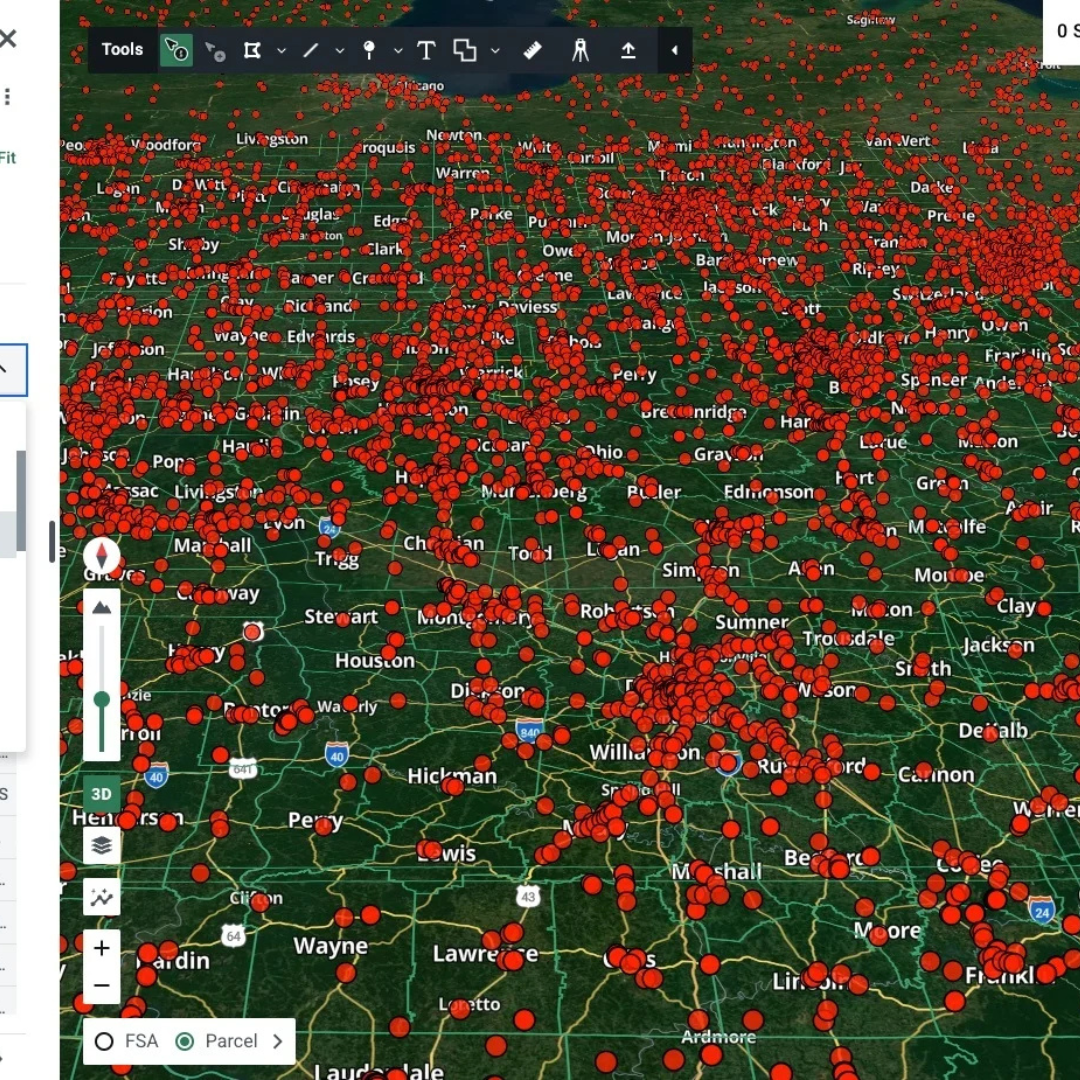
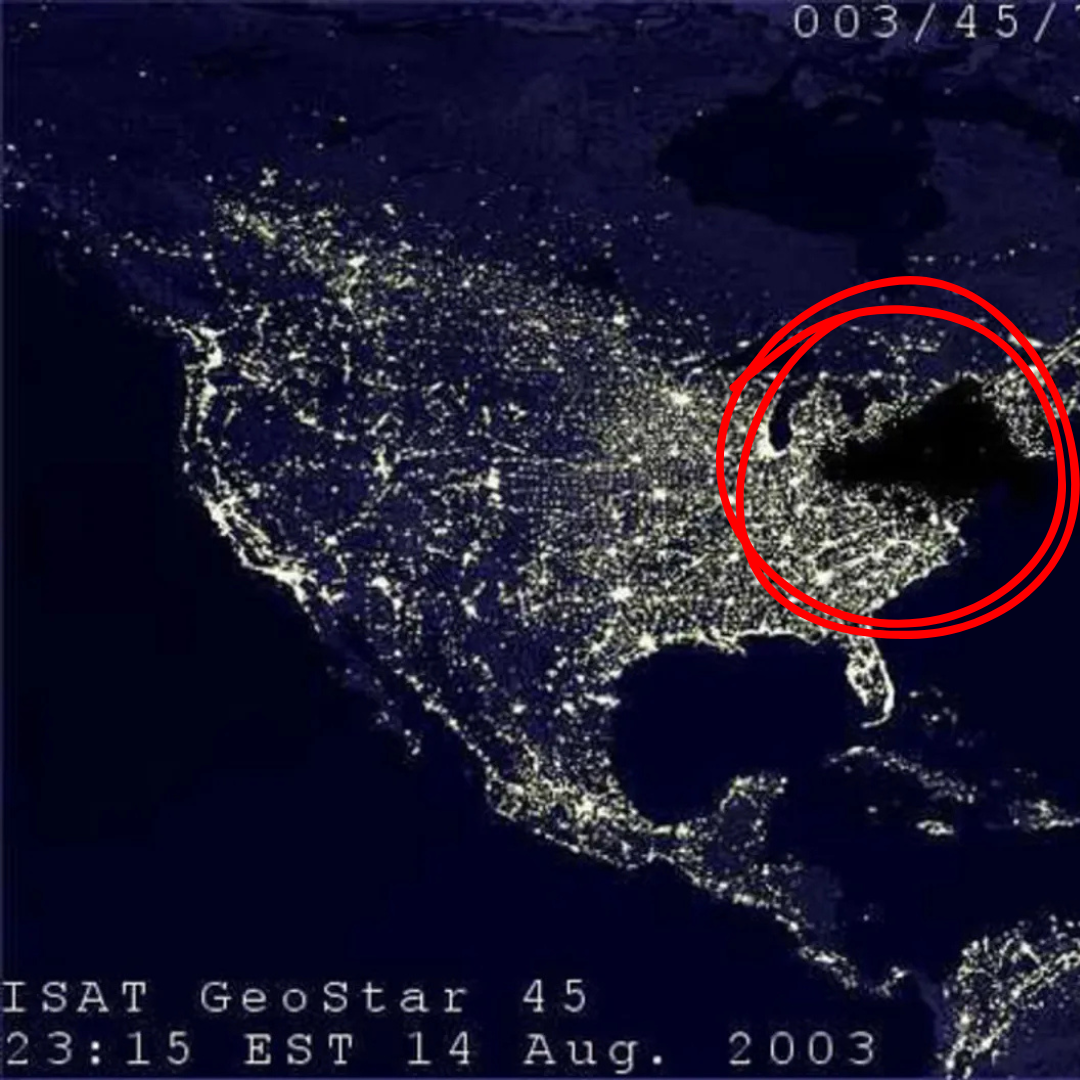
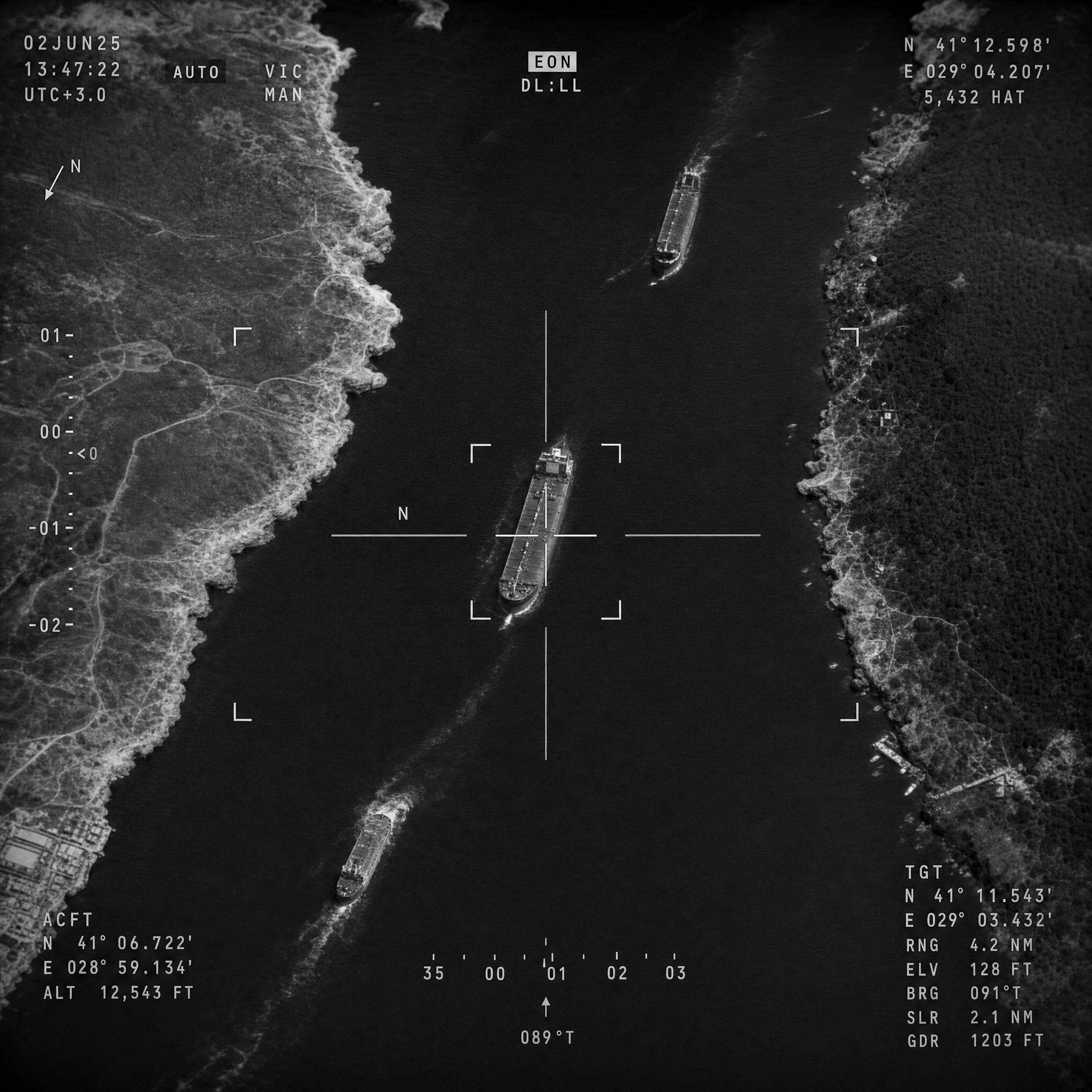
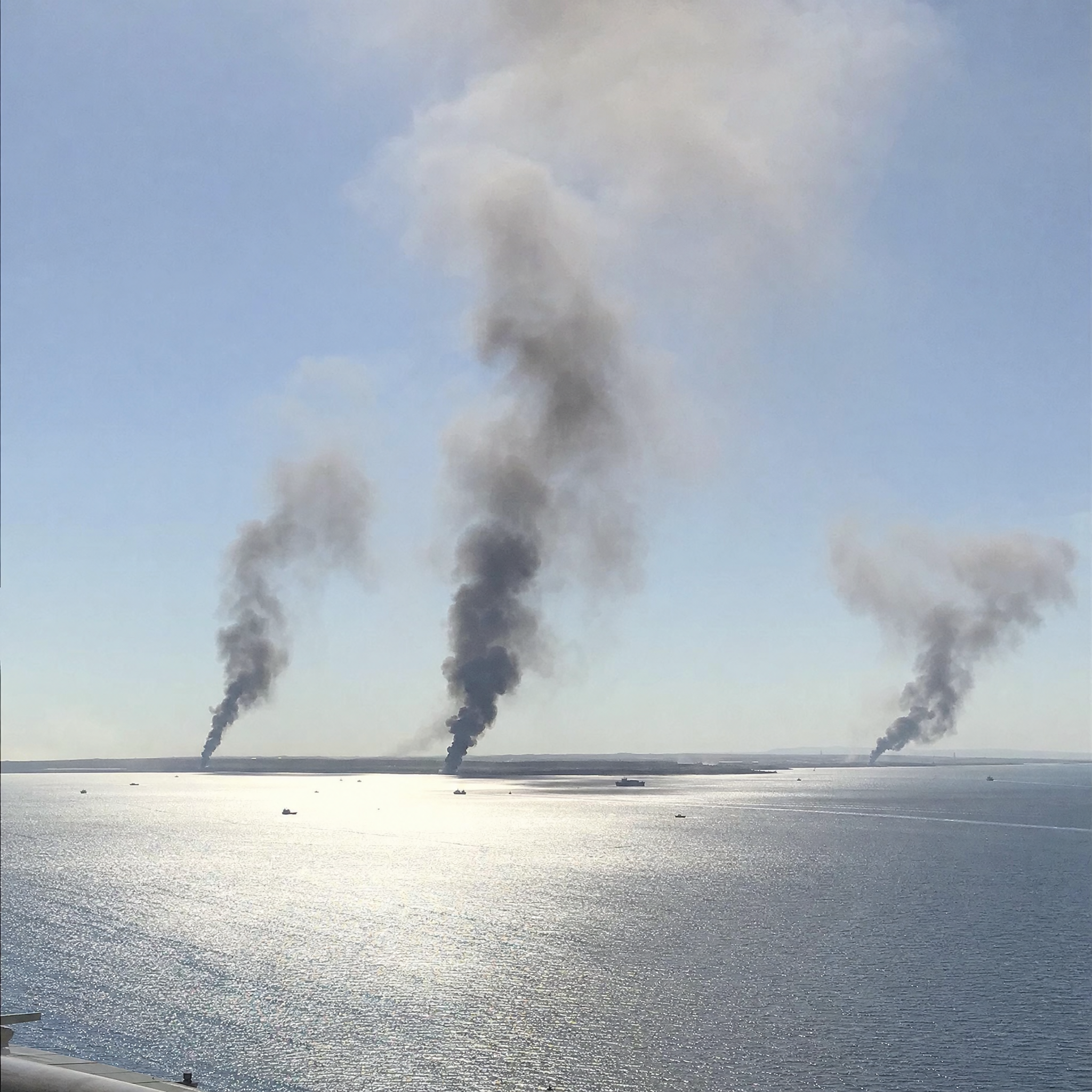
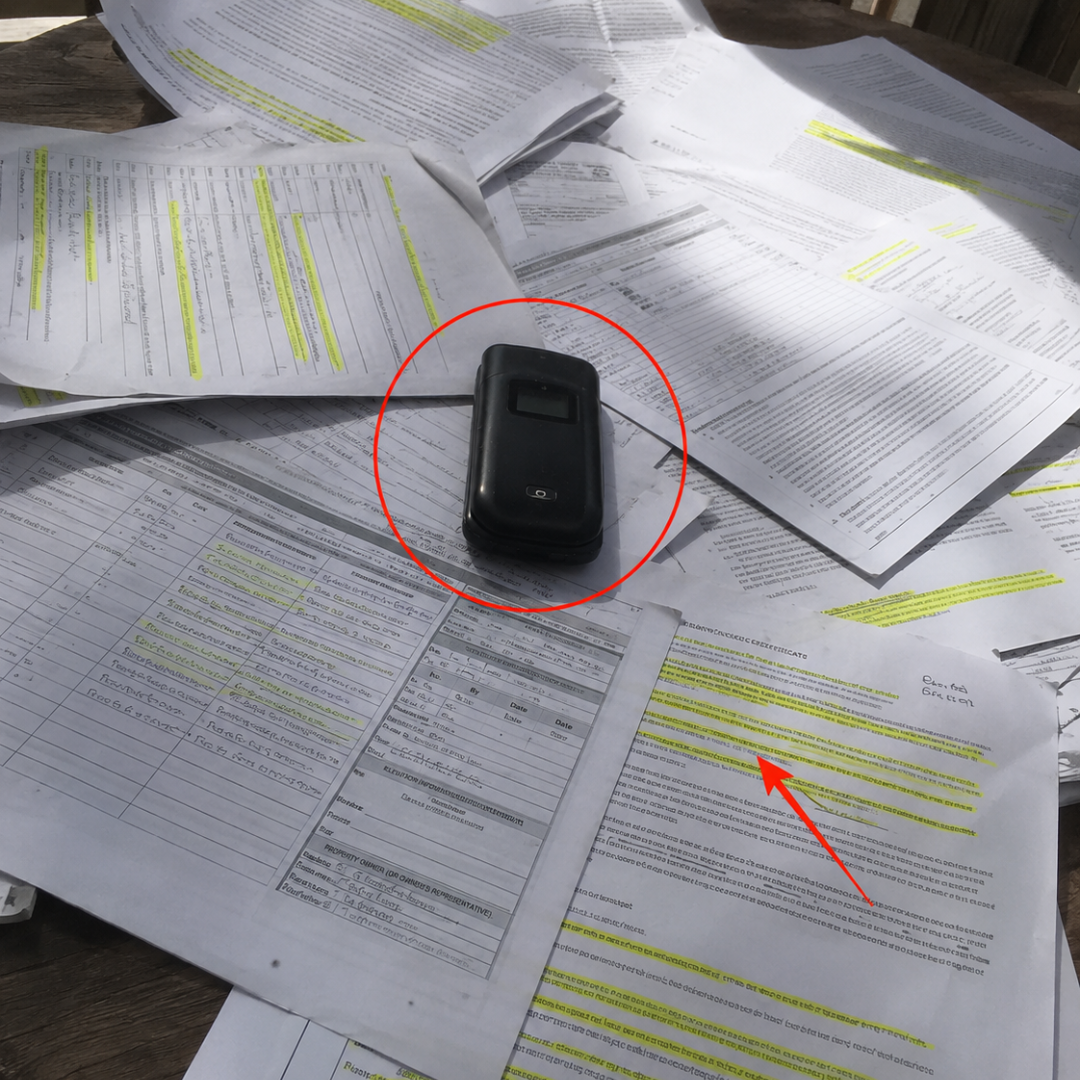
I've been watching the same news everyone else has been watching. The Strait of Hormuz. The gas prices climbing every week. The peace talks going nowhere. For weeks I've had this knot in my stomach that won't go away. Last weekend I drove four hours into the mountains to see the only person I know who doesn't need the system — forty acres, grows his own food, hunts his own meat, hasn't paid a utility bill in twenty years. I thought he'd be the one person who told me to calm down. When I pulled up he was pacing his porch with a stack of papers and a phone I'd never seen him use. In twenty years I've never seen this man rattled. What he told me that weekend is the reason I've spent every night since getting ready — quietly — for something most people don't know is coming yet. His name is Jack. We started at the same company out of college. Same row of desks. Same bad coffee. He lasted four years. I'm still there. One Friday in 2006 he walked into our boss's office, put his badge on the desk, and said he was done. No plan. No savings. Just done. Two months later he bought forty acres of raw land in the mountains east of Bend, Oregon. No house. No road. No power line. Just trees and dirt and a creek. He built all of it himself. Cabin. Garden. Rain barrels. Solar panels. Chicken coop. Fenced off a pasture for goats and a few cattle. Twenty years later the man eats food he grew in his own dirt. Heats his house with wood he chopped himself. Drinks water from the creek that runs through the back of his land. He doesn't need the grocery store. He doesn't need the power company. He doesn't need anyone. I drive up to see him once a year. It's the one weekend I feel like I can actually breathe. No screens. No headlines. Just the land and whatever Jack made for dinner. He's the calmest person I've ever known. Not the fake kind of calm where someone's pretending things are fine. The real kind. The kind you get when you solved your problems twenty years before everyone else knew they had them. So when I pulled into his driveway Saturday morning and saw him pacing on the porch — actually pacing — I sat in my truck for a second before I got out. Jack does not pace. There were papers on the table. Printed out. Things highlighted. Jack doesn't print things. Jack doesn't highlight things. Jack reads the dirt and the sky and the seasons. His truck was muddy in the driveway. He'd already been to town that morning. Jack goes to town maybe twice a year for things he can't make himself. And there was a phone on the porch railing. Old flip phone. I didn't even know he had one. He picked up his coffee when he saw me. "You made good time." "Left at five." "Yeah." He just stood there looking at the trees for a minute. I walked up the steps and sat down. "Jack. What's going on." He handed me the papers. The top page had a title. Initiative Petition 28. The PEACE Act. I looked at him. "Read the part I highlighted." I read it. Here's what it said in plain English: if this passes in Oregon this November, it becomes a crime to hunt an animal. A crime to fish. A crime to raise chickens or goats or cattle for food. On your own land. Your own property. A crime. I looked around his place. The chickens behind the cabin. The goats in the pasture. The smokehouse where he hangs deer meat every fall. "Jack. This is everything you've built." "Yeah." "They can't do this." "They've got over a hundred thousand signatures. They need a hundred and seventeen thousand by July. It's going on the ballot." He put his coffee down. "But that's not why I asked you up here." I looked at him. "IP28 is bad. But it's not the thing keeping me up at night. It's what IP28 is part of." He stood up. "Walk with me." We went down the steps and out past the garden. Past the rain barrels. Past the chicken coop. It was cold and quiet and the mountains were still in fog. He didn't talk for a while. Then: "I left twenty years ago because I could see where things were going. More control. More rules. More people telling you what you can and can't do on your own land. I wanted out before it got worse." He looked at me. "And for twenty years I was right. I grew my own food. I hunted my own meat. I didn't need anyone for anything. When the rest of the country was dealing with whatever the latest mess was, I was up here doing my thing. None of it touched me." He stopped walking. "But what I'm watching now is different. Because it's not just one thing. It's a pattern. And it's picking up speed." "What do you mean." "I mean think about it step by step." "Step one. 2020. They told everyone to stay home. Close your business. Don't go here. Don't see these people. Please comply. And everyone did. Everyone just — did it." "Step two. Right now. Energy. The Strait of Hormuz — that's the shipping lane where most of the world's oil comes through — it's been shut down since the war between the U.S. and Iran started in March. Gas is through the roof. And now they're starting to talk about energy lockdowns. Same idea as 2020 but for your electricity. Cut your power use between these hours. Don't run your AC. Please comply." "Step three. Food. That's what IP28 is. They want to make it a crime to raise a chicken on your own land. And while that's happening — you know who's buying up every farm in the country? Bill Gates. The man owns over a quarter million acres. Largest private farmland owner in America. That's not a secret. You can look it up right now." He looked at me. "You see the pattern. Movement. Then energy. Then food. Each one bigger than the one before. Each one closer to the stuff you actually need to stay alive." I didn't say anything. "But here's the thing. I'm not even worried about the food." "You're not." "No. Food is hard but you can figure it out. Buy rice and cans. Stock your pantry in a weekend. Drive to a farm and buy direct. Even if they pass every law in the book, you can find food. People always find food." He went quiet for a second. "There's one more step. One more thing. And this one — they don't even need to pass a law for. Because they already have it." "What." He looked at the creek running through the back of his land. "Water." "Water." "Think about how your family gets water at home. You turn the faucet. Water comes out. You don't think about it. Nobody does." "But here's what's behind that faucet. There's a pump that pushes the water through the pipes to your house. There's a machine that cleans the water before it gets to you. There's equipment that keeps the pressure up so it actually flows when you turn the handle." "Every single one of those things runs on electricity." He said the next part slow. "And the electricity comes from power plants. And the power plants run on fuel. And the fuel is the same fuel that's not coming through the Strait of Hormuz right now." "So follow it backwards. The strait is shut down. The fuel can't get here. Without the fuel the power plants can't run. Without the power plants there's no electricity. Without electricity the pumps stop. Without the pumps nothing comes out of your faucet." "That's the whole chain. Start to finish. The strait shuts down and your kitchen tap stops working." I looked at him. "That sounds like worst case." "It already happened. Texas. 2021. A winter storm knocked out the fuel for three days. Just three. The power went out. The pumps went down. Fifteen million people in Texas could not get clean water from their own tap. People were standing in the cold waiting for bottled water. People got sick drinking what came out of their own faucet because the cleaning systems were down." "Three days. By accident. Because of weather." He looked at me. "And that was one state. One storm. Over in a week." He paused. "You want to know what it looks like when it doesn't stop in a week?" "Cuba. Right now. Their grid has collapsed completely — not once, not twice — four times since last October. The whole country goes dark. Not a neighborhood. The entire island. Ten million people. Eighteen hours a day with no power. Sometimes more." "And you know what happened the second the power went out?" "The water stopped." "The water stopped. Same chain. No fuel. No power. No pumps. No water. A woman on the news — thirty-three years old, two little kids — she said if the power doesn't come back by morning she won't be able to get water. Not afford it. GET it. The pumps don't work without power." "That's not three days and it's over. That's been going on for months. That's what it looks like when the fuel runs out and nobody comes to fix it." He let that sit. "And Cuba's not the only one." "The Philippines declared a national energy emergency in March. They get 98% of their oil from the Gulf. When the strait closed their fuel prices doubled overnight. The government put workers on a four-day week just to keep people off the road and save gas." "Sri Lanka made every Wednesday a public holiday. Not because they wanted to give people a day off. Because they can't afford to let people drive five days a week. They're rationing gas — less than four gallons per person per week. Their president went on TV and said 'prepare for the worst.'" "Bangladesh cut work hours and shut down malls by six. Egypt is dimming streetlights and closing restaurants by nine at night. Thailand is telling people to turn off their AC and work from home. India ran out of cooking gas — people are back to burning wood and coal." He looked at me. "That's not one country having a bad month. That's a dozen countries. All at the same time. All doing the same thing. Cutting hours. Rationing fuel. Shutting things down early. Telling people to use less. And every single one of them is calling it something soft — 'energy conservation.' 'Temporary measures.' 'Emergency protocols.'" "It's not temporary. It's the first round." "Of what." "Of all of it. Look at the airlines." "What about the airlines." "Spirit Airlines shut down. Completely. Two weeks ago. No more flights. Done. They blamed fuel costs." "Lufthansa — one of the biggest airlines on the planet — just cancelled twenty thousand flights through October. To save fuel. KLM cut flights. Vietnam Airlines cut a quarter of their routes. Cathay Pacific is cutting. Ryanair's CEO said if the strait doesn't open they'll cancel up to ten percent of every flight this summer." "Jet fuel has doubled since March. The head of the International Energy Agency said Europe has maybe six weeks of jet fuel left." I shook my head. "That can't be right." "It's on camera. You can watch it." He paused. "Now think about what happens if this doesn't stop. Not next month. Not next year. Think two years out. Three years. If fuel keeps going up and supply keeps going down — who's flying? Not you. Not me. Not regular people. A round-trip ticket to Europe is already twice what it was six months ago. In two years it'll be five times. Then ten. At some point the only people on a plane are military, government, and the people who've always been at the top. Everyone else stays on the ground." "People wouldn't let that happen." "They won't have a choice." He looked right at me. "That's what 2020 was. That's the part nobody wants to say out loud. 2020 wasn't about the virus. It was about the compliance. They proved that if they use the right words — 'for your safety,' 'please comply,' 'we're all in this together' — people will do whatever they're told. Stay home. Close your business. Don't see your family at Christmas. And people did it." "This is the same thing. But it's not masks. You can argue about a mask at a school board meeting. You can't argue with an empty gas tank. You can't protest a pump that doesn't turn on. This isn't a debate. It's the DMV. You show up. You wait. You take what they give you. You comply because there's nothing else to do." I didn't say anything. "And right now — right now — they're keeping a lid on it. That's what's happening. In 2020 they told everyone to panic and everyone did. Bought all the toilet paper. Rushed the grocery stores. Made the whole thing ten times worse. They learned from that. So now they're doing the opposite. They're telling everyone to relax. Stay calm. Gas prices will come down. The peace talks will work. The strait will open back up. Go about your day." "But look at what they're DOING. They're rationing fuel in a dozen countries. They're shutting down airlines. They're dimming streetlights. They're closing restaurants early. They're making people work four days a week because they can't afford five. What they're telling you and what they're doing are two completely different things." He started walking again. "The small dominoes fall first. Cuba. Sri Lanka. Bangladesh. Philippines. Those are the ones nobody pays attention to. Then the medium ones start cracking. Europe. Australia. Asia. You're already watching it — flights getting cancelled, fuel doubling, advisories going from 'voluntary' to 'required.' That's the middle falling." "By the time the average American looks up from their phone and realizes this thing is real and it's here — the shelves are already empty. The gas is already gone. The power's already spotty. And the tap —" He pointed at the creek. "The tap is the first thing that goes. Not the last. The first." He pointed at the creek. "Now here's what makes me angry. The water is right there. Look at it. Creeks. Rivers. Ponds. America has more fresh water than almost any country on earth. You drive past it every day on your way to work. It's everywhere." "But you can't drink it." "Why not." "Because there's stuff in natural water that will make you very sick. Bacteria. Parasites. Things you can't see. If your kids drink straight from a creek they're in the hospital." "So the water is right there. You can look at it. You can touch it. You just can't use it." He shook his head. "That's the whole game. They don't need to pass a law to take your water. They just need to let the power go out. Your faucet stops on its own. And the creek you could walk to in ten minutes? You can't drink from it. Not safely." "They already control your water. They have for your whole life. You just never noticed because every day you turn the tap and it works and you never think about the day it won't." We stood at the creek for a while. Neither of us said anything. Then: "So what do you do about it." He didn't answer. "Jack." "I've got it handled." "How." He shook his head. "Not something I go around talking about." "Jack. You just told me my kids' tap is going to stop working. You told me I can't even drink from the creek. You can't say all that and then not tell me what you do." He looked at me for a long time. "The guys in my world — the hunters, the farmers, the off-grid guys, the military guys I trade with — we've all been carrying the same thing for years. Quiet about it. Because the second something like this gets popular, the supply dries up and the people who actually need it can't get one." "So there's a real thing." "Yeah." "And you have one." "I've got about a dozen of them on a shelf in my cabin." "Show me." He looked at me for another second. Then he turned and walked toward the cabin. I followed him inside. On the back wall there was a shelf I'd never paid attention to before. Lined up in a neat row were about twelve small things. About the size of thick markers. Plain. Didn't look like much. He picked one up and handed it to me. "Water filter. But not like the one you stick on your kitchen faucet. This one doesn't need your kitchen. Doesn't need electricity. Doesn't need the tap at all." "You fill a bottle from any fresh water — a creek, a river, a pond, a rain bucket, whatever you can find — you screw this onto the top, and you drink. It catches the bacteria and the parasites. The stuff that makes people sick. What comes out the other side is clean." "No plug. No batteries. No power. Nothing." "How long does one last." "Four hundred gallons. That's enough clean water for one person for a whole year. From any creek or pond you can walk to." He tapped the one in my hand. "Every hunter I know has one. Every farmer within a hundred miles. The military guys I trade with used these overseas. Brand called Primitive Labs. Built for real situations. Not camping trips." He pointed at the shelf. "I've got a set for the cabin. Set in my truck. Set in my go bag. More put away with my other supplies." He looked at me. "Here's the thing. They can pass IP28. They can make it illegal for me to raise a chicken on my own property. They can lock down the energy. They can let Gates buy every farm from here to Virginia. They can ground every plane in the country. They can do all of it." "But the person who can walk to a creek and drink clean water from it? Nobody can touch that person. Because the water doesn't need their grid. Doesn't need their permission. It's just there. And as long as you can make it safe to drink, you're covered. On the one thing that matters more than any of the rest of it." He pushed the filter toward me. "Keep that one. But come outside for a second." We walked back to the creek. On the way he grabbed a bottle off the porch railing. Same one he drinks from every day. He knelt at the creek. Scooped water straight from it. It was cloudy. Brown. Leaves floating in it. The kind of water you wouldn't let a dog near. He screwed the filter on. Took a long sip. Casual. Like he was drinking from a glass at his kitchen table. Then he filled it up again and handed it to me. I looked at the creek. Looked at the bottle. The water inside looked like dirty tea. I put the filter in my mouth and drank. Clean. Cold. Tasted like nothing at all. Like water from a fridge. I looked at the bottle. Still murky inside. But what came through was perfectly clear. Jack watched me. "I do that every single day. Have for years. That's not a pitch. That's just what my morning looks like." I drove home Sunday afternoon. Four hours through the mountains. Radio off. Jack had given me a few filters from the shelf before I left. He'd also written a website on a scrap of paper and stuck it in my jacket pocket. "When you're ready," he said. I got home. Kissed the kids. Told my wife Jack was good. That was it. I didn't tell her the rest. Not that night. The paper sat on my nightstand for five days. Part of me figured Jack was just being Jack. He's always been the one who sees things before everyone else. Sometimes he's right. Sometimes he's just early. Either way — it was Jack being Jack. Then Thursday morning I was driving to work and a news anchor on the radio used the words "energy lockdown." Not a guest. The anchor. He said "Americans should prepare for a possible months-long energy lockdown." Jack had used those exact words on the porch. Friday my wife said her friend couldn't buy more than two cases of water at Costco. Two cases per family. First time they'd ever done that. Saturday a headline popped up. Another refinery shut down. Fifth one in three months. Saturday night I couldn't sleep. At midnight I got up. Walked to the nightstand. Unfolded the paper. I ordered twelve. The box came the next week. I drove to the creek near our neighborhood. The one I pass on school drop-off every morning. Slow. Muddy. The kind of water nobody would go near. Filled a bottle. Screwed the filter on. Drank. Same as Jack's creek. Clean. Cold. Nothing but water. I sat by that creek for a long time thinking about what Jack said. About how the water's been right there my whole life. Every day. And I never once thought about it as anything but scenery. It's not scenery anymore. I told my wife Sunday night. Everything. The porch. The papers. IP28. 2020. The energy lockdowns. Bill Gates. Cuba. The airlines. The water. The creek. Jack's shelf. All of it. She didn't say anything while I talked. When I finished she was quiet for a minute. Then she got up. Went to the kitchen. Came back with her phone. "I already ordered," she said. "Thursday. After you couldn't sleep. I found the paper on your nightstand and looked it up myself. I ordered enough for my parents too." I stared at her. "How many." "Twenty." She was ahead of me the whole time. I don't know who's reading this. I don't know if you've had the same knot in your stomach I've had. The same feeling that something is being taken from you — one piece at a time — and nobody will say it out loud. I'll tell you what Jack told me on the porch before I left. "They already took your movement in 2020. They're taking your energy right now. They're coming for the food next. But the person who can walk to a creek and drink clean water? That person is the one thing they can't touch." This is what Jack keeps on his shelf. Same brand. Same link he wrote on the paper in my jacket. 👉 https://primitivelabsresearch.com/products/hydra-x1-portable-filtration-unit By the time the rest of the country figures out their faucet runs on a grid that runs on fuel that isn't coming — the people who figured it out early are already covered. Everyone else is going to be standing at the creek wondering why they can't drink from it. EDITED: IP28 — the Oregon petition to make hunting, fishing, and raising animals a crime — hit 112,000 signatures this week. They need 117,000 by July 2nd. It's going on the ballot. Jack called me Tuesday from a number I didn't recognize. First time he's ever called me. He said four words: "it's faster than I thought." Then he hung up. EDITED AGAIN: California's brownout advisory went from "voluntary" to "required" this week. 2 to 9 PM. And a school district in Texas cancelled all field trips for the rest of the year. The letter said "fuel allocation concerns." Jack talked about both of those on the porch. Word for word. The messages haven't stopped since I posted this. Guys from work. My brother-in-law. A neighbor I barely know who saw it on Facebook. All asking the same thing. Where do I get these. Is this real. It's real. Jack's been living it for twenty years. Get them. P.S. — My wife said something that stuck with me. Jack has been getting ready for every kind of emergency for twenty years. Food stored for a year. Fuel stockpiled. Tools for everything. Twenty years of gear. And the thing he has more of than anything else — the thing he keeps the most of on that shelf — is the water filter. A man who's solved every problem there is, and the one thing he stocks the deepest is the thing that gives him clean water without needing the grid. That tells you everything you need to know about what matters most when things fall apart. P.P.S. — Each filter handles 400 gallons of clean water. A full year for one person from any creek, river, pond, rain bucket, or whatever's sitting in your bathtub after you filled it before the pumps quit. No batteries. No electricity. No refills. Lifetime warranty. 60-day money back. Free shipping. Jack's been running these for years. Every hunter and farmer he knows has one. That was enough for me. P.P.P.S. — If you're thinking about stacking bottled water in the garage instead — think about the math. A case from the store is about three gallons. A family of four goes through that in less than a day. To last six weeks you'd need over fifty cases. That's a wall of plastic in your garage that runs out and can never be refilled. One filter fits in your pocket and does the work of over a hundred cases. When it's gone it's gone. The filter doesn't run out. P.P.P.P.S. — We also ordered their emergency bivvy and solar kit. If the energy lockdowns go on for months like Jack thinks — no AC when it's hot, no heat when it's cold, no way to charge your phone — you want something for the kids. But if you can only do one thing, get the filter. You can handle the heat. You can handle the cold. Your body shuts down in three days without water. That's the one thing Jack keeps coming back to. That's the one he keeps more of than anything else. 👉 https://primitivelabsresearch.com/products/hydra-x1-portable-filtration-unit
If you're a parent or grandparent, please read this👆
Lightweight portable emergency water filter removes 99.99% of contaminants. Perfect for evacuations, disasters, and family emergency preparedness. Free shipping.
SHOP NOWLike this ad? Make it yours.
Crush rebuilds this exact creative around your product — your brand, your colors, your offer — in about a minute.