
Inactive· since May 15, 2026
- 97
- days it ran
- 5
- relaunches
- 25,176
- EU reach
Ad copy
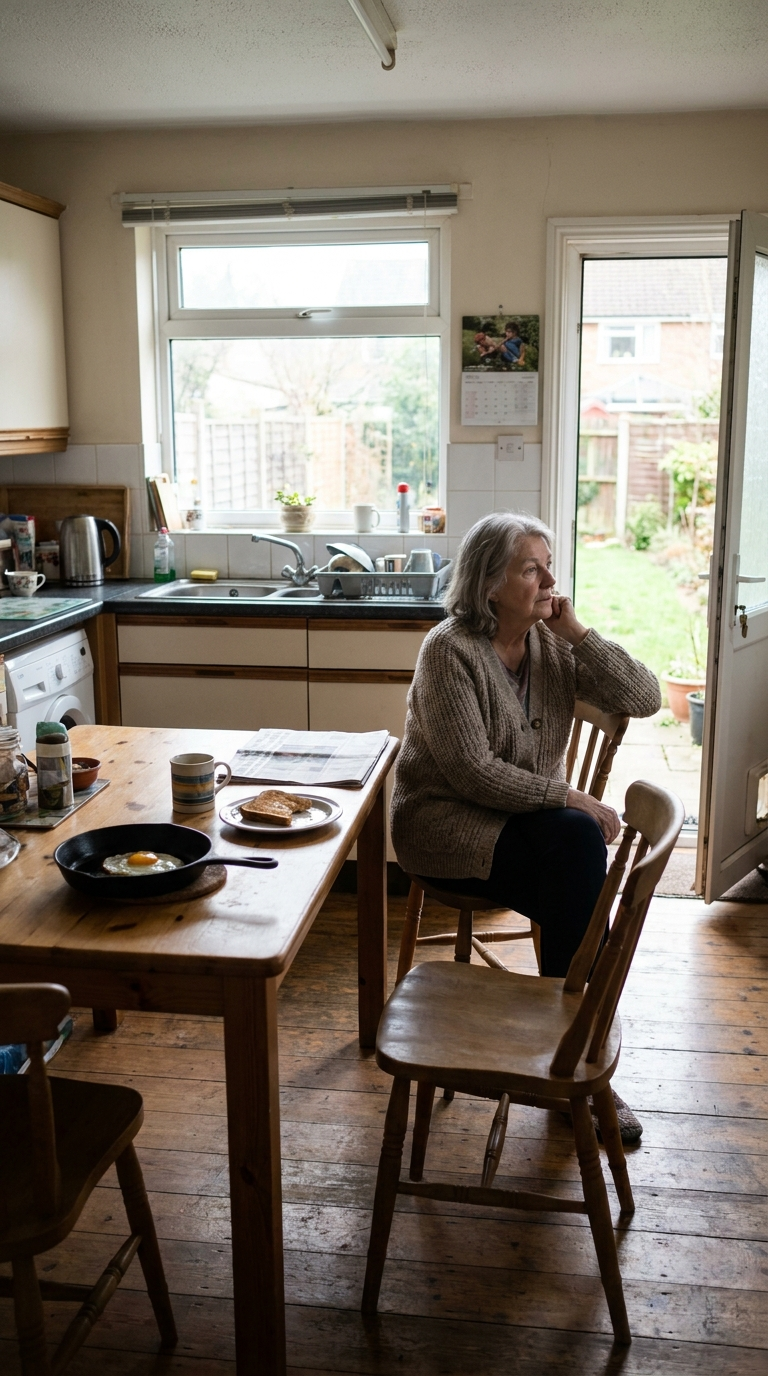
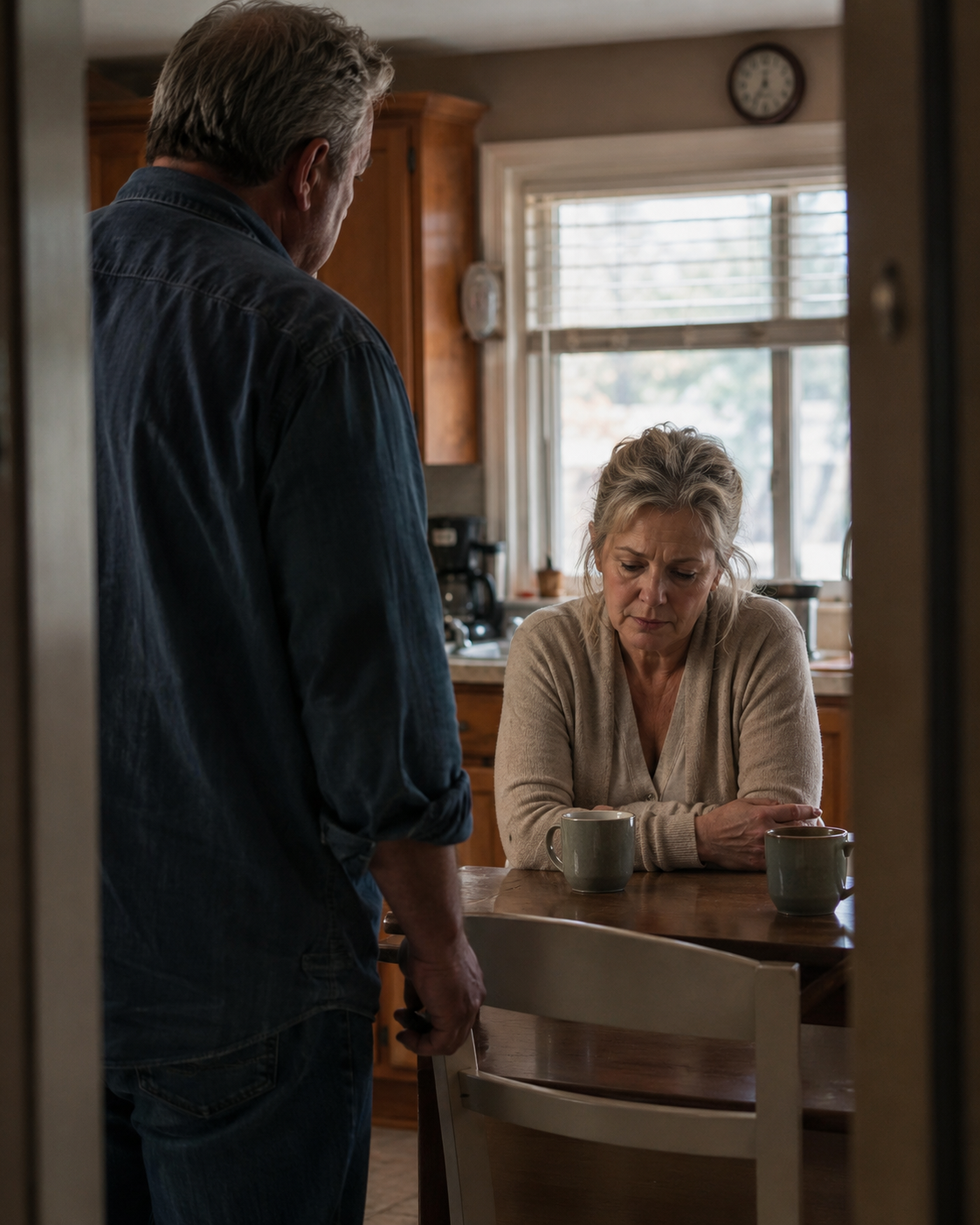
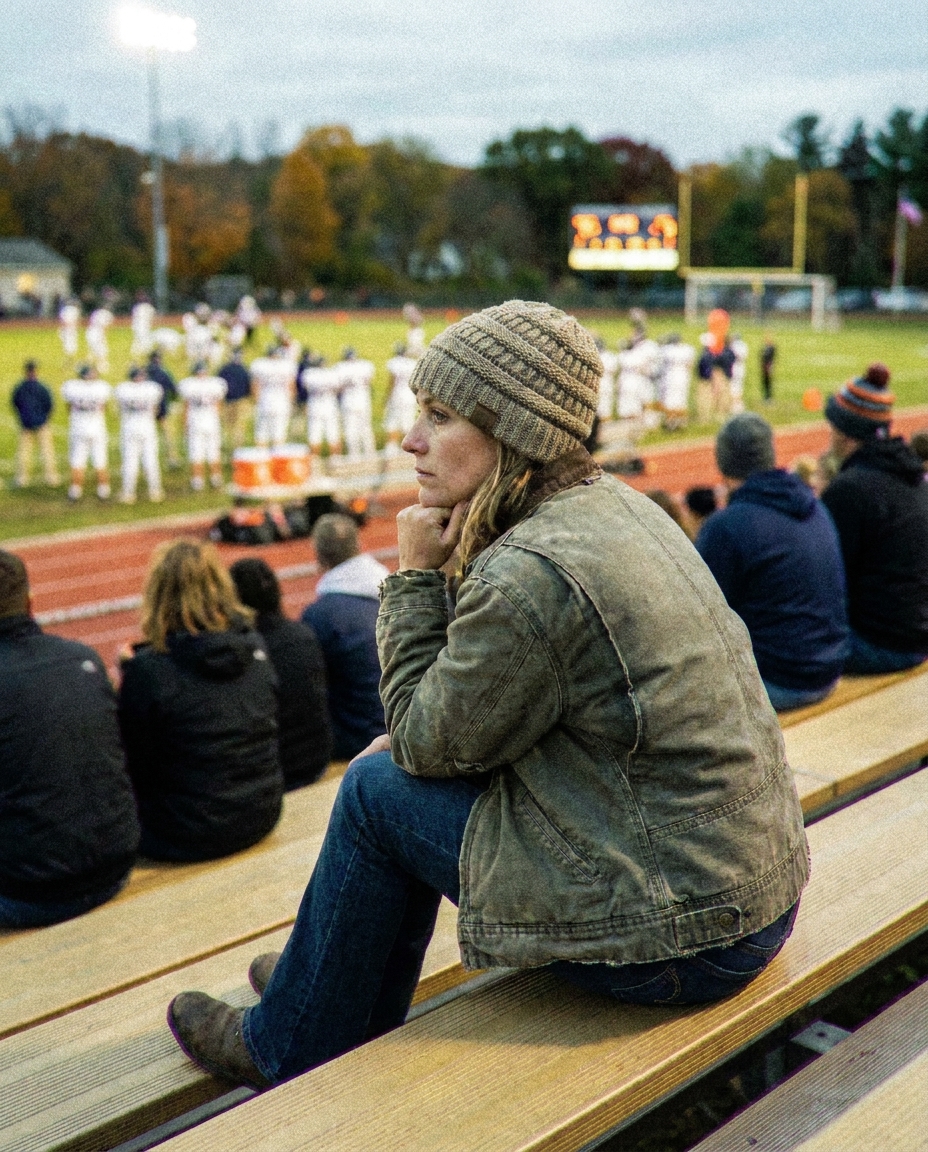
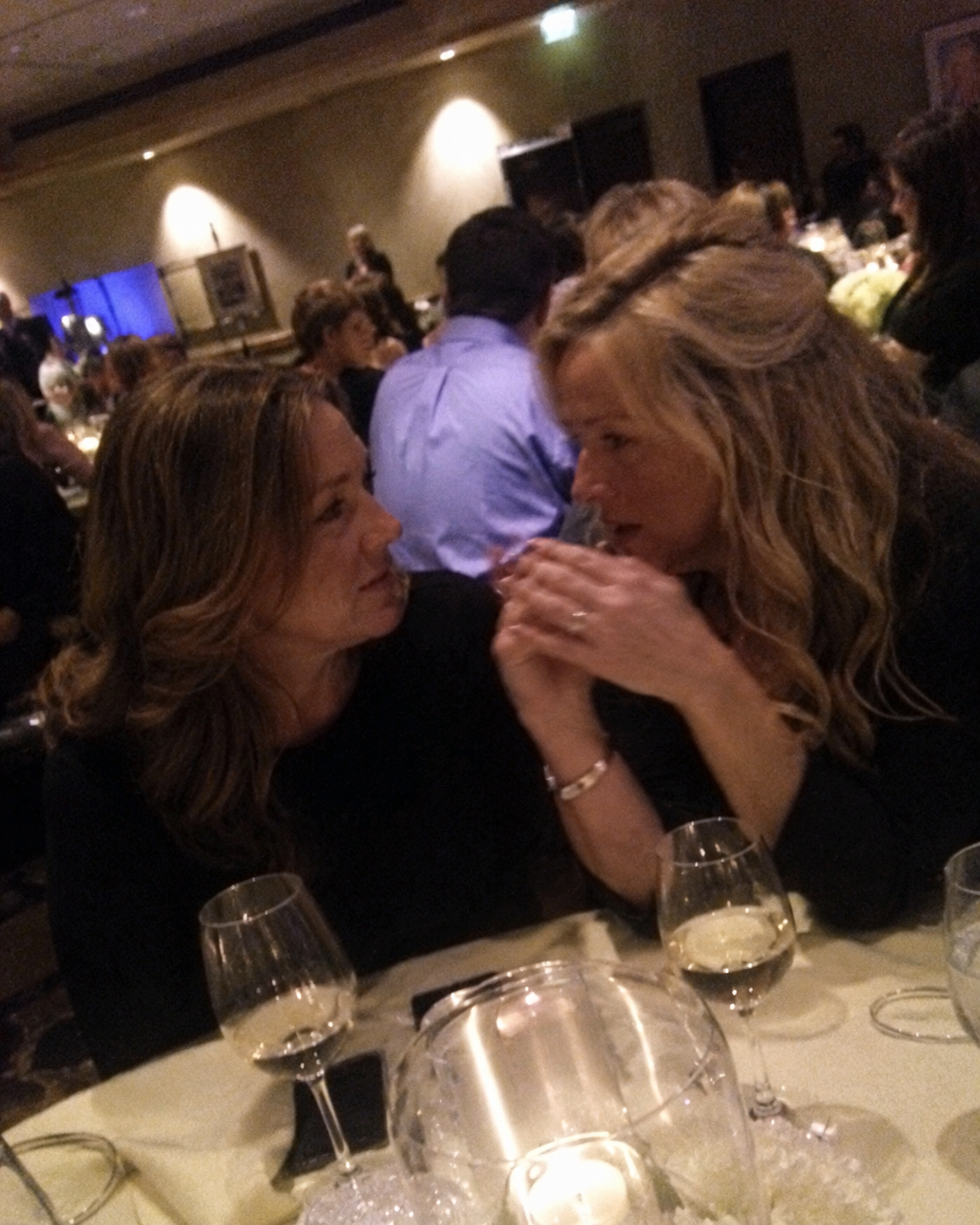
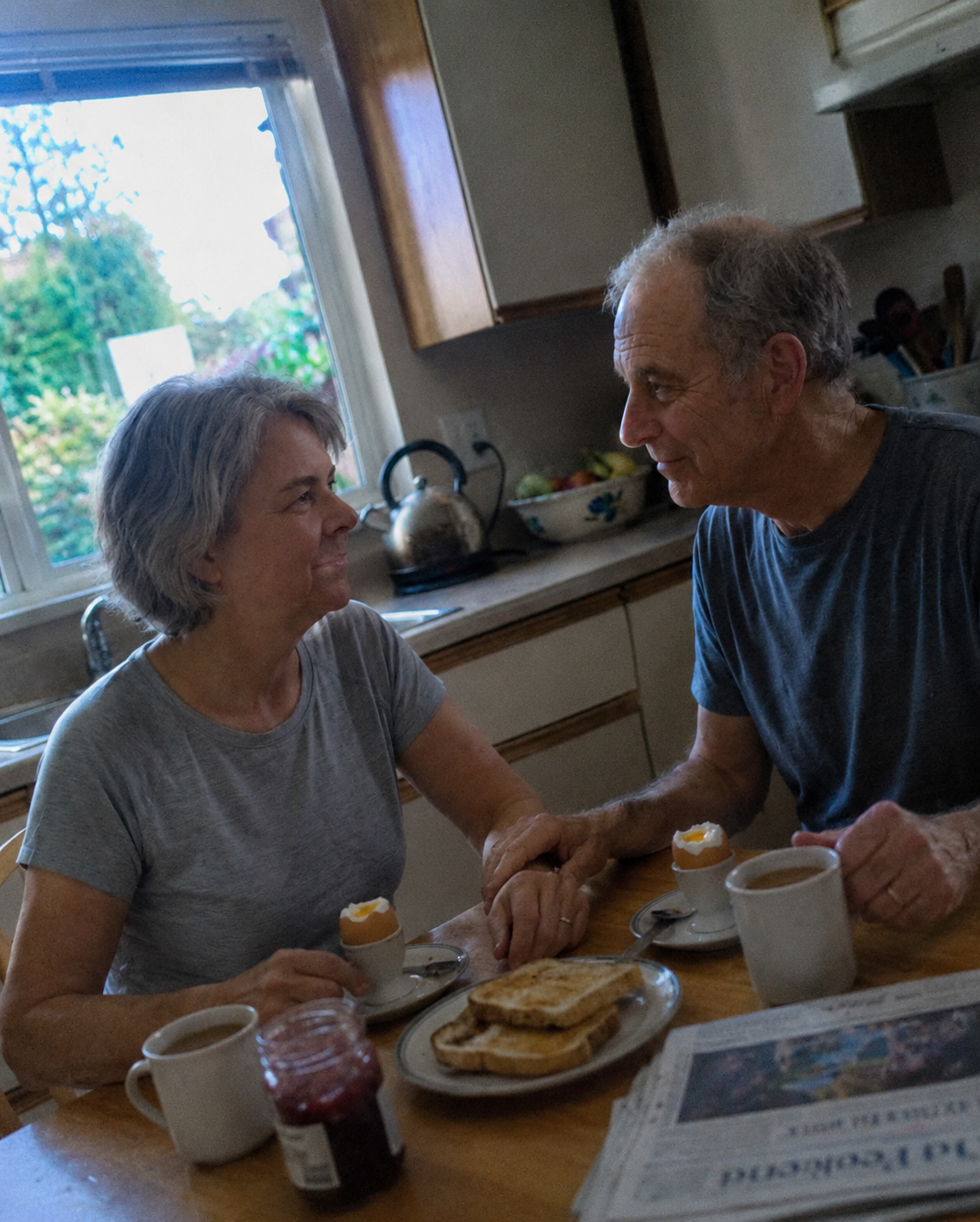
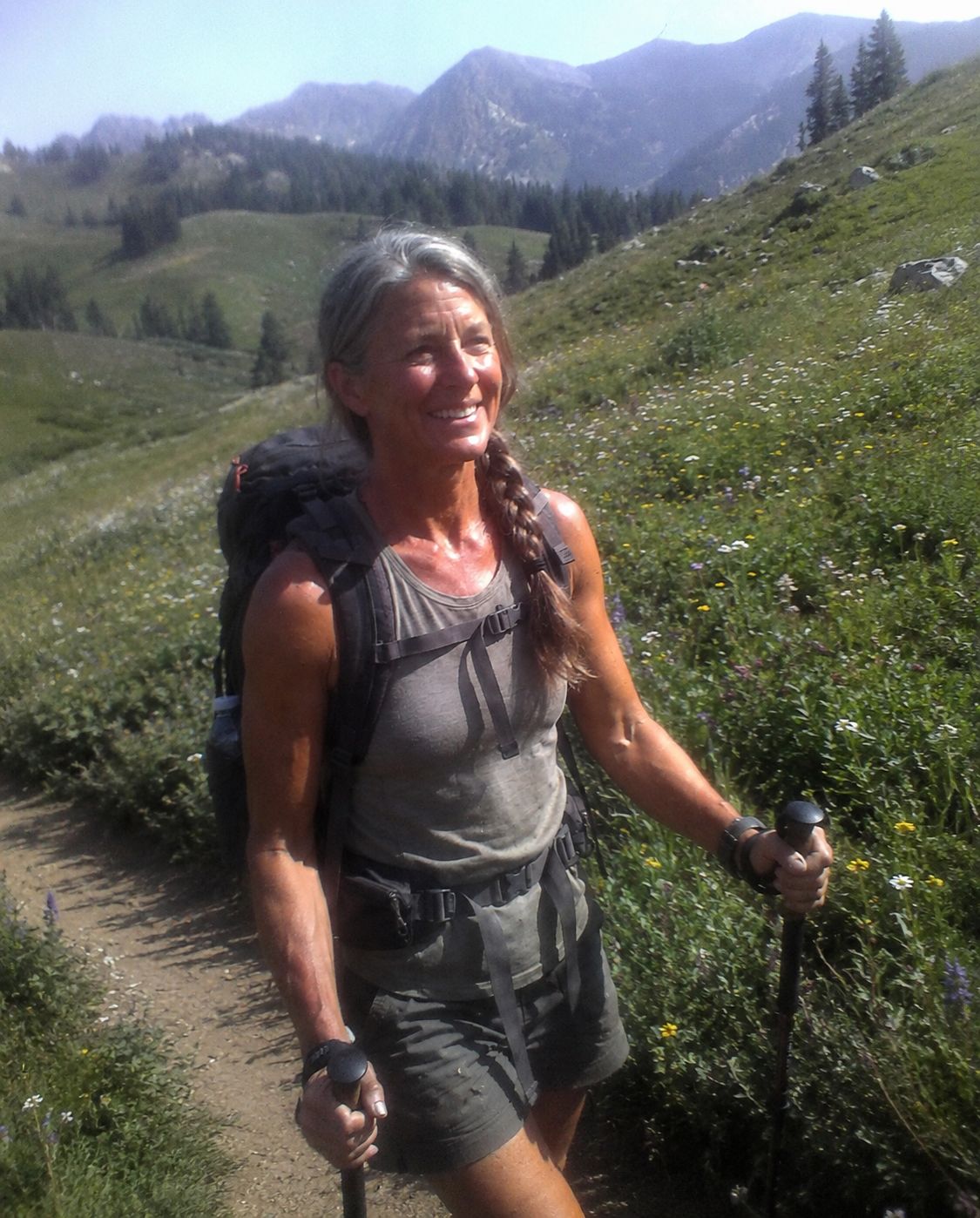
A friend asked me last week what I had been doing differently this past year. I gave her the small version over coffee. She said: I wish someone had written that down. So I am writing it down I am fifty-five years old. I went through menopause three years ago. It wasn't dramatic. Most things in my life have happened slowly, on their own schedule, and menopause was no exception. This is a letter about the two years that came after. And about one small thing I added to my mornings, eleven months ago, alongside everything else I was already doing. My name is Helen. I live in central Connecticut with my husband, in a small town we have been in for thirty-one years. We have two grown daughters, both within an hour of us. I retired four years ago, after twenty-nine years of doing the office administration for a small law firm in the next town over. I am not a writer. I have never written a letter like this in my life. I am writing this one because a friend asked me, last week, what I had been doing differently this past year. And I realized I had never written any of it down. I want to tell you, before anything else, about the gap I had been quietly living in for the two years after menopause settled. It wasn't a medical gap. My doctor — Dr. Mitchell, a careful woman I have been seeing for sixteen years — was happy with me at every annual physical. My numbers were in the ranges she wanted to see them in. Not borderline. Not perfect. In the ranges. I was walking most mornings. I was eating the way someone who reads a few careful health columns eats. I was sleeping seven hours most nights. I was not on any prescription medications. On paper, I was fine. The gap I was living in was harder to put into words. It looked like this. It looked like waking up at six-thirty on a Tuesday morning, after eight hours of sleep, and lying in bed for twenty minutes before I could convince myself to swing my legs out. It looked like reaching the end of my Saturday errand list — the grocery store, the pharmacy, the post office, the dry cleaner — and finding I needed to come home and sit down for an hour before I could put the groceries away. It looked like sitting on the couch with my husband at eight in the evening and being more or less done for the day. It looked like a body I had lived in for fifty-five years that had quietly stopped delivering what it used to deliver, without any single moment I could point to and say there. I knew, at fifty-five, that some of this was simply where I was in my life. I am not someone who believes in fighting where I am in my life. But I had a quiet sense, for almost two years, that there might be one small additive thing I could do — alongside everything else I was already doing — to support what my body was doing. I did not know what that thing was for a long time. I had read carefully. I had spent a lifetime being suspicious of explanations that are too neat. I am hard to sell. I had read about a great many things that I had then disqualified. I was not looking for a fix. I was not looking for a cure. I was not looking for anything that promised more than it could plausibly deliver. I was looking for something general. Modest. Additive. Structure-function. Something that supported what my body was already doing, without claiming to fix anything. For a long time, I did not find anything I trusted. The one thing that kept coming up, at the careful structure-function end of the reading I trusted, was beetroot. I had heard about beetroot for years. In the back of newspaper health columns. In a magazine on my dentist's coffee table. In a piece I had read in a careful health newsletter that I have been subscribed to for almost a decade. I had never really looked into it. I had associated it, in my own mind, with the marketing I had been disqualifying. The summer of last year, I decided to look at it more carefully. I read for almost a month. I read about beetroot. I read about the deep crimson pigment in the root. It is called betalain. It is the color that stains your cutting board for three days. It is also, according to a slowly built body of research the cardiovascular community has been quietly working on for decades, one of the more potent antioxidants in the food supply. I read about the long, patient relationship the careful structure-function research has had with this vegetable for a long time. In the context of supporting healthy circulation. Supporting cardiovascular wellness. Supporting the body's own cellular energy. In people whose numbers are already in the range their doctors want them in. None of what I read was a fireworks story. It was the opposite of one. It was a vegetable that has been quietly studied for a long time by careful people who were not making outlandish claims. The language being used was the language I had been waiting two years to find. Supports healthy circulation. Supports cardiovascular wellness. Supports the body's own cellular energy. Not lowers anything. Not fixes anything. Not replaces anything. That was the right shape. I read about a brand called Rosabella, specifically. I picked it for one reason that I want to explain. The betalain pigment is heat-sensitive. That is the chemistry of the molecule. If you process beetroot the standard way, with heat, you lose some of the compound to the heat. The people at Rosabella decided to cold-press the root at low temperatures, because they wanted as much of the compound as possible to make it from the field into the capsule. That is a slower way to make a supplement. It costs them more. It takes them longer. At fifty-five, I have come to pay close attention to the small decisions companies make when no one is watching. Those decisions tell you everything about whether you can trust them. The other thing I liked was the simplicity. Two capsules in the morning with a glass of water. I have a husband, a household, two daughters, a quiet life I am trying to enjoy at fifty-five. I am not interested in a protocol that requires its own shelf. Now I want to tell you the most important part of this letter. Before I added it to anything, I called my pharmacist. His name is David. He has been the pharmacist at the small independent pharmacy in our town for thirteen years. I have been filling things there occasionally for almost twenty. I called him for a specific reason. I take no prescription medications. I am, at fifty-five, on nothing. I called anyway. I called because I am a careful person. And because I wanted somebody who knew what was on my chart to confirm that adding even a beetroot capsule to nothing was the right thing to do at my age. He pulled up my profile. He confirmed I was on nothing. He told me he had no concerns at the dosage on the label. He told me to take it in the morning the way the bottle suggested. He told me to call him back if I ever started any prescription medication in the future, because the conversation would be different at that point. He told me, before he got off the phone, that he wished more of his patients made the call I had just made. I want to say something now that I am going to say several times before this letter is over. If you are on any prescription medication — anything for blood pressure, anything for cholesterol, anything cardiovascular, anything you take regularly — please do not skip the call I am about to ask you to make. Call your pharmacist or your doctor's office before you add anything new to what you are already taking. Do not, under any circumstances, change a prescription on your own on the strength of what some retired bookkeeper in Connecticut wrote in a letter you read on the internet. The people who know your chart will tell you in two minutes whether what you are adding is safe. I was adding something to nothing and I still made the call. The two minutes it takes to ask are worth every second. I started on a Monday. The first two weeks I felt nothing in particular. I want to tell you that honestly, because the temptation in any letter like this is to compress the timeline and pretend something dramatic happened on day three. Nothing dramatic happened on day three. I had read enough to know that bodies are different. Some women notice something within the first week or two. Some take much longer. Some don't notice much at all. I was prepared to land in any of those camps. I was prepared to be honest with myself about the result. What I noticed, I noticed slowly. The first thing I noticed, around week four, was the mornings. I had been lying in bed for twenty minutes after waking up, for almost two years, before I could convince myself to swing my legs out. Twenty minutes was the rough average. Sometimes fifteen. Sometimes thirty. It wasn't fatigue exactly. It was a kind of slow-loading quality I had come to expect from my own body in the morning. Around week four, I noticed I had been getting up at six-thirty for several days in a row without lying there. The slow-loading half-hour had become something else. I was on my feet. I was making the coffee. I was at the kitchen table with the newspaper at the time I used to be still negotiating with the ceiling. I didn't make a thing of it. I had read enough not to make a thing of one observation. The second thing I noticed, in week seven, was the Saturday errands. I have a list I do most Saturdays. The grocery store. The pharmacy. The post office. The dry cleaner. Sometimes the hardware store. For almost two years, I had been splitting the list into two halves — one half on Saturday morning, one half after lunch, with a sit-down in between. I had been telling myself it was a more relaxed way to do Saturdays. It wasn't. It was the way I had been doing it because the full list, in one stretch, was leaving me sitting on the couch for the rest of the afternoon. In week seven, I went out at nine-thirty on a Saturday morning and I did the full list in one stretch. I came home at twelve-thirty. I put the groceries away. I made myself a sandwich. I sat down for fifteen minutes and read the paper. Then I went out into the yard and did the work I had been meaning to do in the front beds for a month. I was not sitting on the couch. I was just doing my Saturday. The way I had done my Saturdays at fifty. The third thing I noticed was the evenings. My husband and I have been sitting on our couch in the evenings for thirty-one years. For the last two years, I had been quietly fading on him by eight. He had been gentle about it. He had been watching the news on his own at nine while I half-slept on the couch beside him. Around week ten, I noticed I had been awake at nine for several nights in a row. Then ten. Then ten-thirty one night, when we watched a movie I had been meaning to watch with him for three months. He didn't say anything about it. He is a quiet man and he notices things. But the next Saturday, when the movie ended at ten-thirty, he reached over for my hand on the couch and held it for a minute. He didn't have to say anything. I want to be careful with what I am telling you. I am not telling you Rosabella did any of those things on its own. I had been walking. I had been eating the way I have been eating for a long time. I had been sleeping seven hours most nights. I had been doing the careful lifestyle things Dr. Mitchell and I had been talking about for the last two years. I had been doing all of that a little more deliberately in the months I had decided to pay closer attention. There were several things changing at once, the way there are when a person decides finally to pay attention. All I am telling you is that I added one small thing to a long list of things I was already doing. I kept everything else exactly the same. And a quiet stretch of months followed that was qualitatively different from the year that had preceded it. That is the honest version. I would not trust anyone who gave you a cleaner one. I went into my doctor's office for my regular annual physical about eight months after I started. She took my blood pressure. She ran the bloodwork. She looked at the results. She told me they were where she wanted them, in the same ranges they had been the year before. Not borderline. Not perfect. In the ranges. I told her about the beetroot. She nodded. She had no concerns about my continuing it. She told me to keep doing what I was doing. She told me to come back in a year. That is the whole clinical story. If you are a post-menopausal woman who has been living, the way I had been living, in the quiet two-year gap between the body you used to have and the body you have now, I want to say a few things to you carefully. I do not know you. I do not know your bloodwork, your doctor, your situation, or what your day-to-day actually feels like. Bodies are different. Some women notice something within the first week or two of adding something like this. Some women take much longer. Some women don't notice much at all. That is the honest version. Anyone offering you a cleaner one is selling you harder than I am. Here is how I think about Rosabella now, in the words I would actually use. It is something the body uses. The research community talks about it in the context of supporting healthy circulation, cardiovascular wellness, and the body's own cellular energy. In people whose numbers are already in the range their doctors want them in. It is not a fix for anything. It is not a substitute for anything your doctor has you on. It is not a treatment for menopause or for anything else. It is one small thing you add to the long list of things you are already doing for yourself, alongside everything else. Please call your pharmacist or your doctor's office before you add it. If you are on any prescription medication, especially anything cardiovascular, this is non-negotiable. I called David. I would call him again tomorrow if I were adding anything else. The people who know your chart will tell you in two minutes whether it makes sense for you. I am a fifty-five-year-old woman in Connecticut. I am not the person to ask. Your pharmacist or your doctor is. The company has a ninety-day satisfaction guarantee. If you are not satisfied — for any reason at all, including just changing your mind — they refund you. It is not tied to your bloodwork. It is not tied to your numbers. It is not tied to anything you have to prove to anybody. If you are not satisfied, you are not satisfied. That is the whole policy. The beets are grown on a small operation that harvests on its own schedule. There are stretches when they are in stock and stretches when they are not. I mention that not to push you — please do not let anybody push you into a health decision — but so that if you go to the site and they are out, you know why. That is all I have. Thank you for reading this far. I hope something here was useful to you. I hope, somewhere today, you are reading this in a quiet kitchen with a cup of coffee, and that something in your morning feels a little simpler than it did yesterday. — Helen P.S. I want to come back to the cold-press for a second. The betalain pigment — the deep crimson, the part the research community keeps circling back to — is heat-sensitive. That is the chemistry of the molecule. Process beetroot the standard way, with heat, and you lose some of the compound to the heat. Rosabella chose the slow way. Cold-press. Low temperatures. More of the compound through to the capsule. It costs them money. It costs them time. They made the choice anyway. At fifty-five, I have come to pay attention to the small decisions companies make when no one is watching. Those decisions tell you everything. P.P.S. Two capsules. In the morning. With a glass of water. That is the entire protocol. No powder to mix. No afternoon dose to remember. No schedule taped to the inside of the cupboard. I keep the bottle on the counter next to the coffee maker. I take the capsules with my first sip. My husband keeps the coffee pot full. That has been the rhythm of my morning for eleven months. I have earned a simple one at fifty-five. P.P.P.S. I am going to say it one more time, because I have to. Please. Call your pharmacist or your doctor's office before you add anything new to what you are already taking. Especially if you are on a blood pressure medication, a cholesterol medication, or anything cardiovascular. They have your whole picture in front of them. I have written you a letter. There is a difference, and the difference matters. The two minutes it takes to ask are the most important two minutes of your engagement with any supplement. P.P.P.P.S. The guarantee, again, in case you skimmed. Ninety days. Any reason at all. You do not have to prove a single thing — not to them, not about your numbers, not about how you feel. If you tried it and you are not satisfied, you are not satisfied. They send the money back. That is the whole policy. A small-company policy. The kind of thing companies used to do when companies still answered the phone. P.P.P.P.P.S. The thing my friend asked me last week — what have you been doing differently this year — is the reason this letter exists. She had been watching me without saying anything for nine or ten months. She had noticed something I had not been making a thing of. She finally asked. I told her the small version, the way I would tell a friend over coffee. I told her about the reading, the cold-press, the call to David, the quiet stretch of months that had followed. She listened the way good friends listen. Then she said: I wish someone had written that down. So I wrote it down. I do not know what your equivalent of my friend is. I do not know whether you have one. I do not know whether you would tell her about it, if she asked. But if you are reading this and you have been carrying a quiet question for a year or two, the way I had been carrying mine, I hope you let yourself sit with it carefully. I hope you read carefully. I hope you make the call before you add anything. I hope, in a year from now, a friend of yours asks you what has been different this year. And I hope you have a quiet good answer for her. I hope that for you. That is the whole reason I wrote this. — H. https://track.tryrosabella.com/cdc16426-3e48-40a7-9fad-21098084f6cf DISCLAIMER Individual experiences vary. These statements have not been evaluated by the FDA. This product is not intended to diagnose, treat, cure, or prevent any disease.
Support stamina and heart health every day
"Best customer support ever. My issue was resolved quickly and professionally. I so love how the beetroot capsules are helping manage my blood pressure."
LEARN MORELike this ad? Make it yours.
Crush rebuilds this exact creative around your product — your brand, your colors, your offer — in about a minute.