
Inactive· since Jun 24, 2026
- 34
- days it ran
- 9
- relaunches
Ad copy
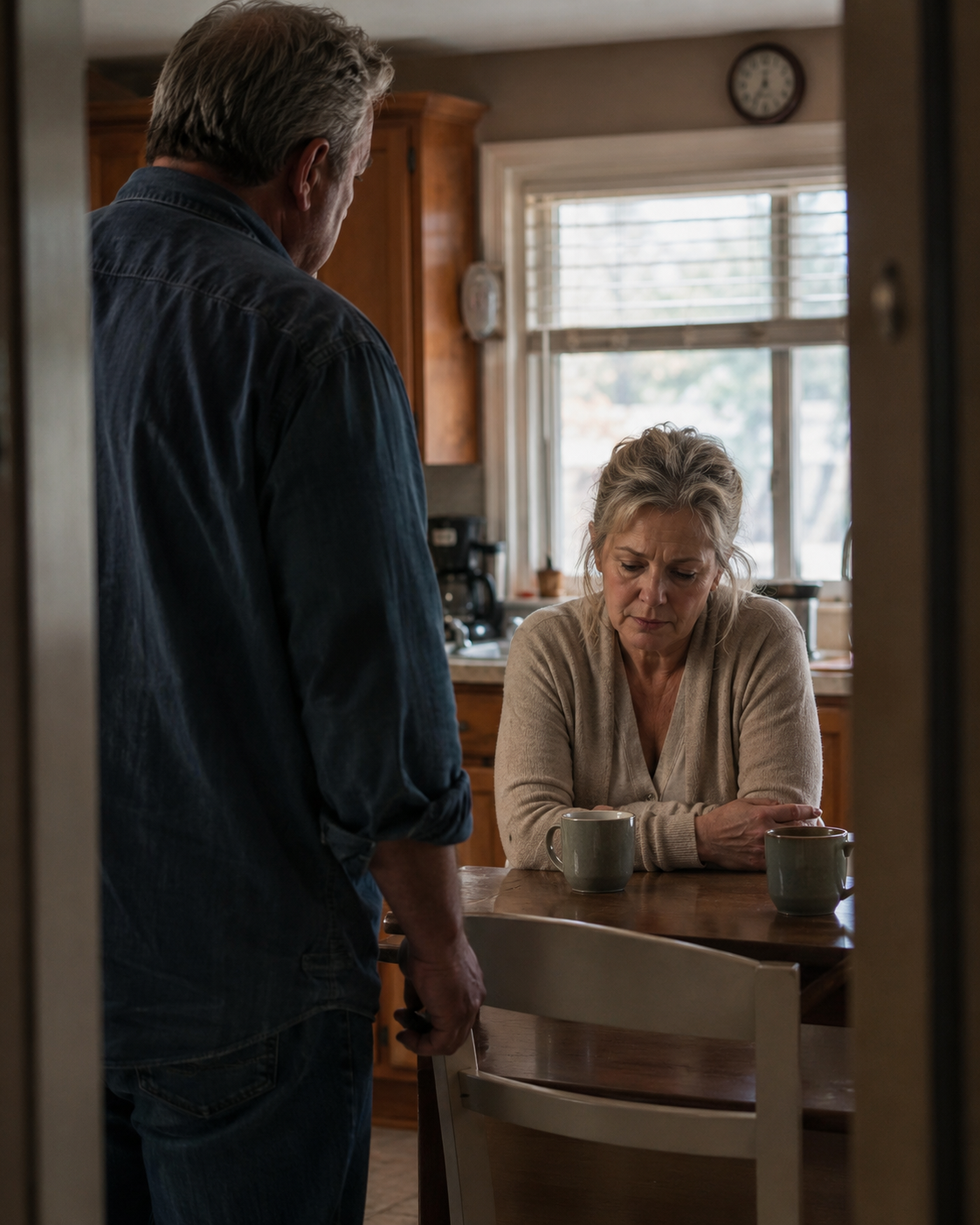
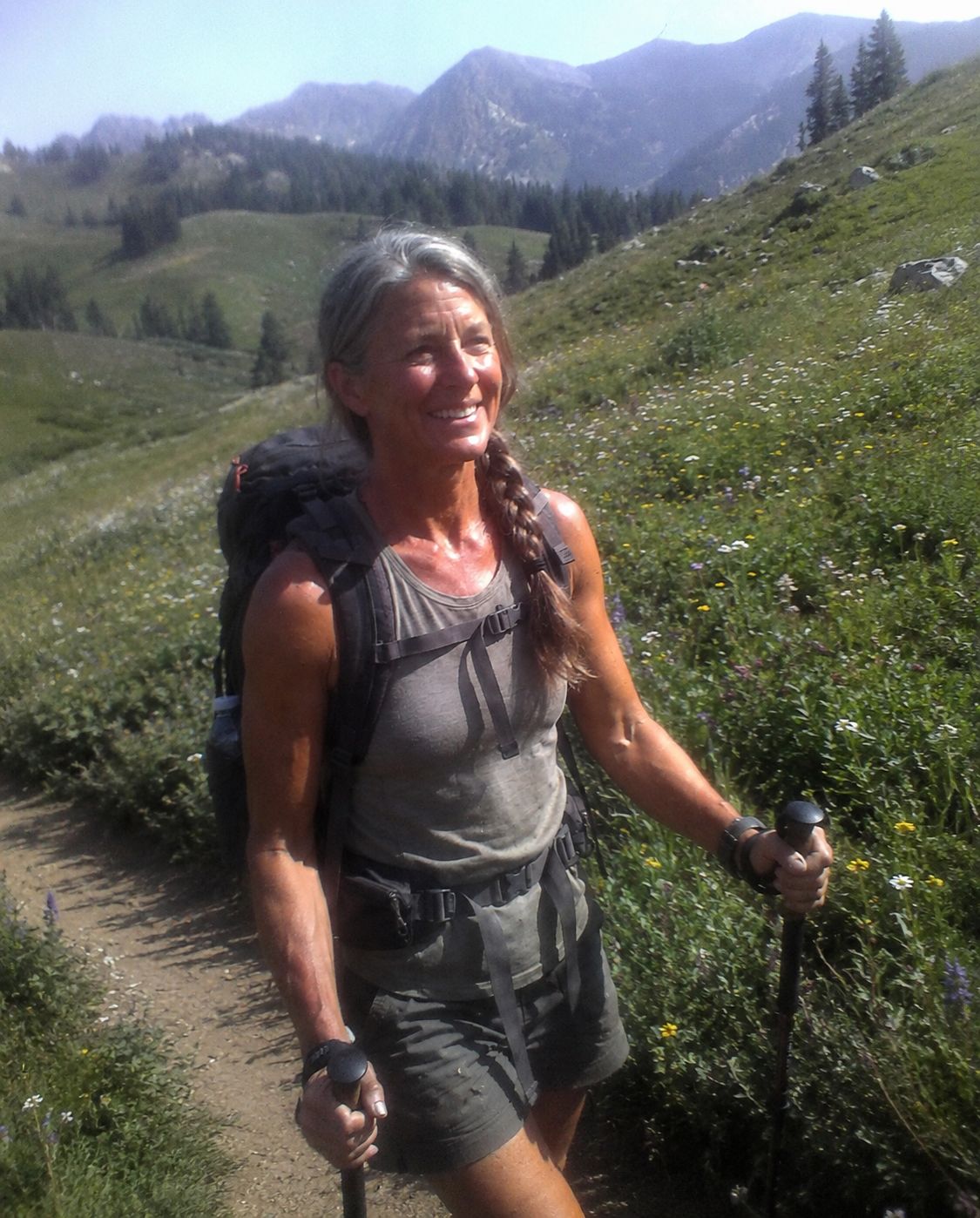
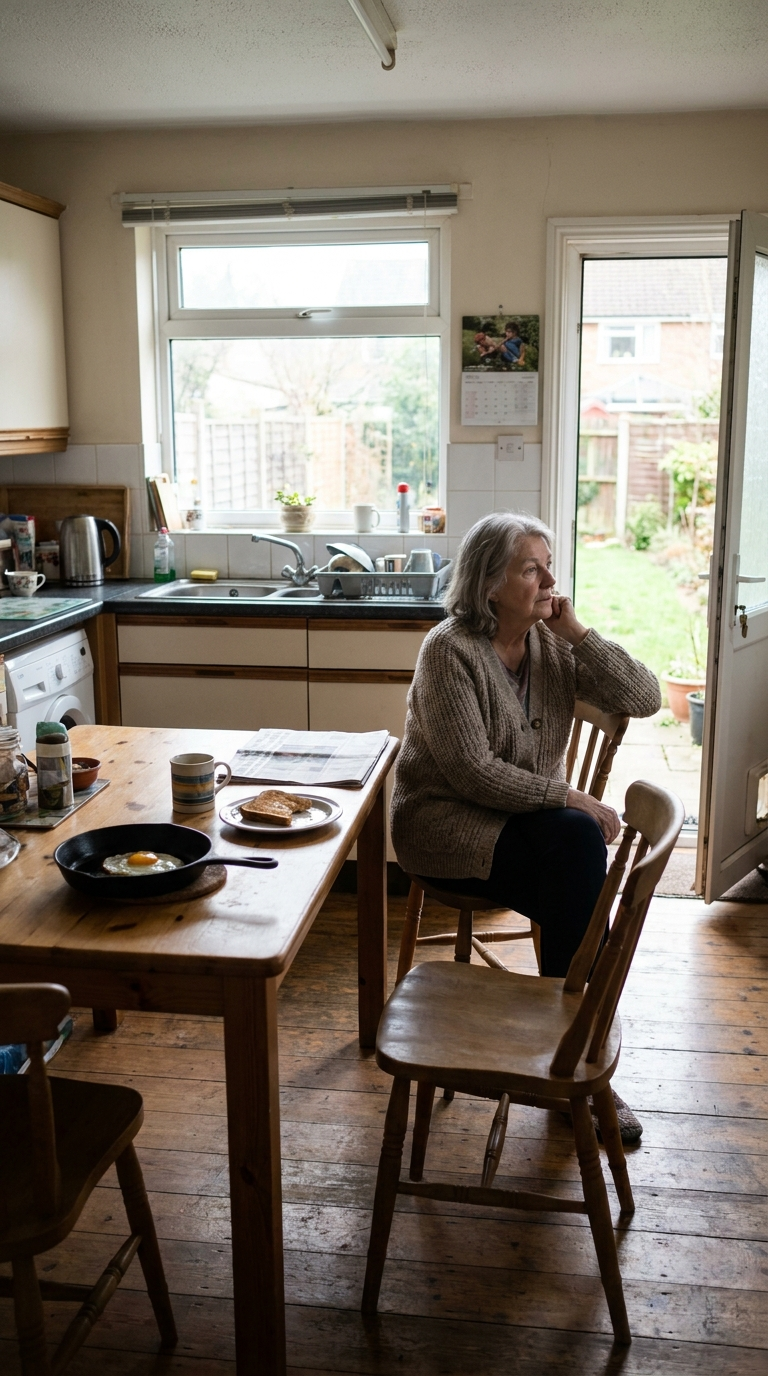
I cheated on my husband for three months. He found out on a Tuesday morning. Not from another man’s text. Not from a hotel receipt. From the bottle he was holding in our kitchen. David didn’t yell. That would have been easier. He just looked at me and asked: “How long?” I said, “Three months.” And that was the moment I realized the lie had hurt him more than the truth ever could. Because for three months, my husband thought he was saving me. And for three months, I had been pretending to let him. My name is Linda. I’m 63 years old. I’ve been married to David for thirty-one years. I need you to understand something before I tell you the rest. David is not a controlling man. That’s what our daughter thought when I told her what happened. She said, “Mom, he had no right to police you like that.” But that isn’t what happened. David didn’t police me. He loved me the only way he has ever known how to love anyone. Carefully. Practically. A full tank of gas before a long drive. The porch light left on when I came home late from my sister’s. A towel warmed in the dryer when I got out of the shower on cold mornings because he knew I hated January. He is not a man who writes long birthday cards. He does not make speeches. He has never once in thirty-one years called me his soulmate. But when my mother died, he slept in the chair beside me for twelve straight nights because I kept waking up at 3 AM thinking I heard her voice. When I had my gallbladder out, he set alarms on his phone for every dose of medication and woke up before they rang. When our daughter had her first baby, he drove three hours in the rain because I called him crying from the hospital bathroom and said, “I don’t think she knows how scared she is.” That is David. He notices what can go wrong before it goes wrong. Then he tries to stop it. For most of our marriage, that made me feel safe. Then one doctor’s appointment made it feel like there was nowhere in my own kitchen to hide. It was supposed to be routine. Bloodwork. Blood pressure. A little lecture about walking more. The same appointment women my age go to every year and then forget about by dinner. David drove me because he always drives me to appointments, even the boring ones. He sat in the waiting room with a hunting magazine he didn’t read. I remember looking through the little window in the exam room door and seeing him out there, sitting perfectly still, one ankle crossed over the other, both hands around a paper cup of terrible clinic coffee. He looked calm. He always looks calm. That is one of the most irritating things about marrying a man like David. The house could be on fire and he would still look like he was waiting for toast to pop. The doctor came in with my labs on a clipboard. She was young. Maybe thirty-eight. Kind eyes. Very efficient. She said my cholesterol was higher than she liked. Total cholesterol: 246. LDL: 164. Triglycerides: 198. HDL: 42. I remember the numbers because David wrote them down on the back of an old oil-change receipt in the parking lot. The doctor said we should “get ahead of it.” She said I had family history. She said women after menopause can see cholesterol rise. She said the word “statin” like she was saying “umbrella.” Something sensible. Something ordinary. Something you grab before weather happens. I did not panic. I was annoyed, more than anything. I had gone in expecting to be told to eat more fiber and lose ten pounds. Instead I came out with a prescription for Atorvastatin and a husband who had gone very quiet. That is how I know when David is scared. He gets quiet. Not silent exactly. He still answers. Still holds doors. Still asks if I want to stop for groceries. But something behind his eyes pulls away and starts doing math. Risk math. Danger math. What-if math. We were halfway home when he said: “Your father had his heart attack at sixty-seven.” I looked out the window. “I know.” “You’re sixty-three.” “I know how old I am, David.” He didn’t say anything after that. That night, he cleaned out the pantry. Not dramatically. Not angrily. He just took everything off the shelves and read labels under the kitchen light. Crackers. Cookies. The jar of peanut butter I liked. The coconut granola our daughter bought me because she said it was “healthy enough to be boring.” He made two piles on the counter. Keep. Don’t keep. I stood in the doorway watching him turn my kitchen into a courtroom. “David.” He didn’t look up. “I’m just trying to help.” “I know.” He read another label. “I don’t want to lose you over a number we can do something about.” That sentence should have softened me. It did, for a minute. Because how do you get angry at a man for being afraid to lose you? So I let him. I let him throw away the half-empty ice cream. I let him buy oatmeal. I let him replace my butter with the pale yellow spread that tasted like plastic and regret. I let him put my prescription bottle beside the coffee maker the next morning. That was the beginning. Every morning, David got up first. He has always gotten up first. For thirty-one years, I have woken to the sound of him moving through the kitchen. Cabinet. Spoon. Coffee scoop against the side of the canister. The faucet running for exactly three seconds because he believes in rinsing the pot even though I have told him a hundred times the coffee does not care. Before the appointment, that sound meant home. After the appointment, there was a new sound. The prescription bottle. A small plastic rattle on the counter. He would shake one pill into the lid and set it beside my mug. Not in a dramatic way. Not like a jailer. Like a husband putting out a vitamin. Then he would pour my coffee. Kiss the top of my head. And say: “Don’t forget.” The first few weeks, I didn’t. I took it because the doctor said to. Because David was scared. Because I was scared too, though I did not say that part out loud. I took it with my coffee and swallowed the tiny white pill before it had time to become anything bigger than a pill. Then the tiredness started. Not all at once. That would have been easier to argue with. It came in small thefts. At first, I stopped folding laundry at night. I would get the clothes out of the dryer, carry the basket to the living room, sit down “for just a minute,” and wake up forty minutes later with one of David’s T-shirts in my lap. Then I stopped walking with my neighbor, Janice. We had walked three mornings a week for eleven years. Same loop. Down Maple, around the church, past the elementary school, back up Hillcrest. Not fast. We were not athletes. We were two women in sneakers gossiping about whose adult children were making questionable choices. But two months after the appointment, I started cancelling. My legs felt heavy. My hips ached in a way they hadn’t before. By noon, it felt like I had already lived the whole day. David noticed. Of course he noticed. He notices everything. “You okay?” “Fine.” “You seem tired.” “I’m sixty-three.” He didn’t smile. I hated that. I hated that he didn’t let me hide behind jokes anymore. Then came the fog. I would stand in the laundry room holding a bottle of detergent and forget whether I had already added it. I put my reading glasses in the freezer. I told our daughter the same story twice in one phone call and heard her pause the second time. Not correct me. Just pause. That pause hurt more than if she had said, “Mom, you already told me.” One Sunday, I burned the onions for soup. I have made chicken soup the same way since 1994. Onions first. Celery. Carrots. Garlic last so it doesn’t turn bitter. I have made that soup through stomach flu, snowstorms, newborn babies, funerals, and one Christmas when David’s mother tried to “help” by adding cinnamon. I do not burn the onions. But I stood there in front of the stove with the wooden spoon in my hand and realized I had been staring out the kitchen window for who knows how long. The onions were black at the edges. The whole kitchen smelled bitter. David came in from the garage. He saw the pan. He saw my face. “Lin?” I wanted to tell him then. I wanted to say: Something is wrong. I don’t feel like myself. I know the doctor likes the number, but I am the one living inside the number, and I do not feel better. But David looked so worried. So careful. So ready to fix whatever I handed him. And I was tired of being managed. So I said: “I forgot the heat was on.” He turned the burner off. “It happens.” But it didn’t happen to me. Not like that. At my three-month follow-up, the numbers looked better. Total cholesterol: 211. LDL: 132. Triglycerides: 166. HDL: 44. The doctor smiled. David squeezed my hand. I remember the exact pressure of his fingers. Relief. That is what he was squeezing into my hand. Relief. The doctor said: “This is a good response. Let’s keep going.” David smiled for the first time all morning. In the parking lot, he kissed my cheek. “See? It’s working.” I looked at him. He looked ten years younger in that moment. That is the terrible part. The chart gave him back something I had been taking from him since the appointment. Peace. So I nodded. I said, “Yeah.” And I went home and made lunch. That afternoon I sat on the edge of our bed and stared at the prescription bottle on my nightstand. I turned it in my hand. Atorvastatin. One tablet daily. I looked at my name. My real name printed in black letters. Linda Marie Dawson. Like the bottle belonged to me. Like the decision belonged to me. But somehow it didn’t feel that way anymore. It felt like the bottle belonged to David’s fear. The doctor’s chart. My father’s heart attack. Every woman in my family who had ever been told to be sensible and quiet and do what the professional said. I opened the bottle. Shook one pill into my palm. And for the first time, I did not take it. I set it on a tissue. Folded the tissue twice. Put it in the bathroom trash under a cotton ball and a used makeup wipe. Then I stood there with both hands on the sink, looking at myself in the mirror. I expected to feel rebellious. I felt sick. That evening David asked: “You took it this morning?” I was rinsing lettuce at the sink. Water running. Back to him. I said: “Yes.” That was the first lie. It came out so easily I almost turned around to see who had said it. For the first month, I told myself I was just testing. Not stopping. Testing. A few days off. A few days on. Seeing if the tiredness changed. Seeing if my legs felt lighter. Seeing if I could make soup without burning the onions. I did not tell David because I knew what he would do. He would call the doctor. He would pull up articles. He would sit across from me at the kitchen table with that patient voice men use when they think they are being calm but they are actually building a fence around you one sentence at a time. “Lin, I understand you’re frustrated.” “Lin, we need to be smart.” “Lin, your father died at sixty-nine.” He would not be trying to trap me. He would be trying to keep me. That almost made it worse. So I kept it to myself. Some mornings I took it. Some mornings I didn’t. Then more mornings I didn’t. I started walking with Janice again. Not far at first. Just to the church and back. My legs still ached sometimes, but the heaviness eased. I stopped falling asleep before dinner. The fog lifted enough that I noticed it had been fog. That is how these things work. You do not realize how bad you felt until one morning you are halfway through unloading the dishwasher and you realize you did not have to talk yourself into standing up. I should have told him then. I know that. That is the part people will judge me for, and maybe they should. But if you have ever been the wife of a good man who is scared for you, you know there are truths that feel crueler than lies. David had finally started sleeping again. He had stopped hovering in the doorway when I cooked. He had stopped watching me pour cream into my coffee like it was a moral decision. He had started believing we were okay. And I let him believe it. For three months. Then came the Tuesday morning. He was looking for batteries. That is all. The remote for the garage door opener had died, and David keeps batteries in the little drawer under the junk drawer, because in our house even chaos has a system. I was upstairs changing the sheets. I heard the drawer open. Then another drawer. Then the cabinet beside the dishwasher. Then nothing. The house got so quiet I stopped smoothing the fitted sheet. I knew. I do not know how I knew, but I did. I walked downstairs. David was standing in the kitchen. The cabinet door was open. The prescription bottle was in his hand. He had not found it hidden. That would almost have been better. I had not been clever. I had been careless. The bottle had been pushed behind a box of tea in the cabinet where I had moved it one morning when our granddaughter came over and I did not want her asking what it was. David held it like it was breakable. He looked at the label. Then at me. He did not yell. That would have been easier. He just asked: “How long?” I said: “Three months.” He closed his eyes. Not for long. Just long enough that I knew he was trying very hard not to say the first thing that came into his head. When he opened them, they looked wet. That was worse than anger. “Why would you do that to me?” Not “to yourself.” To me. That is what he said. And as much as part of me wanted to argue, I understood. Because in David’s mind, that pill was not a pill. It was the thing standing between me and my father. Between our daughter and another funeral. Between him and the empty side of the bed. He had been putting that pill beside my coffee like a prayer. And I had been throwing the prayer away. I sat down at the kitchen table. He stayed standing. “I didn’t feel right on it.” “You should have told me.” “I tried.” “No, you didn’t.” He was right. I had hinted. I had complained. I had made jokes about getting old. I had not looked him in the eye and said: David, I am scared this thing you think is saving me is taking me apart. So I said nothing. He set the bottle on the table between us. Not hard. Carefully. That made it hurt more. “Call the doctor,” he said. “I don’t want to just call the doctor.” “What does that mean?” “It means every time I tell her how I feel, she points at the numbers.” “Because the numbers matter.” “I matter too.” He looked at me then. Really looked. For one second, I saw him hear it. Then fear came back over his face like a door closing. “Linda, this isn’t about feeling good. This is about not dying.” And there it was. The sentence that ended the conversation. Not because it was fair. Because it was impossible to answer. How do you argue with a husband who says he wants you alive? You don’t. You just sit at the kitchen table with the bottle between you and realize the marriage has become three people. You. Him. And the thing both of you are afraid of. David slept in the guest room that night. First time in thirty-one years. Even when we fought about money in 2008, he slept beside me. Even when his mother moved in for six months and nearly drove us both insane, he slept beside me. Even when our daughter didn’t speak to us for three weeks because we told her she was too young to marry a man named Travis who sold speakers out of his car, he slept beside me. But that night, he took his pillow from our bed and walked down the hall. I listened to the guest room door close. Then I sat up until 2:12 in the morning with my laptop open. I typed: Do statins make you tired? Then: Atorvastatin muscle weakness women Then: Why do cholesterol numbers improve but I feel worse Then: Do statins stop heart attacks That was the first night. There were many after that. I did not go looking for a supplement. I need to say that clearly. I had already been through the supplement drawer years before with my knees. Turmeric. Fish oil. Magnesium. One bottle my sister swore by that smelled like lawn clippings and did absolutely nothing except turn my burps into punishment. I was not looking to buy anything. I was looking for language. I wanted a sentence I could hand David that explained what I could feel but could not prove. The first thing I learned was about CoQ10. Statins work by blocking an enzyme in the liver that helps your body make cholesterol. That is the part everybody knows. That is why the number drops. But that same pathway also helps your body produce CoQ10, the molecule your cells use to make energy. Your heart uses it. Your muscles use it. Your brain uses it. Your hands use it. When that pathway gets suppressed, CoQ10 can drop too. Suddenly, the heaviness in my legs had a name. The evenings that ended before dinner had a name. The way my body felt like someone had lowered the dimmer switch had a name. I printed three pages and left them on the kitchen table. David read them the next morning. He stood there in his bathrobe with his coffee going cold. Then he said: “Doctors know this. That’s why they recommend CoQ10.” He was not wrong. That was the frustrating thing. He was almost always not wrong. So I bought CoQ10. A good one. Expensive. The kind that comes in a dark bottle and makes you feel responsible at checkout. I took it for five weeks. Nothing. Maybe a little. But not enough to matter. Not enough to make me trust my body again. Not enough to make David trust me. We were polite during those five weeks. That is a horrible stage of a marriage. Worse than fighting in some ways. Fighting means there is still heat. Polite means both people are standing on opposite sides of a crack pretending not to see the floor opening. He stopped putting the pill beside my coffee. I almost missed it. Isn’t that ridiculous? I had hated that little ritual. Then when it was gone, the empty space beside my mug felt like punishment. He didn’t ask if I took it. I didn’t tell him. We ate dinner. We watched television. We talked about the electric bill. Our daughter came over with the kids and said, “You two are being weird,” while taking grapes out of our refrigerator. Neither of us answered. At night, David slept in our bed again. But he faced the wall. I kept reading. The more I read, the more one phrase kept showing up. Oxidized LDL. Not LDL. Oxidized LDL. The first article compared it to rust. That was the first explanation that made sense to me. Regular cholesterol is not automatically evil. Your body makes cholesterol on purpose. It helps build cell membranes. It helps make hormones. It helps repair tissue. The problem starts when LDL gets damaged by oxidative stress. Like a cut apple turning brown on the counter. Like metal rusting in rain. Once LDL oxidizes, it behaves differently. It becomes sticky. It gets taken up into artery walls. It helps form plaque. And plaque is what can rupture. That is when the real danger happens. I sat at the kitchen table reading that paragraph over and over. Because suddenly I understood the part that had been bothering me since my follow-up visit. The statin lowered the number. But what if the number was not the whole story? What if the real question was not just: How much LDL do I have? What if the real question was: What is happening to the LDL that remains? That night I found a video interview with a retired cardiologist. I almost skipped it because I hate health videos. Too many of them have a man in a white coat talking like everyone watching is an idiot. This man didn’t talk like that. He looked tired. He said something I wrote down on a yellow legal pad: “We have spent decades treating cholesterol like quantity is the whole problem. But damaged cholesterol is a different biological event.” I paused the video. Replayed it. Wrote it again. Damaged cholesterol is a different biological event. That was the first sentence that felt like it belonged to me. The next morning I put the legal pad in front of David. He was eating oatmeal. Of course he was eating oatmeal. The man had turned oatmeal into a personality since my appointment. He read the sentence. His face did not change. “What is this?” “What I’ve been trying to tell you.” “You’ve been trying to tell me a sentence from YouTube?” “David.” He sighed. I hated that sigh. Not because it was cruel. Because it was tired. He was tired of being scared. I was tired of being managed. Both of us were tired of not knowing how to love each other through this. So I said the one thing I should have said months earlier. “I need you to listen all the way through before you decide I’m being reckless.” He looked at me then. The oatmeal sat between us, getting thick in the bowl. “I’m listening.” So I told him. Not everything. Just the chain. The pill lowered the number. But the number may not tell us whether LDL is oxidizing. Oxidized LDL is the version that drives plaque. The medication may help lower LDL, but it was not designed to directly protect the LDL that remains from oxidative damage. And CoQ10 depletion could explain why I felt like my body had lost power. David did not interrupt. Not once. That was the first mercy he had given me in months. When I finished, he looked at the legal pad. Then at me. “What are you asking me?” That question nearly undid me. Because he did not say: What are you doing? What did you buy? Who told you this? He said: What are you asking me? Like he was my husband again. Not my guard. I said: “I’m asking you to stop watching the bottle and start watching me.” He leaned back in his chair. Put both hands over his face. And for the first time since the appointment, David cried. Not loudly. Not in a way anyone else would have even noticed. Just one hand over his eyes and his shoulders tight. When he spoke, his voice was rough. “I watched your father die in that hospital bed, Linda.” “I know.” “No. You don’t. You were in the room. But I was watching you. I watched what it did to you. I watched you become a little girl standing next to that bed. And I remember thinking, I can’t be the person in that bed someday. I can’t do that to her.” He wiped his face with the heel of his hand. “Then your numbers came back, and all I could see was him.” That was the thing fear had done to us. I thought David was watching me. He was watching my father die again. I reached across the table. He took my hand. Not all the way. Just his fingers over mine. But it was the first bridge. That night, we made a deal. I would call my doctor and tell her exactly what I had done. No more lying. No more hiding. No more pretending. But David would stop treating the prescription like proof that he loved me. And we would look together. Not for a miracle. Not for a reason to ignore medicine. For a way to answer the question neither the statin nor the CoQ10 had answered: What protects LDL from oxidation without stealing the body’s energy? That question changed everything. Because once you ask the right question, most answers disqualify themselves. Fish oil? I had already tried it years ago. Good for some things. But it did not answer the oxidation question in the specific way I was looking for. Red yeast rice? It works too much like a statin for me to feel comfortable with it. Same general direction: lower production, chase the number. Plant sterols? Again, mostly about lowering absorption and lowering the number. Bergamot? Interesting. But still, most of what I found talked about cholesterol levels, not protecting LDL from oxidative damage at the root. CoQ10? It made sense for the depletion problem. But I had already tried it, and even if it helped energy in some people, it did not answer the oxidized LDL question. The drawer under our bathroom sink started filling up again. Bottles with clean labels. Bottles with green leaves. Bottles with words like “heart support” and “advanced formula” and “clinically studied” printed in fonts designed to make women like me feel calm. David joked once that we were building a supplement graveyard. I said: “At least we’re building it together.” He smiled. Small. But real. Then I found betalains. I did not find them from an ad. I found them buried in a paper about beetroot pigment and oxidative stress. Betalains are what give beetroot its deep red color. The stain. The part that turns your cutting board crimson and makes your hands look like you have been caught doing something violent. That pigment is not just color. It is the active compound. And what stopped me was this: Betalains were not just another “antioxidant” thrown into a formula because antioxidants sound healthy. They were being studied for how they interact with oxidative stress. Including the kind of oxidative damage involved in LDL oxidation. I printed the paper. Then another. Then another. David came into the kitchen at 11:40 PM and found me with the printer whining beside me like it was about to quit the marriage before he did. He picked up the stack. “Beets?” “Don’t start.” “I didn’t say anything.” “You made a face.” “I did not make a face.” “You made a David face.” “I have one face.” “That is the problem.” He sat down. I handed him the page I had underlined. I still remember what I said because it was the first time the whole thing came out clean. “What if the goal isn’t to force the number down at any cost? What if the goal is to protect the cholesterol that’s there so it doesn’t turn dangerous?” He read the paragraph. Then the next. Then he said: “So why not just eat beets?” That is exactly what I thought too. So we bought beets. Fresh ones. Then beet juice. Then beet powder from the health store. The juice tasted like dirt that had gone to private school. The powder clumped in the glass like red mud. I took it for two weeks anyway. Nothing. No clarity. No shift. No change in how I felt. David, trying to be helpful, said: “Maybe it needs more time.” But by then I had learned enough to know there was another problem. Most modern beets are not grown for betalains. They are grown for sweetness. For yield. For juice. For food. Not for the old medicinal pigment content. And even if the beet starts strong, heat can damage betalains. Spray-drying. High-temperature processing. All the fast cheap ways powders are made can leave you with something that looks red enough on the label but is weak by the time it reaches your body. That was the next wall. I remember saying that out loud. “That’s the next wall.” David looked up from the crossword. “What?” “Beetroot is not the answer. The right beetroot might be.” He set the paper down. For the first time, he didn’t look skeptical. He looked interested. That was the night we made the checklist. Not from a brand. From the problem. If oxidized LDL was the issue, and betalains were the compound that made sense, then the supplement had to meet certain conditions. One: it had to come from a high-betalain beet, not a modern sugar-bred beet. Two: it had to be processed without high heat. Three: it had to have enough beetroot per serving to matter. Four: it had to show real testing, not just reviews. Five: it could not work by the same pathway that had made me feel so drained. David wrote the list in his square block handwriting. He loves a checklist. A checklist is foreplay to that man. For three nights, we went through brands. Cheap beetroot capsules from Amazon. Failed. No strain listed. No processing method. No lab report. A fancy organic beet powder. Failed. Spray-dried. A heart-health blend with beetroot, garlic, CoQ10, and something I couldn’t pronounce. Failed. Tiny beet dose buried in a proprietary blend. A beet gummy. Failed before we even finished the label. Sugar. Low dose. Cartoon heart on the front like we were children. By the end, David had a notebook page full of crossed-out names. I should have been frustrated. Instead, I felt strangely calm. Because for the first time since the appointment, we were not arguing about whether I should take the pill. We were standing on the same side of the question. Then David found Rosabella. Not me. David. That matters. He was sitting at the kitchen table with his laptop, reading quietly. I was unloading the dishwasher. He said: “Lin.” I knew by his voice. “What?” “This one says heirloom beetroot.” I walked over. The company was called Rosabella. They used an old beetroot variety called Blutwurzel. An heirloom beet that had not been bred down for sweetness the way modern commercial beets had. Grown by Amish farmers in Lancaster County, Pennsylvania. Hand-harvested. Shade-dried at low temperature instead of blasted with heat. Third-party tested. Certificate of Analysis available. 1,300 milligrams per capsule. Deep red capsules, not dull brown powder. David went down the checklist. One by one. High-betalain heirloom source. Check. No high-heat processing. Check. Meaningful dose. Check. Testing. Check. Different mechanism than the statin. Check. He sat back. For a long time, neither of us said anything. Then he looked at me. “This is the first one that actually matches the problem.” I do not know why that sentence made me cry, but it did. Maybe because he said “the problem” instead of “your problem.” Maybe because the same man who had once put the statin beside my coffee had just found the first thing that made me feel like he was trying to understand me instead of manage me. We ordered two bottles that night. And yes, before someone gets angry, I called my doctor too. I told her I had stopped the Atorvastatin without telling her. She was not happy. She should not have been happy. I would not tell anyone to do what I did that way. Lying was not the brave part of this story. Lying was the damage. But I told her the truth. I told her about the fatigue. The muscle heaviness. The fog. The CoQ10. The oxidized LDL research. The Rosabella. She listened longer than I expected. Then she said: “Linda, I can’t endorse stopping your medication without monitoring you. But if you’re not taking it, I’d rather know and test you properly than have you disappear from the conversation.” That was fair. So we made a plan. Bloodwork in eight weeks. Full lipid panel. Inflammation markers. And, because I asked for it by name, oxidized LDL. She paused when I asked. Then she said: “We don’t normally run that.” “I know.” Another pause. “I’ll add it.” The Rosabella arrived on a Thursday. I remember because David brought the package in with the mail and set it on the kitchen table the way someone might set down a fragile animal. He did not open it. He waited for me. That small thing told me we were getting better. Three months earlier, he would have opened it, read the label, and told me how many to take. That day, he set it down and said: “It’s yours.” I cut the tape with a kitchen knife. Inside were two bottles. Dark label. Deep red capsules. I twisted one open over a white plate because by then I had become the kind of woman who inspected supplement powder like a crime scene. It was not brown. It was crimson. Almost purple. When a drop of water touched it, the color spread across the plate like beet juice on a cutting board. David watched it. “That’s different from the powder.” “Yes.” “How many?” “Two.” He got me a glass of water. Set it beside the plate. Then stopped himself. His hand hovered for half a second. He did not push the glass toward me. He waited. I picked it up myself. Two capsules. One glass of water. No speech. No prayer. No husband watching to make sure I obeyed. Just me deciding. Twenty-five minutes later, I was standing in the laundry room when I noticed the quiet. Not outside. Inside. There had been a kind of static in my head for months. A low mental fuzz I had gotten so used to that I had stopped naming it. It was not gone like a miracle. But it shifted. Like someone had opened a window in a room I forgot was closed. I folded the towels. All of them. Then I carried them upstairs and put them away. That sounds stupid until you are the woman who has been living out of laundry baskets for six months. I did not tell David right away. I wanted to know if it was real. Day three, I woke before my alarm. Not wide awake like a cartoon. Just awake. Rested. My legs did not feel like I had walked through wet cement in my sleep. Day six, Janice and I walked the full loop. Maple. Church. Elementary school. Hillcrest. I talked the whole way and did not have to pretend I wasn’t tired at the end. Week two, I made chicken soup. I stood over the onions the entire time. Not because I had to. Because I remembered. When the garlic went in, David walked through the kitchen and stopped. “That smells like your soup.” I looked at the pan. “It is my soup.” He came up behind me. Did not touch me. Just stood close enough that I could feel him there. “I missed that smell.” I kept stirring. “If you make me cry into the soup, I’m blaming you.” He laughed. First real laugh in months. Week three, I realized David had stopped asking. Not because he stopped caring. Because something had changed. He was no longer tracking me like a problem. He was noticing me like a wife. That Friday, we went to our granddaughter’s school play. Usually by 8 PM I would have been calculating how soon we could leave without being rude. That night I stayed through the whole thing. Even the part where twenty-two second graders sang about recycling in cardboard hats. Afterward our daughter looked at me in the hallway. “You look better.” I said: “I feel better.” She looked from me to David. Then back to me. “You two are less weird.” That is how adult daughters say I love you. Week five, David put the butter back in the refrigerator. Real butter. Not because butter was the answer. It wasn’t. But because fear had made our kitchen joyless. And we were done letting fear cook every meal. He set the butter dish on the counter Saturday morning and said: “I’m not saying go crazy.” I said: “David.” He held up both hands. “I know. I heard myself.” Then he made eggs. Two eggs each. In the cast iron pan. We ate at the kitchen table like people who had been released from a very boring prison. Week eight, I went back for bloodwork. David drove me. Of course he did. But this time he did not carry the notebook. He did not ask the nurse if she was testing the right things. He sat in the waiting room with his terrible coffee and let me handle it. Three days later, the results came back. Total cholesterol: 194. Down from 246 at the start. LDL: 118. Down from 164. Triglycerides: 112. Down from 198. HDL: 57. Up from 42. And the oxidized LDL, the test my doctor said they do not normally run, was in normal range. I read the numbers twice. Then I handed the paper to David. He read it standing by the kitchen sink. The same place he had once found the bottle. The same place he had asked how long. He read the page slowly. Then again. Then he sat down. Not because he was weak. Because something had left him. Months of fear. Months of trying to hold me in place with oatmeal and pill bottles and the word “please.” He put the paper on the table. “Your numbers are better.” “Yes.” “And you feel better.” “Yes.” He rubbed both hands over his face. “I don’t understand how both things can be true.” I sat across from him. “That’s what I was trying to tell you.” He looked at the paper again. “The number wasn’t the whole story.” “No.” He nodded. Slowly. Like a man admitting something to himself before he admits it to anyone else. “The chart made me feel safe.” “I know.” “But I wasn’t watching you.” I did not say anything. He reached for my hand. This time, all the way. My doctor did not become a natural-health convert. That is not how real doctors behave. She did not slap the desk and say, “Everything I learned was wrong.” She looked at the numbers. Looked at me. Asked what I was taking. I showed her the bottle. She read the label. Asked about the dose. Asked if there was third-party testing. I showed her the Certificate of Analysis David had printed and put in a folder because David believes every serious life change deserves office supplies. She said: “I can’t tell you this replaces medication for everyone.” “I’m not asking you to.” “But your labs are improved. And you’re reporting fewer side effects off the statin.” “Yes.” She looked at the page again. “I’d like to monitor you again in three months.” “That’s fine.” She handed the Rosabella bottle back. “Whatever you’re doing, don’t change it without telling me.” That was not an endorsement. It was better. It was a truce. A doctor watching the chart. A husband watching the woman. And for the first time, both of them looking at the same evidence. That was four months ago. David puts my Rosabella bottle beside the coffee maker now. But he does not shake the capsules into the lid. He does not set them beside my mug. He does not ask if I took them. He just leaves the bottle where I can see it. Some mornings I laugh because, technically, he is still putting something beside my coffee. The difference is I do not feel watched. I feel trusted. Last Sunday, we walked the full loop with Janice and her husband. David complained about Janice’s husband walking too fast even though David was the one ten steps ahead. I made chicken soup that afternoon. Did not burn the onions. Our granddaughter came over and asked why Grandpa was “being romantic” because he had his hand on my lower back while I stirred. He said: “I’m allowed. I married her.” She made gagging noises for eight straight seconds. I have never been more grateful for a child’s disgust. The prescription bottle is still in the house. I kept it. Not because I plan to go back. Because I need to remember what almost happened to us. Not the medication. The lie. The silence. The way fear can dress itself up as love until both people are trapped inside it. I cheated on my husband for three months. That is how this story started. But that is not the part I want you to remember. Remember this: The doctor was watching my chart. My husband was watching the bottle. And nobody was watching me. Maybe you are the wife in this story. Maybe your doctor handed you a statin after one blood test, and everyone around you acted like the decision was already made. Maybe your numbers improved, but you feel worse. More tired. Foggy. Heavier in your own body. Maybe you tried to say it, and someone pointed at the chart like the chart gets to overrule the person living inside it. Or maybe you are the husband. Maybe you love a woman so much that fear has made you difficult to live with. Maybe you are putting the pill beside her coffee. Cutting the butter. Reading the labels. Trying to save her the only way you know how. I do not judge you. I married you. But listen to me. The number is not the whole story. Cholesterol is not dangerous just because it exists. Your body makes it for a reason. The deeper danger is when LDL becomes oxidized — damaged by oxidative stress, made sticky, turned into the kind that can contribute to plaque. That is the part most standard cholesterol conversations skip. A statin can lower the amount of cholesterol your body makes. For some people, that matters. But it does not directly solve the oxidation question. And for people like me, the cost of forcing that number down can feel like losing energy, clarity, strength, and trust in your own body. That is why Rosabella made sense to me in a way the other bottles never did. Not because it promised magic. Because it matched the question. If the real issue is oxidized LDL, then I wanted something that supports the body against oxidative stress. If the compound that made sense was betalains, then I wanted the beetroot source richest in betalains. If heat destroys betalains, I wanted shade-dried, low-temperature processing. If most modern beets were bred for sweetness, I wanted an heirloom beet that still carried the deep crimson pigment. If every supplement company can buy reviews, I wanted a Certificate of Analysis. Rosabella was the first bottle that passed every line. Heirloom Blutwurzel beetroot. Grown by Amish farmers in Lancaster County. Shade-dried to protect the betalains. 1,300 milligrams per capsule. Third-party tested. Deep crimson, not dead brown dust. Two capsules. One glass of water. A way to support the thing the statin was never designed to address. You can find Rosabella at the link below: https://track.tryrosabella.com/bfcb877b-9f52-4175-9be6-9bc1a89ce3a8 I am not telling you to lie to your husband. I am not telling you to hide from your doctor. I am telling you the opposite. Tell the truth earlier than I did. Ask better questions. Ask about oxidized LDL. Ask what the plan is doing to the person, not just the number. Ask whether the thing you are taking addresses oxidation, or only lowers the chart. And if you are tired of being told everything looks fine while you feel less and less like yourself, look at Rosabella. Not next year. Not after the next argument. Not after you spend three more months pretending. Start with one bottle. Track how you feel. Track your labs. Bring the bottle to your doctor. Print the testing. Make the chart and the person finally sit at the same table. That is what I wish I had done first. Before the lies. Before the guest room. Before David stood in our kitchen holding that bottle like it was proof I had stopped loving him. He knows now that I never stopped loving him. I was trying to get back to the woman he loved. Rosabella helped me do that. P.S. — The first morning I took Rosabella, the shift was not dramatic. It was not fireworks. It was quieter than that. A little clarity. A little lift. Like someone opened a window in a room I had forgotten was closed. The deeper changes took weeks. The labs took eight weeks. But that first signal mattered because I had taken cheap beet powder before and felt nothing. Rosabella felt different because it was different: heirloom beetroot, intact betalains, shade-dried instead of heat-killed. P.P.S. — If you have tried beetroot before and nothing happened, check the color and the label. Most beetroot powders are made from modern sugar-bred beets, then spray-dried with heat that damages the betalains. That leaves you with red dust. Rosabella uses the old Blutwurzel strain and keeps the betalains intact. That is why the capsule stains deep crimson when opened. The color is not decoration. The color is the compound. P.P.P.S. — They have a 90-day money-back guarantee. That mattered to David. Of course it did. He is the kind of man who reads return policies before buying a toaster. But I was grateful for it too. Because after the supplement graveyard under our sink, I did not need another expensive bottle that made promises and then disappeared into a drawer. Try it for 90 days. Track how you feel. Track your numbers. If it does not help, send it back. P.P.P.P.S. — Rosabella is not mass-produced from grocery-store beets. The heirloom beetroot is grown in limited batches and shade-dried carefully, which means supply can run out. When the season’s batch is gone, it is gone until more can be harvested and processed properly. If you are reading this because your next blood panel is coming up, or because your spouse has started looking at you with that same scared look David had, check availability today. P.P.P.P.P.S. — David still makes my coffee every morning. He still checks the locks twice. He still warms the car when it’s cold. He is still the same careful man I married thirty-one years ago. But now, when he sees the Rosabella bottle beside the coffee maker, he doesn’t ask, “Did you take it?” He asks, “Want to walk after breakfast?” That is the difference between being watched and being loved. https://track.tryrosabella.com/bfcb877b-9f52-4175-9be6-9bc1a89ce3a8
Support stamina and heart health every day
LEARN MORELike this ad? Make it yours.
Crush rebuilds this exact creative around your product — your brand, your colors, your offer — in about a minute.