
Inactive· since May 14, 2026
- 100
- days it ran
- 5
- relaunches
- 18,704
- EU reach
Ad copy
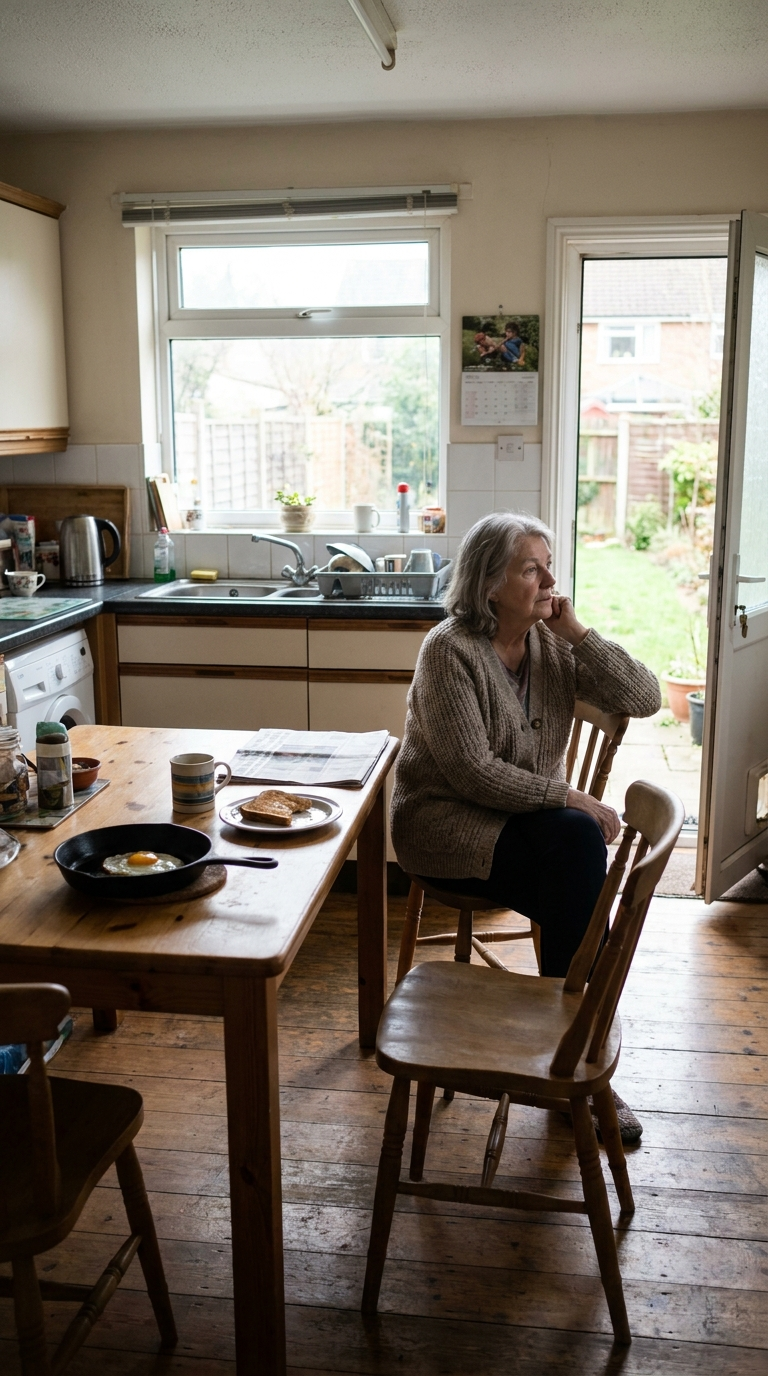
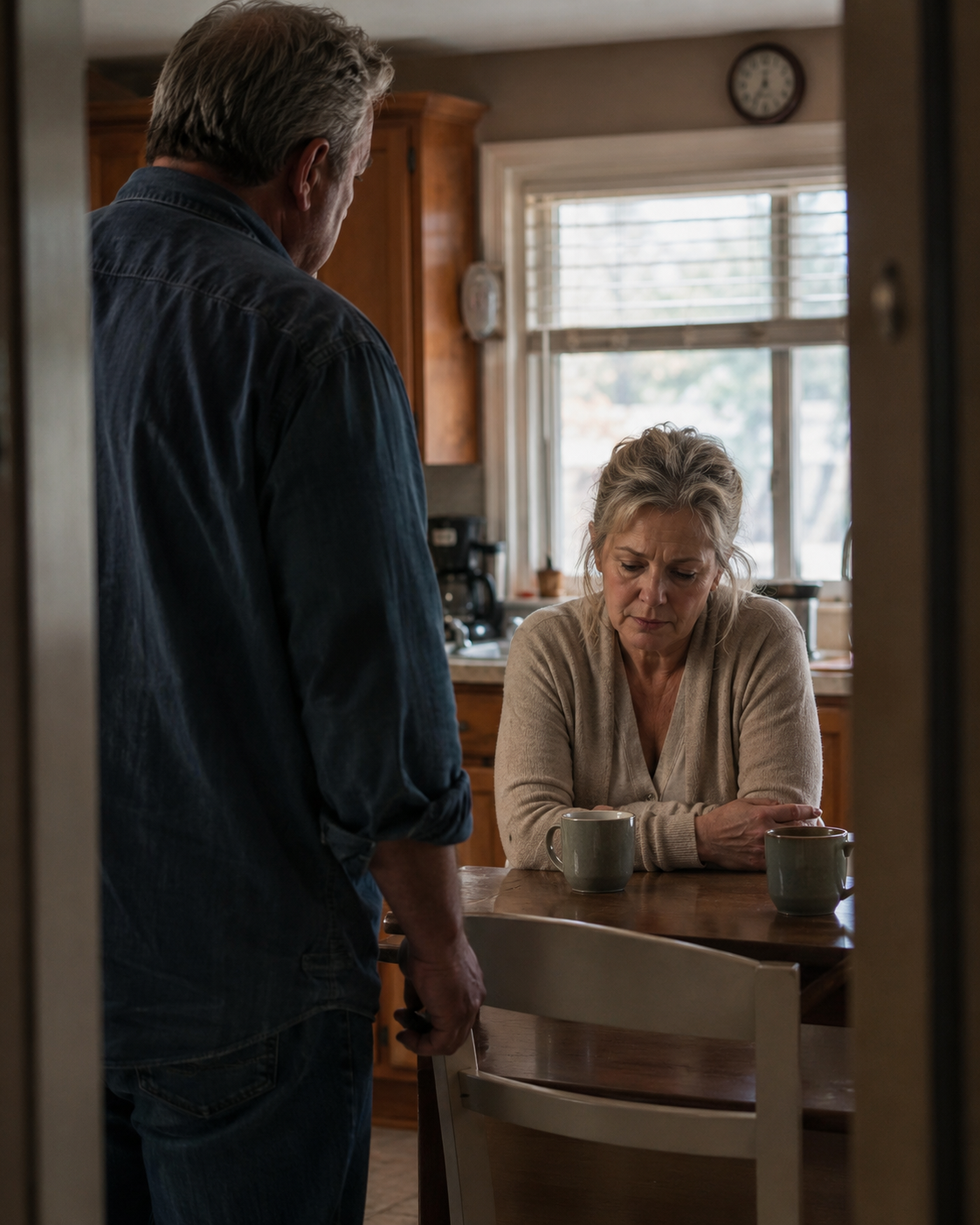
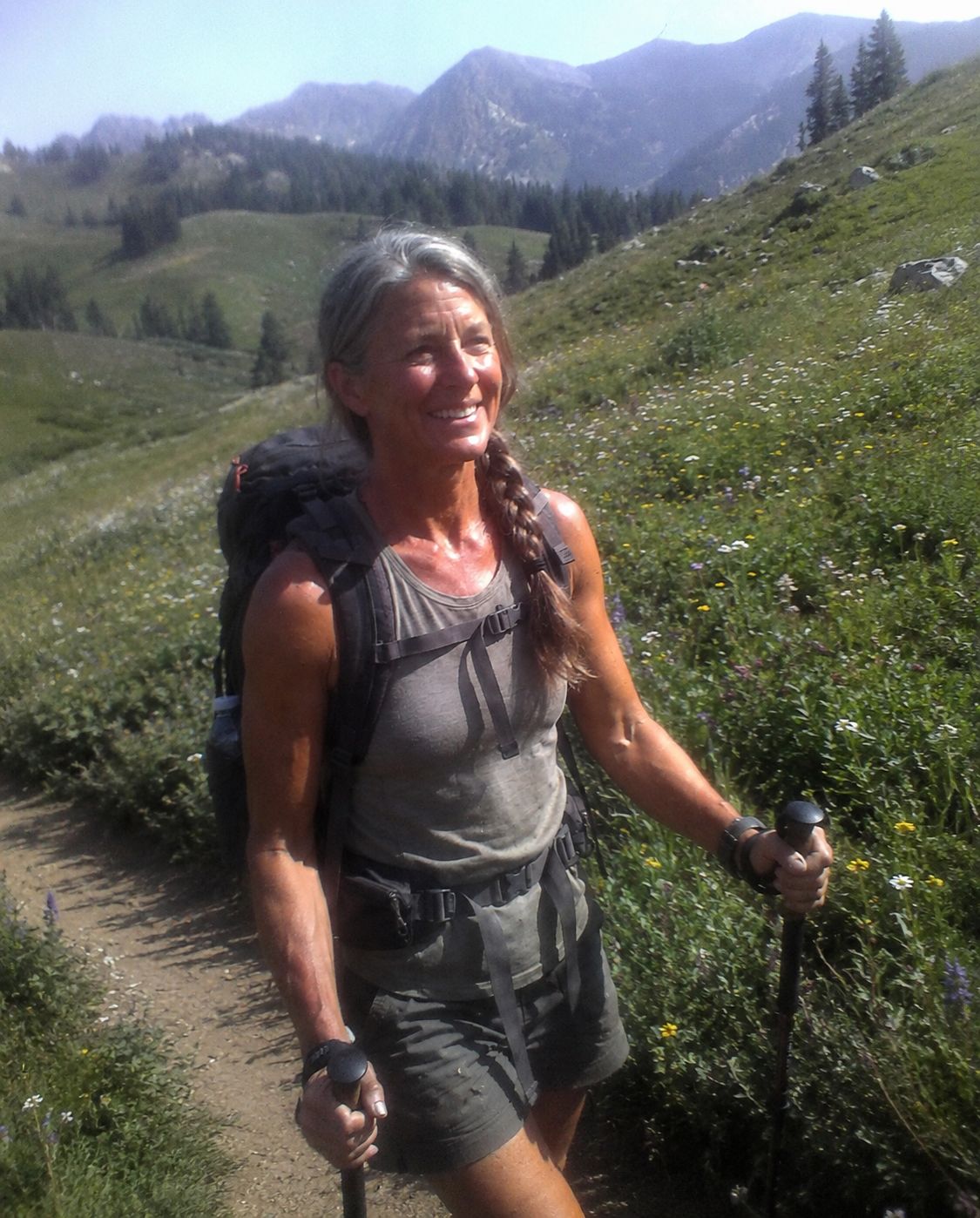
A woman in the bleachers at my grandson's Little League game told me she had been on her cholesterol medication for ten years — and that she had added one small thing to her mornings that her doctor had approved of. I went home that night and started reading. I am sixty-three. My name is Beverly. Bev to everyone I have known longer than five minutes. I retired four years ago from the school district where I had taught third grade for thirty-one years. My husband, Frank, retired the year before me from his maintenance job at the local utility. We have one daughter and one son, both in their thirties, both within an hour of us. We have four grandchildren now. The oldest is eight and plays Little League on the field down at the park on Saturday mornings every spring. I am telling you this because the story I want to tell you happens on those bleachers, on a Saturday morning last April. And the rest of the story does not make sense without the part about who was sitting in the bleachers next to me. I want to back up two years before that, though, to give you context. When I was sixty-one, at my annual physical, my doctor sat down with me at the end of the appointment and showed me my bloodwork. She has been my doctor for fourteen years. She is careful and she is patient and she does not push. She told me my cholesterol numbers had been creeping for three years. This year they had finally edged into a range she wanted to do something about. Not alarming. Not anything she would have treated five years earlier. But the trend was the trend, and at sixty-one she wanted to get ahead of it. We talked for almost half an hour. She told me my family history — my mother had a heart event at seventy-three — meant we did not want to wait and see. She told me she was going to start me on a low-dose cholesterol medication. And that we would watch the numbers over the next six months and decide where to go from there. I took it home and started it the next morning. Six months later, the bloodwork came back where she wanted it. In the ranges. Not borderline. Not perfect. In the ranges. I have been on the same low-dose for two and a half years. It has done exactly what she said it would do. I want to say something here, plainly. The story I am about to tell you is not a story about my cholesterol medication failing me. It is not a story about my doctor and me having a difficult conversation. It is not a story about my numbers being uncontrolled. None of those things has happened. The medication is doing its job. My doctor is doing her job. I am doing my job. The story is about the quiet question I had been carrying alongside the medication for almost two years. Which was whether, on top of what my doctor had me on, there was one small additional thing I could add to my mornings. Something general. Modest. Additive. Structure-function. Something that supported what my body was already doing, alongside what my medication was already doing, without claiming to fix anything. For two years, I had not found anything I trusted. I had read a great deal. I had not found anything I trusted yet. I am sixty-three and I have spent thirty-one years teaching eight-year-olds. I am hard to sell. None of what I had read had felt like the right shape. The Saturday in April was an ordinary Saturday. I drove over to the field with a folding chair and a thermos of coffee. My grandson's team was playing the team from the next town over. Frank was supposed to come with me but his back was bothering him that morning, so I went alone. I climbed up into the bleachers — slowly, because the bleachers at this field are old and I had been finding myself winded on the climb. And I sat down next to a woman I did not recognize. She was, I would guess, about my age. Silver hair cut short. The kind of cheekbones that hold up well into your sixties. She was wearing a fleece zipped up to her chin against the spring cold, and she had a coffee thermos of her own. We exchanged the kind of nods women in their sixties exchange when they end up next to each other at a Little League game on a Saturday morning. It was a long inning. Eight-year-olds make for long innings. About halfway through, she said something offhand about the boy at second base, who was her own grandson. We started talking the way grandmothers do. She introduced herself. Her name was Diane. She lived two towns over. Two daughters. Four grandchildren. The same family geography we did. We talked about the kids and the schools and the houses we had been in for thirty-some years. About forty minutes into the game, when our grandsons were both back in the dugout, she pulled a small pill organizer out of her purse and took something with her coffee. It was the small kind of organizer that has the days of the week on it. I had one just like it in my own purse. She caught me looking and laughed. She said: the joys of getting older. I asked her, in the way you ask another woman in her sixties about something you are managing yourself, what she was on. She said she had been on a low-dose cholesterol medication for ten years. She said the same thing I would have said if she had asked me. Numbers had crept. Her doctor had started her on something small. It had done what it was supposed to do. She had been on it ever since. I told her I had been on the same kind of medication for two and a half years. We talked about it for a few minutes the way women that age talk about their medications. Which is briefly and without performance. Then she said something that stayed with me. She said: About six years ago, I added one small thing to my mornings, alongside the medication. I cleared it with my doctor before I added it. I have been doing it ever since. I asked her what she had added. She said: a beetroot capsule. There is a small company that cold-presses the beetroot rather than processing it with heat. The brand is called Rosabella. She told me she had picked it because her doctor had told her that how the beetroot was processed mattered for what made it into the capsule. And the cold-press had been the reason that brand had stood out to her when she was reading. She told me she had not changed anything else about what she was doing. Same medication, same dose. Same walking. Same eating. Same sleep. She told me she had simply added the one small thing. She told me she had not been pushing it on anyone. Her two daughters did not even know she took it. She had told one woman she swam with three times a week, and that was it. She told me, almost apologetically, that she was telling me because we had been talking about the medication. And it would have felt dishonest not to mention it. I read for three weeks. I am a retired third-grade teacher. I have spent my career being suspicious of explanations that are too neat. Because eight-year-olds are constantly trying to sell them to you. I bring that skepticism to my own health, too. I read about beetroot. I read about the deep crimson pigment called betalain — the color that stains your cutting board for three days. I read about the long, patient relationship the cardiovascular research community has had with this vegetable for decades. In the context of supporting healthy circulation, cardiovascular wellness, and the body's own cellular energy. In people whose numbers are already in the range their doctors want them in. None of what I read was a fireworks story. It was the opposite of one. It was a vegetable that has been quietly studied for a long time by careful people who were not making outlandish claims. The language being used in the careful, structure-function corner of the research conversation was: Supports healthy cholesterol levels already within the normal range. Supports healthy circulation. Supports cardiovascular wellness. Not lowers cholesterol. Not fixes anything. Not replaces what your doctor has you on. That was the language I had been waiting two years to find. I read about the cold-press, too. The chemistry is straightforward. The betalain pigment is heat-sensitive. If you process beetroot the standard way, with heat, you lose some of the compound to the heat. Rosabella cold-presses the root at low temperatures because they want as much of the compound as possible to make it from the field into the capsule. That is a slower way to make a supplement. It costs them more. At sixty-three, after thirty-one years of paying attention to who is doing what and how carefully, I have learned something. The small decisions companies make when no one is watching tell you everything. The other thing I liked was the simplicity. Two capsules in the morning with a glass of water. I have a husband and four grandchildren and a house. I am not interested in a protocol that requires its own shelf. Now I want to tell you the most important part of this letter. Before I added anything to what I was already taking, I called my pharmacist. Her name is Margaret. She is the pharmacist at the independent pharmacy in our town. I have been filling my prescriptions there for nineteen years. I called her for a specific reason. Beetroot supplements and cholesterol medications can interact. The interaction is not necessarily anything. But it depends on the specific medication, the specific dose, what else you are taking, and what your prescribing physician would want for you. That is exactly the kind of small, specific, individualized question a pharmacist can answer in two minutes. And that I was not going to answer on my own. I called Margaret. I told her what I was thinking about adding. I told her the brand, the dosage, the protocol. She pulled up my profile. She looked at my prescription, my dose, my history. She told me she had no concerns about adding it. She told me to take it in the morning, with my medication, the way the bottle suggested. She told me to come back to her if anything changed — if my doctor adjusted the prescription, added anything new, or if I noticed anything I wanted to ask about. She told me, before we got off the phone, that she wished more of her patients made the call I had just made. I want to say something now, plainly, to every reader of this letter. If you are on a cholesterol medication, or any cardiovascular medication, please make the call. Do not, under any circumstances, change your prescription on your own. Not on the basis of what you read in a letter from a retired third-grade teacher in our town or anywhere else. Do not add a supplement to a cardiovascular prescription without asking the pharmacist or doctor who knows your chart whether it is safe for you. The two minutes the call takes is the most important two minutes of your engagement with any supplement you might consider adding. I called Margaret. I would not have added anything to my prescription without that call. Neither should you. I was adding the beetroot to my medication. Not stopping it. Not adjusting the dose. Not changing anything else. The medication continued, exactly as my doctor had it set, throughout everything that follows in this letter. I started on a Monday. The first two weeks I felt nothing in particular. I had read enough alongside what Diane had told me to know that bodies are different. Some people notice something within the first week or two. Some people take much longer. Some people don't notice much at all. I was prepared to land in any of those camps. What I noticed, I noticed slowly. The first thing I noticed, around week five, was the bleachers themselves. I had been climbing those same bleachers for two years to watch my grandson play. They have eight rows. They are old and the spacing is awkward. For the last year I had been pausing at the top of the climb to catch my breath before I picked a row to sit in. Around week five, I climbed up to row five on a Saturday morning and realized halfway up that I was not pausing. I was not catching my breath. I sat down at the top breathing the way I breathed at the kitchen sink. I didn't make a thing of it. I had read enough not to make a thing of one observation. The second thing I noticed, in week seven or eight, was the walks with Frank. We have been walking the same loop around our neighborhood for twenty-two years. Three-quarters of a mile. One small hill. For about a year, I had been letting Frank walk a little ahead of me on the hill and catching up at the top. Around week seven, I caught myself walking the hill with Frank, side by side, the way we used to. He did not say anything about it. He is a quiet man and he notices things. The third thing I noticed was the long days with the grandchildren. We had the two older grandchildren for a full Saturday in early June. They spent the night Friday. We did the zoo Saturday. We did the ice cream place after dinner. We did the bedtime routine at our house and they slept over. A year earlier, that kind of day would have wiped me out for most of Sunday. That Sunday, I was up at seven. I made pancakes. I took the kids to the park. I drove them home at one. I was not running on fumes. I was just running. I want to be careful with what I am telling you. I am not telling you Rosabella did any of those things on its own. My medication continued to do exactly what it had been doing for two and a half years. I had been walking. I had been eating the way someone with my mother's heart history should eat. I had been sleeping seven hours most nights. I had been doing the careful prudent things my doctor and I had agreed on the day she started me on the medication. I had been doing all of that more deliberately in the months after Diane. There were several things changing at once, the way there are when a person decides to pay attention. All I am telling you is that I added one small thing to a long list of things I was already doing. I kept everything else exactly the same — including the medication my doctor has me on. And a quiet stretch of months followed that was qualitatively different from the year that had preceded it. That is the honest version. I would not trust anyone who gave you a cleaner one. I went into my regular six-month follow-up about four months after I started. My doctor ran the bloodwork. The numbers were where she wanted them, in the same ranges they had been the visit before. Not borderline. Not perfect. In the ranges. She told me to keep doing what I was doing. I told her about the beetroot. She had no concerns. She told me Margaret had it in my chart already and that we were all in agreement. She told me to come back in six months. That is the whole story. If you are someone who is on a cholesterol medication that is working — and doing the careful prudent lifestyle things alongside it — and you have been quietly looking for one small additional thing to add to your mornings, I want to say a few things to you carefully. I do not know you. I do not know your medication, your dose, your history, or what your doctor has said. Bodies are different. Some people notice something within the first week or two of adding something like this. Some people take much longer. Some people don't notice much at all. That is the honest version. Anyone offering you a cleaner one is selling you harder than I am. Here is how I think about Rosabella now, in the words I would actually use. It is something the body uses. The research community talks about it in the context of supporting healthy circulation, supporting cardiovascular wellness, and supporting healthy cholesterol levels already within the normal range. It is not a fix for anything. It is not a substitute for a cholesterol medication. It is not a substitute for anything your doctor has you on. It is one small thing you add to the long list of things you are already doing for yourself, alongside everything else. Please call your pharmacist or your doctor's office before you add it. If you are on a cholesterol medication, or any cardiovascular medication, this is non-negotiable. I called Margaret. I would not have added anything to a prescription without that call. Neither should you. The people who know your chart will tell you in two minutes whether the supplement is safe for you, given what you are already taking. I am a retired third-grade teacher whose only authority on this is that I called my pharmacist before I added a beetroot capsule to a prescription. I am not the person to ask. Your pharmacist or your doctor is. The company has a ninety-day satisfaction guarantee. If you are not satisfied — for any reason at all, including just changing your mind — they refund you. It is not tied to your cholesterol numbers. It is not tied to your bloodwork. It is not tied to anything you have to prove to anybody. If you are not satisfied, you are not satisfied. That is the whole policy. The beets are grown on a small operation that harvests on its own schedule. There are stretches when they are in stock and stretches when they are not. I mention that not to push you — please do not let anybody push you into a health decision — but so that if you go to the site and they are out, you know why. That is all I have. Thank you for reading this far. I hope something here was useful to you. And I hope, somewhere today, Diane is sitting on a different set of bleachers watching her grandson play, having a quiet good morning of her own. — Bev P.S. I want to come back to the cold-press for a second. The betalain pigment — the deep red, the part the research community keeps circling back to — is heat-sensitive. Process beetroot the standard way, with heat, and you lose some of the compound to the heat. Rosabella chose the slow way. Cold-press. Low temperatures. More of the compound through to the capsule. It costs them money and time. They made the choice anyway. At sixty-three, I have come to pay attention to the small decisions companies make when no one is watching. Those decisions tell you everything. P.P.S. Two capsules. In the morning. With a glass of water. That is the entire protocol. No powder to mix. No afternoon dose to remember. No schedule taped to the inside of the cupboard. I keep the bottle on the kitchen counter next to my cholesterol medication. I take both at the same time, with my coffee. That is the rhythm of my morning at sixty-three. Frank has the coffee waiting. We have earned a simple morning at this point. P.P.P.S. I am going to say it one more time, because I have to. Please. Call your pharmacist or your doctor's office before you add anything new to what you are already taking. Especially if you are on a cholesterol medication or any cardiovascular medication. They have your whole picture in front of them. I have written you a letter. There is a difference, and the difference matters. The two minutes it takes to ask are the most important two minutes of your engagement with any supplement. P.P.P.P.S. The guarantee, again, in case you skimmed. Ninety days. Any reason at all. You do not have to prove a single thing — not to them, not about your numbers, not about how you feel. If you tried it and you are not satisfied, you are not satisfied, and they send the money back. That is the whole policy. A small-company policy. The kind of thing companies used to do when companies still answered the phone. P.P.P.P.P.S. The thing Diane said to me at the Little League game has been with me for almost a year now. The careful way she said it. The small apologetic tone. The way she walked me through how she had checked it with her doctor before adding it. I do not know what your equivalent of Diane is. Maybe it is a woman you sit next to at a Little League game. Maybe it is a woman you swim with three times a week. Maybe it is a woman in line behind you at the pharmacy. I do not know whether you have one. But if you do, and she says something quiet to you about what she has been doing for a long time, I hope you listen. And I hope you go home and read about it carefully. And I hope you make the call before you add anything. And I hope, in a year from now, you are climbing the bleachers at your own grandchild's game and you realize halfway up that you are not pausing for breath. I hope that for you. That is the whole reason I wrote this. — B. https://track.tryrosabella.com/cdc16426-3e48-40a7-9fad-21098084f6cf DISCLAIMER Individual experiences vary. These statements have not been evaluated by the FDA. This product is not intended to diagnose, treat, cure, or prevent any disease.
Support stamina and heart health every day
"Best customer support ever. My issue was resolved quickly and professionally. I so love how the beetroot capsules are helping manage my blood pressure."
LEARN MORELike this ad? Make it yours.
Crush rebuilds this exact creative around your product — your brand, your colors, your offer — in about a minute.