Luke Harris
Luke Harris Facebook ad: “This tool would have saved 202 hives”
Ran for 7 days, from February 19 to February 26, 2026, the last day Crush saw it.
Run by Luke Harris on Facebook. Crush is not the advertiser and does not verify its claims. See this ad in Meta's Ad Library(opens in a new tab)
Want an ad like this for your product?
Crush makes new ad images for your product from this ad: your logo, your product photo, your offer.
Trials from $19.95 USD, then $79.95 USD a month. Cancel anytime.
About this ad
- Meta Ad Library ID
- 1613740709763399
- Platforms
- Facebook, Instagram, Audience Network, Messenger and Threads
- Relaunches
- 0
Ad text
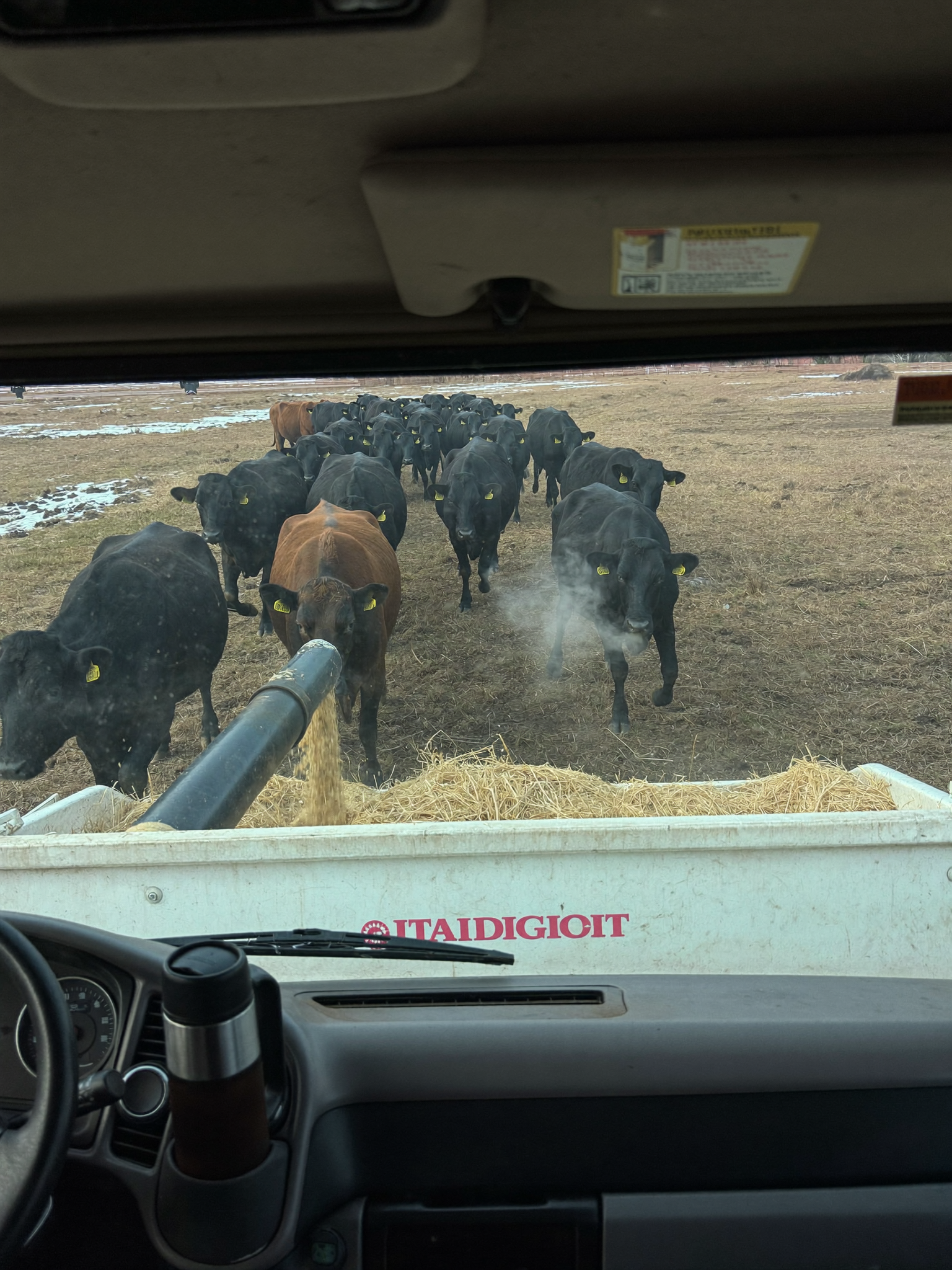
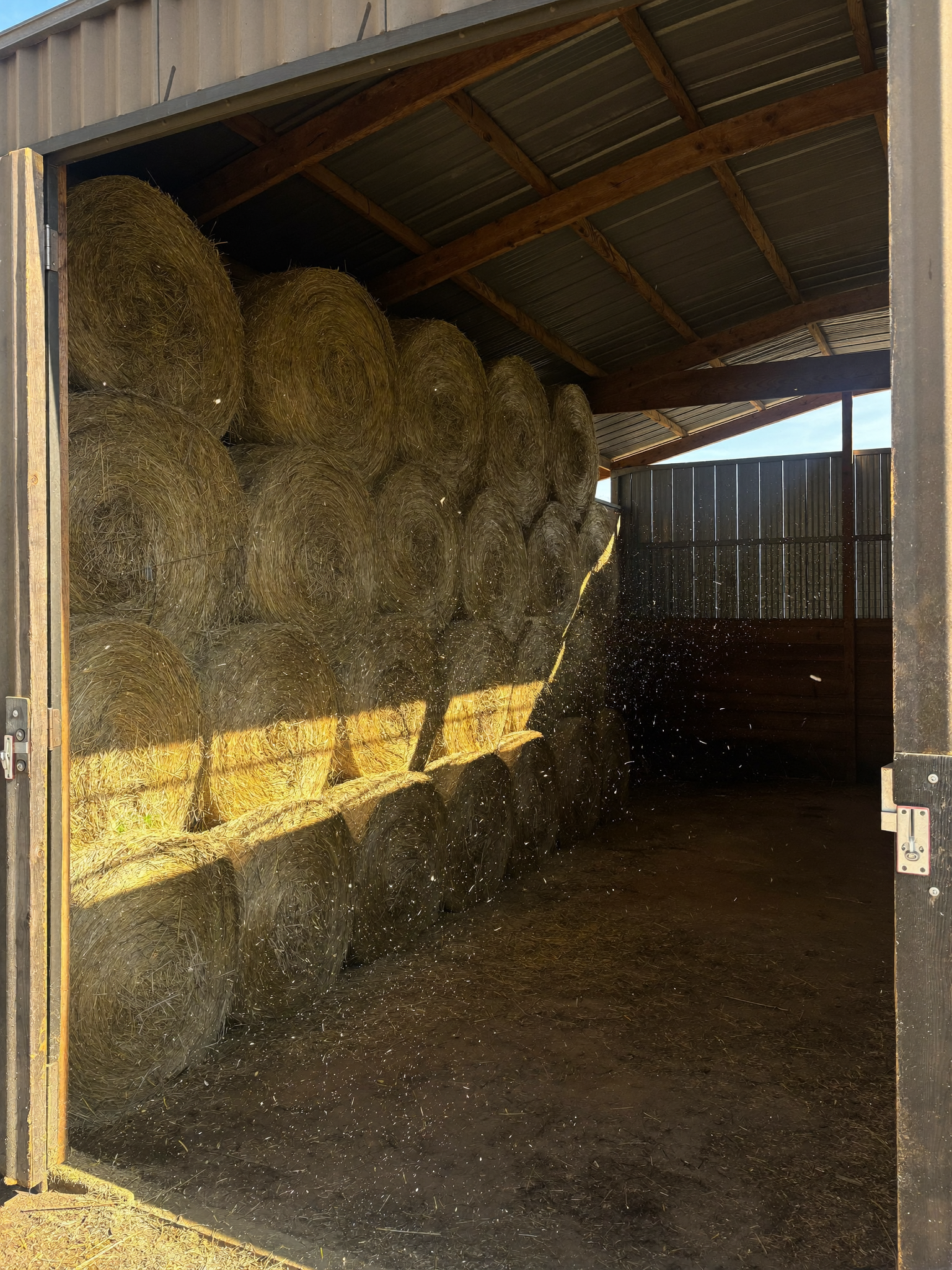
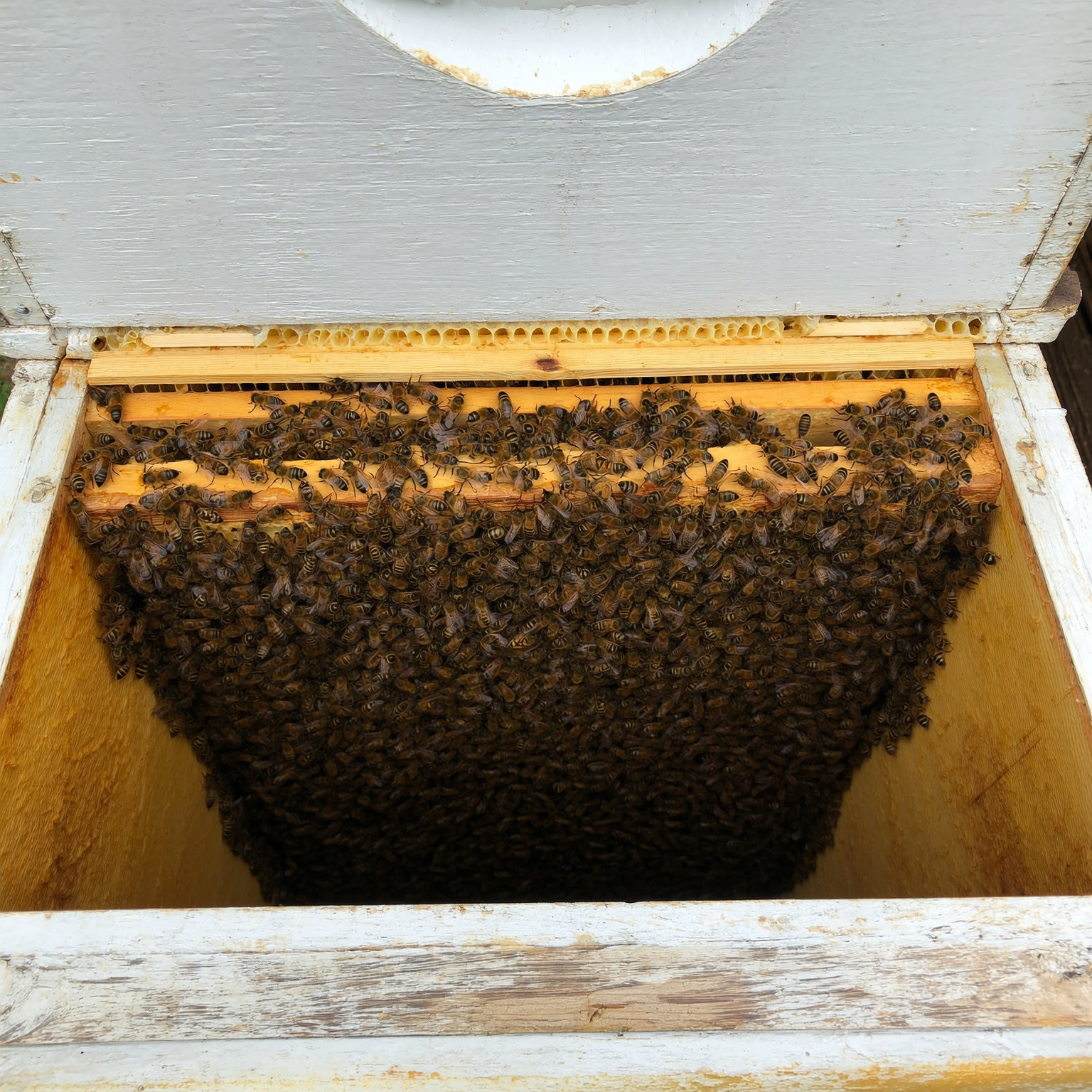
When your daughter walks away from a law career in Minneapolis to come home and keep bees, and you find her standing in a loading yard at 2 AM next to a flatbed with a dead hydraulic crane and 2,400 hives that need to be on a truck heading south in thirty six hours or the first hard freeze will kill every colony she owns, you don't want her thinking about the corner office she left behind. Let me tell you what happened. We run a commercial beekeeping operation out of Bowman, North Dakota. About 2,400 hives. Summer yards spread across the sunflower and clover country of southwestern North Dakota where the rolling prairie throws wildflower bloom from June through September and the bees build honey stores so heavy the supers weigh ninety pounds when you pull them. In winter, the hives travel. Every October, we load them onto flatbed trucks and haul them south to holding yards in the Texas Hill Country where the bees can overwinter in mild temperatures and build up on cedar and mesquite bloom before the almond pollination contracts start in California in February. Third generation. My grandfather started with twelve hives in 1961, a schoolteacher who took up bees as a side project and woke up five years later running four hundred colonies and wondering what happened to his teaching career. My mother expanded to 1,800 hives and built the extracting facility. I took over at twenty five when my mother's bee sting allergy, which she'd hidden from everyone including herself for a decade, finally triggered an anaphylactic reaction severe enough to put her in the Dickinson hospital for two days and end her field career permanently. My daughter Maren went to the University of North Dakota. Pre law and political science. Got into the University of Minnesota Law School. Graduated in the top fifteen percent. Had an offer from a litigation firm in Minneapolis before she'd even passed the bar exam. Starting salary that would have had her earning more in her first year than our honey crop grossed in the best season this operation has ever had. She took it. Worked there two years and one month. Called me on a Thursday night in September, sitting in her office on the thirty fourth floor of a tower in downtown Minneapolis at 11 PM, still billing hours on a contract dispute between two companies she'd never heard of over money that would change neither of their lives, and said, "Dad, I spend my days arguing about things that don't matter for people who don't care. I want to do work that matters. I want to come home." She was in the bee yards by the following Monday. Didn't even finish the case she was working on. Told the managing partner she was leaving the practice of law to practice beekeeping, and he looked at her the way people in Minneapolis look at anyone who voluntarily moves to southwestern North Dakota, like she'd announced her intention to colonize the moon. Drove the eleven hours west across Minnesota and into the Dakotas, parked at the extracting facility before dawn, and walked straight into the nearest bee yard in a veil and gloves she'd borrowed from the shop because she'd never owned a bee suit. Opened her first hive, pulled her first frame, and held sixty thousand bees in her bare hands within an hour because I told her you can't read bees through gloves and she believed me. Found a failing queen in the third hive she inspected, a queen whose brood pattern was spotty and irregular in a way I'd been overlooking because I'd been running 2,400 hives alone and when you're alone you stop seeing the colonies that are dying slowly. Maren saw it because she saw everything she looked at for the first time, without the calluses of routine. Requeened the colony that afternoon. Saved forty thousand bees. That's Maren. Reads the evidence. Acts on the finding. Here's what you need to understand about commercial beekeeping in the northern Plains. Bees are not a crop. They're livestock. Living organisms that breathe and eat and reproduce and die. And they die fast. A healthy colony of sixty thousand bees can be a dead pile of frozen insects in seventy two hours if the temperature drops below fifteen degrees and holds there. Bees survive cold by clustering, they form a tight ball inside the hive and vibrate their flight muscles to generate heat. A strong colony in a well insulated hive can maintain the cluster core at ninety degrees even when the outside air is ten below zero. But that requires energy. The cluster burns through honey stores at a tremendous rate when it's cold. A colony that goes into winter with insufficient stores, or a colony that's weakened by mites or disease, can't maintain the cluster. The ball loosens. The edges freeze. The bees on the outside die and fall to the bottom board. The cluster shrinks. More bees on the new outside die. The colony spirals. By morning, the hive is silent. And unlike cattle or sheep, you can't supplementally feed a bee colony in a blizzard. You can't drive hay to them. You can't distribute grain. The bees are sealed inside the hive in their cluster. If they don't have enough stored honey to burn through the cold, they die. Period. There is no emergency intervention that works at minus twenty degrees on a North Dakota prairie. The only management tool is migration. You move the bees. Every fall, between the last honey pull in September and the first hard freeze in October, you load every hive onto flatbed trucks and haul them south. Every hive that's on a truck heading to Texas is a hive that survives. Every hive that's still sitting in a North Dakota bee yard when the temperature hits single digits is a hive you'll find dead in the spring, sixty thousand frozen bees on the bottom board and empty comb above them, a monument to the week you ran out of time. A dead colony is not just sixty thousand dead bees. It's a $250 package of replacement bees in the spring, plus a queen at $35, plus the lost honey production for the following season, plus the lost pollination contract revenue from the almond groves in California, which pay $210 per colony. A dead hive costs roughly $650 to replace in lost revenue and inputs. Multiply by the number of hives you didn't move. That's the math. Last October, we were loading. Migration was running on schedule. First eight hundred hives were already on trucks and en route to the holding yards in the Texas Hill Country. Second load of eight hundred was staged in the loading yard, palletized on four hive pallets, ready for the crane to stack them onto the flatbeds. Then the forecast updated Tuesday morning. An arctic air mass had broken loose from the polar vortex and was plunging south across Saskatchewan toward the northern Plains. Not the gradual October cooling that North Dakota expects, where the temperature drops a few degrees each week and you have a comfortable window to move the bees. A genuine arctic outbreak. Temperatures forecast to crash from forty four degrees to six degrees Thursday night into Friday morning. Sustained single digits through the weekend. Wind chill below minus fifteen. The kind of cold that kills a bee colony in a North Dakota yard as surely as stepping on it. We had thirty six hours to load the remaining 1,600 hives onto flatbeds and get them rolling south. Our loading crane, a truck mounted hydraulic knuckle boom on a Peterbilt flatbed, could load about 400 hives per day running from dawn to dark. Four days of loading to move 1,600 hives. We had a day and a half. I'd called in every favor. Two other beekeepers were lending us their flatbeds. A friend with a grain truck was letting us stack hives on his empty trailer. But every truck was useless without the crane. You can't hand load a four hive pallet. Each pallet weighs between 300 and 400 pounds. The crane lifts them off the ground and stacks them on the flatbed, four pallets high, strapped and netted, ready to roll. Without the crane, the hives sit in the yard. Tuesday night, 10 PM, Maren was running the crane under the yard lights. Loading the second flatbed. At 10:20 PM, the knuckle boom stopped extending. The crane's hydraulic knuckle had a pivot pin retaining bolt that had worked loose from the constant cyclic stress of lifting four hundred pound pallets, swinging them over the truck bed, and setting them down precisely, four hundred times a day for the last week of loading. Every lift is a load cycle on that bolt. Lift, swing, set, release, return. Four hundred cycles a day. Seven days of loading. The bolt backed out far enough that the pivot pin walked, the knuckle lost its lock, and the boom couldn't extend past forty five degrees. It would lift a pallet off the ground but couldn't swing it over the truck bed. The crane was picking up hives and holding them in the air with nowhere to put them. Not a hydraulic failure. Not a cracked boom or a blown cylinder. A single pivot bolt. Seat it, torque it, and the pin locks, the knuckle holds, and the boom swings. Maren had the bolt. She always had the bolt. The month she came home, she inventoried every critical fastener on the crane truck, both flatbeds, the forklift, the extracting line, the wax melter, and the honey pump. Built the inventory in a legal brief format because two years of litigation had made that the only organizational structure her brain would accept. Every bolt had a case file. Thread specification, torque value, material grade, precedent of failure, evidence of wear, and a recommended inspection interval she'd determined by cross referencing our maintenance records with the manufacturer's service bulletins. The crane pivot bolt had been flagged for replacement. She'd ordered spares in September. They were sitting in a labeled evidence bag on the shop shelf, because old habits from the litigation practice meant everything critical went in evidence bags with chain of custody labels that she repurposed as parts identification tags. Lawyer's discipline. She managed replacement parts the way she managed case files, indexed, annotated, and never more than arm's reach from the relevant authority. The bolt sat in a pocket between the knuckle boom's pivot housing and the crane's main column frame. Less than an inch of clearance. Pivot housing on one side. Column frame plate on the other. Boom guard plate bolted across the top. Hydraulic supply and return lines for the knuckle cylinder routed along the bottom. And everything was coated in a film of propolis, the resinous substance bees manufacture to seal their hives. Propolis gets on everything in a bee operation. It's sticky at warm temperatures and brittle at cold temperatures and at the forty degree air of an October night in North Dakota it was somewhere in between, a tacky, amber film that coated every surface of the crane and made every tool stick to every piece of metal it touched while simultaneously preventing any tool from seating cleanly on any bolt. Maren could see the bolt hole. Could start the bolt one and a half turns with her fingertip. She spent five hours on it alone before she came to find me at the extracting facility. Five hours. That's Maren. At Minnesota Law, she once spent three consecutive weeks reconstructing a chain of evidence in a contract fraud case that the senior partner said was unbuildable with the available documents. Maren said unbuildable wasn't the same as untrue. Found the link in a footnote on page 347 of a deposition transcript that everyone else had dismissed as irrelevant. Won the case. Same refusal to accept that the answer doesn't exist just because nobody's found it yet that makes a great litigator makes a daughter who will stand in a loading yard until her hands are sticky with propolis and her back is screaming before she comes inside and says the bolt beat her. She walked into the extracting facility at 3 AM. Hands amber with propolis and hydraulic oil. A deep scrape across three knuckles on her right hand from the boom guard bracket. Bee suit still on but unzipped to the waist because you can't work on a crane in a fully zipped bee suit and the bees were clustered for the night anyway. Hair stuck to her neck from the propolis that somehow gets into everything including places propolis has no physical reason to be. Voice level. Precise. The courtroom tone she uses when the evidence has been presented and the verdict is going to be unfavorable but the record still needs to be made. "Crane knuckle pivot bolt. I can thread it. Can't get a tool behind the column to torque it. Propolis on everything." I was at the crane in ten minutes. Full socket set, headlamp, can of solvent to cut the propolis, every extension and adapter I owned. Tried everything Maren had tried. Tried things from twenty eight years of loading bee hives that law school doesn't cover. Standard ratchet. Handle hit the column frame before the socket reached the bolt. And the propolis on the handle made it impossible to grip. My hand slid off and the ratchet dropped onto the flatbed deck with a sound that was louder than it should have been in the 2 AM quiet of a bee yard. Stubby ratchet. Got into the pocket. Couldn't reach the bolt depth. Short by two inches. Sprayed solvent on everything. The propolis softened but didn't clear. Turned from a film to a glue. Made things worse. Flex head ratchet. Flexed into the boom guard the instant I loaded it. No engagement. The flex joint was gummed with propolis and wouldn't hold any angle. Deep socket on a long extension. Extension too wide for the gap between the pivot housing and the column. Would not enter the space. Wobble socket on a shorter extension. The wobble, combined with propolis on every surface, meant the socket slid off the bolt hex like it was greased. Four attempts. Each one the socket skated off the bolt and stuck to the pivot housing. Had to pry it loose each time. Universal joint adapter. Torque went everywhere. The propolis made the adapter stick to the housing at random points, which redirected the force into the structure instead of the bolt. Couldn't feel the bolt. Couldn't feel the tool. Could only feel the propolis pulling at everything like flypaper. Crow foot wrench. Wrong profile. Body hit the pivot housing before the jaws reached the bolt. And propolis filled the jaws within seconds of entering the space, effectively gluing the wrench to the crane. Cut my forearm on the boom guard bracket. Scraped both wrists raw on the column frame. Pinched my thumb between the pivot housing and the hydraulic fitting. The propolis sealed the wound closed before I felt the sting, which is a trick propolis has been performing on beekeepers for as long as beekeepers have existed. Maren stood beside me through every attempt. Handing tools in order. Methodical. Already knowing the result. The way she'd hand exhibits to a judge, organized, tabbed, each one offered knowing it would be insufficient but needing it in the record before moving to the next argument. Ratchet. Extension. Stubby. Flex. Wobble. Universal. Crow foot. All offered. All insufficient. All entered into evidence. Case for the defense exhausted. None of them worked. By 8 AM Wednesday, we had nine combined hours on one bolt. And in the loading yard, 1,600 hives sat on the ground in neat rows of pallets. Each one containing roughly sixty thousand bees. Ninety six million bees total, clustered inside their hives, metabolizing honey, maintaining warmth, completely unaware that the temperature was about to drop forty degrees in twenty four hours and that their survival depended entirely on whether their beekeeper could get a tool on a bolt behind a crane column. That's when Maren stepped back from the crane. Peeled the propolis off her fingers, which takes several minutes because propolis doesn't peel clean, it stretches. Sat down on the edge of the flatbed. Looked across the loading yard at the rows of hives. And that's when I saw it. Not on her face. Maren doesn't show things on her face. She learned that in the courtroom, where the opposing counsel reads your face for weakness and the judge reads it for confidence and showing anything other than calm certainty is a tactical error. I saw it in her hands. The way she held them in front of her, palms out, looking at the propolis stains the way a lawyer looks at a brief she can't file. The kind of thing only a father sees. She'd turned down Minneapolis. Walked away from the firm. Left the salary and the partnership track and the career that had her billing at $385 an hour and on pace for equity consideration by thirty five. Left the apartment in the North Loop where the walls were clean and nothing was sticky and the temperature was always comfortable. Left the man she'd been seeing, another associate at a different firm who understood hundred hour weeks and never asked her to explain why she drove eleven hours every summer to stand in bee yards in North Dakota. Left because she believed these bees and this land and this honey were worth more than any verdict she would ever win for a client she would never meet. Because she believed her hands and her mind and her willingness to stand in a loading yard at 2 AM could keep these colonies alive for one more generation in an industry where the average commercial beekeeper in the northern Plains is fifty seven years old and every winter takes more hives than the spring can replace. And here she was. Nine hours into a bolt she couldn't turn. Watching her father fail at the same one. Sixteen hundred hives on the ground. Ninety six million bees. And an arctic air mass pouring out of Saskatchewan, six degrees by Friday, every colony on the ground about to die in its hive if the crane didn't lift and the trucks didn't roll. Called the crane service company in Dickinson. "We're booked. Every bee outfit in the region is trying to load ahead of this cold snap. Maybe next week." The freeze was coming Thursday night. Called two mechanics who worked on truck mounted equipment. First one was already at a bee operation near Rhame dealing with the same loading panic. Said maybe Friday. Second one was out of the state at a farm show in Iowa. Not available. That's when the tan Ford with the North Dakota Beekeepers Association sticker on the bumper and a cloud of propolis aroma that preceded it by ten feet pulled into the loading yard. Earl Berglund. Seventy eight years old. Kept bees in the southwestern North Dakota prairie for fifty two years before his back surgery and his bees' collective decision to sting him fourteen times during a late season inspection, which his doctor said was his body's way of telling him to stop, convinced him to sell his hives and his honey line and his truck to a younger beekeeper. Still drove out every fall to watch the loading and tell anyone who'd listen that they were loading too late or netting too loose or stacking too high. Somebody at the bee supply warehouse in Beach told him our crane was down. He walked through the loading yard the way old beekeepers walk through bee yards, slow, deliberate, no sudden movements, because fifty two years of working around stinging insects rewires your nervous system permanently and an old beekeeper moves through the world like a man who is always surrounded by things that might hurt him if he startles them. Looked at the crane. Looked at the pocket. Looked at the tools laid out on the flatbed deck, every one of them amber tinted with propolis like artifacts from a failed archaeological dig. Heard the hives. Because you can hear them. On a cold morning, two thousand hives hum. Not loud. A vibration more felt than heard. The sound of ninety six million organisms generating heat. Trying to live. Looked at Maren. "Minnesota Law?" he asked, squinting at the maroon M on her cap. "Litigation. Two years at a firm in Minneapolis. Came home last year." Earl nodded. The slow nod of a man who has spent five decades understanding that bees don't care about credentials. "Lawyers always build the best case. Just don't always carry what fits into the space where the case needs to be made." Walked back to his truck. Came back with a flat steel tool. About 15 inches long. Thin as a ruler. Socket fitting on one end. Square drive on the other. Housing stained deep amber from years of propolis and wax and honey and the particular golden patina that accumulates on every surface in a bee operation, a color you can't buy and can't fake and that tells another beekeeper this tool has been in the hives. A strip of old queen cage wire wrapped around the middle where the original grip had worn through, because beekeepers fix everything with queen cage wire and hive staples and the lid from a hive tool and whatever's in the pocket of a bee suit. "Offset extension wrench," he said. "Fellow I used to buy queens from, runs a big operation over near Amidon, he put one of these in my hand back in 2016. Used it on every truck and crane I touched for the last six years I kept bees. Doesn't matter if it's sticky, doesn't matter if it's dark, doesn't matter if propolis has turned everything into a fly trap. Goes in, seats, turns. On loading day in October, that's the only thing I care about." He stepped to the crane the way old beekeepers step to anything, slowly, and angled the socket end into the pocket between the pivot housing and the column frame. Past the boom guard. Under the hydraulic lines. Into the counterbore where the bolt sat behind its film of propolis and oil. Smooth and unhurried, the socket pushing through the tacky resin like a hive tool sliding between propolised frames, by feel, by knowledge, by the certainty of a man who has worked with sticky, difficult, living things his entire life and learned that patience and angle solve what force cannot. Socket seated on the bolt head. Clean. Through the propolis. Solid. He looked at Maren. "Your crane. Your bolt." Maren took the drive end. Applied rotation. Steady, measured force. The same deliberate, incremental pressure she used building an argument, one element at a time, each turn verified, trusting the mechanism to deliver the conclusion. No sudden movement. No forcing. Bolt seated. Pin locked. Knuckle engaged. Boom swung. Forty five seconds. Forty five seconds for a bolt we'd spent nine hours fighting. While ninety six million bees waited on the ground. Maren didn't hold the tool. Didn't examine it. She climbed into the crane seat, swung the boom over the first pallet, and started loading. First pallet off the ground. Over the bed. Set. Strapped. Next pallet. She loaded with the fluid, precise efficiency of someone who understood that the evidence had been presented and the verdict was time and every minute of oral argument was a minute the jury was already deliberating. She loaded for sixteen hours. Through Wednesday. Into Wednesday night. Dawn Thursday. Four hundred hives per truck. Four trucks staged and rolling south by Thursday morning. I drove the lead truck. Maren loaded the last pallets onto the final flatbed at 3 PM Thursday with the temperature already dropping through the thirties. Then she came back to the crane. Shut it down. Picked up the wrench from the dash where she'd set it that morning. Held it. Turned it over in her hands. Felt the chain transfer rotation from one end to the other. Ran her thumb along the propolis stained housing. "Chain driven parallel transfer. One to one ratio. Zero arc at the output." Earl was sitting in his truck with the engine running for heat, window down, watching her with the expression of a man who has just watched someone save ninety six million lives one pallet at a time. "I've been calling it my bee saver for six years. That's the first time it's had a proper legal name." All four trucks were rolling south by 4 PM Thursday. The freeze hit Thursday night. Temperature dropped through twenty at 8 PM. Hit twelve at midnight. Bottomed at four degrees Friday morning. Wind chill minus eighteen. The water in the bee yards froze. The grass went white. The loading yard where 1,600 hives had been sitting twelve hours earlier was empty and frozen. But we didn't save them all. We still had 280 hives in two remote yards east of us, near Reeder. Our best producers. The yards we'd placed in sunflower country because the bees built the heaviest honey stores on the property from the sunflower bloom. Last yards to pull because they were the farthest from the loading yard and we always planned to load them on the final run. We never made the final run. The nine hours we lost to the crane bolt on Tuesday night and Wednesday morning pushed every subsequent load back. By the time the fourth truck was loaded Thursday afternoon, the temperature was already dropping and the two hour drive to the Reeder yards and back would have put us loading hives in the dark in near freezing conditions, which is dangerous because cold bees are angry bees and loading angry bees in the dark on a flatbed with a crane is how beekeepers end up in emergency rooms. The 280 hives sat through the freeze. Through the weekend. Through the following week when temperatures never recovered above the mid twenties. When we finally got trucks out to those yards ten days later, 142 of the 280 colonies were dead. Frozen cluster. Bees on the bottom board. Silent hives. The remaining 138 had survived but were weakened. Reduced cluster size. Depleted stores. Sixty of those 138 were too weak to make the trip to Texas and had to be combined with other colonies, which effectively killed them as independent production units. Final damage: 202 colonies lost or functionally destroyed. At approximately $650 per colony in replacement cost, lost honey production, and lost almond pollination revenue, the total was roughly $131,000. From one bolt we couldn't turn for nine hours on a Tuesday night while the arctic air organized over Saskatchewan. A hundred and thirty one thousand dollars. Twelve million dead bees. That weekend, Maren ordered the same tool Earl had brought. Ordered six. One for the crane truck. One for each flatbed. One for the forklift. One for the extracting facility. One for the shop wall, mounted on a stainless bracket she fabricated with the part number engraved below it and sealed in a coat of marine varnish, because propolis will cover any exposed surface within a week and she needed to be able to read the part number in October when it matters. Eighty nine dollars each. Adapters not included, runs a standard half inch square drive, you use your own sockets. Since then, we've used them more times than either of us can count. Three times on the crane truck. That same pivot bolt again the following October, same load cycle failure. A boom extension cylinder pin bolt buried behind the column housing in a space the crane manufacturer apparently designed for a mechanic with no arms and infinite serenity. And a hydraulic manifold valve bolt recessed behind the crane base frame where the manual says to remove the entire boom assembly, a full day in a shop that Maren did in twenty minutes in the loading yard. Twice on the extracting line. Uncapping chain drive bolt wedged between the extractor frame and the motor housing. Honey pump coupling bolt crammed behind the pump frame in a gap that fills with crystallized honey and wax until the bolt is effectively entombed. Once on the forklift. Mast cylinder pin bolt tucked behind the mast rail and the carriage frame. Would have been a shop job. Maren did it in the loading yard in fifteen minutes. Once on the wax melter. Drain valve bolt buried behind the melter frame and the steam jacket housing. Bolt corroded from years of hot wax and steam. Would have required pulling the jacket. Maren did it in twenty minutes. Once on my truck. Starter bolt on the old Ram that sits between the block and the bellhousing in a space Dodge apparently designed as a philosophical statement about the futility of self sufficiency. And two weeks ago, a young man who'd just started his own bee operation east of us near Bowman called the shop. First migration on his own. Twenty four years old. Four hundred hives. His loading crane's swing bearing bolt had backed out. Hives on the ground. Cold in the five day forecast. His voice was steady but tight. The voice of a young man standing in a loading yard doing the math on 400 hives times $650 per colony and realizing the number is larger than his entire operating line of credit. Maren didn't ask a question. Pulled the wrench off the shop wall. Said "I'm coming" and was in her truck before he finished giving her the yard coordinates. Drove over. Bolt seated in under ninety seconds. The kid stood in the loading yard looking at the tool. Then at Maren. Then at the hives, humming on the ground, waiting to be loaded, waiting to live. "Why doesn't every bee outfit in the state have one of these?" Maren texted him the link from the loading yard before she pulled out. Clean. No explanation. Litigator's efficiency, submit the evidence, rest the case. He ordered four that night. Here's what nobody tells you when your child gives up their career to come home. This equipment isn't built for a loading yard. It's engineered in climate controlled facilities and tested in heated service bays by technicians who charge $195 an hour and are booked solid during the exact five day window when every commercial beekeeper in the northern Plains is loading hives as fast as the crane will swing because an arctic front is dropping out of Canada and every colony still on the ground when the temperature hits single digits is a dead colony and twelve million dead bees and a $131,000 hole in your life. Every bolt that matters is buried behind a housing, a frame, or a guard. Every breakdown during loading season is a race between your toolbox and the thermometer. And every hour you can't fix it is another hour your daughter stands in a loading yard, looking at hives she can't lift, silently measuring the distance between the career she left and the one that just stopped her cold with a bolt she can see but cannot turn while sixty thousand bees per hive hum inside their boxes waiting for a truck that isn't coming. But when you've got something that reaches into those impossible pockets. Something thin enough to slide past the housing and the guard and the frame and the hydraulic lines. Something with a chain drive inside that transfers real torque without needing swing room or an arc. Something that works through propolis, works in the cold, works in the dark, works at 2 AM in a loading yard in October when the season has twelve hours left and the bees have less. Those "pull the boom, tow to the shop, wait a week" disasters become twenty minute yard fixes. And yard fixes mean the crane swings. The pallets lift. The trucks roll south. The bees live. And your kid sees the problem solved. Sees the hives loaded. Sees the colonies heading to Texas where the winter can't reach them. Sees that the decision to come home, the firm she walked away from, the career she left, the future she traded for bee stings and propolis and the chance to keep her grandfather's bees alive for one more generation, all of it was right. It's called the PRO Offset Extension Wrench. About 15 inches long. Half an inch thick. Chain drive inside transfers rotation where ratchets can't swing. Adapters not included, runs a standard half inch square drive, you use your own sockets. Eighty nine dollars. Less than a single replacement queen and package of bees. Less than fifteen minutes of crane service labor. Less than seven hundredths of one percent of what that freeze cost us on the Reeder yards. I'm not going to tell you this tool will save your bees. But there's going to come a night. Probably the worst night of the tightest window of the year. When your daughter walks into the shop at 2 AM with propolis on her hands and a photo of a bolt she can't reach. Or your son calls from the loading yard with his voice cracking. Or you're standing alone under a yard light next to a dead crane, bleeding from your knuckles, reaching into some gap behind a pivot housing that mocks every tool in your box, while the temperature drops and the hives hum and everything, the bees, the cold, the trucks, the money, the kid who chose this life over the one that was waiting for her, all of it comes down to one bolt in one impossible space. When that night comes, you either have the tool or you don't. We didn't. Now we do. Every crane. Every truck. Every toolbox on the operation. Mounted, labeled, and exactly where you can grab it at 2 AM when the freeze is thirty six hours out and one bolt is all that's standing between you and getting the bees on the truck. Link's below. I hope you never need it the way we did.
Where the ad sends people
thesavary.com
This tool would have saved 202 hives 👆
Savary
Shop now: thesavary.com(opens in a new tab)