Dr. Vanessa Veracruz
Dr. Vanessa Veracruz Facebook ad: “The Truth About Receding Gums”
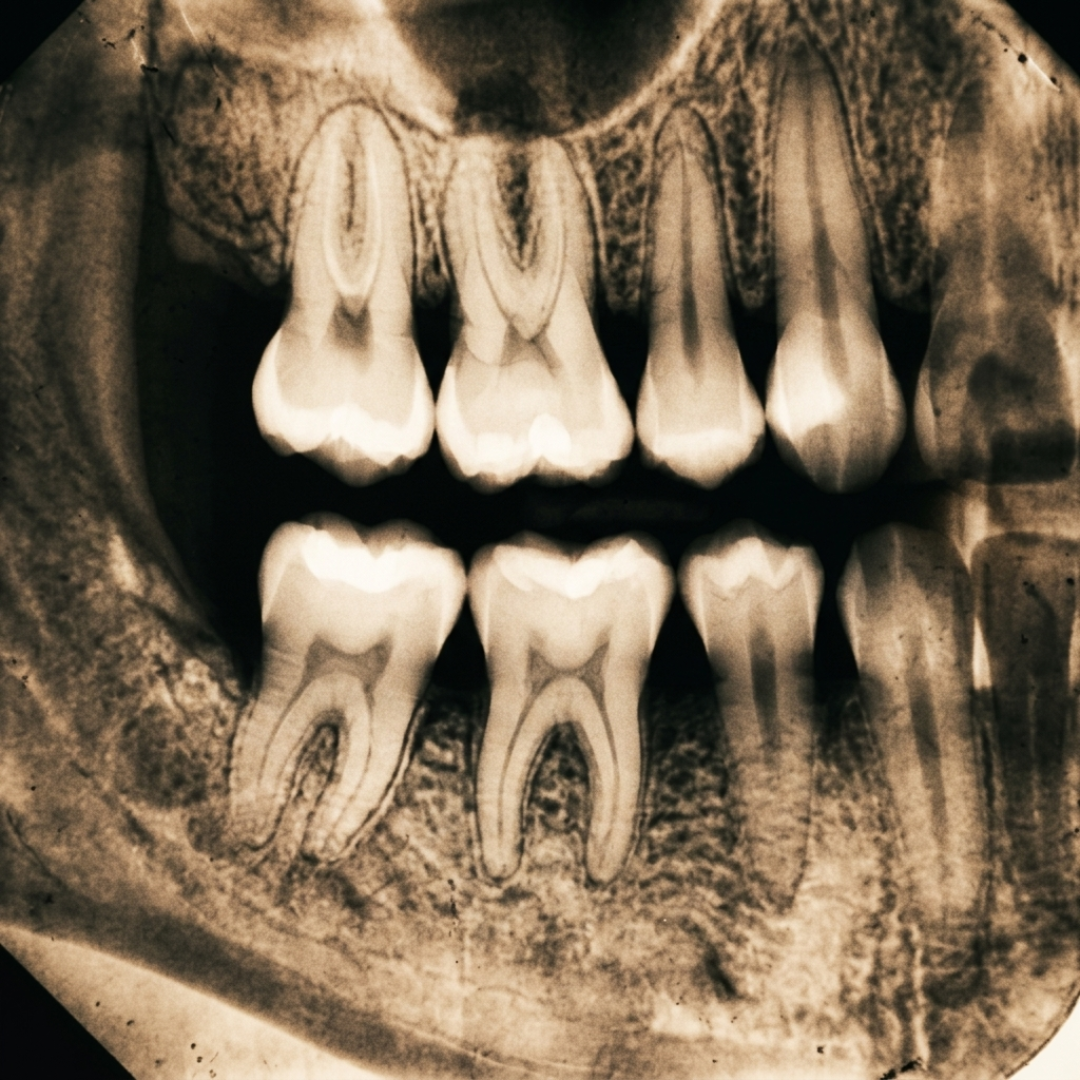
Ran for 58 days, from May 6 to July 3, 2026, the last day Crush saw it.
Run by Dr. Vanessa Veracruz on Facebook. Crush is not the advertiser and does not verify its claims. See this ad in Meta's Ad Library(opens in a new tab)
Want an ad like this for your product?
Crush makes new ad images for your product from this ad: your logo, your product photo, your offer.
Trials from $19.95 USD, then $79.95 USD a month. Cancel anytime.
About this ad
- Meta Ad Library ID
- 1998588047394305
- Platforms
- Facebook, Instagram, Audience Network, Messenger and Threads
- Relaunches
- 0
Ad text
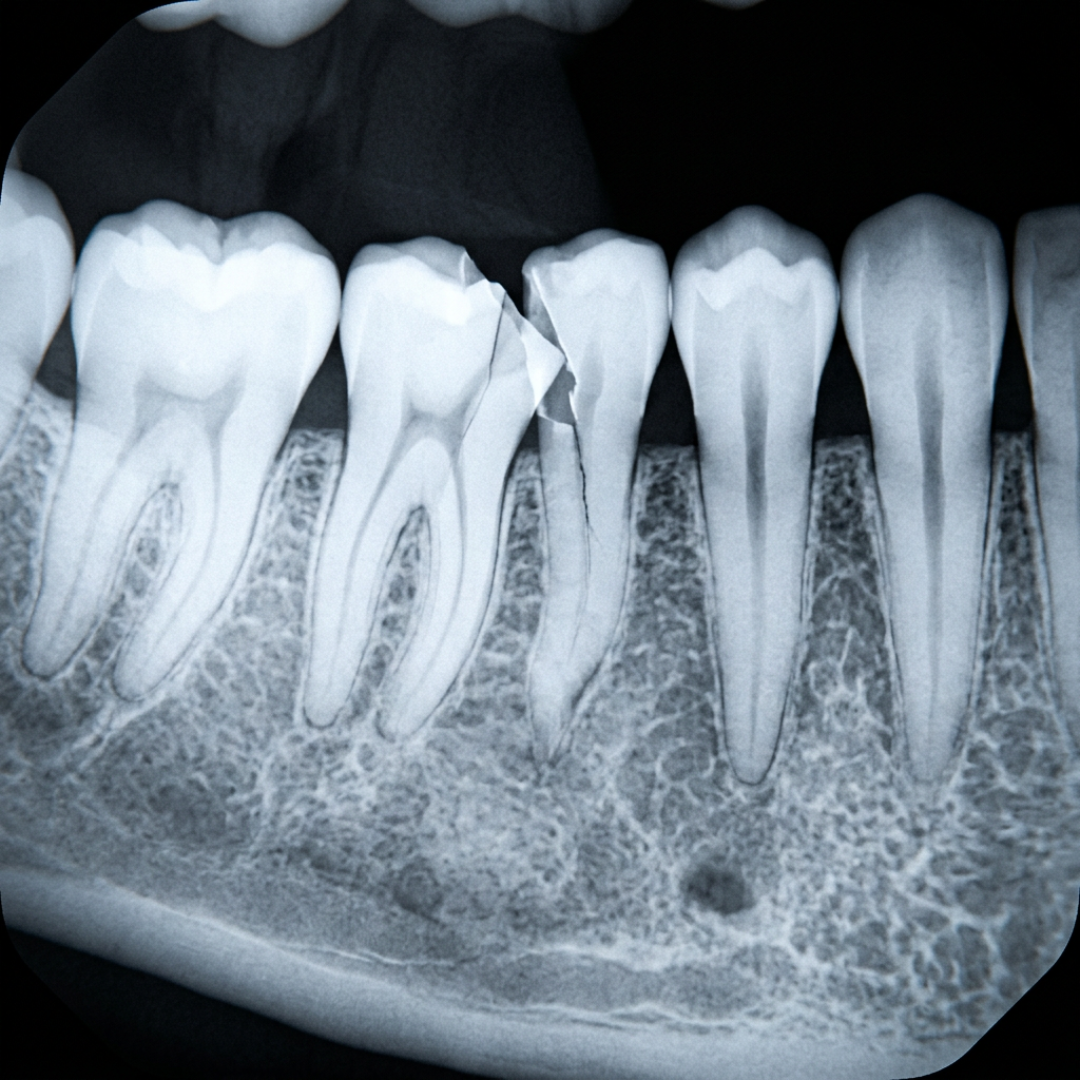
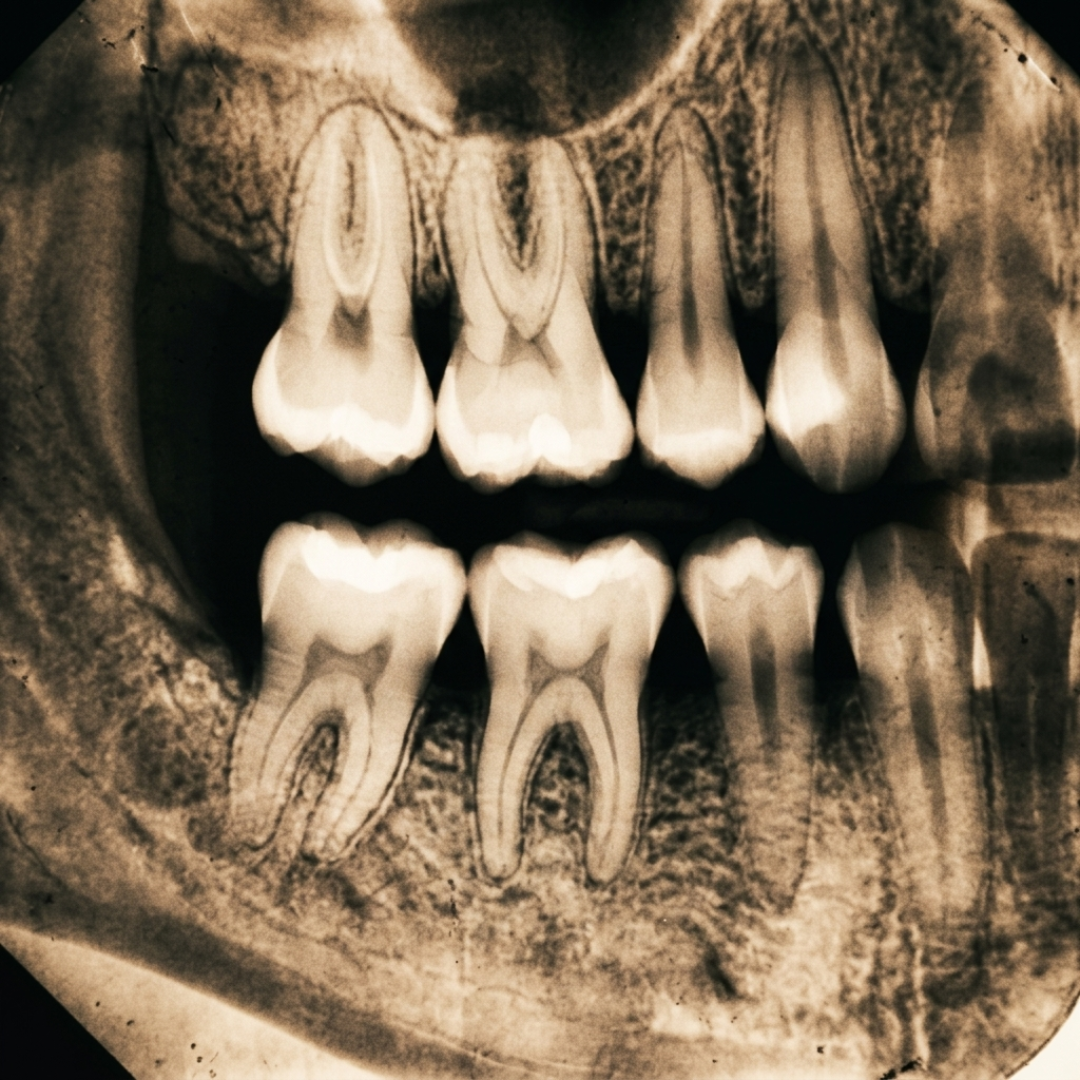
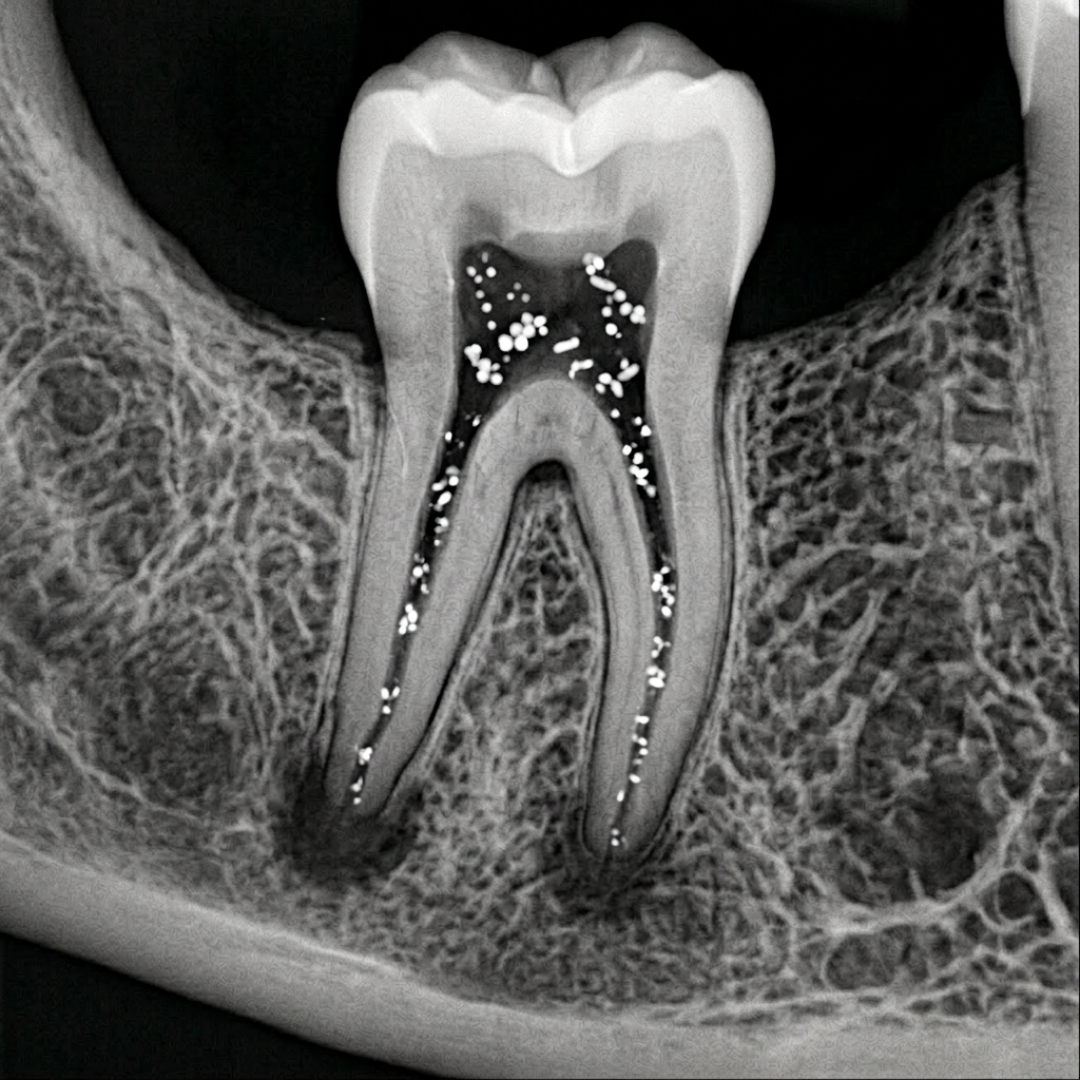
I've been a periodontist for 8 years. And I'm not afraid to admit that if it wasn't for my mother, I would have never questioned what I was taught. And by the end of this, you're gonna be pissed. Because there are three things happening right now: One — Your gums are receding because bacteria are breaching through weakened enamel at your gumline. And nobody is telling you. Two — The dental system is gaslighting you into thinking "monitoring it" is treatment And three — There's a $4,000 to $8,000 gum graft industry that profits every single day you don't seal the barrier they won't tell you about So let me tell you what happened with my own mother, because her story is gonna change the way you think about everything your dentist has ever told you. My mother is 66. Retired teacher. Lives twenty minutes from my practice in Kansas City. For THREE YEARS, I'd been monitoring her recession on the lower front teeth. "Still holding at 3 millimeters," I'd tell her every six months. "Keep brushing gently. We'll watch it." She did everything I told her. Soft brush. Gentle technique. Floss every night. She drove across town to my office twice a year because she trusted me more than anyone on earth. She was the perfect patient. Last March? 6 millimeters. The tissue was so thin I could see the dark color underneath. She'd stopped smiling in photos — I noticed it at Thanksgiving but didn't say anything. Food kept getting stuck between her teeth when she ate. She'd excuse herself to the bathroom at restaurants to pick it out. She thought nobody noticed. I noticed every time. I referred her to a colleague. One of the best graft surgeons in Missouri. $7,200. Tissue from the roof of her mouth. Two weeks of brutal recovery. She ate applesauce and scrambled eggs for eleven days. Called me on day four crying because she couldn't drink water without it running down her chin. Three months later, the graft looked good. I was relieved. Six months later? She came back. I measured her gums. The tissue was receding again. She looked at me. "Why is it coming back?" I didn't have an answer. I told her sometimes grafts don't hold. Maybe we'd need to monitor it. Consider a second procedure. She didn't say anything. Just sat there in my chair — the same chair she'd been sitting in since I opened my practice — and stared at the ceiling. She was done trusting me. Her own daughter. That night, I couldn't sleep. I kept hearing her voice. "Why is it coming back?" I'd done everything right. Followed every protocol. Referred her to one of the best surgeons in the state. And her tissue was still failing. At 2:15 AM, I grabbed my laptop. I typed: "Why do gum grafts fail when patient has perfect hygiene?" Most results were the usual — poor oral care, smoking, insufficient blood supply. None of that applied to my mother. I kept searching. At 2:47 AM, I found something that made me sit up straight. Not a study about gum tissue. A study about enamel. Specifically — about what happens to enamel at the gumline after menopause. It described something I'd never been taught. Not in dental school at UMKC. Not in my periodontics residency. Not once in eight years of practice. Your enamel is a barrier. A mineral shield. It keeps bacteria out of your teeth, out of your roots, out of your gums. That barrier is 97% one mineral. Hydroxyapatite. 97%. I'm a periodontist. I operate on gum tissue for a living. And I'd never once thought about what the barrier protecting that tissue was made of — or what happens when it fails. Here's what happens. After 50, five forces strip this mineral at the same time. Acids from coffee, wine, citrus — dissolving it daily for decades. Menopause — estrogen decline causes mineral loss two to three times faster, the same mechanism behind osteoporosis, except nobody screens teeth for it. Over 500 common medications cause dry mouth — shutting down saliva, your body's only natural mineral delivery system. Nighttime grinding — microscopic layers worn away every night, never replaced. And whitening — hydrogen peroxide chemically strips the exact mineral enamel is made of. When that mineral depletes at the gumline, enamel becomes porous. Thin. Full of microscopic holes. And when enamel weakens there — bacteria don't just sit on the surface anymore. They penetrate through. They push through the porous enamel. They colonize below the gumline. Once below the gumline, they produce acids and toxins directly against gum tissue. Gums inflame. Bleed. Swell. And then they do the only thing they can — they pull back. That's recession. Not aging. Not weak tissue. Bacterial breach through demineralized enamel. I sat there staring at my screen at 3 AM. This is why my mother's graft failed. Nobody sealed the enamel barrier. The bacteria were still breaching through at the gumline — still getting underneath — still producing acid against the tissue. The new graft tissue was fighting the same bacterial invasion the old tissue couldn't survive. The graft never had a chance. Not because the surgeon did anything wrong. Not because my mother failed. Because nobody addressed the barrier the bacteria were walking through. I felt sick. Eight years. Hundreds of patients. Deep cleanings. Antibacterial rinses. Sensitivity toothpaste. Graft referrals. All focused on hygiene and surgery. Not once did I try to seal the barrier. Not once did anyone teach me to. If the enamel barrier was the problem — how do you seal it? I searched: "How to rebuild enamel mineral at gumline" Most results talked about fluoride. But fluoride creates a different mineral on the surface — fluorapatite. It can't rebuild what's actually being lost. I searched: "Hydroxyapatite remineralization gum recession" That's when everything opened up. NASA. The 1970s. A physicist named Bernard Rubin at NASA's research center near MIT discovered crystals that formed exactly like the mineral in teeth. NASA filed a patent because astronauts were losing tooth and bone mineral in zero gravity. The solution wasn't collagen. It wasn't fluoride. It was replacing the exact mineral being lost — hydroxyapatite. A Japanese entrepreneur found that patent in 1974. Brought dentists from Nippon Dental University to meet the NASA scientist. They launched the first hydroxyapatite toothpaste in 1980. Forty-six years ago. In Japan, it's standard dental care. Pediatric dentists apply it to children's teeth. The government recognized it as an anti-cavity agent in 1993. Published research from Tokyo Medical and Dental University — peer-reviewed — showing the mineral fills porosity in weakened enamel and seals the barrier that keeps bacteria out. I'm a periodontist in Kansas City. And I'd never heard any of this. You know why? Because there's no billing code for mineral replacement. A gum graft generates $4,000 to $8,000. Mineral replacement costs $25 a month. American dental training focuses on hygiene and surgery — clean the teeth, monitor the recession, refer for a graft when it gets bad enough. Nobody teaches you to seal the barrier. The research exists. Published. Peer-reviewed. Forty-six years of it. But it doesn't generate revenue. So it's ignored. I started looking for a method to deliver this mineral to my mother’s enamel. I found hydroxyapatite toothpastes — Boka, RiseWell. Legitimate mineral. But toothpaste is in contact with your teeth for thirty seconds before you spit and rinse. The mineral needs sustained contact to absorb into porous enamel. A few seconds isn't enough. I looked at oral supplements — capsules you swallow. But swallowed minerals go to your bones, your joints, everywhere except your teeth. Less than 3% reaches the mouth. I remembered a collagen brushing powder I'd seen advertised. Gums are made of collagen, right? But the problem isn’t the tissue. The problem is the barrier bacteria are breaching through. Feeding collagen to gums while bacteria keep breaching through porous enamel is like repainting a house while the foundation cracks. At 4:10 AM, I found something different. A chewable tablet formulated by a retired dentist — Dr. Ophelia Blue, 26 years of practice in Denver — and her research team. Three ingredients working as a mineral replacement system. Pharmaceutical-grade nano-hydroxyapatite to seal the enamel barrier and fill the porosity bacteria were pushing through. Xylitol to starve the bacteria already below the gumline — they absorb it, can't process it, and die. And a three-strain oral probiotic blend to restore saliva production and protect what's been rebuilt. You chew for 30 seconds. The mineral coats every tooth surface — including the gumline. The residual film stays in contact for 12-24 hours. Not a few seconds. Hours. I read the reviews. Over three thousand. Women my mother's age. Recession that dentists were monitoring. Grafts that failed. And then — measurements stabilizing. Tissue looking healthier. Dentists asking what changed. Made in an FDA-registered facility in Denver. I ordered at 4:30 AM. I brought it to my mother. She was skeptical. "If this worked, wouldn't you have known about it?" I didn't have a good answer for that. "Try it for eight weeks," I said. "If nothing changes, I'll schedule the second graft myself." Week two, she called. "My gums feel different. Fuller." Week four, I measured. The recession hadn't progressed. The tissue looked pinker. Less inflamed. Week eight, the areas that had been receding after the graft — completely stabilized. In some spots, I could see the tissue reattaching. I measured three times. I looked at her chart. Three years of monitoring. A $7,200 graft that failed. And eight weeks of mineral replacement stopped the breakdown. Because it finally sealed the barrier bacteria were breaching through. And here's what keeps me up at night: I'm not the only periodontist who missed this. This isn't taught in dental schools. It isn't in residency programs. The entire profession focuses on hygiene. Plaque control. Surgery. Never: what is the enamel barrier at the gumline made of? What happens when bacteria get through it? The research exists. Forty-six years. Developed by NASA. Standard care in Japan. But it doesn't generate revenue for dental practices. So it's ignored. If your gums are receding despite perfect hygiene — If your dentist keeps saying "let's monitor it" — If you've been told grafting is your only option — If you've had a graft that didn't hold — It's probably not your hygiene. It's probably not collagen loss. The enamel barrier at your gumline has lost the mineral it needs to keep bacteria out. And no amount of cleanings, no collagen powder, no sensitivity toothpaste will seal it. You need to replace the mineral. The article that explained everything — the barrier, the bacterial breach, why grafts fail, what periodontists are now quietly recommending to their own families — is what led me to the mineral replacement system my mother uses every day. 👉 dentaltruthjournal.com/pages/gums Your gums weren't failing. The barrier was. - Dr. Vanessa Veracruz P.S. My husband started using them after he cracked a crown on a tortilla chip — $2,400 to fix one tooth. He didn't say a word about it. Just started chewing one after breakfast every morning. At his last cleaning, his dentist said his enamel "looked denser than expected for his age." He told me in the car on the way home. That's the most he's said about his teeth in twelve years of marriage. $2,400 crown. $25 a month for mineral replacement. The math isn't complicated. P.P.S. I'm not paid to share this. I'm a periodontist in Kansas City who had to watch her own mother go through a failed $7,200 surgery before she questioned what she was trained to believe. Please share this with someone whose dentist is "monitoring" their recession. You probably already know exactly who.
Where the ad sends people
smileguard.store
👆The Truth About Receding Gums
SmileGuard™
Learn more: smileguard.store(opens in a new tab)