
Inactive· since May 14, 2026
- 100
- days it ran
- 0
- relaunches
- 5,855
- EU reach
Ad copy
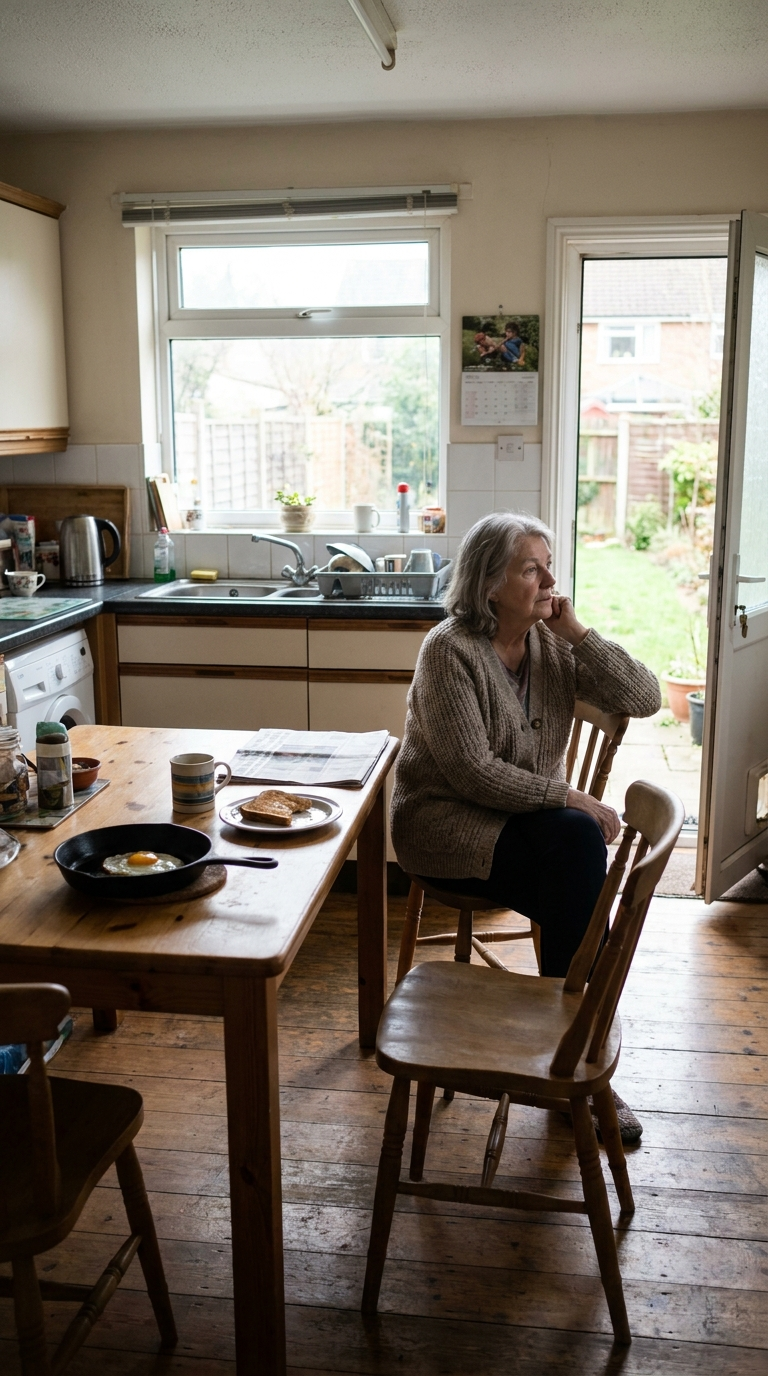
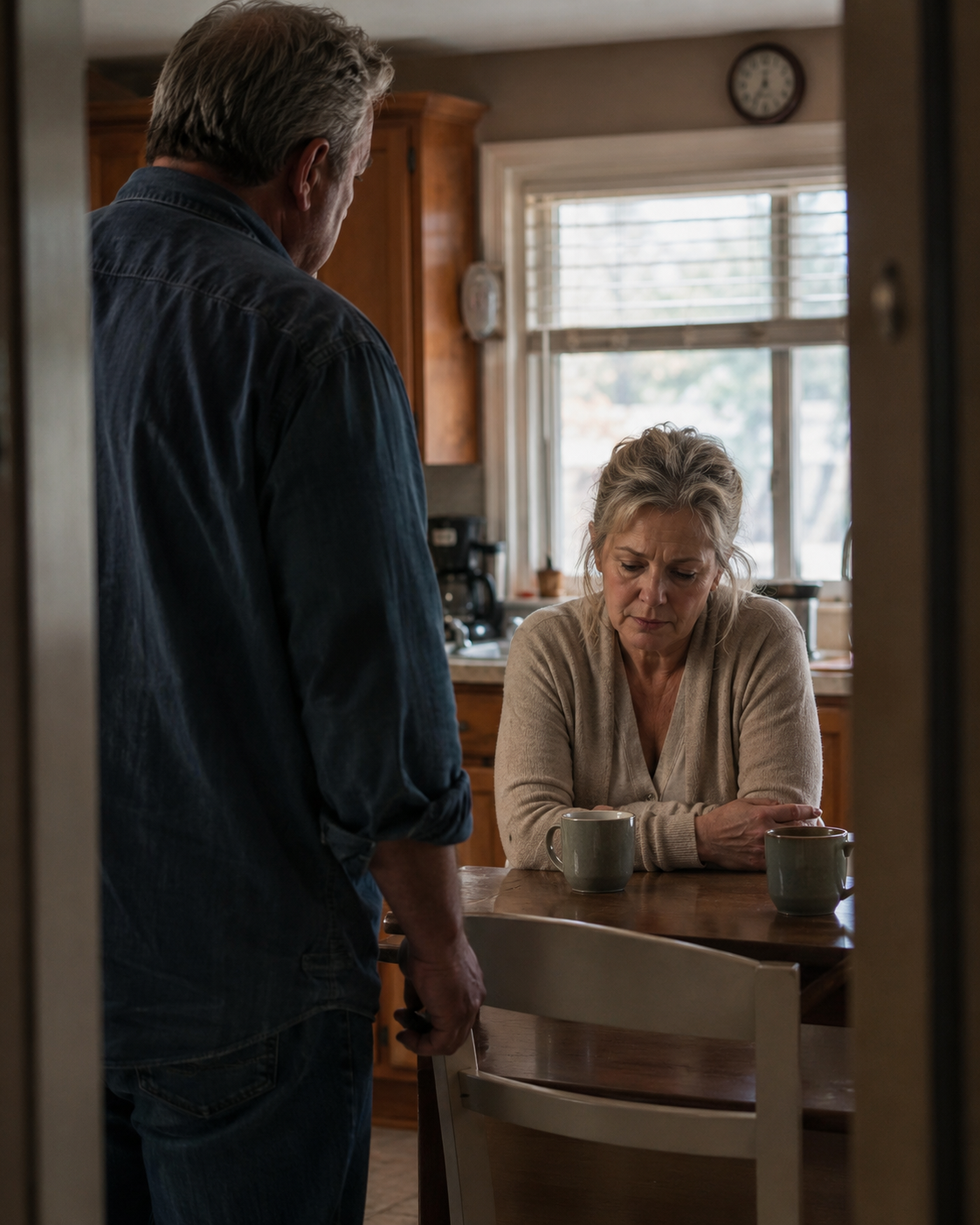
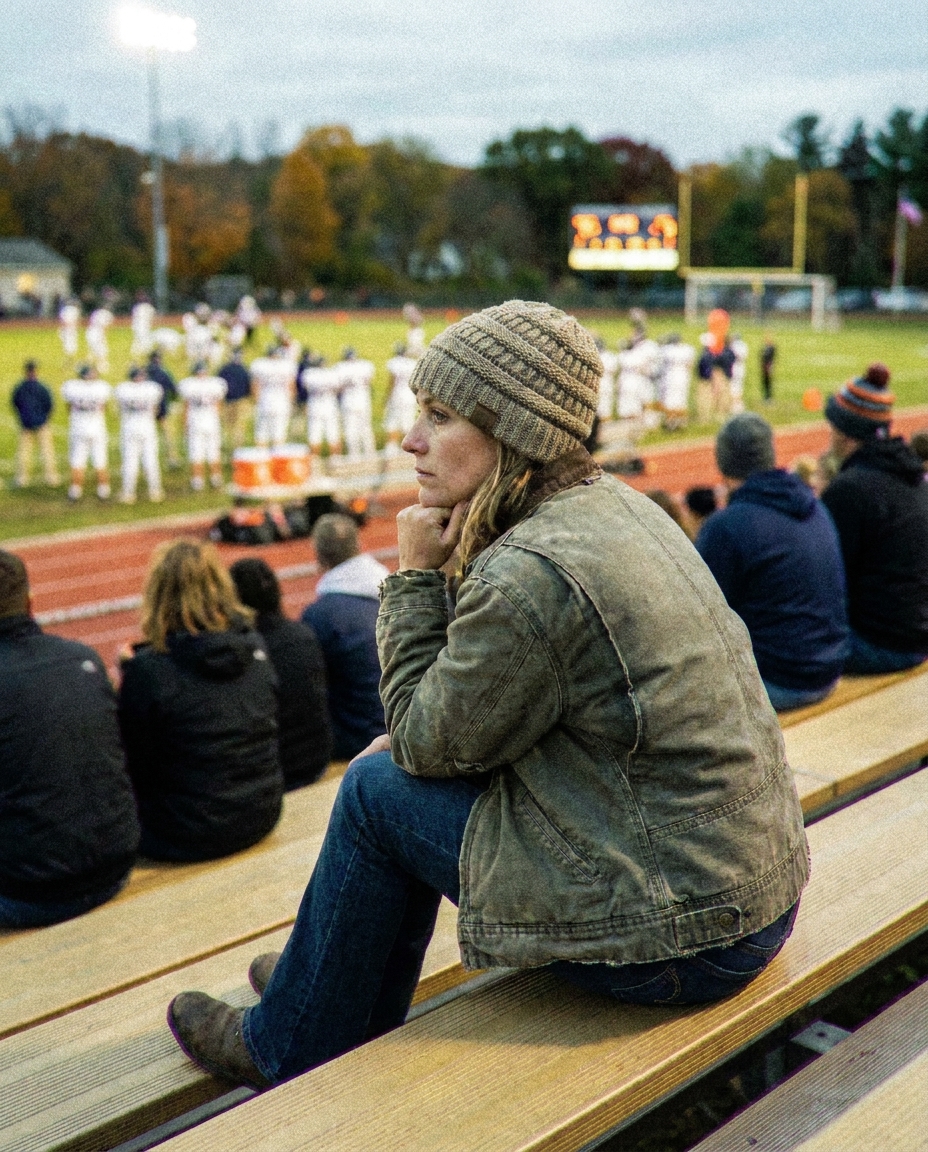
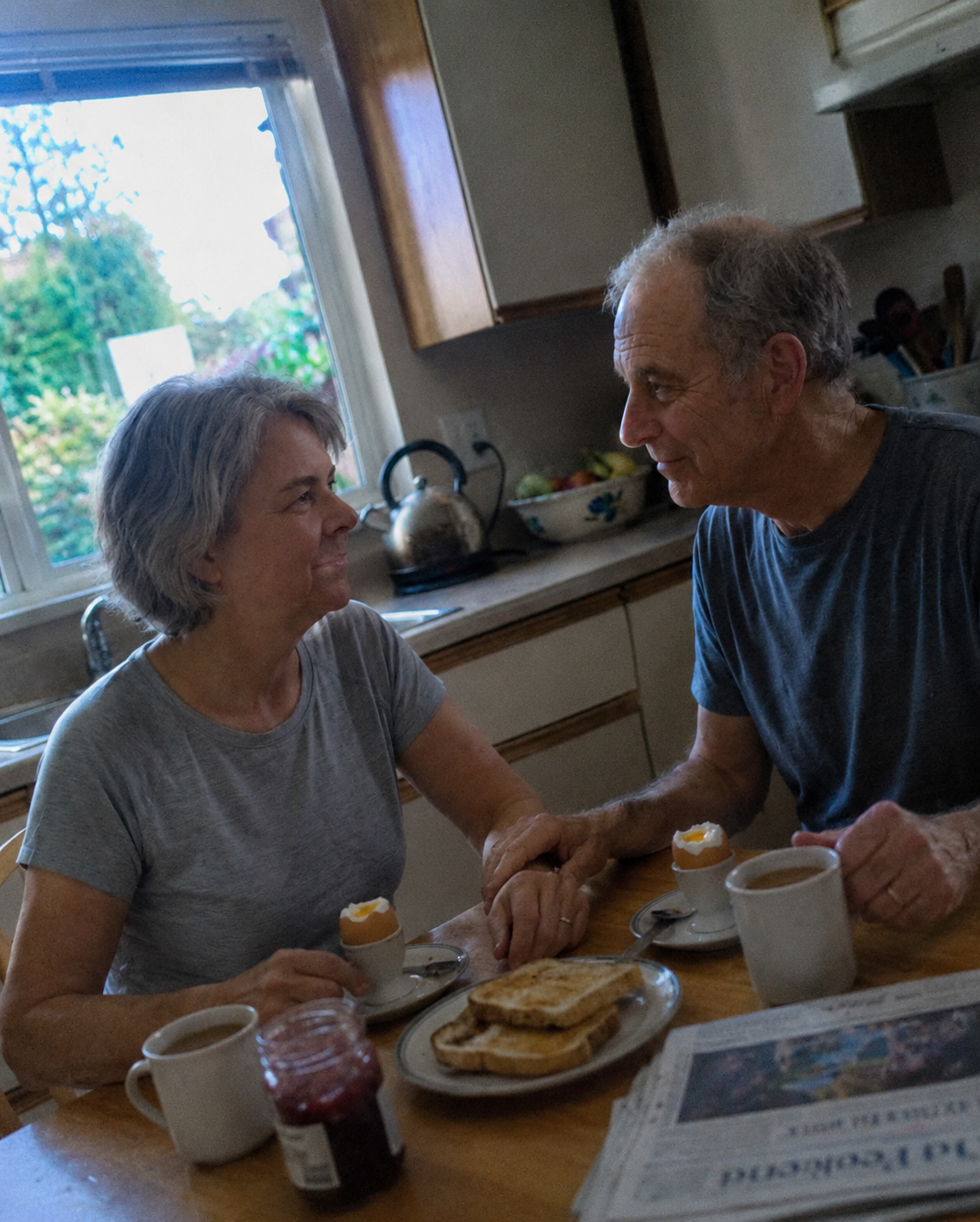
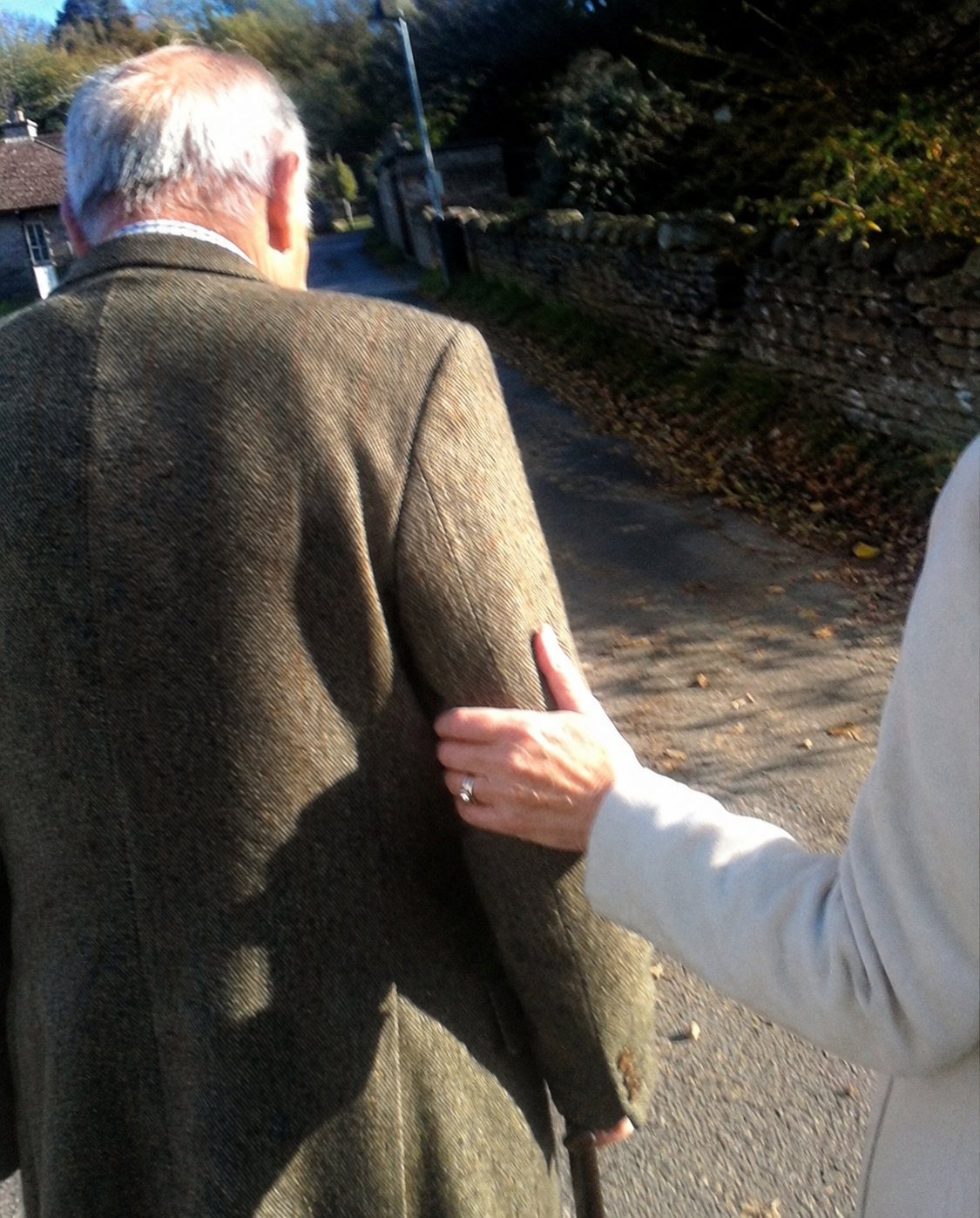
She Was Standing in the Rain Outside the Pharmacy. I Almost Didn't Ask If She Was Okay. I'm Glad I Did. I was picking up a prescription for my husband when I noticed her. She was outside the sliding glass doors, under the narrow overhang, with a white paper pharmacy bag held against her chest like she was protecting something fragile inside it. It was raining. Not hard — the kind of soft gray drizzle that gets into everything without announcing itself. Her hair was damp at the edges. She hadn't moved to her car. She was just standing there. I had my keys in my hand. My car was three spots over. I could have walked to it. I almost did. My husband Tom says I have a problem with strangers. He says I treat every waiting room and every checkout line like a coffee shop where everyone is just waiting to be talked to. He says it like it's a complaint. It mostly isn't. I turned around. "Are you waiting for a ride?" She looked up. Somewhere in her late sixties, maybe early seventies. Pale blue raincoat. Reading glasses pushed up on her head. The kind of face that has smile lines built into it even when it isn't smiling. "No," she said. "I'm just standing here." She said it matter-of-factly. Not embarrassed. Just honest. I stood next to her under the overhang. Didn't push for more. Sometimes that's all it takes. "Long day?" I asked. "My husband's blood pressure was high again at his appointment this morning." She glanced down at the bag in her arms. "Third medication they've tried. The doctor keeps saying we'll find the right one. We've been finding the right one for four years." She said it without bitterness. That was the part that stayed with me. Not anger. Just a kind of tired acceptance that had settled in deep and made itself at home. I didn't know what to say that wouldn't sound hollow. So I just stood there with her in the drizzle. "He was a roofer," she said, after a moment. "Thirty-one years. He could walk a peaked roof in the wind like it was nothing. His crew called him Billy Goat." She almost smiled. "You don't earn a name like that if your body isn't working right." "And now?" "He gets winded on the stairs. He sits down after the yard work. He had to stop driving in the evenings because the headaches..." She trailed off. "He doesn't complain. That's the thing about him. He never complains. He just quietly stops doing things. And I notice. I'm the one who notices." Her name was Dorothy. I learned that later, before I walked away. But in that moment she was just a woman standing in the rain holding her husband's medication and carrying the weight of four years of trying. I recognized that weight. Not because Tom was in the same situation — not yet. But because I'd seen the early signs. The way he'd started taking the stairs one at a time. The way he'd wake up at three in the morning and sit at the kitchen table with a glass of water and not say why. The way his doctor kept calling everything fine while Tom kept telling me, quietly, that he didn't feel fine. Dorothy wasn't showing me my future. She was showing me my present, a little further down the road. "Has his doctor talked about anything else?" I asked. "Anything he could add to support what the medication is doing?" She thought about it. "He mentioned something about diet. We've done the diet. Low sodium for two years. He hasn't touched a saltshaker since." She shifted the bag. "I've been reading about beetroot lately. Someone in my church group mentioned it. I looked into it and I don't know enough to know if it's worth trying." I knew the name. My daughter had mentioned it to me a few months back — she'd been reading about it for her own reasons, something about the compounds in it and how they worked in the body. She'd described it the way she describes things she finds interesting — carefully, without overpromising. "From what I understand," I said slowly, "it's not something you'd use instead of what the doctor has him on. But there's apparently been quite a bit of research on beetroot and cardiovascular wellness. The compounds — the betalains, the nitrates — have been studied for a long time. The question is whether what's in most supplements survives the processing." Dorothy looked at me with the slightly wary attention of someone who has been disappointed by things that sounded promising before. "The brand my daughter mentioned was called Rosabella," I said. "She said the difference was how they processed it — cold-pressed at low temperatures, to keep the betalains intact. Apparently those compounds are heat sensitive and most processing destroys them. She said the capsules themselves are deep red, which is how you can see the betalains are still in there." "How would I even know if it was doing anything?" "You probably wouldn't, at first. Or maybe you would — some people notice something in the first week or two. Others take longer. Bodies are different." I paused. "But I'd ask his doctor first. Especially with the medications he's on. One phone call to the office. Ask if there's any reason he shouldn't add an antioxidant supplement to what he's already doing. If the doctor says it's fine, you've lost nothing by trying it for a few weeks." Dorothy nodded slowly. Not convinced. Just thinking. She looked back out at the parking lot. The rain was starting to ease. "He was on the roof last summer for half a day helping our son-in-law patch a leak," she said. "Just to prove he still could. He came down and his hands were shaking and he wouldn't tell me if it was effort or something else." She folded the top of the pharmacy bag over once, neatly. "I stood at the kitchen window watching him on that roof and I thought — how many more summers does he get to do something like that? How many more before he can't?" I didn't have an answer to that. Nobody does. What I had was the name of something worth asking about. Something to add to what he was already doing — not to replace any of it, but to support the cellular layer underneath, the part that medications reach for from one direction and that maybe something else could support from another. I wrote down the name on the back of my receipt. Rosabella. Spelled it out clearly. She took the receipt, folded it once, and put it in her coat pocket. "I'll look it up when I get home," she said. "Call his doctor's office first," I said. "Before you order anything. Just ask if it's okay to add an antioxidant supplement. That's the whole question." She looked at me for a long moment. "You're very kind," she said. "To a stranger." "You weren't a stranger," I said. "You were just standing in the rain." I drove home thinking about Tom. About the three a.m. kitchen table. About the stairs. About the way he'd described the pressure behind his eyes when I'd asked — a fullness, he'd called it. Not pain exactly. Just fullness. Like something had moved into a space where there wasn't room. His doctor had said his numbers were worth watching. Not alarming. Worth watching. I'd been watching them for two years. That evening I called my daughter. Asked her to tell me again about the Rosabella. She told me the same things she'd told me before — the betalains, the cold-pressing, the decades of research on beetroot for cardiovascular wellness. She said it the way she says things she actually believes, carefully, without making promises she can't keep. "I'd add it to what he's already doing," she said. "Not instead of anything. Just alongside it. Talk to his doctor first." The next morning I called Tom's doctor's office. I explained what I was looking at — an organic beetroot supplement, 1,300 milligrams per capsule, for antioxidant and cardiovascular support. I asked if there was any reason he shouldn't add it to his current routine. The nurse spoke to the doctor and called me back. He said it was a reasonable thing to add. Antioxidant support, no concerns at that dosage, nothing to interact with. He said to let him know how Tom was doing at the next appointment. I started him on it the following Monday. One bottle, two capsules with a glass of water in the morning, added to whatever else he was already doing — not replacing any of it. Just one more thing working in his corner. It has been about two months. I am not going to tell you his blood pressure is fixed. I don't know if it is. That's what appointments and monitoring are for. I'm not his doctor and I'm not going to pretend I know what his numbers mean better than the people who went to school for it. What I can tell you is what I've noticed. He hasn't sat down at the kitchen table at three in the morning in six weeks. Last weekend he mowed the back lawn — all of it, not just the flat part — and came inside and made himself a sandwich and watched a football game. He didn't sit on the porch looking at the yard afterward the way he'd been doing. He just came in and made a sandwich. His doctor saw him last month. Didn't say the word "alarming." Said his body seemed to be responding well to the adjustments they'd been making, that whatever Tom was doing, keep doing it. I'll take that. Tom doesn't know I wrote any of this down. He would be embarrassed, I think, to know I was out there telling a stranger on the internet about his headaches and his three a.m. kitchen table. He's a private person. He was a private person the day I married him and he hasn't changed. But Dorothy is out there somewhere with her husband's medications in a white paper bag, and maybe she looked it up and maybe she didn't, and maybe there's someone else who's been watching someone they love lose one small thing at a time and calling it aging because that's the easiest word for it. I'm not a doctor. I'm not selling anything. I'm a woman who stood under a pharmacy overhang in the rain with a stranger and came home thinking about her husband. If what I read on that receipt does something for Dorothy's husband, I hope she calls someone she loves and tells them. That's what strangers are for. If you've been watching someone you love get winded on the stairs. If you've been calling it aging. If their doctor has been watching numbers and saying "not alarming yet" while the person attached to those numbers quietly stops doing the things that make them themselves — please talk to their doctor before adding anything. But it might be worth asking. One phone call to the office. One question: is there any reason they shouldn't add an antioxidant supplement for cardiovascular support? If the answer is no concern, then Rosabella is a reasonable thing to consider adding to what they're already doing — not replacing any of it. Rosabella Beetroot. Cold-pressed at low temperatures to keep the betalains intact. 1,300 milligrams per serving. Two capsules with a glass of water in the morning. The capsules are deep red — that's the betalains being visible, not dyed. That's the whole thing. P.S. I've had several people ask me which exact product I mentioned. It's Rosabella Beetroot — you can find it online. The one detail worth knowing is that beetroot's active compounds (the betalains) are heat-sensitive and most processing methods destroy them. Rosabella uses a cold-press process at low temperatures specifically to preserve them. That's why the capsules look the way they do — deep crimson rather than the pale brownish-red most beetroot supplements come in. P.P.S. A few things I want to be honest about: I can't tell you this will work for your husband or your father or whoever you're thinking about right now. Bodies are different. Some people notice something within the first week or two — a shift in energy, mornings that feel lighter. Others take longer. And some people notice nothing at all for a while and then one day realize things have quietly shifted. Give it at least a few weeks before you make a judgment. And please, add it to whatever else they're already doing — not instead of anything. P.P.P.S. Rosabella has a 90-day money-back guarantee. If you're not satisfied for any reason, every penny back. No questions. I think that matters — it means the company is confident enough in what they're selling to let you test it for three months risk-free. I went with the multi-bottle option when I ordered for Tom, because smaller companies can run through their inventory faster than you'd expect, and I didn't want to run out. P.P.P.P.S. I've been taking it too. That wasn't the plan when I started Tom on it. But after reading about the research on beetroot and cardiovascular wellness — the betalains, the dietary nitrates, the antioxidant work they do — I thought about Dorothy and her husband and about the years before something becomes a problem. I'm in my early sixties. The time to support something is before it needs repairing. That's what the Yoder family understands that the rest of us usually learn too late. P.P.P.P.P.S. Rosabella is a small operation. They cold-press in small batches on their own schedule and sometimes the inventory runs close. I keep an extra bottle in the house just in case. If you've been sitting on this — if you've been meaning to ask the doctor and then not getting around to it — this is the week to make that phone call. https://track.tryrosabella.com/cdc16426-3e48-40a7-9fad-21098084f6cf Individual experiences vary. These statements have not been evaluated by the FDA. This product is not intended to diagnose, treat, cure, or prevent any disease.
Support stamina and heart health every day
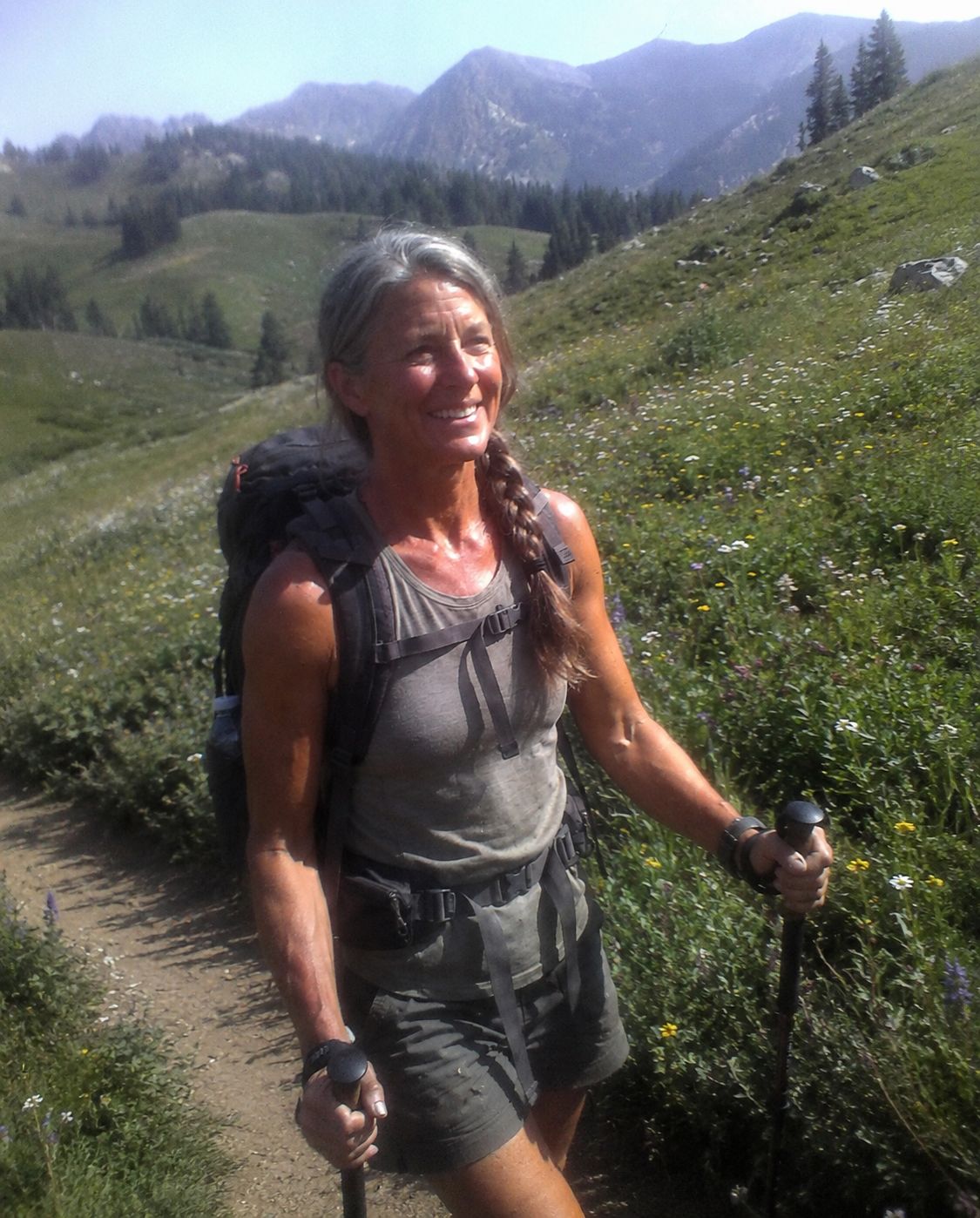
"Best customer support ever. My issue was resolved quickly and professionally. I so love how the beetroot capsules are helping manage my blood pressure."
LEARN MORELike this ad? Make it yours.
Crush rebuilds this exact creative around your product — your brand, your colors, your offer — in about a minute.